Posted on Leave a comment

Review: Monster Energy Supercross – The Official Videogame 2 – A Better Second Lap, But Still Not Quite There Yet

Such is Nintendo Switch’s popularity as a platform, that within two years of its launch we have no less than three motocross and supercross-related games. For such a niche corner of the racing simulation genre, the world of two-wheeled mud shenanigans has been scoring holeshots and podium finishes on handhelds for quite some time. However, the last outing – Monster Energy Supercross – The Official Videogame – stalled right out of the gate with some missing modes and a noticeable visual downgrade.

Longtime developer Milestone has clearly taken this feedback on board with Monster Energy Supercross – The Official Videogame 2 and attempted to provide a Switch port that offers a little more parity with those versions releasing on other consoles. This time you’re getting access to the Track Editor mode that was cut from the previous instalment in the series, along with full support for online multiplayer and the addition of the new sandbox ‘Compound’ mode. So if you’re a supercross fan with a love for Switch, you can rest assured you’re getting a far more complete package this time around (including, unsurprisingly, a few concessions as well).

The aforementioned Compound is one of Supercross 2’s best new features, even if it’s one that’s not quite fully-realised yet. This sandbox area offers a place to practice the finer points of the game’s mechanics. While its looks might be a little rough around the edges, its physics are just as on-point as ever. If you want to know how to nail the rhythm needed to ride whoops correctly, how best to lean into a turn without throwing your rider off, and the cleanest way to land after a long jump, this is the place to do it. You can unlock more of these areas – and items to customise them with – by completing challenges in Career mode and time trials, giving you plenty of reason to try out other modes.

It’s a shame this couldn’t have been utilised as something of a social space, where players could meet up and practice tricks and take part in ad-hoc races. There’s just so much potential here, and while the Compound isn’t quite the finished article yet, hopefully Milestone will iterate on it in the right way in future MXGP/Supercross titles. Still, with the robust Track Editor included this time around – which enables you to build your own circuits from scratch and upload them online for others to play – there’s a lot here to keep you occupied.

Career mode is back, this time with over 80 official riders from across the Supercross divisions – as well as the option to create your own with a limited creation suite. In an attempt to emulate the much grander career modes of Madden and the NBA 2K series, you’ll have a weekly agenda that extends far beyond race day. You’ll hit the Compound to train certain skills (such as landing a jump or making the perfect turn) and level the better you perform, you’ll race an AI-controlled rival in Challenges and head out on promotional duties (with the latter being nothing more than a brief glimpse of your driver leaning on his back and a nice reward for your troubles),

The overall presentation is also much stronger this time around, with an extra effort to recreate the energy drink-fuelled machismo theatre of a real supercross event. Having commentators Ralph Sheheen and Jeff Emig on-board adds to the authenticity (even if their delivery is a little stiff and limited only to pre- and post-race cutscenes) and with plenty of real-life courses from the current pro circuit, ardent fans will be grinning with glee. Sure, it’s not a touch on F1 2019 or other big-budget racers when it comes to presentation, but if you’ve played the series before, you’ll know it’s a small step in the right direction.

On Switch, performance is mixed between docked and handheld modes. Frame rates for both sit around the 30fps mark (with the latter dipping into the high 20s every so often) with only the occasional bit of chug when playing on the go. Graphics are surprisingly decent when playing in docked mode – the lighting model is more dynamic and texture detail (such as the sheen and slickness of mud) really stands out. Some of these details are still present in handheld, but with a noticeable dip in graphical fidelity.

For all its improvements when it comes to feature parity, Supercross 2 does retain some technical and mechanical issues Milestone really should have addressed by now. Loading times are still painfully long, with minutes going by as you stare at a green loading bar that fills at a rate so slow you’ll start thinking the game is outright taunting you. This isn’t just a Switch problem either – prolonged loading times have dogged the other console versions as well, so you’ll have to learn to kill time regardless of where you choose to play. Oddly, of all modes, the track editor is by far the fastest for loading times.

There’s also way too much of a grind involved in unlocking cosmetic items for your rider. Despite having found a steady pace of doling out in-game credits in the MXGP series (see MXGP 3 on Switch for an example of this), the Italian studio has made the bizarre decision to gate off even the smallest of items behind grossly-inflated prices. There are no microtransactions here, so you’ll have to grind through multiple careers to earn enough to get your hands on the good stuff. It’s something Milestone could patch in a future update, but it’s still an odd choice to include.

Conclusion

Monster Energy Supercross – The Official Videogame 2 is a vast improvement in many ways upon the first game. The inclusion of a track editor, the reinstatement of online multiplayer and the sheer level of authenticity on offer will impress both longtime supercross fans and casuals looking to spray mud on two wheels. Visually, it’s a noticeable step up and while it does occasionally chug, the frame rate holds fast most of the time. It’s just a shame those monstrously long loading times and a needlessly grindy unlock system takes away some of its shine.

Posted on Leave a comment

Mario & Luigi: Bowser’s Inside Story + Bowser Jr.’s Journey Is One Of The Worst-Selling Mario Games To Date

Mario And Luigi Inside Story

Recent 3DS title Mario & Luigi: Bowser’s Inside Story + Bowser Jr.’s Journey has had a pretty rough launch period, with early sales showing that it is currently sitting amongst the worst-selling Mario titles ever released.

In its home region of Japan, Mario & Luigi: BIS + BJJ (how do you shorten the name of this thing?!) has been struggling to break the top 50 chart positions in recent weeks despite only launching at the very end of December. You probably don’t need us to tell you that Mario games usually perform incredibly strongly in the Japanese charts, but a life-to-date sales estimate of just over 20,000 units is worryingly low for our favourite plumber.

To put this into perspective, other recent release New Super Mario Bros. U Deluxe has already shifted an estimated 381,469 units with less time on sale. Of course, the game is part of a different series and perhaps appeals to a slightly different audience, but both games are essentially ports of older titles with the main difference being the system of choice – 3DS for Mario & Luigi, and Switch for Mario Bros. U Deluxe.

The estimated figures come from GameDataLibrary, which has tracked Japanese sales for all games up to 3rd February at the time of writing. The screenshot captured below shows the worst-selling, Nintendo-published Mario games to date in Japan and, as you can see, Mario & Luigi: BIS + BJJ is currently sitting amongst download-only titles and even a Virtual Boy game.

Sales will undoubtedly rise from this number a little over the coming weeks, but considering it has already dropped out of the top 50 bestsellers by a considerable margin, it won’t be rising as much as fans of the series might hope. Whether or not this might impact the future of the Mario & Luigi series is unclear, but it looks pretty safe to say that releasing the game as a 3DS exclusive didn’t help this one’s chances.

Did you pick up a copy of Mario & Luigi: Bowser’s Inside Story + Bowser Jr.’s Journey? Do you wish it had launched on the Switch instead? Let us know your thoughts on this in the comments below.

Posted on Leave a comment

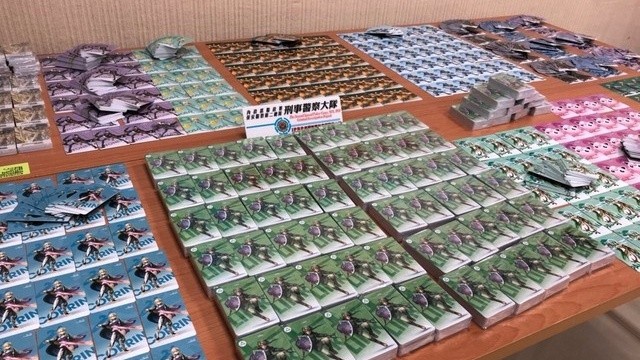
Random: Taiwanese Police Seize 6,850 Fake amiibo Cards From One Man

We all know that crime doesn’t pay – however, reports that a Taiwanese man has been arrested after selling fake amiibo cards suggest that the old maxim is a big fib. This unscrupulous individual had a variety of decidedly dodgy amiibo cards with full NFC functionality on sale for the tidy sum of sixteen New Taiwan dollars each (around 52 US cents). Check out the tweet from Chinese Nintendo below:

The report suggests he purchased the lot in bulk from a Chinese website. We have to say, we’ve seen far worse in terms of production values with counterfeit gear and it’s easy to see how less-knowledgeable gamers could confuse these for official products.

The man is reportedly in custody and these cards are now off the streets, but with nefarious duplication of NFC cards being so easy, it’s perhaps this more than anything else which may be the fly in the ointment of our imagined Pokémon trading card/amiibo crossover.

Have you seen any of these shady cards in the wild? Does this scupper the chances of any meaningful amiibo implementation in the future? Let us know your thoughts below.

[via tw.appledaily.com, nintendosoup.com]

Posted on Leave a comment

Here’s What Peter Molyneux’s Next Game, Legacy, Looks Like

Legacy

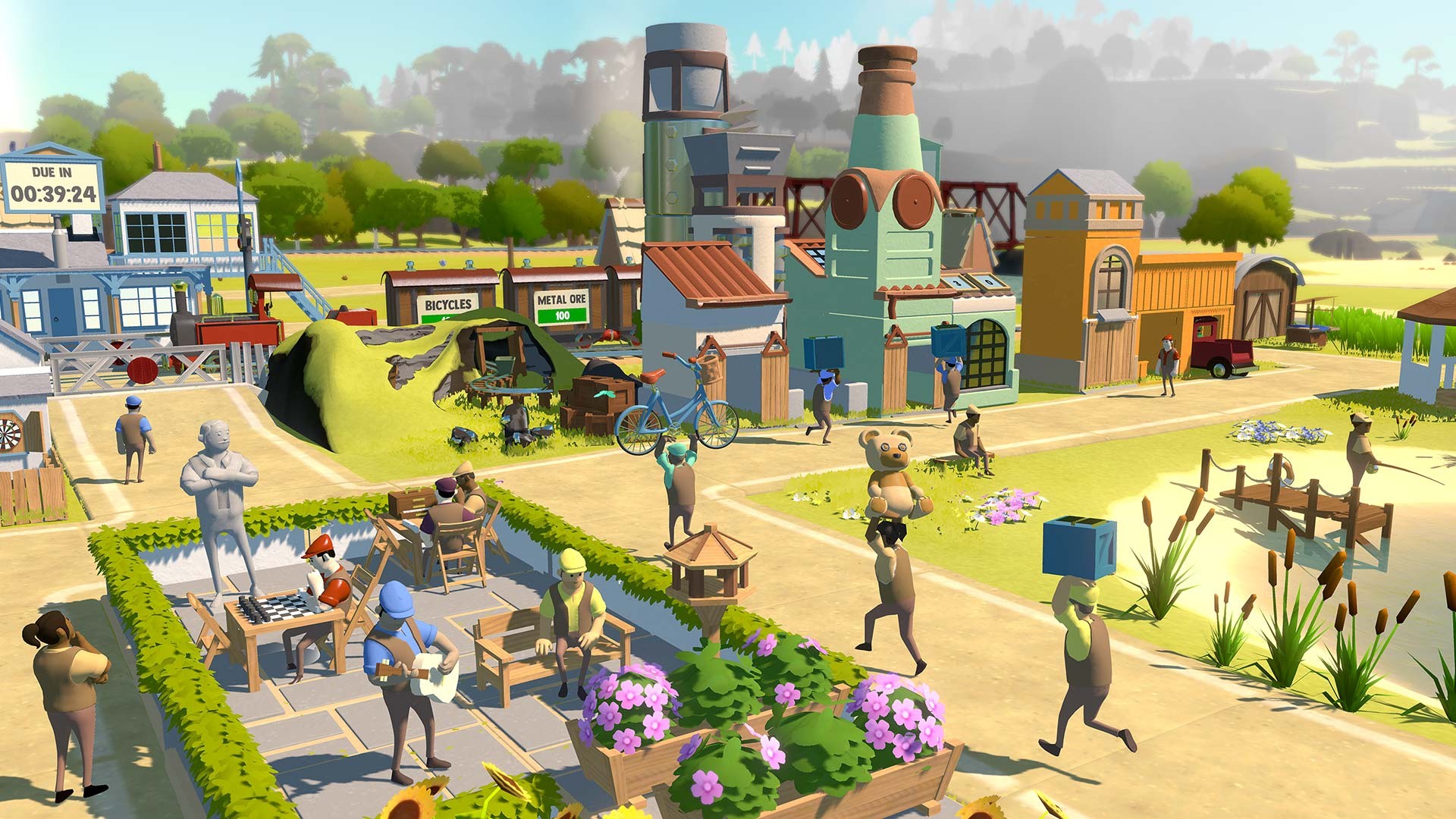
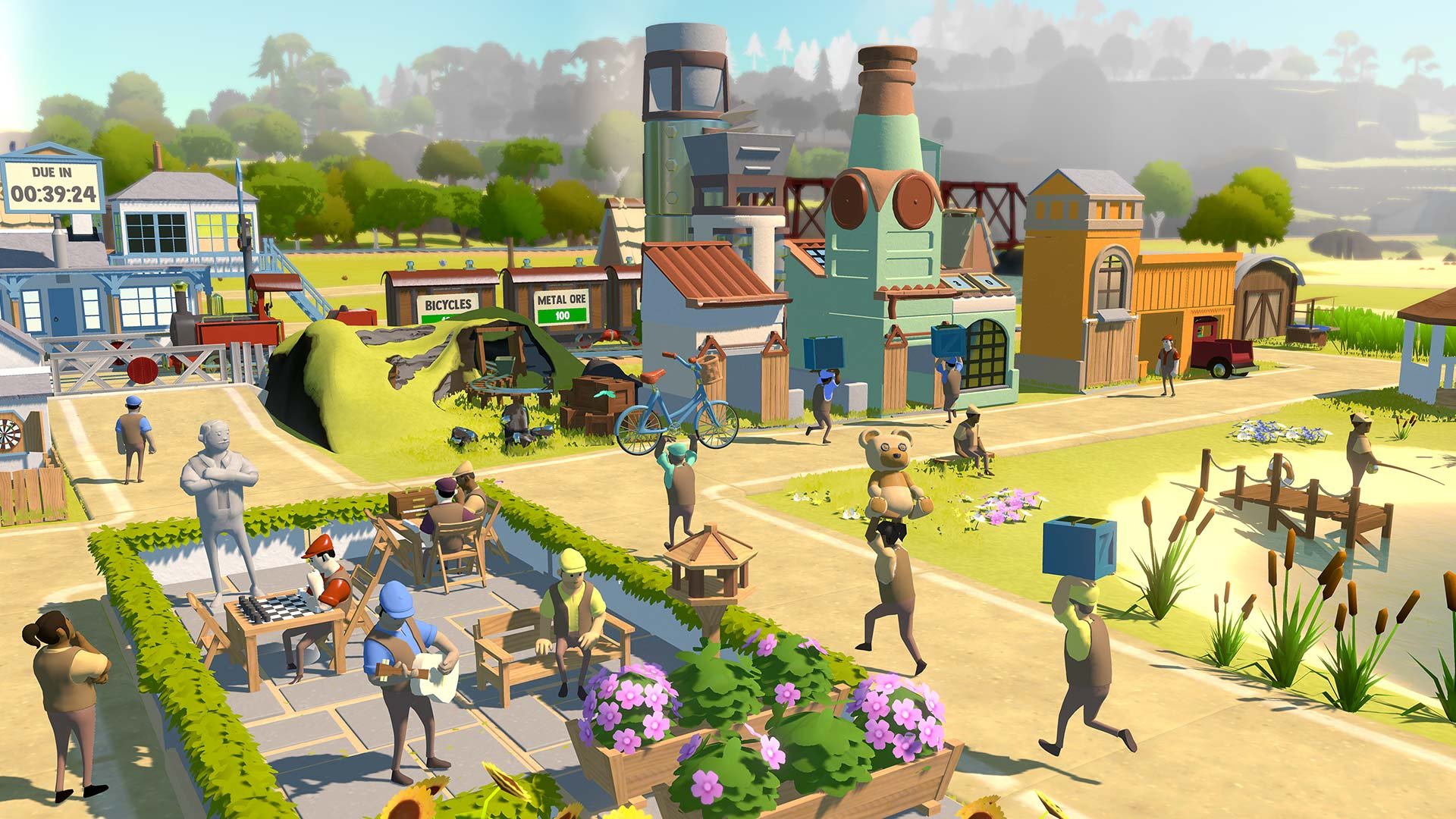
A few days ago, we published an interview with Peter Molyneux regarding his next game, Legacy, and his desire to bring it to Switch, a console he loves to bits. Now, we’re able to bring you the first screenshots of the game, which Molyneux himself says is an intentional throwback to his very first video game, The Entrepreneur, which famously sold just two copies (one of which was apparently purchased by his mother).

In Legacy, you run a business and can build almost anything. Inspired by Molyneux’s father, who would spend hours in his workshop creating all kinds of things, the game places you in the role of an inventor and tinkerer who starts off crafting unique products in their garage and selling them to the public; make enough best-selling items and you will out-grow your humble origins and turn your business into a global megacorporation, an evolution which comes with added pressures – such building factories and hiring a workforce. You’ll then face issues such as looking after your growing workforce and balancing profitability against moral and ethical concerns.

While platforms haven’t been formally announced, it is believed that Legacy will be coming to PC and smart devices initially. Molyneux’s affinity for Switch means Nintendo players could also get a chance to play it in the future.

Red Bull Gaming has run an in-depth look at Legacy as part of its excellent Levels series of short documentaries, six films which each look at a different software house and its approach to making games. We’ve Included a link below but be warned, it does contain some bad language. Let us know what you think of the game so far, and if you’d like to sample it on Switch.

Posted on Leave a comment

Activision Is Offering Full Refunds To Guitar Hero Live Buyers In The US

Ghlive

Activision has opened a refund program for US customers who purchased Guitar Hero Live on or after 1st December 2017 following the closure of the game’s GHTV service.

Originally launching back in 2015, Guitar Hero Live featured two main games modes: an offline mode which had you playing in front of a crowd of real, pre-recorded actors, and an online mode where you could play along to official music videos being streamed to you on various, in-game, TV-like channels. For hardcore fans of the peripheral-heavy series, it was a true return to form for the most part, but disappointing sales led to its early demise.

In December 2018, Activision revealed that it would be shutting down the online GHTV mode, essentially removing a huge part (and arguably the best part) of the game. To avoid any upset, and potentially any legal action from angry consumers, the publisher is now offering refunds to all US buyers who bought the game within a year of its discontinuation.

Activision is offering a voluntary refund program for customers who bought the Guitar Hero Live gaming system on or after December 1, 2017, in the United States. Customers may qualify for a refund if:

1) They purchased Guitar Hero Live in the United States during the period starting December 1, 2017 and ending on January 1, 2019;
2) They submit a completed Claim Form by the deadline of May 1, 2019; and
3) Their purchase of Guitar Hero Live since December 2017 can be confirmed by Activision

If you qualify for this refund and wish to apply, you can do so right here. Even if you don’t have proof of purchase via a receipt or credit card statement, Activision will still attempt to verify eligibility. Whether this refund process will also arrive in other regions is unknown.

Did you get Guitar Hero Live on Wii U? Were you sad to see GHTV go? Tell us below.

Posted on Leave a comment

Team Waffles Wins Splatoon 2’s Breakfast Battle Splatfest

Waffles Mmm

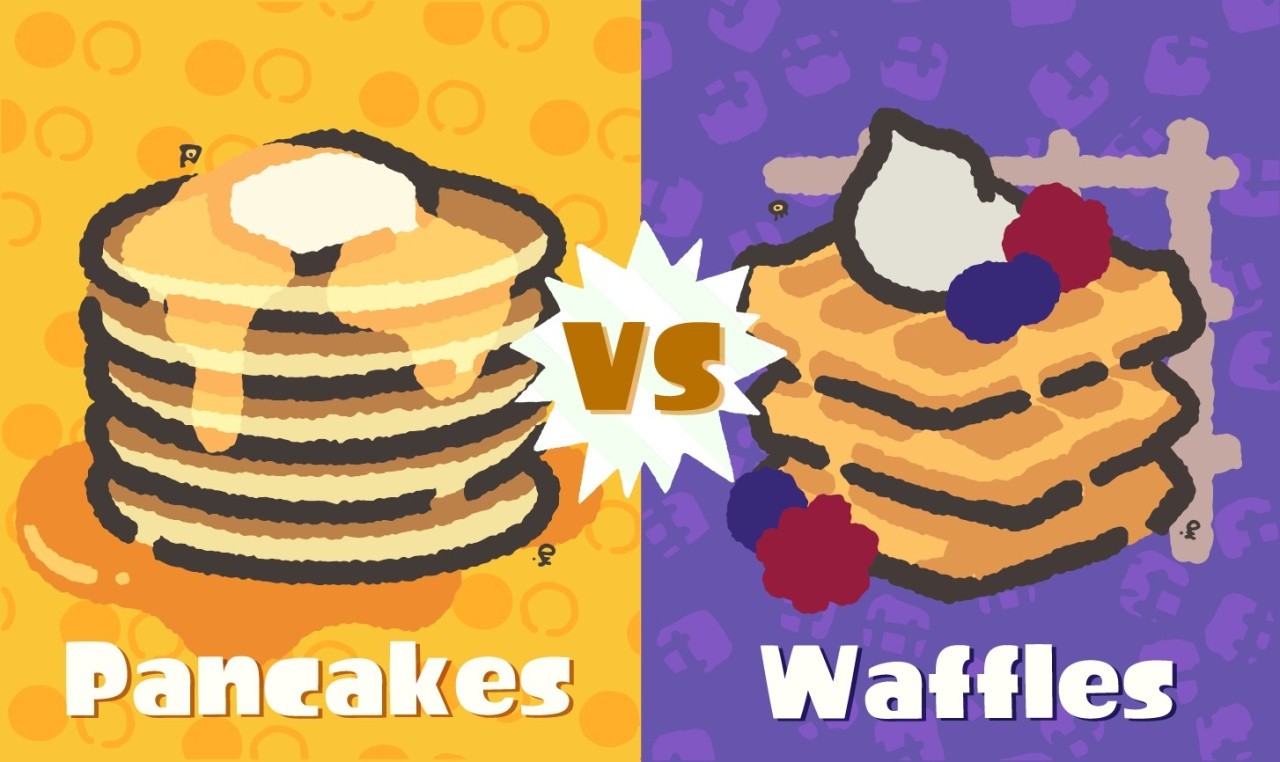
If you’re still participating in the Splatoon 2 Splatfests on a regular basis, you’ll no doubt have heard this weekend’s battle in Europe and North America was all about pancakes and waffles.

Now that this delicious breakfast battle has come to an end, Pearl and Marina have revealed waffles are the best – with a 3-0 victory over pancakes. See the results for yourself below, courtesy of our Switch screen capture:

Waffles Win

Which side were you on? Are you still playing Splatoon 2? Tell us below.

Posted on Leave a comment

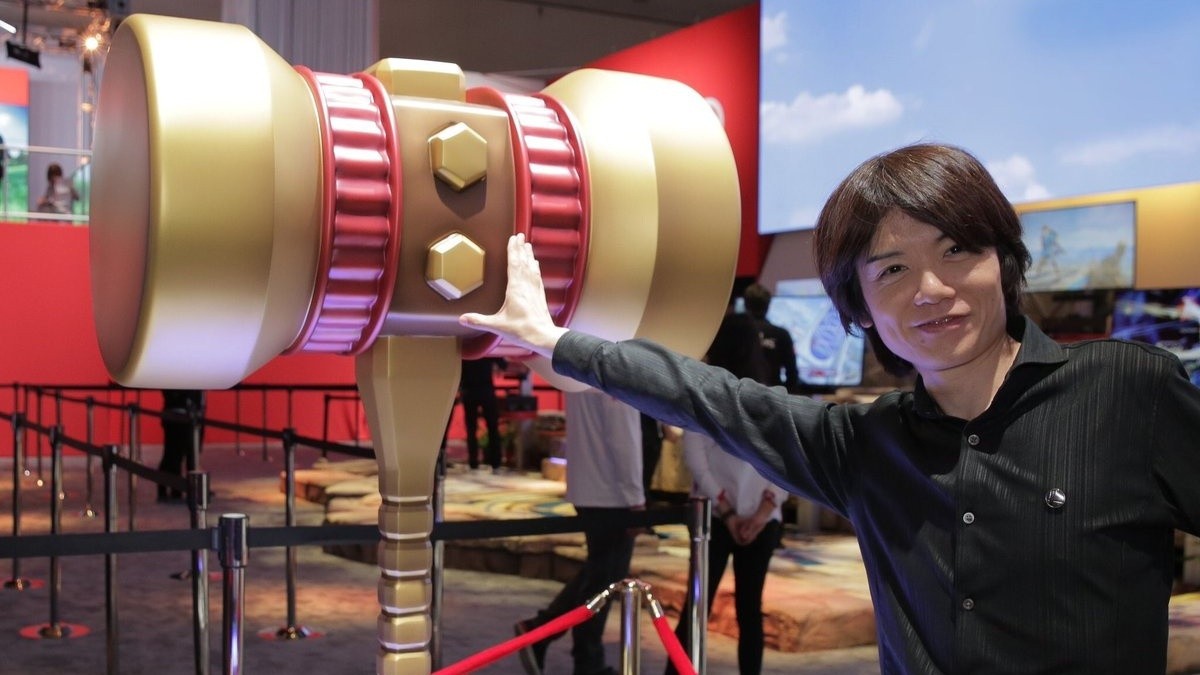
Video: Sakurai Declined Offer To Work On Oculus VR Games Because Of The Small Audience

When you read or hear the name Masahiro Sakurai, you’re likely to think of the Super Smash Bros. series or the famous pink puffball, Kirby. Either way, this legendary video game director and designer has commonly been associated with multiple Nintendo projects over the duration of his career.

There was one point, back in 2015, when Sakurai was given the opportunity to make virtual reality video games by the American company Oculus. Video game historian Liam Robertson recently discovered this by talking to the author Blake J. Harris after he had completed his second book, The History Of The Future, chronicling the founding of Oculus and its endeavors to bring Virtual Reality to mainstream audiences.

In a 2013 Famitsu column, Sakurai spoke positively about the Oculus Rift. He went onto explore the medium’s possibilities in a 2014 follow-up article and shared his own VR ideas while listing a few games that could utilise this technology, such as the PlayStation title Jumping Flash! and other games like the LovePlus series. He even admitted he would love to make his own game, under the right circumstances. Obviously, he was too busy with ongoing Super Smash Bros. development.

Sure enough, the Oculus founder Palmer Luckey heard all of this. With Smash Bros. being Luckey’s all-time favourite video game series, his intentions were to recruit Sakurai to work on a VR game. With Sakurai not being a Nintendo employee, and working on a contractual basis, as long as his business with Nintendo was fulfilled, he was allowed to take on other proposals. This led to a meeting between the two in Tokyo in 2015, where Sakurai was given the chance to work on VR game with complete creative control and would receive a generous payment in return. In the end, Sakurai said if he did such a project, he would want to give it his all, but felt the audience for Oculus was simply too small, potentially limiting the game’s exposure. At this point, discussions ended.

To hear the full story and the finer details, watch the video above.

Would you like to see Sakurai release a VR game one day? Are you glad he’s all about bringing games to as many players as possible? Tell us in the comments below.

Posted on Leave a comment

Feature: Just One More, Honest: The Unlikely Endurance Of amiibo

IMG 9544.JPG

With Disney Infinity, Skylanders and Lego Dimensions falling by the wayside in recent years, toys-to-life seems to have reached its natural conclusion. Much like the plastic instrument peripherals of a decade ago, consumers have had enough after filling their homes with plastic discs, USB base plate readers and assorted clutter – the novelty just isn’t enough anymore. As much fun as we had with it, Starlink: Battle For Atlas seemed like a foolhardy endeavour even from its initial reveal back at E3 2017, and despite being a very strong game (with Switch owners getting the choicest cut thanks to the excellent Star Fox crossover content), disappointing sales and a speedy price drop only confirmed what seemed self-evident from the start: toys-to-life is well and truly dead.

But is it, though? A quick survey around the Nintendo Life office reveals we’re still picking up amiibo when something catches our eye. Nearly five years on from launch, Nintendo’s reaction to Skylanders and Disney Infinity – wisely branded apart from the struggling Wii U – has somehow bucked the trend and outlived nearly all competition. We’re still buying them even after toys-to-life went off a cliff. The crazy days of shortages and flipping Wii Fit Trainer on eBay for 500% profit are long gone, but last year’s figures remarkably showed growth in amiibo sales. Nintendo is often accused of artificially bottle-necking supply to generate consumer demand – a practice they deny – but shortages certainly drove interest when the platform launched in 2014.

IMG 9546.JPG

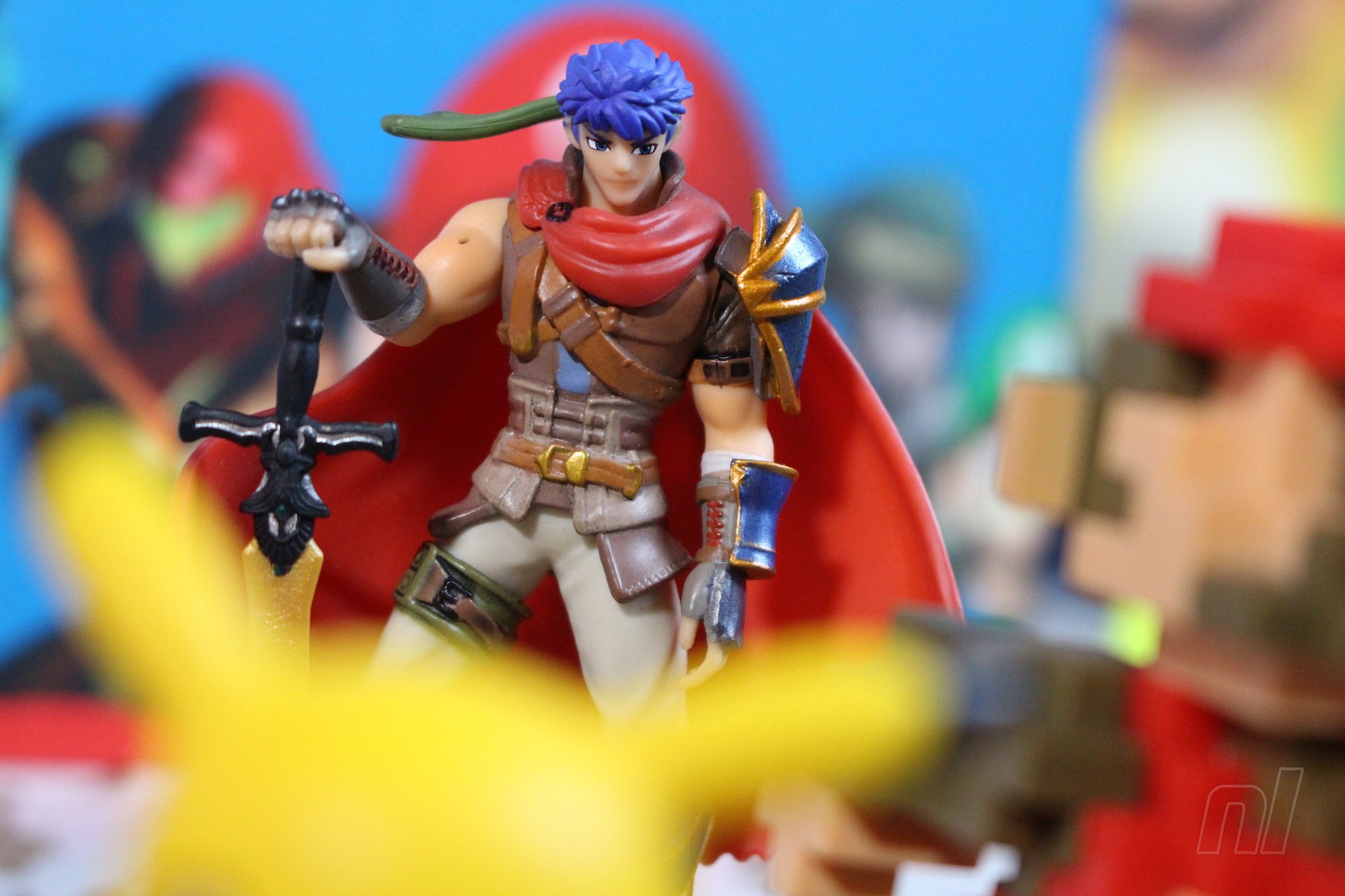
The reasons for toys-to-life’s precipitous decline is tough to pin down to one factor, especially while Nintendo continues to buck the trend. The explanation that brick-and-mortar stores got sick of bulky stock might hold water were it not for all the Funko Pops lining racks at your local gaming emporium. Retailers are happy to clog shelves with plastic so long as it’s shifting, and amiibo are still doing just that. Restocks of some of the rarer figures prior to the arrival of Super Smash Bros. Ultimate helped collectors pick up ones they’d missed, and we’ve seen figures from other series reappear, too. Just the other day we were thrilled to see an Ocarina of Time Link in the wild and fought the urge to snap it up immediately. What started out as ‘okay – just a couple of the ones we really like’ has ballooned into a collection which threatens the structural integrity of our Billy bookcase. Of course we were going to get Chibi-Robo and the squidgy Metroid, and we’d snap Nintendo’s hand off at the wrist to get that Japan-only Qbby amiibo for a sensible price, though did we really need Duck Hunt dog? Our shelf contains several fringe characters purely because they were cheap, or worse, they were rare.

You could argue that other brands don’t enjoy the broad cross-generational appeal of Nintendo’s beloved characters and IP. Skylanders are unlikely to strike a chord with many parents – as the plastic pouches filling second-hand bargain bins at your local GAME will testify – but Nintendo’s roster is recognisable to virtually everyone. It’s a valid point that unfortunately founders when you consider Lego’s timeless charm and Disney’s unimpeachable (and ever-expanding) portfolio. If Mickey Mouse, Buzz, Woody, Darth Vader, Iron Man, et al. aren’t enough to save a sinking ship, what dark magic fuels the success of a platform boasting Captain Falcon, Mii Brawler and, er, Roy? How are amiibo popular enough to justify twelve different versions of the same character? (Link, if you’re wondering – yes, that includes his lycanthropic form.)

IMG 9548.JPG

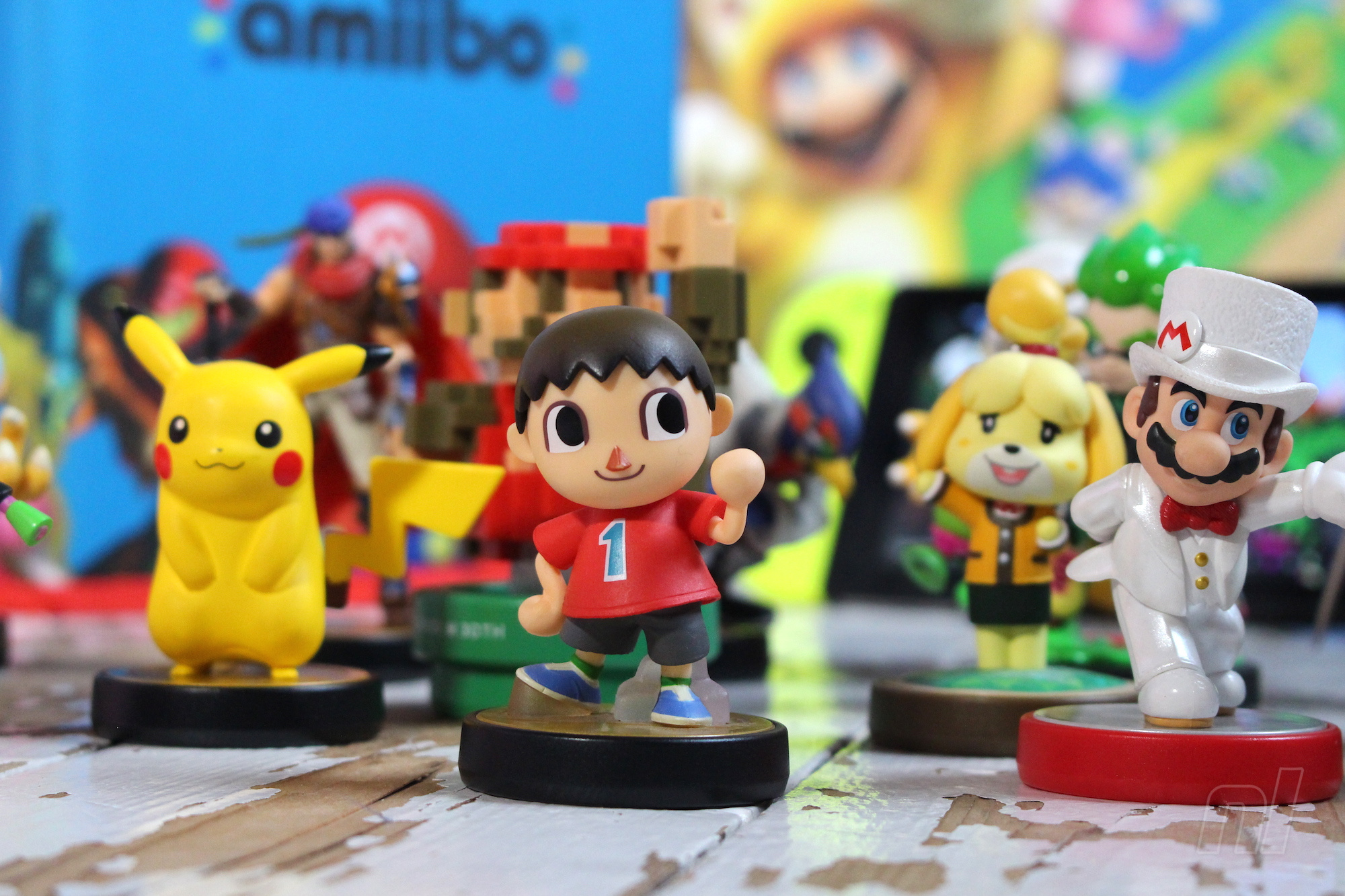
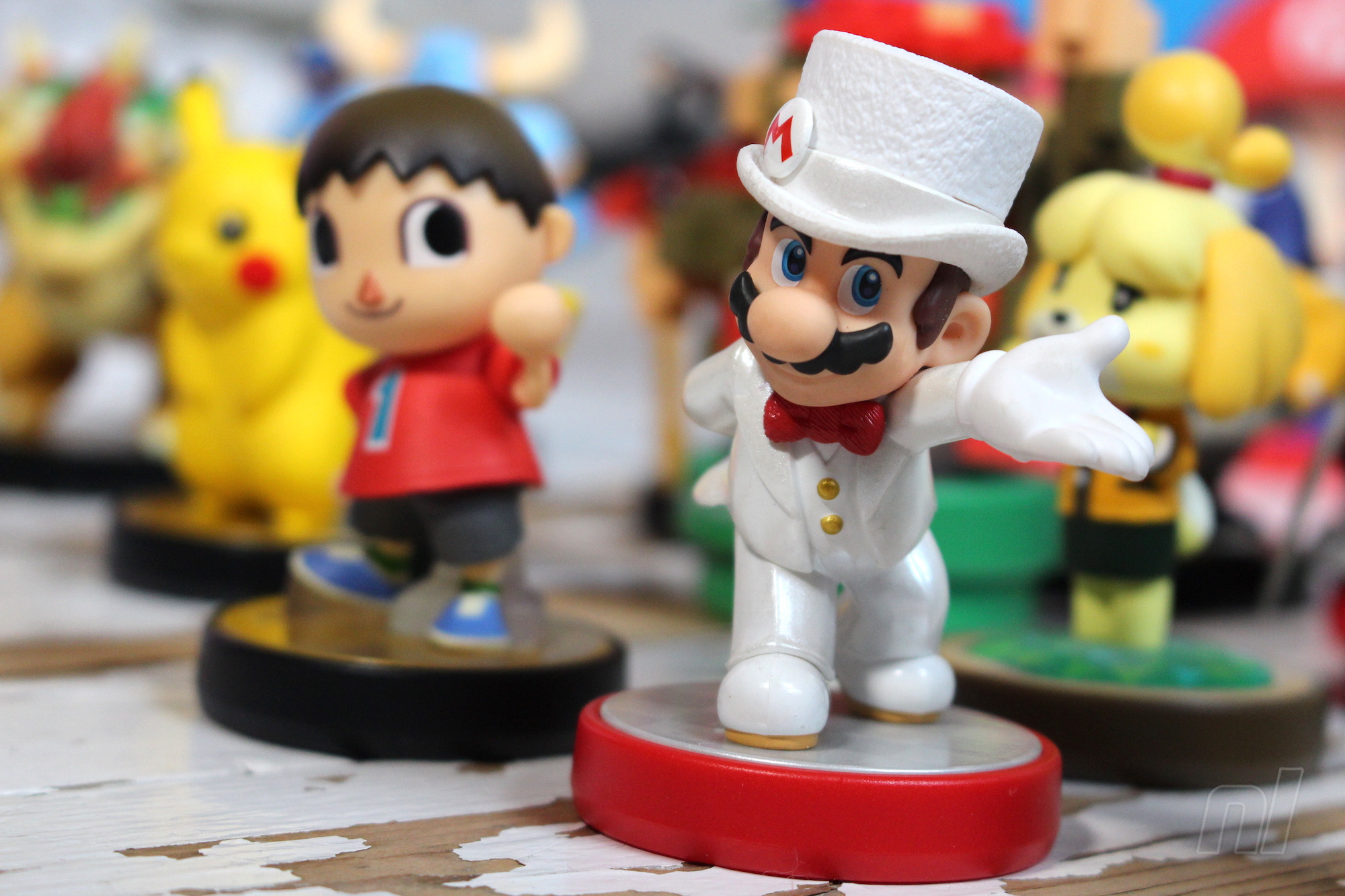
One can safely assume that amiibo are surviving – thriving, even – purely as collectables. The wedding-themed Mario, Peach and Bowser figures comprising the Super Mario Odyssey series, for example, were arguably designed as cake-toppers for nerd nuptials in addition to the nominal in-game bonuses they offer. The overall sculpture quality means they look great on display – far better than any run-of-the-mill World of Nintendo figurine – so that’s undoubtedly a factor in their continued success.

In spite of amiibo’s healthy effect on Nintendo’s balance books, it’s harder to argue that in-game implementation has been anything but a disappointment. With no need for a bulky base, the fact that their Near-Field Communication chips interface with the controllers directly is a massive boon, but we’ve yet to see any truly innovative use of them in software. Even notable examples of integration are hardly ground-breaking and anecdotal evidence suggests that many players simply don’t bother scanning them anyway. Smash Bros. – the driving force behind the majority of the amiibo line – is a case in point: training amiibo fighters that ape your fight-style is a diverting little extra and the idea of pitting them against a mate is fun, but the novelty wore off quickly. The handful of bespoke challenge levels they unlocked in the original Splatoon led to some exclusive swag, although we don’t recall if we completed them all, and we’re not digging the Wii U out of the loft to check. In Super Mario Maker they handily gave you immediate access to the corresponding 8-Bit costume, but those could be earned through normal gameplay. Other instances of decent implementation exist, but it’s nothing terribly interesting or game-changing.

IMG 9545.JPG

In fact, you could say that for space-conscious gamers with families, NFC functionality and gameplay value – however notional it may be – works more as a psychological justification to purchase. It’s an easier sell to yourself and loved ones alike when you can claim these attractive bits of plastic also enhance the games. Their compatibility with multiple titles is another win; even the ones you’re on the fence about might end up on your shelf if they unlock a natty costume in Mario Kart 8. Hardly essential, but neat enough to rationalise throwing down a tenner.

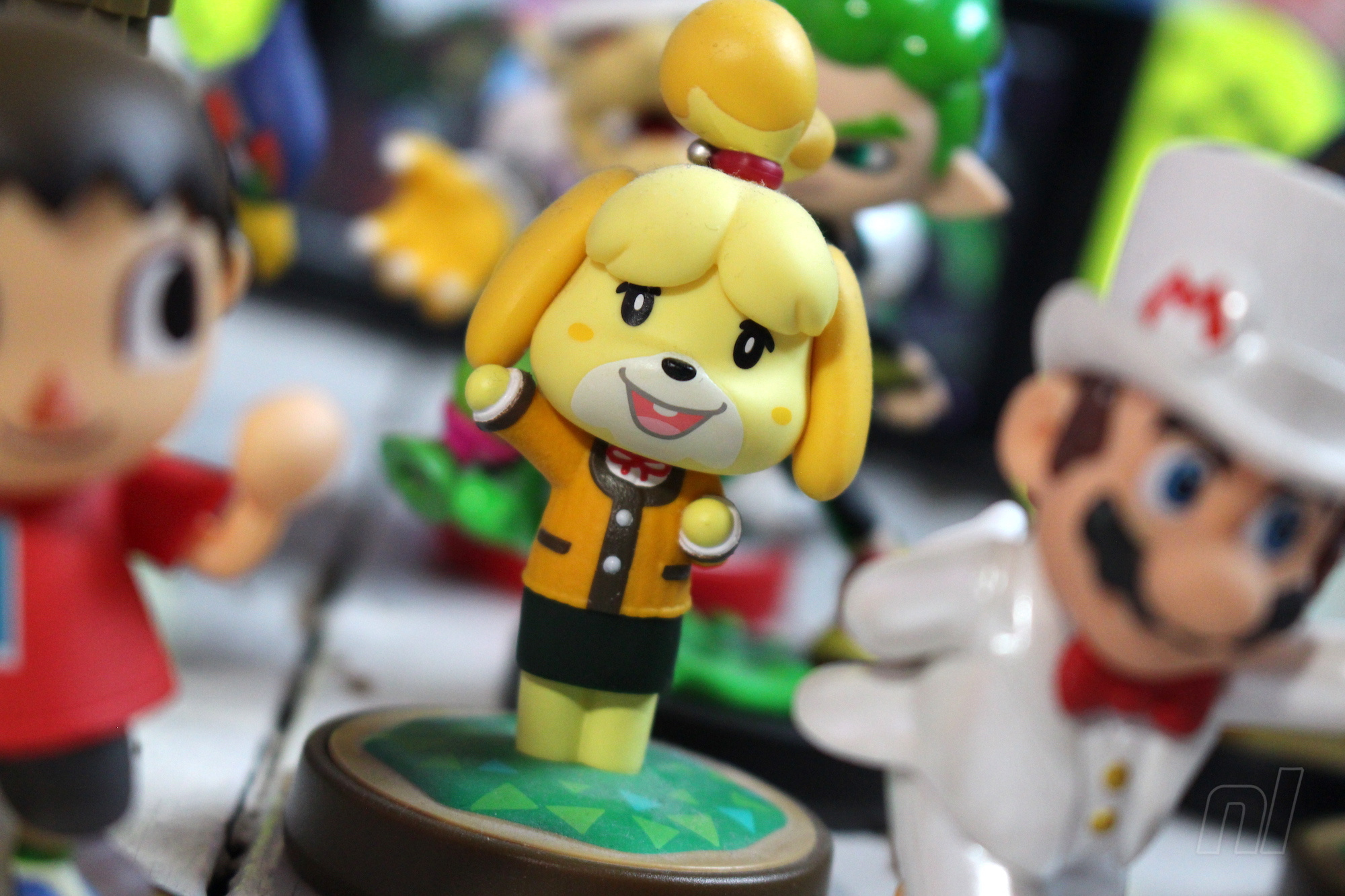
Conversely, there are plenty of examples where amiibo support feels like more trouble than it’s worth. Wii U’s insipid Animal Crossing: Amiibo Festival was developed mainly to encourage the company to make amiibo for that series – and for that we’re thankful. The actual game, though, was a turgid snorefest. Mini Mario & Friends: amiibo Challenge on Wii U and 3DS was another stab at a bespoke title which fell flat, though at least that was a free downloadable offering.

Perhaps the problem lies in Nintendo’s unwillingness to use amiibo for anything more than cosmetic items or minor rewards. The company’s approach has been sensible for the most part – any variant of a character (Dr Mario or 8-Bit Mario, for example) will unlock character-specific bonuses. Of course, gating significant content behind them (like, say, proper dungeons in a Zelda game) would be a sure-fire way to provoke ire from the fanbase, and Nintendo hasn’t taken that road.

IMG 9550.JPG

Admirable as it is, this approach does hamstring creativity somewhat if designers must constantly work on the basis that players have nothing but the base game. A sensible choice, yes, but it leaves an enormous amount of untapped potential on the drawing board, and after seeing the sheer creativity on display with things like Labo, surely there’s some outrageous, outside-the-box idea that could make use of the millions of amiibo sitting on shelves across the globe. It’s unthinkable that Amiibo Festival and Mario Party are really the best Nintendo can do.

At the very least they should be providing added value to your system. Why don’t they unlock custom themes or skins on your 3DS or Switch? Is a simple colour scheme asking too much? How about a simple chess game? Board games have enjoyed a huge renaissance over the last decade, both digital and physical. Imagine a Dungeons & Dragons-style campaign, for example, where your character stats and choices are stored in your amiibo. What about some sort of Labo tie-in where you can use the figures in your own Toy-Con creations? Remember the oversized Yarn Yoshi or that monstrous Guardian amiibo? Why weren’t they tied into some exclusive DLC – something meatier than a boss-rush challenge dungeon? We’re not promoting the idea of excluding players, but packing amiibo with the software ensures everybody’s on the same page and opens the door to more interesting interactions and gameplay possibilities.

IMG 9562.JPG

We’re just spitballing – Nintendo’s boffins could surely come up with something that utilised all those latent NFC chips in the wild. The company is adept at finding new and interesting ways to repurpose older tech. Think how some simple motion tech started the Wii revolution, or how Pokémon revitalised the ageing Game Boy. In fact, Pokémon is the perfect vehicle to refresh the amiibo concept. Remember Pokémon Rumble U? Its capsule toy concept died on the vine, but for one hot minute, those tiny pre-amiibo figurines seemed to indicate the direction Nintendo would take with NFC.

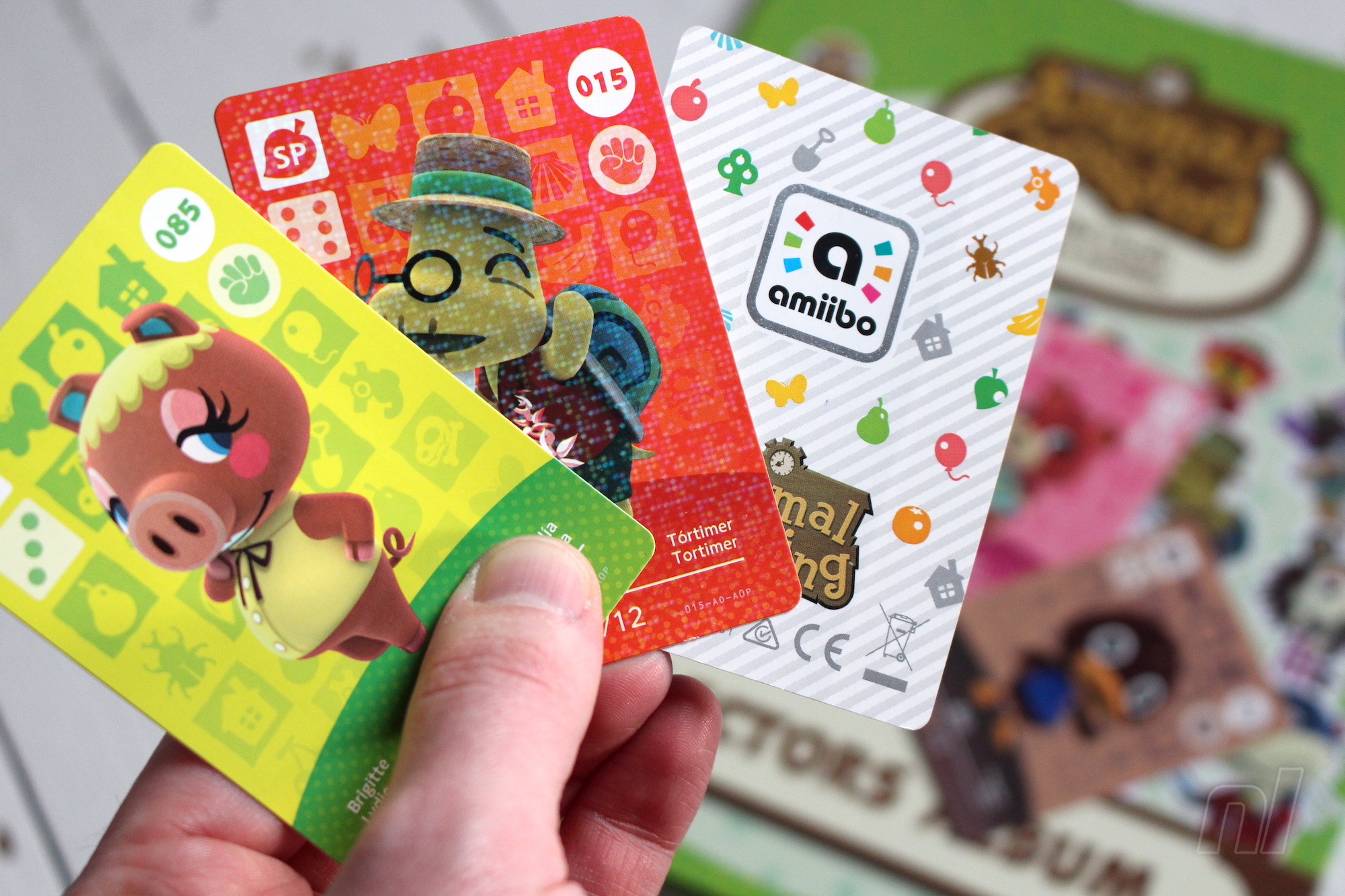
The sheer number of monsters in the franchise makes our once-imagined toys-to-life/Pokemon RPG crossover impractical now – obviously, you’re not going to carry all those figures around with you, and the reality of finding the right one and constantly tapping it to the reader would soon become a chore – but the franchise seems ripe for a trading card crossover using the amiibo cards we saw for Animal Crossing: Happy Home Designer. Unlike Animal Crossing, direct control over the Pokémon brand lies with The Pokémon Company (of which Nintendo is joint owner), so there may be a couple more legal hoops to jump through, but if there’s one thing The Pokémon Company likes more than Pocket Monsters, it’s cold hard cash. Switch sales are incredibly healthy and, unlike the 3DS family, every single console (or more accurately, every right Joy-Con) has an in-built NFC reader, so the player base is primed.

It’ll be interesting to see what amiibo integration Pokémon Switch has in store. At the very least, it seems we’ll be seeing the Gen 1 starters in Smash amiibo form, and once again we’ll snap them up because, at the very least, they’ll be cute little figures. There’s so much untapped potential in them, though, and following Switch’s success, it’s still not too late to unlock it.

Posted on Leave a comment

Takahashi And Miyamoto Talk About Nintendo’s Ability To Respond To A Variety Of Consumer Preferences

Mario Approves Img

During the latest financial briefing Q&A summary, Senior Managing Executive Officer Shinya Takahashi and the one and only Shigeru Miyamoto were asked about how consumer preferences factored into the success of games based on existing IP and titles offering new types of play experiences that weren’t necessarily as popular, in terms of sales.

Here’s what Takahashi had to say:

“It is true that consumer preferences are becoming more varied, but when we make games, the most important points are how we will make each game enjoyable for consumers and how we will create sources of fun, and I see no reason to change that. That said, games are being made differently now in comparison with the past ways of game development before the Internet and some other aspects of the current era, and we are constantly aware of those changes and thinking about how to incorporate them. So I think it is best that we keep thinking of ways to mix the old with the new, to incorporate new ways of thinking and to bring forward any old ways of thinking that are still valid appropriately.”

Miyamoto added to this with the following:

“I don’t think Nintendo developers are hung up on the classics and unable to develop anything new. You do not have to worry because we are capable to respond to the variety of preferences in today’s world.”

He went onto explain how Nintendo took a bold approach to the creation of new games without fear of failure. The current generation of gaming is also apparently a “dream situation” for the company because of the sheer number of consumers who now have access to games and a better understanding of digital media, meaning a good idea can quickly lead to huge success. Miyamoto finished up with the following comment:

“I realized that consumers come back at any time if we leverage these characters and create fun products. Placing value in areas like that is the essence of our IP strategy. It’s not about clinging on to series titles, so please look forward to our offerings in the future.”

What are your thoughts about this? Tell us below.

Posted on Leave a comment

Nintendo President Discusses Collaboration With LINE Corporation And Future Of The Partnership

LINE Mobile App

At the beginning of February, Nintendo announced Dr. Mario World for iOS and Android devices was targeting an “early summer” global release this year. The free-to-download title is being co-developed by LINE Corporation and NHN Entertainment and will include optional in-app purchases.

During Nintendo’s recent financial briefing Q&A summary, company President Shuntaro Furukawa was asked about the future of this collaboration with LINE and if it signalled interest in developing games for younger segments of the population. This is what Furukawa had to say:

“I believe everyone is familiar with LINE, which is virtually synonymous with “messaging application” in Japan. We believe that real-life social graph (connections between friends via the Internet) cultivated by LINE, as well as the technologies supporting it, will be a very strong platform for consumers to enjoy our game applications, which is why we have formed this collaboration. And Dr. Mario World is a puzzle game, so we hope many people will enjoy it, regardless of gender or age.”

Based on this response, it seems as if Nintendo plans to incorporate LINE technologies into additional future releases. Perhaps the partnership could even go beyond mobile support at some point. In the original news release for Dr. Mario World, LINE’s corporate mission “Closing the Distance” was referenced to help explain the context of the partnership with Nintendo and NHN Entertainment:

LINE is dedicated to creating a world that seamlessly connects people, information, content, and services anywhere, anytime, and at the most comfortable distance.

Would you like to see more socially-connected Nintendo games with the assistance of technologies such as LINE? Tell us below.