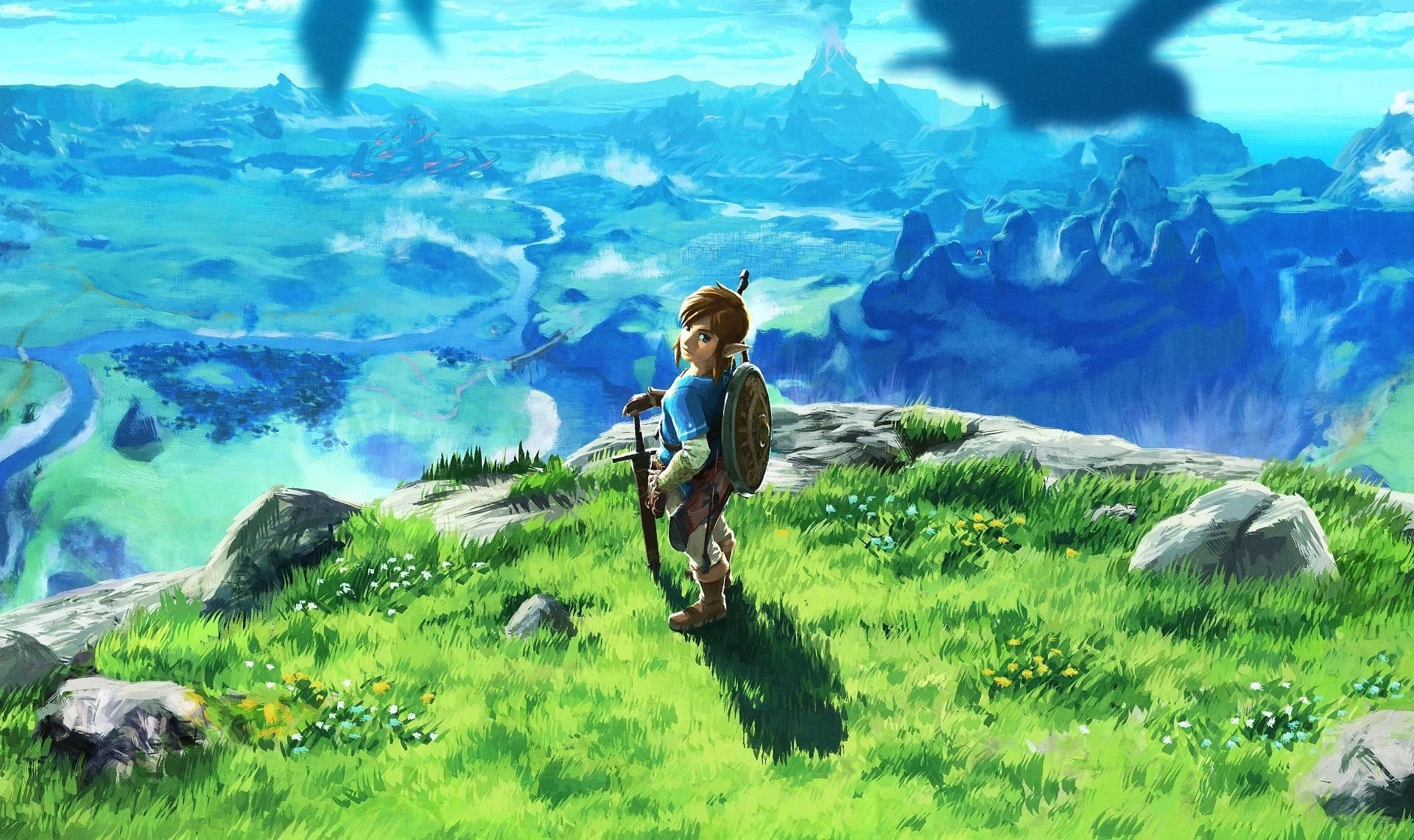
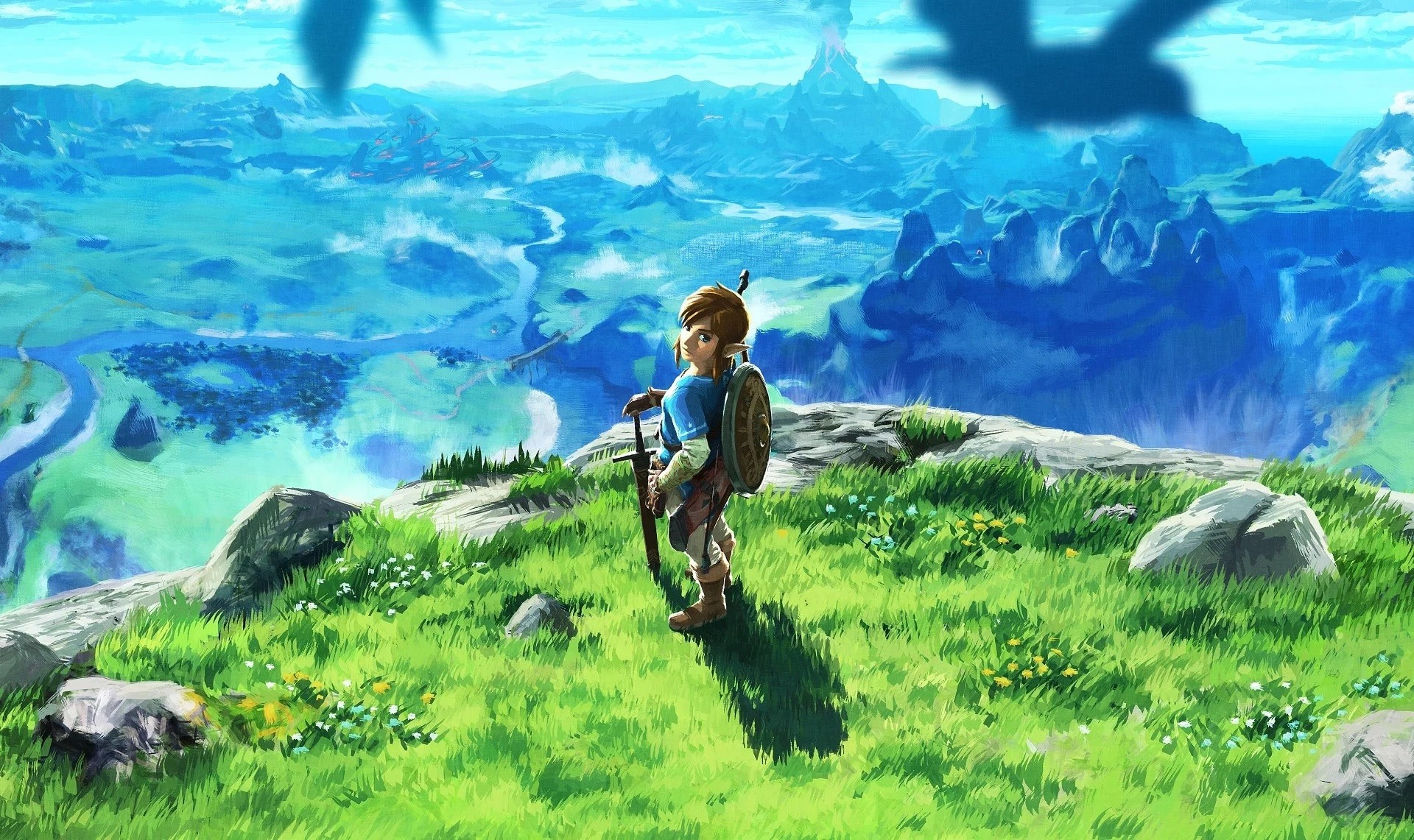
Nintendo is known for taking risks, experimenting and generally doing things differently, but this latest effort by its American branch is another level. The company appears to have jumped on the ASMR trend currently taking YouTube by storm, by uploading a special video marketing The Legend of Zelda: Breath of the Wild.
Although the clip only runs for about a minute and a half, Nintendo recommends you use headphones for the optimal listening experience. The video itself depicts a climber making their way to the top of a mountain in real life and then taking a break to play Breath of the Wild. It highlights everything you would expect from an ASMR video and at the same time promotes the portable nature of the Switch. Below is Nintendo’s official description:
We all have our favourite gaming spots at home. But if you’re up for an adventure, don’t forget there’s a whole world of sights and sounds out there to discover. How do you play Nintendo Switch?
If you haven’t heard about ASMR before, it’s an abbreviation for autonomous sensory meridian response and by definition is characterised by a static or tingling sensation on the skin. ASMR videos on YouTube are designed to relax listeners with gentle, soothing and satisfying sounds.
How do you feel about Nintendo marketing its games like this? Do you listen to ASMR videos on a regular basis? Tell us in the comments.
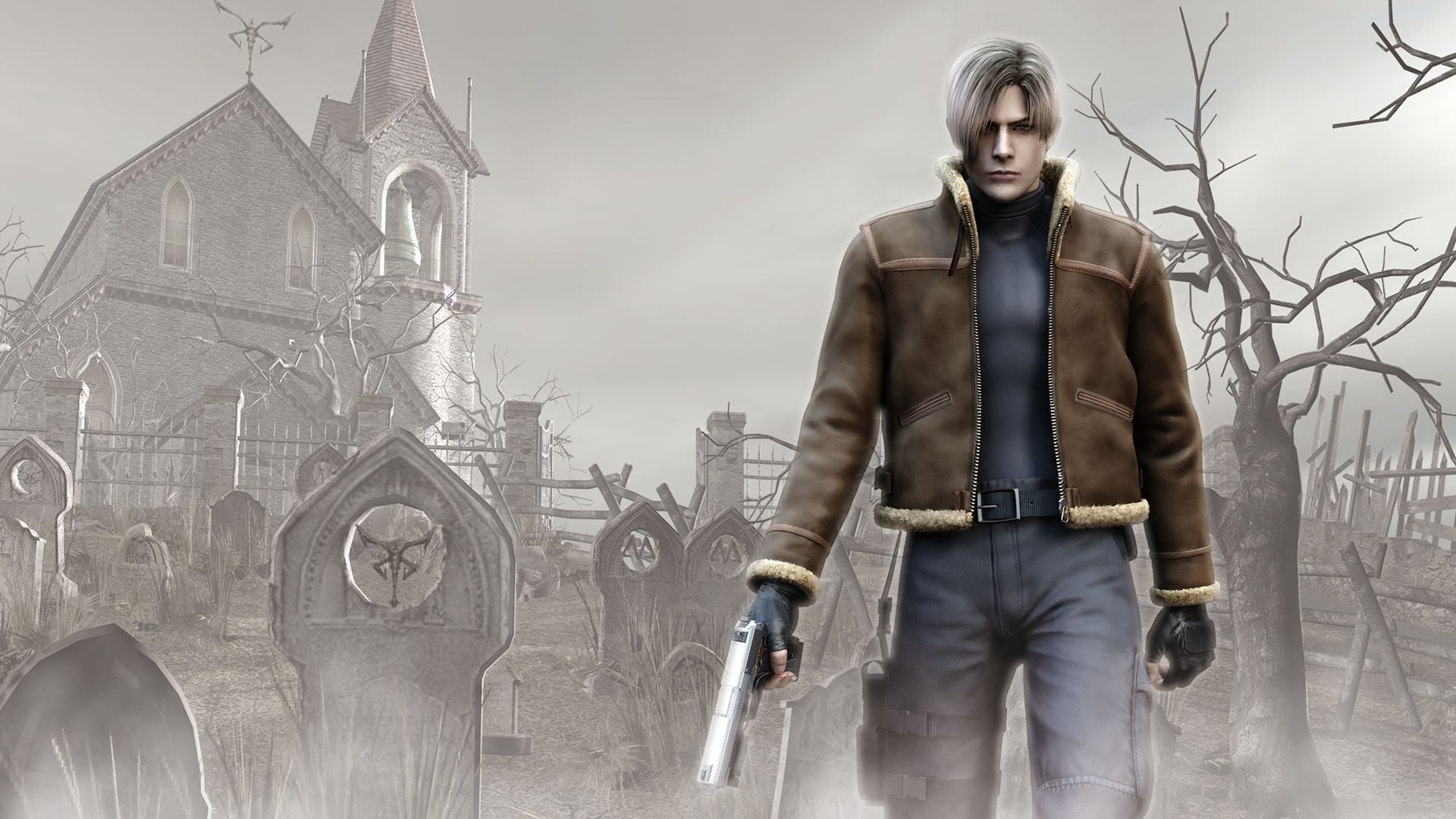
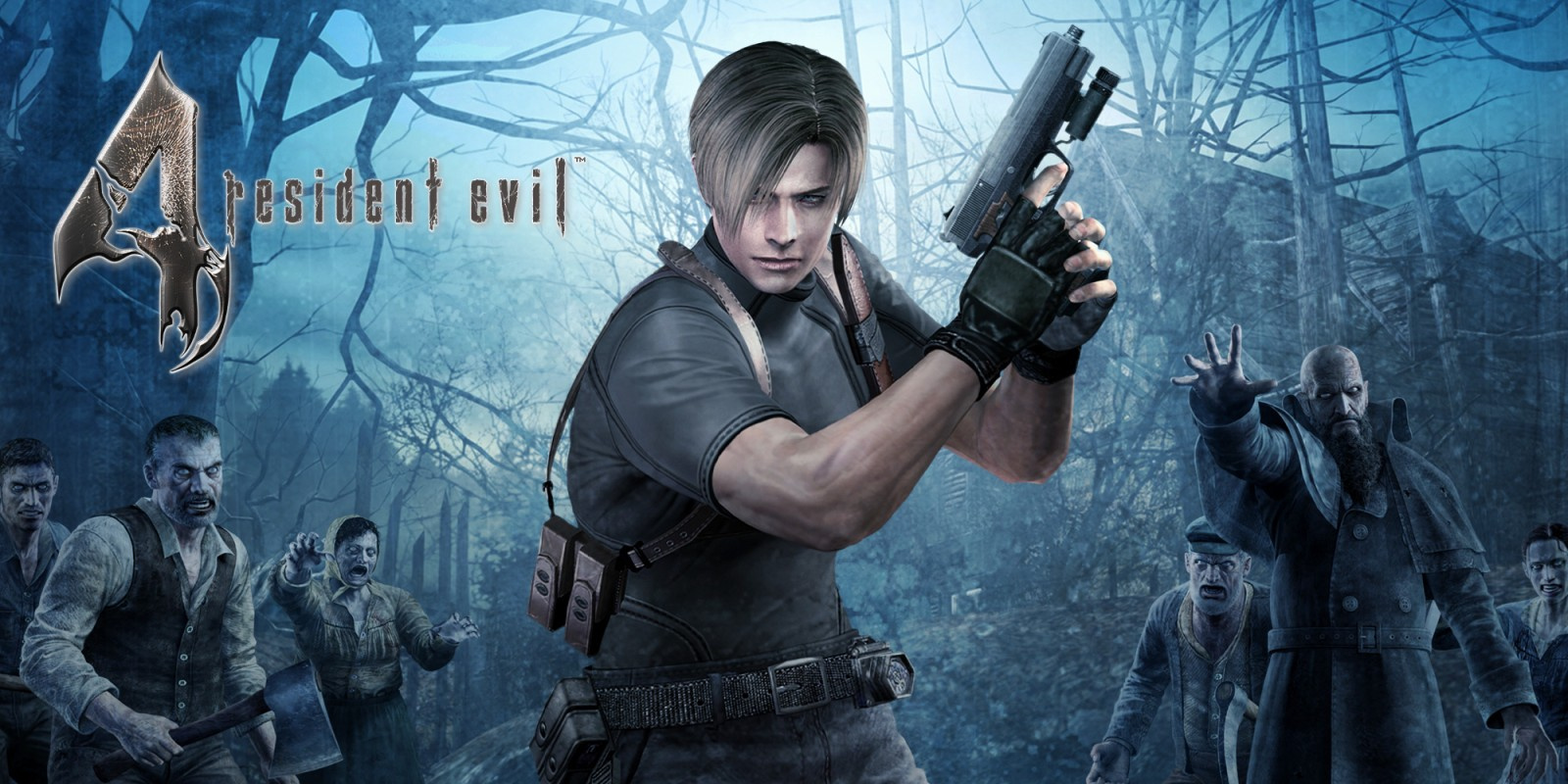
While Capcom’s announcement that Switch versions of Resident Evil Zero, 1 and 4 are coming on 21st May should be cause for celebration, the pricing of said games has been the cause of consternation for many fans. North America will get a combined physical version of Zero and Resident Evil, although it seems Resident Evil 4 won’t get a digital release in any territory and us Europeans won’t see any of them on a cartridge.
Prices don’t compare favourably to other platforms, either, where the games have been available for some time. Currently listed for £29.99 each on the eShop in the UK, the triple pack is going for £39.99 on Xbox One and PS4, and cries bemoaning ‘Switch tax’ are doing the rounds once again. This is hardly the first time these games have been exhumed and we doubt it’ll be the last, so where does Capcom get off charging so much?
Well, we’ve discussed the infamous ‘Switch tax’ before, although we’re not sure it really applies in this case. After all, Capcom has form charging top-dollar for everything – digital or otherwise. Regardless of the cost on the countless other platforms it’s available on, is it really a surprise that Capcom is going to charge as much as possible from the outset?
The company’s entrance onto Nintendo’s hybrid platform was a cautious one. It dipped its toe in the water with Ultra Street Fighter II, an HD version of its classic 2D fighter which launched on the console for an eye-watering $40. Fans baulked at paying that for yet another version of Street Fighter II, but it didn’t stop a significant number of them buying the game – it was a ‘smash hit’ according to Capcom itself and prompted the company to jump fully onboard the Switch train.
We’ve seen a variety of releases since, from Mega Man 11 and Mega Man Legacy Collection to the Capcom Beat ‘Em Up Bundle, and they’ve all done very well on Switch. While Capcom’s strategy remains puzzling at times (we can’t think of a good reason why Disney Afternoon Collection hasn’t come to Switch yet), Nintendo’s console is turning a tidy profit for the Japanese company.
With the release of Resident Evil 4 – one of the best-rated video games of all time – it’s no wonder Capcom is looking to wring as much cash as possible out of impatient gamers eager to play the game on their favourite portable. It’s business, and like any other, making money is the real game.
We’ve seen Capcom experiment before with pricing on Switch; the cloud-based version of Resident Evil 7 in Japan is a good example. Unlike Ubisoft’s Assassin’s Creed: Odyssey Cloud Version which launched with a full ¥8,400 price tag (around £60/$75), Capcom tried a different model with their cloud-only offering. Following a 15-minute taster, a ‘play ticket’ – essentially a six-month ‘subscription’ to the game – cost ¥2,000 (around £13/$18).
It’s unclear exactly how this approach fared, but it seemed like a stingy proposition at the time. While Capcom had hinted that success in this area may lead to further streamed games, an answer given during a Q&A with investors last October provides an indication as to its success:
Q. What is your current situation as well as your future outlook on developing for cloud gaming?
A. While we did release a certain title supporting cloud gaming in the first half, this was done primarily for technological research purposes and did not have a significant impact on earnings. Based on the results of this research, we will internally consider further expansion into cloud gaming.
The cloud-based game in question must be Resident Evil 7, and it appears not to have been the money-spinner the company hoped. Of course, the game had expected connectivity issues outside Japan, but even in optimal conditions, it wasn’t perfect.
While it may have been a worthwhile experiment, if Capcom has trouble streaming games in Japan, it’s unlikely to have much success elsewhere and anybody hoping to see Monster Hunter World on Switch in some capacity will likely be disappointed. Monster Hunter World brought the series a global level of success that Capcom must be looking for ways to expand upon, but the message from Switch owners is that it needn’t bother. We can argue about Switch ‘tax’ and greedy businesses until the cows come home, but ultimately 450,000 people bought Ultra Street Fighter II in its first quarter – a game which didn’t enjoy the warmest critical reception – sending the message that they’ll pay the ‘ludicrous’ price of £39.99/$39.99 for the privilege. Seen from that perspective, Capcom probably thinks £30 for Resident Evil 4 is a bargain.
Don’t look at us – we didn’t buy it!
On top of this, the looming economic question block hanging over the UK and EU arguably plays into this topic as well. Europeans have always put up with higher prices in comparison to gamers across the pond and upcoming uncertainty in Britain (we’re not going to even write the irritating portmanteau that’s defining a generation of UK politics) will only make pricing an even more contentious issue in the near future. While the narrative of ‘Switch tax’ is an easy one to subscribe to, Nintendo Life reader James M. points out that, the upcoming Ace Attorney Trilogy has been listed for £30/$30 across all platforms where previous ports Okami HD and Onimusha launched last year for £15.99/$19.99.
That price difference could simply be Capcom being characteristically inconsistent, or it might suggest caution regarding potentially chaotic currency fluctuations in the coming months. The calamitous manner by which the British government is extricating itself from continental Europe isn’t helping any businesses with interests in the UK, and unfortunately, the general public will likely endure rising prices across the board as foreign companies are forced to deflect costs. Selling digital goods may give more control, but they’re subject to exchange rate fluctuations like any other and video game companies will also want to ensure parity between physical goods and digital equivalents as far as possible in order to keep retailers happy. No company will knowingly undercharge for its products, regardless of the financial climate, and the current economic uncertainty only compounds problems (this does not, of course, explain why Capcom is charging $30 for the game in North America).
In many ways, it could be argued that Nintendo gamers have never had it so good. The weekly eShop sales on Switch make it a massive departure from any previous Nintendo home console. No, the discounts don’t compare to the vast savings periodic Steam sales offer, but to see a £20/€20/$20 discount on first-party games without a Player’s Choice line within the first two years of a console’s lifecycle is unheard of on Nintendo platforms.
Must not buy, must not buy, must not buy…
And is £29.99 too much for Resident Evil 4? Only last week we spoke about Link’s Awakening and its supposed $60 price tag; Resident Evil 4 is one of the best games of all time and we’re hungry for it on Switch. We recognise porting it takes much more work than simply clicking the ‘Export .switch’ button, however much practice Capcom has had resurrecting it again and again. The developer must have its RE porting pipeline running efficiently, that’s for sure. We imagine it’s currently working on Resident Evil 2 for Switch – would we be surprised if that were to launch as a $60 game in a year’s time?
Ultimately, Capcom believes gamers will pay £30 to play Resident Evil 4 – and the upcoming Dragon’s Dogma – on Switch, and based on all the available evidence, that’s probably right. Not buying it is the only way to send Capcom a message if prices like that rub you the wrong way. The only form of protest is to vote with your wallet and not buy the game at that price; it’ll surely join those lovely eShop sales soon enough. There’s more than enough to be playing in the meantime, and more than enough ways to play Resident Evil 4, too.
So, what’ll it be, stranger? Do you have the willpower to wait a few months until these games get an inevitable discount? Is Capcom just being greedy? Share your thoughts in the comments.
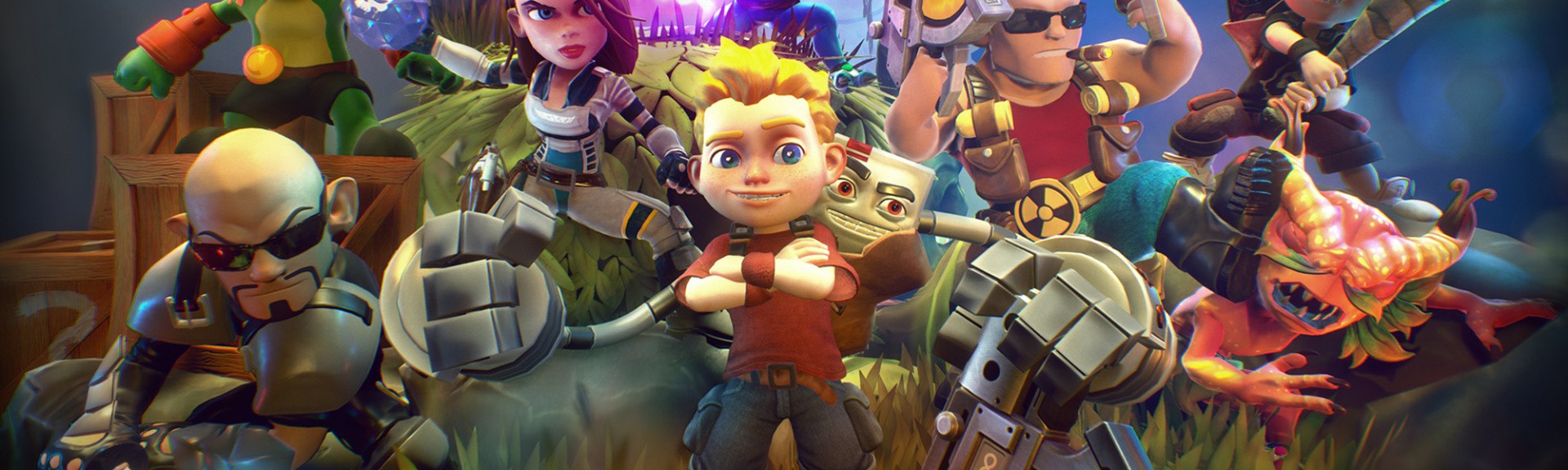
Rad Rodgers is a walking, talking ’90s cliche. A wisecracking kid who clashes with his parents while boasting a love of video games so deep it’s burgeoning on a clinical addiction. He’s perpetually glued to the CRT TV in his room and the blocky grey console (called ‘Dusty’, naturally) sits beneath it. Then, one day, the TV turns into a portal and sucks him inside. It’s the ’90s to a tee, and proud of it.
Rad wakes up in a world spliced together from some of his favourite games, and that old grey console has suddenly turned sentient, spurted a pair of spring-loaded arms and picked up a vocabulary that’s likely to turn the air various shades of blue. Dusty is voiced by none other than Jon St. John (AKA: Duke Nukem) after all, so you know you’re getting a voice born to offend. With a giant gun at his disposal and Dusty strapped to his back ready to whack anything that gets close, Rad sets out to shoot everything that dares to move.
And that is pretty much it. Rad Rodgers Radical Edition – a re-release of a PC title that originally popped up in a much smaller form in 2016 – never really tries to break the mould. It’s a side-scrolling shooter and platformer with the occasional detour into top-down puzzle-solving and Conker’s Bad Fur Day-aping humour. It’s fun for a while, with its schoolyard-level jokes and its simple shooting satisfaction, but it just doesn’t do much to cement itself in your memory once you’ve cleared its 12 levels (up from nine in the original full version).
Side-scrolling platformers and shooters live and die by the strength of their movement mechanics and gunplay, and while Rad Rodgers serves up a decent version of both, neither really leaves much of an impression. Your standard machine gun does the job, with the occasional power-up offering access to explosive shotguns and rapid-fire upgrades, but your movement often feels sluggish and clunky – especially when you’re trying to track flying enemies or shoot foes positioned on higher platforms. Even Dusty’s melee swipes and ground-pound attack come off as a little too slow for a run-and-gun shooter that should be noticeably faster in its pace.
Most of the time you’ll be jumping between platforms and briefly exploring houses to meet NPCs who offer up new weapon upgrades or unlockable skins, but here and there you’ll reach areas where everything has begun to pixelate. Don’t worry, your Switch isn’t having a breakdown; these are portals to short 8-bit-style sections where Dusty will explore a top-down vortex and find platforms that need punching back into the correct resolution. These interludes offer a brief change of pace, but while they fit the meta video game conceit, they’re hardly memorable.
Some levels present a different setup to the norm, such as having to pogo your way around a map, DuckTales-style, or firing a few balls around a Rad Rodgers-themed pinball table. These diversions are easily some of the game’s best moments, but they’re never long enough and would have benefitted from being fleshed out a little more (especially when you realise this is an updated re-release with lots of new content and gameplay tweaks). Still, you can’t knock Slipgate Studios’ love for ’90s video games in all their myriad forms.
As a port, Rad Rodgers on Switch is a mixed bag. On the plus side, you’re getting the full gamut of extra content released on other platforms last year – so that’s three extra levels, new mini-games and extra powers to contend with. The two-player co-op mode works a treat with a split Joy-Con, and the competitive Battle Mode enables you to take on your friends for a little PvP action. The problems tend to circle around performance, with a general fuzziness applied to every asset and character model. There wasn’t slowdown thankfully, so speedrunners shouldn’t be put off by timing runs on Switch.
While the platforming can be a little glitchy at times – with the occasional instance of Dusty failing to grab a ledge when at the correct distance – gameplay has mostly been improved to make running and gunning far smoother than the original World One release on PC. It’s not perfect, nor is it particularly remarkable, but with such an open adoration for video games (despite the dodgy humour) there’s an earnest quality to Rad Rodgers that makes it a fun if forgettable platformer shooter.
Conclusion
Rad Rodgers Radical Edition serves up a hefty slice of side-scrolling shooter action and Metroidvania-esque exploration. While the optimisation for Nintendo Switch has dulled its colourful looks, it’s still an attractive looking little adventure that happily dances between a Pixar-esque art style and some classic 8-bit pixelation. The option to play in a kid-friendly mode does make this a little more palatable for younger players, but any game with Duke Nukem’s involvement is always going to be aimed at the Conker’s Bad Fur Day crowd. Ultimately, it’s a fun but forgettable experience that will appeal to fans of the genre but won’t leave a lasting impression.
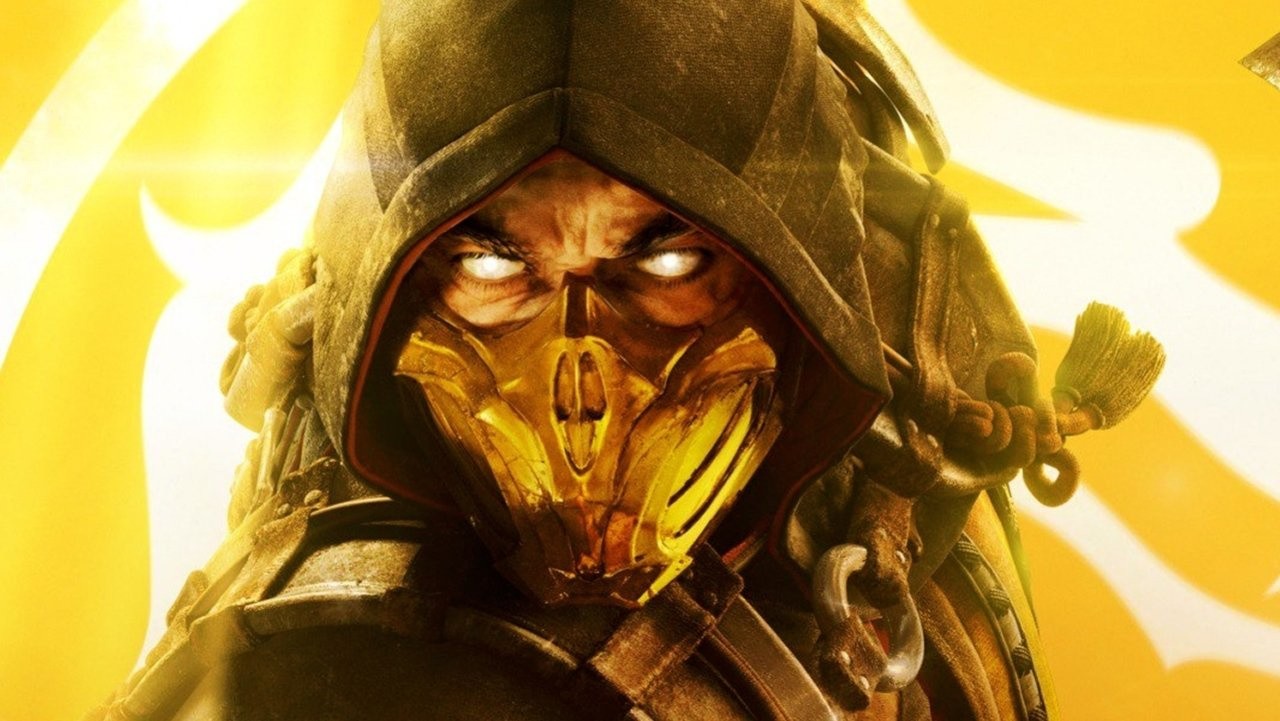
Mortal Kombat 11’s release is getting closer and closer – it’ll be out just next month in North America – and to prepare for its launch, developer NetherRealm Studios is hosting an online stress test. Sadly, it looks like Switch owners will be missing out.
Taking place from 15th – 17th March, the test will allow lucky fans who have registered for a place to jump in for a small taste of the action, helping the development team to fully optimise its online gameplay. The game’s publisher, Warner Bros., has shared an FAQ to provide fans with more info, confirming that the stress test will only be available to players on PlayStation and Xbox, just like the pre-order beta testing.
What platforms will the Online Stress Test be available for?
The Online Stress Test will be available for PlayStation 4, PlayStation 4 Pro, Xbox One and Xbox One X.
The test was already limited to fans in North America only anyway, and only some of those who register are set to be selected so your chances were already pretty slim. If you’re eager to get your hands on the game, it looks like you’ll just have to wait for its full release later down the line.
Are you itching to try the game out for yourself? Do you wish you could join in with the stress test on your Switch? Let us know in the usual place.
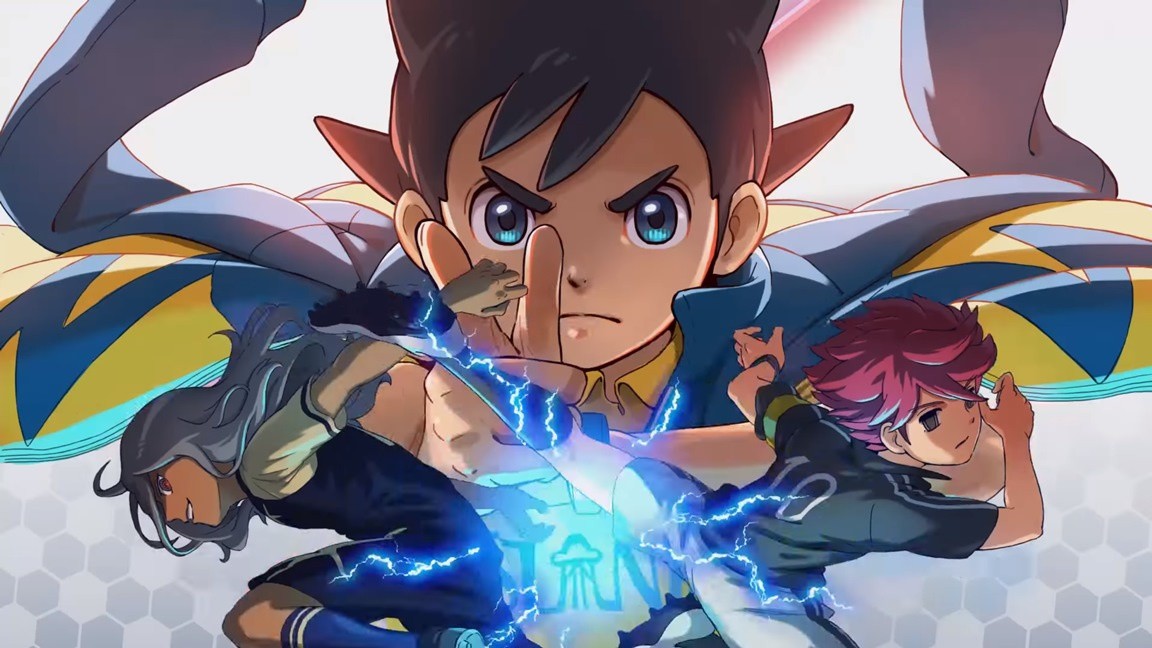
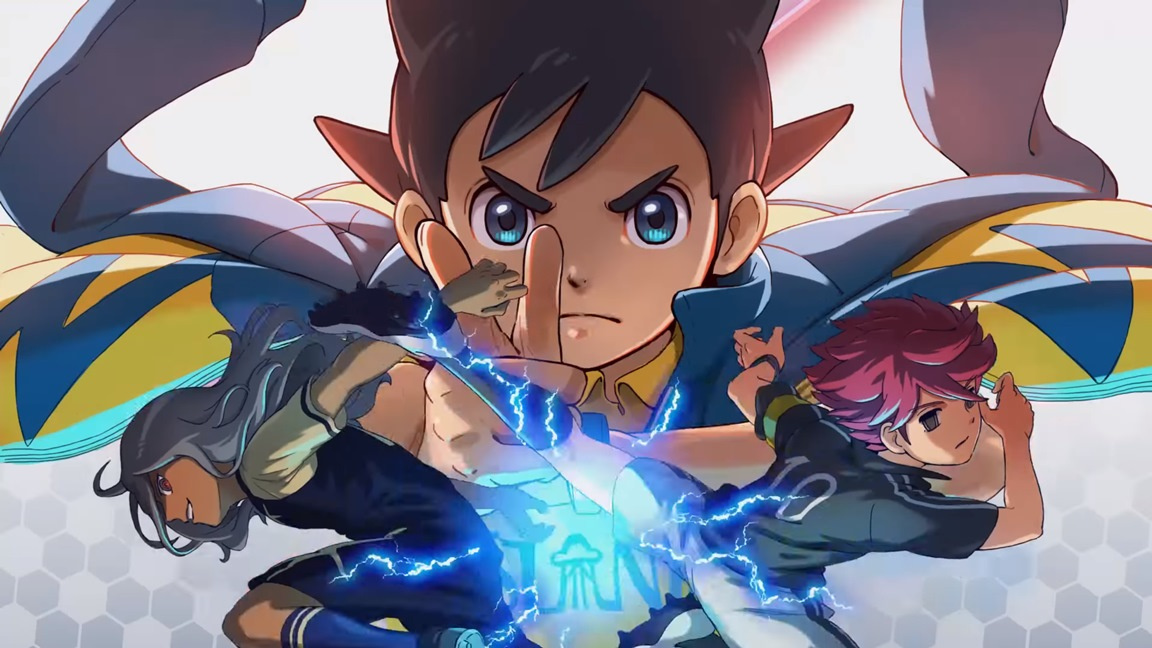
Earlier today, Level-5 hosted a livestream to talk about the upcoming Inazuma Eleven Ares. Tucked away amongst all the discussion was around three minutes of new footage.
The footage shows a match taking place between protagonist team, Inakuni Raimon, and a new team going by the name God Bulls. It’s full of all the flamboyant action and special moves you’d expect from the series, with players flying around the air and creating literal tidal waves on the field. Things kick off at the 1:05:45 mark.
The game is still scheduled to arrive sometime in 2019, so hopefully it won’t be too long before you can strap on your boots and take to the field. Remember that an anime series based on the game is also airing this year, perfect for those who need even more Inazuma Eleven action in their lives.
Are you looking forward to getting your hands on this? Tell us below.
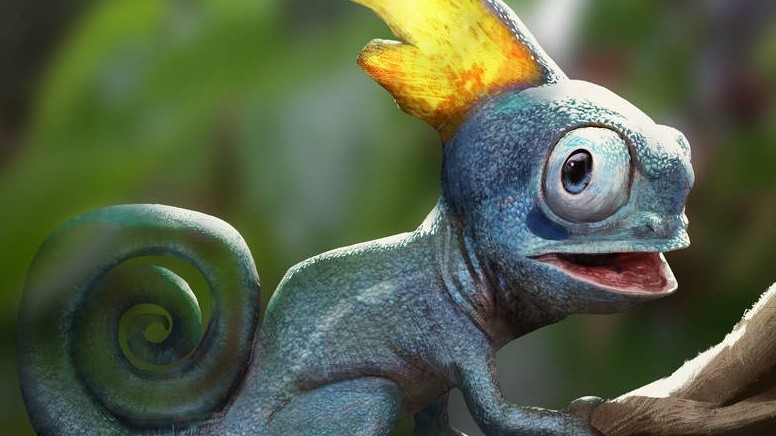
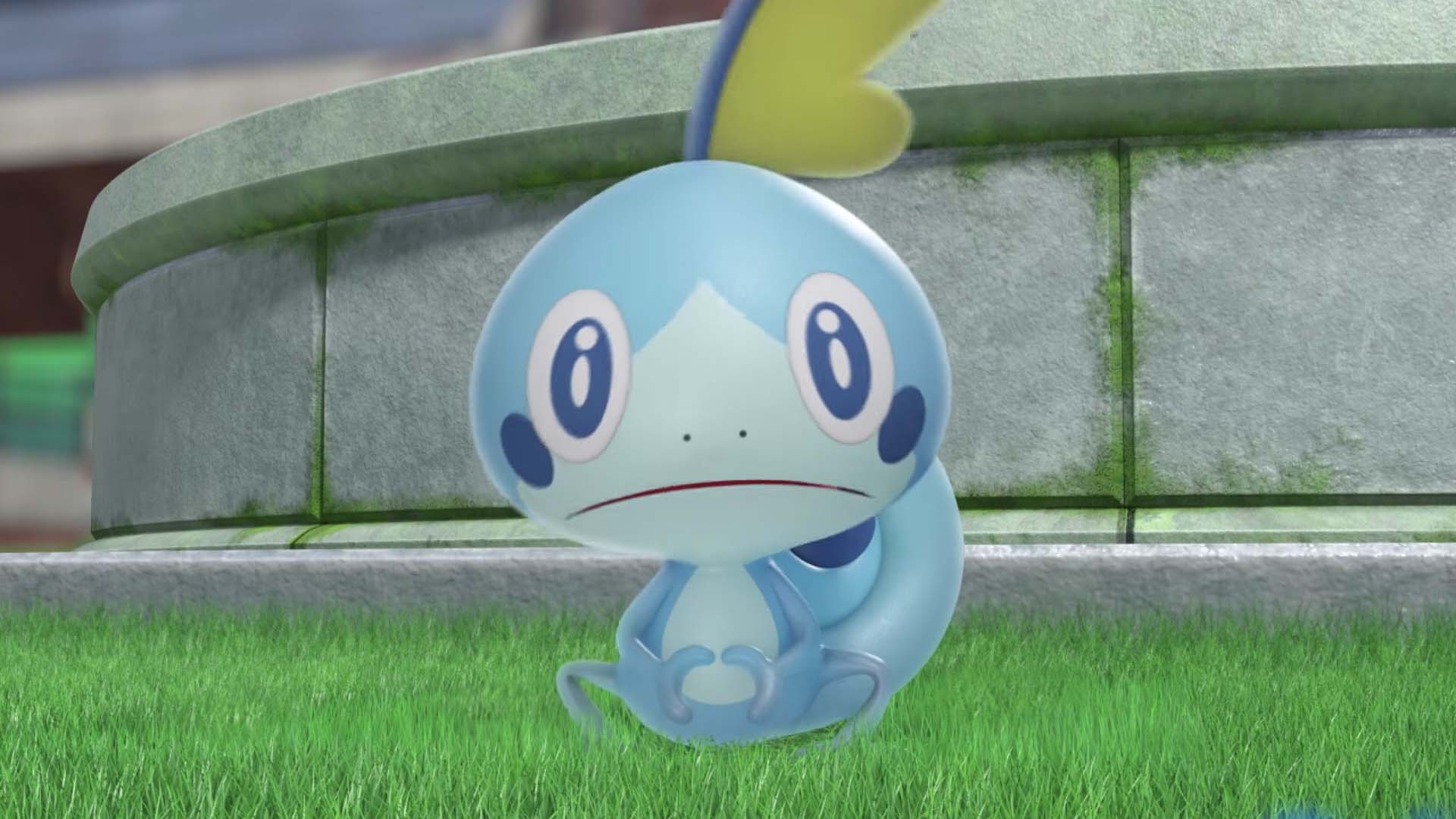
Just yesterday, an official poll told us that the water-type Pokémon Sobble was the most popular Pokémon Sword and Shield starter amongst fans. If you’re also on #TeamSobble, or perhaps just a fan of the series in general, then this art piece may well appeal to you.
If you cast your minds back to last November, you may remember RJ Palmer, an artist working for Ubisoft who was snapped up to work on the Detective Pikachu movie. He was discovered thanks to his portfolio of ‘realistic’ Pokémon designs online, and has now created a new piece featuring the newly discovered Sobble.
You can check out the piece directly on Palmer’s DeviantArt page, as well as all of his other work, of course. He has plenty of wonderful Pokémon pieces so we’d urge you to take a look.
It’s a little too late to get Sobble in the movie, but this art certainly fits the vibe nicely. ‘Detective Pikachu 2: The Case of the Disappearing Sobble’, anyone?
Feel free to share your thoughts on the piece in the comments below.
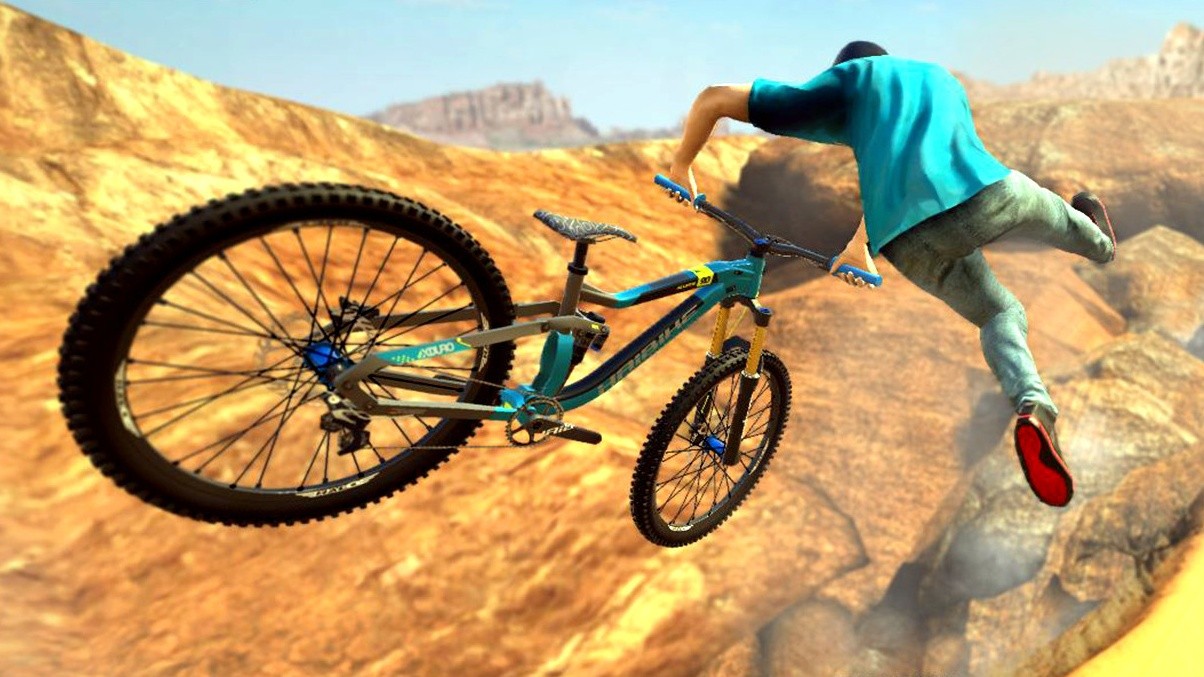
We may have only just been treated to the adrenaline-filled action of Trials Rising a few days ago, but today sees yet another bike riding competitor racing onto the scene in the form of Shred! 2 – Freeride Mountainbiking.
With a focus on pulling off the craziest tricks you can manage, Shred! 2 tasks you with busting out “insane combos” across more than 40 levels including Big Mountain, Downhill, Slopestyle, and Street. The game features the voice acting and likeness of pro mountain bike rider, Sam Pilgrim; the game’s press release notes that he was heavily involved in the project, and that “his distinctive riding style is authentically captured in the game”.
Feel free to check out the game features list and screenshots below for a little more info:
FEATURES:
Over 40 levels inspired by real-world MTB destinations, events and video segments! Fully scaleable, cutting edge 3D graphics Bluetooth controller support Cinematic and dynamic camera angles “Flowy” handcrafted levels make for an addictive and authentic MTB gameplay experience Get your shred on to the awesome original soundtrack! Designed & developed by a mountain biker for mountain bikers (and everyone else too!)
From developer ASBO Interactive, Shred! 2 launches on Nintendo Switch today. You can go ahead and pick it up for £8.99 / $9.99 from the Switch’s eShop.
What do you think? Do you have room for another stunt-filled slice of biking action? Let us know if you’ll be picking this one up in the comments.
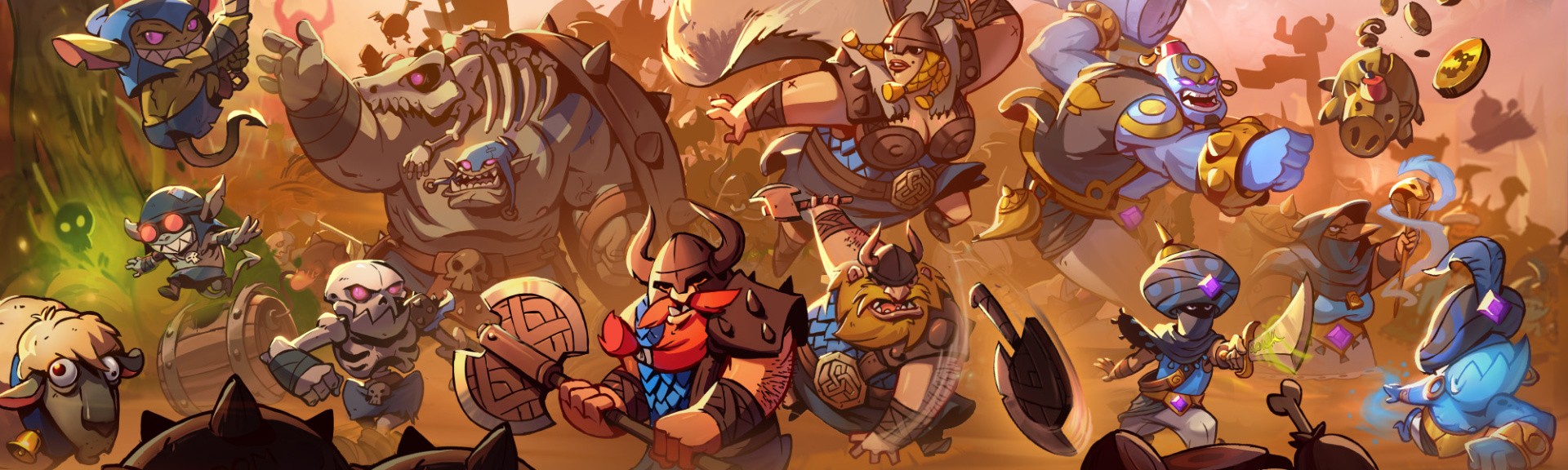
It could be argued that no developer has yet managed to successfully translate the traditionally complicated gameplay of the RTS genre to consoles, all due to the lack of available buttons and a mouse to quickly navigate menus and units. Still, that hasn’t stopped many developers from trying, and the experiments performed in pursuit of this often result in some fascinating hybrid kinds of gameplay. Swords & Soldiers II Shawarmageddon stands as a strong example of this, translating that sprawling strategy gameplay to a simpler, two-dimensional plane. Though it can be plodding in places, Swords and Soldiers II does an excellent job of recreating the thrill of RTS action; fans of the genre will want to pay attention to this one.
The game primarily follows the exploits of a clan of Vikings led by the boisterous Redbeard; the BBQ and sheep obsessed Nords travel to hell and back on a quest for treasure and sheep, accosted at every turn by Persians and Demons with goals of their own. Unsurprisingly, the narrative here isn’t all that much of a focus, but the goofy, Saturday morning cartoon type of storytelling does a great job of keeping the gameplay from becoming too stale; it’s tough to stay uninterested when someone’s wife gets stolen, or a hellish demon named Matt rains down fire and fury on the enemy team’s units. Though this pervasive humor occasionally strays into eye-rolling territory, we found it to be far more charming on the whole, adding some much-needed character to the somewhat repetitive battles.
Each of the few dozen stages you encounter in the main campaign will typically take on a real-time strategy setup with a flat 2D plane, a bit in the vein of CastleStorm. As time passes, gold is accumulated that can be spent either on deploying units or unlocking new ones, while mana is passively generated to allow you to use special magic spells and summons. Your goal is usually to simply capture the enemy’s base on the other side of the screen, but it takes quite a bit of effort to plow through the legions of enemies and traps along the way. Though earlier levels are quite forgiving as you learn the ropes, later levels will often punish strategies that revolve around merely throwing bodies at the enemy and trying to ‘Zerg rush’ them; you need to put some thought into which types will be most effective in the current situation and adapt your resource allocation accordingly.
Part of what makes Swords and Soldiers II so enjoyable is the constant sense of desperation that comes by way of your limited resources; the enemy is relentless in their attacks and while you can certainly rise to meet them, you never quite have enough to do exactly what you want. Do you spend your coins on a ranged healing unit to support your assault or do you instead spend those coins on another retrieval unit for generating more coins? Every decision you make (including the non-decisions) will have an effect on the outcome of your battle, and it’s rather easy for momentum to build up one way or the other. For example, if you’ve got the enemy on the back foot, that likely means that you have more control of the whole battlefield, which then means it’s safer for you to send out retrieval units to pick up gold drops and that you have more locations to build towers that passively generate mana.
Most of the units you deploy are entirely handled by AI and will simply keep walking forward until they bump into something they can attack, but this is no excuse to remain passive during battle. For one thing, critical choke points on the map can fork into two ‘lanes’, requiring you to occasionally flip a sign at the fork to dictate which path units should take. On top of this, mana generation allows you to cast one-off spells that can make a big difference in an otherwise doomed scuffle between units. For example, casting a health regen spell on a lone ‘tank-y’ axeman holding the enemy at bay can provide just enough time for the backup squad you deployed to reach him and finish the fight. Or, if a group of weakened units is about to collide with a powerful foe, you can cast a spell that turns them into a harmless sheep they can dispatch easily. This mixed input approach provides a nice balance between player input and automated play; your units still do the majority of the heavy lifting in a battle, but key interventions on the player’s part at critical points are necessary to get that victory.
When playing the campaign, new units and spell types are introduced to the player at a speedy clip, but the game does a great job of explaining their nuances while showing how they contribute to the broader team effort. Swords and Soldiers II doesn’t have a particularly deep well of different unit types, but it also rarely feels shallow in what’s on offer; there’s just enough here that you have to stop and think about the kind of team you want to build, but we never felt like it became too overly complex or confusing.
Most campaign levels will often pick team compositions for you from the start—usually to highlight the unit types being introduced—but some levels require that you set these teams up yourself. In these cases, you’re only allowed to bring a total of nine different spells and/or unit types with you, meaning that some of the strategizing starts before the battle even begins. If you don’t pick a balanced set of offensive and defensive units, it doesn’t take long before the enemy is breaking down your door; we appreciate how these levels in some way act as the ‘exams’ of the main campaign, requiring the player to apply what they’ve learned about synergy between unit types as they pick their team.
The main campaign should only take eight to ten hours to clear, but the completionists among you will likely be able to glean several more hours in pursuit of that coveted 100%. Each campaign level has three medals, one is awarded for beating the level and the other two are earned for completing optional side-objectives, and getting these latter two can often be fiendishly difficult. Sometimes you’re asked to complete a battle with extra restrictions, such as winning without using spells or without a specific tower taking damage, while other times you’re challenged with taking the enemy base under a strict time limit. Indeed, some of these extra challenges seem outright impossible, but they provide some welcome extra difficulty for those who find the base game to be just a little too easy.
Aside from the main campaign, there’s also local and online multiplayer, adding near infinite replayability to the overall package. Here, you can select which of the three factions you’d like to play as and pick from a couple dozen maps, then battle it out as per usual. Local multiplayer is especially fascinating in how it’s oddly more playable in portable mode than docked, though this isn’t due to performance, which remains stellar either way. On the TV, your view is restricted to either the top or bottom half of the screen, which makes for shrunken and squished visuals that are hard to keep up with; not a deal-breaking issue, but one that certainly will necessitate sitting much closer to the screen. When playing in portable mode, however, the screen is displayed in a two square, head-to-head format that necessitates the Switch be laid down between you and your friend. It’s a bit weird at first, but proves to be an elegant way of dealing with screen real estate issues without compromising the gameplay experience. Single Joy-Con play is even supported here, too, seamlessly (and a bit surprisingly) adapting the somewhat complicated menu management controls to a simpler layout.
Swords and Soldiers II looks fantastic in action, whether on the Switch screen or TV, due to a strong art style that seems to take a bit after the wackiness of Rayman Legends. Each of the colorful, multilayered maps is packed with cool details, whether you’re fighting on a beach or at the gates of hell. Player and enemy sprites are similarly drawn with lots of character and are particularly expressive in their exaggerated actions. All of this is matched by an equally strong and lighthearted soundtrack that adequately conveys the goofy, Nordic themes; expect plenty of bagpipes and flutes here.
Conclusion
The real-time strategy genre is one that doesn’t have very much representation on the Switch eShop now, but Swords and Soldiers II shows how it can be done well on the platform. Deep, but not confusing gameplay, great multiplayer, plenty of challenge, and a silly premise make this one an easy recommendation for anybody that’s looking for more of a thinking man’s game for their Switch. If you want something that’s a bit livelier and more hands-on than Wargroove, but still ultimately concerned with planning and executing sound strategies, this is the game for you.
The latest batch of My Nintendo game discounts for Europe has now gone live, giving players the usual chance to grab some 3DS and Wii U games at discounted prices.
There are a grand total of eleven games up for grabs this time around, split into two groups. Nintendo describes the second group as a collection of “seven classic and must-have” Wii U games, and we’ve got to say we completely agree. There are some brilliant games on offer here, even if some are a little outdated thanks to newer releases.
As always, you can take advantage of these discounts by simply using the required Gold or Platinum My Nintendo Points listed below.
[3DS] 50% off Mario Golf (Virtual Console GBC): 80 Platinum Points
[Wii U / New 3DS] 50% off Pilotwings (Virtual Console SNES): 40 Gold Points
Will you be taking advantage of any of these offers? Remember, your Gold Points can also be spent on Switch software directly from the eShop or a Nintendo Switch Online subscription, too.
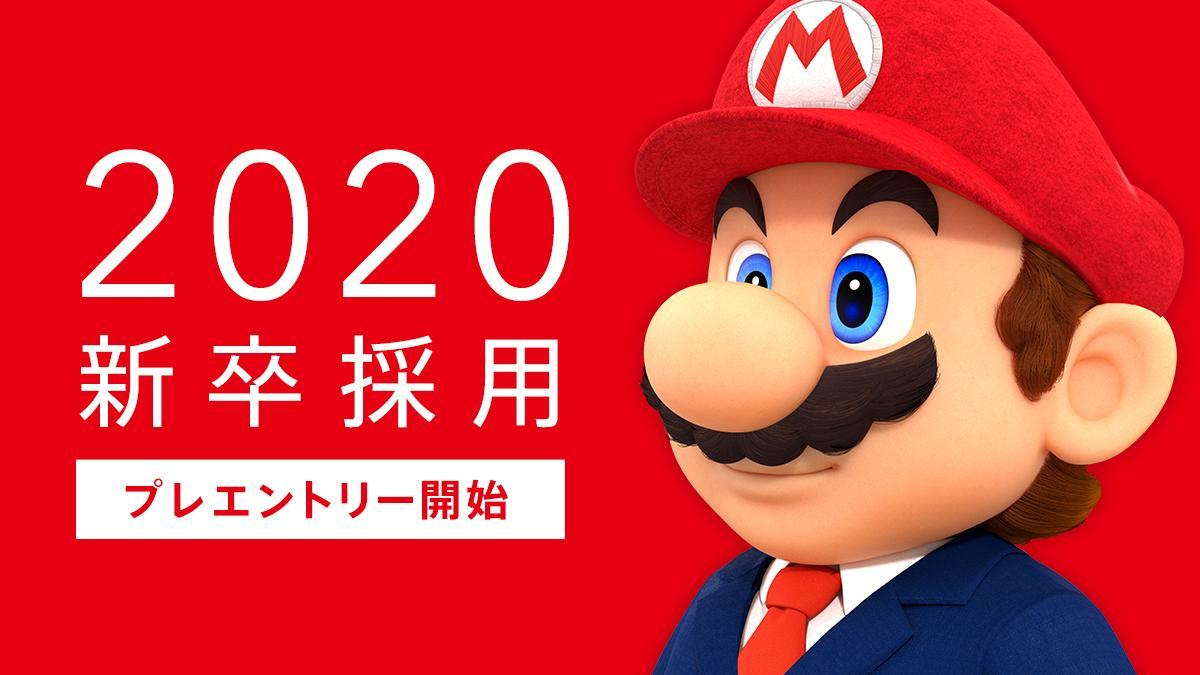
For most fans of the company, working at Nintendo probably sounds like a dream come true. Being surrounded by your heroes on a daily basis, working on incredibly exciting projects and – of course – the potential for free games all sounds pretty lovely, but what is it actually like working in the house of Mario?
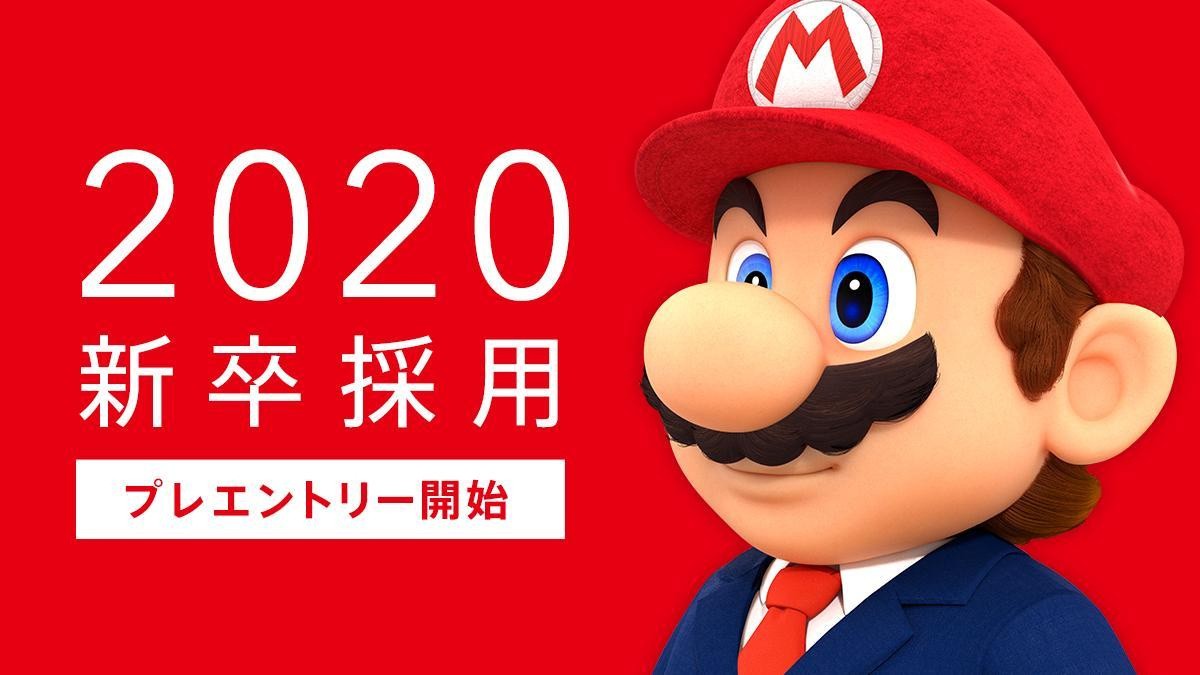
Well, while we can’t really know without going ahead and working there for ourselves, these new statistics released by Nintendo paint a pretty good picture of life at the Big N. The company is currently hosting a recruitment drive for new graduates to start in 2020, with roles in game development, system development, network service, and many more all up for grabs. The figures below have been shared as additional info for potential candidates.
These stats may have changed slightly over the last few months (some are only correct as of March 2018), but it’s still pretty interesting to see. The length of employment figure stands out in particular, with an average of 13.5 years suggesting that workers are happy and secure in their jobs. The average annual salary figure, which has been rounded to a near estimate, equates to approximately £61,000 (using today’s standard currency conversion rate and ignoring any tax and living cost differences).
Perhaps working at Nintendo really is living the dream, after all? Would you happily drop everything and move to Japan for a job there? Let us know in the usual place.