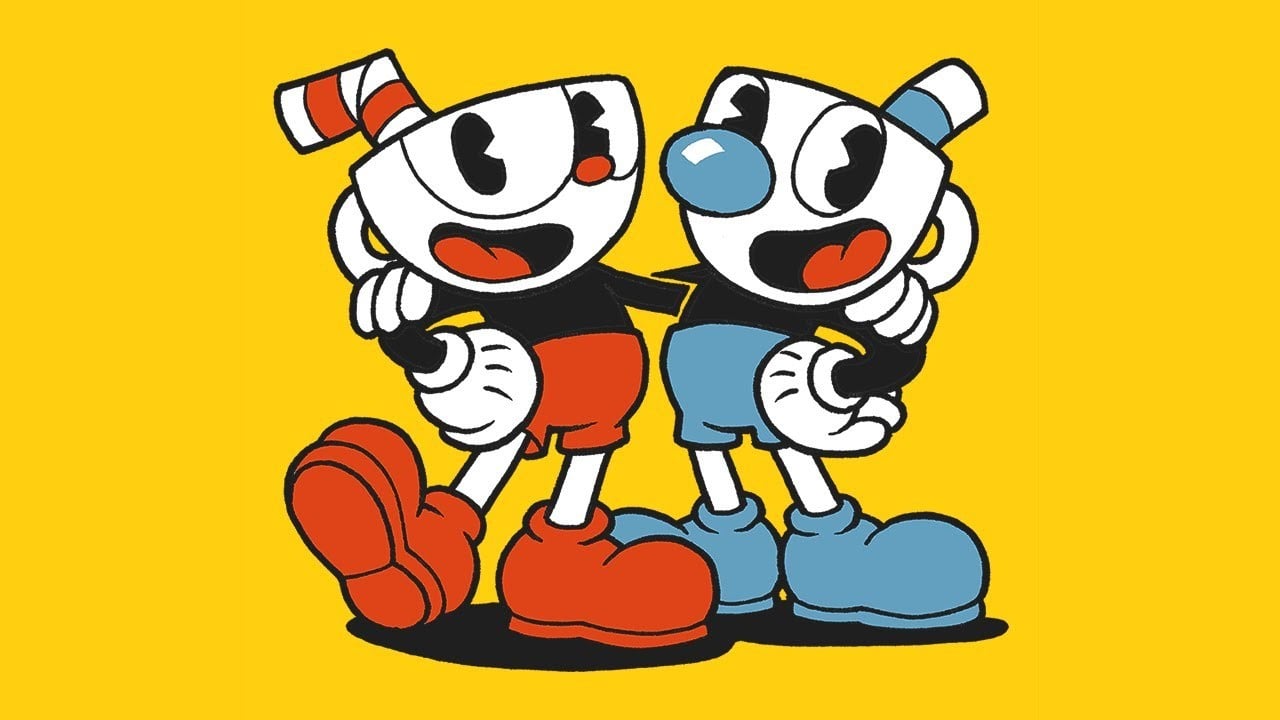
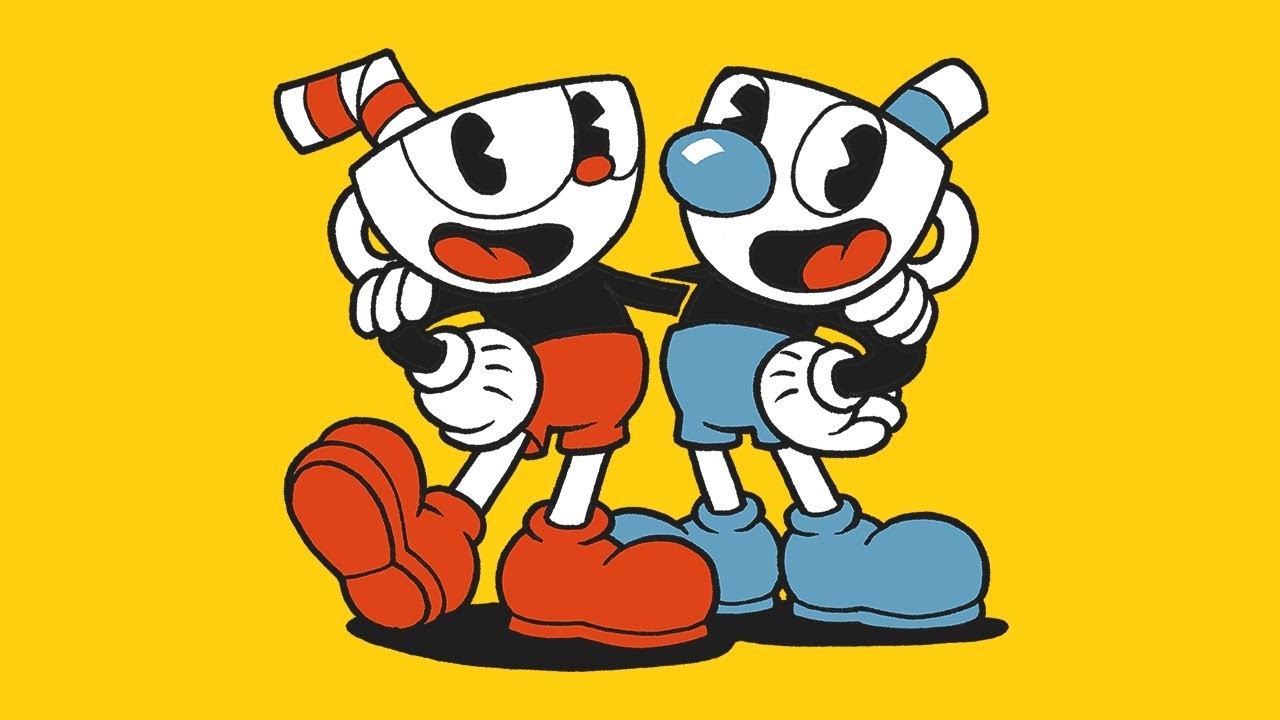
It has been confirmed that the critically-acclaimed 2D platformer Cuphead is coming to Nintendo Switch.
The news was the headline of today’s Nindies Direct broadcast, which made a point of thanking Microsoft for making the port a possibility. Cuphead was previously a Microsoft exclusive.
Studio MDHR Co-Director Chad Moldenhauer seems pretty pleased:
It’s no secret that Cuphead is a direct descendent of retro action games like Contra on the NES, so it’s surreal to finally have one of our own games on a Nintendo system. We’re beyond thrilled to be able to bring Cuphead to a brand new audience on Nintendo Switch. Playing the game on a console with such a big focus on local co-op really reminds Jared andI of our days gaming together as kids.
Here’s some official PR:
Studio MDHR announced today via the Nintendo Switch Nindies Showcase Spring 2019 that Cuphead will land on the Nintendo eShop on April 18, 2019! What’s more, the game is available for pre-purchase starting today for: $19.99 USD, $25.99 CAD, £16.99, and 19,99€.
In addition to the game’s launch on Switch, a major, free content update will also make its way to all versions of Cuphead (Xbox One, PC, Mac) on the same day.
The new free content update will add both fun surprises and longtime requested features such as: playable Mugman in single-player, new fully animated cutscenes, never-before-seen art and fight intros, ten additional languages, a plethora of bug fixes, and plenty of secrets for players to discover. Read the full list below:
+ CHARACTER SELECTION! For the first time ever, select Mugman right from the start of your adventure in single player! + FULLY ANIMATED CINEMATICS! Now, all of the game’s cutscenes play out in fabulous locomotion! + FULLY LOCALIZED TEXT IN TEN ADDITIONAL LANGUAGES! In addition to English, we’re thrilled to be able to offer Cuphead in French, Italian, German, Spanish, Brazilian Portuguese, Polish, Russian, Japanese, Korean, and Simplified Chinese. We know how long folks have been waiting for this, so we took special care in the quality of each translation, and curated fonts that felt just right for each audience. In fact, we even partnered with expert calligraphers to bring the Boss & Level title lettering to life in Korean, Chinese, and Japanese – drawing inspiration from the early cartoon works of each country! + OODLES OF BRAND NEW ANIMATION AND ART! Cuphead and Mugman have multiple fight intros! Legendary Chalice now grants Super Arts with a blast of magical energy! Mummies explode in a shower of confetti! Dozens of other dazzling additions and adjustments throughout the game! + Bug fixes and tweaks! +And more!
That’s not all, however – it has been confirmed that you’ll be able to unlock Xbox achievements in the Switch version of the game:
A rumour stating that Cuphead was Switch-bound circulated a short time ago; now we know this to be the case, could we see other Microsoft console exclusives make the jump to Nintendo’s machine?
The game launches on April 19th, and is available for pre-purchase now.
New indie games bring even more quality and variety to Nintendo Switch in 2019
The Nintendo Switch system has quickly become the go-to platform for indie developers. As more and more top indie developers bring their creations to Nintendo’s console, they continue to deliver high-quality experiences that can be played at home or taken on the go. A new Nindies Showcase video today demonstrated the breadth of the Nintendo Switch indie library and the enthusiasm developers have for the platform. This includes the revelation of the rhythmic action-adventure game Cadence of Hyrule – Crypt of the NecroDancer Featuring the Legend of Zeldafrom Brace Yourself Games. That’s in addition to announcements from indie houses like Devolver Digital, bringing system-exclusive content like Katana ZERO and My Friend Pedro, and new game reveals like RAD from award-winning studio DOUBLE FINE PRODUCTIONS.
“Top indie developers look to Nintendo Switch to showcase their games to a broad audience,” said Steve Singer, Nintendo of America’s Vice President of Publisher and Developer Relations. “The diversity of indie content we discussed today demonstrates how Nintendo Switch players can find quality indie games of nearly any type.”
The games discussed during today’s video include:
Cadence of Hyrule – Crypt of the NecroDancer Featuring the Legend of Zelda: In the latest rhythmic action-adventure from Brace Yourself Games, you can enjoy the gameplay of Crypt of the NecroDancer in the setting of The Legend of Zelda series. As Link or Princess Zelda, players explore randomly generated overworld and dungeons on a quest to save Hyrule, and every beat of the 25 remixed Legend of Zelda tunes is a chance to move, attack, defend and more. From modern-looking Lynels to the Hyrulean Soldiers of old, players must master the instinctive movements of each pixel-art enemy and strategically outstep them in rhythmic combat using an arsenal of iconic items from The Legend of Zelda, as well as the spells and weapons from Crypt of the NecroDancer. The game is scheduled to launch this spring.
Cuphead: Studio MDHR brings its run-and-gun action game to Nintendo Switch. Inspired by cartoons of the 1930s, the visuals and audio are painstakingly created with the same techniques of the era, such as traditional hand-drawn cel animation, watercolor backgrounds and original jazz recordings. The game launches on Nintendo Switch on April 18.
Stranger Things 3: The Game: Play through and delve deeper into the events of Stranger Things 3 in a retro-style adventure game from BonusXP. Explore Hawkins, solve puzzles and team up with a friend in local co-op to battle the emerging evils of The Upside Down as one of twelve playable characters from the hit original series. The game launches on Nintendo Switch on July 4, the same day the third season debuts on Netflix.
Red Lantern: Timberline Studios, Inc., challenges players to survive the Alaskan tundra with a team of five sled dogs. The Musher becomes lost while training for the grueling Iditarod race and must fend off bears, resist frostbite and take care of the dogs while navigating the wilderness and trying to return home. The game is coming to Nintendo Switch later this year.
RAD: DOUBLE FINE PRODUCTIONS and BANDAI NAMCO ENTERTAINMENT AMERICA INC. present a 3D action rogue-like set in a post-post-apocalyptic world. As a teenage protagonist, players must journey into the Fallow, an ever-changing, procedurally generated wasteland that holds the secrets of the past and answers for the future. Here, radioactive toxins will randomly mutate your character, giving you powerful new abilities that challenge you to constantly adapt your play style. Using these abilities and your trusty bat, you have been tasked with saving humanity’s future by healing the world. The game launches on Nintendo Switch this summer.
Katana ZERO: Devolver Digital and askiisoft have created a stylish neo-noir action-platformer featuring breakneck action and instant-death combat. Players take on the role of an assassin, the Dragon, to slash, dash and manipulate time to unravel their past in a beautifully brutal acrobatic display. Players can overcome the opposition however the situation requires, as each level is uniquely designed for countless methods of completion. Deflect gunfire back at foes, dodge oncoming attacks and manipulate enemies and environments with traps and explosives. Leave no survivors. The game launches on Nintendo Switch on April 18, and is available for pre-purchase starting today.
Nuclear Throne: Vlambeer’s post-apocalyptic roguelike-like top-down shooter challenges players to fight their way through the wastelands with powerful weaponry, collecting radiation to mutate some new limbs and abilities. The game offers 12 playable characters, seven playable main worlds, 30 ways to mutate characters and more than 120 weapons. The game launches on Nintendo Switch – today!
Super Crate Box: Vlambeer’s Super Crate Box is coming to bring back the glory of the golden arcade age, when all that really mattered was getting on that high score list. The Nintendo Switch version will include exclusive two-player co-operative and competitive multiplayer for even more arcade mayhem. Prepare for an arcade delight with tight controls, refreshing game mechanics, cracking retro art and a terribly hip chiptune soundtrack when Super Crate Box launches in April.
Vlambeer Arcade with ULTRABUGS: Vlambeer Arcade is a collection of bite-sized games with a growing catalog that starts with ULTRABUGS, a fast-paced, high-score-centric game in which players pilot a ship to fight endless space bugs. The only problem is that those bugs then split up into more space bugs when they’re defeated. By beating boss monsters, players will unlock enemy DNA that they can use to customize their ship. Vlambeer Arcade with ULTRABUGS is coming to Nintendo Switch later this year.
My Friend Pedro: Devolver Digital and Deadtoast deliver what is undoubtedly the first game about friendship, imagination and one man’s struggle to obliterate anyone in his path at the behest of a sentient banana. Players unleash a torrent of destruction with an incredible level of control over both their weapons and body. They can twist and turn through the air while aiming both hands at priority threats or lining up a perfect ricochet to drop an unsuspecting gangster from behind. The game launches as a system-exclusive on Nintendo Switch in June.
Creature in the Well: Flight School Studio challenges players to this top-down, pinball-inspired hack-and-slash dungeon crawler. Players venture deep into a desert mountain haunted by a desperate Creature to restore power to an ancient facility by charging energy orbs and having them bounce around and ricochet to reactivate dormant machinery. They will uncover and upgrade powerful gear to help them save the city of Mirage from a deadly sandstorm. The game launches on Nintendo Switch this summer.
Blaster Master Zero 2: INTI CREATES CO. LTD. sets its sequel months after the events of Blaster Master Zero. Jason and Eve must venture into the depths of space to stop the mutant infection that’s slowly corrupting Eve’s body. Thankfully, stopping mutant outbreaks is Jason’s specialty. The game launches on Nintendo Switch – today!
Pine: Kongregate and Twirlbound offer a stirring open-world adventure with beautiful biomes to explore, puzzles to solve and secrets to discover. Players take on the role of Hue, a brave young adult who belongs to the last remaining tribe of humans on the island of Albamare. The island’s factions trade and fight with each other over food and territory, while Hue learns about ways to influence the ecology in search for a new home for the humans. The game launches on Nintendo Switch in August.
Bloodroots: Paper Cult delivers ultraviolence in a twisted Western revenge tale with a deranged cast of characters. Betrayed and left for dead, Mr. Wolf is hell-bent on finding his attacker and exacting revenge. Players can choreograph spectacular, bloody combos by making use of everything around them, from hatchets and ladders to … carrots? The game launches on Nintendo Switch this summer.
Overland: Finji delivers a new game from Adam Saltsman, the creator of Canabalt. In this turn-based survival game, players take care of a group of travelers on a post-apocalyptic road trip across the United States. Fight off scary creatures, rescue stranded survivors and scavenge for supplies like fuel, first aid kits and weapons. There are consequences for every action. The game launches on Nintendo Switch this fall.
Darkwood: Acid Wizard Studio and Crunching Koalas set their survivor horror game in East-Central Europe, in a forest possessed by unknown evil forces that corrupt all the inhabitants of the woods: people, animals and even the plants. Players can get new powers by extracting a strange essence from mutated fauna and flora and injecting it into their bloodstream. The game builds an atmospheric, psychological feeling of tension without the usual horror tricks of jump scares and creaking doors. The game launches on Nintendo Switch in May.
Neo Cab: Fellow Traveller and Chance Agency offer an emotional survival game about staying human in a world disrupted by automation. Lina, the last human driver on the neon-drenched streets of Los Ojos, California, interacts with a diverse cast of characters with individual story arcs. Players must balance their income, sustain a positive rating and manage their emotions, as fulfilling Lina’s job as a rideshare driver is the only way they might reunite with her best friend Savy, who’s mysteriously gone missing. The game launches on Nintendo Switch this summer.
Swimsanity!: Decoy Games takes a deep dive with this multiplayer underwater shooter with action-packed co-op and versus game modes, all supported by online and local play. The game comes with an ocean of content, with more than 150 challenges across eight game modes. Players can toggle between classic dual-stick controls and motion aiming, whether they’re playing locally or online*. The game launches on Nintendo Switch this summer.
To celebrate indie games (and their creators!), Nintendo is offering discounts of up to 30 percent on select indie games currently available in Nintendo eShop for Nintendo Switch. The sale runs from 10 a.m. PT on March 20 until 8:59 a.m. PT on March 27, and includes standout games like Firewatch from Campo Santo Productions and Yoku’s Island Express from Villa Gorilla and Team 17.
Remember that Nintendo Switch features parental controls that let adults manage the content their children can access. For more information about other features, visit https://www.nintendo.com/switch/.
*Nintendo Switch Online membership (sold separately) and Nintendo Account required for online play. Not available in all countries. Internet access required for online features. Terms apply. nintendo.com/switch-online
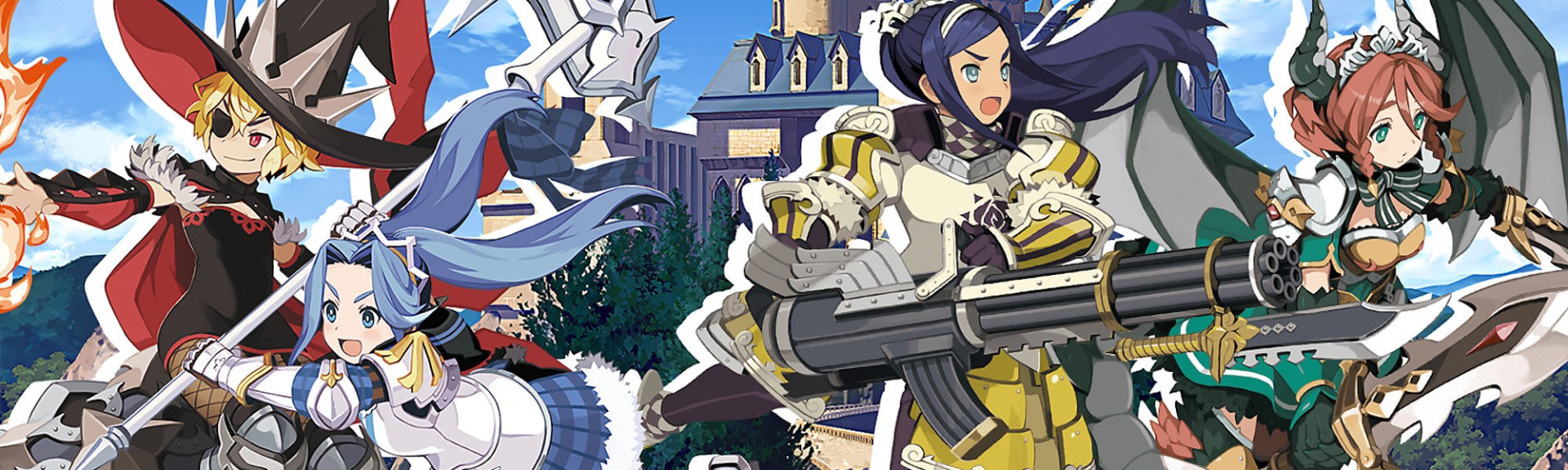
Should you scold your warrior-princess because she keeps turning her subordinates into frogs and you think it is a bit extreme as far as disciplinary measures go, or should you praise her because she just survived being double-teamed by enemy mechs without any squad support?
This is The Princess Guide in a nutshell, a game that splits its time between the zany anime stylings of magical-fantasy storytelling and real-time mission-based action gameplay. Don’t let the cutesy name and art style fool you: The Princess Guide places systems within systems to form layers of complexity which pose a steep learning curve for the player. That is, when you’re not enjoying a story scene where Princess Liliarte jokes about eating a whole cow or Princess Alpana is hoping you think her tail is cute.
The overall gameplay loop consists of moving Commander units across an overworld to reach Missions or encounter enemy units along the way. Once those missions or enemies are reached, the battle begins – an overhead, real-time fight that might take 15 seconds against a couple of monsters or last a few minutes and require navigating through a hostile landscape. As missions are completed, your units strengthen and the plot advances until the problems of the Kingdom have been solved. Those familiar with titles like Final Fantasy Tactics Advance will slip into the overworld stuff smoothly, albeit with hack-and-slash gameplay interspersed instead of turn-based action.
Each princess has their own story, and the game begins by letting the player pick which princess to begin helping. You will eventually get to play through the plotline for each princess, as the player takes the part of a “Master” knight who teaches and guides each young lady through their trials.
The most overt way this is accomplished is through the ‘Praise-or-Scold’ mechanic. At a key point or two in the story, the player must Praise or Scold the princess for something they have done, and thus affect their reaction to the plot point. Even more directly, whenever the Princess is the Commander for a mission, up to three times within the duration the player can Praise or Scold them. Doing so advances a progress bar (more of a progress pie chart, really) toward earning permanent new skills and status bonuses for that Princess, shaping what sort of Commander they are; in addition, a boost is provided for the rest of the mission, such as increased movement speed or attack power.
It should be said: Yes, there is a certain relational component to these interactions, and the Princess characters hone in on some dominance/submission themes in their characterizations. However, any actual sexuality going on is more implied than overt. This is no dating sim, and the most sensual visual would have to be when a villager character shows up with a comically generous cleavage.
Somewhere at the core of The Princess Guide is a winning formula; gradually build your stats and weapon strengths in order to hack and slash your way through missions to progress a fantastical plot delivered in a cheeky, lighthearted fashion with anime visuals and Japanese voicework subtitled in English.
However, player progress in Princess Guide is not content to merely be stifled by progressive enemy difficulty alone. Instead, whether due to translation miscues or taking too much design influence from some mobile-gaming trends, player-reward is often delayed, obfuscated, or barred altogether. This starts in little, subtle ways that are compounded by other mechanics. For example, if you fail a mission, you are given the option to either “Restart Mission” or “Retry.” One of these choices will bring you back to the overworld map, and the other will start the mission over. Can you guess which one?
You won’t know until you go through the trial-and-error attempt necessary to figure it out – and unfortunately, much of the game is like this, giving the player a learning curve from unnecessary complexity. You can level-up your own character commander’s stats and passive abilities in a straightforward menu based on experience points earned in battles. But your Princess commander’s menu for stat-boosting lists traits like Spirit, Wisdom, Moral, and Faith. What do these mean? What gameplay difference do they make? It has something to do with using the ‘right’ Materia equipped and Praise/Scold combinations to unlock more Materia options which in turn affect the Princess’s stats and passive abilities, but why can’t this be as straightforward as it is with your player-character?
Your attack and defence ratings are heavily influenced by weapon items. Every commander – whether your player-character or the current Princess of the world or one of the generic commanders you can recruit (you can recruit up to four additional commanders besides your player-character and the Princess, but only four commanders can be on the map at one time) – has a Weapon equipped. You can upgrade these weapons if you have enough gold and the right Materia learned (we think). But you can’t upgrade a weapon while one of your commanders has it equipped, and you can’t equip or un-equip weapons unless you ‘withdraw’ the commander from the map.
This means that if you want to upgrade a weapon and use it, you have to figure out which commander has the weapon equipped. Select that commander on the overworld and Withdraw them from the map. Go through the “Base Menu” to the menu for upgrading weapons. Buy the weapon upgrade from the menu. Go back to the menu for equipping weapons. Select the weaponless commander and scroll all the way down the list of weapons to find the one you just upgraded, then equip it. But, wait: If you want to use the commander on the map, now there’s a cooldown timer. Withdrawn commanders can’t re-enter the fray until five in-game “hours” have passed. Is there really a good design reason for this, beyond artificially inflating session length? Would it really be so bad to let the player upgrade weapons while they’re equipped, and not wait through in-game time to be able to use it?
The opening of the game introduces all the combat mechanics. You have a basic, light attack with the Y button. You have another attack with the A button, that has a cooldown timer and special effects like pushing foes away or a projectile or poison effect, etc. Pressing A and Y together performs another attack variant. You can press the X button to attack with your Units (oh, right, every commander has Units, you can recruit different ones from a menu, they gain experience independently and have their own stats, and apparently if you hold down L you can assign different tactical strategies during battle, but only if your current board state has reached a certain “Dominance” percentage, the calculus for which is never explained and often doesn’t seem to match what’s going on, and this is definitely exhausting and unfun to read about, right?). Or you can press the R button to switch to a mode where you use your commander’s X attack instead of the units’, and the units function independently.
Oh, and there are also Relics scattered across the battlefield, which are like sentry enemies that do you harm until you hold the A button down while you’re near them in order to take them over, which then makes them an ally that can be used with further presses of the A button, and apparently if you want to unlock certain Materia you will need to keep doing this to an adequate variety of Relics.
Which is all to say: The game quickly makes it clear that you are in control of many varieties of attack strategies but never does the player the favour of explaining any of it, except through tiresome trial and error. This is all introduced to the player in a very “X does Y” format without fleshing out any context for why you should ever choose a light attack over a different one, and so on. While there is plenty of healthy room for discussion on just how much hand-holding a game should do for the player, it says something that The Princess Guide has the foresight to make this initial Battle Tutorial available at any time from the game menu, yet never expounds on its function.
For example, you can go through the entire game without ever bothering to explore the minutiae behind how to best command your units, and are never given any real incentive to. There is no information on how the Princesses or commanders work in terms of what basic attacks they have and how different each attack is, besides trying them out (and besides weapon descriptions). There is no information on why you should time your Praise and Scold actions in any particular manner, rather than just burn through your limit of three per battle right away when it starts, as you still get the Materia EXP bonus for doing so. But even if you build up lots of Materia to train your Princess on, there’s a “capacity” limit to how much she can learn at once, which seems like yet another player-unfriendly design choice.
There’s a thing called Virtual Training for each Princess, unlocked with enough Materia learning, which launches a 16-bit minigame; if played successfully, this unlocks additional possible items found in treasure chests found either in static positions or by chance when defeating enemies, which are also the only way to get better weapons by cheer drop chance. It’s a bizarrely small, nuanced benefit to derive from what is one of the most charming features in the entire game.
There’s a lot to keep track of in The Princess Guide, and it doesn’t help that the game lets the player down entirely at some points. The little arrow that’s supposed to guide the player toward the next mission objective often doesn’t work correctly. The “Game Help” menu option would only load the same tip about Knowledge Materia for us, regardless of how far into the game we were. But perhaps most egregiously, the game has no autosave. You have to manually save from the menu, which means losing progress if you ever encounter a software error, which happened to us twice in our 10-hour playthrough.
Maybe some players enjoy the sensation of diving into deep waters right away and trying not to drown. The Princess Guide shoots itself in the foot, however, by pulling the player through a learning process that, ironically, only ends up teaching them just how puzzling the design choices are. By fighting against the game’s own functionalities as much as the in-universe enemies, you end up with a takeaway that the strangest thing about The Princess Guide might be that it actually does manage to be fun at all sometimes. When you’re mindlessly hacking away through enemy forces and earning a funny story interlude, it’s not so bad. We’re just not sure it’s worth labouring through the learning pains to reach a weak chuckle as a payoff.
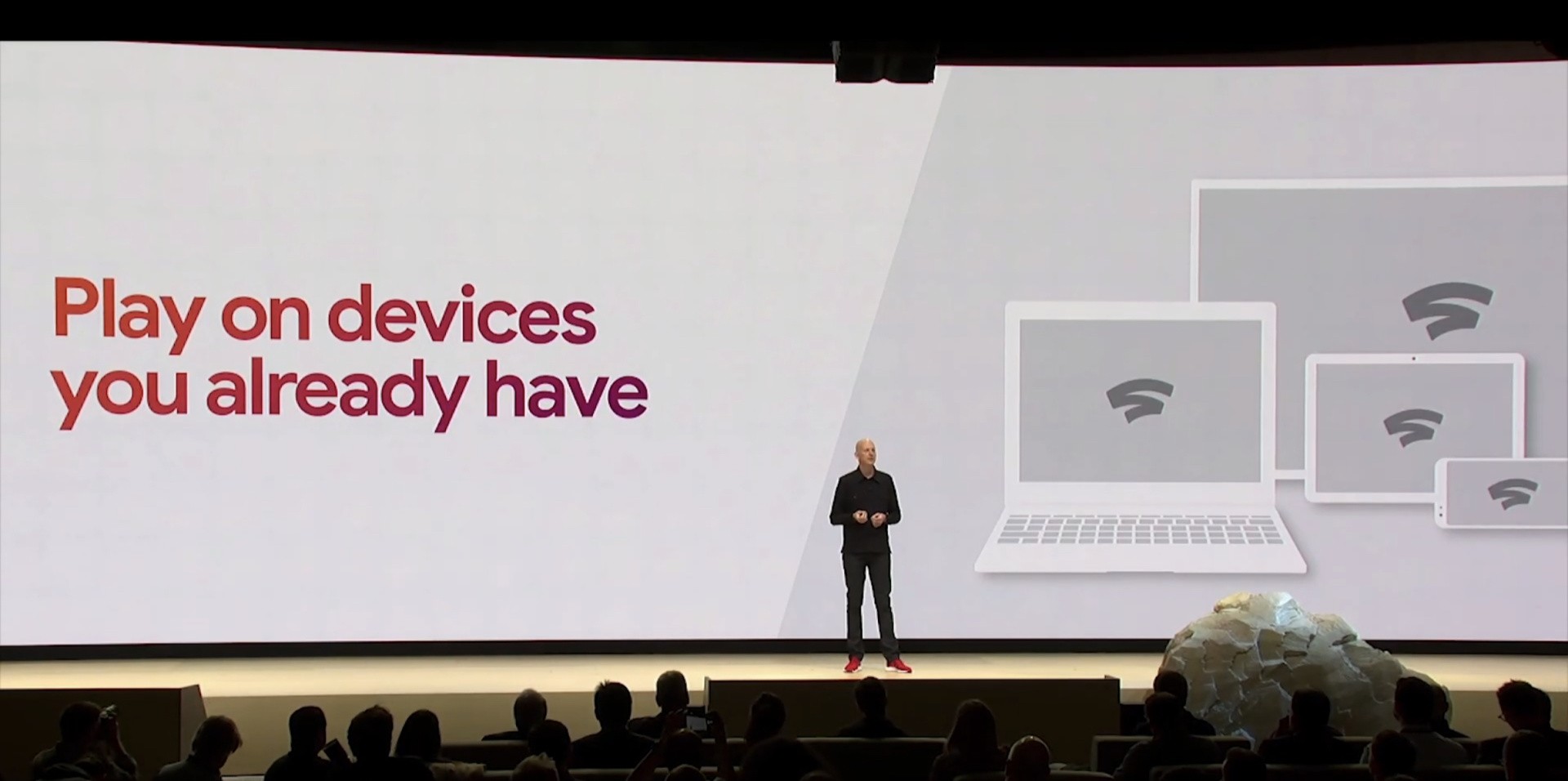
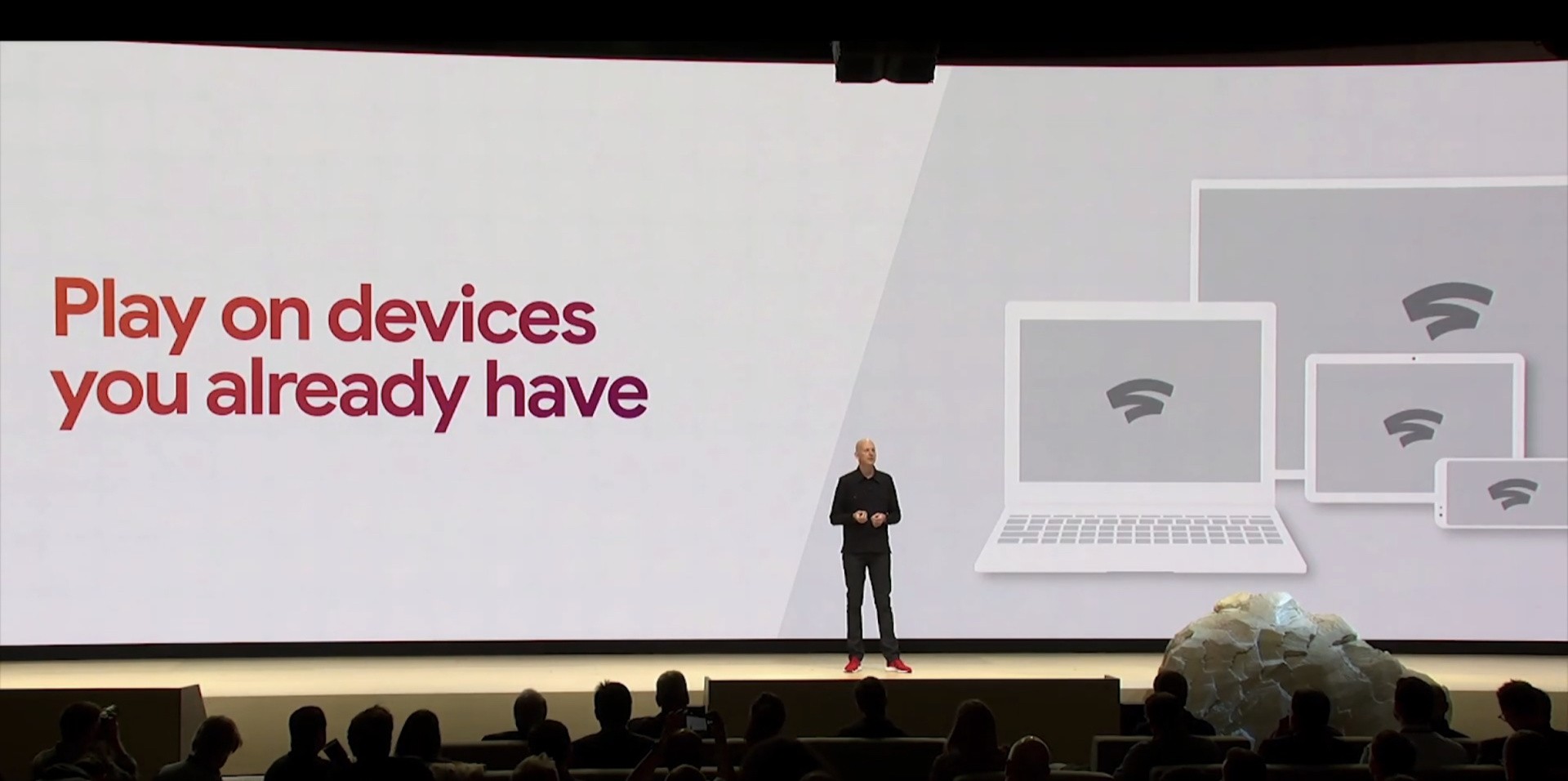
Search giant Google has just lifted the lid on its cloud gaming service, known as Stadia.
The service will stream games across pretty much any device with a screen, including phones, tablets, laptops, TVs and more besides. You’ll be able to access your games via all of these portals, and even pick up where you left off when moving between platforms.
Using Google’s cloud infrastructure, Stadia will offer low-latency gaming that can support 4K, 60fps visuals and will also offer 8K support in the future. It will also offer cool features like Stream Connect — where you can combine streams on the same TV when playing locally with your friends without having to worry about hardware limitations — and the ability to access information about trickly sections in games as you play. You’ll also be able to watch streams on YouTube and then jump into the lobby for the next game.
The Stadia controller was also shown off, and connects directly to Google’s game servers via WiFi for low-latency input, rather than via a Bluetooth connection which would be subject to delayed input speed. It also has the Konami code on the back, which is a nice touch.
Cross-play is also promised, and Q-Games’ Dylan Cuthbert — he of Star Fox fame — came on stage to not only confirm that his studio is working on a Stadia title, but that it would be the biggest game they have ever created, and that it would support ‘State Share’, which allows players to point someone to their iteration of a game and let them play with the same equipment or gear.
Google is working with publishers and studios like Ubisoft and id Software, and will be creating its own exclusive content via its internal studio, headed up by industry veteran Jade Raymond. id Software has confirmed that it has DOOM Eternal up and running on the service already.
The service launches in 2019 in North America, UK and Europe, but Google hasn’t yet stated how pricing will work.
It’s time to briefly touch upon the not-so-nice part of the world for just a moment, as “almost 500” people have fallen victim to an eBay scam involving non-existent Switch consoles.
The seller, going by the name ‘gtrade2015‘ on eBay, had multiple Switch consoles listed for £230 (£50 cheaper than the official retail price). The ‘offer’ was featured on popular deal-sharing website, hotukdeals.com, with users flocking to the store to pick up a cheap console.
The Sun reports that the consoles were due to arrive by Thursday, 14th March and that the seller even provided buyers with fake tracking numbers. The eBay seller in question is reportedly a Manchester-based registered company and was classed as a “top-rated seller”, which likely helped many buyers in their decision to trust the product listing.
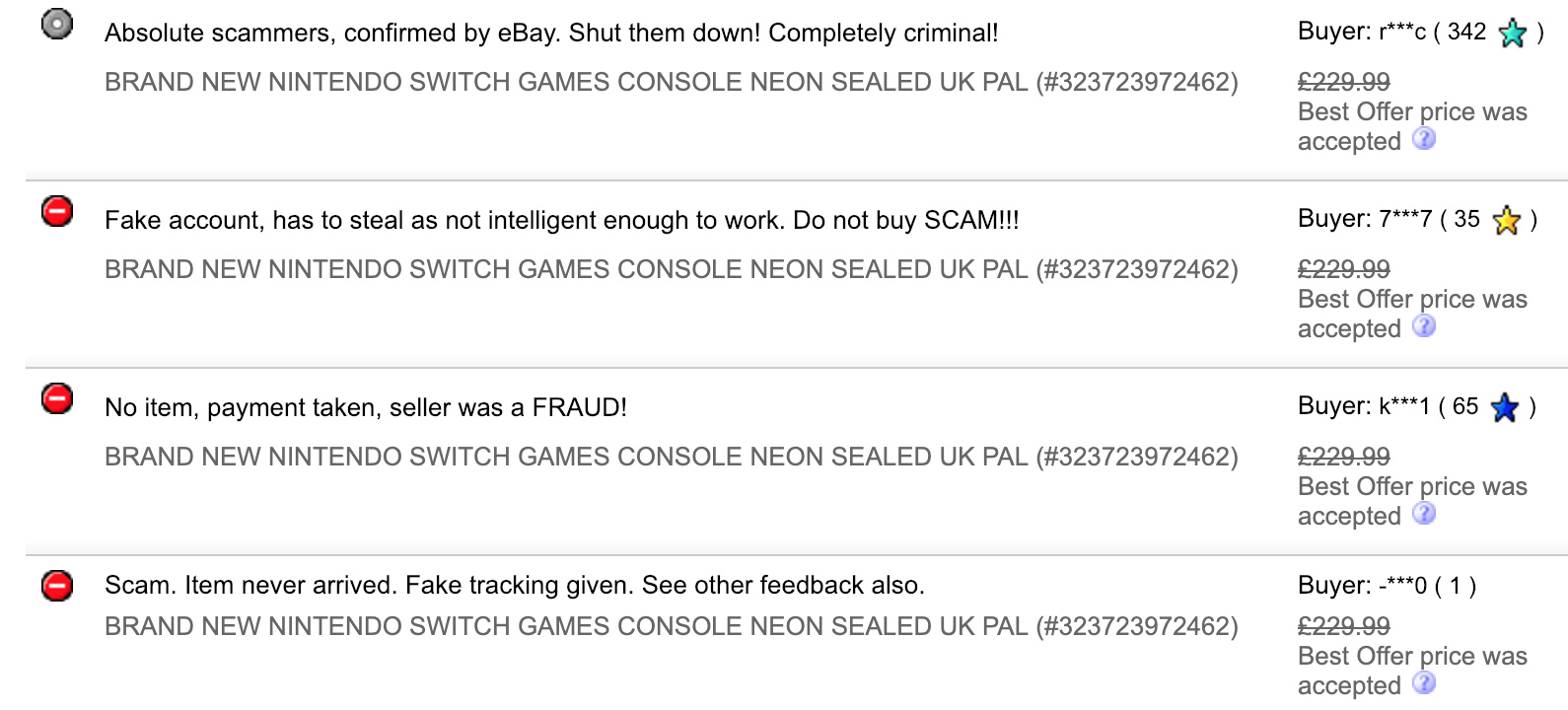
The consoles never arrived, however, and the seller has now removed all products from its eBay store and isn’t replying to any contact made from customers or press. A quick look at the store’s recent feedback paints a pretty clear picture of what’s happened.
A screenshot of recent feedback given to eBay seller, gtrade2015
The Sun notes that a spokesperson for eBay has confirmed that it is aware of the situation and is investigating, stating that buyers will get their money back if eligible under the site’s money back guarantee scheme.
We’re sure it goes without saying, but make sure to be aware of any unknown sellers and do your research before handing over any cash for your gaming products. We’d urge you to shop with safe, reputable stores when possible.
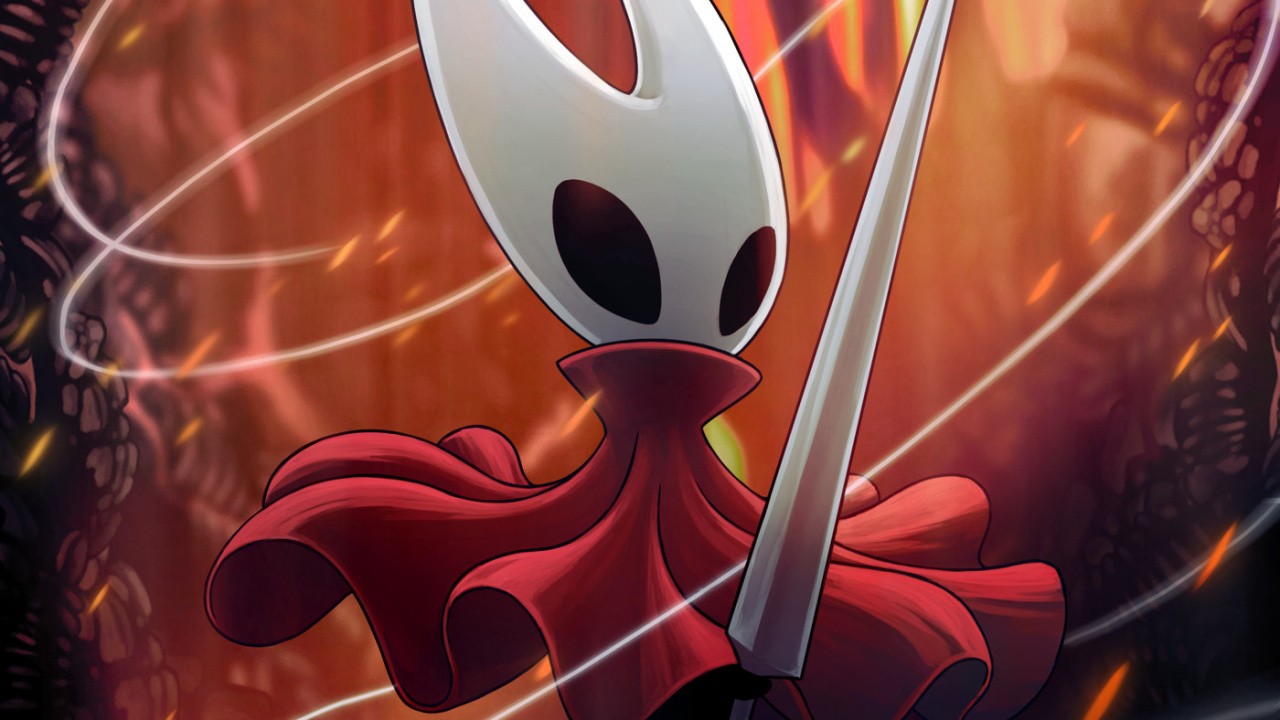
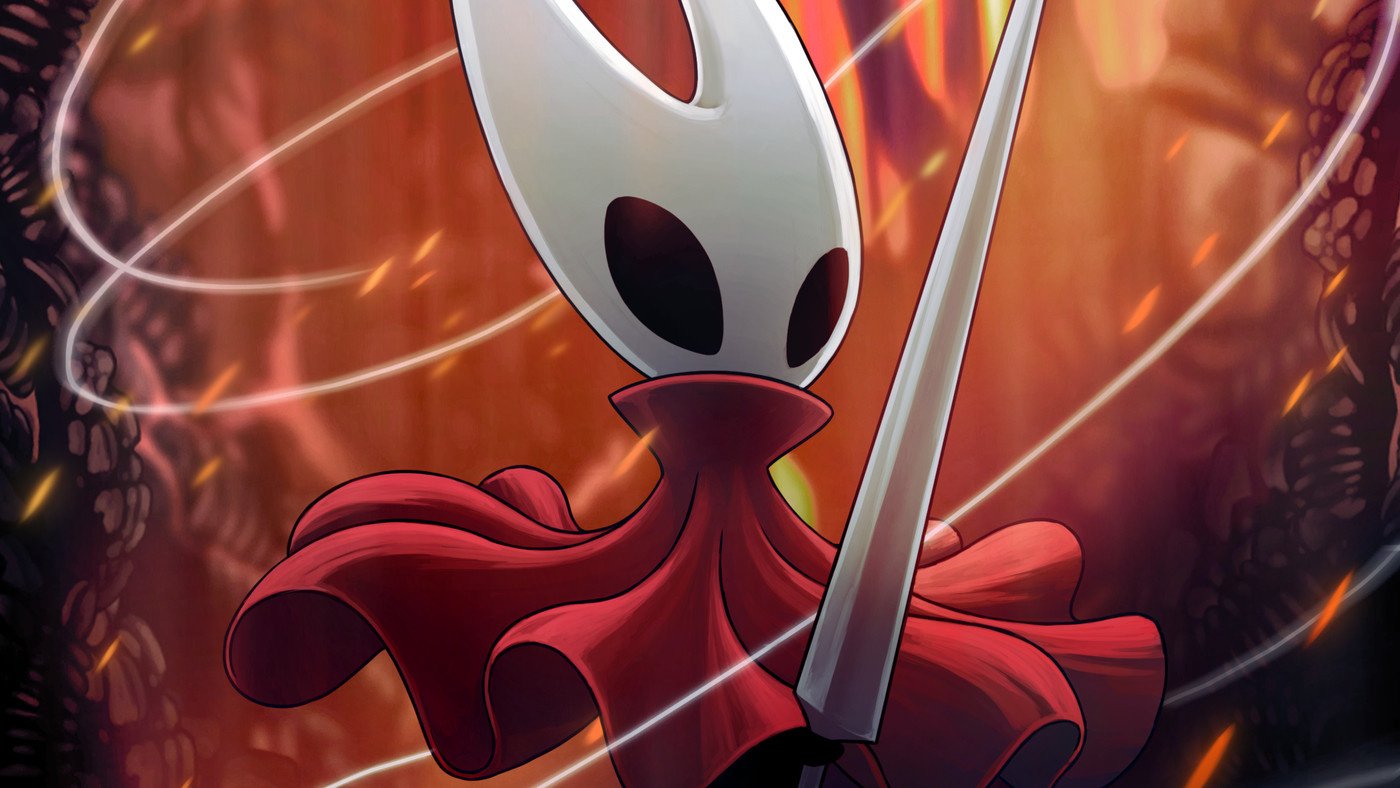
As you may already be aware, Hollow Knight developer Team Cherry is currently hard at work on a sequel called Hollow Knight: Silksong. We know that Switch will be the only console to receive the game at launch, but other details are still pretty slim at present.
Changing that slightly, though, the team has provided a quick update on the game, showing off some of the characters we can expect to see in the final product (we’ve got images and descriptions of each for you below).
Lace A lithe fencer wielding a gilded pin, the traditional weapon of Pharloom. Lace is a dangerous foe, cloaked in mystery, who’ll delight at causing Hornet’s swift, skewered demise.
Shakra Fierce and intimidating, Shakra is a warrior seeking her master, who vanished under strange circumstances. Shakra’s clan are skilled fighters who can handle their own in the kingdom’s wilds. Usefully for Hornet, each member of the clan also hones a Craft-Skill and Shakra’s mastery of cartography will prove invaluable on Hornet’s adventure.
Trobbio Master of the Stage, the Brush and the Voice, the flamboyant butterfly Trobbio seeks fame and adoration throughout Pharloom.
Sherma An optimistic pilgrim on a spiritual journey. Sherma’s path may often cross with Hornet’s own, but his lack of combat and acrobatic prowess can land him in desperate need of aid.
Garmond and Zaza A rambunctious older bug and his noble steed, on a quest to discover a new home. Garmond may be the chattier of the two, but Zaza could be the real brains of the pair.
From left to right (top row): Lace, Shakra, Trobbio / (bottom row): Sherma, Garmond and Zaza
That’s not all, though, as the team has also shared a quick message to thank fans for their support regarding the new game announcement.
“A very sincere thank you to all of you and your response to Silksong’s surprise-announce. Keeping a secret like that for 2 years is crazy tough! And the enthusiasm and passion from the community and fans is the world’s best reward. We’re right now working double-hard to make Hornet’s big adventure the giant, sprawling, surprising journey, you deserve.”
If you missed the news, Hollow Knight is being treated to a gorgeous Collector’s Edition. If you’re yet to try this one out, or if you’re a huge fan of the game, it’s definitely worth a look.
Looking forward to this Hollow Knight sequel? Tell us below.
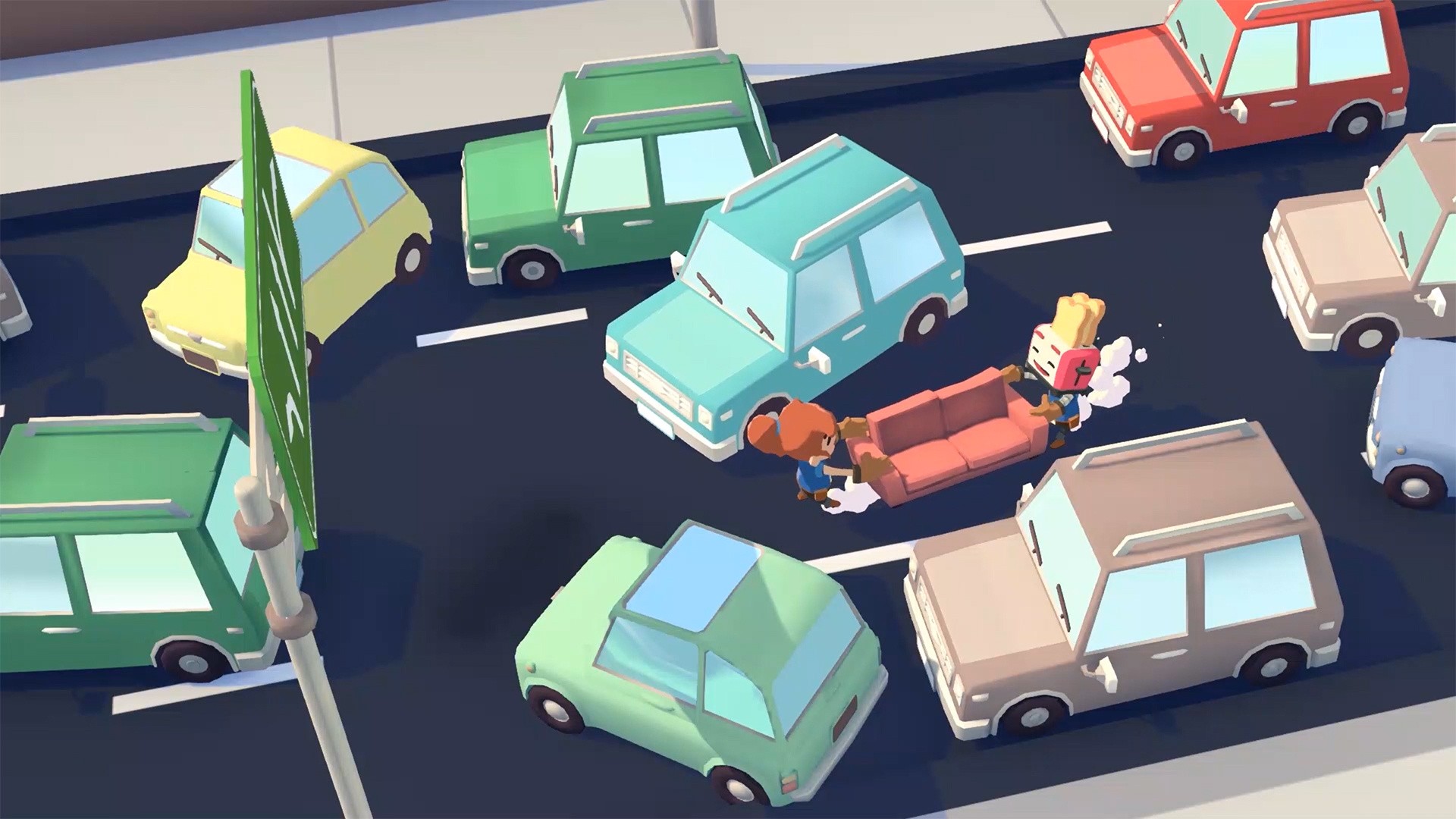
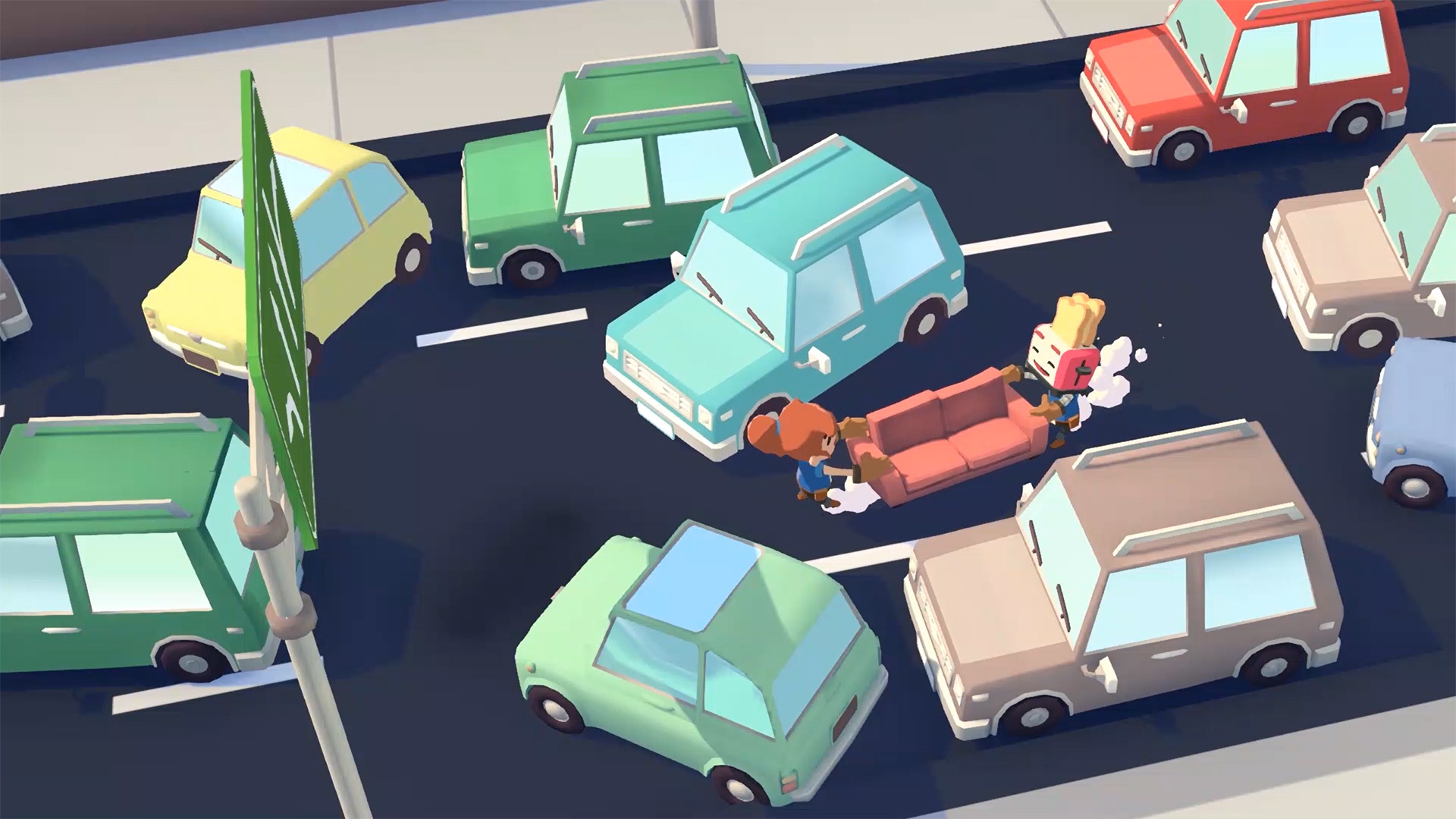
Could SMG’s ‘Moving Out’ be landing on Switch tomorrow?
We’ve been wearing our investigatory caps and uncovered what appears to be a tease for a very imminent surprise game launch on Switch; if we had to, we’d take a guess that it’s coming tomorrow.
As regular visitors are likely already aware, we’ll be treated to a brand new Nindies Showcase presentation tomorrow (you can watch it live with us right here from 9am PT / 12pm ET / 4pm GMT / 5pm CET). It goes without saying that the show will feature a number of indie games coming to Switch, potentially providing us with release dates, some surprises, and maybe even the odd ‘out on Switch right now’ moment.
It just so happens that, only four days ago, SMG Studios tweeted the following message. Maybe putting on our special investigatory headwear was a little over the top – you can probably assume where we’re heading with this already.
That’s right, this could absolutely mean that SMG is about to drop a brand new game on Switch tomorrow. We can’t know for sure, of course, but it certainly looks that way.
So what could it be? Well, SMG has already released Death Squared and Super One More Jump on Switch, but it has plenty of other titles up its sleeve, too. Joining Super One More Jump are mobile titles One More Bounce, One More Line and One More Dash – all of which could make the leap – and other games like Risk (based on the board game), Moving Out (a moving house sim currently on Steam), or mobile game Fast & Furious Takedown could potentially go down well, too.
Having said all this, it could even be something entirely new – we’ll have to tune in tomorrow to find out.
Do you think the tease is referencing the show tomorrow? What would you like to see from SMG Studios? Share your thoughts with us below.
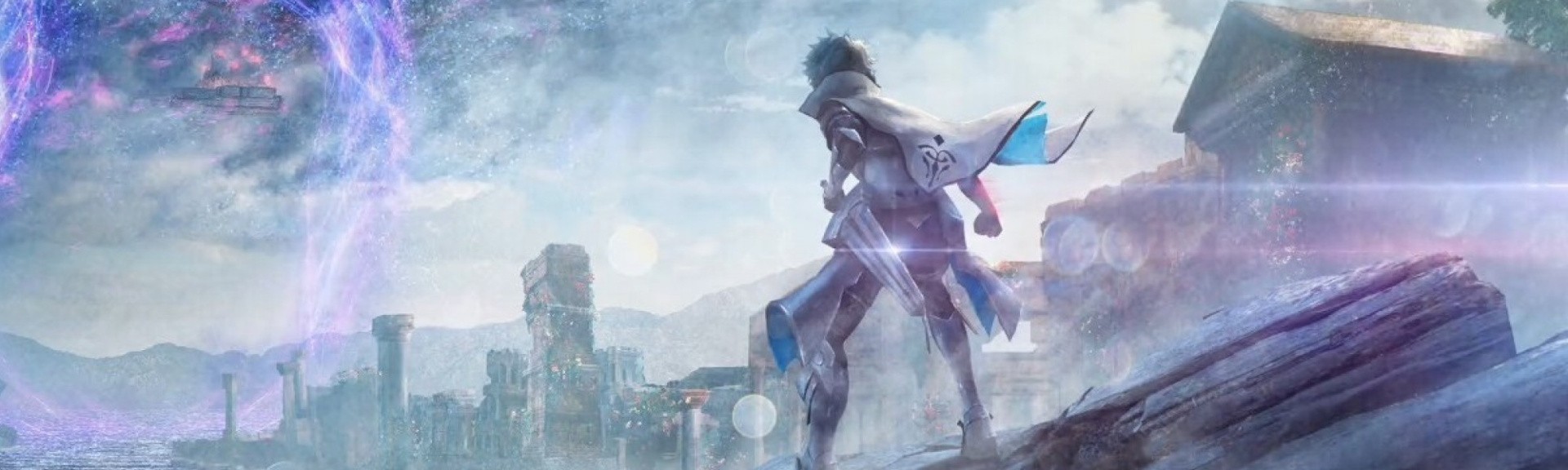
Musou fans have been a bit spoiled this generation, with many great releases in this niche genre coming out for the Switch, some of which are from the Big N itself. One of the more middling Musou games from the early days in the Switch’s life was Fate/Extella: The Umbral Star, which married that tried-and-true hack ‘n’ slash gameplay with the long-running, convoluted anime franchise, and though it had its issues, that release proved to be an interesting and promising experiment that we hoped would get a follow up. Now, XSEED has opted to take another crack at the concept with Fate/Extella Link, a sequel which still carries some of the issues of its predecessor, but proves to be the better game on the whole.
The story of Fate/Extella: Link picks up right where its predecessor, Fate/Extella: The Umbral Star, left off, following the Servants’ search for Altera after she’s kidnapped by a mysterious new foe who’s begun to ‘Oraclize’ other Servants in a mad campaign for assimilating SE.RA.PH itself. As one may expect, the narrative often leans hard into anime tropes and plotlines, packing the story full of larger-than-life characters and ridiculous story beats that are played with almost comical seriousness; none of these elements coalesce into a particularly memorable or compelling story, but you’re sure to have a great time along the way as you chuckle at the jokes and revel in the overall campiness of it all.
Even so, while the underlying narrative proves to be relatively simple and easy to follow, much of it is bogged down by mountains of lore and references that newcomers will be largely ill-equipped to deal with. A conveniently included glossary helps to assuage this somewhat, but make no mistake, this is undeniably a game designed to be played by fans of the series (or at least the last Extella game), and those of you that are coming into this one with little to no knowledge of the series are in for a rough first few hours as you come to grips with the many esoteric terms, names, and concepts that come at you thick and fast.
Of course, this being a Musou game, the story is merely there to provide sufficient context for why you spend hours beating the tar out of literally thousands of nearly helpless enemies on a battlefield, and luckily Fate/Extella Link has found a way to make this activity quite enjoyable. Each level sees you taking control of a Servant whose job is usually to defeat a boss character and secure a battlefield, divided up into ‘Sectors’ that are either controlled by your team or the enemy. As you jump between sectors, clearing out the local opposition and wresting control of the battlefield back piece by piece, various sub-objectives arise that will demand your immediate attention in some capacity, such as when the ‘Master’ is under attack by an enemy unit or when a series of especially powerful enemies need to be cleared out before they can escape and summon reinforcements.
What’s striking about all this is just how dynamic and kinetic these battles often feel; there’s always something happening on the other side of the map that you should probably get involved in, and every minor victory you claim is merely the gateway to another, bigger fight before the level is finally over. This sense of momentum and movement goes a long way towards making each level feel like an actual battle is taking place, where the outcomes of countless isolated squabbles and scuffles add up to cause the tide to shift back and forth and back again constantly as the fight wears on.
Every character has unique skills (more on that later), but ultimately shares the same basic moveset for cutting through the endless hordes, and this moveset is ultimately built around the concept of momentum. Your character can pull off flashy, deadly combos through a combination of light and heavy attacks, and every one of the thousands of enemies you defeat contributes a little bit to your ‘Moon Drive’ gauge. Once full, a tap of the ‘A’ button causes your character’s attack and defence to rise dramatically as the gauge slowly empties, and you can choose to either benefit from this buff in battle prowess in full or to empty the gauge early by executing a powerful, screen-clearing attack by tapping the ‘A’ button once again. All kills executed in your Moon Drive also cause your ‘Noble Phantasm’ gauge to gradually fill, and once that’s ready to go, your character can execute a special attack that’s powerful enough to warrant its own (skippable) cutscene as they positively scorch the earth with a ridiculous and over the top attack that’s as bombastic as it is devastating.
Through all of this, you can also pepper in ‘Active Skills’ to keep combos going and put boss characters on the ropes by doing things like area of effect attacks and buffing certain stats temporarily; up to four of these skills can be equipped at once and though they each are limited by slight cooldowns, knowing when to use them can have an enormous impact on the outcome of your battles. If there’s one thing that Fate/Extella Link absolutely nails, it’s creating a sensation of your character becoming an unstoppable force of nature that no being can possibly hope to overcome; some may no doubt find such a portrayal to be boring due to the lack of tension, but there’s something oddly refreshing about assuming the role of a character whose enemies don’t possess any meaningful chance of winning.
When not in combat, you can power up your Servants in the flying castle that acts as your home base, and this is where players are introduced to the myriad customization systems that power progression. Every time your character levels up in battle, they unlock either a new Active Skill or power up an old one, and here you can pick which four skills you want to take with you into battle. You can also equip Install Skills you’ve picked up from felled enemies, which act as passive buffs to things like attack speed, drop rates, and elemental resistances, and Mystic Codes, which act as a sort of ‘armour’ you can wear that grants minor support abilities like healing to your Servant. On top of this, you can also set which side missions you’d like to attempt in the coming mission; clearing minor achievements like “clear 3 sectors while at over 50% HP” will boost your bond level with the Servant that offered that side mission and unlock more Install Skill nodes for them.
What’s nice about all these separate, interlocking progression systems is that you can truly spec out a character to be exactly the kind of unit you want them to be, while also giving you the satisfaction of knowing that you’re always moving forward in some fashion and that much of that forward motion applies to all characters. Plus, there’s plenty of nice quality of life features to cut back on the grind somewhat, such as how you can spend currency to level up weak units to your current strongest unit’s level, or how duplicate Install Skills are automatically merged with existing ones to power them up slightly. We were pleased by the depth present in the progression of Fate/Extella Link, as it offers up a bit more complexity than one would expect to find in a typical button mashing Musou game by adding in more RPG elements.
Though it should only take you about fifteen hours to clear the story and see its different endings, there’s plenty of replayability to be found in Fate/Extella Link. For one thing, every level grades you based on how quickly land effectively you routed the enemy, and new Mystic Codes are awarded depending on the kind of rating you got; if you’d like to get that coveted 100% on your profile, you’ve got to figure out which characters and builds will allow you to play through certain levels nearly flawlessly. On top of that, clearing stages unlocks special ‘EX’ levels in a side mode that remixes objectives and bosses to provide a different challenge, while also baiting you with the promise of gaining special new costumes for Servants. There’s also a fascinating new multiplayer mode that offers up the opportunity to play in relatively equal 4v4 ‘King of the Hill’ matches either locally or online, though there’s a baffling omission of true local multiplayer; if you want to play with somebody in the same room, they need to have their own Switch and copy of the game.
From a presentation perspective, Fate/Extella Link manages to completely nail the visual style that it goes for, offering up a smooth and inventive visual feast that looks great whether on the Switch screen or the TV. Though the framerate never rises above 30FPS, the anime art style is taken to its full potential with a diverse and imaginative line up of detailed battlefields that prove to be as weird as they are artistically impressive. One battle may see you fighting your way through a traditional Japanese temple, complete with cherry blossom trees, while another sees you fighting through a dark cyberpunk cityscape; it’s next to impossible to guess what kind of battlefield your Servants will fight on next and that visual diversity is greatly appreciated.
Plus, there’s quite a bit of flashiness in the moment to moment details, such as the effect that generates every time you jump between sectors, and this goes a long way towards making Fate/Extella Link’s graphics feel well-realized and pleasing to the eyes. All of this is then matched by a high-energy soundtrack that matches the ridiculous action and anime roots quite well; though not particularly memorable by any means, this is a soundtrack that does a great job of setting the tone.
Conclusion
The nature of the genre makes it pretty tough to do a Musou game wrong, but it’s also rather difficult to do one that’s truly right, providing an experience that’s capable of rising above the repetition and relatively easy difficulty. Fate/Extella Link manages to do just that, including all of the trappings of a Musou outing while sprinkling in a handful of fun, engaging, or creative changes to the overarching design and style to escalate this release a bit above the competition (and certainly above its predecessor). If you’ve never much been a fan of mindless hack ‘n’ slash games, we’d say this is a great way to test whether this genre is for you, and if you consider yourself to be a Musou nut, this is one of the best distillations of the concept we’ve yet seen. Either way, Fate/Extella Link is well worth your time; we’d recommend you add it to your Switch collection at some point.
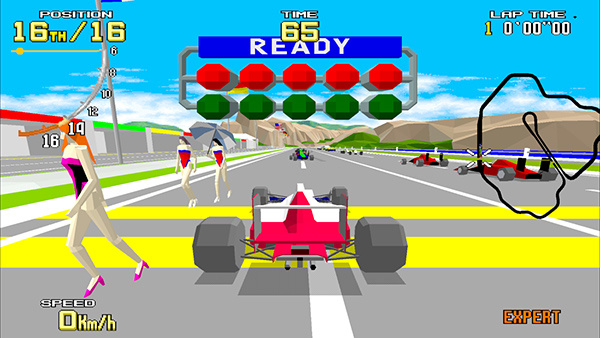
Last September, it was revealed that Virtua Racing would be joining the Sega Ages line-up on Switch. We haven’t heard a great deal about it since then, but some more details have now been shared which are sure to get fans excited for its release.
The news comes from the latest issue of Weekly Famitsu (thanks, Gematsu), confirming that the game is set to launch on the eShop in Japan this spring. Interestingly, the release will support online races, which will actually play out as one-on-one battles. Your opponent’s status will reportedly be displayed via picture-in-picture.
Arguably even more interestingly, though, is the news that you’ll be able to race with seven of your friends in local splitscreen. You’ll have the option to set either five-lap or 20-lap race rules, with all players racing on the same screen. If you thought having four racers on one screen was pushing it, wait until you see this new layout.
If you opt to go for more than four players (so let’s say five), your screen will look like this:
Push it all the way to eight, and you’ll get this (we hope you’ve got a decently sized TV):
We’ll make sure to keep an eye out for any more news on Sega Ages Virtua Racing as it comes but, until then, make sure to let us know what you think about these multiplayer options in the comments below.
Team17 has revealed that its RPG/crafting sim My Time at Portia is building up to a 16th April release on Nintendo Switch. Being the lucky so-and-sos that we are, we were recently invited to the studio’s headquarters in sunny Wakefield, UK to spend some quality time with the game, giving us the chance to see what all the fuss is about for ourselves.
If you haven’t heard of this one before, or if you need a quick refresher, let us quickly fill you in on what it’s all about. Things kick off in the enchanting town of Portia, where you’re ready to start a new life and restore your Pa’s neglected workshop to its former glory. With just a workbench and a workshop handbook in your arsenal, your job is to gather, mine, and craft your way to making the workshop the best in all of Portia, farming, cooking, fishing, and even finding romance along the way.
The game’s inspired by the likes of Animal Crossing, Harvest Moon and Dark Cloud 2, and we couldn’t help but be reminded of Stardew Valley throughout our entire hour and a half play session, too. If you’ve played any of these before, you’re going to immediately feel at home in Portia; everything from your item inventory, your home and its upgrades, the community board full of side quests, and the quirky villagers roaming around town make this feel exactly how fans of the genre would expect.
Within the opening hour, we’d managed to learn the ropes of crafting, met some of the villagers, took on our first side quest, accidentally angered a stray cat by feeding it a berry it didn’t like, and came across a joyous pack of wild llamas that seem to just bounce around outside your home. The game’s inner workings are clearly very tight and sophisticated, but the pure playfulness presented on the outside is fun, charming, and not afraid to be a little bit silly.
To provide us with a sense of what to expect later in the game, Team17 soon plonked us into someone’s save file which boasted a 255-hour playtime (incidentally, we were told to expect around 60-100 hours worth of content from just the main story and a selection of side quests). The changes were pretty breathtaking; gone was the bare little village from the game’s opening, and in its place was a huge, sprawling map full of new areas, a desert, other islands, a museum, new villagers, and so much more. Just like the most addictive games of its genre, My Time at Portia feels like one of those games you’ll be sinking all of your time into.
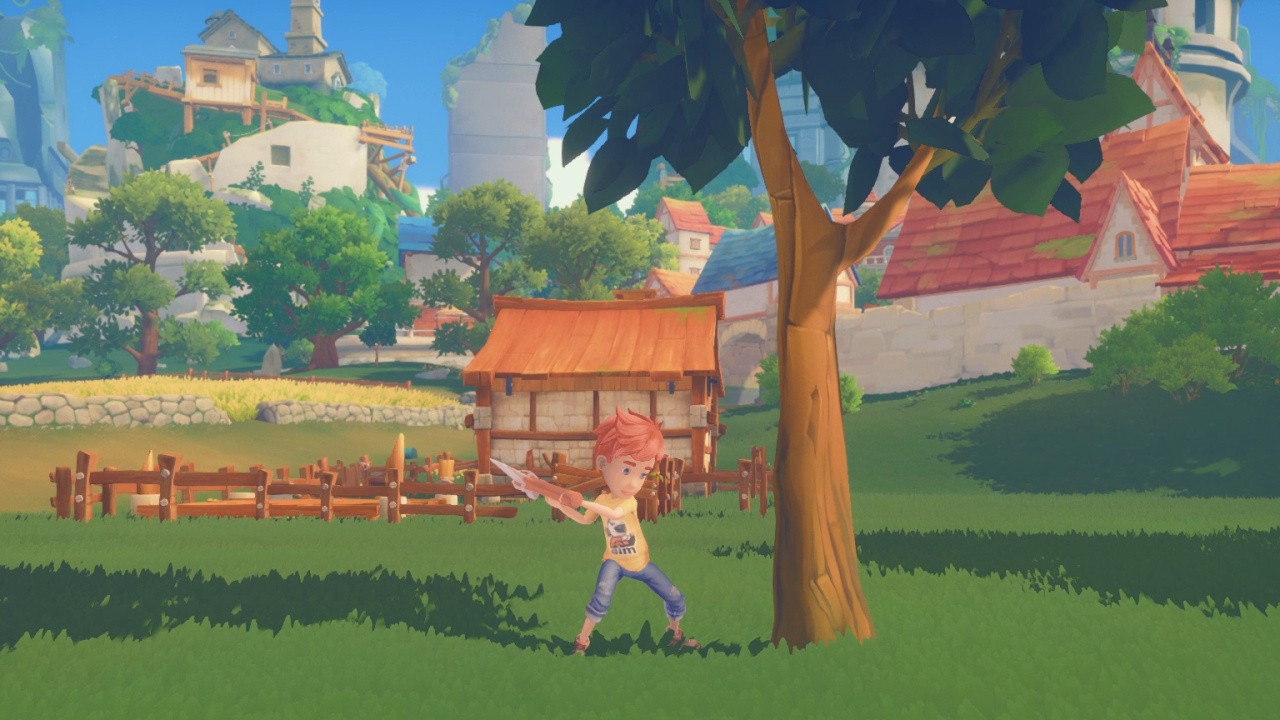
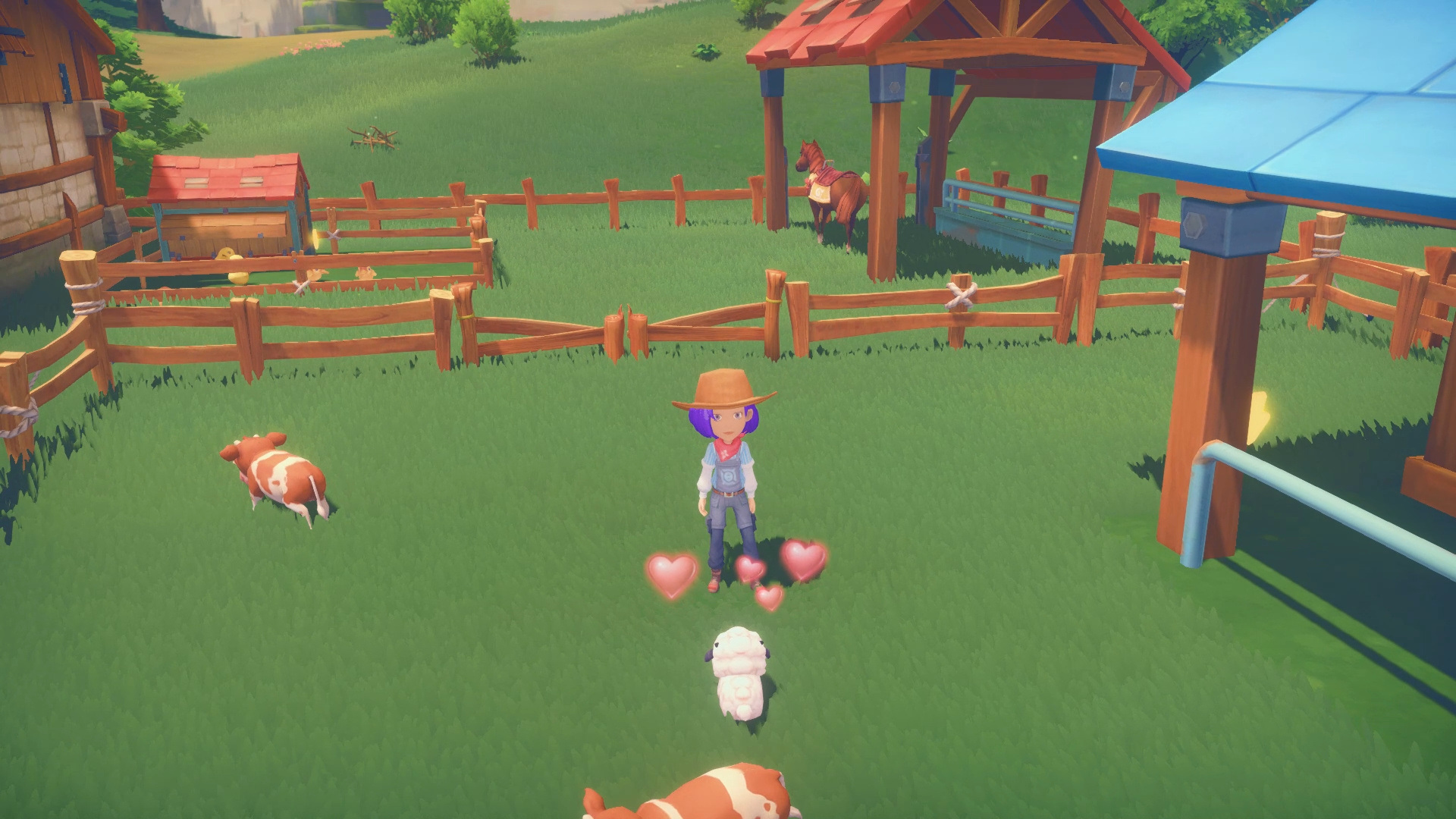
Of course, the game is already available on Steam as we speak, so some of you may well be more interested in how it performs on Switch if you’re thinking of buying for a second time. We experienced a handful of lengthy loading screens and the occasional frame stutter, but the presentation is otherwise as lovely as you’d hope for. You can likely tell from the images on this page that Portia benefits from a colourful, cartoony vibe, with everything from your fully customisable protagonist to the biggest, baddest dungeon bosses bursting with a cute layer of character.
All in all, then, My Time at Portia is definitely one to keep an eye on. If you’re not a fan of this type of game, we doubt the final product will change your mind (everything on offer seems to have been executed very well indeed, but we wouldn’t call what we’ve seen revolutionary), but this could well be a brilliant addition to the gaming libraries of those that are. Our short amount of time hinted at a deeper plot, full of post-apocalyptic undertones and mysterious, hidden relics from the past, and we’re looking forward to investigating further and making the town as perfect as can be.
My Time at Portia launches on Nintendo Switch on 16th April, with pre-orders (which include a Housewarming Gift Set) available from today. Are you looking forward to playing it later this year? Let us know your thoughts in the comments.