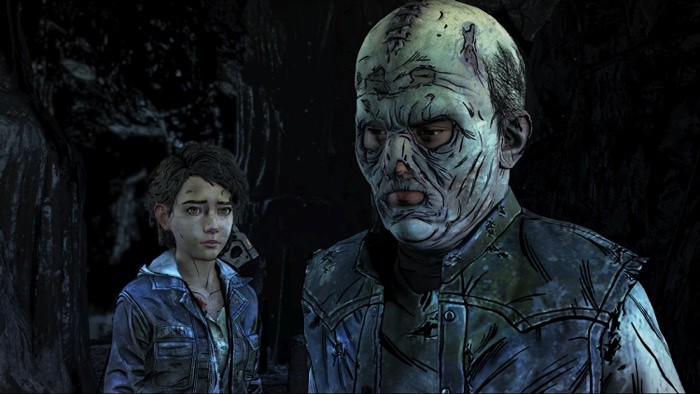
Telltale’s The Walking Dead: The Final Season has finally reached its end today, with its final episode ‘Take Us Back’ now available on Nintendo Switch and other platforms.
As you may well be aware, Skybound Games picked up development of the Walking Dead series after its original developer, Telltale, closed its doors last year. Some members of the original Telltale team joined forces with Skybound to complete the game and the final result of this collaboration can now be fully experienced by players.
Skybound Games CEO Ian Howe has shared the following in a press release today:
“It’s been an amazing experience working with the Still Not Bitten team to finish the final two episodes of TELLTALE’S THE WALKING DEAD for fans. I’d like to thank the team for their dedication to completing Clementine’s story, and the fans for embracing Skybound Games as we worked to help bring closure to a story near-and-dear to so many.”
If you’re yet to play any of the final season, here’s a quick overview:
After years on the road facing threats both living and dead, a secluded school might finally be Clementine’s chance for a home in THE WALKING DEAD: THE FINAL SEASON. Clementine has become a leader while watching over AJ, an orphaned boy and the closest thing to family she has left. In the aftermath of an explosive plan to save her friends, Clementine must now lead her flock of lost children back home. A herd of walkers, the vengeful raiders, and AJ’s troubled mind all stand in her way. Can she be the savior they need her to be?
As with past seasons, the final season is available from the Nintendo eShop in the form of a season pass which gives you access to all episodes as they are released. Those who have already purchased a pass can get their hands on the new episode today, and buying the pass from today onwards will automatically grant you access to all four episodes, including today’s release.
Have you been playing through Clementine’s story? Will you be checking out the series’ conclusion today? Let us know in the comments.
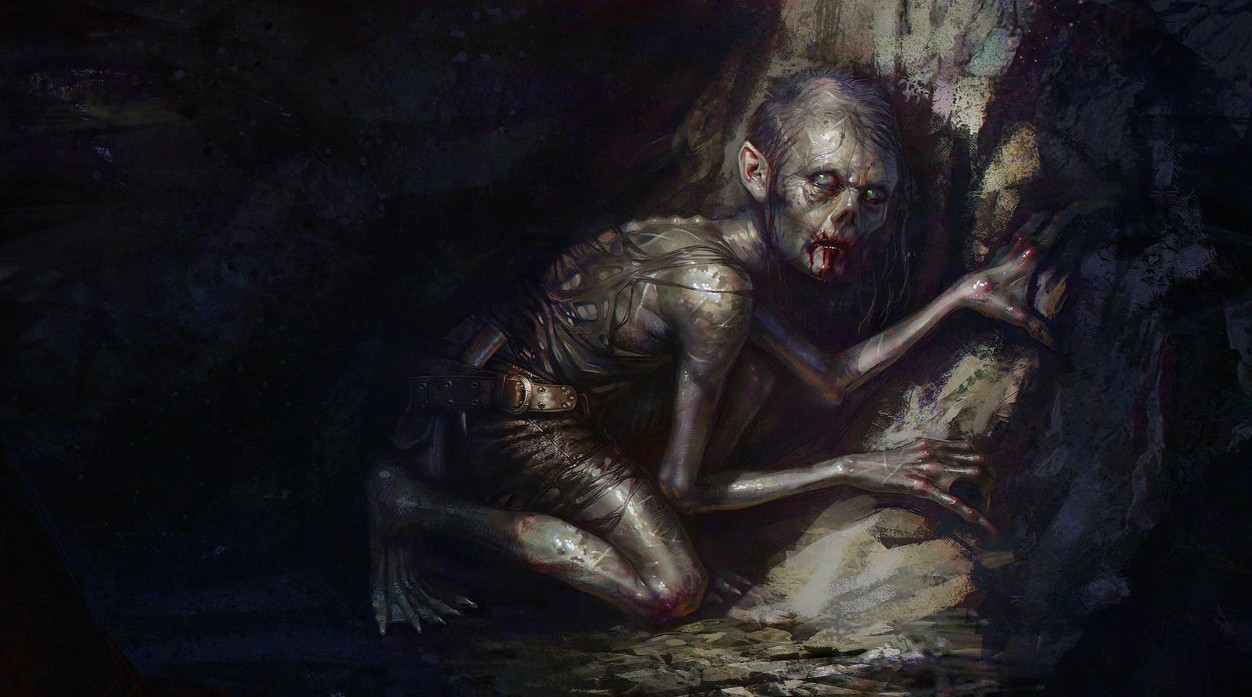
We’re getting a new Lord of the Rings game, and it’s one that will focus on perhaps the most interesting character across all of Tolkien’s works: Gollum.
Twisted and tortured by his desire for The One Ring, Gollum is a key figure in both The Hobbit and its sequel, and would make a great central character for any game. That’s clearly what publisher Daedalic Entertainment thinks, as it is creating a point-and-click adventure with The Artist Formerly Known As Sméagol in the lead role.
Created with the assistance of Middle-earth Enterprises, The Lord of the Rings: Gollum will take place between the events of The Hobbit and The Lord of the Rings. After being tricked out of ownership of The One Ring to Bilbo Baggins in The Hobbit, Gollum is torn apart by rage and is eventually captured by a resurgent Sauron, who tortures Gollum to discover the powerful trinket’s latest whereabouts – setting in motion the events of The Lord of the Rings. Given the large space of time between both books, there’s plenty of ground to cover in the game, much of which was never fully fleshed-out by Tolkien himself.
Daedalic CEO Carsten Fichtelmann had this to say:
We tell Gollum’s story from a perspective never seen before, in any storytelling medium, all the while staying true to the legendary books of J.R.R. Tolkien. At a time when the games industry is undergoing structural changes and seeing new business models evolve, we are excited to realize a huge new production based on a story that has stayed fresh and relevant for more than 60 years.
The Lord of the Rings: Gollum is seen as the first in a new wave of officially-licenced games based on Tolkien’s epic high fantasy world, and will launch on 2021 on “all relevant console platforms at that time”. We’d imagine that includes Switch, but we obviously can’t be sure at this moment in time. There’s also little to report on the game itself, which is understandable given how far away it is.
What we do know is that this won’t be based on Peter Jackson’s acclaimed movie series, so don’t expect familiar faces (or indeed voices) to appear – we’ll have an all-new cast with different designs, and the world of Middle-earth will no doubt look a lot different, too.
In the early days of the video game industry, there were quite a few abortive attempts to mix the medium of interactive entertainment with the more passive pastime of just sitting and watching telly. Shows like GamesMaster and Bad Influence in the UK would try and capitalise on the amazing popularity of video games, but in general, there haven’t been many successful shows which have stood the test of time.
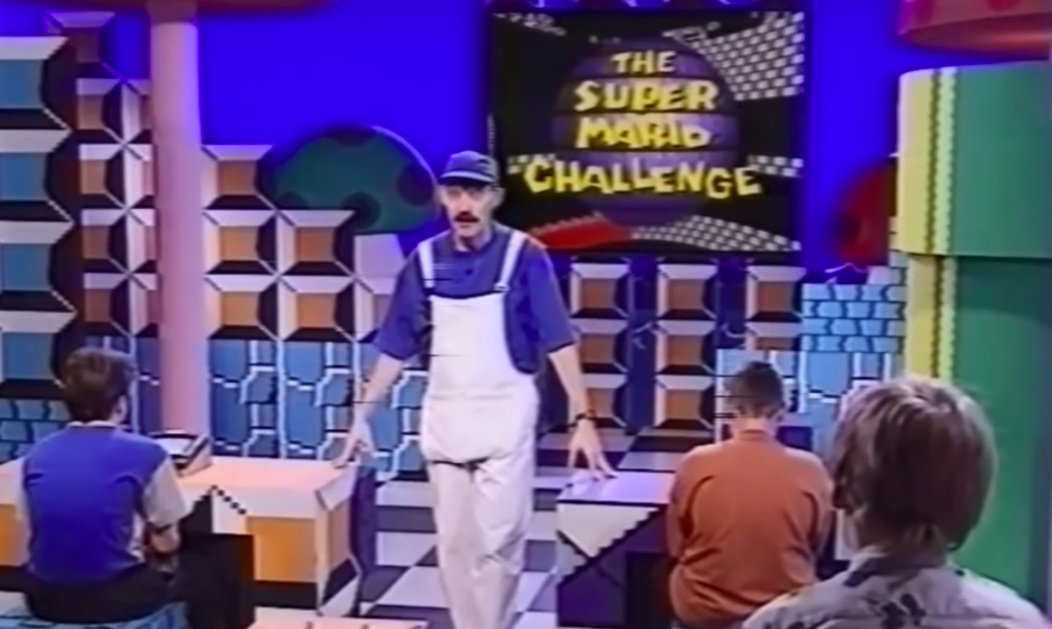
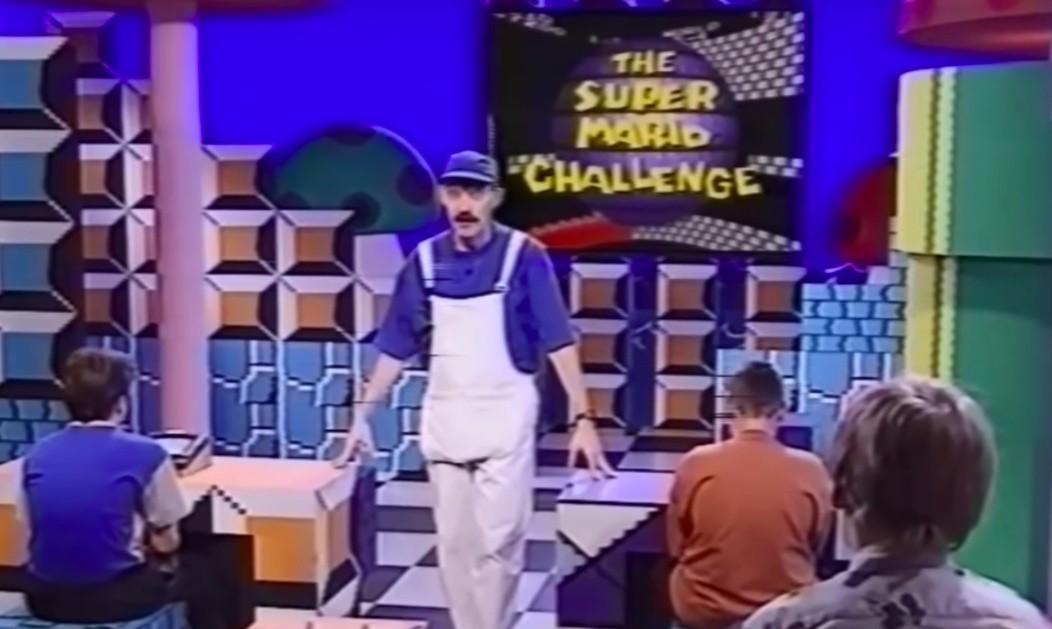
Which is why you probably don’t remember The Super Mario Challenge, which appeared in European TVs back in the very early ’90s as part of The Children’s Channel. If you thought Bob Hoskins was a poor choice in the Super Mario Bros. movie, then you’re going to feel positively ill when you find out that American magician John Lenahan (the first person in 85 years to be expelled from The Magic Circle, and the voice of the toaster in Red Dwarf, fact fans) was cast in the role of Mario – despite the fact that he’s as thin as a rake.
As you can see from the footage above – lovingly archived by Larry Bundy Jr – the format isn’t a million miles away from GamesMaster, or the cult 1989 movie The Wizard. Two kids battle it out across a series of challenges set within the Super Mario game series. It’s all very cheap and nasty looking, but then again, most kids shows were in the very early ’90s.
It’s almost impossible to imagine Nintendo allowing this kind of thing to air today as the company is a lot more careful with its brands. But still, we’re glad that The Super Mario Challenge exists, if only because it means we now know a lot more about John Lenahan than we did when we woke up this morning.
The Switch is set to receive another retro-inspired 2D platformer this week in the form of Metagal, courtesy of publisher, Ratalaika Games.
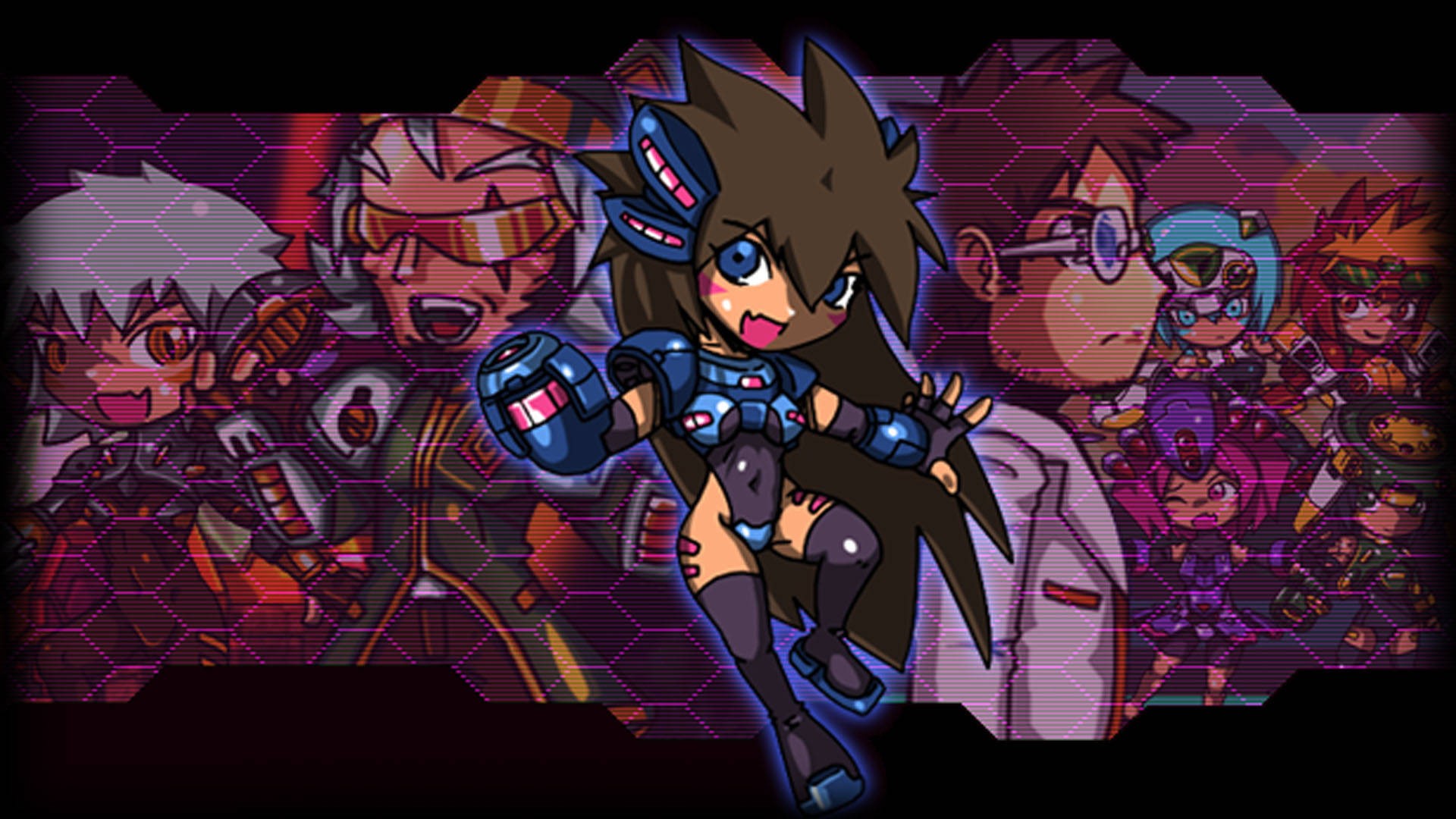
In this one, players take on the role of Meta, a cyborg girl, who is on a quest to rescue her creator from the hands of General Creeper, the evil leader of a rogue army. Things get even worse, however, as Meta’s sisters have also been kidnapped and they’ve all been turned into battle cyborgs. We’ve all been there.
This leaves Mata with no other option; she must face her sisters, free them, and copy their abilities to save those she loves. There are eight stages of intense action to play through, followed by a final confrontation against General Creeper himself.
Features: – Classic jump and shoot style platformer. – 16-bit graphics. – 8 levels that each have their own unique environment, detailed designs and different gimmick. – 30 Enemies types, which doesn’t include the various Bosses. – Powerful new weapons that can be obtained by defeating each Gal Boss. – Lots of secret collectible items that can be used to power up your character. – Soft death penalty with “Gear” system allows player to resolve their mistakes with less frustration. – Unlockable new characters to play with, each come with their own powers and upgrades.
You’ll be able to pick this one up on Switch this Friday for $4.99 / €4.99.
As ever, we’d love to hear your thoughts on this one in the comments below.
2Awesome Studio has revealed that it will be bringing Bedtime Digital Games’ Back to Bed to Nintendo Switch next month.
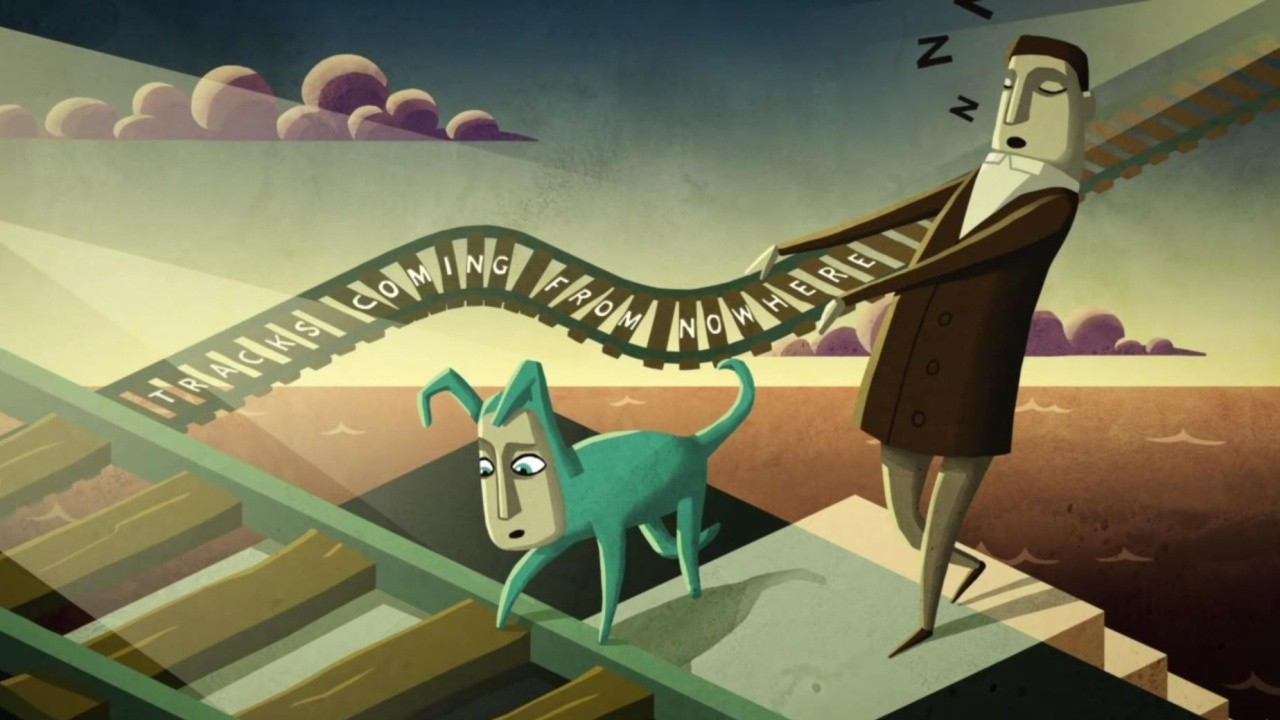
The game sees players guiding a sleepwalker named Bob from his sleep-inducing office to the safety of his bed, all by controlling his subconscious guardian, Subob. The pair travel through a surreal world where the boundaries between Bob’s dream and reality have disappeared; real-world dangers are still as present as ever, so Subob must take extra care to keep Bob safe.
If that all sounds a bit weird to you, that’s probably because it is. If you haven’t checked out the trailer yet (up above) then we’d urge you to do so – things are seriously strange. The game actually launched on Wii U back in 2016; we gave it 7/10 in our review.
Back to Bed will launch on Switch on 11th April with pricing set at $4.99 / 4.99€. Pre-orders will go live on 28th March, though, letting you secure the game at 10% off.
What do you think? Is this one going on your Switch wishlist? Sleepwalk on over to the comments below and let us know.
Really going to miss those Japanese charts when all we get are the utterly anodyne British charts every week. I mean, I’m British, but I don’t feel like these charts truly represent me or my tastes.
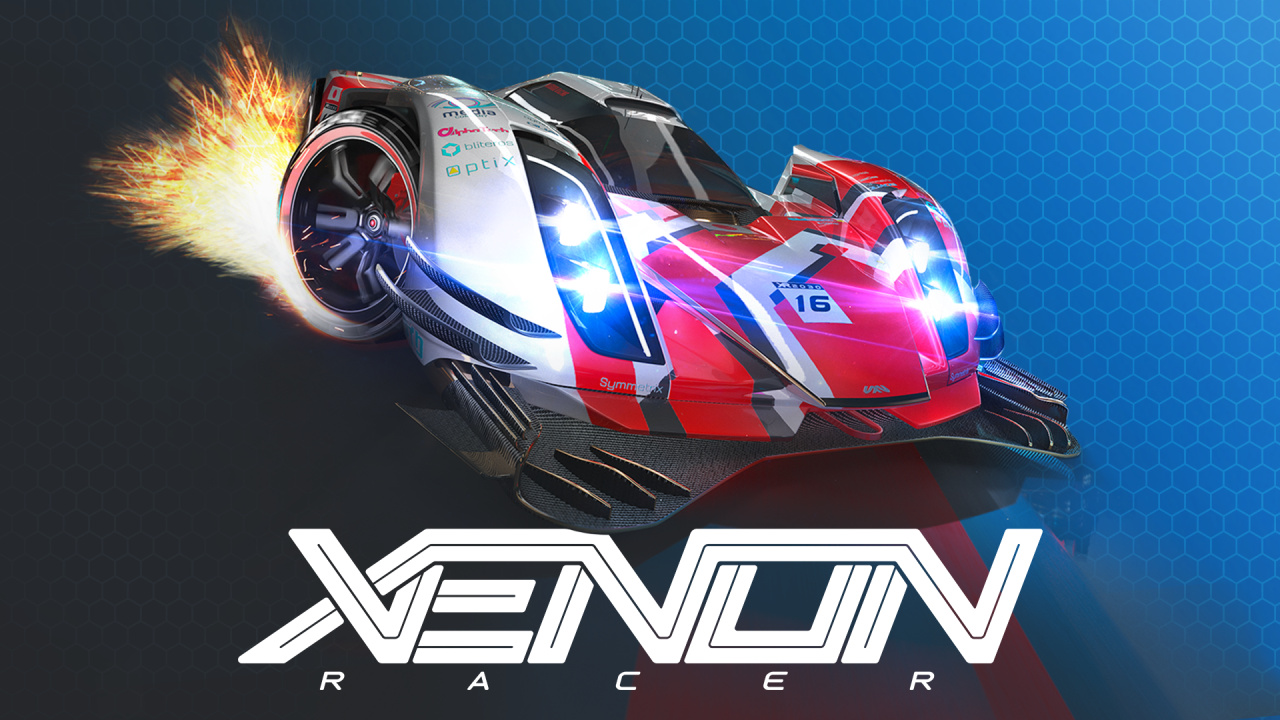
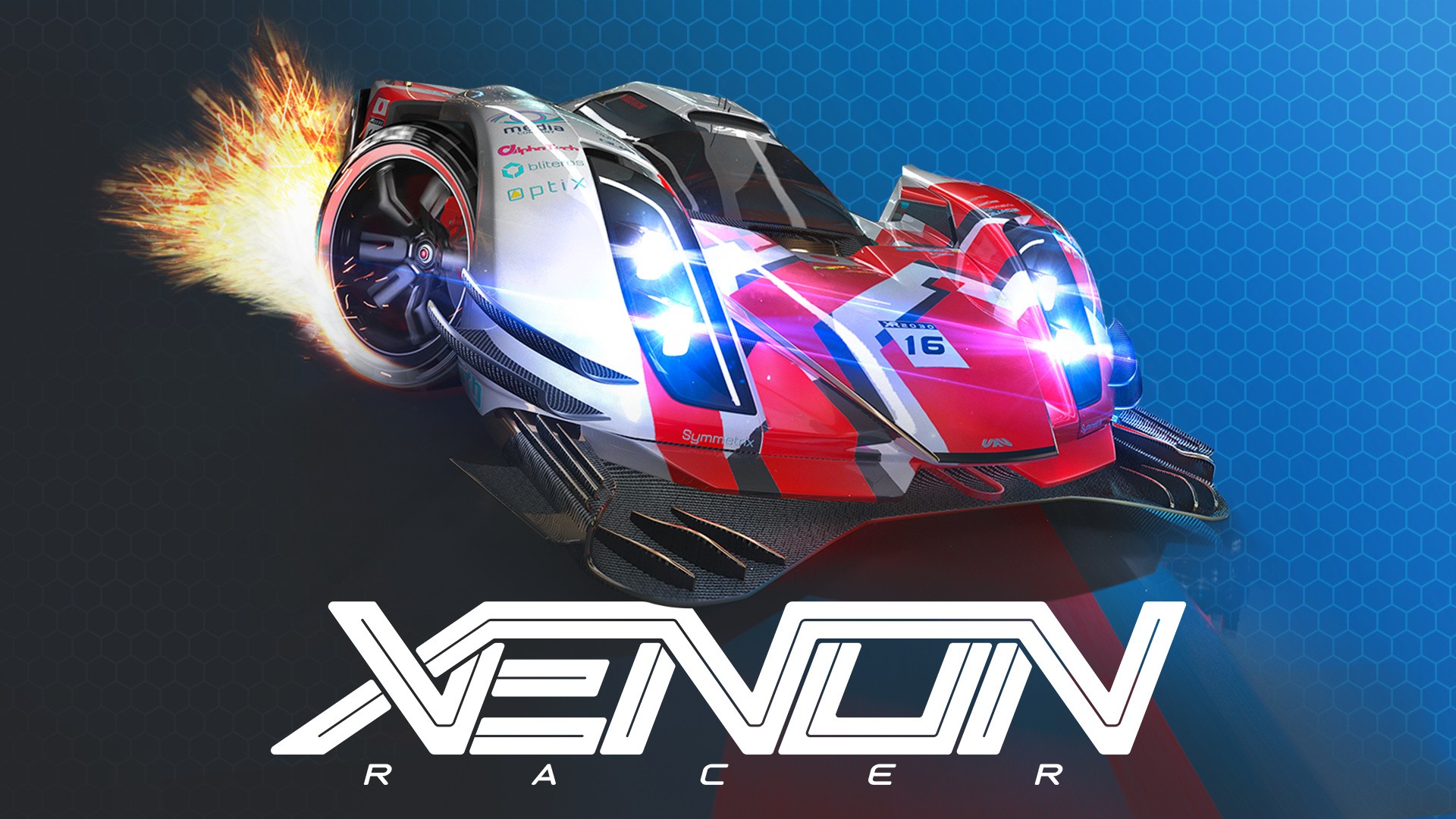
Xenon Racer is speeding onto the Nintendo Switch tomorrow, bringing fast-paced, futuristic, arcade racing along for the ride. To celebrate, Soedesco has released a launch trailer.
Xenon Racer boasts sleek, futuristic car visuals made possible with Unreal Engine, with each design coming from the mind of Marcello Raeli – known for his work with brands such as Subaru, Ferrari and Koenigsegg. As shown in the trailer, you can customise your vehicles, too, with several different skins and performance-changing parts.
Each track features different requirements, so players need to figure out which car and which parts will be the best options to progress. Drifting and boosting are also pretty significant in this game; Xenon Racer’s press release says that “they are absolutely essential to get top speeds on the leaderboards”.
Speaking of the press release, here are some of the game’s key features:
– Race at top speeds in electric vehicles boosted by Xenon gas – Drift through the streets of major cities like Tokyo and Dubai in the year 2030 – Triumph in singleplayer, split-screen & online multiplayer championships – Master your drifting skills, it’s essential to get the best times on the leaderboards – Customise your car with tons of parts to create the ultimate racing vehicle
The game launches tomorrow both physically and digitally for $49.99 / £44.99.
Will you be burning rubber on the track tomorrow? Let us know down below.
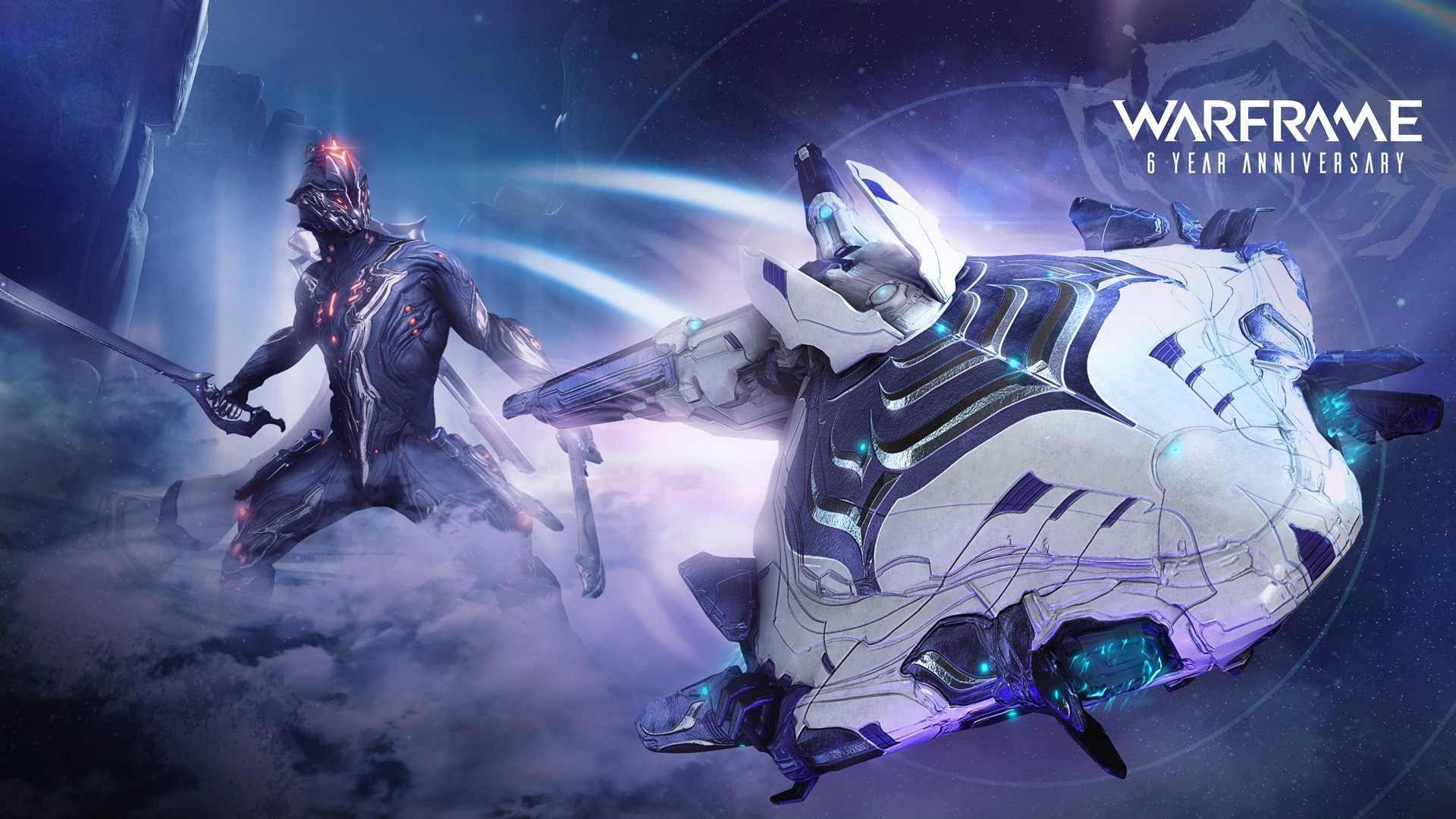
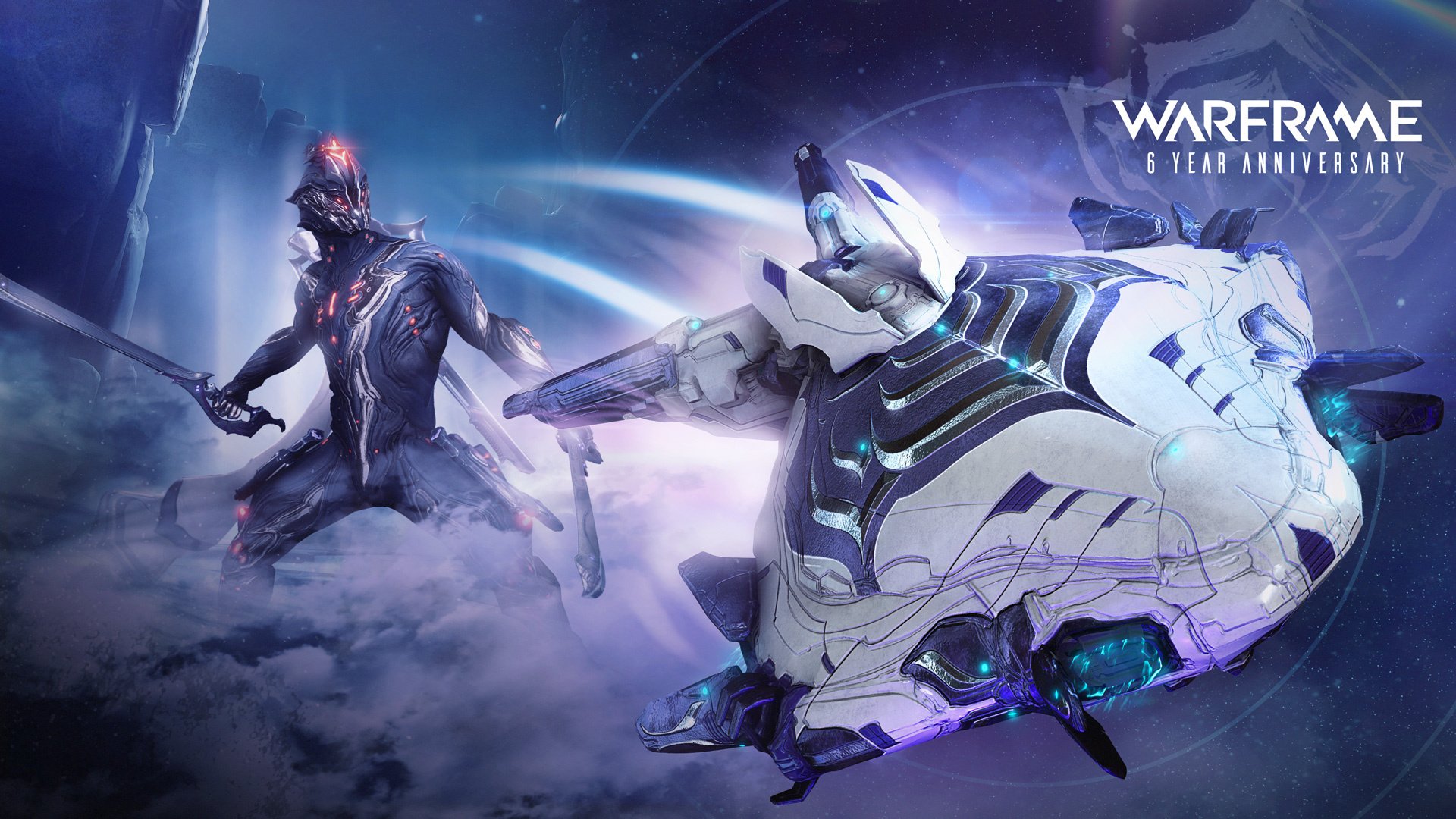
Today is Warframe‘s sixth anniversary and, to celebrate, Canadian developer and publisher Digital Extremes has revealed that it will be gifting players with free rewards this Wednesday.
The freebies will include a brand new exclusive Liset (landing craft) Skin, last year’s Dex Excalibur skin, and all of the game’s previous anniversary gifts. The freebies are also acting as a way for the team to say thank you to its players; the anniversary comes alongside the news that Warframe has now reached almost 50 million registered users.
Digital Extremes has shared the following message in a press release today:
“The year 2018 was explosive for Warframe. Digital Extremes’ flagship title saw unprecedented growth as players dug into 111 hotfixes and 26 updates, played Warframe for the first time on Nintendo Switch, and tuned into TennoLive and our Devstreams in record numbers. As a result, Warframe grew from 38 million registered online users in March 2018 to nearly 50 million in March 2019, its largest yearly registered user growth yet.
In addition to record breaking signups, Warframe also reached new peaks for daily active users (DAU) and monthly active users (MAU) in 2018. TennoLive 2018, Warframe’s annual keynote at its fan convention TennoCon, grew from 16,000 views in 2017 to 413,000 in 2018, a 2,481.25% increase, making Warframe the 14th highest concurrently viewed game on Twitch in 2018.”
This year has already seen two major updates for the game, and “many more” are currently in the works. The team is currently working on the ‘Plains of Eidolon Remaster’ and ‘Gas City Remaster’ updates – two gameplay and graphical overhauls that are set to renew both areas – and other game-changing updates like ‘The New War’ and ‘Railjack’.
Do you play Warframe on Nintendo Switch? How have you been enjoying the game so far? Let us know in the comments.
For many, the Super Nintendo remains the absolute pinnacle of gaming hardware. The is 16-bit powerhouse was home to some amazing games, and via titles like Super Mario World, Zelda: Link to the Past and Street Fighter II, did much to expand the interactive entertainment market and turn an entire generation into diehard Nintendo fans. However, it’s almost impossible to talk about the SNES without also referencing its biggest rival: the Sega Mega Drive (or Genesis, as it was known in North America). After failing to make a dent in Nintendo’s market share with the 8-bit Master System (outside of Europe, at least), Sega bet everything on its 16-bit successor, and thanks in no small part to some amazing arcade conversions, EA-made sports titles and a certain blue Erinaceinae, it managed to challenge Nintendo on even terms, doing the unthinkable and actually rivalling (and, at points, outselling) the creator of the SNES on North American soil – something that had been utterly unthinkable during the NES era.
The famous ‘Console Wars’ of the ’90s have gone down in legend, and those old enough to recall this period will no doubt have expressed a preference for one of these two video game titans, but in 2019, it’s easy to admit that if you wanted to sample the best the industry had to offer, you needed both in your life. That’s why the release of the Analogue Mega Sg is such a noteworthy event, even in the world of Nintendo; it’s the perfect opportunity to reacquaint yourself with the console that fought the SNES tooth and nail for living room supremacy.
We’ve already reviewed Analogue’s other systems – such as the brilliant Nt Mini and Super Nt – both of which are based on Field-Programmable Gate Array (FPGA) technology which uses configurable logic blocks to replicate the performance of vintage systems on a hardware rather than software level. The Mega Sg adopts an identical approach, even using the same versatile and powerful Altera Cyclone V FPGA chipset. This chip can be programmed to behave exactly like an original Sega Mega Drive in hardware terms, thus avoiding the usual issues and inconsistencies that are introduced by software emulation. Because of this, the Mega Sg boasts complete compatibility with not just the entire Mega Drive / Genesis library (and that includes all regions, as you can toggle the console’s region encoding in its settings), but also the whole 8-bit Master System range, thanks to the fact that the machine comes bundled with a special adapter that allows you to load up 8-bit Sega games, too.
The Mega Sg is roughly the same size as the Super Nt, which means it’s compact enough to fit under your TV without swallowing up too much room. The top of the console has a power button and reset button, the former of which is home to an LED which glows in a range of different colours, configurable by the user in console’s settings menu. On the back, you’ll find a standard-sized HDMI-out port and a Micro USB port for power. The left-hand edge has an SD card slot for firmware updates, while the opposite side has an expansion port so the Mega Sg can be fitted to a Mega CD (both the Mk1 and Mk2 models are supported). Due to a slight difference in height between the Mega Sg and the original Mega Drive, a square foam pad is included which fits neatly beneath the console, raising it slightly so it slots snugly into the CD add-on’s interface port.
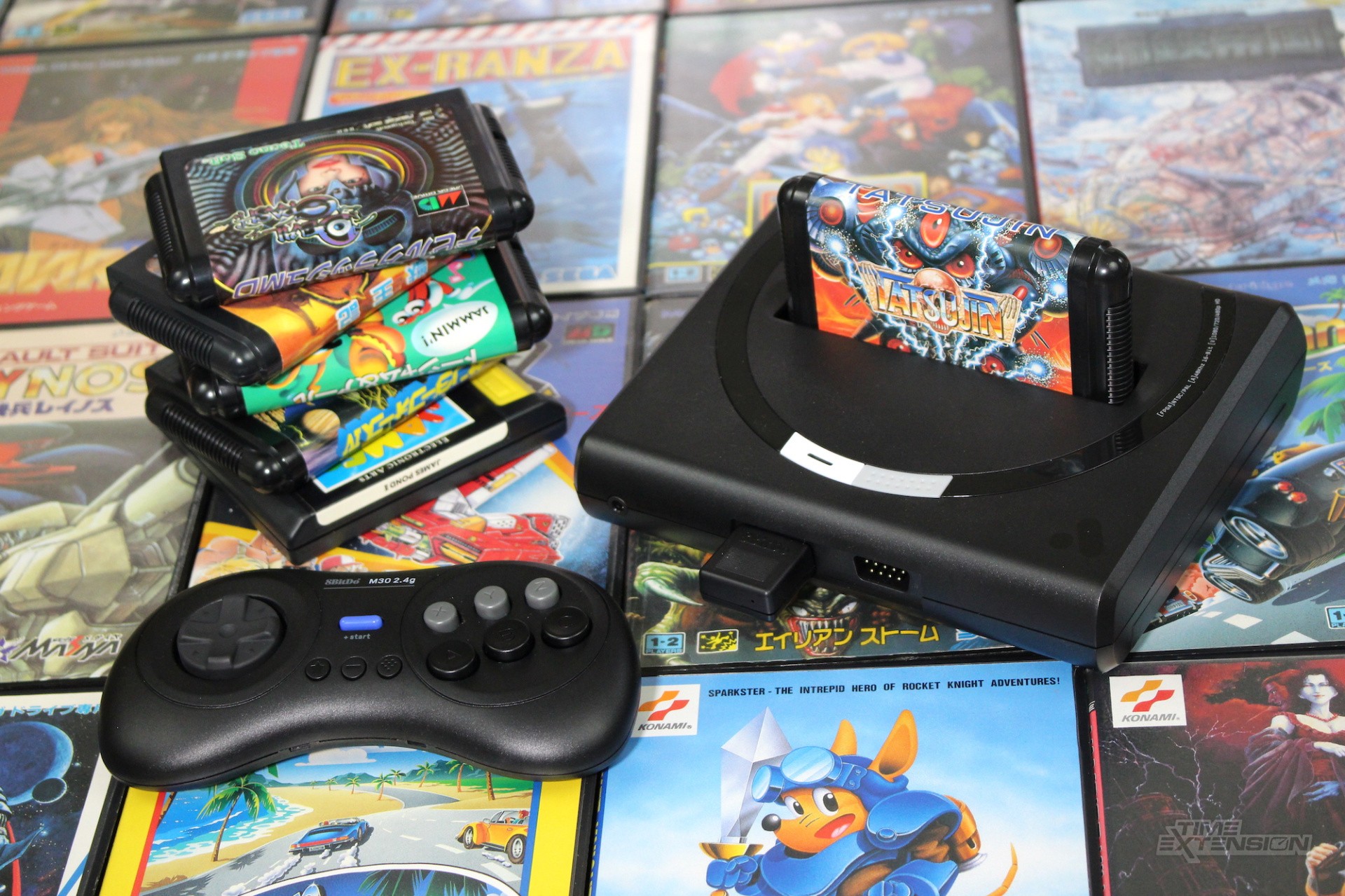
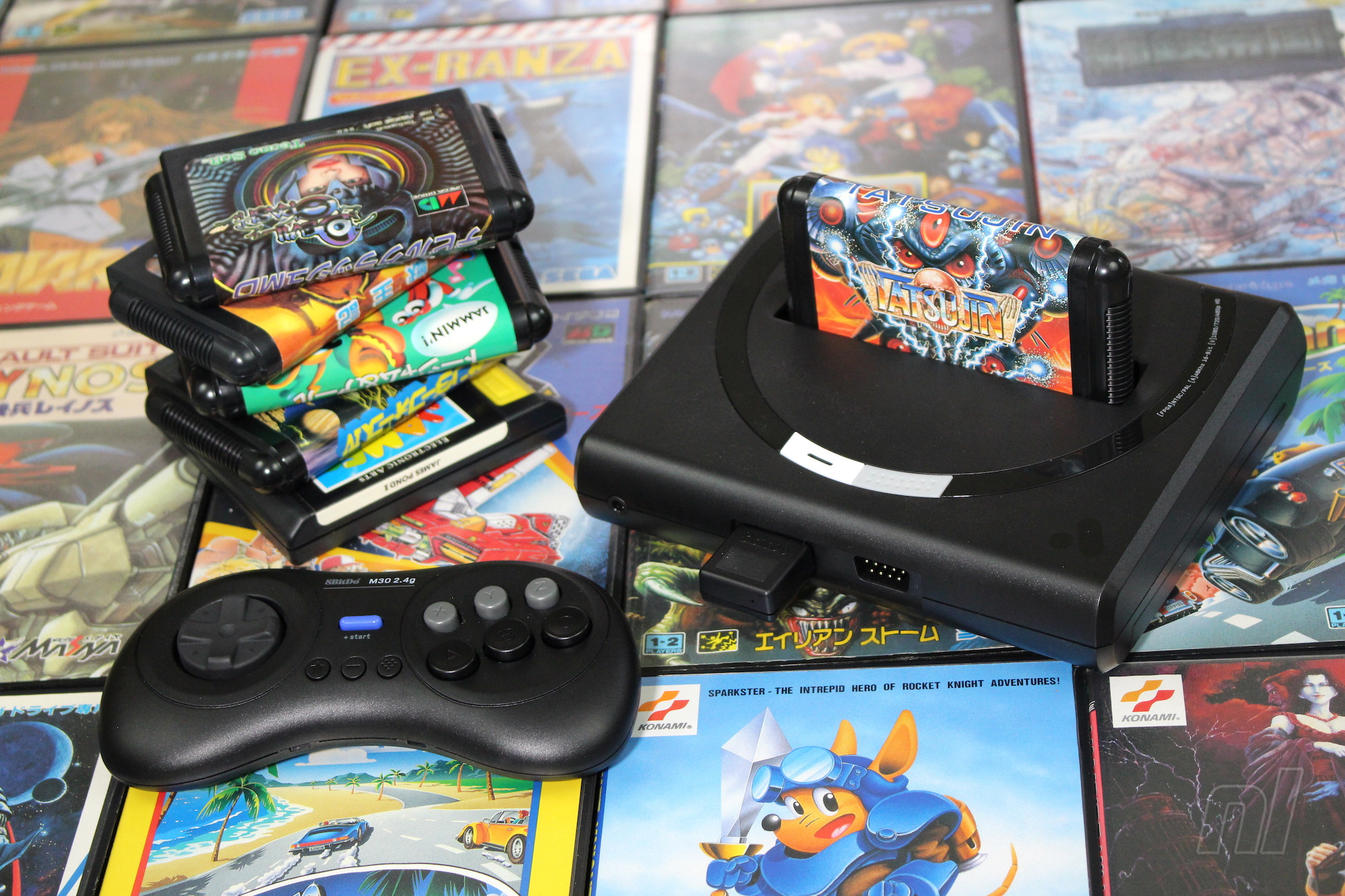
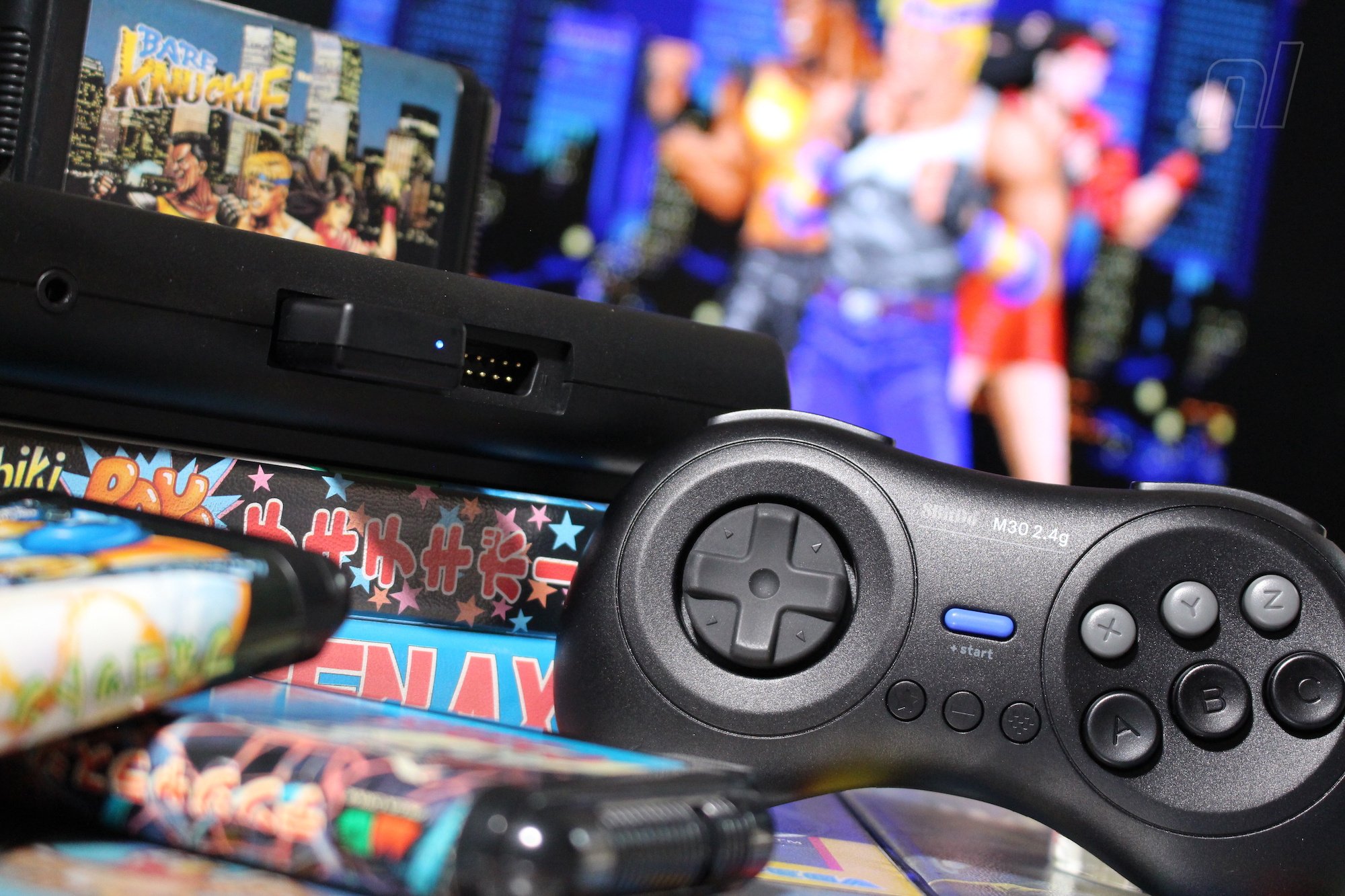
Meanwhile, the front edge of the system is home to a 3.5mm headphone socket and two 9-pin joystick ports – just like the ones seen on the original hardware. This means that you can plug in your existing Mega Drive controllers, which is a good thing as the Mega Sg doesn’t actually come with any pads in the box. Analogue has teamed up with accessory maker 8BitDo to create an utterly superb clone of the 6-button Mega Drive pad, and it’s possible to order this – along with the wireless receiver that plugs into the 9-pin port – both as part of a bundle and separately. It’s worth noting that Krikzz’s excellent Joyzz controller also works perfectly with the Mega Sg, and tests indicate that in terms of latency, it’s the preferred wireless option right now.
Available in colour variants which reflect the original regional designs (red and grey power and reset buttons for North America, white and grey for Europe and red and blue for Japan) as well as an all-white option, the Mega Sg certainly looks the part from a purely aesthetic perspective. However, even the most attractive casing can’t prepare you for the sheer volume of options available once you actually turn it on. Venezuelan DJ Arca – real name Alejandro Ghersi – has produced the dream-like boot music, which is accompanied by the Analogue logo, as seen through the retro-infused lens of Phil ‘Fez‘ Fish.
Once the slick boot sequence is complete, you can select from a range of options to get the experience you desire. A truly dazzling range of graphical filters and options are available; you can pick your resolution (480p, 720p and 1080p are all supported), scaler, scanline intensity and screen ratio; there’s even the option to apply a ‘dither’ effect which simulates the blending of pixels you’d get from running a Mega Drive over an RF connection on an old-school CRT television set. It might seem like an odd feature to include, but when you consider that many developers harnessed this limitation to create transparency effects and concoct ‘new’ colours not normally available in the console’s standard palette, it’s a vital element which makes the whole experience even more authentic.
The team at Analogue – spearheaded by the legendary Kevin ‘Kevtris’ Horton – have worked tirelessly to solve other oddball issues relating to Sega’s 16-bit hardware, such as the fact that the console’s native frame rate is 59.92275fps (NTSC) and 49.70146fps (PAL). Modern flatscreen TVs don’t play nice with these kinds of rates – another legacy issue which arises from the fact that the Mega Drive was designed to work on CRTs sets which could handle this kind of inconsistency with ease – and so Analogue has included three different modes which give you the power to tackle the issue in the way you personally see fit.
‘Fully Buffered’ mode buffers full frames to maintain the original timing of the frame rate using only 60fps. Tearing is avoided at the cost of latency, and the hardware has to render at least 1 frame ahead of the game’s internal speed to maintain this mode. ‘Zero Delay’ mode – the default setting – speeds things up to hit that all-important 60fps, creating a speed difference of 0.13%. While there’s no latency hit here, the side effect is that the Mega Sg speeds up 1 second every 10 minutes, compared to the original system. Finally, we have ‘Single Buffer’ mode, which is a halfway house between the two modes outlined above. Like ‘Full Buffer’, the original timing is present and correct but only a portion of the next frame is being pre-rendered. The side effect of this mode is that a ‘retrace line’ is visible every few seconds.
This might sound like overkill, and to be honest, most players will probably boot up the Mega Sg, stick with the default setting and not notice any difference at all – but it’s indicative of the kind of effort the team at Analogue is willing to go through in order to offer a truly faithful experience. This desire extends to the audio settings, which are even more complex and detailed. If you’re a fan of fine-tuning hardware to find that ‘sweet’ setup, then you’ll be as happy as a pig in muck with the Mega Sg. The settings even allow you to change how the UI menu behaves (we found the default font a little hard to read so switched to an alternative early on, but you can even load up your own custom font using the SD card slot) and how it handles regional lock-outs in certain titles. Heck, you can even input cheat codes. There’s also an option which allows you to ‘force’ the system into thinking you’ve got a 3-button pad, as some games refuse to run correctly with a 6-button controller connected.
All of these settings would mean little if the performance of the console was lacking, but that’s thankfully not the case. Games run impeccably on the Mega Sg, and while we certainly weren’t in a position to test every title in the Mega Drive and Master System libraries (something Analogue assures us it has done already), nothing we threw at the console caused it any issues. Even the SVP-powered Virtua Racing runs without a single hitch, and flash carts – like the Mega Everdrive – also work perfectly (and allow you to boot Master System and SG-1000 titles). Visual and audio performance is 100% perfect, too; this is just like running games on an original system, only this one offers crystal-clear HD output and a dazzling degree of control over how things look and sound.
While the Mega Sg is compatible with the Mega CD and can run Master System games (not to mention Game Gear and SG-1000 software, the latter two becoming available when new adapters launch), it’s not currently capable of running Sega 32X games. Sega’s ill-fated add-on was something of a disaster in both commercial and critical terms, but it’s understandable that many fans will want it to function with the Mega Sg. Sadly, the complex nature of multi-link cables which pair the device to the original Mega Drive hardware make this a tall order, although Analogue has insisted that it is trying everything it can to achieve this goal; it may be that 32X support is added by tinkering further with the system’s FPGA – after all, custom Mini Nt firmware was eventually released by Analogue that allowed it to replicate several other retro systems – so only a cartridge adapter would be required (the ideal solution, as 32Xs are rising in value all of the time). Time will tell if this is possible, but Kevtris is a man of considerable talent.
When Analogue released the Super Nt, it made the cool move of including the unreleased Super Turrican: The Director’s Cut as well as its sequel, Super Turrican 2. This time around, the company has only been able to include a single game, but it’s quite an offering. Originally set for release on the Mega Drive, Amiga and Mega CD back in 1994, the DICE-developed Hardcore is a run-and-gun shooter not entirely dissimilar to Turrican. Renamed ‘Ultracore’ here for licencing reasons, it’s something of a technical showcase for Sega’s 16-bit system. While the gameplay is relatively familiar – you run around each stage blowing away enemies and unlocking doors – it boasts silky-smooth animation, loads of sprites on-screen at once and an excellent chiptune soundtrack. While it’s perhaps not worth buying the Mega Sg for alone (it’s coming to the PS4 and PS Vita as well), Ultracore is without a doubt a fantastic bonus and further proof that the team at Analogue is deadly serious about preserving and celebrating video gaming’s past.
Analogue Mega Sg: The Conclusion
So, should you buy Analogue’s Mega Sg? If you’ve been keenly following the progress of this remarkable company then the answer is probably already blindingly obvious; this is the most accurate and feature-rich Sega ‘clone’ system yet released, and while there will be those who swear by original hardware, the sheer volume of options and features makes this a very appealing proposition to anyone who has a large Mega Drive collection and wants to play those games in perfect HD.
So what of the alternatives? Well, we’re supremely confident that Analogue’s machine will trounce the upcoming Mega Drive Mini, especially if AtGames is still involved with its production. Sure, the company produces perfectly serviceable clone hardware for the less demanding sector of the retro gaming market but its reputation isn’t the best with connoisseurs, and barring a minor miracle, we’d imagine the Mega Sg is more accurate and faithful to the original hardware than this forthcoming officially-licenced effort. As for AtGames’ Mega Drive clones already available on store shelves, there really is no competition. If you happen to already own a Mega Drive (as well as many other retro systems) then the excellent OSSC offers a similar kind of visual brilliance (we actually prefer the way it generates scanlines) and works with all of your RGB-enabled systems, but it’s not quite as elegant a solution as the Mega Sg, and – if you have to invest in an original console and a decent RGB cable, it could end up being a more expensive route.
Analogue’s mission has always been to create reference-level hardware which not only grants access to the full library of a machine but offers additional features to elevate the experience beyond what’s possible on ‘the real thing’. Having performed that feat already with the Nt Mini and Super Nt, it has once again achieved this goal with the Mega Sg; while at $190 / £145 it can hardly be considered a ‘casual’ purchase, in our opinion that price is a steal when you consider not only the level of accuracy on display, but the high compatibility and raft of additional features – as well as the hitherto unreleased Ultracore from Digital Illusions / DICE. Don’t hold your breath for the Mega Drive Mini; this is the ultimate way to experience, enjoy and appreciate Sega’s 16-bit library in the HD era, just as the Mini Nt and Super Nt were for their respective systems.
Thanks to Analogue for supplying the unit used in this review. You can order one direct from Analogue’s site.
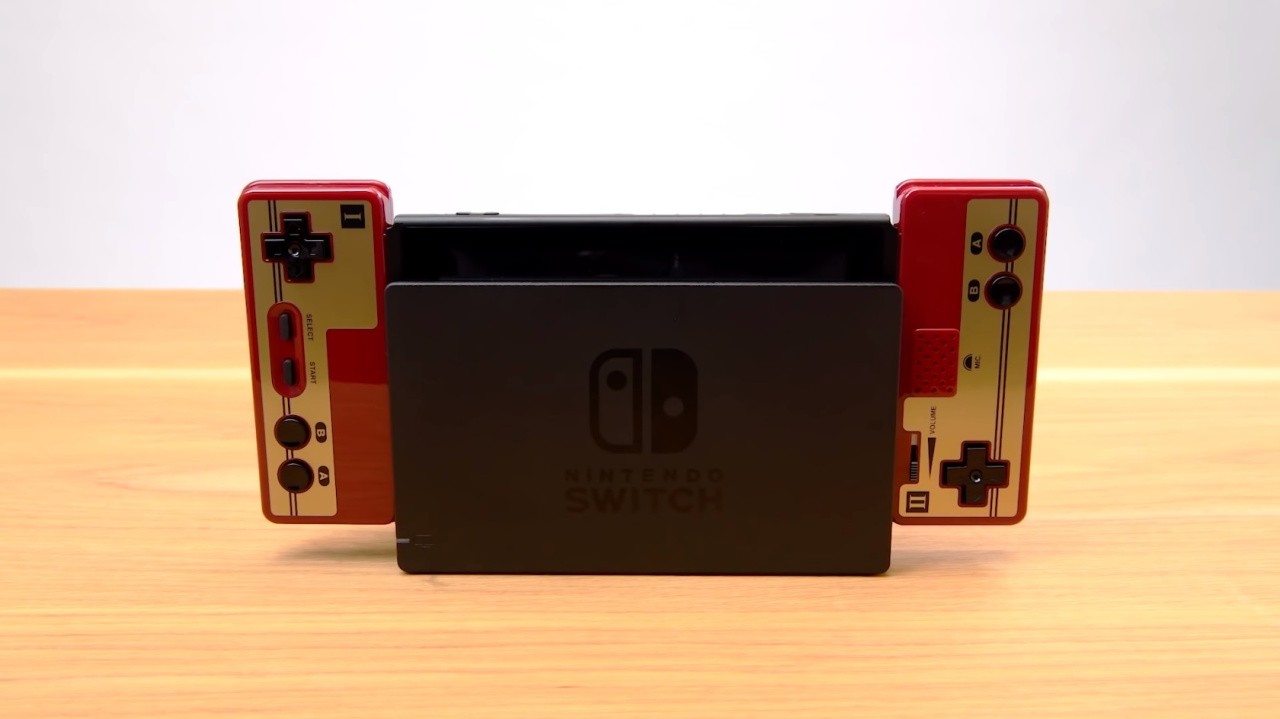
As you may well remember, to coincide with the launch of the Nintendo Switch Online – Nintendo Entertainment System collection, both NES and Famicom-style wireless controllers were released for the Switch for online subscribers only. The Famicom versions are exclusive to Japan – just like the system on which they’re based – and it turns out that they hold a nice little secret.
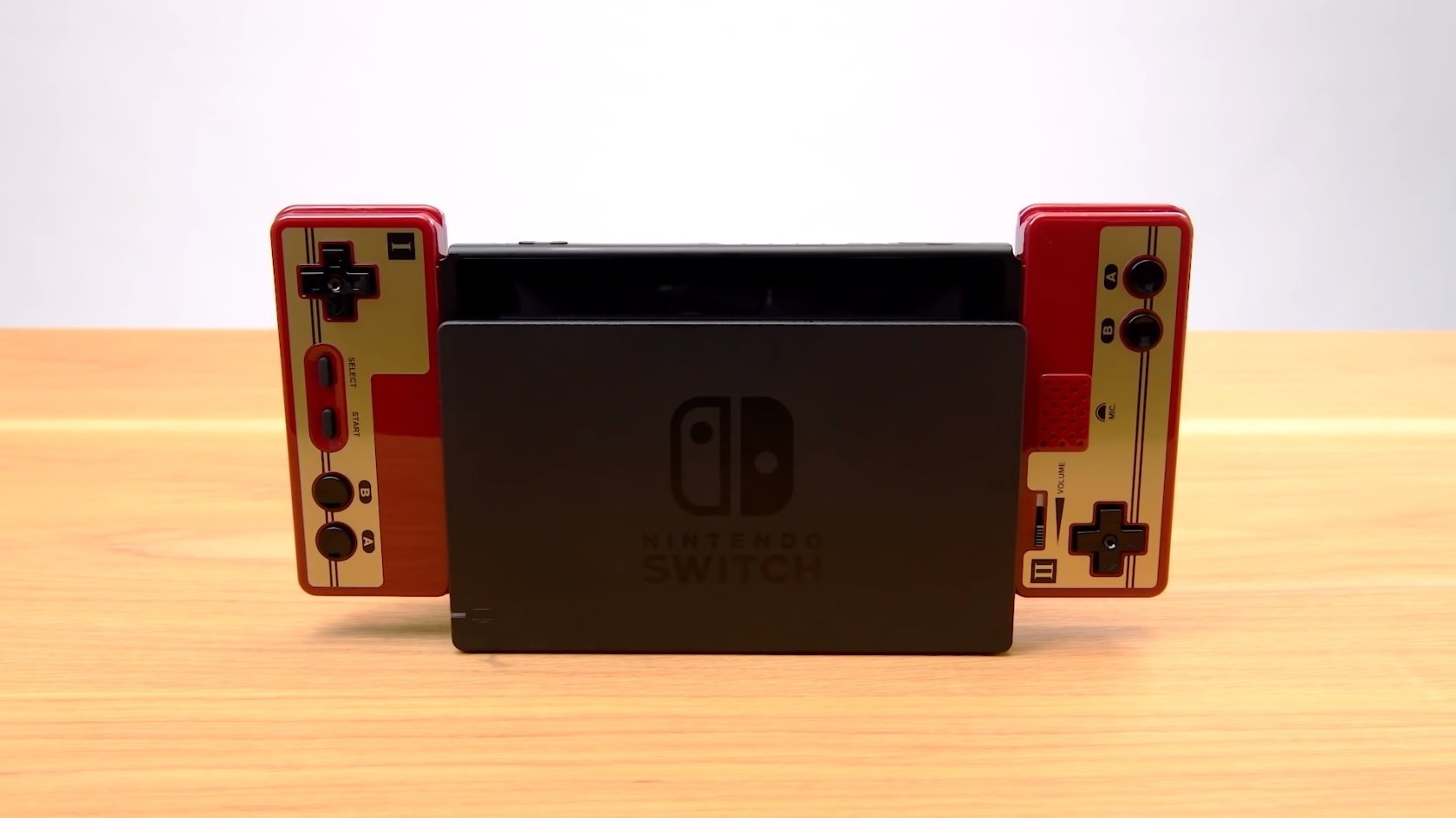
If you’re familiar with your Japanese Nintendo hardware, you’ll know that the ‘player 2’ controller for the Famicom came with a microphone built-in to be used with certain games. The second Famicom Joy-Con features this very same design, but it was assumed that the microphone was purely cosmetic, similar to how the NES Mini console looks like it can open up to slot games inside.
As it turns out, though, Nintendo’s latest update to the NES Online app has revealed that the microphone really does work – just like it did in the original. Two small clips have been shared to demonstrate; Kid Icarus allows you to purchase items at a lower price if you use the microphone while in the shop, and The Legend of Zelda lets you wipe out enemies on screen.
It’s interesting that the western NES Switch controllers do not benefit from having a microphone – most probably because they’re intended to be a replica of the original microphone-less controllers from those regions – and that no traditional Switch Joy-Con or Pro Controllers have a microphone built in either.
With an official controller release (albeit an uncommon, Japanese exclusive one) now supporting a microphone, could future Joy-Con see the feature be included as standard? With rumblings of two new Switch models being released later this year, perhaps the Joy-Con could be upgraded with new tricks?
We’ll let you dream up countless possibilities in the comments.