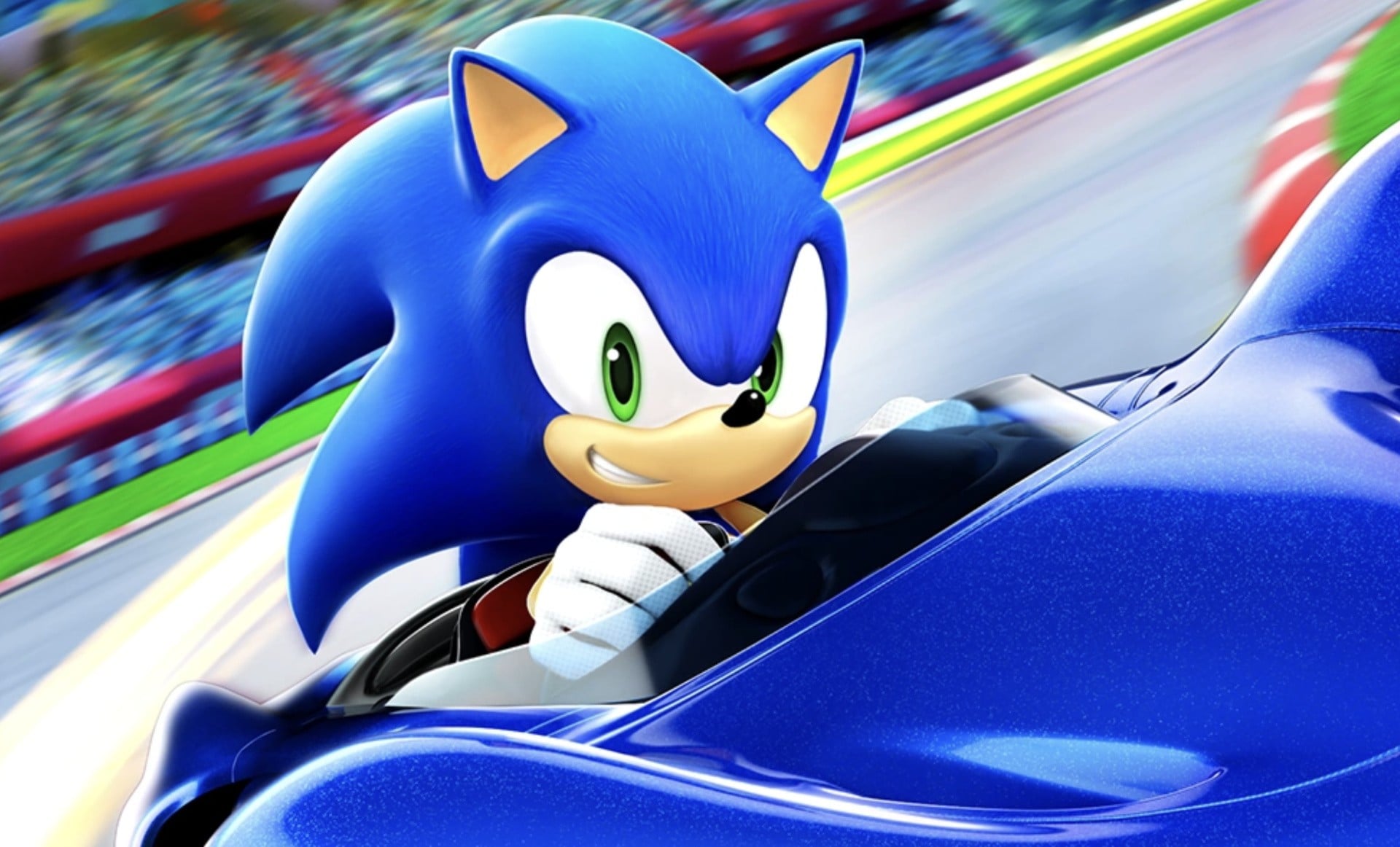
Sega has released its latest financial report, confirming that despite strong critical reception, Sonic Racing: CrossWorlds has failed to meet the company’s expectations.
The quote from Koichi Fukazawa, director of the board and senior executive vice president, can be found on the PDF presentation from the Q2 financials release. He details an objective to sell a further 1 million copies of the game over the next fiscal year, which he hopes will be bolstered by the ongoing release of downloadable content.
Now, I’d like to talk about Sonic Racing: CrossWorlds.
It has received high ratings, scoring over 80 on Metascore at “Metacritic” and earning an “Overwhelmingly Positive*1” rating on Steam’s customer reviews. We recently announced that worldwide cumulative sales have surpassed 1 million units. However, initial performance did not meet our expectations, and we are aiming to sell approximately another 1 million units within this fiscal year. We aim to sustain long-term sales by encouraging players to enjoy the game over time through the continued support of the title including ongoing release of additional downloadable content.
Sega notes that its overall performance in the first half of the current fiscal year has been somewhat disappointing, citing lower-than-expected sales in the gaming division along with Rovio’s performance in the entertainment sector.
The presentation highlights Yakuza Kiwami 3 and Dark Ties as a major full game release for the fiscal year, but we suspect it will probably want a few more big-hitters as the wider industry grapples with uncertain economies and price hikes across the board.
Did you pick up Sonic Racing: CrossWorlds on the Switch or Switch 2? Let us know your thoughts on the game’s performance with a comment down below.
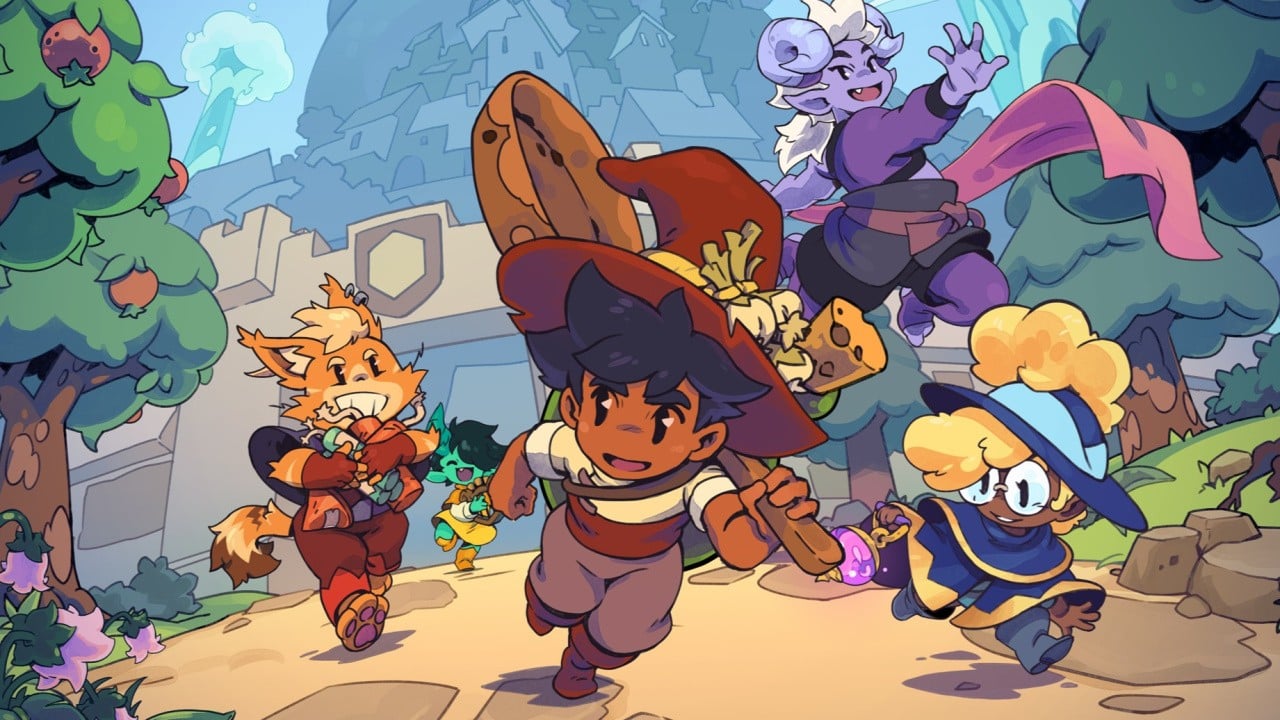
French studio Seed for Seed — the developer behind Pile Up and Jump the Track — is bringing its cosy co-op RPG Baladins to Switch on 20th February 2026 (or 19th February in some regions, according to the eShop).
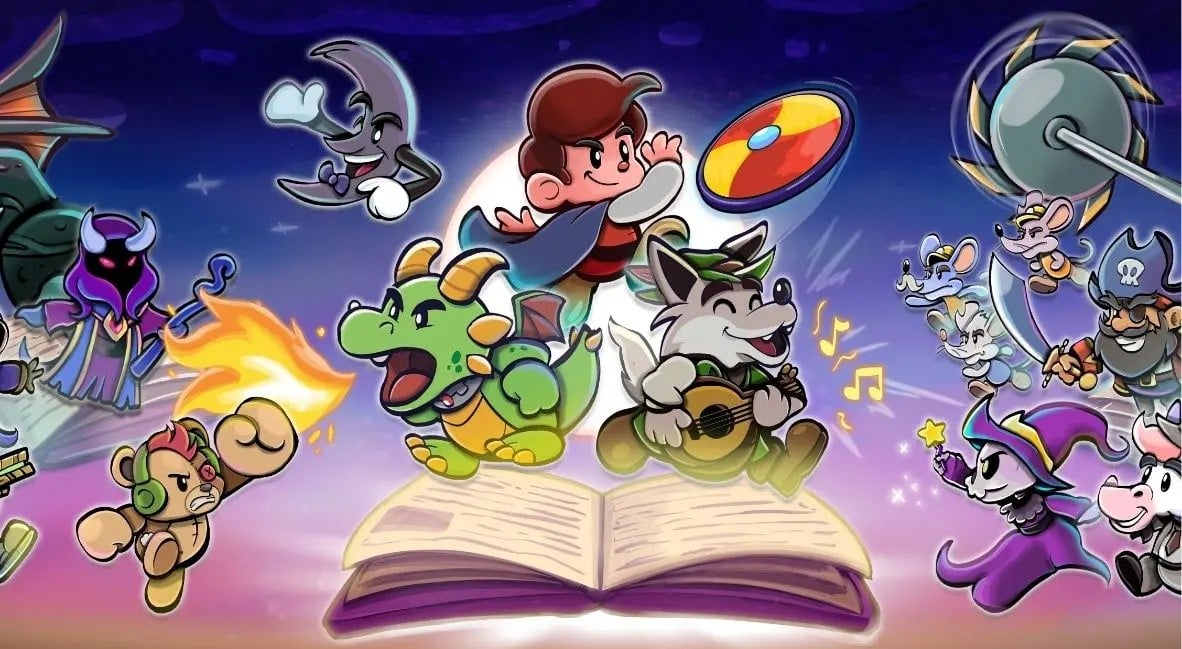
Blending the tabletop co-operative experience with unique RPG gameplay, you and three friends can team up to explore Gatherac to help save the land, help the locals, and experience your own unique adventure. You can get a good feel of what to expect from the PC release date trailer up top.
As you’d expect from a co-op experience, you can pick and choose what class/character you can play as, like a Cook, a Dancer, or a fire mage. Or you know, your typical RPG job — a Luxomancer, who can “think outside the box”.
But biggest draw here is the choose-your-own-adventure approach. Your choices matter in this game, with every decision shaping your adventure, leading to a lot of replayability. Perhaps with different friends each time!
For a brief rundown on Baladins, here are some details from its Steam Page:
Features
– Choose your own adventure! Bring joy to the people of Gatherac with 1-4 players and let your collective choices shape the fate of this unusual world.
– Be a hero! Play as one of five unique classes, each with its own strengths and weaknesses, and watch your character grow as the story unfolds!
– Play at your own pace! The story of the Baladins can be played in short sessions over the course of the whole campaign
– Encounter a dragon! It wouldn’t be a fantasy roleplaying game without one!
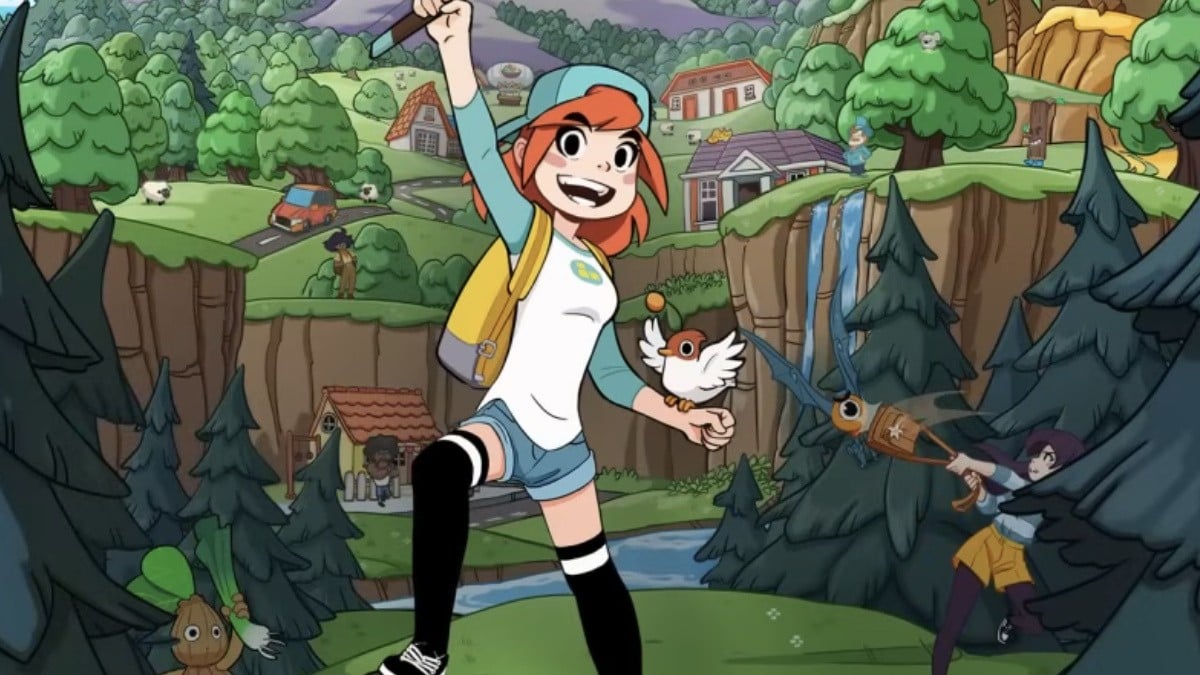
And yes, this might be the second RPG of the day with a veryPaper Mario-like aesthetic, but Baladins is much different, as you’ve likely gathered.
The game launched on Steam back in May 2024, and it sits on a Very Positive rating after 116 reviews — hopefully, this console release will bring the whimsical adventure to more people’s attention.
Baladins launches on Switch on 20th February for $24.99 / £21.99 (or your regional equivalent). Let us know if you’ll be checking this one out in the comments below.
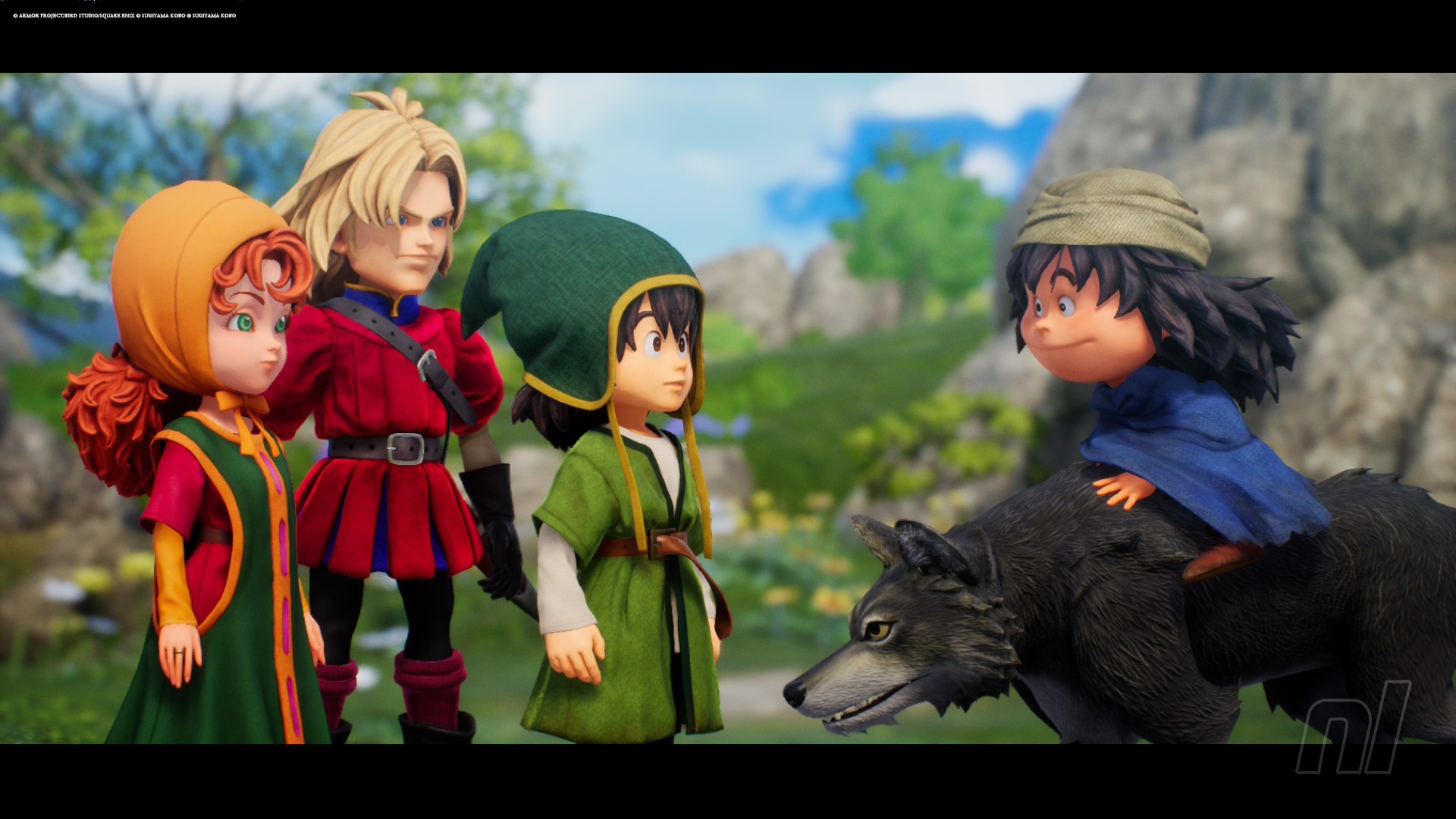
Ready to feel old? It’s been about 13 years since the launch of the 3DS remake of Dragon Quest VII, which itself was released about 13 years after the original on the PSX. That means that it’s time for yet another remake of the storied classic, which has been dubbed Dragon Quest VII: Reimagined this time around. This iteration goes a bit farther than its 3DS predecessor in making various nips and tucks that update the game for a new generation, and I’m pleased to report that this feels like the most enjoyable version of Dragon Quest VII yet.
Captured on Nintendo Switch 2 (Docked)
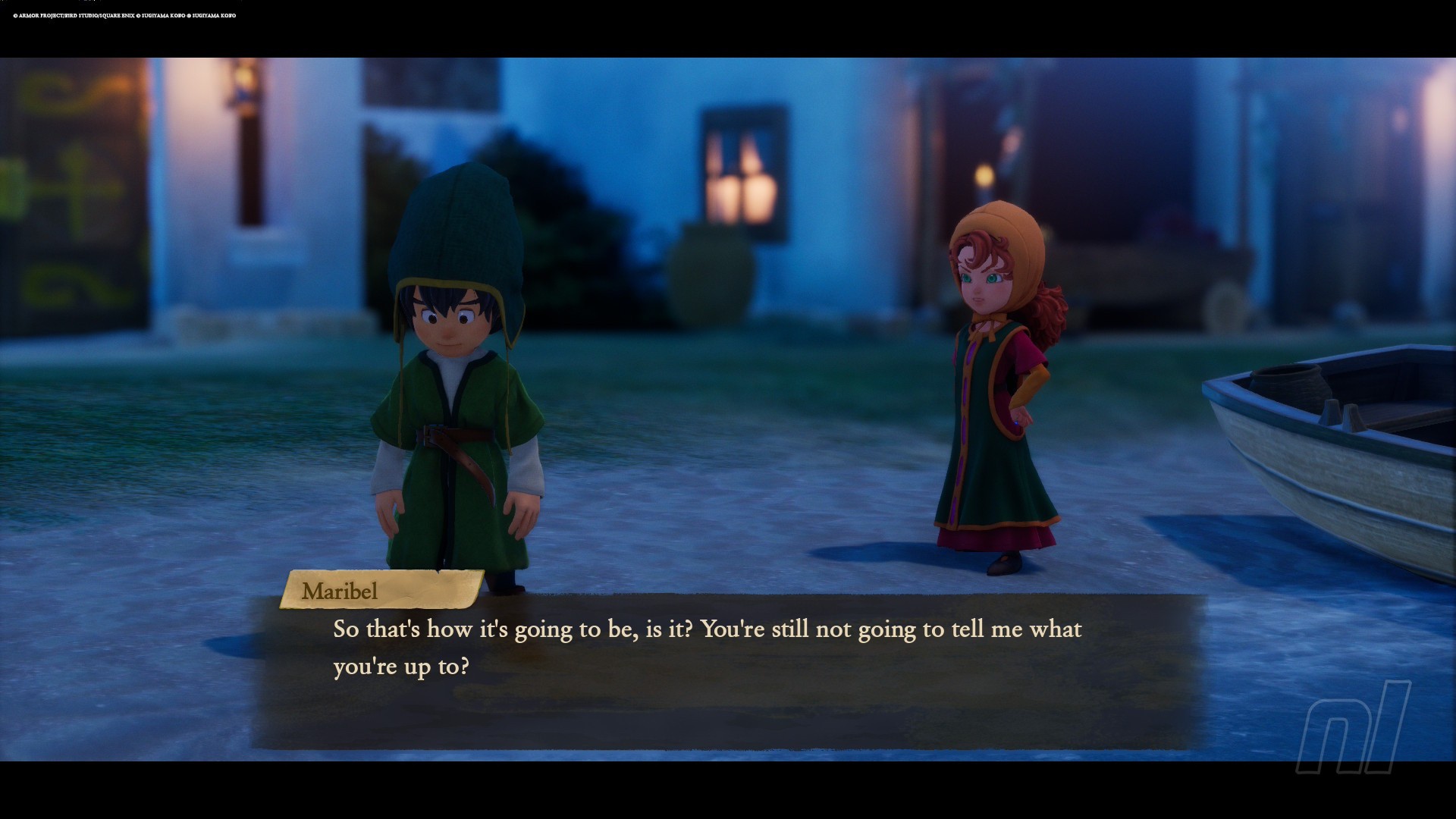
The narrative places you in the role of a quiet boy living a peaceful life who believes there’s more to the world beyond his small island home. He’s joined in this belief by the adventurous Prince Kiefer and the Mayor’s daughter, Maribel, and it isn’t long until this band of kids discover a mysterious shrine in which ancient stone tablets allow them to travel to various places in the past.
The plot then takes an almost anthological approach, where you and your party jump back in time to various islands and play out small and largely self-contained subplots on each one, such as saving a town that’s been overrun by robots or uncovering the mystery of a village in which everyone has been turned into animals. After resolving the conflict for that island, it magically reappears in the ocean in the present and you can visit to see how your actions led to a changed future.
It’s not a very character-driven plot like you may find in a grander adventure like Xenoblade, but what the story lacks in deep characterisation, it more than makes up for in its cosiness. Despite some occasionally dark themes, this is the sort of light, airy, and chipper experience that keeps you invested due to how consistently it maintains its positive atmosphere. As you work through these cute and uplifting stories of friendship and courage, you feel more connected to the places you’re uncovering, which leads to a much more emotional experience later on when the story starts to come together into one coherent strand.
Captured on Nintendo Switch 2 (Handheld/Undocked)
One of the main selling points for this reimagining is the ‘streamlining’ of content, and while I’m sure this may be divisive among some fans, I’d say the changes made here were largely for the better. The original game was infamously bloated, most notably with it taking around two hours from the start of the game before you even enter your first combat scenario, and this reimagining has cut out a lot of the extraneous dialogue and backtracking that added so much padding. Fortunately, these cuts were made tastefully and led to an overall tighter game—what’s lost in raw detail and content is made up for by an adventure that moves where the original tended to drag.
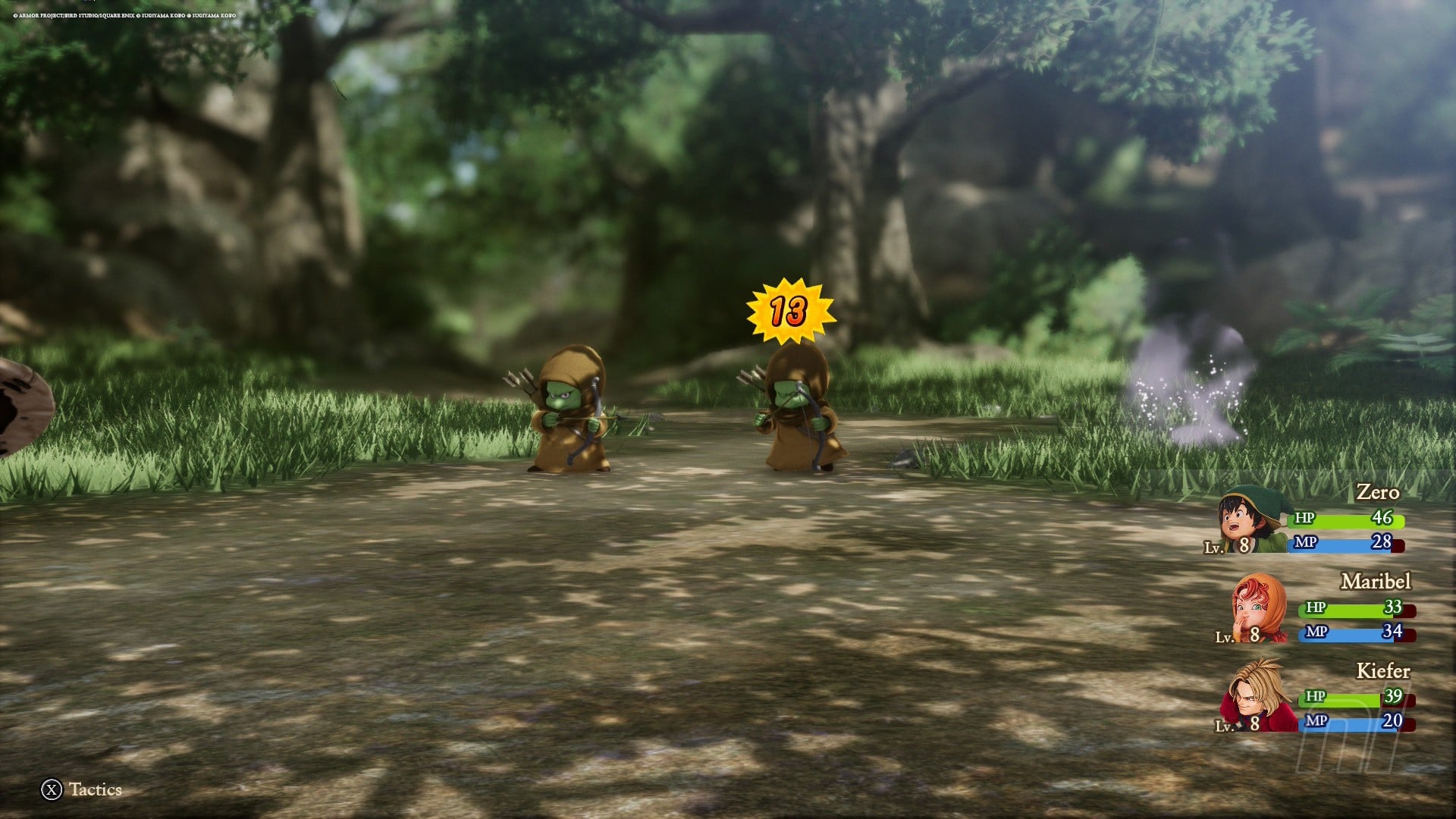
World exploration also tends to proceed at a thrilling pace, mostly due to the elimination of random battles that’s carried over from the 3DS remake. Rather than getting jumped every few steps, enemies now roam the map freely and can be deftly avoided if you’d rather just pass through an area. If their level is far enough below yours, they’ll even run away from you and swiping with your sword will net you the rewards you’d get from a battle without the hassle of jumping to the combat screen.
Couple this with nice quality of life features like fast travel and the Nose for Treasure skill, and it’s never been easier for completionists to rinse each area of every hidden chest and Mini Medal.
Captured on Nintendo Switch 2 (Handheld/Undocked)
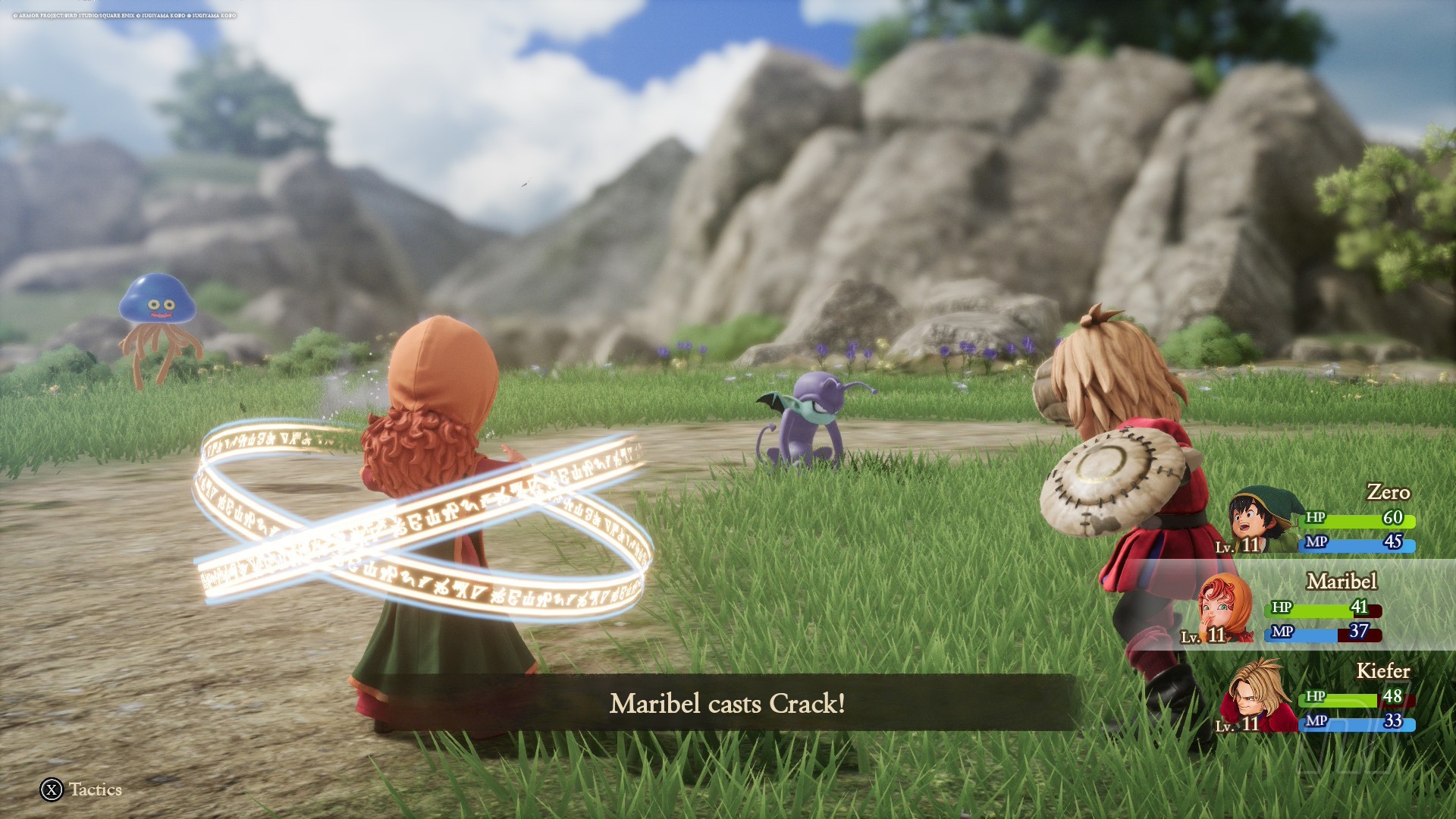
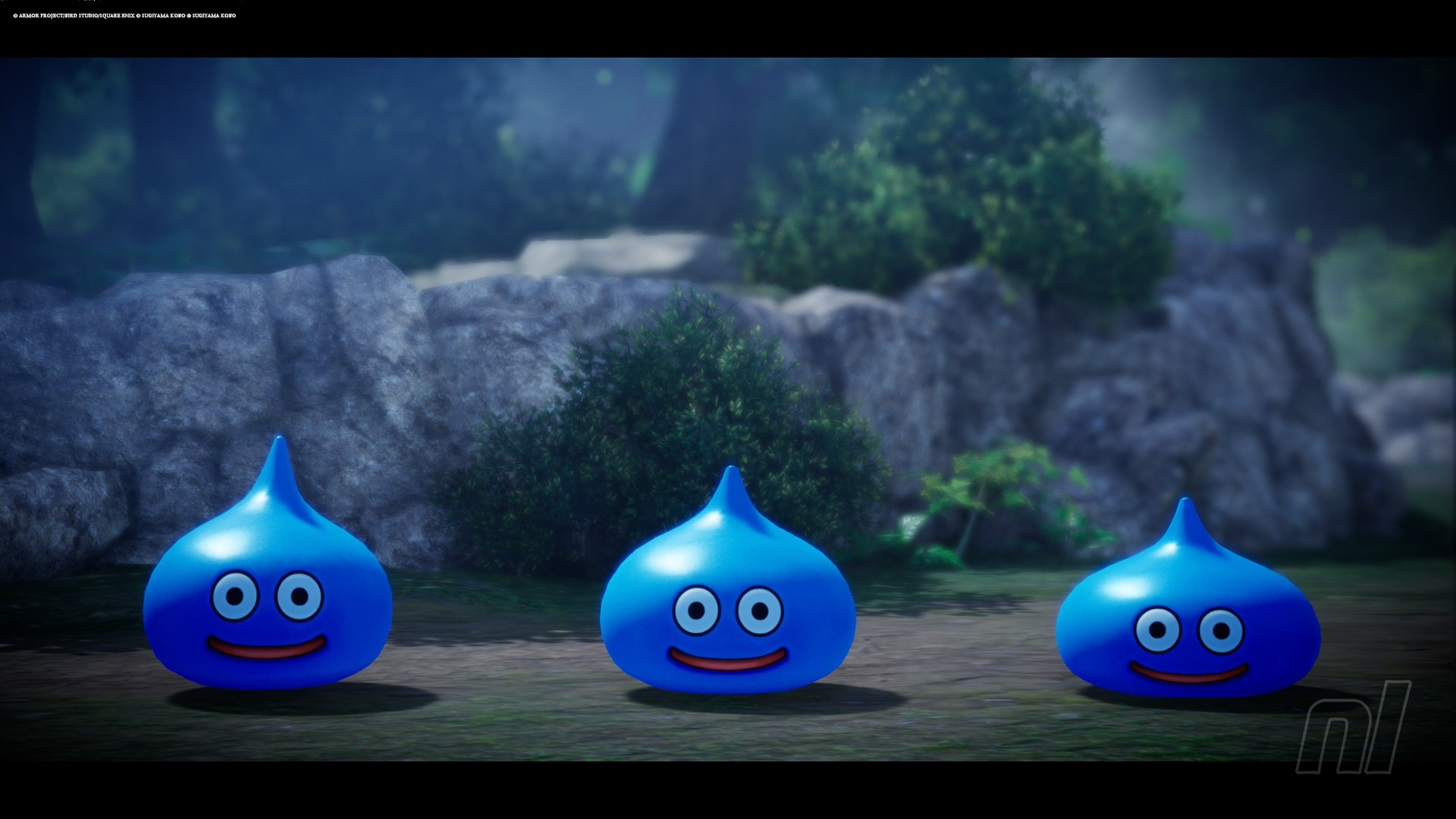
When you happen to come across a foe who’s closer to your level, battles follows the same bog-standard turn-based combat the franchise has always been known for, with you utilising an active party of up to four members to bash in some Slimes. Though the simple approach may feel a bit quaint compared to more mechanically advanced combat systems, like the Boost/Break system in Octopath Traveler or the Press Turn system in Shin Megami Tensei, that doesn’t mean that it isn’t still engaging.
Each character gradually amasses a swath of diverse skills and spells to bolster their role in the fight, and if you don’t want to get caught up with navigating all the menus, there are a variety of competent auto-battle macros you can set that do a great job handling just about any trash mob battles.
Similar to the Pep Powers of Dragon Quest XI, party members can now occasionally get ‘Worked Up’ after they’ve dealt and received enough damage. These powerful short-term buffs are connected to the character’s vocation (more on that in a bit) and can do things like block all damage for a turn or significantly increase damage output. They aren’t necessarily an ‘instant win’ button, but triggering one can certainly turn the tide of a battle that’s slowly getting away from you. I also appreciated how they’re randomly triggered in the majority of cases, which keeps them from being an easy crutch to lean on and ensures they act more as a nice X factor that can suddenly mix up a battle.
Captured on Nintendo Switch 2 (Handheld/Undocked)
Vocations are the class system used in DQVII and they follow the progression for a standard jobs system—each one is levelled separately from the character it’s equipped to, and that character unlocks newer skills and abilities as they move up in vocation ranks. As you progress through the world and explore, you slowly unlock more vocations, the more powerful of which require a character to master some prerequisite vocations before granting them access to the powerful stat buffs and abilities they come with.
For this remake, vocations have also gotten a nice freshening up to make them more compelling. Not only are there new vocations added, but you can now unlock the ability to ‘Moonlight’, which means you can add a second vocation to a character to further alter their stats and available abilities. It doesn’t quite match the heights of the cross-classing madness found in the Bravely Default or Octopath Traveler games, but it is another step in that direction and makes party building a much more interesting endeavour as you explore different builds and skill mixes.
Captured on Nintendo Switch 2 (Handheld/Undocked)
In a massive step up from the pixel art graphics of the original and the somewhat chunky models of the 3DS remake, the visuals have been updated to reflect a more photorealistic toy-like atmosphere. Square actually made small handmade dolls of the various party members and scanned them in for extra detail, and every frame looks as if you’re viewing a carefully crafted diorama.
This looks especially great on Switch 2, where an unbroken 60fps and at least 1080p resolution present everything with sharp detail and smooth motion. I’d go so far as to say that this is the best-looking Dragon Quest game Square Enix has ever produced, surpassing its previous efforts in the original release of Dragon Quest XI via its seamless blend of photorealism with Akira Toriyama’s cartoonish art style.
The soundtrack also got a makeover here, with all the music being re-recorded and treated with new orchestral arrangements that capture the essence of the original while introducing some new elements. These arrangements all perfectly reflect the whimsical and adventurous spirit that the Dragon Quest franchise is known for, keeping the atmosphere playful while occasionally taking things into a more serious realm.
Conclusion
Dragon Quest VII: Reimagined proves to be a strong revisit of a classic, trimming the fat and including welcome additions to make for a magical experience that no fan of classic JRPGs will want to miss. Though I’m hesitant to call this the ‘definitive’ version of the game, given the content cuts, I would certainly say it’s the most fun version yet. Combine the more engaging pace of the narrative with some nice gameplay updates like moonlighting and those gorgeous visuals, and it’s tough to argue that the previous versions are more enjoyable.
At any rate, I’d highly suggest you pick this up if you’re looking for another high-quality, old-school JRPG for your collection; Dragon Quest VII: Reimagined may not be all that innovative, but it absolutely nails its gameplay and aesthetics.
We first noticed Under The Island almost two years ago, when its debut trailer brought all kinds of happy memories from the glory days of GBA Zelda flooding back. This weekend, Top Hat Studios and Slime King Games showcased even more of their upcoming Minish Cap-like, and announced that it’ll arrive on Switch on 17th February.
As you’ll see in the above release date trailer (narrated by none other than our good friend Jon Cartwright, we might add), the GBA charm is strong with this one — that opening dungeon looks more than a little like Deepwood Shrine, no? But that’s not to say that it’s without interesting mechanics of its own.
The top-down adventure game sees you play as Nia, an intrepid explorer who sets out to save Seashell Island from its sinking fate. It’s got the usual block sliding and button pressing puzzles that we’d expect to see from a Zelda-like, but we’re also particularly interested in the ‘Treat Bag’ item that we spotted in the above trailer, which lets you befriend or otherwise utilise wild animals’ abilities to solve problems. Come on, who doesn’t like a smiling pixel art dog?
Here’s a rundown of the game’s key features and a handful of screenshots from its eShop listing:
DISCOVER THE LEGEND OF WHAT’S UNDER THE ISLAND! Uncover a sinking mystery and step into the role of Nia, a newcomer to Seashell Island – and join forces with local girl Avocado to investigate an ominous fate – the island’s destined to sink beneath the ocean! Explore colorful regions, battle strange creatures, and uncover the ancient mysteries that could threaten your new home.
CLASSIC TOP-DOWN ADVENTURE Journey across a lush island, brought to life with vibrant pixel art and timeless top-down exploration. Delve into hidden corners, uncover secrets, and face dangerous foes across diverse, interconnected biomes.
SIX DISTINCT REGIONS TO EXPLORE From eerie sentient greenhouses, to frozen caverns, and chaotic sawmills, each biome holds its own dangers, upgrades, and treasures to uncover! Become the champion of the cook-off, reunite lost cats, and dodge the rage of the cereal pirates.
STRANGE ENEMIES & UNUSUAL TACTICS Face off against vomiting eggplants, tunnelling wolves, and other bizarre creatures. Use artefacts, loot, and new abilities you discover to turn the tide of battle. Befriend animals and see if they can help you on your adventure – particularly if you give them treats!
A CAST OF MEMORABLE CHARACTERS Meet the island’s quirky inhabitants, each with their own personality, story, and a role to play in your adventure. Forge friendships, lend a hand, and see how they can aid you in return.
Under the Island arrives on the Switch eShop in just a few weeks for £17.99 / $19.99.
What do you make of the GBA vibes in this one? Will you be checking it out later this month? Let us know in the comments.
Well, we can’t reach them all as they drop, that’s for sure. With so many games releasing at any given time, sometimes things that should and do appeal to our Nintendo sensibilities get lost in the mix. And so has been the case — until now! — with Sleepy Castle Studios and Wing It! Creative’s Escape from Ever After.
This colourful turn-based RPG launched on Switch back on 23rd January, and it’s inspired by none other than the Paper Mario games. Hold on a minute. Mario? We know that guy!
Of course, this is far from the first RPG to attempt to emulate the glorious good times of Paper Mario: The Thousand Year Door (the best one), but it does seem, judging by the reception so far at least, that this might be a bit of a belter.
Assuming the role of Flynt Buckler, players here are charged with setting off for the HQ (that’s a big imposing castle made out to look like corporate offices) of arch nemesis, Tinder. Now that’s a scary big baddie name, innit. Here’s some more from the game’s official blurb:
It turns out that storybooks are an untapped market ripe with valuable resources, cheap labor, and profit to be had—so naturally, real-world conglomerate Ever After Inc.™ found a way to intervene! With Tinder’s Castle as their new corporate headquarters, Ever After Inc. is hellbent on taking over every storybook they can. With no choice but to get a job, Flynt Buckler must team up with his former nemesis Tinder in order to climb the corporate ladder and take down Ever After Inc. from the inside!
Fight in a fun, fast-paced battle system that rewards experimentation and strategy
Build and customize your party—every character has unique skills that can be equipped and upgraded throughout your journey
Engage in office banter, help your storybook coworkers, and decorate your office as you climb the corporate ladder
Explore vast storybook worlds brimming with sidequests, treasures, and secret
Stories within stories: experience a charming and lively narrative where the rules are constantly changing
A jazzy, big-band soundtrack that keeps the energy pumping throughout
Judging by the trailer up top, this looks like it nails the graphical style of the Paper Mario games just about right, and then proceeds to do its own thing (thankfully) with plenty of silly references to modern corporate life and other fun to boot.
We are back with another look at the UK physical gaming charts, and if you were expecting to see last week’s surprise silver medallist towards the top of the pile again, you’re sadly mistaken.
Final Fantasy VII Remake Intergrade has dropped rather substantially from its second-place debut, and now finds itself way down at 17th — just one place behind Metroid Prime 4: Beyond, which has made a surprise rebound this week, we might add.
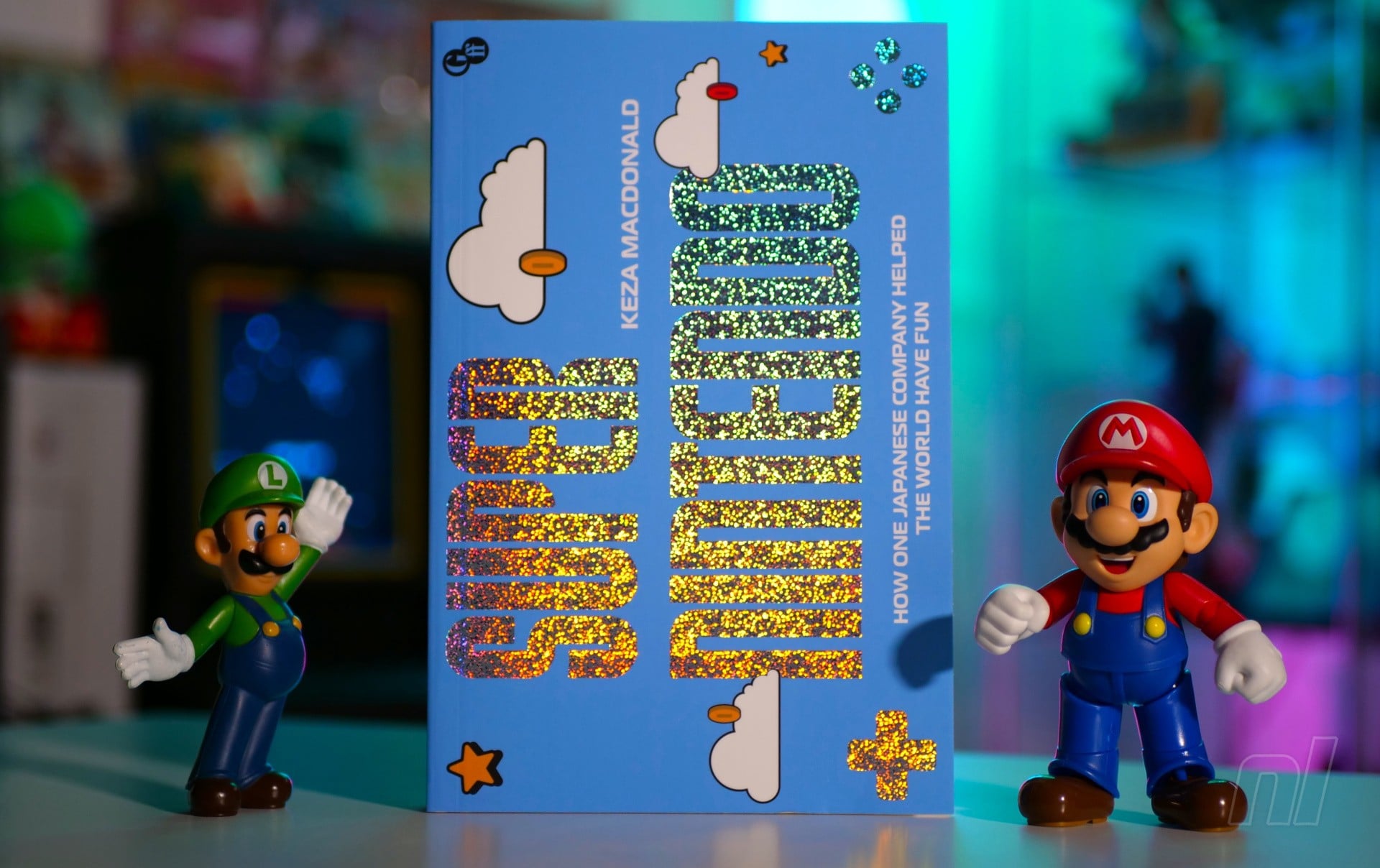
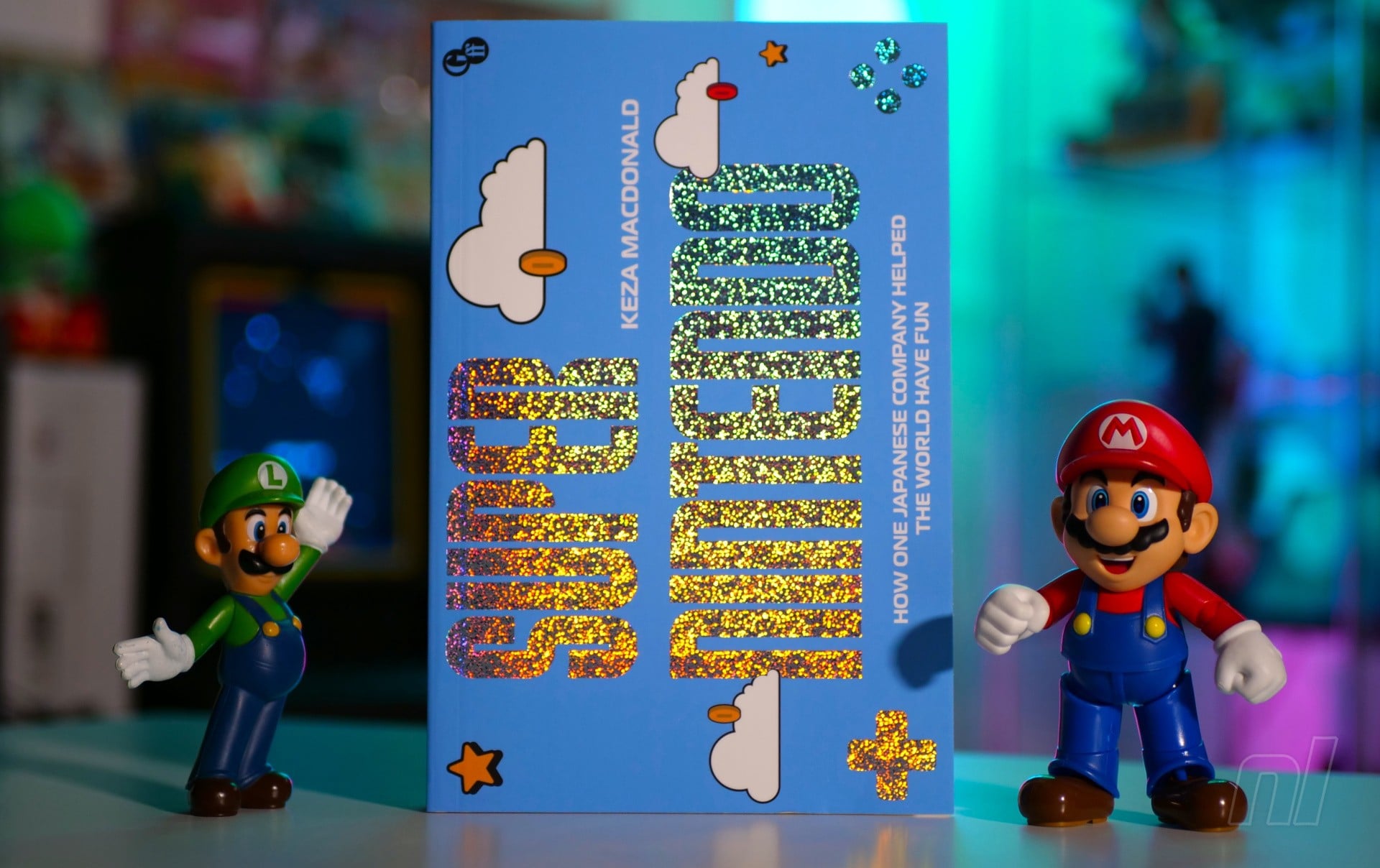
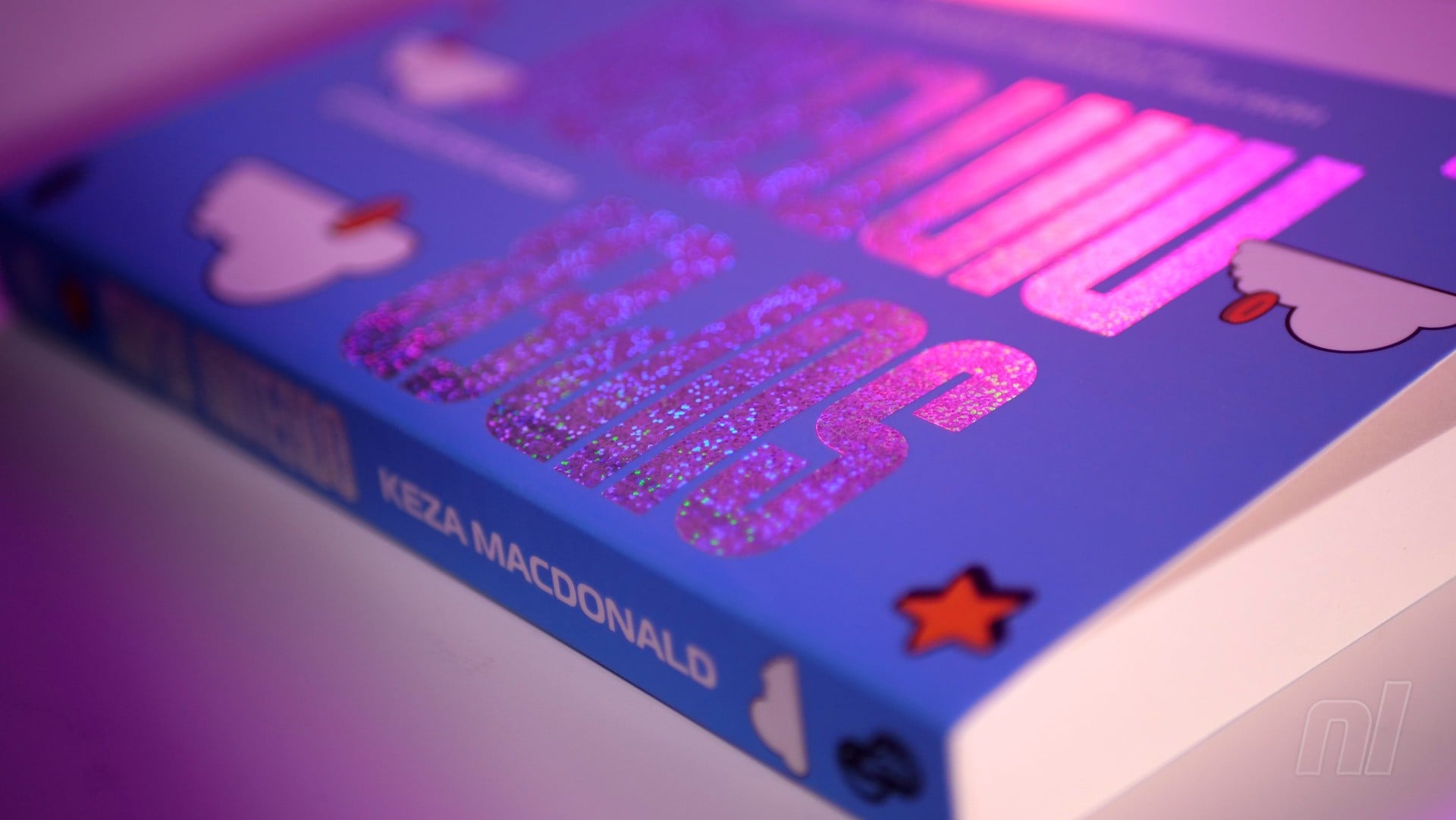
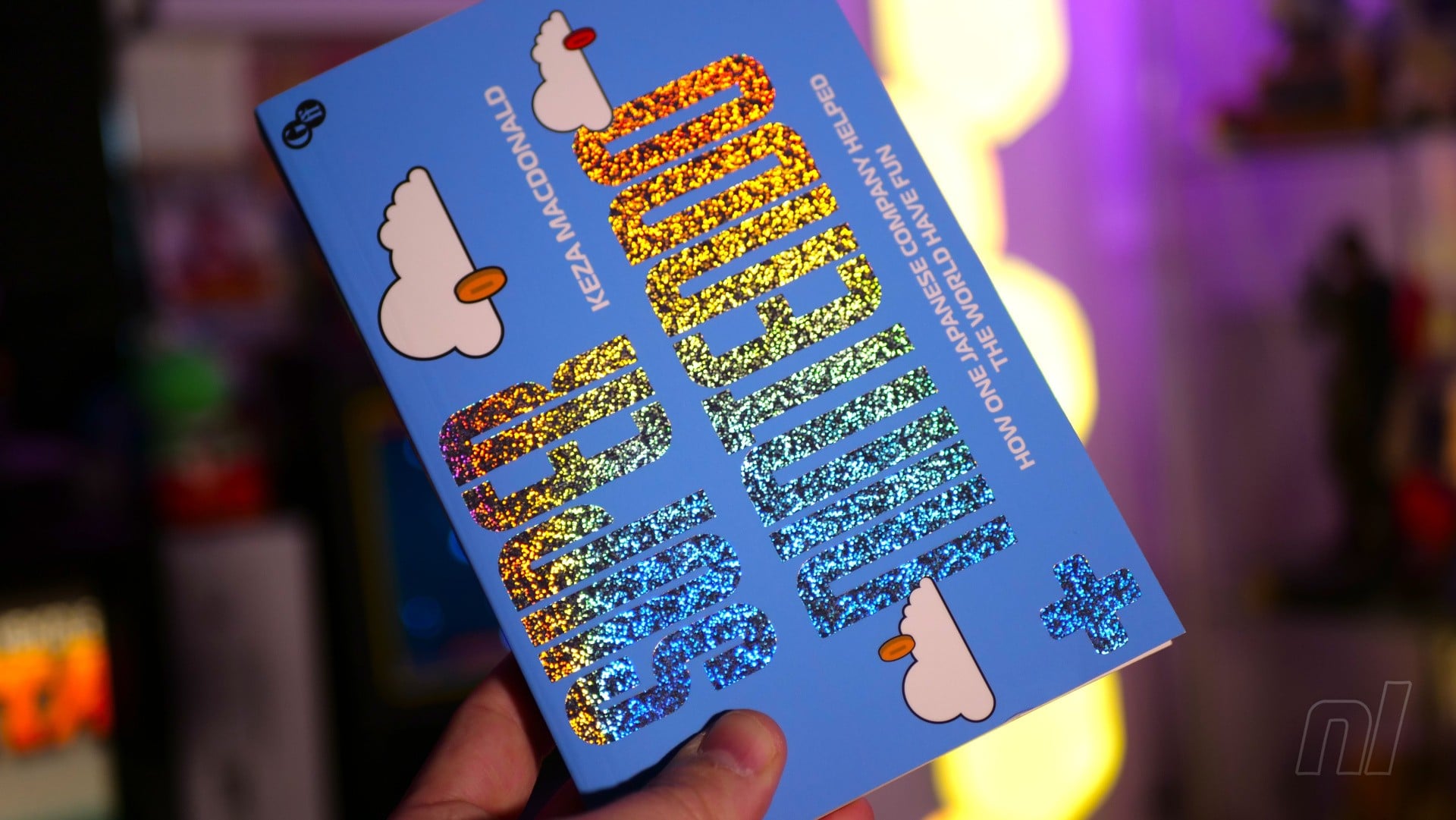
In the introduction to Super Nintendo: How One Japanese Company Helped the World Have Fun, Keza MacDonald makes a simple promise: over the course of the next 12 chapters, you’ll read something you didn’t already know.
It’s the kind of gauntlet-laying that would have any self-respecting Nintendo fan click their knuckles and close their Bulbapedia tab in a ‘challenge accepted’ kind of way. And yet, 250 pages later, I can honestly say that it rang true.
‘Super Nintendo’, to bring it down from its proper title, is the story of the company that we all know and love; it’s also the story of us, humans, and how we play. The Guardian‘s Video Games Editor and former Editor-in-Chief at Kotaku UK compiles interviews with just about every Nintendo creative you can think of (and the ones you can’t) to explain how some of the industry’s most iconic series came to be, while also reflecting on why these series are important in wider culture.
It’s comprehensive but never too dense, informative but approachable, and packed with an unwavering passion for Nintendo that I’d wager even the company’s biggest detractors would find infectious. In short, if you want to learn about Nintendo, this is the book to do it.
Image: Damien McFerran / Nintendo Life
Strictly speaking, this isn’t a chronological walkthrough from A to B. It starts with the toy manufacturing of the 1960s and ’70s and ends with the development of Splatoon, but each game-focused chapter in between serves as a jumping-off point to explain something larger about the company as a whole.
A chapter on Donkey Kong delves into the early design processes of a little-known artist called Shigeru Miyamoto. A Metroid section also serves to dissect gender representation in both Nintendo games and the wider industry. Animal Crossing acts as a prime case study demonstrating Nintendo’s habit of sticking with an idea until its audience finds it.
Be it the story of smash-hit successes like Wii Sports, or the company’s more off-the-wall moments like LABO (no, LABO wasn’t just a fever dream), the book presents the House of Mario not as a company that’s out of touch with competitors, but one that’s always looking to what’s next — even if ‘next’ is a cardboard piano.
The Nintendo fanboy in me always likes viewing the company in relation to the larger industry, and MacDonald does a nice job of balancing the micro details of game development with the bigger picture. There are plenty of places that you can look for deep dives into specific titles and their development, but Super Nintendo really shines in showcasing the personal touches.
Image: Damien McFerran / Nintendo Life
Take the chapter on Kirby, which is used as a way into discussing the much-missed Satoru Iwata. It’s a poignant and heartfelt tribute shining the light as much on Iwata the man as Iwata the designer — the corporate president, computer programmer, and gamer, to paraphrase his iconic introductory quote. By compiling words from Miyamoto, Itoi and others close to him (mainly from Hobonichi’s wonderful book, Ask Iwata), MacDonald balances Iwata’s commercial and personal impacts. It’s fitting that the chapter ends on Miyamoto’s memories of their late-night meals and shared sweets rather than impressive sales figures for Wii and DS.
The book is built on one of the most comprehensive collections of interviews that I’ve seen in a long time, many from MacDonald herself. The veteran journalist throws out tidbits from her chats with Miyamoto, Aonuma, Tezuka, and others, pulling from other works when she didn’t have a chance to sit down with the creative in question. Super Nintendo threads each perspective together into a cohesive whole, and it feels like you’re getting a peek behind the wizard’s curtain, catching a glimpse of all the old developers turning wheels and flipping switches while the end result looks like magic from the outside.
There are lots of little inner-working nuggets peppered throughout the book, and I don’t want to spoil them here, but it’s exciting to hear some of the company’s longest-serving designers talk anecdotally about their perceptions of select products long before they launched. Shinya Takahashi has a list of production credits as long as your arm, so reading about his pre-launch worries about the Switch, about how he wasn’t fully on board with the appeal of the design until the first time he moved a prototype from docked to handheld, is fascinating.
Image: Damien McFerran / Nintendo Life
Well-worn tales of Miyamoto’s Zelda inspiration stemming from his time exploring forests as a child are mixed with lesser-known details, like Koizumi confessing he designed Mario Sunshine‘s splashy focus on the back of his memories of summer holidays spent by the water. You’ll find a lot of these anecdotes elsewhere, but I highly doubt that you’ve read them all.
By threading them into the story of the company, Super Nintendo proves to be a very satisfying summary of a company that is ever-changing and ever-growing. If this book puts one thing above all others across, it’s that Nintendo’s sense of fun, and our sense of play, will forever be its most appealing feature.
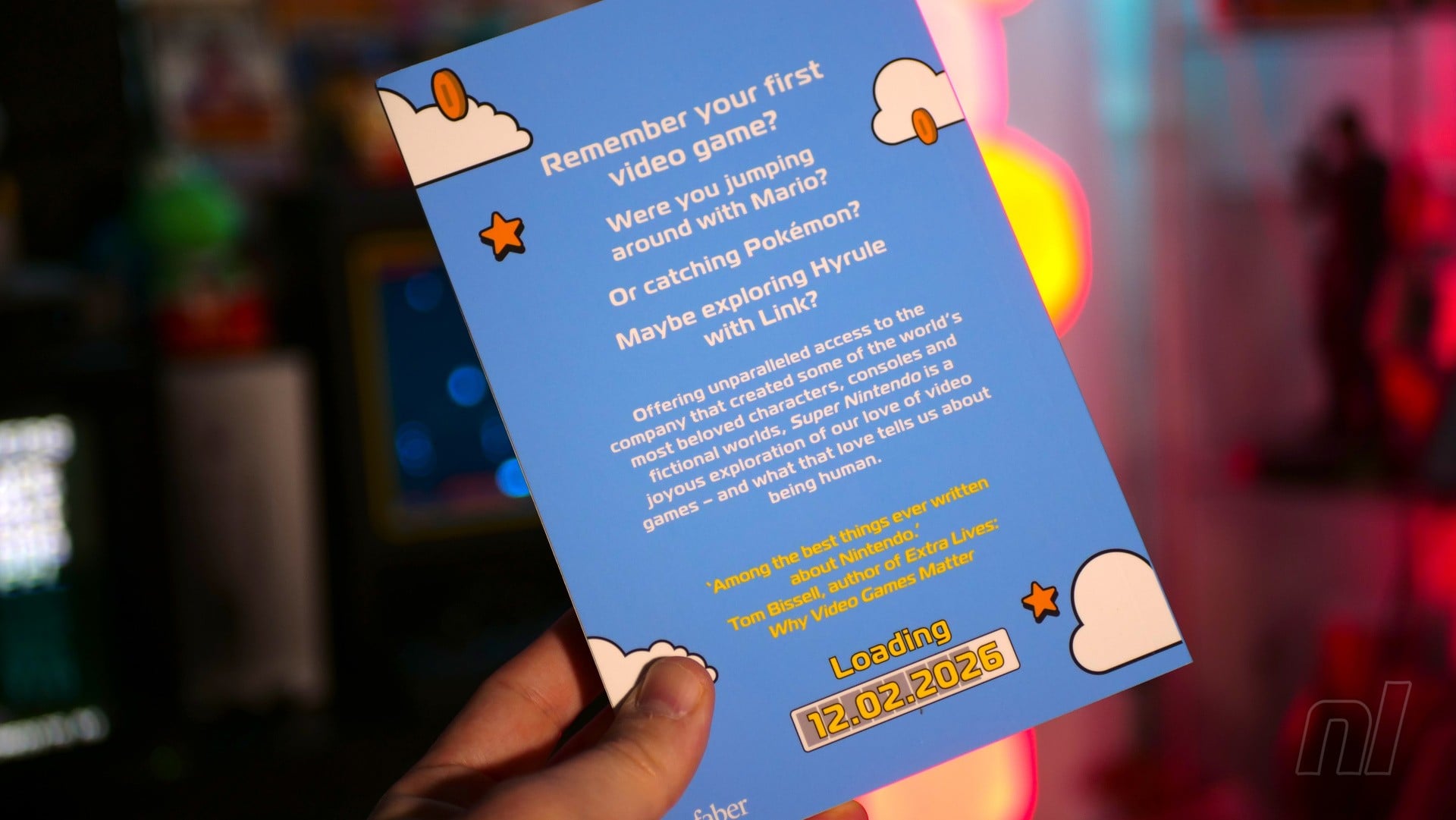
Thanks to Faber for sending an advanced copy. Super Nintendo: How One Japanese Company Helped the World Have Fun launches in North America on 3rd February 2026 and in the UK on 12th February 2026. It is available now to pre-order.
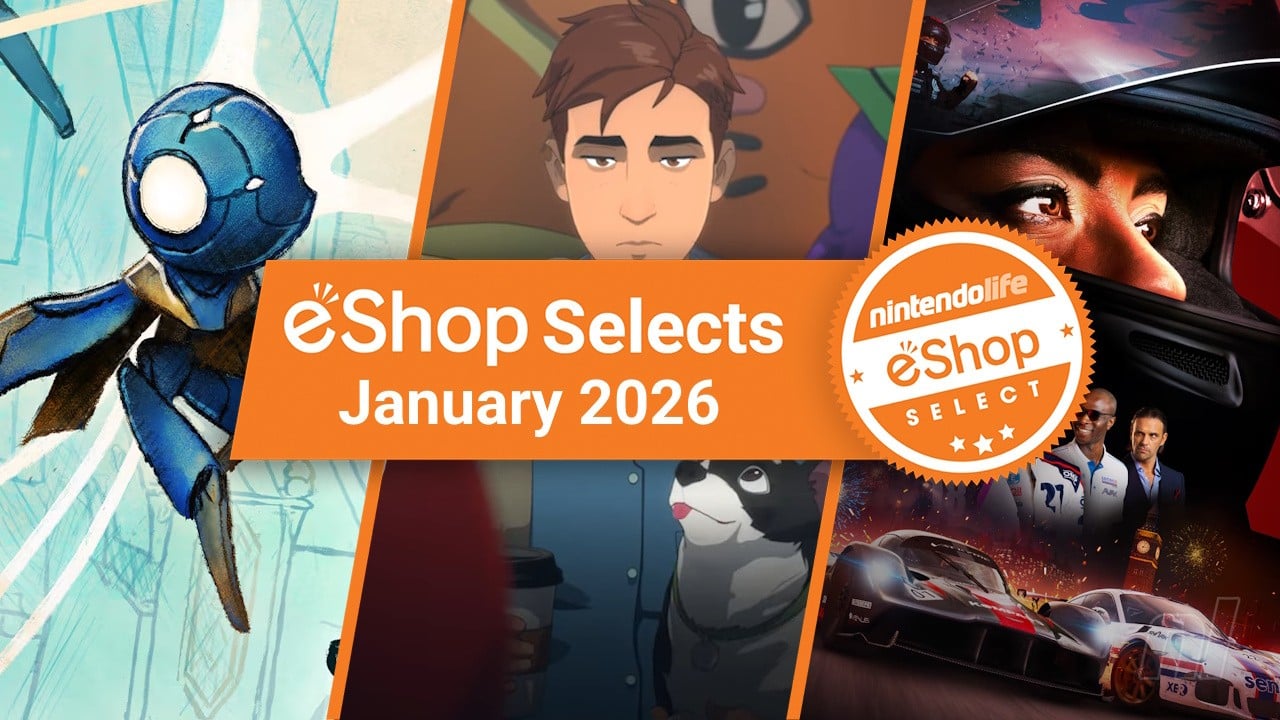
You’ve got through one month of 2026, and what’s your reward? Ah yes, another dose of eShop Selects!
The Switch 2 has kicked off the year in relatively calm fashion, but before the mad Spring rush hits us, let’s look at some eShop gems that are worth checking out. Yes, there are games other than Animal Crossing: New Horizon out there, we promise.
Here’s how this works: same as ever, our writers and contributors vote for their top three eShop games from January 2026 from titles we’ve reviewed, and the three games with the highest scores will make the podium.
Honourable mentions
It’s been a surprisingly busy January in terms of news and releases — Animal Crossing, Final Fantasy VII, two whole Directs on the SuperMario Galaxy Movie and Tomodachi Life: Living the Dream — but the eShop exclusives have been a little on the quieter side on the review front.
Still, we have four games that made the cut this time around, all scoring 7/10 and above. That leaves one honourable mention, and then the top three:
The Switch 2’s more-powerful hardware has really opened the door for all types of sports and racing games to make the jump onto Nintendo’s console, and GRID Legends: Deluxe Edition has pulled up at the starting line to help get the driving going.
January has been a pretty impressive month for technical ports, and GRID Legends is among the very best. 60fps is the way to go here, but there are multiple different graphics settings you can play around with in both handheld and docked. That’s still a rarity on Switch 2 right now, and we hope GRID sets the standard for other developers.
Put all of that together, along with top-notch racing mechanics, and you’ve got an excellent 8/10 racer on your hands. Just maybe pull out the GameCube controller for this one.
Speaking of great-looking games on Switch 2, MIO: Memories in Orbit is already one of the most-stunning on the console, with a beautiful spaceship-like vessel adorned in pastels and scribbles and an eerie, ethereal atmosphere that helps carry you along the adventure.
The platforming in this Metroidvania can be tough-as-nails, but when you master the movement in this game, it’s sublime. The combat doesn’t always work for us, but everything else elevates MIO from being ‘just another action platformer’ into a beautiful one that will stick with us.
MIO is our second 8/10 in this top three, just beating out GRID in the votes game by one. Turns out a robot in space is faster than a car.
Please note that some external links on this page are affiliate links, which means if you click them and make a purchase we may receive a small percentage of the sale. Please read our FTC Disclosure for more information.
If you’ve been paying attention to gaming news and releases, then you probably saw this one coming — AdHoc’s Dispatch was the runaway winner this month, and with good reason: it’s fantastic, and a true return-to-form for the Telltale-style of gameplay.
Which makes sense, as former Telltale devs worked on this superhero comedy caper, that goes everywhere from rude jokes to explicit moments, but even has plenty of touching scenes and a little bit of romance. The censorship drama might be sucking the air out of things at the moment, but take it from us — regardless of where you play Dispatch, you’ll have a great time.
As both the victor and the highest-scoring game of the bunch with a 9/10, Dispatch takes the top spot on the podium. Congrats, Robert Robertson and everyone at the Superhero Dispatch Network!
Do you agree with our ranking? Tell us about your favourite eShop releases of last month by voting in our poll and sharing your thoughts in the comments.
What’s your favourite January 2026 eShop game from our picks? (158 votes)
Cassette Boy (Switch eShop)8%
Dispatch Nintendo Switch 2 Edition (Switch 2)41%
GRID Legends: Deluxe Edition (Switch 2)26%
MIO: Memories in Orbit (Switch 2)25%
How we decide our eShop Selects top three: As we reach the end of every month, the Nintendo Life staff vote on their favourite titles from a list of games selected by the editorial team. To qualify for this list, these games must have been released as a digital-only Nintendo Switch eShop title in that particular month, and must have been reviewed on Nintendo Life; we select the qualifying games based on their review scores.
Staff are then asked to vote for three games that they think deserve to sit right at the very top of that list; first choice gets three points, second choice gets two points, and third choice gets one point. These votes are then tallied to create a top-three list, with the overall winner taking that month’s top prize.
We’re well into 2026 now, having made it through a long January into the shortest month of the year – short in days, that is, but hardly short on games.
Nintendo is back on court with a brand new Mario Tennis and Dragon Quest 7 is getting ‘Reimagined’, for starters. But the biggest RE-release this month sees an old evil taking up residence, and it’s arriving day and date with other platforms. We’re especially excited about that one.
As you’ll see, there’s loads more to come besides. Below, we’ve highlighted the most exciting Switch 2 (and 1) games coming in the next two months. You’ll find more great games beneath our top picks, as well as a bunch of Switch (2) accessories.
Please note that some external links on this page are affiliate links, which means if you click them and make a purchase we may receive a small percentage of the sale. Please read our FTC Disclosure for more information.
Another spruced-up classic coming from Square Enix, we last saw this enormous PlayStation entry in remade form on 3DS and we’re keen to see how this totally rebuilt version stacks up.
Please note that this one is a Game-Key Card on Switch 2.
Fix the past, save the present! Gather your companions and travel beyond the shores of your kingdom to discover why it is the only remaining island in the world in Dragon Quest VII Reimagined.
The latest in the series following Mario Tennis Aces on Switch, the plumber and co. are back on the courts, mixing in unconventional racquet techniques and pyrotechnics with everyone’s favourite net-based sport. No, not that one. Or that one. No, tennis. C’mon, it’s in the name.
Join Mario and friends for over-the-top tennis mayhem! Use topspins, slices, lobs, and other familiar shots—along with other fancy footwork and new defensive maneuvers—to outpace your opponents on the court. Keep a rally going, build up your Fever Gauge, and unleash powerful Fever Shots that can be augmented with special effects by equipping Fever Rackets!
Nintendo gamers were denied the pleasures of Sega’s Yakuza series for so long, but no longer. Following on from Yakuza 0, Kiwami 1, and 2, the next entry in the reworked Kiwami series is almost here and it promises “major hints” towards the series’ future.
And following a familiar pattern, this one is a Game-Key Card, too.
Continue the story of Kazuma Kiryu as he fights to protect those he cares about most in an extreme remake of Yakuza 3 that evolves every aspect of the beloved game. The bustling streets of Okinawa and Tokyo come to life in stunning detail with reimagined combat taking brutal brawling action to the next level. Added scenes deliver more depth and emotion to the story with new and enhanced side experiences that immerse you in the world like never before, and more.
Additionally, experience the brand-new tale of Yoshitaka Mine from Yakuza 3 in an included separate game. Two men will walk different paths that converge to shake the very foundations of fate.
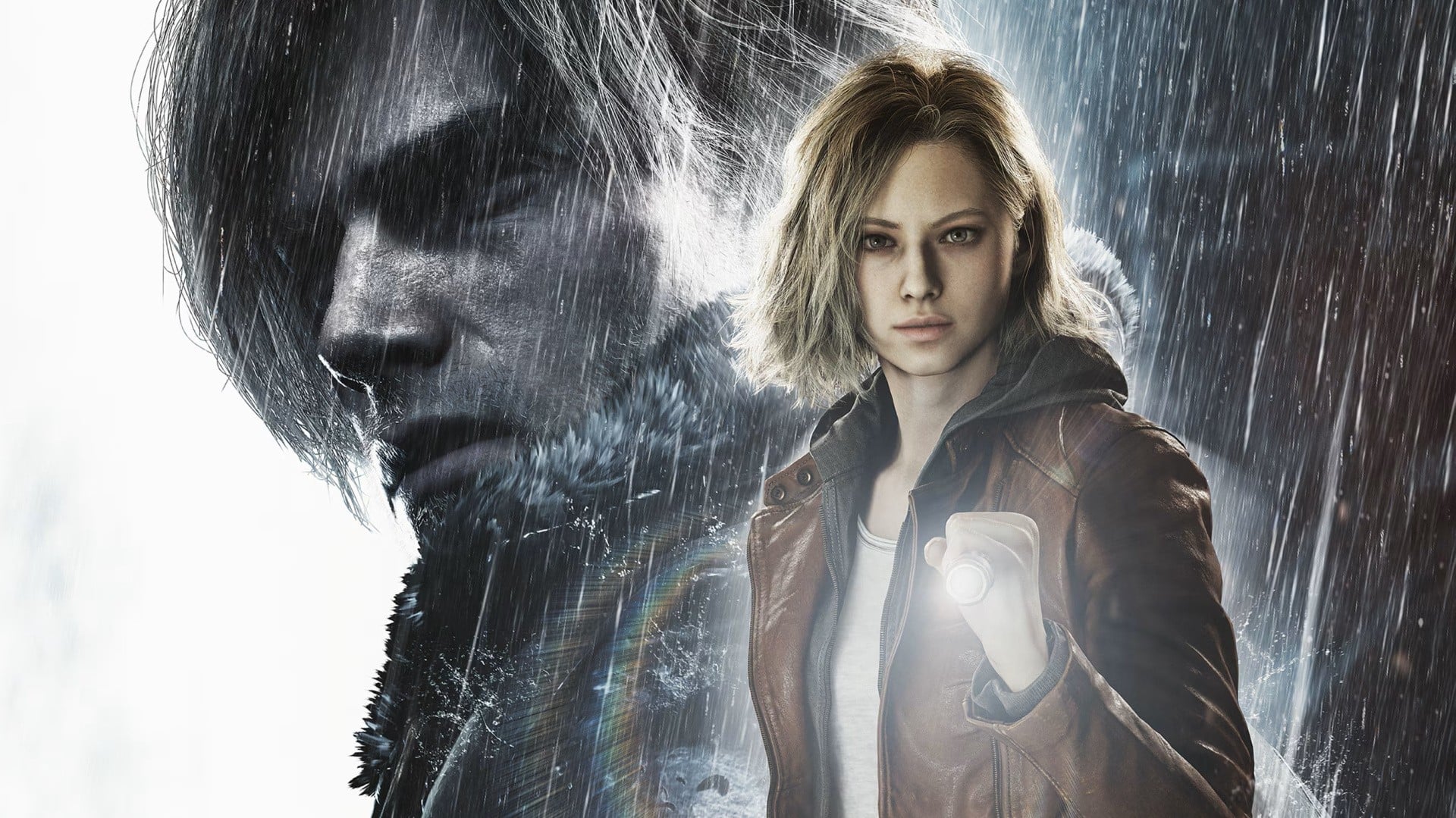
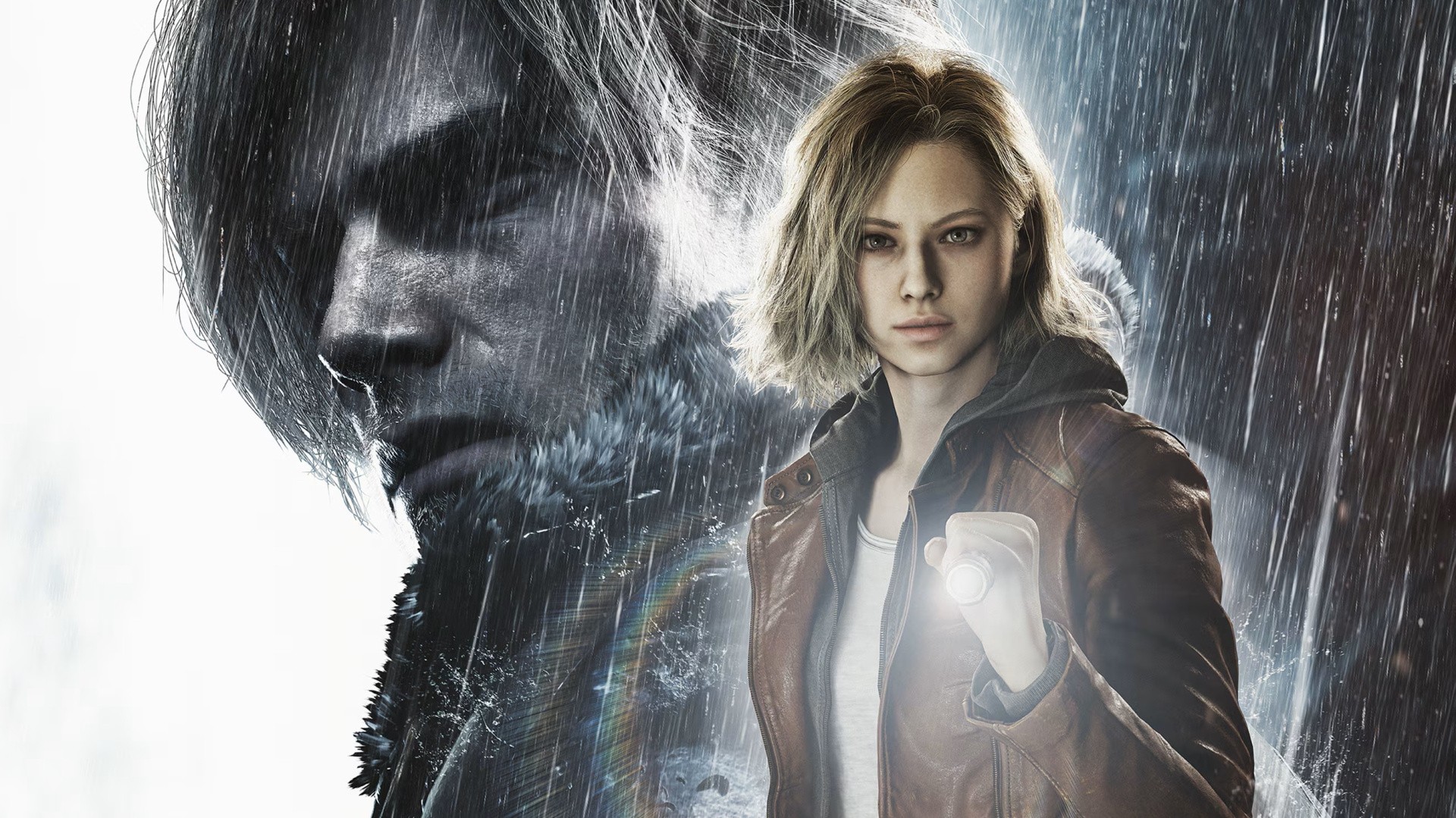
The big one. A brand new entry in the survival horror series getting a day-and-date release on a Nintendo console alongside all other platforms is a cause for celebration. Fingers crossed the game’s good.
It’s worth noting that both RE7 and RE8 are launching in Gold Edition form for Switch 2 on the same day, as well. The Generation Pack bundles all three games, though remember that they are all Game-Key Cards.
A new era of survival horror arrives with Resident Evil Requiem, the latest and most immersive entry yet in the iconic Resident Evil series. Experience terrifying survival horror with FBI analyst Grace Ashcroft, and dive into pulse-pounding action with legendary agent Leon S. Kennedy. Both of their journeys and unique gameplay styles intertwine into a heart-stopping, emotional experience that will chill you to your core.
Bringing life-sim, Animal Crossing-style elements to the world of Pokémon, you might say that we should have been playing a game like this years ago. Better late than never, though.
As noted above, the physical edition of this is a Game-Key Card – to date, a lone outlier in Nintendo-published Switch 2 games.
Play as a Ditto that has transformed to look like a human! Find and befriend your fellow Pokémon, carve out a life for yourself, and work together with Professor Tangrowth to build a town for everyone to live in. Learn the moves of your fellow Pokémon to change the land, such as Bulbasaur’s Leafage to make the wild grass grow. You can also use abilities to transform and navigate the world around you, such as crossing water with Lapras’s Surf.
If a triple hit of Resident Evil hasn’t left you sufficiently brown-trousered, how about a (second) remake of one of the most chilling horror games ever? This one’s a Game-Key Card, too.
FATAL FRAME II: Crimson Butterfly REMAKE is a Japanese horror adventure game and serves as a full remake of the second instalment in the FATAL FRAME (PROJECT ZERO) series. The story follows twin sisters Mio and Mayu as they wander into an abandoned village infested with wraiths. The only way to defend against them is with the use of the Camera Obscura.
Capcom’s back just a couple of weeks after Requiem with the third entry in this excellent Monster Hunter side-series. We’re keen to see how it compares to the previous entries in this soon-to-be trilogy.
And yes, another Game-Key Card (last one).
Azuria and Vermeil: two countries, on a path to destruction. When all hope seems lost, an egg is found. Inside is a Rathalos, a species thought to be extinct. But this quavering light of hope is quickly extinguished, giving way to the darkness of despair. Born from the egg is not a single Rathalos, but twins, bearing the Skyscale marking that hearkens back to the disastrous civil war of 200 years prior.
And at the end of March, it’s a second round of Wonder with added minigames and Rosalina and Luma joining the crew of playable characters just in time for The Super Mario Galaxy Movie to drop on 1st April. Fingers crossed this upgrade has enough substance to warrant another meetup.
• Explore Bellabel Park, an area newly discovered within the Flower Kingdom with your friends and play various multiplayer attractions • Take on all seven of the Koopalings in newly added boss courses scattered throughout the Flower Kingdom • Choose from an even larger cast of characters in this Nintendo Switch 2 Edition of the game, which now adds Rosalina and Co-Star Luma to the existing cast • Grab the Super Flower Pot power-up to transform into a flower form and throw flowers • Even if your friends don’t have the game, play with them using GameShare locally or online
More Upcoming Games for February & March 2026
As well as those picks above, there are plenty more Switch 1 & 2 retail games launching in the next couple of months (and a bit beyond).
New Switch 2 Accessories & eShop Credit
Finally, here’s a selection of Switch 2 accessories coming soon, and our Switch 2 buyer’s guides if you’re looking for something in particular.
Howdy, Virtual Boy fans! Welcome to another edition of Box Art Brawl!
Last time, we matched up a pair of covers for Super Mario Advance 3: Yoshi’s Island, and it was a pretty close-run contest. The classic SMW2 art came out on top in the end, though, with North America taking 59% of the vote, leaving the pretty Japanese variant with 41%.
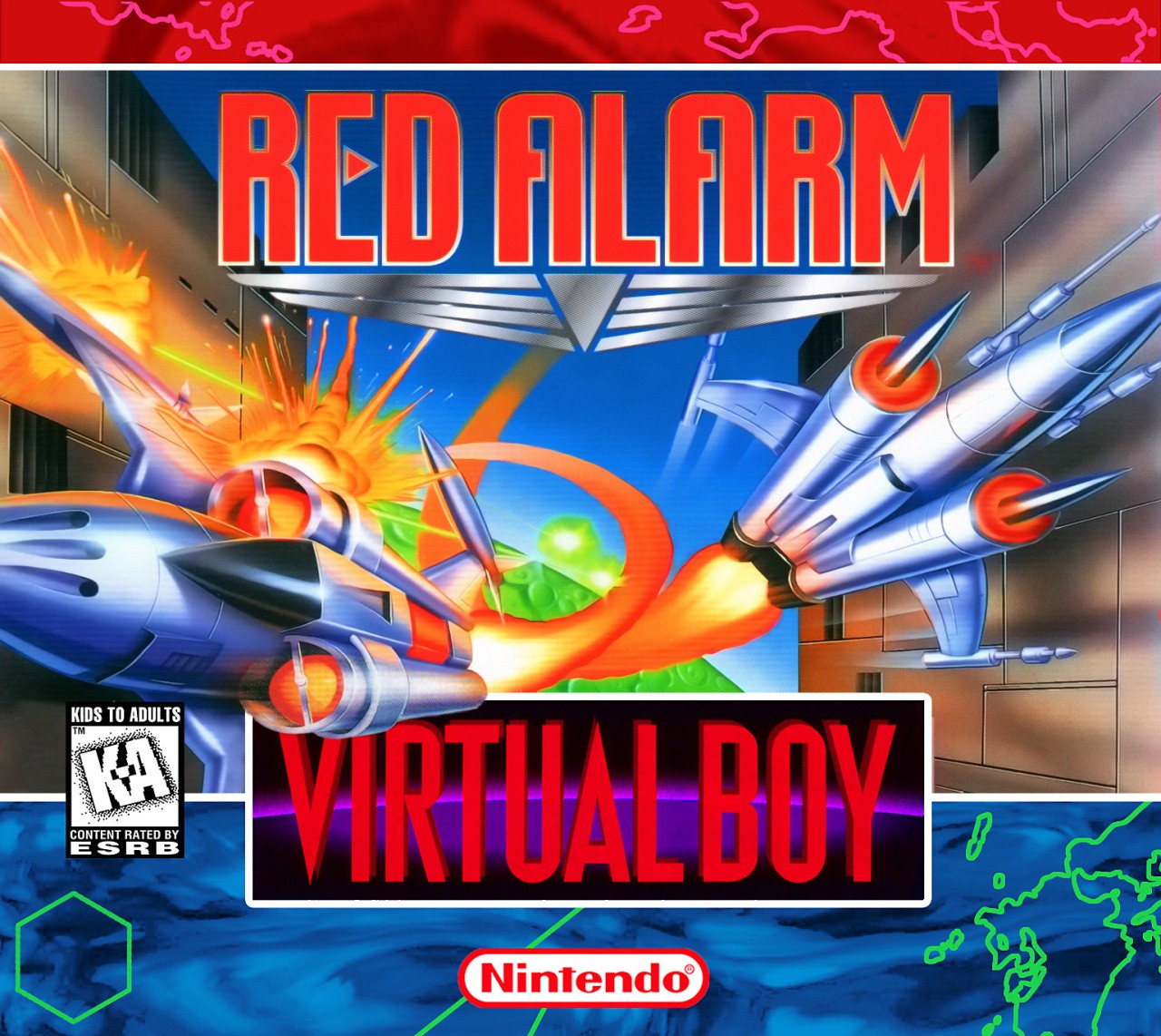
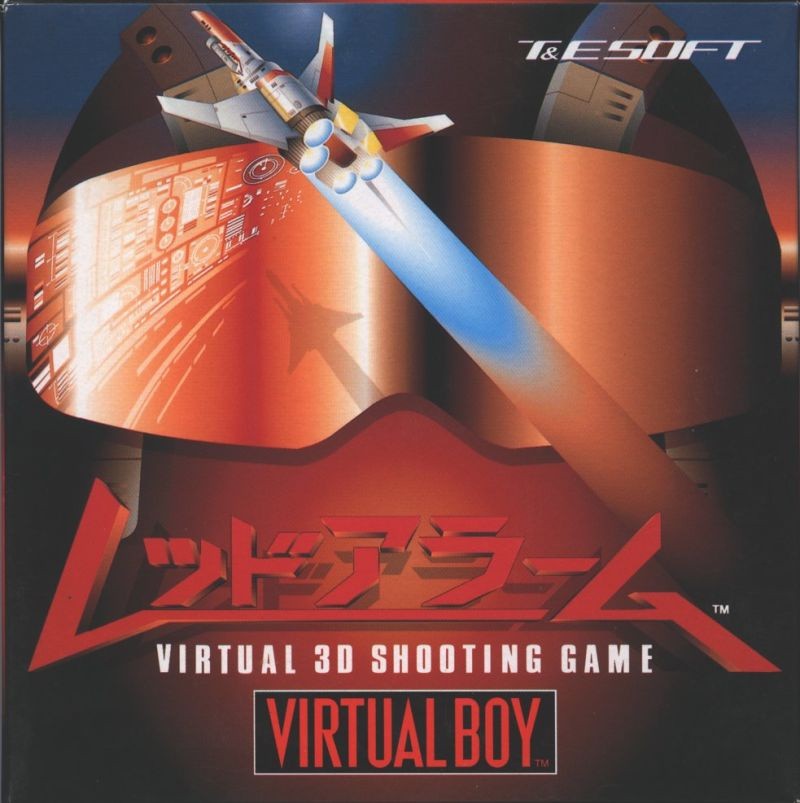
This week, to mark the announcement of the Virtual Boy’s Nintendo Switch Online launch line-up, we’re taking a look at one of the titles that you’ll be able to play from 17th February: Red Alarm. This Star Fox-style space shooter joins the likes of Teleroboxer and Virtual Boy Wario Land on the service right from the jump, so it seems only right that we all become acquainted with its box art ahead of time.
Being a Virtual Boy title, there’s obviously no European cover to look at this week, but the North American and Japanese designs make for a neat head-to-head. So, let’s get into it.
The North American box art is just about as bright and colourful as they come. It’s packed full of action with ships, explosions, a trench run backdrop vaguely reminiscent of the Death Star, and one of those green-outline maps that you only ever find in spy thrillers. Sure, it couldn’t look less like the actual game, but it does a good job of selling the experience
Ooooh, the Japanese design goes full Top Gun. This is less about action and more about looking cool (something that’s not so simple with a Virtual Boy headset strapped to your noggin). Be it the muted colour palette of blacks and reds — a more realistic image of the vibrancy you’ll see in game — or the badass ship reflection in the central pilot’s visor, this cover oozes cool.
Which region got the best Red Alarm box art? (1,135 votes)
North America55%
Japan45%
Thanks for voting! We’ll see you next time for another Box Art Brawl.