Super Smash Bros. Ultimate‘s Stage Builder mode has already thrown up some pretty interesting results; we’ve already seen players misuse the service entirely, but now it’s the turn of the nicer, fun-loving side of the creative community to take their turn in the spotlight.
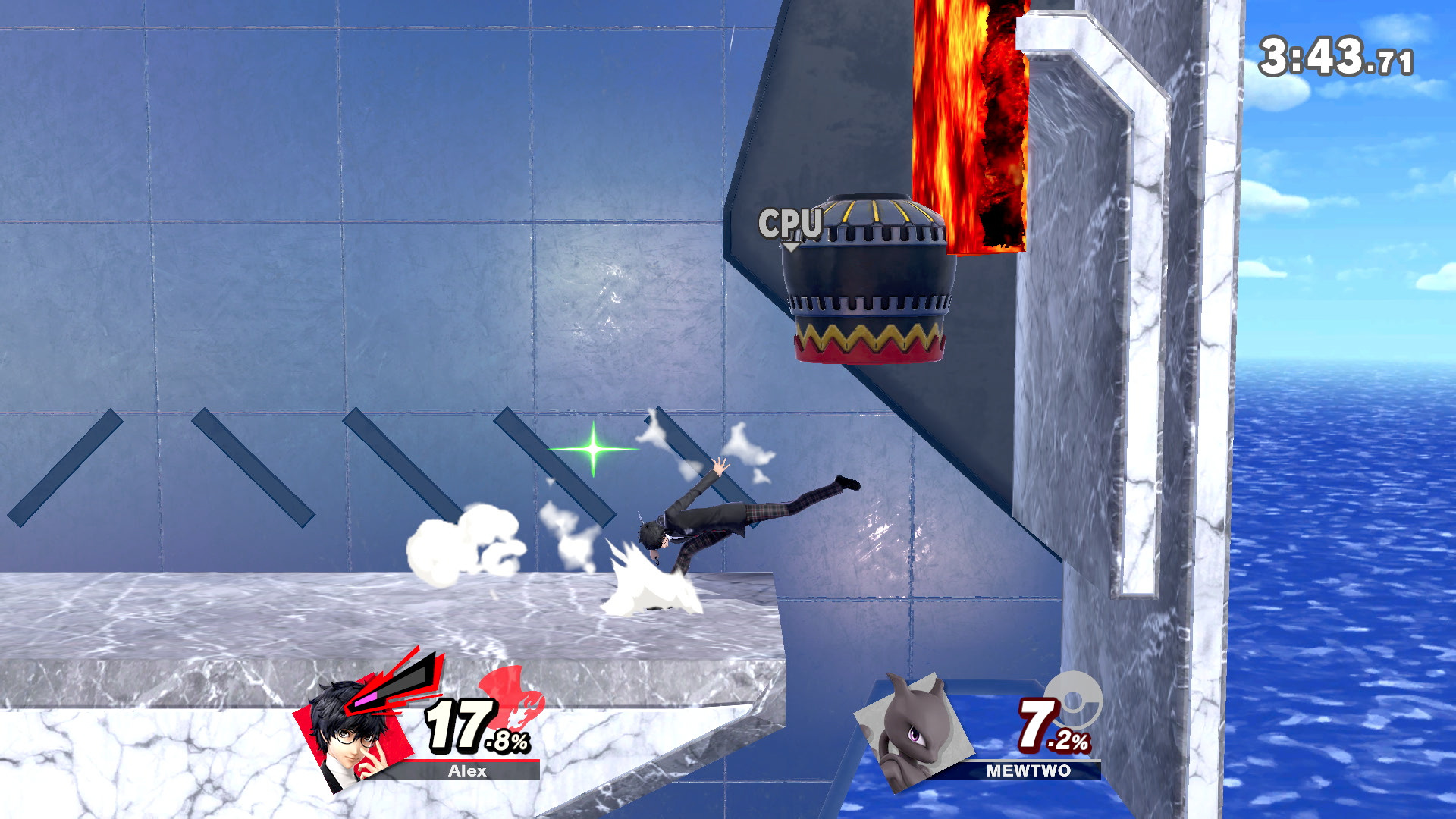
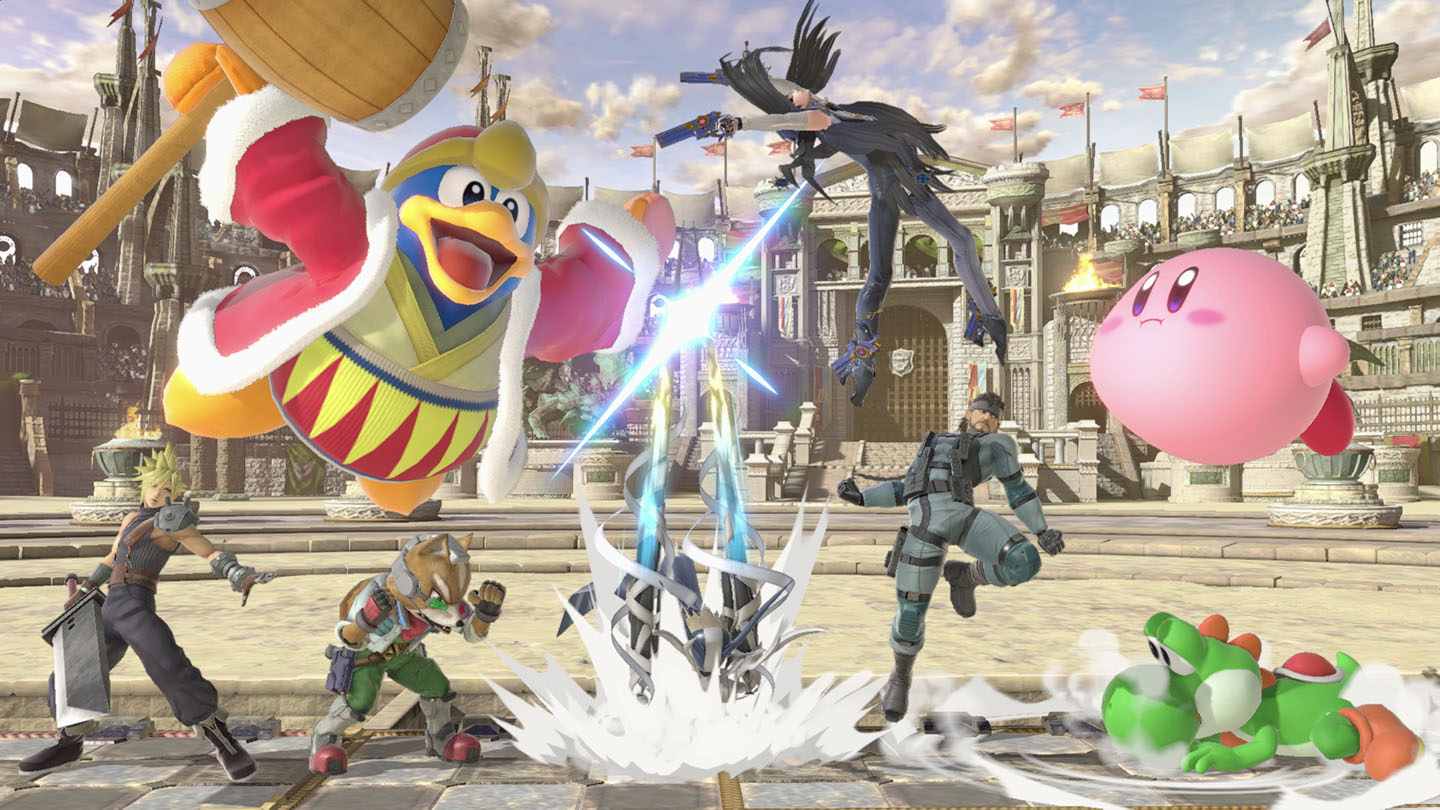
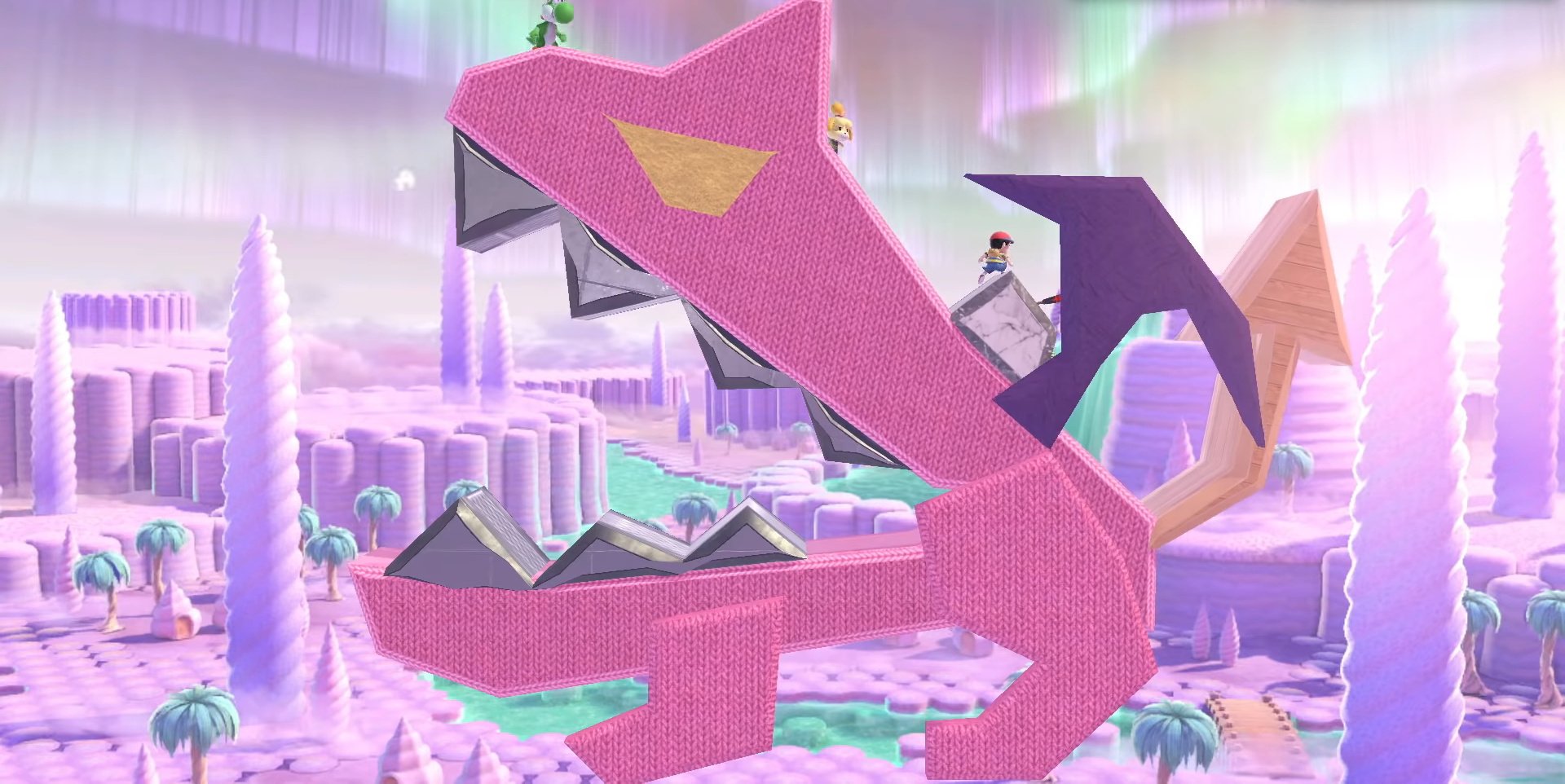
A fan-made minigame popularised through previous editions of the Stage Builder in earlier games has made a comeback. Yes, ‘Smashketball’, a game which tasks players with smashing each other into perfectly located blasters, is seemingly back in full force. And it’s still a whole lot of fun.
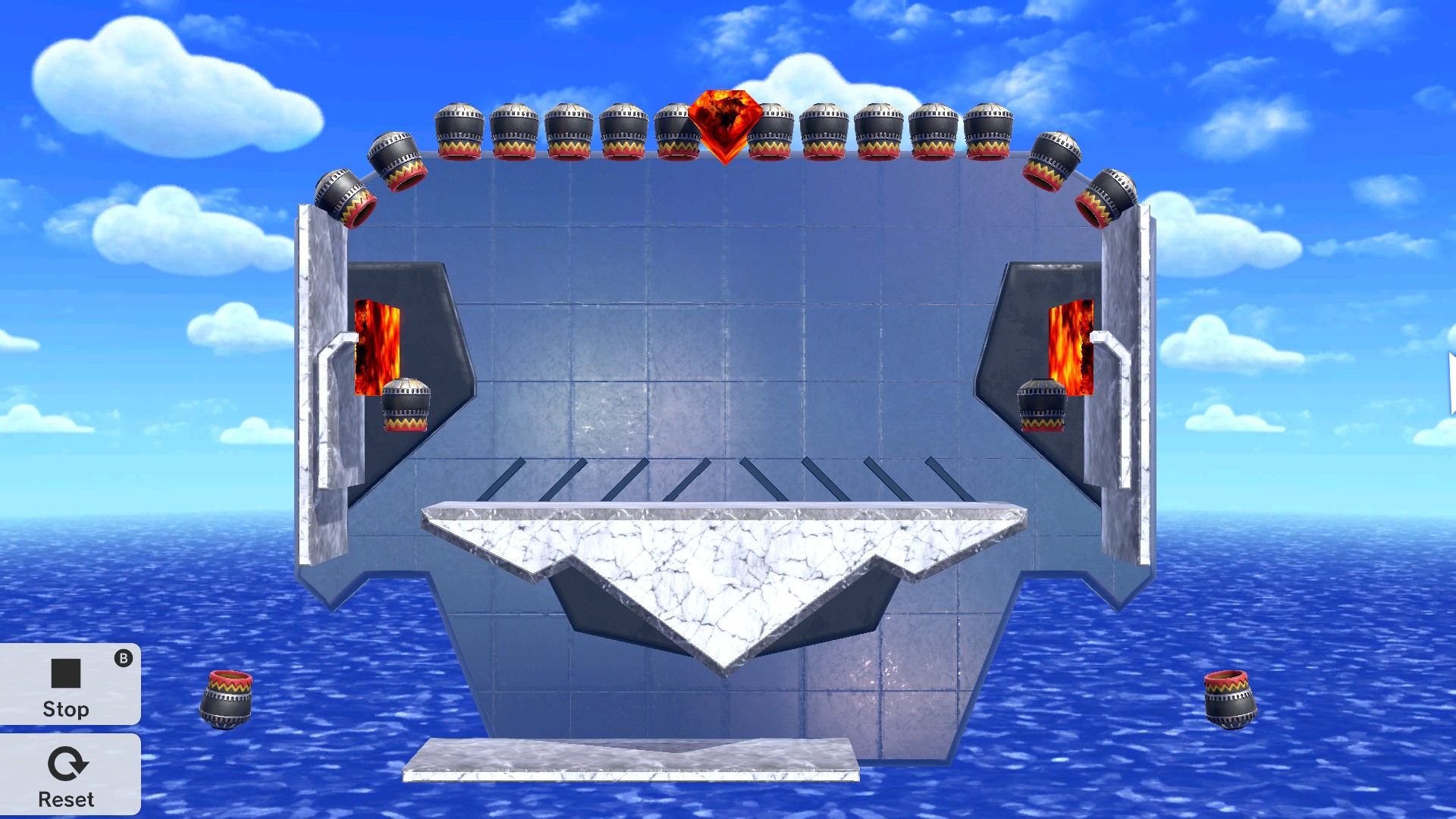
If you’re unfamiliar with it, Smashketball typically features a custom-made arena which has a blaster on either side, pointing perilously down to the inescapable depths of ‘below the screen’. There are blasters all around the top of the arena, too, preventing anyone from being sent off the screen naturally, and players aim to knock each other into the particularly dangerous blasters at the bottom to whittle away at opponents’ stock.
Our very own YouTube master and all-round lovely guy, Alex Olney, has been getting in on the act, too. If you want to have a go yourself, you’re more than welcome to play on his custom made stage using the following ID: JDJRXCTQ.
Of course, if you prefer, you can simply go ahead and build your own version of the sport. Just make sure your game is updated to Version 3.0.
Have you played this before? Have you been making good use of the Stage Builder function? Let us know in the comments.
The Nintendo Game Boy turns 30 this Sunday, and to celebrate this amazing occasion we’ll be running a series of related features this week, right up to the big day.
The concept of ‘de-making’ a game is one that most modern players will be familiar with; you take a recent title, strip it down to its bare essentials and then make it ‘work’ in a retro-style, taking inspiration from classic machines such as the NES, ZX Spectrum or Mega Drive. It’s a fun approach which allows developers to flex their creative muscle and see how modern games could look if they were somehow flung back in time a few decades.
It was the first platform where I had hardware sprites and scrolling at my disposal, so this was new to me
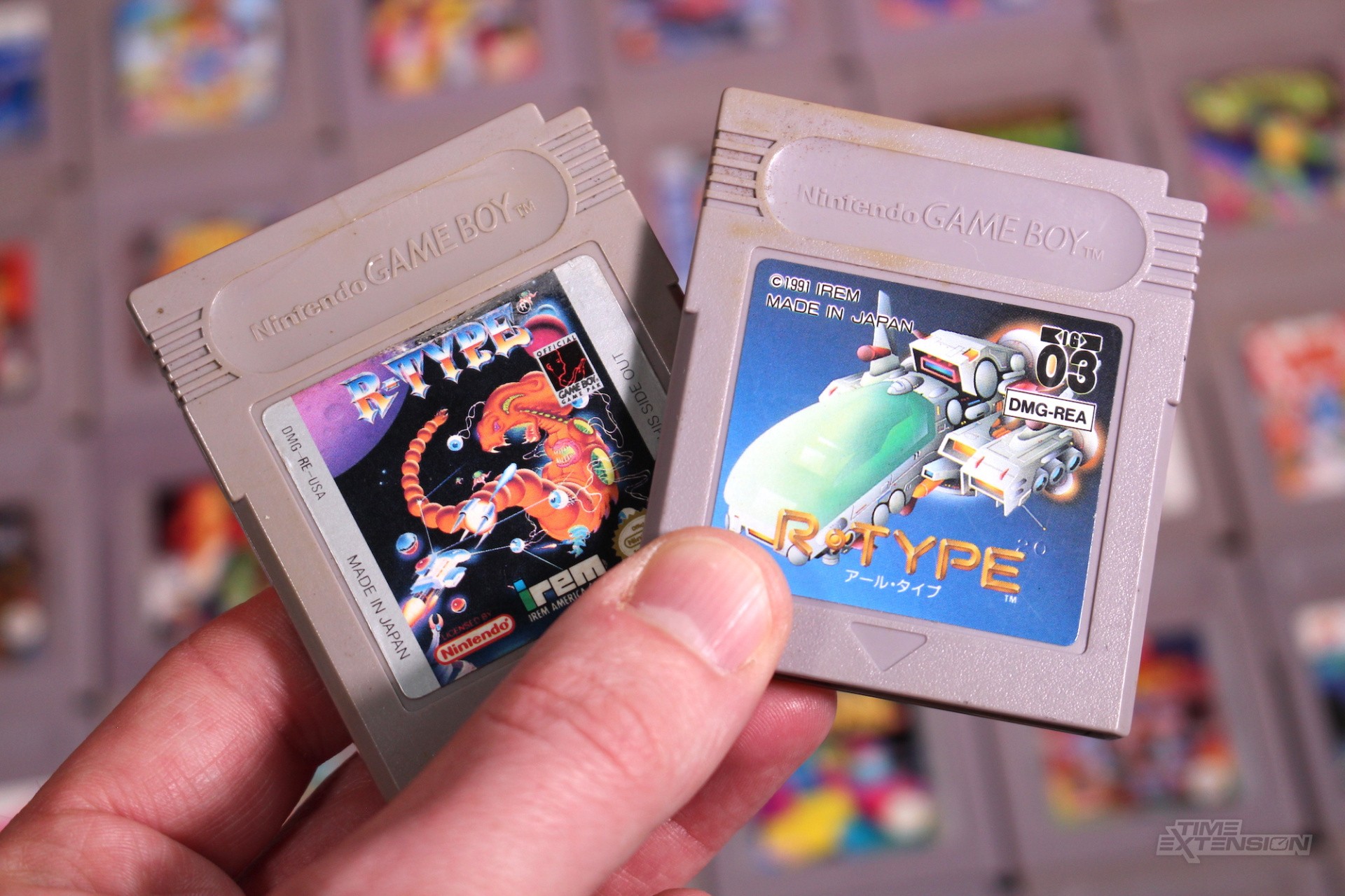
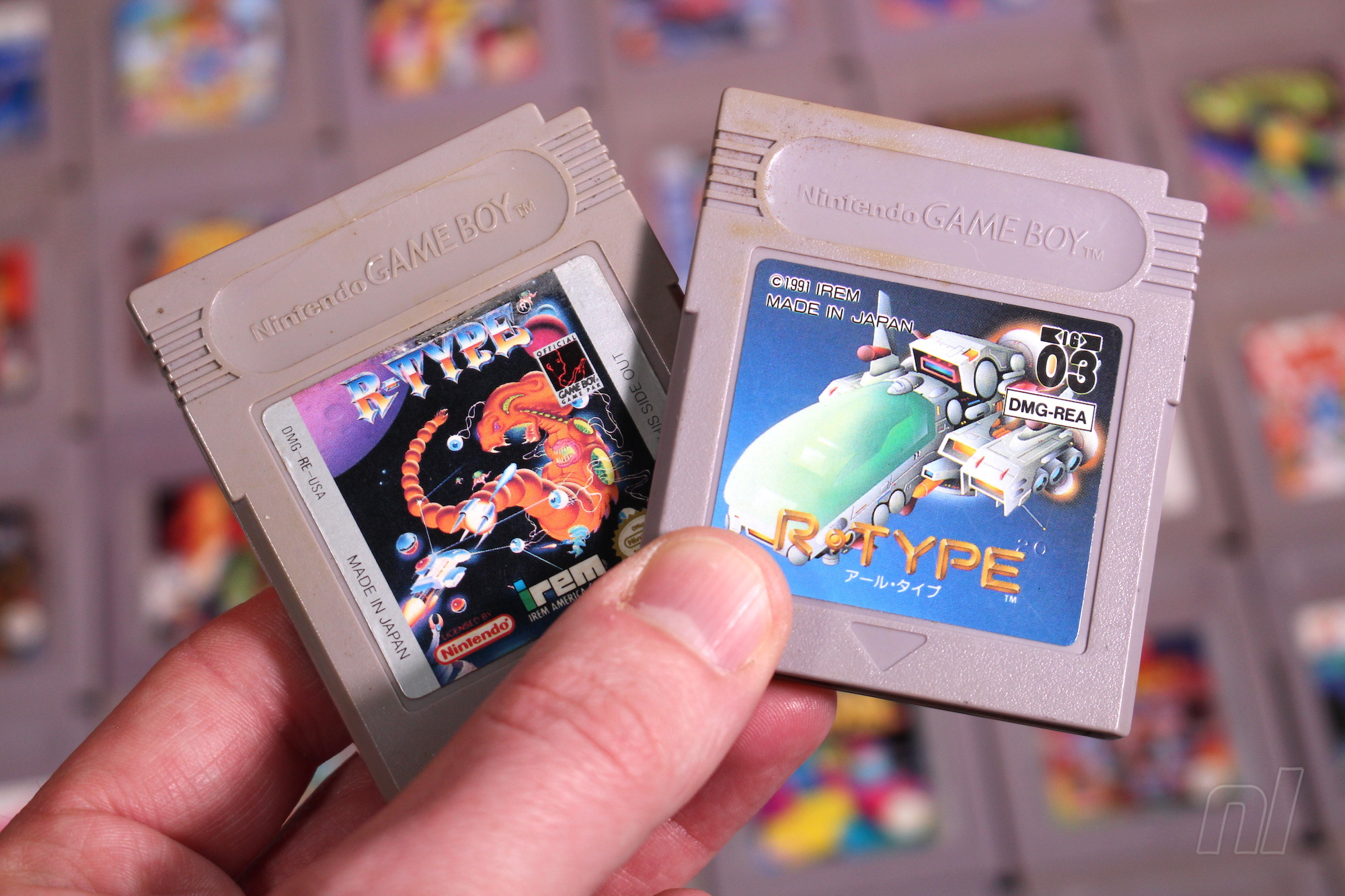
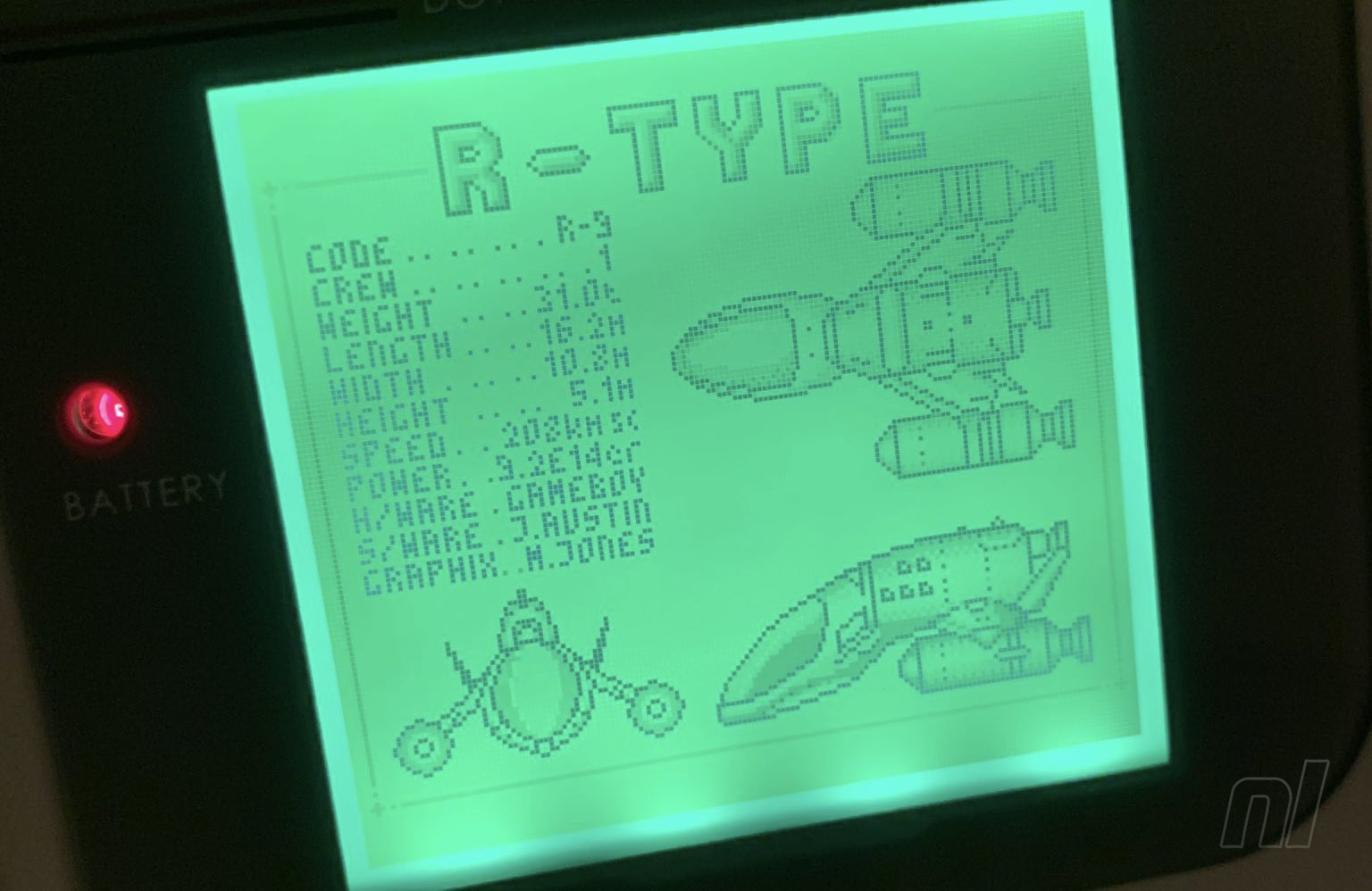
One of Austin’s most famous projects from this period was the Game Boy port of Irem’s seminal coin-op shooter, R-Type. Now, R-Type was hardly cutting-edge at the time – it originally hit arcades in 1987 – but the task of shrinking down this genre classic so it would fit on the Game Boy’s tiny screen was no mean feat. We sat down with Austin to talk about how he did it.
Nintendo Life: Can you give us a little background on how you got into games development, and how you ended up at Bits Studio?
Jas Austin: I started in game development back in the early ’80s making ZX Spectrum games. Including Pi-Balled and Pi-in’ere for Automata, Nemesis the Warlock and Rex for Martrech, and Altered Beast for Activision. Towards the end of my Spectrum career, Jacqui Lyons of Marjacq was representing me, and it was through her I got the Activision deal. She was friends and worked with Foo Katan of Bits Studio, and put me forward for the R-Type Game Boy job. I was having trouble finding work as the Spectrum stuff had dried up, and I wasn’t having much success with the Amiga and ST market, so I jumped at the chance.
How did Bits become involved with developing for the Game Boy?
When I joined the team, Bits were already developing Game Boy versions of Loopz and Castelian (Hewson’s Nebulus) so they were already involved with Nintendo. But I found out later that Foo Katan’s other company PDS, which made hardware and software development tools, managed to bypass the Game Boy hardware protection, and this got them noticed and allowed them to develop on the hardware.
What was the Game Boy like to work on, compared to the other platforms around at that time?
Even though I dabbled in a bit of coding on Amiga and Atari ST, I didn’t release anything – so I really came to the Game Boy from the ZX Spectrum. Both had Z80 processors, so the changeover was pretty straightforward. It was the first platform where I had hardware sprites and scrolling at my disposal, so this was new to me. I found the sprites to be a bit of a double-edged sword; they were very useful, but also quite limited. If I remember correctly, it was 40 in total on screen and if you had any more than 10 in a line they would start to flicker.
How did Bits become involved with Irem? Was the studio approached directly, or did you have to pitch for the job?
Sadly I wasn’t privy to that information. Bits Already had the R-Type deal when I accepted the job to work on it. But I did hear rumours later that the game was pitched around a number of developers first, including some Japanese ones, and it was turned down, as it was thought it would be impossible to convert it to the Game Boy.
What tricks did you use in order to shrink a coin-op down to work on a monochrome portable?
One sneaky trick I used was multiplexing the sprites. Because of the screen was LCD, there was a very slight latency when turning off a sprite. So I was able to re-use some sprites by switching them every other frame. Because of the latency, they just appeared duller than normal. I used this mostly on bullets and the large R9 weapons, like the ripple laser.
How big was the team that worked on the port?
The core team was myself and artist Mak Jones. David Whittaker was bought in at the end for the music and sound effects. I’d worked with Mak before on some Spectrum games, we both worked ‘out of house’. Mak created the graphics on an ST, and we used very early phone modems for him to send me graphics. This was very unreliable, so sometimes he used good old snail mail to post me discs.
The hardest was the constant fight with memory. Back then, the cartridge size had a huge impact on production cost, so we always tried to use the smallest cart size we could
What was the hardest aspect of the port?
The hardest was the constant fight with memory. Back then, the cartridge size had a huge impact on production cost, so we always tried to use the smallest cart size we could. This was why two levels were cut straight away. Video space was also a problem. With the first level, we couldn’t fit both the background graphics and the boss in V-RAM. So you’ll notice a very short pause before the boss, this is where I dump some of the now unused background characters and replace them with the boss graphics.
How long did it to take to complete the conversion?
It’s so long ago I can’t remember how long it took us. I think it was a few months in total. I do recall that with the first meeting with Foo, I walked away with a basic dev kit, and we were tasked to get a first pass on level one in two weeks or so. There were some late nights, but we managed it. Having never developed on the Game Boy, I was certainly thrown in at the deep end.
Is it true that you managed to sneak your name into the game, despite being told you couldn’t?
Yes, this is true. For some reason, we were told that we were not permitted to have our names in-game. So Mak and I decided to try and sneak them in, which we did in the R9 data screen that appears in the attract mode. Luckily this was never picked up in testing… they might have been distracted with one of the enemies that they made us change, because it looked a bit like a foetus! I also managed to sneak in a special symbol into the background in level 4, something I also did in a lot of my earlier Spectrum games.
R-Type was hailed at the time for its faithfulness to the arcade original; how did it feel to get such positive reviews?
It felt great; it’s always good to see positive reviews of your games. Even before I worked on it, I was a huge fan of the arcade game, so wanted to make it as faithful as I possible. It also won a Golden Joystick award, which was pretty prestigious at the time. But personally what’s wonderful for me is that people are still playing and enjoying it all theses years later.
Irem clearly felt you did a good job as Bits was commissioned to not only do the sequel on the Game Boy, but also R-Type DX on the Game Boy Color. What kind of feedback did you get from Irem on your work?
I don’t remember hearing any feedback from Irem, but clearly, they must have been pleased, as they wanted Bits to make the sequel, but I wasn’t actually involved. It was Bob Pape of Spectrum R-Type fame that programmed the Game Boy R-Type II. I did make a demo for it of the third level with the two large ships, using some clever interrupts to have more than one scrolling background on-screen. But by the time Irem gave the go ahead I was part-way through writing another game.
Back when I was making it, can’t say I thought about any form of ‘demake’; I was mostly focusing on trying the make the most faithful version of the game on the hardware
People speak today of ‘demakes’ – the process of taking modern games and turning them into retro-style experiences – which is perhaps what you were doing with titles like R-Type back in the day. Do you think developers like yourself get enough credit for these amazing feats today?
Interesting question! Back when I was making it, can’t say I thought about any form of ‘demake’; I was mostly focusing on trying the make the most faithful version of the game on the hardware. I do think us older developers don’t receive credit for some processes that have now been given names. ‘Rougelike’ is another example of this. But I do see myself and a lot of my peers receiving recognition for the technical achievements.
Can you give us a little snapshot of where your career has taken you since the Game Boy days?
After R-Type, I worked on a number of other Game Boy games including Terminator 2, Alien 3 and two Spiderman games. I stayed at Bits till the end, around 2006 working on various other consoles. Including coding and co-designing the unreleased GBC version of Jet Force Gemini. After a short stint working on online poker software for Pokerwize/Playwize, I returned to games working with Origin8 on a number of mobile / tablet games – Carmania, Future Sense, and most recently the highly-acclaimed Rollercoaster Tycoon classic. As I type this I’m working at Funfair, helping make online crypto gambling games, as well as in my spare time making a follow-up to my Speccy game Rex on the ZX Spectrum Next.
The Game Boy turns 30 this year. What are your memories of the machine?
I have nothing but hugely fond memories of it, not just from a dev perspective, but as a player. It was a truly groundbreaking handheld, and I spent many enjoyable hours playing the likes of Zelda, Mario and Tetris. I’m honoured to have been part of its legacy. Happy birthday, Game Boy!
Special thanks to Ali Alsawaf for making this interview possible.
There will be a one team less at the upcoming Super Smash Bros. Ultimate European Smash Ball Team Cup — and it’s just because of a paperwork. Nintendo of Europe has announced that, due to “visa issues”, Ye Old Guard team from Russia will stay at home during the Amsterdam finals on June 8th.
The Russian branch, Nintendo RU, released an expanded statement on its web site:
Due to bureaucratic reasons Nintendo has no control over, it takes longer than usual to issue visas in the run-up to the Russian national holidays. Due to that, Russian team won’t be able to attend the event in Amsterdam. The scope of the event and logistical issues do not allow postponing the event or letting Ye Olde Guard play online with teams in Amsterdam.
The holidays in question will begin on May 1st and will leave Russia with only three work days till May 13th, so it’s only reasonable to expect the visa offices to be under a heavy load. The smart move was to prepare documents in advance, and that’s exactly what wasn’t done — reportedly, because of Nintendo RU.
In a mean-tempered post on GameMag forums, Ye Olde Guard’s David Oganesyan describes Nintendo’s local office as a “bunch of incompetent folks” and describes details of the situation:
They decided to process visas by themselves. Eventually, they decided to file an application at the very latest moment before the May holidays. Before that, we’ve been sending them all required documents and forms almost daily. As a result, it’s no longer reasonable to visit the embassy, and the closest time one can book an appointment to the visa office is April 26th.
Later, he followed by saying Nintendo RU and Ye Olde Guard have settled on compensation prizes: a Nintendo Switch for each member of a team. Talking to Nintendo Life, David said his second Switch will go to his brother, and the team is on good terms with Nintendo RU despite “the huge blunder on their part.”
It’s sad to see a contender missing the finals for a reason as mundane as documents not filed at the right time — and by the organizer of a regional event, too. We hope Nintendo RU won’t have to negotiate with disgruntled champions in the future.
If you’re a fan of the Super Smash Bros. competitive scene, or if you’re interested in seeing what it’s all about, you may well want to clear some space in your schedule this weekend to watch the UK & Ireland Smash Ultimate finals.
After months of practice and heated competition, the UK & Ireland representatives for the Super Smash Bros. Ultimate European Smash Ball Team Cup 2019 will be crowned at Insomnia64 this Saturday, 20th April. A top-four final will take place between the champions of the London, Edinburgh, Dublin, and Nintendo Players UK qualifier tournaments at 4pm BST, and the whole thing is set to be livestreamed on the Nintendo UK YouTube and the Nintendo UK Twitch channels.
The winners of the final will go on to compete at the European finals in Amsterdam on 4th – 5th May. The official ticket website has now opened if you want to sign up for tickets, but we expect these to disappear pretty quickly. If you’re not feeling up for a trip to Amsterdam, this event will also be livestreamed across official channels – more details will follow.
Here are the teams that will be taking part in that European final:
Date of local final
Country
Winning team
2nd March 2019
Portugal
50 Seconds of Moonlight
17th March 2019
Switzerland
Smashed Potatoes
23rd March 2019
Austria
Team Ehre Austria
24th March 2019
Netherlands
Triple SSS
30th March 2019
Germany
Team Ehre Germany
30th March 2019
France
Guezmer
7th April 2019
Belgium
Last Stock
7th April 2019
Spain
Las Divas de Sisqui
13th April 2019
Nordics
Team Popoff
13th April 2019
Italy
I Cacciatori di Premi
20th April 2019
UK & Ireland
TBD
The winning team of this event will walk away with a special trophy and customised Super Smash Bros. Ultimate Nintendo Switch Pro Controllers, as well as gaining the title of European Champions, of course. To top it off, they’ll then represent Europe at the Smash Bros. Ultimate World Championship 2019 3v3 in L.A for a chance to become world champions.
We wish we were as talented as these players! Let us know if you’ll be tuning in with a comment below.
One of the best features in Version 3.0 of Super Smash Bros. Ultimate is the Stage Builder mode. It allows users to create and then share their own custom stages online. Of course, shortly after the update went live yesterday, a small minority of players began uploading a variety of lewd levels.
Nintendo has now reportedly cleaned up this area of the game – wiping out all of the inappropriate and offensive custom stages. We had a quick look around on the app ourselves and couldn’t see as much, but it’s hard to say if it’s completely gone – and there’s no guarantee it won’t reappear. From here on out, we’re guessing users who do go out of their way to create any naughty stages will get a warning of sorts, or some type of special system will be put in place to help auto-moderate each upload.
This isn’t exactly new territory for Nintendo. The company has previously had similar issues with Super Mario Maker, older iterations of the Smash Bros. stage builder and Miiverse – where memes ran wild.
Did you see any of these inappropriate levels a small portion of the community were uploading yesterday? Have you seen any since Nintendo cleaned it up? Tell us down in the comments.
Yesterday, a report from The Wall Street Journal revealed Nintendo had submitted an official request to the Chinese government to sell the Switch within the country. Part of this request was a partnership with Tencent Holdings – one of China’s biggest tech and gaming companies.
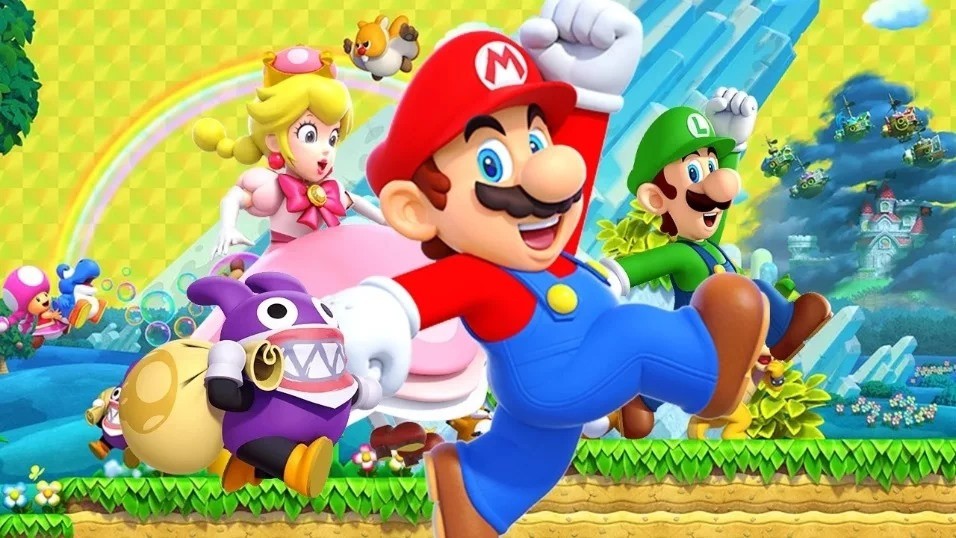
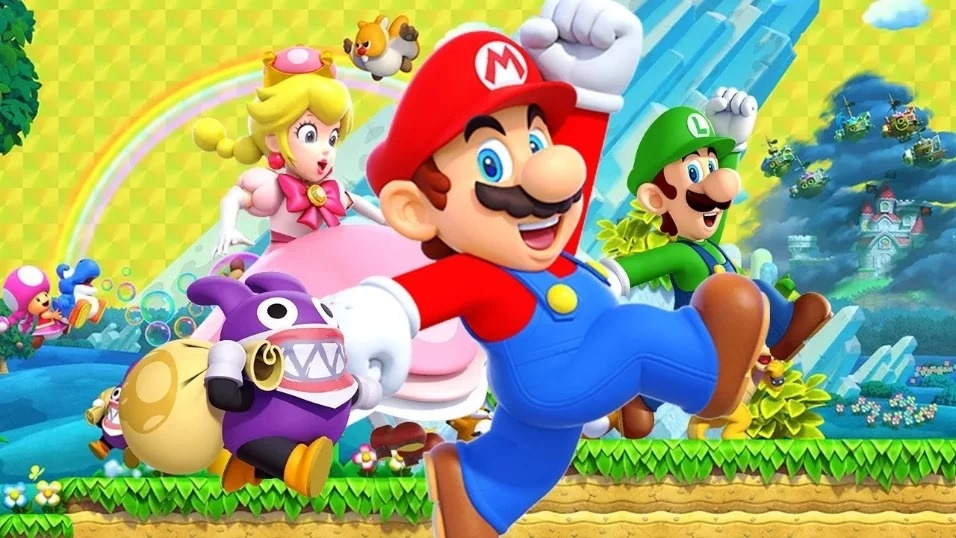
In the latest update, Tencent has now been given the approval to start selling New Super Mario Bros. U Deluxe Switch bundle in mainland China. The news has resulted in Nintendo’s shares surging by more than 13%. This was the highest they’ve been since 18th October last year.
As exciting as this sounds for fans within this region, Niko Partners Analyst Daniel Ahmad said Nintendo and Tencent would still need authorisation from other regulators and approval for individual games could take some time:
“Nintendo and Tencent will also need to submit each game for approval in China and ensure the games comply with content regulations. This too is a lengthy process and means that it will take some time before Nintendo can build up a large library of official games in China.”
Nintendo teaming up with the largest video game company within China is sure to help the situation. Investors are also hoping Nintendo can eventually release its smartphone games within this market by getting Tencent to help them develop a mobile strategy.
Earlier this month, a game rating was spotted for a new title called River City Girls. It has now been officially confirmed the independent game development studio WayForward (responsible for Shantae) and Arc System Works (known for game series like BlazBlue and Guilty Gear) will be collaborating on this brand new River City / Kunio-kun project.
Here’s what both parties had to say about the announcement, direct from the PR:
“This is a really wonderful opportunity. Arc System Works is an extremely talented gaming company that we’ve admired for many years, and we are incredibly happy to be working with them. This new take on the River City universe is going to be a lot of fun.” – WayForward Tyrannical Overlord Voldi Way.
“Everyone here is pleasantly surprised by the way the River City series is turning out. I think the River City series has a reputation as a 2D fighting-action game with a lot of male fans, but then River City Girls appears! WayForward’s enthusiasm for a female protagonist won me over.”” – Arc System Works Producer Takomi Kaneko.
The River City / Kunio-kun side-scrolling beat ’em up series originally started out on the Famicom and NES. The first entry, River City Ransom, is currently available on the Nintendo Switch Online NES service.
More information about River City Girls – including platforms – is expected to be revealed later on in 2019.
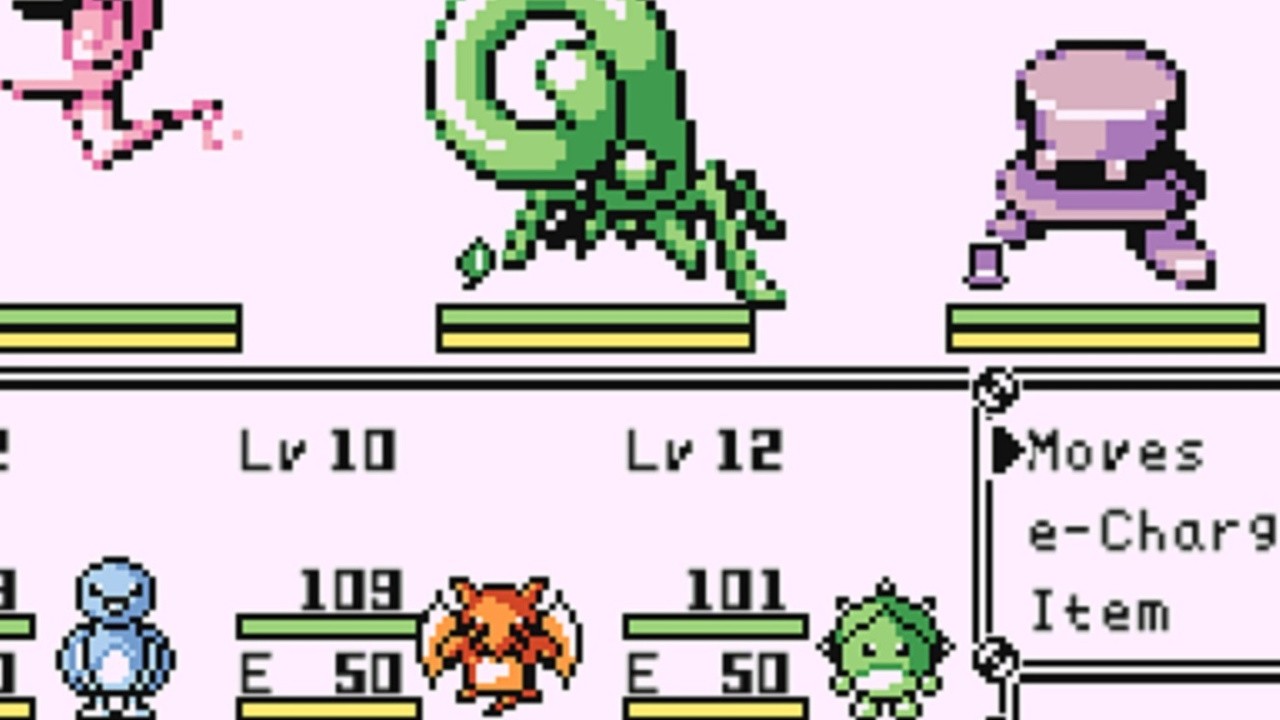
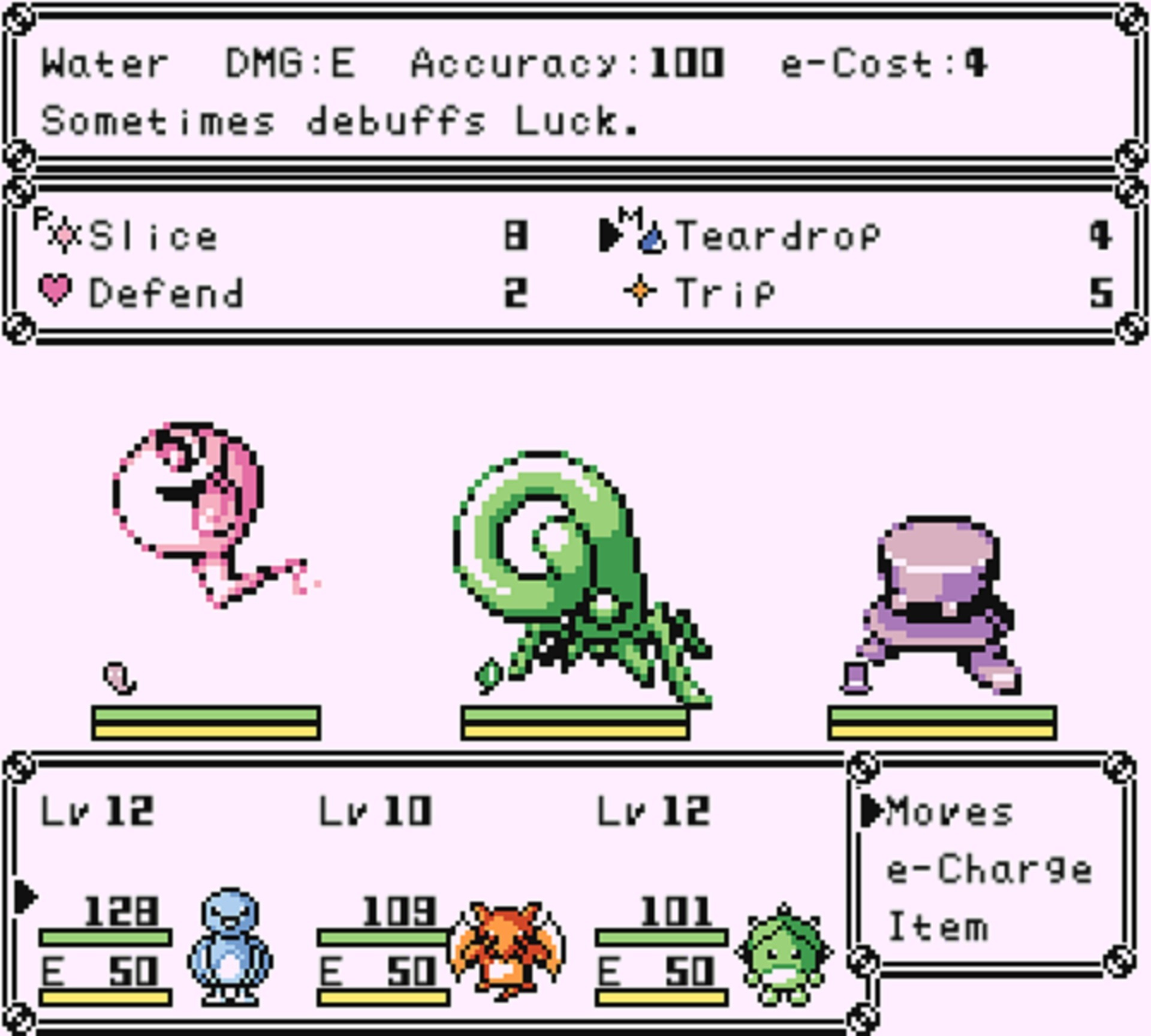
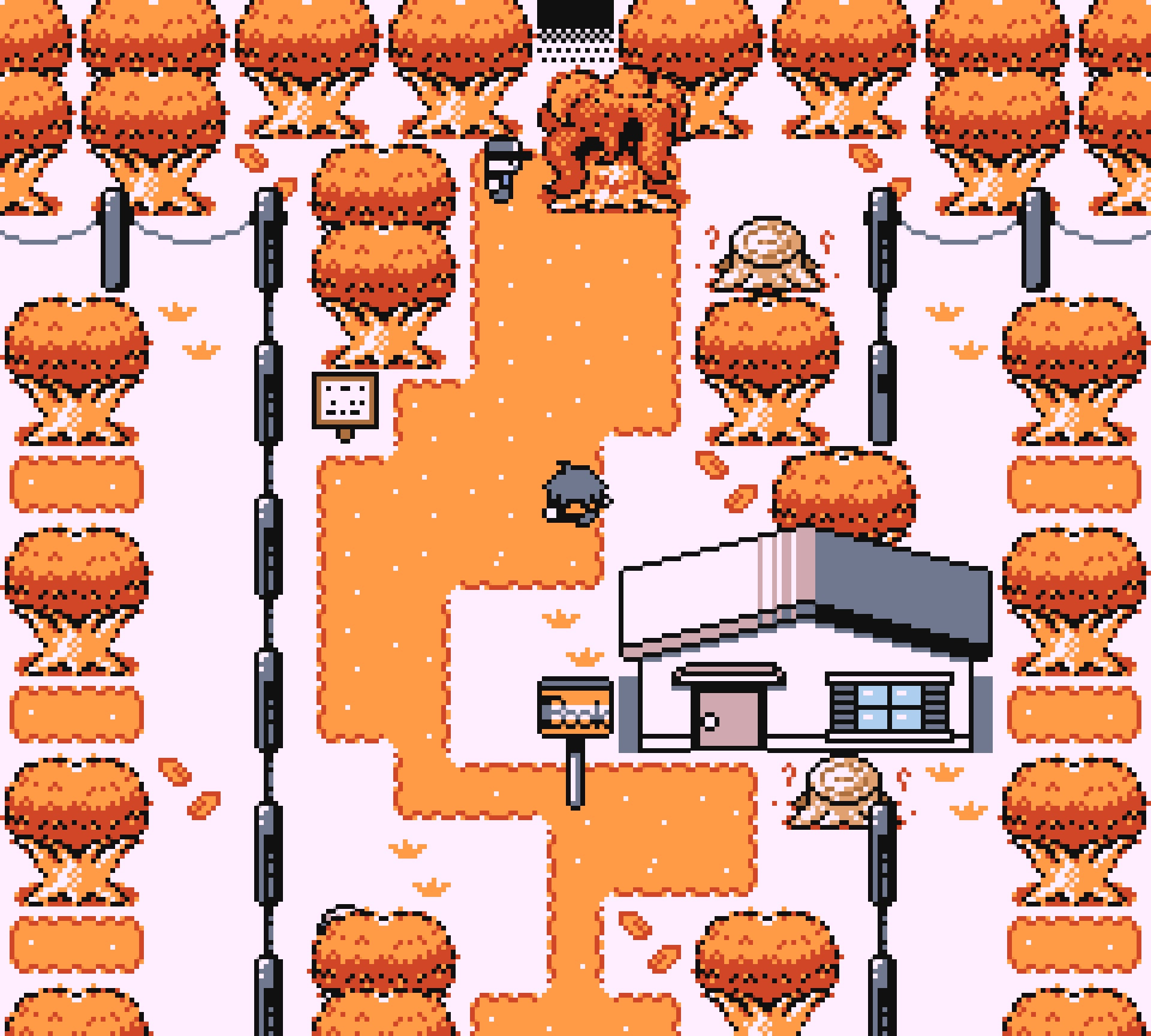
The publisher Dangen Entertainment is teaming up with developer Picorinne Soft to release Disc Creatures on the PC. The name might not remind you of anything in particular, but every other aspect of this game appears to be inspired by Game Freak’s earlier Pokémon titles on the Game Boy, right down to its looks.
The official PR explains how Disc Creatures is a “tribute to classic monster catching RPGS” from the golden years of handheld gaming. You’ll be required to choose from three starter creatures and then set off as a “licensed” Disc Ranger to tame the greatest monsters and bring peace to the lands. Here’s a little bit more info about the game directly from the PR:
Disc Creatures is set in a world where humans live alongside a wildly varied cast of creatures, all with different personalities, abilities, and moral codes. Travel across a quaint, quirky landscape, taming creatures and helping those in need! Mysteries fill the land of Disc Creatures, and some are darker and more formidable than one might expect…
The game is said to include more than 20 hours of gameplay, 200 monsters, unique skill trees and a “heart-warming” chiptune soundtrack. Here are some more screenshots, courtesy of Gematsu:
What are your thoughts about this? Tell us down in the comments.
The digital age has had a huge impact on all forms of entertainment. Although physical video games are still around, you’re often required to download or at least install the rest of the game when you get home. Some publishers even release games in-store but don’t actually include a game card or disc inside the plastic case.
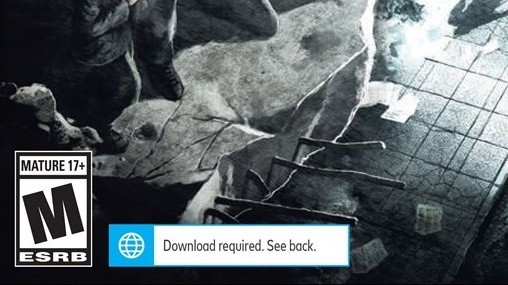
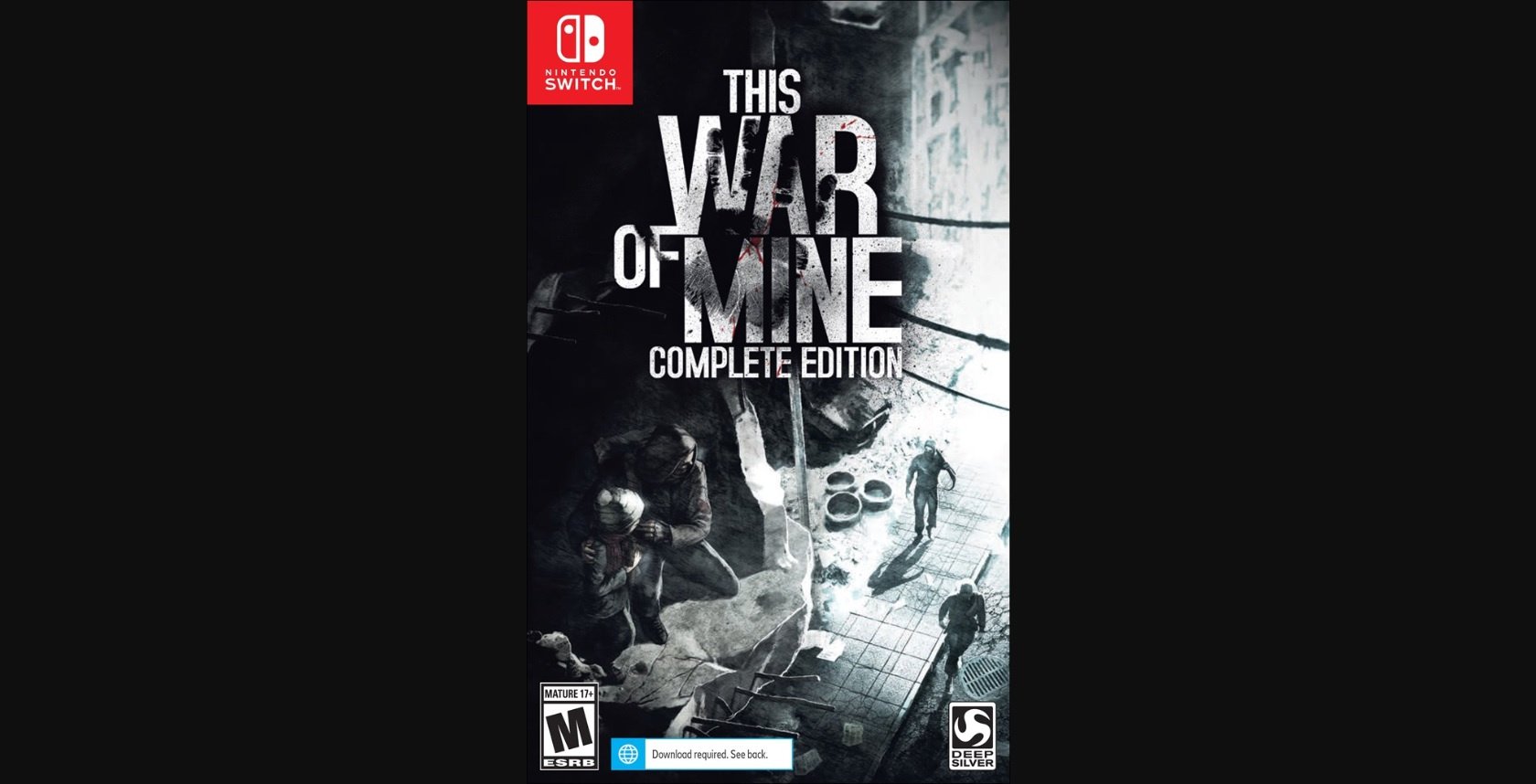
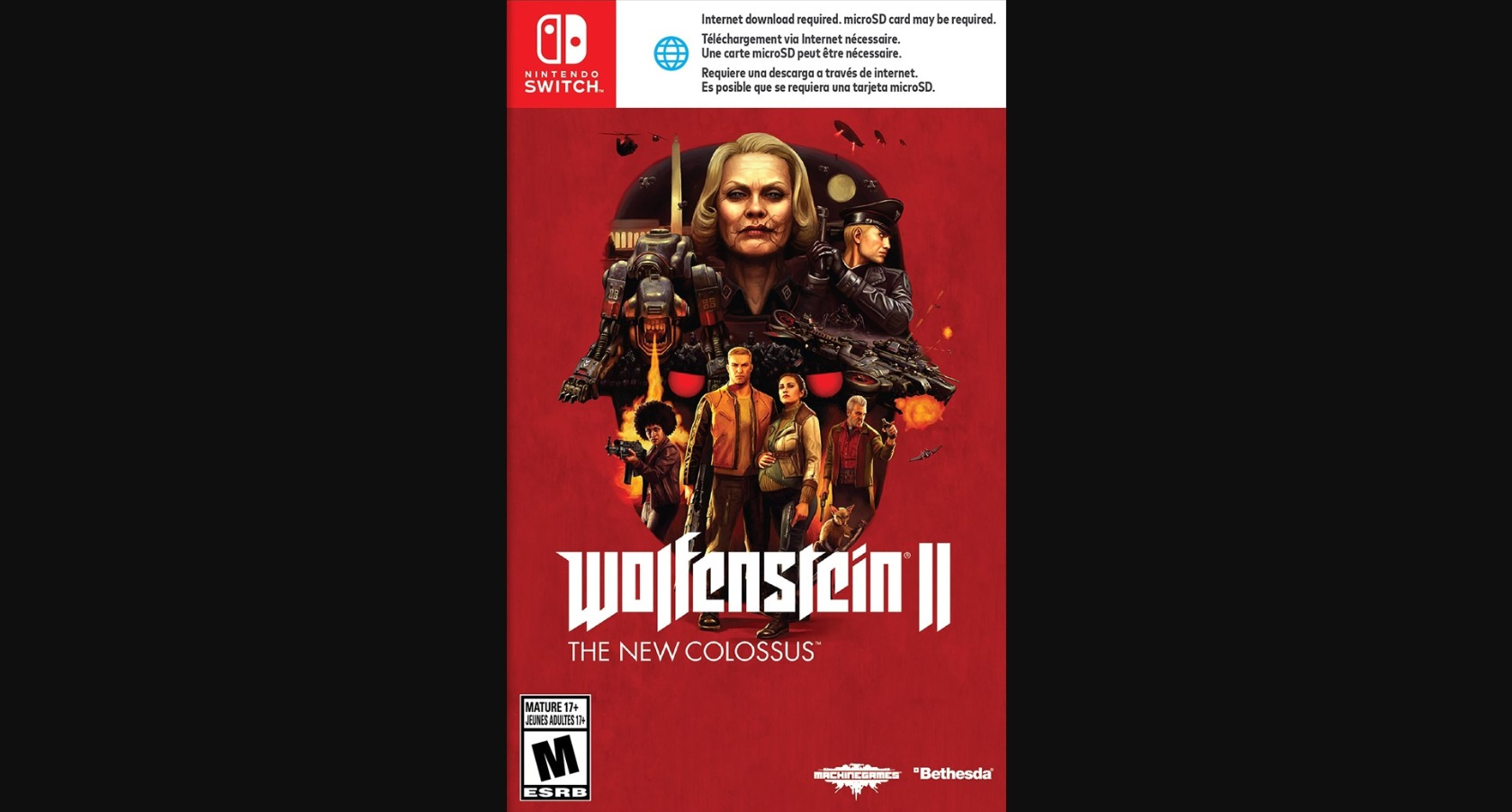
As a result of this, some physical Switch releases now come with overly large warning labels, informing users a digital download will be required. The good news is these labels have now been changed – at least in North America. The local box art for This War Of Mine Complete Edition illustrates how the warning is now a much smaller label positioned in between the rating and publisher logo. The download warning on the Mortal Kombat 11 box art looks the same.
Sure, it might not be perfect, but it’s a lot better than what was previously on the covers of Switch games requiring a download:
What do you think of the new warning label? Tell us in the comments.
In 2003, Ubisoft released the cel-shaded first-person shooter XIII (pronounced thirteen) on the GameCube, PlayStation 2, Xbox and PC. Now, a remake of this unique-looking game is coming to the Nintendo Switch, PlayStation 4 and Xbox One later this year on 13th November.
For those who haven’t played it before, it’s loosely based on five volumes of a Belgian graphic novel dating back to 1984 (written by Jean Van Hamme with artwork by William Vance). In the original game, David Duchovny – best known for playing the FBI agent Fox Mulder in the X-Files – voiced the game’s protagonist.
Here’s a summary of the game’s story:
XIII is a first-person shooter where you play as “Thirteen,” a talented soldier who lost his memory and has been accused of killing the President of the United States. You first wake up injured and amnesic on Brighton Beach with the only clue being a small key and a mysterious tattoo that reads “XIII” next to your clavicle. It’s now your job to search for answers through a 34-level solo campaign. Don’t worry, you will find the appropriate weapon arsenal along the way. So many questions… so many bullets!
The remake is being handled by Microïds and PlayMagic Ltd. The idea is to revive story-driven FPS “missing in today’s gaming landscape” – with the goal to bring the game to a new generation of players.
As part of this announcement, a launch trailer has been released. Take a look below:
Is this the remake you’ve been waiting for? Did you play the original back in the day? Tell us down in the comments.