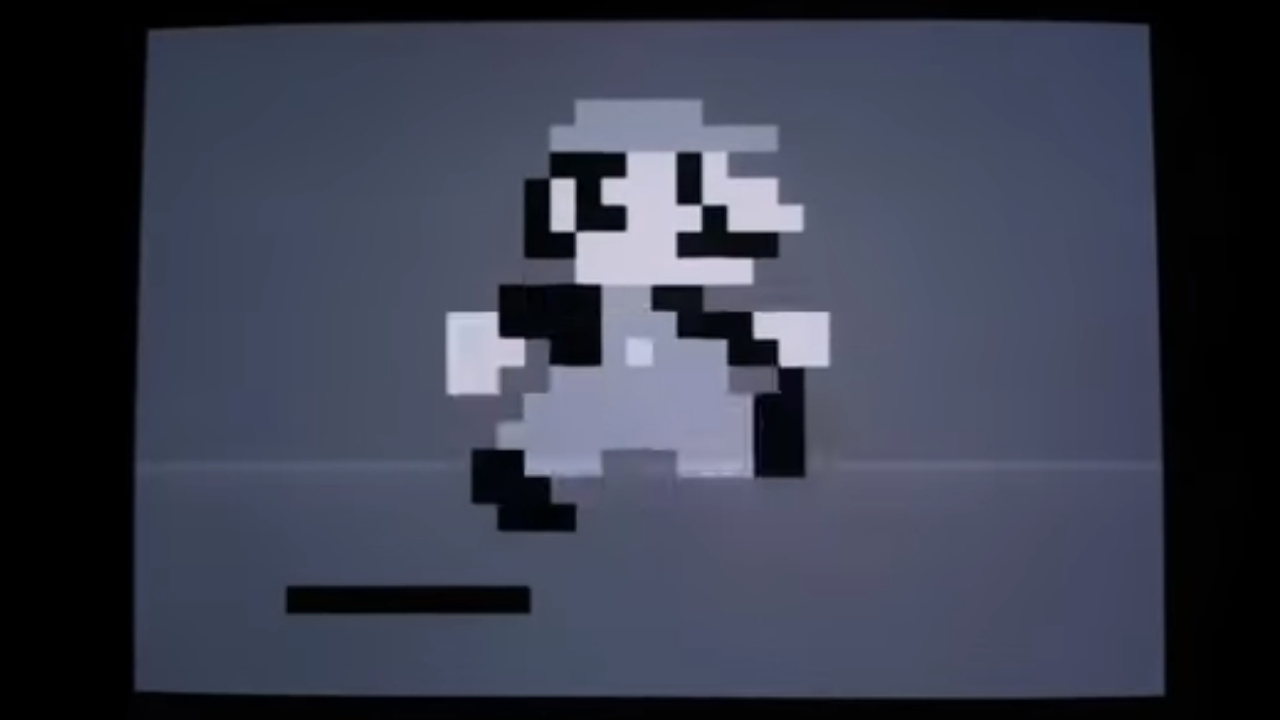
Last week a truly remarkable programming feat came to light with the release of Super Mario Bros. 64, a port of the original NES Super Mario Bros. for the Commodore 64. Seven years in the making, it came courtesy of programmer and fan ZeroPaige. It’s a painstaking recreation that manages to look and sound incredibly similar to the original game – a impressive accomplishment considering the vast differences between the Commodore and NES. For those too young to remember, the Commodore 64 was an 8-bit computer that got the ’64’ in its name not from bits, but from the kilobytes of RAM it carried.
Of course, as reported by Eurogamer, it seems Nintendo caught wind of the port and Cease & Desist letters were winging their way to websites where it was hosted within four days. Despite being for a defunct platform, it’s unsurprising to see Nintendo moving to get the port removed – indeed, in order to make sure it can fight more egregious cases in the future, the company must be seen (legally speaking) to actively protect its IP, regardless of the effect or sheer impressiveness of the infringement.
After watching just how accurately the port runs, it’s a shame to see seven years of hard work removed in a matter of days. That said, although it’s been removed as per Nintendo’s request, it’s obviously still out there to find in various corners of the internet.
Check out TorrentFreak for a more in-depth look at the making of Super Mario Bros. 64 and its subsequent removal.
Impressive, no? Can you think of any other incredible feats of programming involving Nintendo IP? Share your thoughts below.
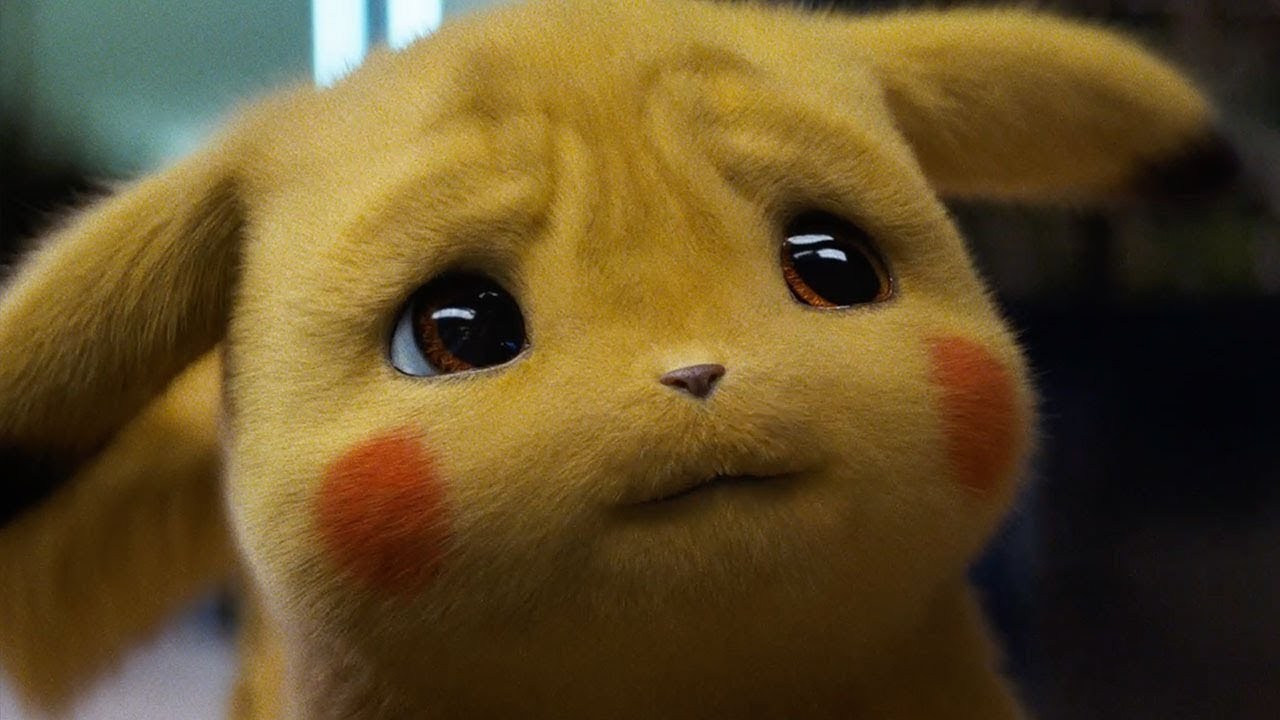
Yet another trailer has appeared for the upcoming Pokémon Detective Pikachu movie, once again showing off some of the scenes we can expect to see. This time, though, there’s a focus on showing off the world – and what a wonderful world it is.
We see Charmander running through a forest, Bulbasaur and Morelull chilling near the water, a Braviary flying above the city and a family of Pancham and Pangoro playing around on a bench right alongside the people. We know this world isn’t a real place, but why? Why can’t it be real? Please?
This video is the latest in a plentiful series of trailers and clips we’ve seen so far:
The film releases worldwide on 10th May, so you don’t have long to wait if you’re desperate to watch it.
Make sure to let us know your thoughts on the new trailer – and whether or not you’ll be going to see the film, in the comments below.
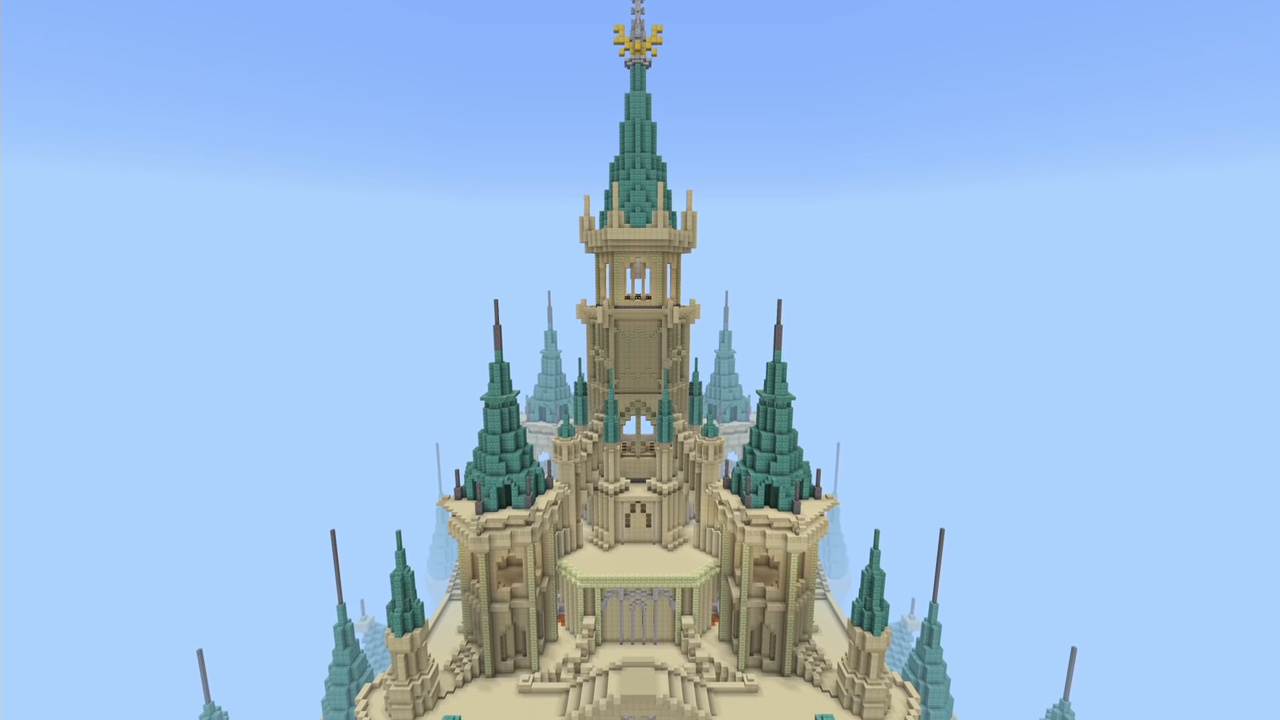
It’s not often we would go out of our way to showcase all of the stunning custom-made worlds in Minecraft, but this particular project has been officially acknowledged by Nintendo’s Japanese website and social media accounts.
As you can see in the image above and the video below, it’s Hyrule Castle from The Legend of Zelda: Breath of the Wild restored in the insanely popular crafting and survival game. When Link wakes up in the Breath of the Wild, the castle has already been partially destroyed by Calamity Ganon.
A total of 13 people at Team Kyo – members of the Minecraft Partner Program group – spent two months creating the earlier version of the castle, based on promotional screenshots. The interior is just as stunning as the exterior, with grand arches and even a multi-floor library. See for yourself below:
Have you ever created a mega-construction in Minecraft based on a video game? Are you impressed by this one? Let us know.
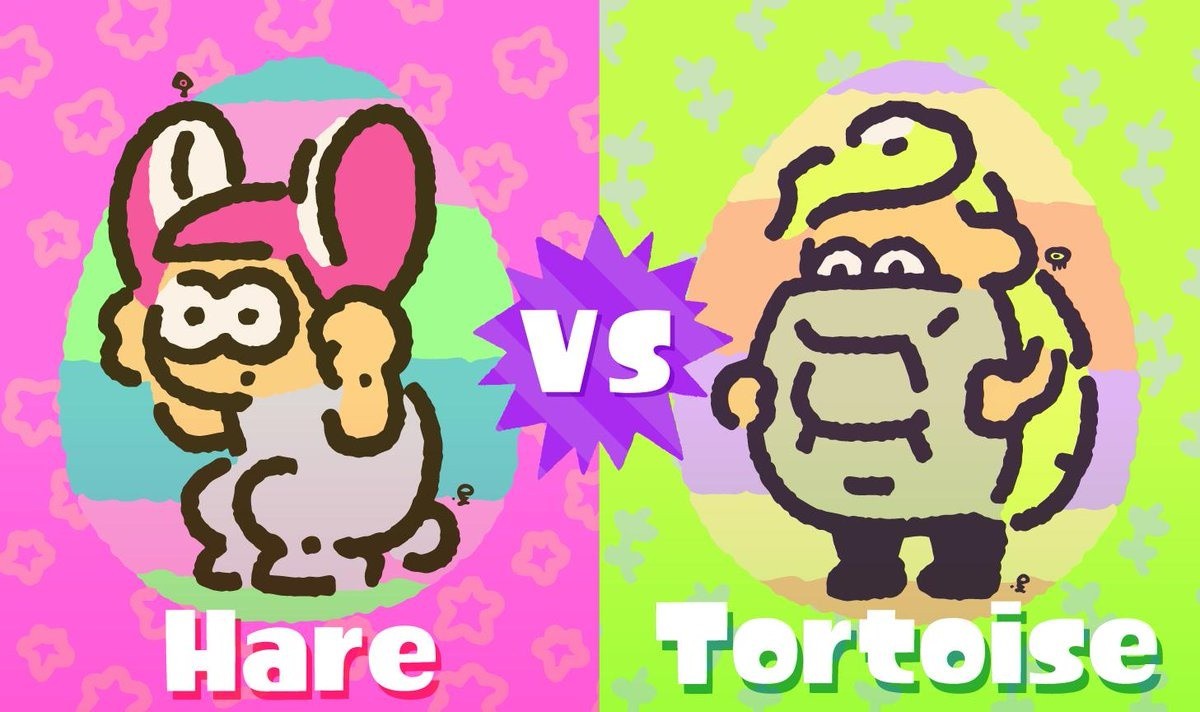
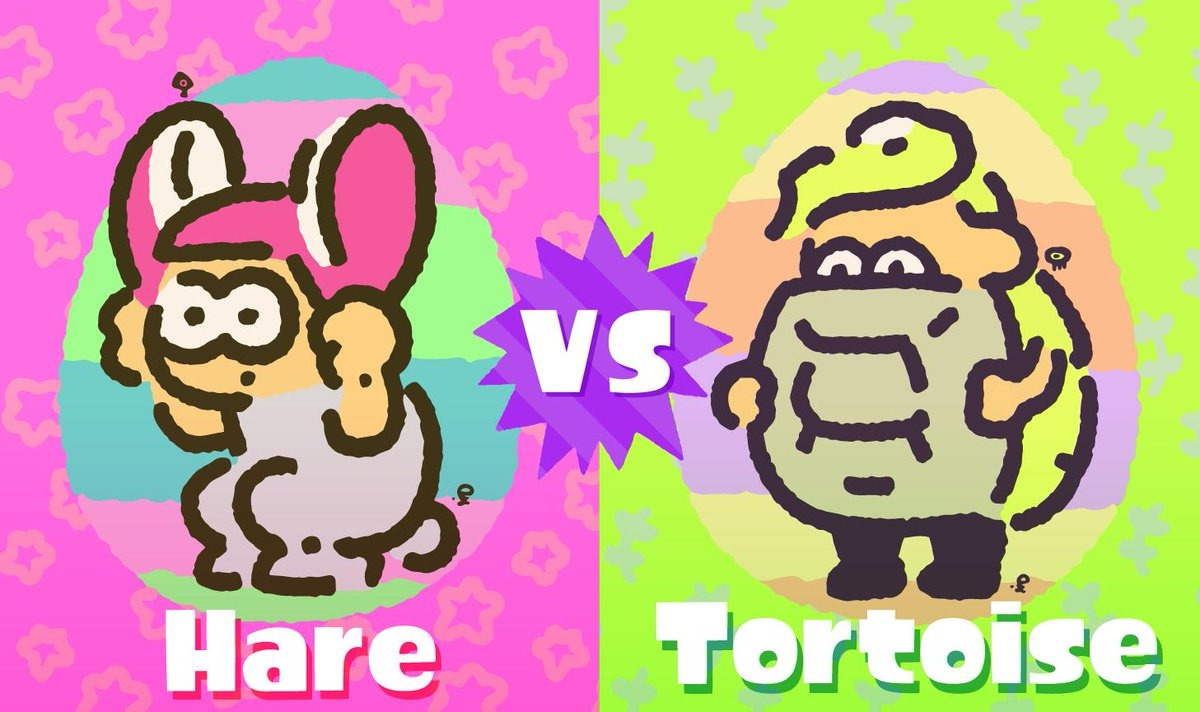
Last weekend, Team Hare took on Team Tortoise in the Splatoon 2 SpringFest. The votes have now been tallied up:
The #Splatoon2 #SpringFest numbers are in, and #TeamHare rewrites the story with a 2-1 win! Thanks to all the rabbits and turtles that joined in this #Splatfest, and be sure to grab your Super Sea Snails in Inkopolis Square!
Did you participate in the SpringFest? Were you on the winning side? Let us know in the comments.
In the lead-up to the release of Mortal Kombat 11, NetherRealm Studios has been sharing reveal trailers for each of the fighters on a regular basis.
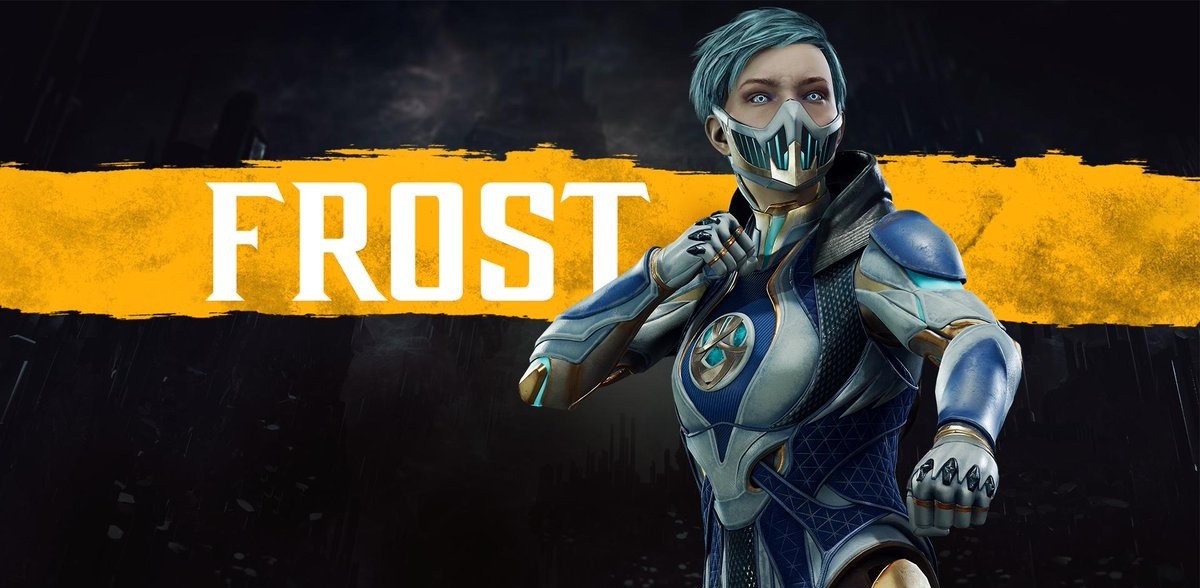
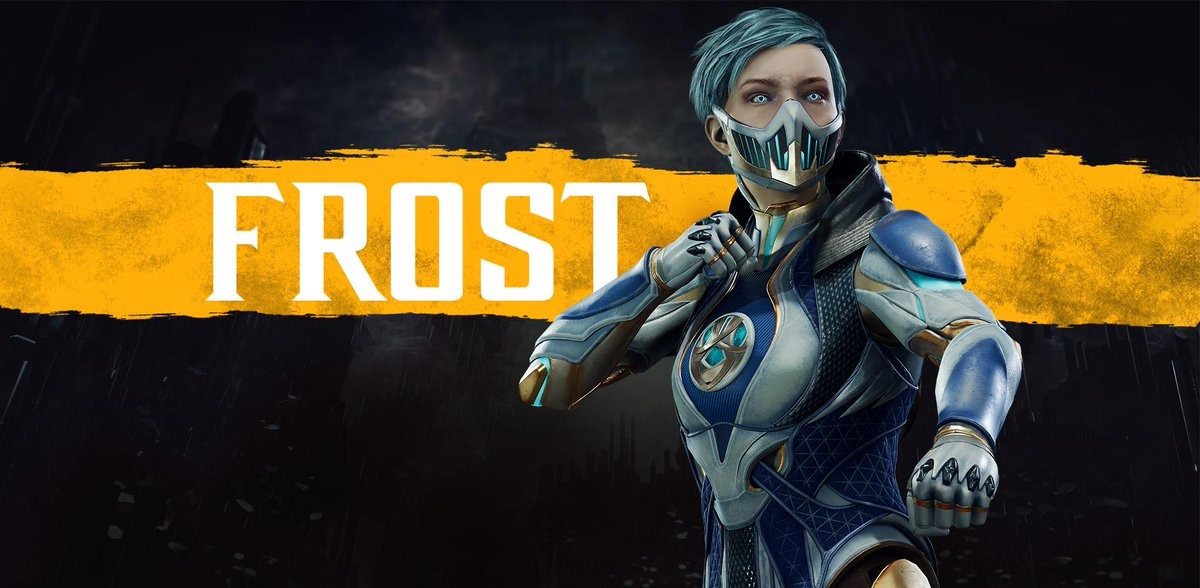
In the latest Kombat Kast live stream, the team showed off Frost – the final launch game character. Frost was introduced to the series in Mortal Kombat: Deadly Alliance as Sub-Zero’s apprentice and since then has turned into an evil cyborg.
Can you feel the chill in the air? Frost makes her long-awaited return to kombat in #MK11
While we’re at it, here’s the Kombat Kast:
So, after about four months of character reveals, we now know the entire base game roster. Of course, more fighters will be added as paid DLC over time. The first of the six is the master sorcerer, Shang Tsung. For more information about the Kombat Pack, click here.
Mortal Kombat 11 is now available in North America and arrives in Europe this May.
Have you tried out the game on the Switch yet? Tell us down in the comments.
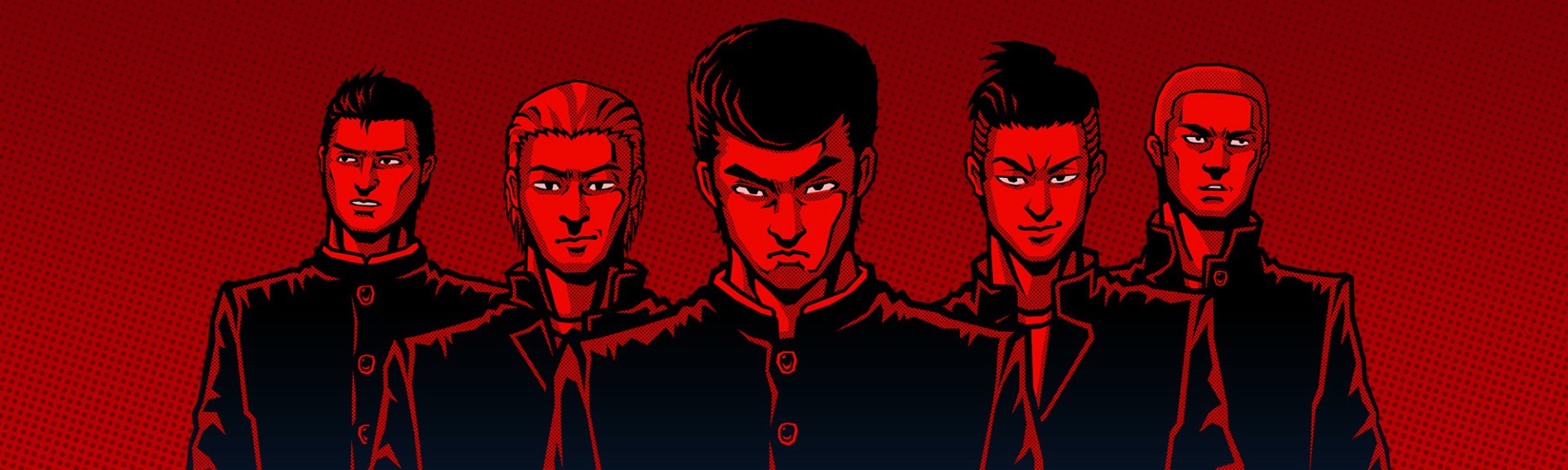
The friends of Ringo Ishikawa has plenty of beat-’em-up DNA in its makeup. You’ll often get into scraps while roaming the streets of its Japan-inspired setting. You’ll throw rival gang members over you shoulder, deliver roundhouse kicks to the face and land jab after bloody jab. But those little skirmishes are only one small part of its whole, a rich tapestry of ideas that isn’t content to simply be one thing or another.
In fact, ‘TfoRI’ has more in common with Street Gangs (or River City Ransom as its known outside of the EU) than Streets of Rage. If anything, it’s a simulator for the rigmarole, angst and perennial boredom of your teenage years. Sure, there’s an RPG levelling system. There are survival game-esque metres tracking your hunger. You can even string combos together to knock back enemies when you’re being swarmed in a brawl. But it’s the way it embraces the mundane that makes this indie offering so unusual.
As a teenager whittling away the final months before high school graduation and the looming expectation of college, the titular Ringo finds himself battling a perpetual sense of boredom. There are classes to go to at high school – where you’ll increase your XP in return for attendance – but you can just as easily play truant and hang out with your friends instead. It’s a game purposefully designed to shed the normal questlines of an RPG, instead it’s a snapshot of a young man’s life where there’s very little guidance of what to do next.
Your hometown is full of things to do, and which ones you try first are entirely up to you. You and your gang might wander the streets looking for trouble, holding ‘R’ to enter ‘Delinquent mode’ so you slow down your walk, slouching your posture, hands in pockets, eyes waiting for an invitation to throw down. You might head to the local cafe to get a bite to eat, or stroll home and fire up your games console. There are also a slew of mini-games to try out (including ping-pong and poker) around town. In the end, you might just prefer to hand out on a park bench, smoke a cigarette or two and attempt to look cool in that way very few of us every truly succeeded at during those years.
There’s a conscious decision on behalf the developer to make The friends of Ringo Ishikawa less of a traditional ‘game’ and more of a collection of activities filling the life of a certain character. There are a handful of prompts on-screen to explain the basics of combat – one button for punches, one for blocks, another for kicks and a fourth for grappling/throws – but other than that there’s very little in terms of hand-holding. What do classes actually entail, do they involve any mini-games and how do they benefit your character? You have stats, but how do you affect them and what benefit do they provide? It’s a game that purposefully does away with traditional signposting and it’s both a positive and negative.
With its fragmented story – which flits between different parts of the summer months – it makes a point of subverting the traditions of the RPG by doing away with more obvious quests templates and simply sending you off to seek conversations, with the focus more on what you do with the rest of your time making up the meat of your experience. It’s more like the Persona games or Shenmue in this regard, with the option to attend a gym to increase your stats or the chance to get a part-time job (which you can also lose, should you decide to avoid your shifts).
It’s refreshing to see a world given a little more life than simply asking you to scroll from left to right, brawling your way through enemies until an arrow flashes on screen to tell you to proceed. But that lack of direction can sometimes make understanding the minutiae of how its mechanics fit together more of a drag than it should. Once you get how The friends of Ringo Ishikawa comes together, it’s Breakfast Club-esque romanticism of delinquent youth makes for something truly engaging, but even without something as simple as a map to consult, you’ll really need to stick with it to find that connection.
Conclusion
Screenshots really don’t do The friends of Ringo Ishikawa justice. What looks like a traditional side-scrolling brawler is actually something far more intricate. It’s more of a teenage simulator than anything, and with some really well-written dialogue (filled with the kind of malaise and sense of directionless rebellion we all experienced in our formative years) there’s a really interesting story to be found. Its everyday activities will remind you more of Bully or Shenmue than Street Gangs/River City Ransom, just don’t expect to have your hand held as you head out into the world to discover them.
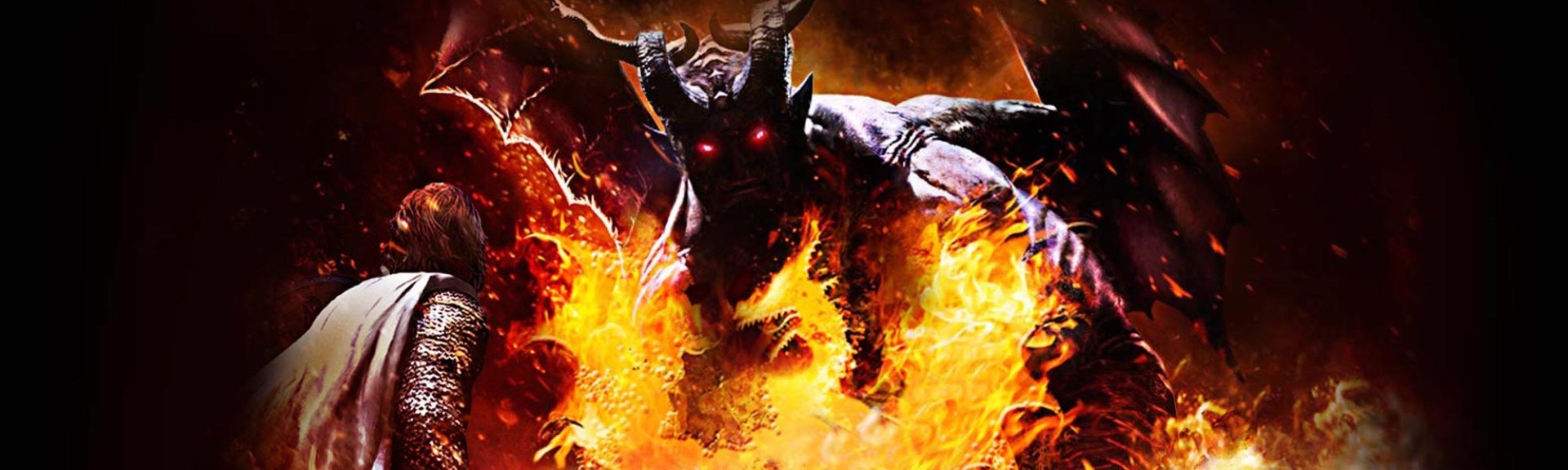
While Capcom actually has a firmer grounding the world of RPGs than we give it credit for – Breath of Fire, anyone? – the company’s name doesn’t instantly spring to mind when discussing the genre; that’s what made the release of Dragon’s Dogma in 2012 such an unusual event. Following hot on the heels of FromSoftware’s critically-acclaimed (and thematically-similar) Dark Souls, Capcom’s action role-player had the hallmark of a hastily-assembled clone, released solely to capitalise on the gaming public’s newfound interest in the fantasy genre, but in actual fact, it had been in development since 2008 and shares some similarities with studio stablemate Monster Hunter. Still, the comparisons with Dark Souls – and other action RPGs – did Dragon’s Dogma absolutely no harm whatsoever, and it quickly sold over a million copies globally; no mean feat for an entirely new IP.
Fast forward to the present day, and Nintendo players are finally getting to find out what all the fuss is about. Despite meeting with critical and commercial success at the time of release – and getting an updated release in the form of Dark Arisen – Dragon’s Dogma has never been blessed with a proper sequel, outside of the Japan-only spin-off Dragon’s Dogma Online. Capcom has instead been content to simply reheat the Dark Arisen update, which was first released in 2013 and has since seen its way onto the Xbox One and PlayStation 4. That’s the version we’re getting today on Switch, six years after the original game hit the PS3 and Xbox 360.
So yes, this is another ‘remaster’ release of an old title that Sony and Microsoft fans have played (and perhaps even replayed) years ago – but before you judge it too harshly, it’s worth noting that Dragon’s Dogma has rightfully earned its reputation as one of the finest action RPGs of recent memory, and even a straight port – which this effectively is, as the additional content is meagre at best – is cause for celebration, especially as we can now explore the rolling expanses of Gransys on the move.
You assume the role of the titular Arisen, a customisable human avatar who is plucked from obscurity following an early encounter with an apparently malevolent dragon. Accompanying you on your quest are up to three ‘Pawns’; versatile (and, with the exception of your first Pawn, whom you create from scratch) totally interchangeable warriors who lack the free will to make them truly human. While you don’t have the ability to directly control these AI companions, you can issue them basic instructions during battle, such as coming to your aid or simply urging them to fight.
The level of Pawn you can ‘hire’ is tied to your current level, so you’ll want to visit the many Riftstones dotted around the landscape to swap them out for stronger characters from time to time – or keep an eye out for wandering Pawns as you walk the roads of Gransys. You can also exchange Rift Crystals to hire Pawns that are above your current level, which is a sound tactic when you need a powerful helper for an especially tricky quest. The really cool thing about Pawns is that they are created by other players, just as you create your ‘main’ Pawn, giving the game a sense of community even though there are no traditional multiplayer options present. You can even share Pawns using your Nintendo Account without the need for a Nintendo Switch Online subscription, which is a nice touch.
The Pawn system – and the combat mechanics which tie in with it – set Dragon’s Dogma apart from other games of this type. We dare say that since its initial launch in 2012 many people will have gazed at screenshots of the game and dismissed it as another boring fantasy RPG, but that couldn’t be less true. While it has all the staples of your traditional role-playing epic – consumable items, a crafting system, experience points, upgradeable equipment (which, like other items in your inventory, adds to your overall weight, slowing you down the more you carry) and loads and loads of NPCs to chat with, many of whom sound like they’ve wandered in from a local amateur stage production of well-known Shakespearean works – Dragon’s Dogma’s combat system is a joy to behold.
Whereas titles like Skyrim boast enjoyable yet clunky combat, Dragon’s Dogma puts Capcom’s experience in the realm of action titles to good use; director Hideaki Itsuno worked on the Devil May Cry series, and it shows. At its most basic level, you have a weak and strong attack, and these can be used to create simple combos. The game does a decent job of making sure you’re locked onto the nearest enemy, and battles tend to be pretty swift affairs, making this feel more like a hack-and-slash brawler than a slow-paced RPG. However, the combat engine has surprising depth thanks to the fact that you have different abilities mapped to the L and R buttons. Hold one of these down, and the Y, X and A buttons become assigned to certain skills, such as dashing attacks, grapples and other special moves. All of these skills are linked to your current ‘Vocation’, which is Dragon’s Dogma parlance for character type, and using them consumes stamina, which takes a short time to recharge (running also eats away at your stamina gauge, and draining it down to zero leaves you breathless and exposed).
You start the game with the ‘Basic Vocations’, such as Fighter, Strider and Mage, and as you gain experience through combat you boost not only your base level (which of course means your stats increase) but also your Vocation level. Growing your Vocation level opens up more skills, which can be unlocked using Discipline Points earned in battle by speaking to certain NPCs (usually at inns or points where you can sleep and recover). Visiting the same NPCs allows you to switch out your skills and even your Vocation, and a massive part of the game’s appeal is changing to a different character type and exploring fresh battle strategies. Even when you’ve arrived at your preferred Vocation there’s ample room for experimentation and customisation as you chop-and-change your assigned moves and abilities to find the perfect balance for your own personal playstyle.
After a while, you unlock Hybrid and Advanced Vocations, such as Magik Archer, Mystik Knight, Assassin, and Sorcerer, and these not only allow you to carry over other skills you’ve unlocked elsewhere (for example, any skill tied to the use of a sword will be available from the off when you switch to another sword-based Vocation) but you also get the chance to gain more powerful skills exclusive to that Vocation, as well as access to exclusive weapons and gear. Vocations like the Assassin allow you to mix ranged bow attacks with robust blade skills, while assuming the Mystik Knight Vocation means you can support your Pawns with spells without sacrificing your melee potential. Because so many of the Vocations have abilities that apply to other character types, slowly but surely expanding your skill base – which also includes ‘Core’ skills which are activated immediately, and ‘Augments’ which bestow special talents – becomes an incredibly addictive pastime. It also means that every single enemy encounter in the game is worthwhile, as it not only gives you the chance to boost your Vocation level but also gain Discipline Points which can be used to unlock more skills, starting a whole new cycle of experimentation as you swap out existing skills for freshly-obtained ones.
Of course, even the most satisfying of combat engines will lose its appeal if you don’t have a wide and varied selection of foes to dispatch, and Dragon’ Dogma certainly does not disappoint in this regard. Sure, there are certain weaker enemies you’ll encounter regularly (the lizard-like Saurians and a host of goblins spring to mind) but occasional encounters with larger opponents – such as the Griffin, Troll, Chimera and Cyclops – give off more than a slight whiff of Monster Hunter, another of Capcom’s famous franchises. Using the ZR trigger (which also allows you to grab smaller enemies and restrain them while your Pawns finish them off) you can grapple bigger foes and climb onto them, delivering as many devastating, targeted blows as your rapidly-depleting stamina will allow.
Facing off against Dragon’s Dogma’s bigger monsters is a real thrill, especially as your Pawns begin to grow in experience and learn the correct tactics to take down certain beasts. The Cyclops, for example, is covered in tough armour which must be picked away to reveal its tender flesh, but its true weak spot is its single eye. The Crimera, on the other hand, has the head of a lion, goat and snake, each of which has its own energy bar. Silence the goat, and the monster’s ability to use magic is removed, making the confrontation easier. While these epic battles aren’t quite as nuanced as those in Monster Hunter, they’re still surprisingly deep and very enjoyable.
The thoroughly rewarding feedback loop afforded by the Vocation system would be enough to encourage hours of play, but its appeal is buttressed by the fact that the world you inhabit is so vast and rich in detail. Gransys is massive; it takes a considerable amount of time to walk from one end to the other, and while fast travel items are available, more often than not you’ll find yourself moving on foot so you can comb the forests, beaches and caves for valuable items and get into as many brawls as possible to earn more experience points. A day-and-night system is also in place, and travelling in the dark is made more difficult by the fact that your most trusted source of illumination – an oil-based lamp – needs to be constantly restocked.
Progress in Dragon’s Dogma is underpinned by an evolving story which sees you journeying to Gran Soren – Gransys’ capital city – to meet with Edmun Dragonsbane, the current ruler of the kingdom and a former Arisen himself, before striking out into the wilds in different directions from this main base. As is often the case with these games, you’ll find that things aren’t strictly as they seem, but along the way, there are a staggering number of side-quests and missions to undertake, all of which offer items, money and experience points as reward. Some even have ramifications on other quests later in the game; a character you aid early in the game may prove pivotal at a later juncture, for example.
On your initial playthrough, you will almost certainly invest tens of hours into Dragon’s Dogma; even if you decide to rush through as quickly as possible (a speedrun mode is included, in case you were wondering), you’ll still be expending many, many hours. A complete run – where you try to finish as many quests as possible – could see your time in Gransys creep over 100-hour mark, and once you’re done, there’s the NG+ mode to consider. Longevity is not an issue with Dragon’s Dogma, and let’s not forget the inclusion of Bitterblack Isle, a super-tough dungeon exclusive to the Dark Arisen update which will test even the most dedicated of players.
What could be an issue is the fact that the game does become slightly repetitive over time; while Gransys is undeniably massive, you’ll end up seeing some parts of it more often than others, purely by virtue of the fact that there are only a handful of major settlements to speak of and missions tend to be focused around these bustling bastions of humanity. Other parts of the kingdom remain criminally underused, perhaps only seen during a single quest before being forgotten. It’s a minor issue admittedly, but one that does tend to stick out after you’ve spent a large amount of time in Gransys.
Another problem is the fact that even in 2012, Dragon’s Dogma looked a little rough around the edges. While the landscape is incredible and you’ll never grow tired of the amazing sunsets and vistas which go on for miles in the distance, this visual beauty is balanced out by the fact that some environmental details pop-in awkwardly as you get close to them, and many of the game’s motor-mouthed NPCs look primitive and goofy. Like Dark Souls, Dragon’s Dogma nails the grim fantasy aesthetic the majority of the time, and we suspect the two call upon some of the same influences (Kentaro Miura’s ultra-violent medieval fantasy Berserk being one obvious example), and, like FromSoftware’s seminal series, actually ends up being a more convincing western fantasy than many games created by western developers; still, in places it does look and feel like it could do with a little more polish. And did we mention that the constant, incessant chatter of your Pawns during battle can become utterly maddening? There’s only so many times that we need to be told that “Wolves hunt in packs!” and “Fire works well!” before it sinks in.
Like the PS4 and Xbox One update of Dark Arisen, this is a largely untouched update. The visuals haven’t been polished up, so you’re getting pretty much the same experience as was available back at the time of the original launch. The Switch version runs well enough, with only a slight drop in performance when there’s a lot of on-screen activity – and this is only really noticeable when playing in handheld mode. You could argue that getting the likes of DOOM and Wolfenstein II running on Switch is a far more commendable achievement, but cramming a world as large as Gransys into a portable system feels – to this writer, at least – just as impressive; while it’s not as huge as Hyrule is in Breath of the Wild, it’s arguably richer and detailed.
2001 represented an exciting time in video games, as the industry began a shift to newer hardware and started to move past the growing pains of figuring out 3D game development in the previous generation. As the tenth mainline entry in the series, Final Fantasy X had a lot riding on it, as all waited with anticipation to see how Square would reinvent the franchise on PlayStation 2 and take advantage of the opportunities it offered. Luckily, it stuck the landing – so well, in fact, that it spawned the series’ first direct sequel in Final Fantasy X-2, which itself was a stellar (and weird) release. Now, both the games have been given the HD treatment in Final Fantasy X / X-2 HD Remaster, and the up-rezzed graphics and audio serve to highlight that these games still remain fantastic examples of how to properly execute an RPG.
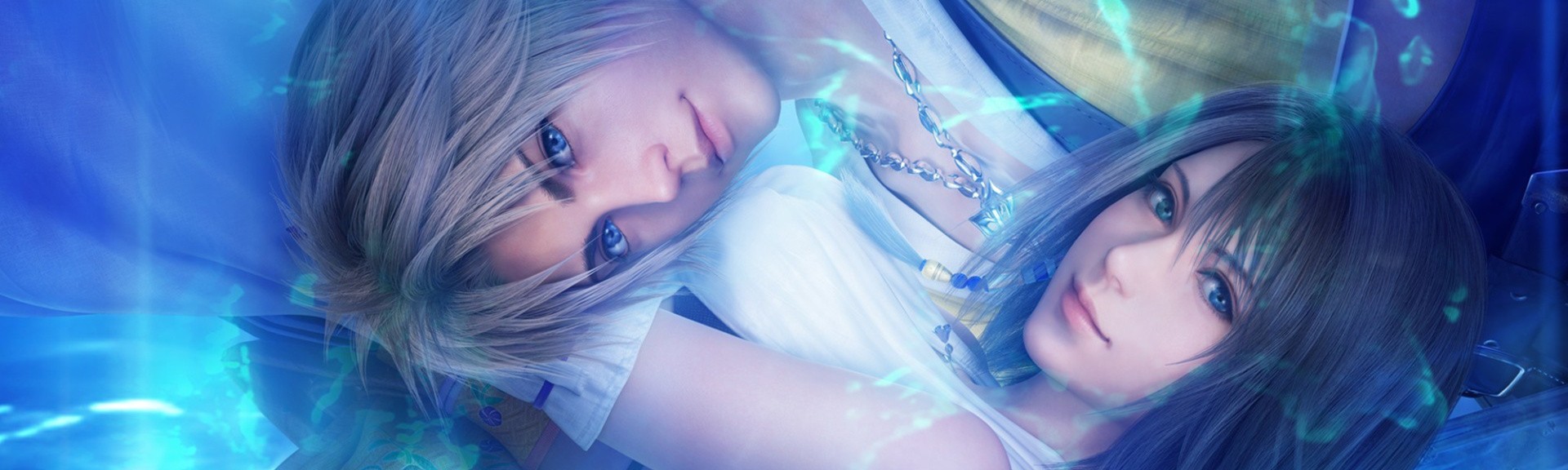
Though Final Fantasy X features what is easily the most confusing and downright weird introduction in the series, it slowly coalesces into a more cohesive and gripping narrative about a group of people embarking on a journey to save the world (at least temporarily) from the pall of a titanic, eldritch abomination called Sin. In a rather interesting twist on conventional storytelling, one could argue that the story isn’t even really about Tidus—the plucky blond protagonist who finds himself bizarrely transported 1000 years into the future—and is more centred on his love interest, Yuna, whose weighty responsibilities as Summoner serve as the reason the party goes on its journey in the first place. As the party continues their often grim journey and you learn more about each character, the nature of Sin, and the decidedly religious world of Spira, it’s rather striking how effectively Square implements worldbuilding in Final Fantasy X. Clear attention has been paid not just to fleshing out the specific cultures and clashing ideologies of Spira, but also to ensuring that this world remains richly detailed and consistent in all the small, seemingly insignificant ways; we’d argue that this is the most fully-realised world Square has dreamed up yet.
Though the pacing of the story can tend to become grating in some places—Final Fantasy X is all about slamming those five to ten minute unskippable cutscenes into every conceivable place in the plot—it’s fortunately held together by the well-written characters and generally unpredictable direction; Final Fantasy X likes to take a sharp left turn just about every time you think you know what’s going to happen next. The underlying themes prove to be extremely intriguing as well, with topics such as generational legacy and the artificiality of religion often taking the centre stage as the narrative asks questions that can easily be related to real-world problems and relationships. Bearing all this in mind, Final Fantasy X proves itself to possess a story that’s certainly worth seeing through to its conclusion, but it’s also a ‘slow burn’ akin to a long and richly rewarding novel; if you’re not the kind of person who has the time or energy to devote to immersing yourself into the struggles and cultures of a distant fantasy world, Final Fantasy X may prove to be too slow or impenetrable an experience to be worth your time.
Final Fantasy X represented a bold new step for the series to a new generation of hardware, and though much of the core experience remained the same, much of it, too, was altered or tweaked for variety, such as the new Conditional Time-Based (CTB) Battle System. Eschewing the tried and true ATB system of the previous few games, Final Fantasy X implements a more strategic and slower-paced system that favours thinking through each action and using the one that can best exploit the underlying system. CTB works much akin to a standard turn-based battle setup, but the order of the next several turns is shown to you in a small window in the corner. Depending on the action you pick, a character’s or enemy’s turn may be moved forward or back on the schedule; if you’re smart with how you plan things out, you can have multiple characters act before an enemy gets to. For example, if an enemy’s turn is coming after a character’s turn, eliminating that enemy before its turn can grant one or more of your party members an extra turn or two before the other enemy gets to act.
Things are then further mixed up by the way that party management is handled; even though you can only have three characters on the field at a time, you can cycle in any benched party member during any character’s turn and have that incoming party member act on the same turn. This party flexibility acts as a welcome and simple way of sidestepping a common problem in RPG’s in which extra party members are easily left by the wayside and become underleveled (and thus, underused) as the hours roll by. Here, the ease of tagging in party members at any time makes it hard not to use the full team, and often the enemy variety will demand that you do. For example, you may find yourself faced with an enemy whose tough outer shell must be penetrated by a certain weapon type that nobody on your on-field team has access to, or you may be accosted by an enemy which requires magic attacks to take down. There’s enough nuance to exploiting enemy weaknesses and defending against their strengths throughout your adventure to keep you constantly on your toes regarding team composition, and we appreciated this more dynamic approach to the often stagnant nature of a turn-based battle system.
Much like the new battle system, character progression has similarly been overhauled for Final Fantasy X, eschewing the traditional concept of ‘levelling up’ entirely in favour of a much more fluid progression system that clearly features traces of what Square experimented with in the previous few games in the series. Rather than your characters gaining levels and growing their stats in a linear fashion after acquiring experience in battle, every character that participates in a fight is awarded experience that grants them ‘Sphere Levels’. These can then be spent on the Sphere Grid, which is a sprawling, board game-like grid featuring a dizzying array of interconnected nodes that represent stat gains, abilities, and power ups. Each character starts at a different place on the grid, and you spend Sphere Levels to move them the equivalent number of nodes along their path. You must then spend other, consumable spheres dropped by enemies to activate these stat and ability nodes as you pass over them, but you can choose to forgo activating them if you’d rather save for something further down the line.
At first, the Sphere Grid is a linear experience in which you can only move your character down a rigid, basically straight path, but it soon becomes more interesting when you start nearing where other characters are on the grid and junction points become more common. At this stage, character paths can begin dovetailing together, and you can teach abilities or acquire stat builds that would ordinarily be the domain of another character on your team. Perhaps you feel like teaching your white mage some black magic spells. Perhaps you’d like to shore up the physical defence and health pool of your black mage. Every character can eventually traverse the entire Sphere Grid, so character progression is really an extended game of prioritising how you want your characters to participate in the broader team and specifically guiding them down that path. Some may be intimidated by the open-endedness of this system, but we found that it finds that rewarding balance between being too rigid and too open, calling to mind the Jobs system of past Final Fantasy games.
Though Final Fantasy X proves to be a distinctly linear experience in terms of its overworld progression—there’s not even an overworld map in this one—Square made sure to account for this by including a plethora of mini-games, chief among them being Blitzball. Blitzball could be most closely described as a completely underwater variant of water polo, in which two teams of six battle to score as many goals as possible over the course of two five-minute halves. It’s rather impressive how much Square invested into this, as recruiting new team members and leveling up their various stats by playing matches is almost a separate game in and of itself, though the length and repetition of Blitzball matches tends to become tiresome with time. Still, Blitzball proves to be a worthwhile distraction that has some strong ties to the main questline, and we appreciate how the developers made it something that can both be almost completely ignored and something that can actively support your main party’s effectiveness if you choose to pursue it fully.
Final Fantasy X easily stands as a classic then, and justifies picking up this remaster on its own, but what of Final Fantasy X-2? The first direct sequel in Final Fantasy history set an interesting precedent in how it’s truly the other side of the coin, offering a quality, but wildly different experience to that of Final Fantasy X. It’s easy to see why Final Fantasy X-2 was so polarising upon its release and why fans even today still hotly debate its merit, but we find that when one focuses on what it is—rather than what it isn’t—this is in many ways an experience that surpasses its predecessor.
To get one thing out of the way immediately, the jarring emotional whiplash one gets going from Final Fantasy X to Final Fantasy X-2 rivals the experience of listening to the Beatles’ White Album and going from ‘Blackbird’ to ‘Piggies’; it isn’t just simply moving the needle, it completely shatters the gauge. Final Fantasy X-2 picks up two years after the end of Final Fantasy X—in which the heroes (spoiler!) overcome Sin, but at great cost—and follows the adventures of Yuna in the new golden age that Sin’s destruction has brought. However, instead of being a rather grounded, sombre, and emotional tale of friendship and sacrifice, Final Fantasy X-2 is an irreverent, ridiculous, and flamboyant experience that’s often played for laughs and fanservice.
Yuna now travels the world with her friends Rikku and Paine as part of a girl gang called the Gullwings, flying all over Spira in their motorcycle-like airship on a constant search for treasure spheres. There is underlying meaning to this, of course—Yuna is ultimately pursuing this quest in search of a mysterious figure that might or might not be Tidus—but much of the narrative is following the misadventures of this ragtag band as they hunt for spheres, frequently encounter larger than life characters on their travels, and get caught up in the political battles between factions that vie for control of Spira. Viewing it as a follow up to Final Fantasy X, it’s a bit difficult to not be off-put by the over the top weirdness and high-energy ‘girl power’ stylistic changes to Final Fantasy X-2; Yuna herself is barely the same character from before, and all the new characters only further serve to take things into wacky and strange territory. However, when viewed on its own merits, Final Fantasy X-2’s story proves to be a raucously enjoyable experience, cashing out the heavy themes and plodding pace of Final Fantasy X in exchange for a fun-filled sugar rush of a story that rarely fails to intrigue, even if it comes off as being a bit shallow. True, Final Fantasy X-2 is a direct sequel, but this isn’t so much an extension of its predecessor as it is a standalone experience that’s nonetheless informed by what came before.
One of the biggest shifts made here is the change from linear storytelling to a more non-linear, mission-based structure. Within minutes of booting up Final Fantasy X-2 for the first time, you’re shown a map screen that functionally allows you to visit every locale the game has to offer, with each offering up its own secrets, questlines, and treasures. Areas that will further the main storyline are conveniently pointed out to the player, but you can pick and choose where you’d like to go at your leisure, and you’re wise to diverge from the main path regularly in search of better gear and some excellent side-content. Echoing the golden age that now defines a post-Sin Spira, Final Fantasy X-2 is all about freedom and this mission-based structure helps to contribute to that theme.
Continuing the trend of taking Final Fantasy X and just making it faster and more fun, Final Fantasy X-2 replaces the CTB system in favour of a revamped version of a (debatably) new system that really puts the capital ‘A’ in Active Time Battle. Each character and enemy now has a gauge that fills up, allowing them to move for their ‘turn’ once full, but Final Fantasy X-2 takes this system a step further than past games by allowing different characters’ actions to be executed simultaneously, resulting in much more chaotic combat encounters that are much closer to live-action battles than they are turn-based. For example, if you use a quickly activated attack as an enemy is in the wind-up animation for an attack of their own, you can stunlock the enemy and delay their attack by a few precious seconds, perhaps buying enough time for another party member or two to pull off their attack. That door swings both ways however, and given that every action has a casting time between you selecting it and the character actually doing it, it’s easy to be caught with your pants down and have several actions of your own delayed. This heavier focus on timing is then further exacerbated by the new combo system, in which any attacks that land within a second or two of each other will feed into a combo multiplier; each new attack in the multiplier will do notably more damage, so it’s important to keep in mind how certain attacks and strategies can be synergised to get the most out of every action.
As if this system wasn’t wild enough, Final Fantasy X-2 also features the return of the classic Jobs system of character classing, but here it’s used in a much more flexible manner. Jobs—called Dresspheres here—can be swapped on the fly with a few selections in the battle menu, functionally allowing each member of your team to be a full party in themselves. Naturally, each character has their own strengths and weakness, and it’s good to focus them on a related handful of classes that they can really excel at, but having each character be so ‘fluid’ in this manner injects a lot more energy into each battle. It’s essentially impossible for there to be any holes in your team lineup, and having the ability to do things like shifting your black mage to white mage to drop some heals before going back on offence, all at the drop of a hat, is revolutionary in certain ways. Each character’s mastery of a given Dressphere levels independently as you use it more with them, gaining access to new abilities and spells over time, and we thought it was a nice touch how you’re able to pick exactly which new skills or abilities each character can learn next for their class by just selecting it from the pause menu, giving you full control over how the character can grow into that role.
Of course, Square didn’t want to make this class-shifting system too broken, so you can only have as many classes as your Garment Grid allows. Garment Grids are picked up throughout the game as quest rewards and treasures, and each one presents you with a differently interconnected matrix of nodes in which you can place several of your Dresspheres. Seeing as how you can only move one node at a time per dress change, it’s important to focus on how you group the abilities, and most of the grids offer up certain minor stat bonuses for crossing between specific nodes in a battle. This Garment Grid system is a welcome aspect of the character progression not just because it puts some limits on how flexible each character can be in battle, but also because it allows you to further differentiate and specialise your party members by outfitting them each with a grid that fits the role you want them to take.
Given that this is the HD Remaster of the Final Fantasy X games, Square opted to throw in all the extra content from the ‘International’ version of the game, as if the 120+ hours on offer between the vanilla versions wasn’t staggering enough. In Final Fantasy X, this extra content takes the shape of an expanded Sphere Grid, along with a slew of endgame super-bosses that assuredly bring the pain to anyone that doesn’t essentially max out their team’s stats. In Final Fantasy X-2, this extra content takes the shape of the ‘Creature Creator’ system, which allows you to catch and train over 150 enemy types and use them in battle as party members, a few extra dresspheres and Garment Grids, and a couple super-bosses. Also, separate from, but narratively connected to Final Fantasy X-2 is the ‘Last Mission’ mode, which essentially acts as a Mystery Dungeon clone that sees you taking control of one of the three main girls at a time and battling through floor after floor of a mysterious tower. Perhaps unsurprisingly, Chocobo’s Mystery Dungeon: Every Buddy! proves to be the stronger interpretation—Last Mission really feels like an afterthought—but it’s nonetheless more value added to this already full-to-bursting package. Though the speed and battle boosters from the PC version of this remaster notably haven’t been included here—no instant max stat characters or 8x speed for you—we found that their absence wasn’t too glaring; unlike the PS1 releases, both these games have held up well enough that you don’t much feel the need to actively ‘cheat’ to circumvent the more antiquated or frustrating parts.
From a presentation perspective, both Final Fantasy X and X-2 prove to hold up reasonably well from their humble PlayStation 2 origins, aided in no small way by the redone character models and high-res textures that Square added. Whether playing on the go or on the TV, both of these games look great in motion with the endlessly creative and colourful art direction that really solidifies the ‘tech and magic’ style that the Final Fantasy series is now known for, while also fusing the world design with an interesting South East Asian look that isn’t often explored in games. We found ourselves snapping plenty of pictures across both adventures, whether of rickety village boardwalks by the ocean at sunset or blue-tinged forests pulsing with crystals and magical energy. Both of these games are a high-fantasy visual treat, and we really appreciated how the developers pulled out all the stops and let their imaginations run wild in dreaming up these locales. Now, with all that being said, it’s obvious in many places that these games originated on the PS2, as occasionally derpy faces and jagged geometry give away the nearly twenty years its been since these games first launched. We found the new texture work and character models masks the age well, but there’s also no mistaking these games for a current-gen releases.
We’d be remiss not to mention the incredible remastered music featuring here, too, with the two games together offering up a diverse auditory journey that’s in some ways as jarring as the stylistic shift from X to X-2. While Final Fantasy X—primarily arranged by longtime series composer Nobu Uematsu—features all the dramatic piano tracks, horn-focused battle themes, and sweeping, cinematic anthems for the wide shots, Final Fantasy X-2—arranged this time by Noriko Matsueda—takes things in a jazzier, Bayonetta-esque direction that mixes in elements of J-pop to boot. The tonal shift is certainly weird if you happen to jump between the two games frequently (not recommended, play them in order as the Lord intended), but it’s hard to argue that each soundtrack isn’t well-suited to the overall themes and direction of their respective games. Either way, it’s difficult to be disappointed by what’s on offer here, and we’d say that at least Final Fantasy X’s soundtrack deserves to be in the running for best in the series.
The Nintendo Game Boy turns 30 this Sunday, and to celebrate this amazing occasion we’ll be running a series of related features this week, right up to the big day.
The Game Boy may be 30 years old this week, but that doesn’t mean the system is dead and gone from a retail perspective; over the past few years we’ve seen an explosion of interest in Gunpei Yokoi’s masterpiece, with people buying up old units and modding them to make them even better than before. Out of this community, we’ve also seen a number of retailers emerge, with one of the most notable – in the UK, at least – being Gameboy Shack.
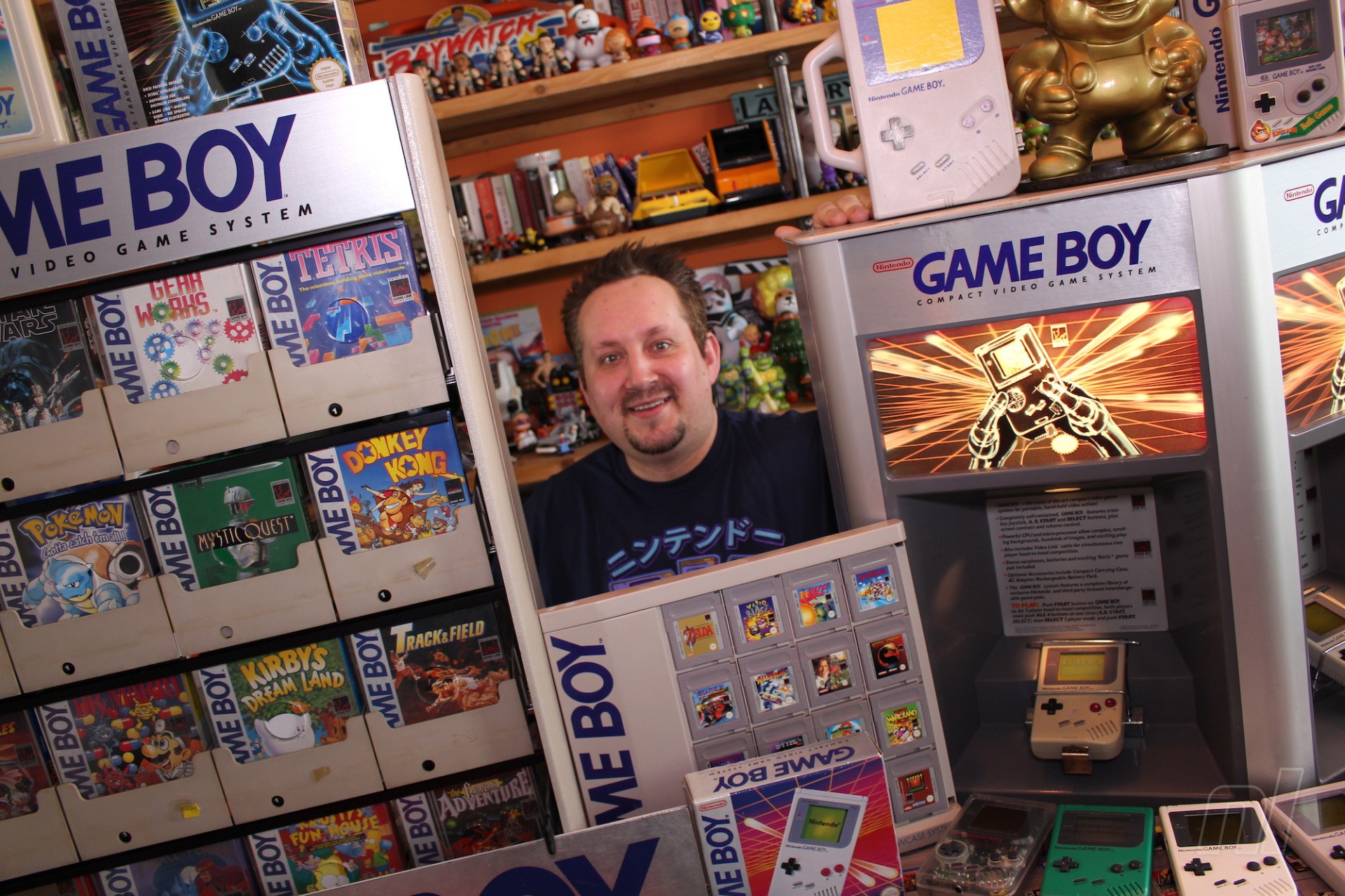
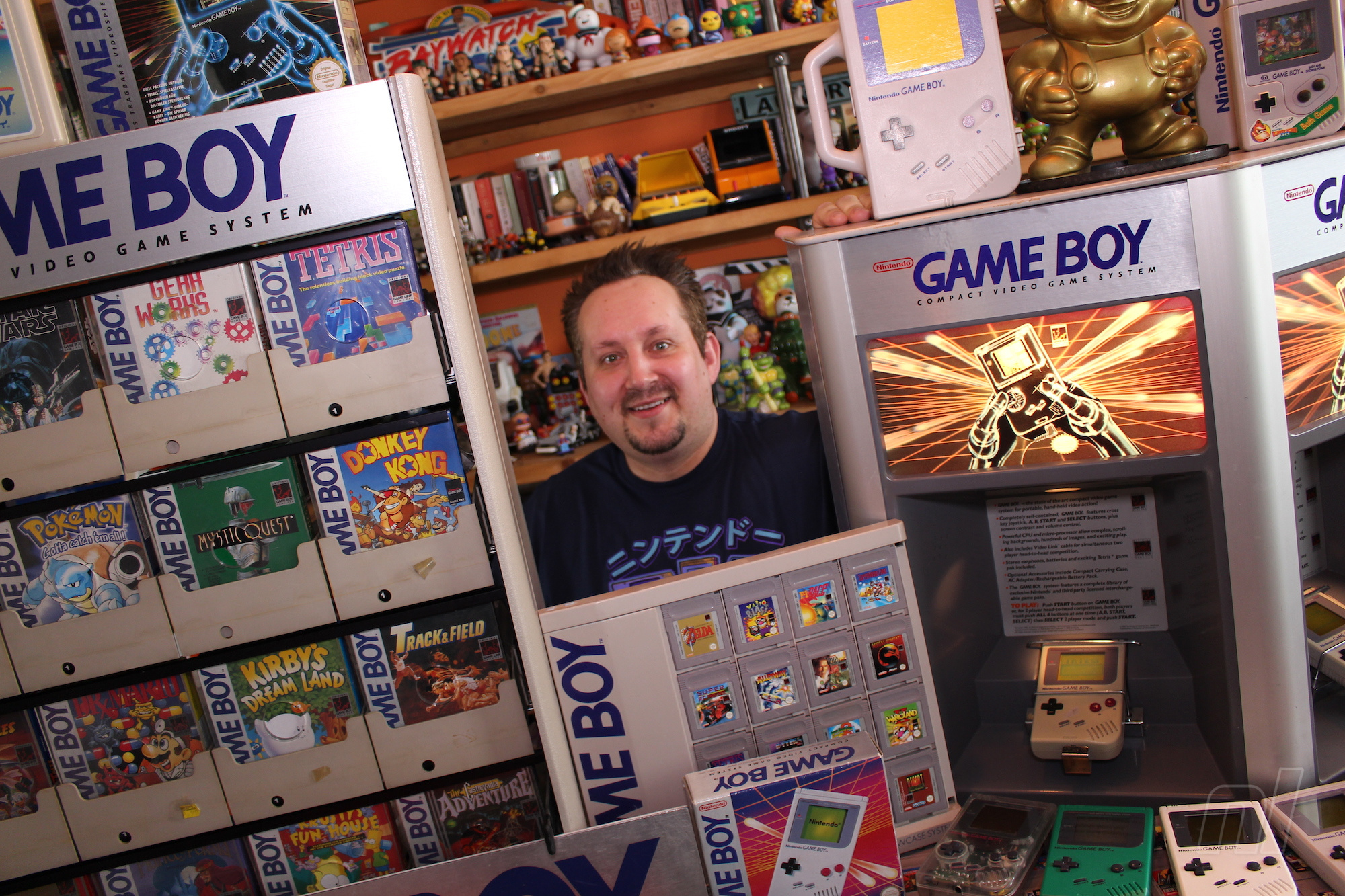
Operated by Richard Tewkesbury from his base in the UK’s heartland, Gameboy Shack is a business which focuses mainly on reconnecting players with the handheld games of their youth. If you’ve attended one of the many big shows in the UK over the past few years, then there’s a good chance you’ve spotted Richard manning his stand, which is always packed with Game Boy consoles, games and other associated merchandise.
Seeing as he’s just down the road from Nintendo Life HQ, we thought it was only right that we pay him a visit to celebrate the Game Boy’s 30th – and to buy a load of games from him, of course. Below is a transcript of the waffle we had. Enjoy.
What was your first exposure to the Game Boy?
Probably back when it first came out, around 1989. We used to go to Leicester on the bus, me and my friend, every Saturday. We’d go to Dixons [defunct UK high street electronics retailer], and basically play the Nintendo display stand, as well as the Atari Lynx, pretty much until the guy in Dixons kicked us out. Back then, we didn’t have any money, so it was the only way we could play the Game Boy. I must have been about 12 or so years old. My parents wouldn’t buy me a Game Boy, so I had to wash pots and hustle to make that money to buy one. I got really good at washing pots.
What do you think made the Game Boy the market leader, despite the fact that there were more technically advanced machines, like the Lynx?
There were more games out there, which played a big part. It was the most popular system by far when we were at school. Battery power came into as well I think. I was whipping through batteries left, right and centre, so you probably needed £5 or £10 worth of batteries a week – if you’re rocking out an Atari Lynx, you’d need even more! There was only one kid at school who had a Lynx, and only a couple that had the Sega Game Gear. Everyone mainly had Game Boy; so there was the obvious desire to be part of that club so you could share games.
How did you become involved in modding and selling Game Boys?
I started selling at conventions, and I was already doing video games across the board, and my friend Gavin and I basically traded together. The smallest thing I could get in the car was Game Boy, and it pretty much grew from there. It was purely logistics. “I can get 100 games in the car and it only takes up 12 inches of space”, that kind of thing. I only had a car at the time, so we couldn’t get a lot in, full stop. We basically had to get two stores into one vehicle! It’s just grown and grown and grown. There are lots of other video game traders at events, but I’m the only one that does the full range of Game Boys, I suppose.
How have you seen that market grow?
There is a lot of interest in it. There’s a lot of interest from sellers as well, so now the market is getting saturated, I’m afraid to say – which makes it harder for everyone. When I first started out, there were only a couple of games sellers and that was it. And now, you can go to a show and there’s 15 or 20… and now every time we go, there’s another one, and another one, and another one. It’s just part and parcel. The market is growing, there’s room in there for everyone. Personally, I’ve put a lot of effort into making what I do as good as I can possibly do it, and basically giving it that ‘wow factor’. Every console that I sell is refurbished. It’s all taken apart, cleaned up, put back together again. I get them fully working and I usually refresh them; everything’s refreshed when it goes out, so I try and aim for a very good standard of product.
Do you think the market has reached its biggest point? Is there a danger it could shrink?
Sometimes you go to an event, and it all depends on what the event is. There’ll be good ones, and there’ll be very bad ones, and there are new customers at all of them. A lot of people are just those spontaneous people; they want a Game Boy with Tetris, Super Mario, and so on – what they remember from their childhood. Just a quick hit. They’ve got no interest in collecting whatsoever. They just want two to three games, and off they go, and that’s cool. I think there’s plenty of room left in the market yet, when you combine that sector with the serious collectors.
I think there’s plenty of room left in the market yet, when you combine that sector with the serious collectors
How many events do you tend to do a year, and how do you go about picking which ones to attend?
We’ve now gained experience of which shows work best for us. Sometimes it’s down to the preference of what you want to do, and other times its when it happens during the year, and other times it’s simply because I’ve got no money. I basically don’t do any shows between December and March, so that’s the dry spell where you’ve got basically last the winter – and by that point, when you start back, you just take anything that’s going. This weekend there’s an event I don’t want to do, but I’ve got to do it so I can then get extra money to physically get me to the event the weekend after that. Because I have to put so much money into buying stock and getting everything else ready for the event, it’s really a big balancing act; it’s quite horrible at certain points of the year. The two big shows that I do are at the worst point of the year, and if they don’t pay off, then I’m completely screwed really!
Which are the next events that you’ve got coming up?
We’ll be doing Insomnia next weekend. Then we’re doing MCN London. I’ll also be doing my own show – Comic-Con Leicester. I’ll be doing Hyper Japan, London and Film Comic-Con. They’re some of the bigger ones. You try and stick to the larger ones, because there’s more footfall there and you know what’s going on, although I did a random one for a friend in a shopping centre in Hull recently, and that really worked because it was instant footfall – there were people there all day long. But you have good shows, and you have bad shows, and no show is ever guaranteed. Personally, I never take anything for granted. Don’t go in thinking you’re going to make £5000 in a weekend, because you’re not.
Is the mentality just to break even and then see what you can do from there?
Always try and be in the green and cover all your costs. I want to go to an event and enjoy myself – that’s always the main thing. I don’t want to sit there bored out of my mind. I want to be active, interact with some nice people and sell some good stuff. I want people to enjoy what they’re buying, go away with something they’re going to enjoy, and make some money on the side. I have to put hours and hours and hours into getting things ready. That’s the problem. Especially when it’s weekend to weekend, where I’ve only got a couple of days in-between to basically reload again. Over the summer, when there are a lot of shows, that’s when it can get really stressful, and I end up doing 15 to 18 hours a day just to try and get ready for the next show. And then at night time, in-between shows, in the hotel room I’m building Game Boys to sell the next morning. That’s when it really gets bad!
How easy is it to source the stuff that you sell?
I could spend money all day long. I look back at some of the videos when I first started, and I’ve got some pictures of my first stall that I did, and I was selling Game Boys at £10 – now I sell them at £45, and that’s only a few years down the road. That’s where the market’s changed; everything is so expensive now and it keeps on creeping up. Sometimes, I buy multiple copies of game if the price is right, so I can sit on it and find that in a year or two down the line, it’s gone up in value. I spend way too much money on stock, that’s my problem. I always try and keep everything fully-loaded. I can’t stand if the shop is not rammed to the nines; everything needs to be topped up. All the consoles, all the shelves need to full all the time, and if they’re not, I just can’t stand it. If people are like, “Oh, you’ve not got that game”, I’ll go home and I’ll find it, then I’ll get it, and it will be on the shelf next time around.
Do you use network of collectors to source things?
I have pickers that basically pick for me. I use a lot of Facebook and gaming pages. Sometimes, there’s the occasional deal that comes up on eBay. People just come to me with stuff that they want to sell. And then sometimes I just need to get off my arse and go through storage units and actually sort through the stuff I’ve actually got and sell that rather than buy new stuff. It constantly keeps coming in. But it’s a borderline addiction, that’s the problem. My accountant is like, “Stop spending money!”
Which part of it do you love the most?
I do like talking to people. As I said, it all depends on the events. Certain events, the people can be toxic, I will be honest, and at the end of a long day, you just need to have an hour in a quiet room. But connecting with enthusiastic players is a bit part of the appeal.
Sometimes I hate selling – I’ve literally been at the point of handing over the game and I’m thinking “I really don’t want to sell this”, because I really don’t want to let it go
Do you still collect for yourself?
No, my collection now is 90 percent is the stock that I have. I kind of use that as my collection. I have some personal things, don’t get me wrong; I have a Game Boy bubble bath collection, so that’s niche and that’s my thing. I’ve got 26 different bubble bath bottles! But I use my stall as my collection. Sometimes I hate selling – I’ve literally been at the point of handing over the game and I’m thinking “I really don’t want to sell this” because I really don’t want to let it go. And that’s partly because I know I’ll never get another one. It’s wicked when you do find that thing that you never find again, and you do find it. There have been lots of times where I’ve let something go and I was like, “I should never have sold that”. Sometimes, you’ve got to think, “You’ve got bills to pay, you’ve got this that and the other, you’ve got a life, you just need to let it go. You’ve got plenty of other stuff. Ten minutes later you won’t even notice it’s gone”.
You offer a tactile, tangible shopping experience that you don’t really get any more; do you get a buzz out of that?
I like Game Boy collectors that go in and they know what they want, and they get in there. And they come out with a stack of random games and it’s not just Zelda, Pokémon and Tetris. I have said that one day that’s all my stall is going to be. I’ll have nothing on the table apart from a stack of Tetris carts, a stack of Mario carts, a stack of Zelda carts and a stack of Pokémon carts, and that’s it! Some weekends that’s all I’ve done, and that sometimes can be a bit disheartening. I like selling other games, and there are so many good titles on the Game Boy that people just need to get over the hurdle that there are these five games that you essentially need when in fact there are hundreds of other amazing games, too.
What would you say is the most expensive game you’ve ever sold?
About £100. Things like Castlevania: Aria of Sorrow on the Game Boy Advance, for instance. I sold that recently, but I’ve got another one in now. That’s the mission. I’ve got to find another miracle game, and I managed to get one. Sometimes, it’s the finding it where there’s a little bit of meat on the bone for you as well because I can go and buy everything if I didn’t care about losing money. It’s finding it at a price point because every year the shows keep getting more expensive and all your costs keep rising and you need to put your prices up. I don’t like putting my prices up. Sometimes I’m not the cheapest person in the world, but again, everything I sell is really good quality. Boxes aren’t smashed up, it’s all good gear and the Game Boy consoles are in perfect condition. You can go and buy a rotter on eBay, take a chance on it, and it’s £10 cheaper, but at least I put the time and effort into it you can be sure you get a nice solid console.
Moving to online, what’s your current online presence, and what’s the ratio between what you do on events and what you do online?
This is my problem. Because I’m only a one-man-band, I’m really stretched with time. And now, with having a baby as well, and everything else that’s going on, my time is just gone. Having to run the Instagram account as well, the problem is, I put something cool out on Instagram, for instance, and then everyone’s instantly, “Oh, can I buy that, can I buy this, can I buy that?” And the problem is I can’t sell it because I have to have that stock to do the event. If I could sell it all on Instagram, and that would be that, but it’s having that balance, because I need the events to pull in the big money. If I go with a rubbish-looking stall because I’ve sold everything online already, then I’ll just blend in with everyone else. The time I’ve got when I’m proactive on my website is between December and February when I’m off. Did you see I did a Game Boy Mystery Box I did at Christmas? I’m going to do another one of those shortly. I could sell those all day long, but it takes me a while to get the extra goodies together to actually do them. Online is awesome when I’ve got the time to do it, but realistically for me, there’s a greater turnover at the shows than there is online.
You’re kind of going in the opposite direction to everybody else, essentially?
Yeah. I’d love to open a proper shop, full stop. If I hadn’t got a baby then I’d be owning a shop right now! I had some money put aside to open a shop this year, and then the baby happened, and then I had to buy bathrooms and house stuff instead! That’s life. I’d love to have a shop, but it scares the hell out of me, that’s the only thing – whether it’d actually work. I’ve got friends that have got shops; Lee at Sore Thumb Retro in York said it’s the best thing he’s ever done. Ever.
I fit Pokémon save batteries, but my big confession is that I’ve never actually played a Pokémon game
You say you don’t have much time now; do you actually have time to play any of the games you sell?
I probably play 20 lines of Tetris when I’m testing things out, or I’ll have a go on the first level of Super Mario Land. I fit Pokémon save batteries, but my big confession is that I’ve never actually played a Pokémon game. I’ve played the first level where you have to basically put your name in and get to the first room – let’s say I’ve played that 2,000 times, basically to test when I’ve put a new battery in. I’m the master of that bit of the game! The other day I went out of the first room, I was like, “What’s actually outside the first room? Oh, some other things.” Then I stopped!
If anyone reading this is interested in getting into the Game Boy, what’s the advice you’d give them on where to begin?
I would start at the beginning. I’d buy an original Game Boy. I think that’s a good stepping stone. I’d go stock, too, not modded – to literally ‘discover’ it. Then build it up. Work your way through each generation, and then at points get a modded one. Don’t start off with a modded console if you’re new to the Game Boy, because sometimes it ruins the experience. People sometimes come back to me, and they’re like, “I can’t even see it” and I’m like, “Well, that’s how it was designed.” Also, start off with the early games, but look into all the other great titles out there. There are plenty of other wicked games out there that people just don’t touch, and they should do. Do a little bit of research, watch some videos online, and you’ll realise there are plenty of amazing Game Boy games out there.
At the beginning of 2019, the Humble Store started to offer digital codes for select Switch and 3DS titles. In March, it followed this up by adding a bunch of third-party Switch titles from publishers such as 2K and Curve Digital. The publishing side of Humble also said it would be adding more games soon from various other prominent companies.
The latest games now available on the store are from Sega, Capcom, Team17 and Headup Games. Unfortunately, this section of the website is still restricted to users within North America. As previously noted, the Humble Team is “looking into the future possibility of bringing in more countries”.
Here’s the full list of games now available on the Humble Store (thanks, Nintendo Everything):
SEGA
Puyo Puyo Tetris SEGA Ages Alex Kidd in Miracle World SEGA Ages Gain Ground SEGA Ages Lightening Force: Quest for the Darkstar SEGA Ages Phantasy Star SEGA Ages Sonic the Hedgehog SEGA Genesis Classics Sonic Forces Sonic Mania Valkyria Chronicles Valkyria Chronicles 4
Capcom
Capcom Beat ‘Em Up Bundle Mega Man 11 Mega Man Legacy Collection Mega Man Legacy Collection 2 Mega Man X Legacy Collection Mega Man X Legacy Collection 2 Monster Hunter Generations Ultimate Okami HD Onimusha: Warlords Street Fighter 30th Anniversary Collection Ultra Street Fighter II: The Final Challengers
Team17
Mugsters Overcooked 2 Overcooked Special Edition Planet Alpha Raging Justice The Escapists 2 The Escapists: Complete Edition The Room Worms W.M.D Yoku’s Island Express Yooka-Laylee
Headup Games
Bridge Constructor Portal Earth Atlantis In Between Runbow Slime-san Super Blackjack Battle 2 Turbo Edition Super Treasure Arena The Inner World: The Last Wind Monk Tied Together Toby: The Secret Mine
Do any of these games on the Humble Store interest you? Tell us down in the comments.