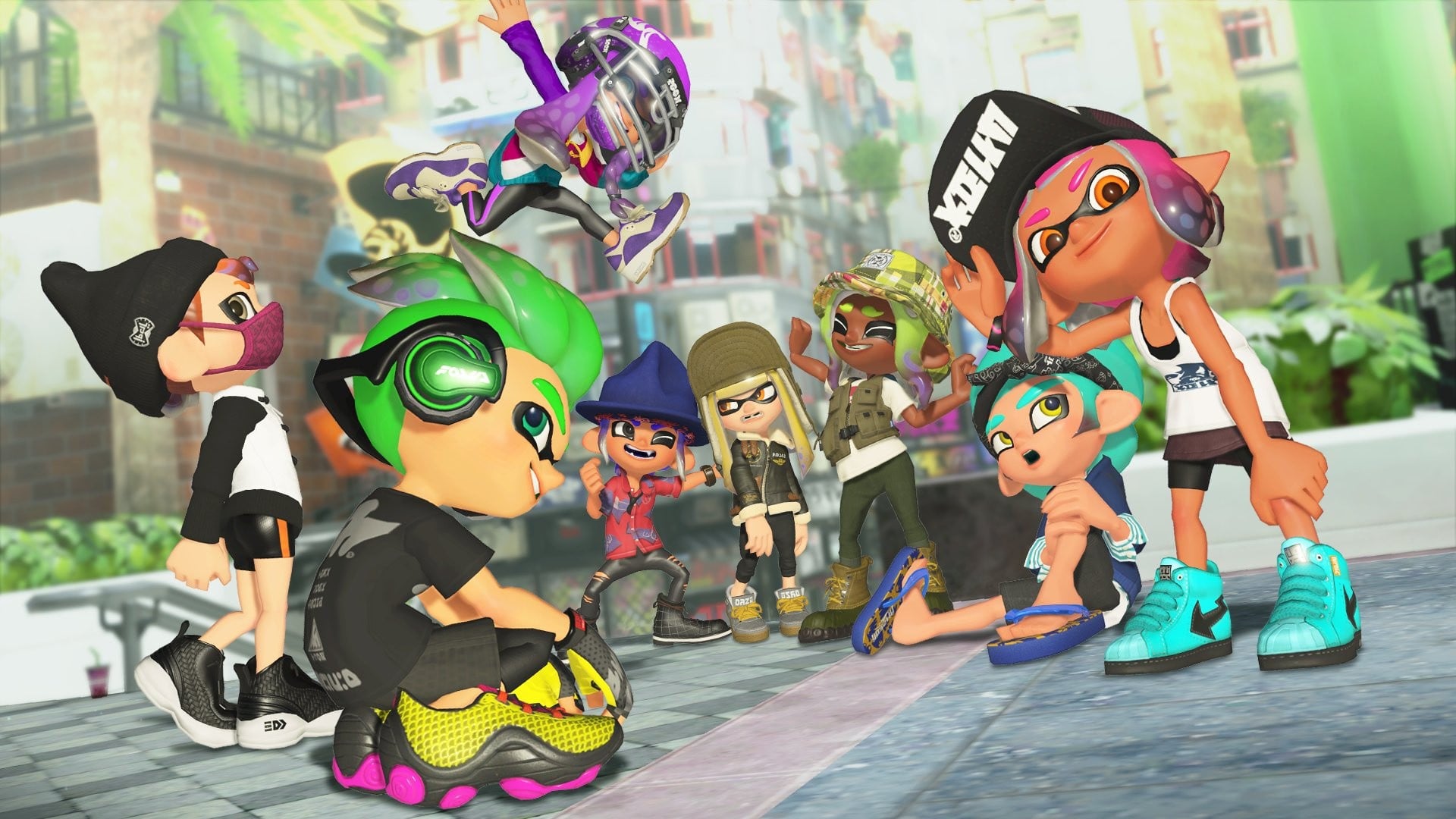
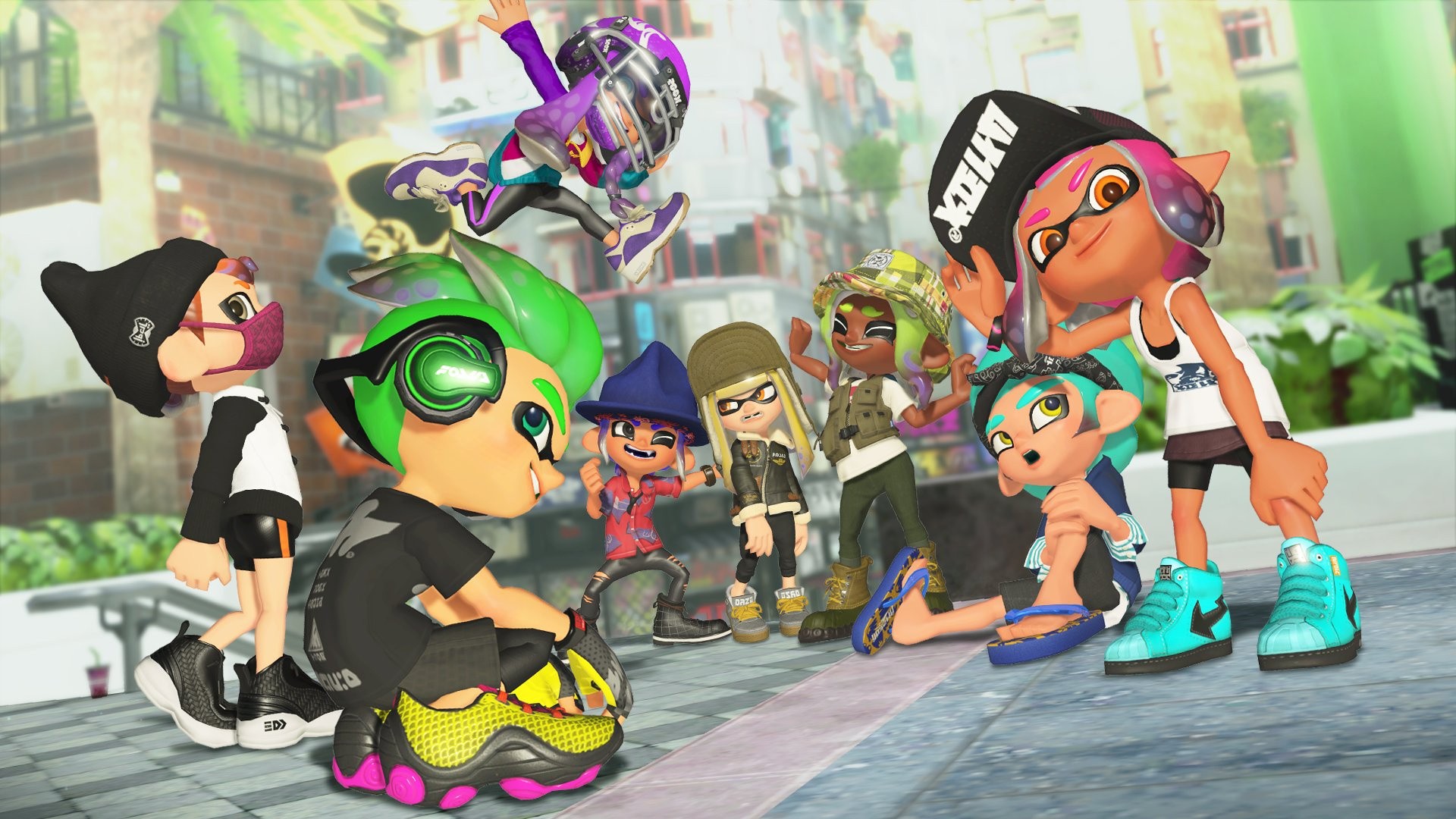
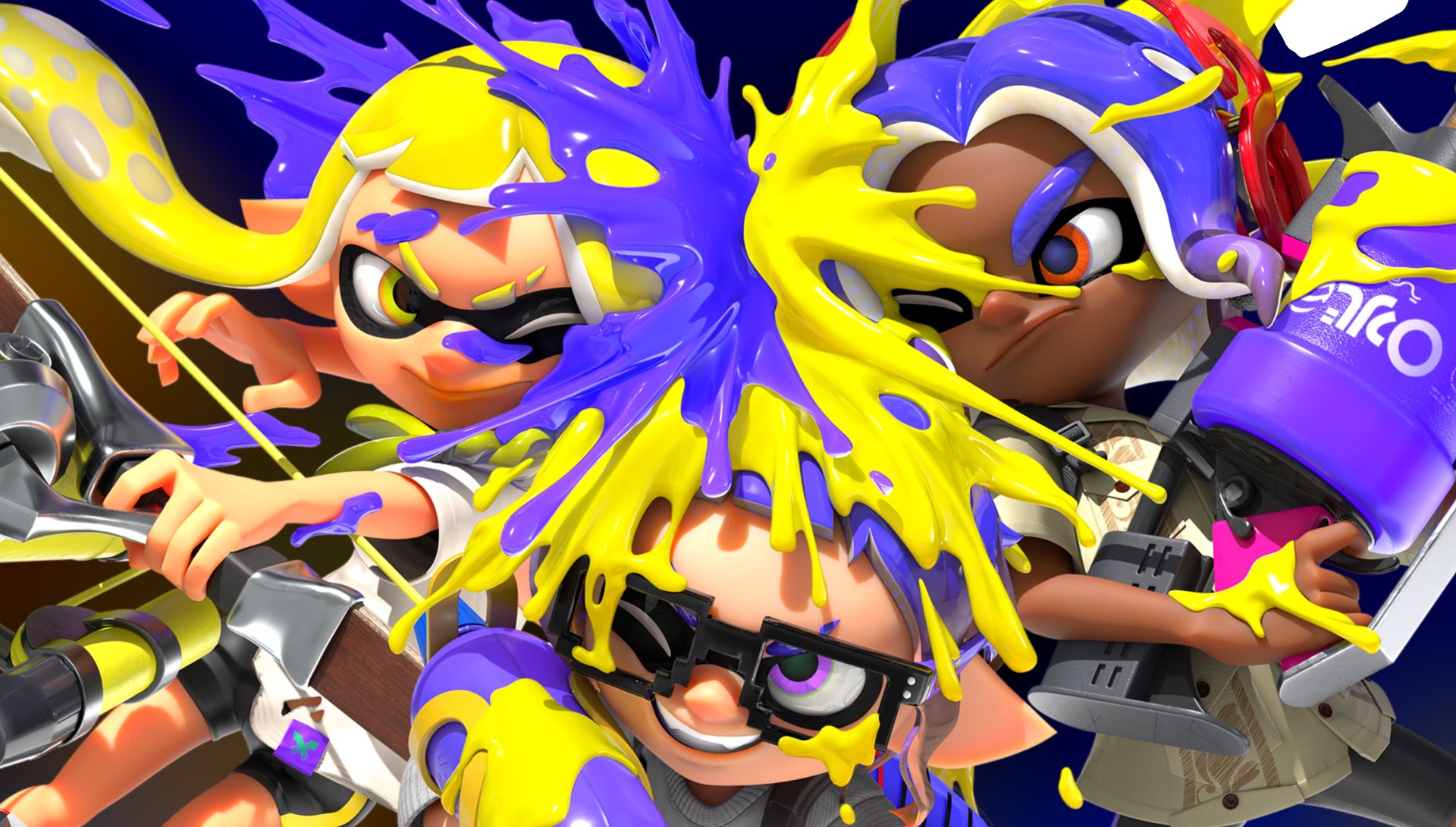
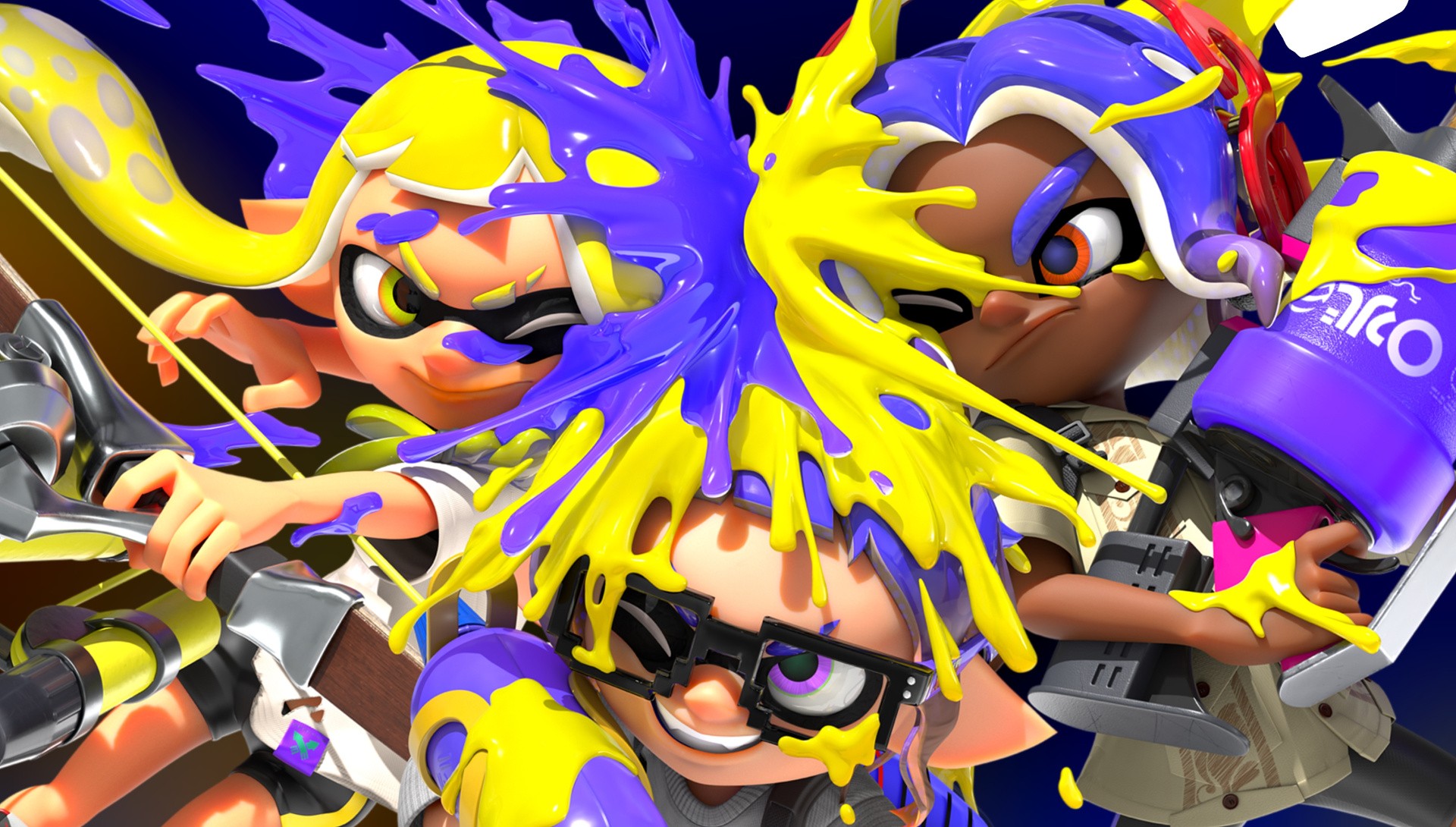
Splatoon 3 received a major update last month, adding health bars and more, and it’s now been followed up with the release of Version 11.0.1.
This latest update addresses multiple bugs, including fixes to player controls and fixes to the game’s multiplayer. Here’s the full rundown, courtesy of Nintendo’s official support page:
Splatoon 3 – Version 11.0.1 (4th February 2026)
Bug Fixes
Fixes to Player Controls
Fixed an issue where, when Blaster shots hit terrain or other objects, the explosion hit detection size for opposing players was slightly larger than intended.
Fixed an issue where, when some Blaster shots hit terrain or other objects, the controller would vibrate.
Fixed an issue where, when S-BLAST ’91 or S-BLAST ’92 shots hit terrain or other objects, the same sound effect would play as when they exploded in the air.
Fixes to Multiplayer
Fixed an issue where the ink that appears at a player’s feet when they enter or extend Flow Aura was not being displayed on other players’ screens.
Note: Compatible with Ver. 11.0.0 battle replays. Not compatible with battle replays from Ver. 10.1.0 or earlier.
You can see the full patch notes for 11.0.0 in our previous update post here on Nintendo Life. We also highlighted one of the new features in a separate story and video.
Have you downloaded this update yet? Notice anything else? Let us know in the comments.
Big changes are coming to Overwatch 2very soon, with a brand new season dropping on 10th February. But the biggest change comes in the form of a new name.
Announced today during the Overwatch 2026 spotlight, the game’s director Aaron Keller announced that Overwatch 2 is ditching the number, meaning it’ll simply be known as Overwatch now.
But the 2 is still important, because Blizzard’s hero shooter is in fact coming to Switch 2 later this year. We don’t have a date just yet — Eurogamer has reportedly been told around mid-April — but the Switch 2 version will be launching alongside Season 2.
Season 1, called The Reign of Talon, was unveiled today and arrives next week, and it aims to kick of a yearlong, multi-faceted story that’ll last six seasons. Ten new heroes will be coming to the game in 2026, with five of them coming when Season 1 lands.
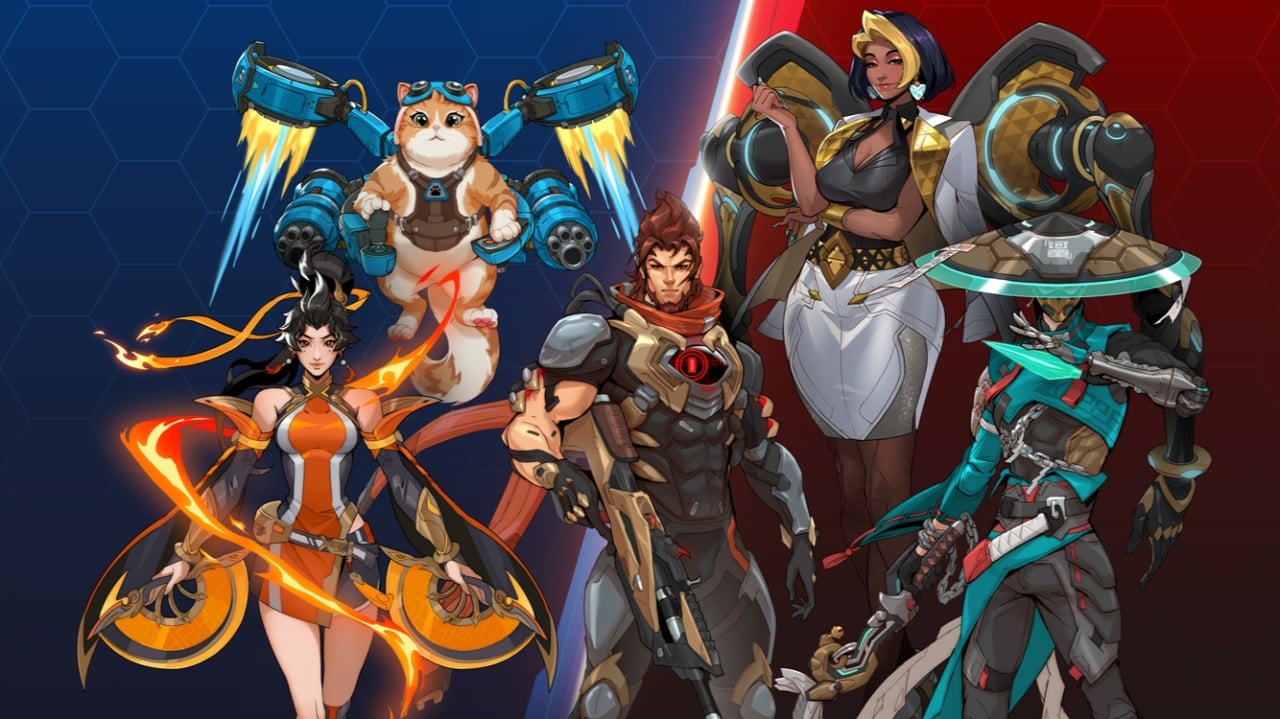
The first five heroes are:
Domina, a ‘poke’ tank who focuses on long-range attacks and zone play.
Emre, a damage-dealer who focuses on fast run-and-gun gunplay
Mizuki, a support unit who is mysterious and focuses on close-quarters gameplay
Anran, a second damage-dealer who can manipulate fire with her fan-like weapons — you’ll be able to test Anran out with a Hero Trial from 5th February.
Jetpack Cat, a support-unit and maybe the best Overwatch character ever. Yes. (she’s fast and reactive)
The remaining five will be revealed later.
Other changes coming to the game include new sub-roles and passives for each class, a Conquest meta event that runs for five weeks, yearly competitive updates, an complete UI refresh, changes to Stadium, a Sanrio collaboration, and tons of new cinematics, in-game events, and comics to help flesh out the story.
We’re really just picking out a few things here, and we can’t overstate just how much the team seem to be changing things up, You can read about everything coming to Overwatch in more detail over on the official Overwatch website.
So, while Season 1 drops next week, we’ll have to wait a bit longer for a fully-fresh Overwatch experience on Switch 2. The Switch 1 version isn’t exactly the ideal way to play the game, either, and like many others, we were disappointed with it when it launched in 2022.
These updates, though? They sound like a big step in the right direction
Are you excited for the new-and-improved Overwatch? Let us know in the comments.
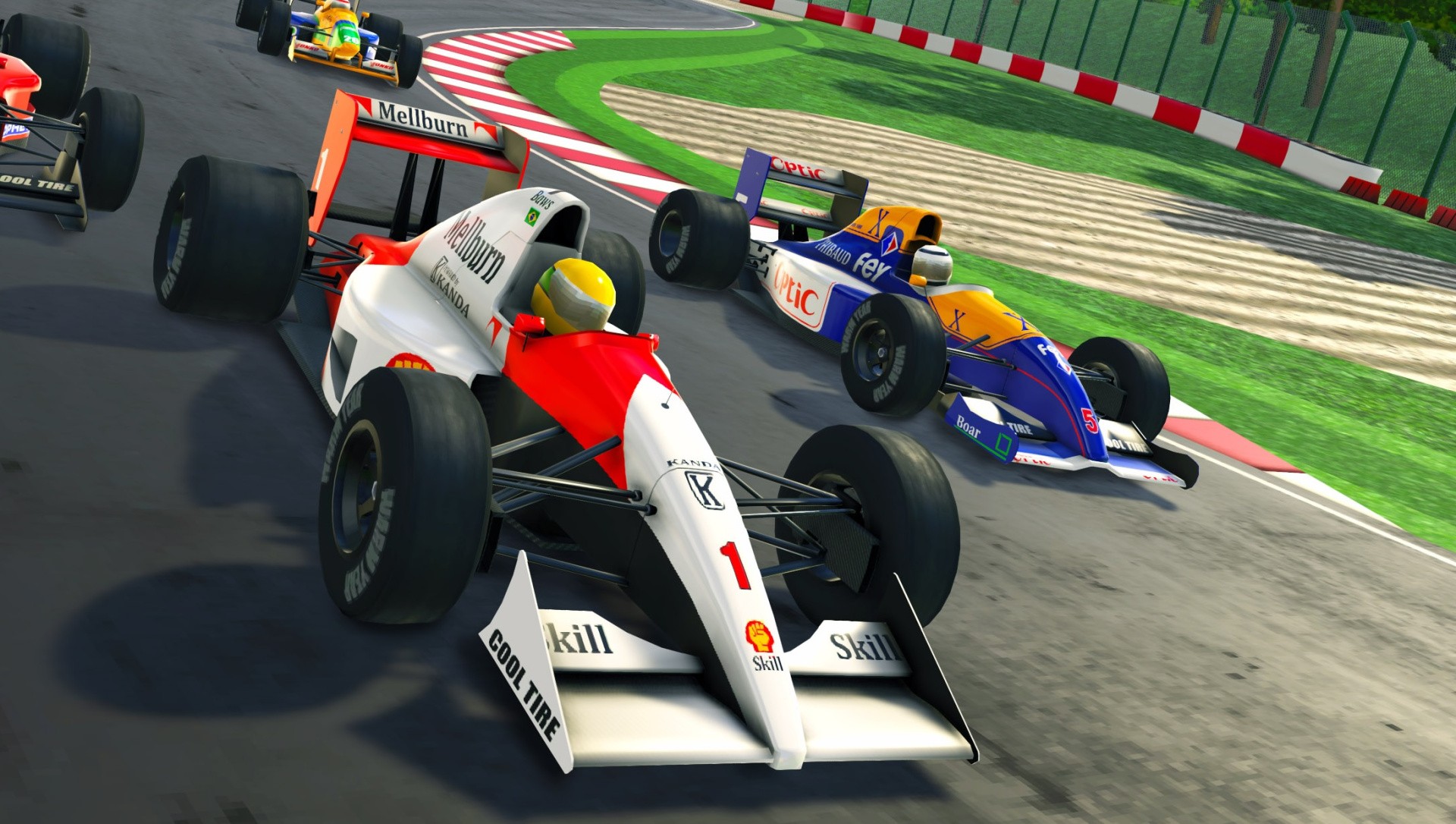
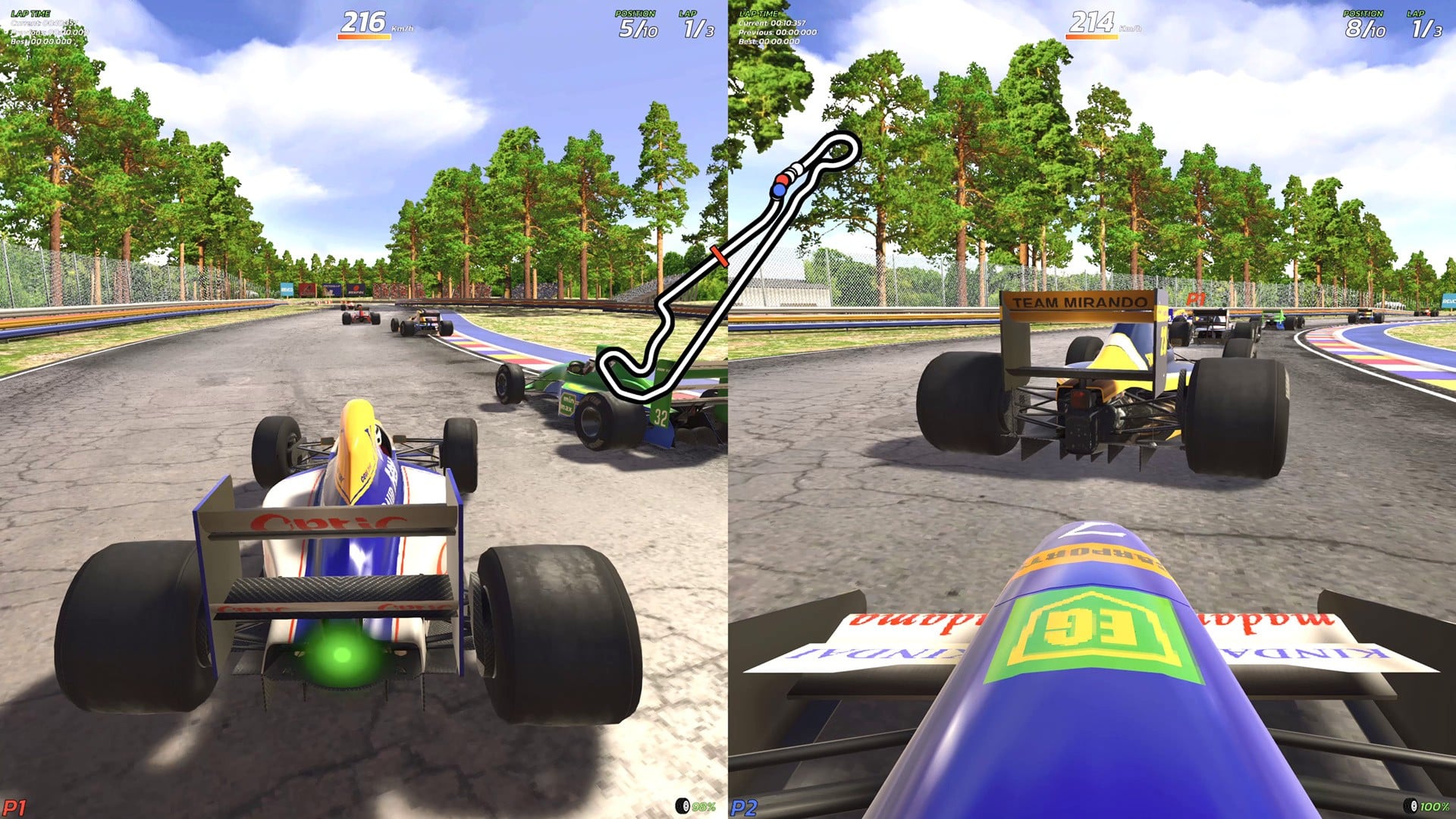
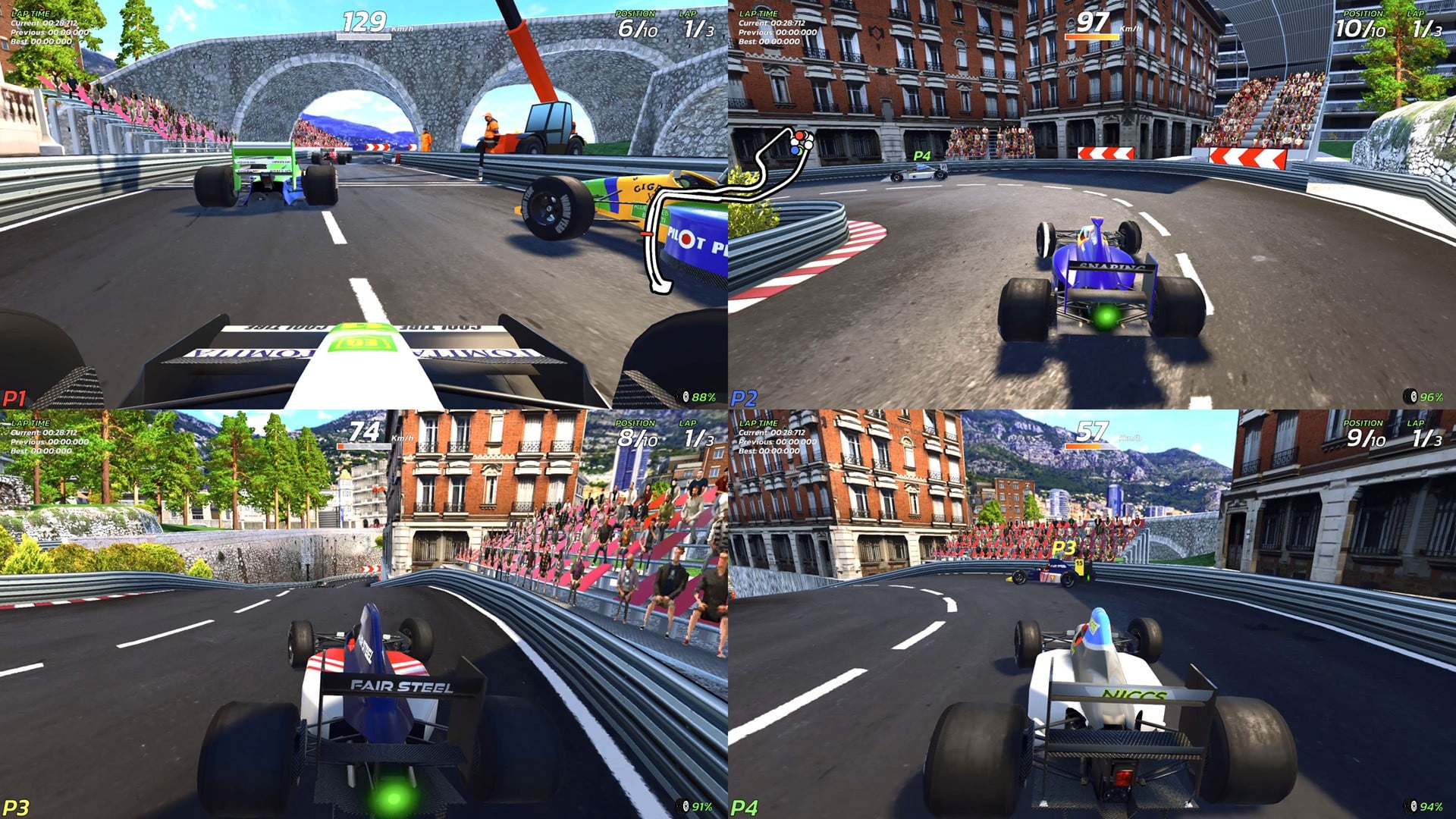
There are plenty of notable things about 4PGP, which launches on Switch and Switch 2 today – the iconic (but unlicensed) 1990s F1 cars, the 120Hz visuals (on Switch 2) and the four-player split-screen mode – but I have to admit that, as a seasoned arcade fan, the involvement of the legendary Kenji Sasaki (Ridge Racer, Sega Rally, Sega Rally 2, Sega Touring Car Championship, Star Wars Racer Arcade) as an advisor on the project is what really made me sit up and take notice.
Keen to learn more about the origins of this title and Sasaki’s influence on its final form, I was lucky enough to speak to Quanah Sugiyama (4PGP Project Manager at publisher 3goo), Jonathan Marolle (Game Director at developer Vision Reelle) and even the great man himself, Kenji Sasaki (Project Advisor).
Nintendo Life: Can you give us some background on your team’s racing game pedigree? What notable titles have the core team worked on previously?
Quanah Sugiyama: As a publisher, 3goo brings extensive experience in marketing and releasing racing games in Japan, including acclaimed franchises such as Gear.Club Unlimited and WRC. Our portfolio spans a wide range of racing genres—from hardcore simulation titles like Rennsport to open-world experiences such as Test Drive Unlimited Solar Crown.
In addition, our director, Jonathan, is a veteran developer with over 20 years of experience in racing game development, having worked on major franchises including Test Drive Unlimited, The Crew, and Gear.Club Unlimited. With this combined expertise in development, publishing, and global racing franchises, we are highly confident in our ability to both create and successfully bring racing games to market.
Nintendo Life: F1-based racers come in all shapes and sizes, with some going for intense realism while others are more arcade-like. Where does 4PGP sit on this scale, and what titles have inspired it directly?
Quanah Sugiyama: From a gameplay standpoint, 4PGP firmly embraces its arcade roots. The controls are simple and intuitive, complemented by a turbo system for instant bursts of speed. At the same time, it is designed to deliver a true formula racing experience, where success depends on well-timed braking, precise steering, and learning the optimal racing line.
Visually, we aimed for a careful balance. The game captures the sleek, high-speed look of real formula cars while adding a colourful, approachable style. We made sure not to lean too far into a cartoonish look, as to keep the “coolness” factor of formula racing intact.
Nintendo Life: You’re clearly aiming at offering an accessible, family-friendly experience with 4PGP, but how are you making sure it will be challenging enough to tempt genre veterans?
Quanah Sugiyama: Just like our favourite classic arcade racers, 4PGP follows the timeless philosophy of “easy to pick up and play, yet challenging to master.” Players begin on lower difficulty settings, where top speeds are reduced, and the handling is more forgiving, allowing anyone to jump in and have fun immediately.
At higher difficulty levels, though, the game becomes far more demanding: cars are significantly faster, rivals more aggressive, and even a small mistake can cost you the entire race. Truly mastering the game requires learning each track inside and out, maintaining focus throughout intense twists and turns, and skillfully managing both tyre wear and the turbo gauge.
Nintendo Life: You’ve gone for classic ’90s liveries for many of the included cars. What made you pick this era of F1 in particular?
Jonathan Marolle: In the world of motorsports, some cars are truly timeless. Across generations, they are instantly recognisable—even to those who aren’t racing fans or lifelong petrolheads—thanks to their legendary liveries and unmistakable silhouettes. The drivers who piloted these machines became icons in their own right, known around the world by people of all ages, similar to Hollywood actors or pop stars.
This golden era fits the game perfectly. It captures the spirit of 1990s arcade racing, celebrating iconic cars that everyone knows and remembers. On a personal level, these machines hold a special place for me—I genuinely love them, and that passion is woven directly into the game.
Nintendo Life: For players raised on, say, Mario Kart 8 and Mario Kart World, what would you say 4PGP offers that makes it worth a look?
Jonathan Marolle: Mario Kart 8 and Mario Kart World are incredible games. I play them every week with my sons, and they’re always a blast. But when you’re looking for intense racing with real cars, there’s simply nothing quite like that available today. 4PGP aims to fill that gap. It delivers the instant fun, accessibility, and competitive challenge of a kart racer, but set in the world of motorsport, designed from the ground up for four players.
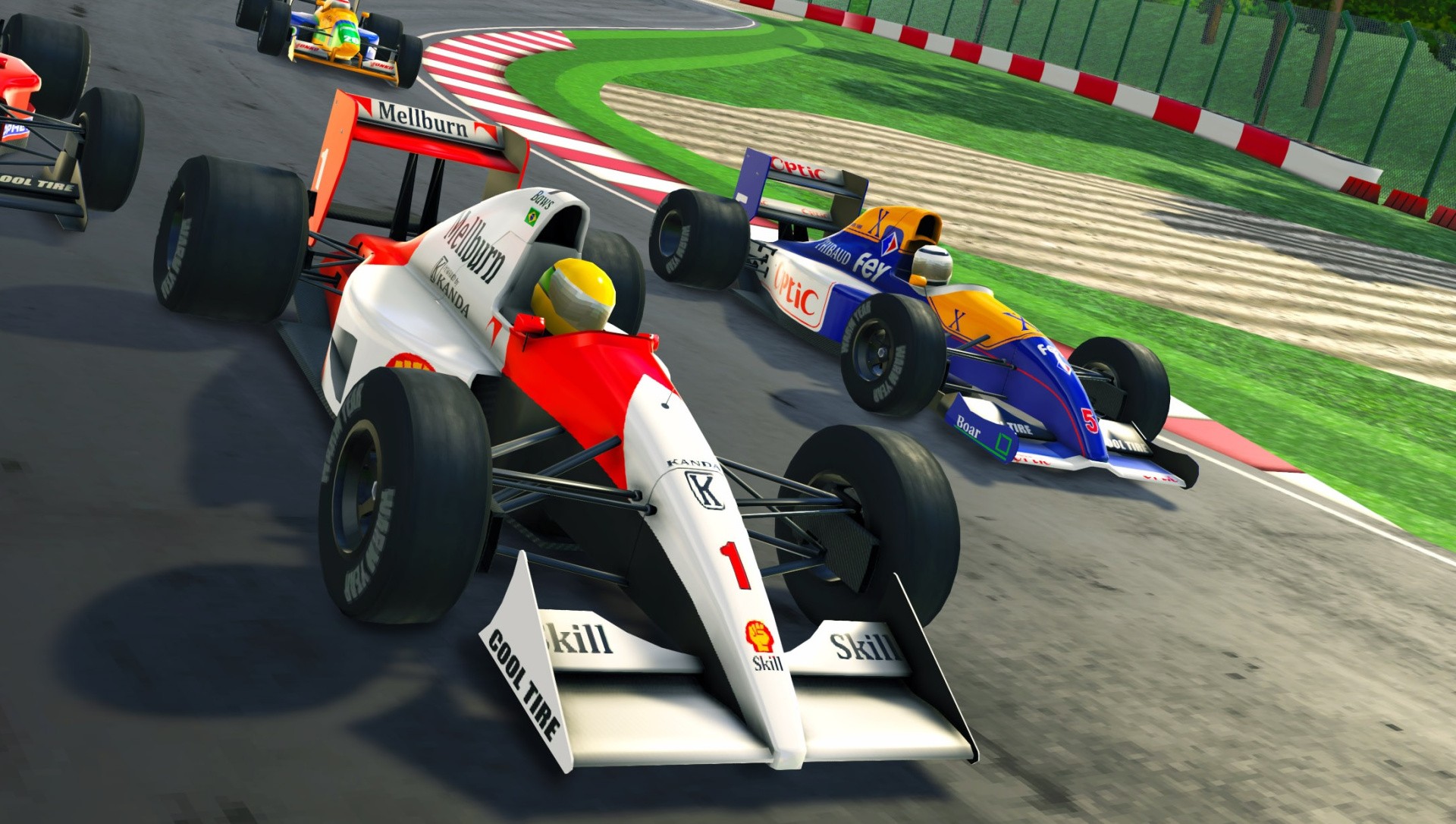
Securing the official licencing for several famous 1990s F1 teams – some of which are no longer with us – was clearly beyond the scope of a project such as this, but the ‘recreations’ are close enough — Image: 3goo
Also, speaking as someone who was once a child himself, I know that kids don’t like being treated like kids. So, giving them the option to race cool, semi-realistic cars, rather than go-kart-type vehicles geared towards a younger demographic, is something I think younger generations will really appreciate.
Nintendo Life: What has it been like working with a genre legend like Kenji Sasaki, and how deep has his involvement been with the game? Did Sasaki-san demand any sweeping changes to the game at any point during its development period, for example, and was he involved from the very beginning?
Quanah Sugiyama: Sasaki-san has been on board with us since the project formally kicked off, providing invaluable insight across a wide range of areas, including UX, graphics, controls, game balance, and music, which helped make the game feel like an authentic 1990s arcade racer. While we had prototypes prior to his involvement with the racing mechanics, tracks and vehicles fleshed out, the UI, HUD, and overall colour scheme underwent major reworking under his supervision.
Nintendo Life: How did Tomoyuki Kawamura become involved, and what has it been like working with him on the game’s music? Did he simply offer compositions of his own, or did you make suggestions based on his previous work in titles like Sega Rally and Virtua Racing?
Quanah Sugiyama: Kawamura-san was introduced to us by Sasaki-san. The two have worked together with on many projects, and Sasaki-san felt he would be the perfect composer for the aforementioned authenticity we were trying to capture. While we didn’t intend to directly imitate the soundtrack of any specific past title, Sasaki-san did advise us that Kawamura-san had previously worked on Sega’s INDY 500, which had a tone similar to what we were looking for, and encouraged him to draw on his memories from that period for composition.
Nintendo Life: What aspect of 4PGP has been the hardest to get right?
Jonathan Marolle: Frame rate was the biggest technical challenge on Nintendo Switch. Maintaining a smooth 60 fps with four players, in both handheld and docked modes, was essential to support the fast-paced gameplay that defines arcade racing games of this era. At the same time, a great deal of effort went into making 4PGP feel technically authentic, particularly in areas such as the physics engine and graphics. In the 1990s, hardware limitations forced developers to rely on clever tricks and simplified physics to convey the motion of cars, while early 3D arcade boards were unable to render large numbers of textured polygons. I intentionally embraced the same approach to capture the essence of what made those games so fun and accessible, adopting similar constraints—low-poly models, a limited number of low-resolution textures, and the absence of filtering or advanced post-processing—to recreate that distinctive look and feel.
Nintendo Life: What element of the game do you think players are going to be most surprised by?
Jonathan Marolle: I think players will be most surprised by just how smooth and immediate the game feels. Like a classic arcade experience, you can jump in and be racing within seconds—we’ve reduced loading time to basically nothing, and there is hardly any downtime between races; the pace is relentless.
On top of that, the performance is rock solid. The game runs flawlessly at 60 fps on both Nintendo Switch and Nintendo Switch 2, even with four players, with no frame-rate drops. The Nintendo Switch 2 Edition pushes things even further, offering 120 fps/Full HD and 60 fps/4K settings. The combination of instant access, smooth performance, and high visual fidelity makes the game feel incredibly responsive—and that’s something players won’t expect until they experience it firsthand.
Nintendo Life: What are the key differences between the Switch and Switch 2 versions of the game?
Quanah Sugiyama: As Jonathan mentioned in the aforementioned question, the frame rate and resolution have improved dramatically. The other major feature is support for the Switch 2’s GameShare feature. With this, up to four players can play locally or online on their own devices, using only one copy of the game. It’s a great way to share the fun with friends near and far.
Nintendo Life: What has it been like factoring in Switch 2 features, like 120fps and GameChat?
Quanah Sugiyama: GameShare, being a brand-new feature on the Nintendo Switch 2, was quite the challenge to develop for.
As one Nintendo Switch 2 system would have to render up to four screens at once, we had to strike the perfect balance in optimisation, where the game can run at a decent speed without sacrificing the fps and resolution too much.
Audio was another challenge we faced, as the game had to generate different sound effects (acceleration, braking, crashing, etc.) for each player’s vehicle on separate devices when streaming. With a traditional setup, all of the sound effects would be playing on all of the players’ devices at once, so finding a workaround was crucial.
For 120 fps, the implementation was quite simple, as the Switch version was already very well-optimised, running at a constant 60 fps despite the technical limitations of the system.
Nintendo Life: Sasaki-san, what did you think when you were first approached about contributing to 4PGP?
Kenji Sasaki: To offer some background, I first met Nicolas, the CEO of 3goo, nearly 30 years ago when he was a correspondent for EDGE magazine and interviewing me during the development of Sega Rally. I still remember being caught off guard by his sharp questions and very specific requests regarding racing and driving games—I even found myself at a loss for words at times.
After that, we would meet occasionally every few years, and I followed his career as he went on to found 3goo and publish numerous racing titles, so I had always hoped that we might have the opportunity to work together someday. When he eventually approached me about serving as a special advisor on 4PGP, I was genuinely delighted to receive the offer.
Nintendo Life: How have your previous games influenced your input into 4PGP? What lessons would you say your career has taught you when it comes to offering advice and input on this style of game?
Kenji Sasaki: Since 4PGP’s goal was to [recreate] the kind of fun found in 1990s arcade racing games on modern hardware, I took time to break down what made the games I’ve worked on so enjoyable and identify the elements that really stood out.
Image: 3goo
Although the development schedule limited what could be achieved in a short time, my goal was to bring as much of that “era-specific atmosphere” into 4PGP as possible. With that in mind, I provided advice and direction on visual creation and selection, as well as the overall construction of elements like the background music, to help the game capture the feel of those classic arcade racers.
Nintendo Life: What aspects did you have the most influence over during 4PGP’s development?
Kenji Sasaki: The key elements I focused on were the sense of pacing, the background music, and the overall visual atmosphere that evokes 1990s arcade games. Including things like menu and game flow design, we focused on making the experience easy to understand and ensuring the game progressed at a fast, satisfying tempo. I also tried to keep my advice tightly focused on the most important points, with the goal of improving the feel of the game when played and giving players a stronger sense of responsiveness and satisfaction.
Nintendo Life: What was it like working with Tomoyuki Kawamura again?
Kenji Sasaki: Kawamura and I have collaborated on game development many times over the past 30-plus years, and I consider him a true brother-in-arms from our days in the trenches of arcade game development. Because of that shared history, he understands my intentions instinctively, which made our collaboration extremely smooth and effortless.
Nintendo Life: Many modern racing games aim for realism over accessibility. What advantage do you feel arcade-style racers offer over ‘serious’ simulations?
Kenji Sasaki: I think the clear advantage is being able to enjoy the game casually and intuitively in a typical home play environment. With racing simulators, standard consoles and devices often can’t convey enough information, which can make them feel difficult or intimidating for general players. Using large, immersive displays, motion-based cabinets, or VR can make the experience extremely realistic and intuitive to control, but realistically speaking, not many players have access to that kind of setup yet.
Image: 3goo
Nintendo Life: 4PGP’s feature set appears to place it in competition with family-friendly racers like Mario Kart and Sonic Racing. What does the game offer that those titles lack?
Kenji Sasaki: I think there are people who have trouble connecting with the cute, highly stylised characters and overtly comical presentation often found in those titles. For players who want a more serious racing atmosphere but feel that full-fledged racing simulators are a bit too demanding or inaccessible, I think there’s room for a game like 4PGP to fill that gap and meet that demand.
Nintendo Life: 4PGP is an original title. Would you like to see studios like 3goo given the chance to work with some of the famous arcade properties you helped create during the ’90s?
Kenji Sasaki: I don’t place much importance on specific IPs or brands. As long as we can create a game we truly want to make—and one that players are looking for—I’m open to any style or approach. I would love to make another rally game, though.
Nintendo Life: Do you see yourself contributing to more games in the future?
Kenji Sasaki: Of course, I’d like to remain actively involved. If there is demand, I would love to work on commercial titles, but there are also more personal projects and ideas that I would like to challenge myself with developing.
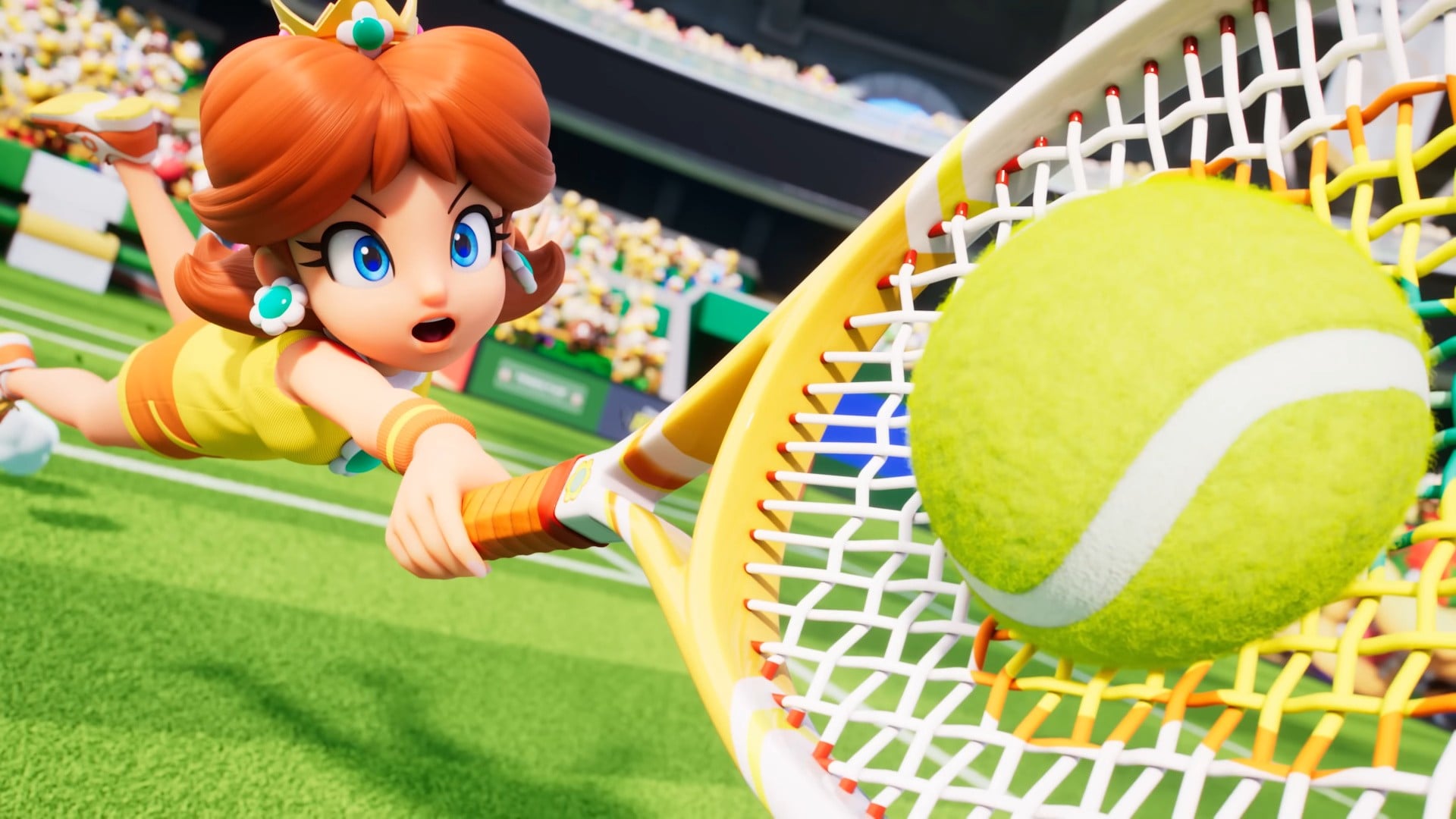
Nintendo is gearing up for its next Switch 2 release of the year in Mario Tennis Fever, which will serve up tons of multiplayer fun and expensive adventure mode on 12th February 2026.
So, it’s no surprise we’ve got a brand new commercial to prepare us for some time on the courts with our friends and family. But it’s also reminding us of days long gone by, when Wiimotes were in every household and playing a few rounds of golf or bowling with your mum or grandma was a once a week affair rather than just a holiday thing.
As you’d expect, Mario Tennis Fever is going all-in on showing off the multiplayer side, but in a way that very much harks back to the Wii. At least, it does to us. A slice of a motion-controlled match between the kids, the family serving up family goodness on the sofa? Oh, and do we spy the purple and green Joy-Con 2 in there, as well?
There are a few snippets of gameplay in there, too — some of the Fever Racket skills, the Wonder Flower, different types of nets — but ultimately, Nintendo is clearly pushing the family-friendly and Wii-era of multiplayer here.
Previews for Mario Tennis Fever dropped yesterday from a number of outlets, and we also got a little bit of time with the game on Switch 2. And things are looking pretty positive so far. Game, set, match, then? We’ll have to wait just over a week to get our hands on the racket.
Looking forward to Mario Tennis Fever? Let us know in the comments.
With the Switch 2 now in full swing, you’d think that Nintendo would be shifting its focus over to the new console and largely leaving the original Switch behind. Well, thankfully, in addition to brand-new upcoming titles like Tomodachi Life: Living the Dream and Rhythm Heaven Groove, Nintendo has also introduced some hefty free updates for the likes of Animal Crossing: New Horizons and Splatoon 3.
When questioned about this decision during Nintendo’s recent financials Q&A session, president Shuntaro Furukawa explained that it was crucial to maintain positive contact with original Switch owners by introducing new content for popular titles. This allows them to remain within the Switch ecosystem while they ponder upgrading to the Switch 2 in their own time.
Here’s what Furukawa said (translated via Google):
“In January, we released a free update for Animal Crossing: New Horizons and the Nintendo Switch 2 Edition. Since the update, many consumers have been playing the game, including some who had been away for a while but have returned to the game. We’ve also seen an increase in the number of people revisiting Animal Crossing: New Horizons on the Switch 2, so we believe we’ve started the year on a good note.
“To popularize a new platform, it’s necessary to regularly release new titles. Additionally, as we transition from Switch to Switch 2 over the next several years, we believe it’s extremely important to maintain contact with consumers who already own Nintendo consoles.
“In that sense, we wanted to update Animal Crossing: New Horizons and Splatoon 3, which have been big sellers on the Switch, at this time to allow more people to play them on the Switch, and create a flow that allows customers to switch to the Switch 2 at their own convenience, such as when new titles that interest them are released. From this perspective, we believe that updating the software for the Switch, which has a large number of units in use, is meaningful in order to maintain operation and encourage people to play again.”
We’ll update this post when Nintendo posts the English translation of the Q&A later this week, but Furukawa’s answer seems pretty straightforward, right? Keep current Switch owners engaged and aware while the company transitions over to the Switch 2 – simple!
Naturally, Nintendo will eventually begin to wind down support for the Switch entirely, but we imagine it’ll keep a close eye on how many owners will move over to the Switch 2 over the next year or two. The Switch has a ridiculously large install base, so Nintendo will be keen to stay in customers’ good books.
Have you jumped back into New Horizons or Splatoon 3 since their recent updates? Let us know with a comment.
Well folks, with Nintendo’s financials out of the way, the only logical next step is a Direct, and we’re getting a Partner Showcase tomorrow, 5th February 2026!
As is customary, we thought it wise to throw a bunch of predictions into the ring and see what Nintendo’s partner publishers might be cooking up for the Switch and Switch 2 in the coming months. We already have the likes of Resident Evil Requiem, Pragmata, and Elden Ring on the way, but we reckon there’s room for a lot more.
As ever, we encourage you to share your own predictions with a comment in the usual place, but for now, let’s see what Team NL thinks will be announced in the upcoming Direct…
Fantasy Isn’t Dead – Alana Hagues, Deputy Editor
Image: Atlus
Hello, yes, I’m going to gently ask for more Witchbrook…
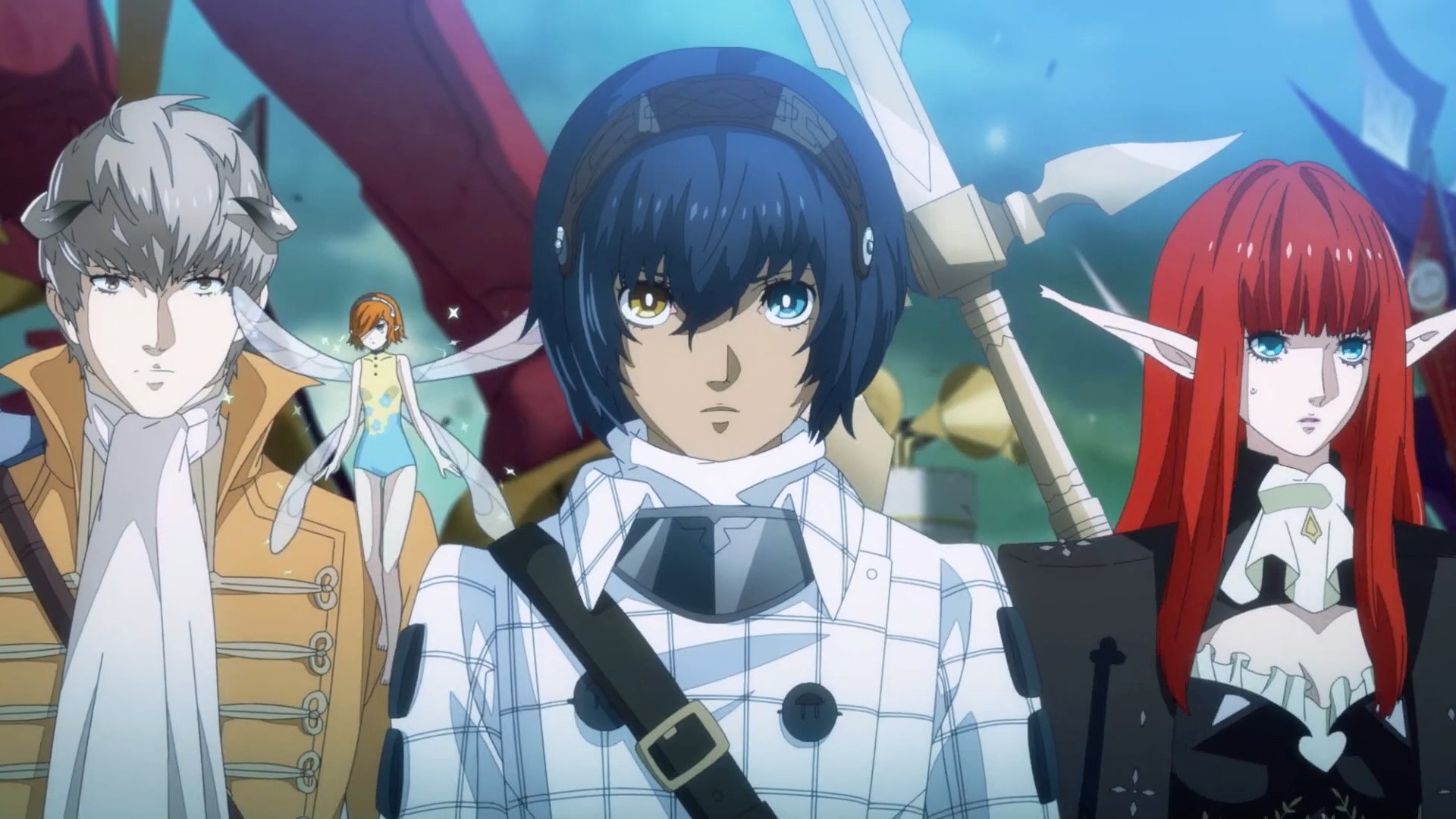
Anyway, this is a nice way to start out the Switch 2’s 2026, isn’t it? I bet Atlus will bring Metaphor: ReFantazio to the table. I don’t know whether I’ll make time to play through it again… but gosh, it’d be nice to make it available on another platform. It’s my favourite modern Atlus game.
Capcom’s Switch 2 support will continue, too, and I think there’s a good chance Monster Hunter Wilds will pop up, seeing as they’re working on improvements for other platforms.
Two games I want to see more of are Orbitals and The Adventures of Elliot – two very different ones, I know, but the former looks beautiful and the latter is just more HD-2D but in action form.
I’ll end things on another Square Enix prediction (which is on-brand): Final Fantasy… XIV. Yep. I reckon this could be a big showcase for the company anyway (Rebirth, anyone?), so why not throw in something extra?
Arise Now, ye Tarnished – Jim Norman, Staff Writer
Image: Bandai Namco
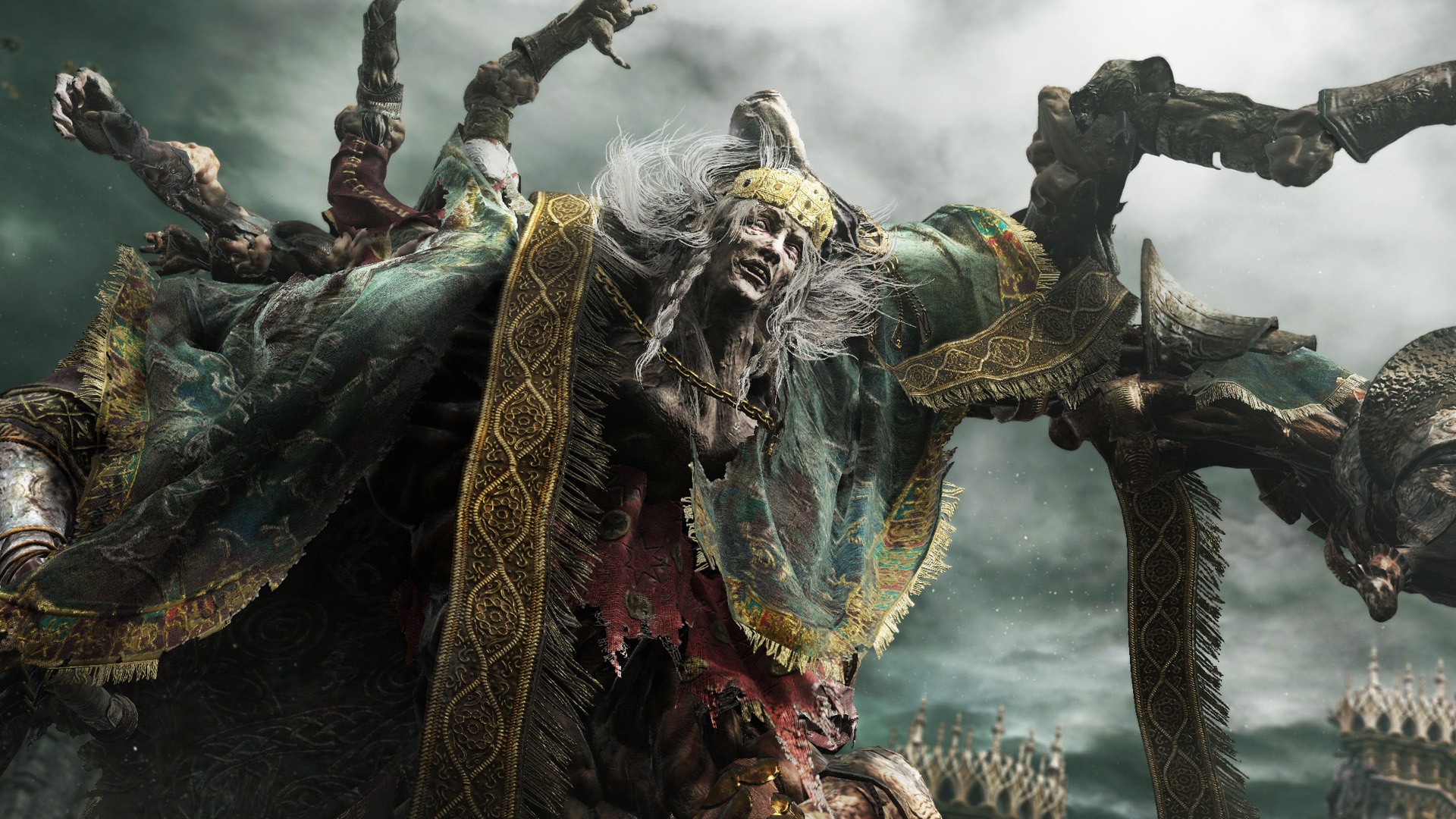
Okay, I’ll make the most of these invincibility frames and dodge roll right into the most obvious picks of the bunch. I think this is when we get an Elden Ring date. It has been cropping up at far too many public events to still be that far off, and I can’t imagine FromSoft wants to extend the delay any longer than it has to.
The Duskbloods feels likely, too. It’s weird how much of the Switch 2 reveal Direct was dedicated to this one (it even got a Creator’s Voice spotlight afterwards), and then we’ve heard… nothing since. Give this little rat boy some more info!
Otherwise, I’ll throw in all of the usual suspects that I like to get out on a prayer. Clair Obscur: Expedition 33 Switch 2 port, Blue Prince on Switch (it’s too big for an Indie World now, I reckon), Nintendo’s finally given the Marvel Rivals guys a devkit. Go on, let’s have a release date for Professor Layton, too — I need this game to come out before Level-5 destroys my enthusiasm completely.
Come Out Swinging – Ollie Reynolds, Staff Writer
Image: Capcom
I’d love to see Alan Wake 2 with the DLC bundled; kind of the equivalent of the Resident Evil Gold Editions, y’know? It’s also a bit of a long shot, but I think it’s time Psychonauts and its sequel came to the Switch 2. And let’s get another fighting collection from Capcom, hm? I know we’re kinda running out of titles at this point, but I’m sure there’s room for Ultra Street Fighter IV somewhere.
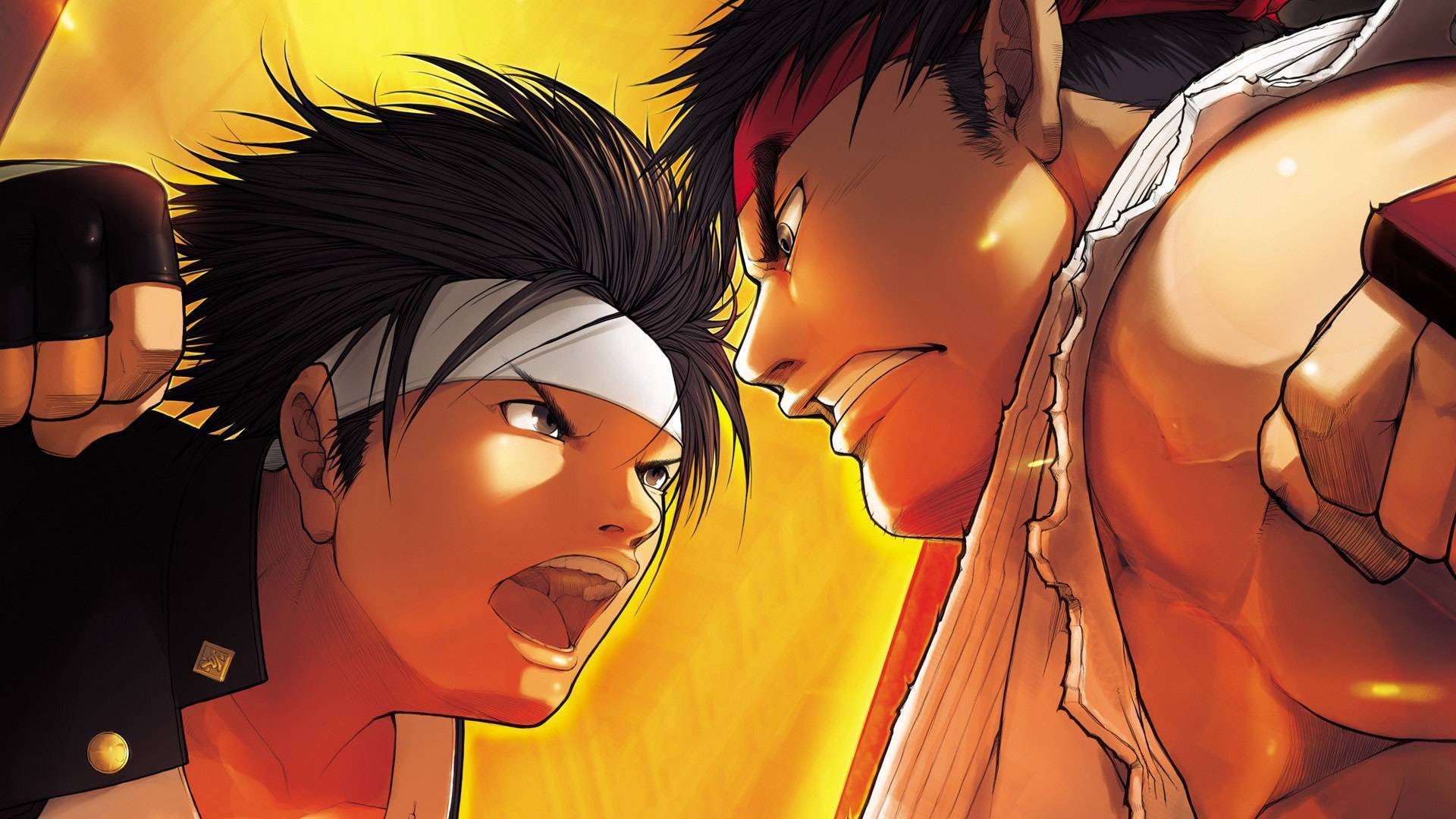
Sticking with the fighters for a moment, I know y’all are hankering for Capcom vs. SNK 3. Me too, man, me too. I think the Switch 2 has a real shot at being a legit destination for fighters, and an announcement here would give it a real boost with the FGC.
Capcom won’t stop there though – oh no. Given that it recently took part in a huge preview event with Nintendo, this paves the way for some other titles. Resident Evil’s 30th anniversary is on the way, so it’s about time we get the OG trilogy on Switch and Switch 2. Don’t stop there, though. Give us a remastered port of Outbreak, dagnabbit!
Oh, and Ubisoft will fail to read the room with a Just Dance update.
What would you like to see at the upcoming Direct Partner Showcase? (4,259 votes)
Alan Wake 24%
Blue Prince5%
Capcom vs. SNK 32%
Clair Obscur: Expedition 3315%
Elden Ring: Tarnished Edition (Switch 2)8%
Final Fantasy VII Rebirth (Switch 2)7%
Final Fantasy XIV Online: A Realm Reborn2%
Just Dance 2026 Edition (Switch)0.3%
Marvel Rivals2%
Metaphor: ReFantazio9%
Monster Hunter Wilds3%
Orbitals (Switch 2)2%
Professor Layton and The New World of Steam (Switch 2)8%
Psychonauts 1 & 24%
Resident Evil 1, 2 & 35%
Resident Evil: Outbreak1%
The Adventures of Elliot: The Millennium Tales (Switch 2)6%
Pokémon will be at the Super Bowl! No, they’re not taking to the field — we’re not sure we’d want to see some cute critters get trampled on during the biggest night in sports (though we reckon Machamp could sack Drake Maye or Sam Darnold), but the franchise will be bringing a commercial to the show.
Super Bowl commercials are usually a big deal, and with Pokémon about to celebrate its 30th anniversary, what better time to kick off the party than on 8th February 2026, during the game between the New England Patriots and the Seattle Seahawks. As an aside, the Super Mario Galaxy Movie is also meant to be getting a trailer, so that’s two things to keep an eye out for.
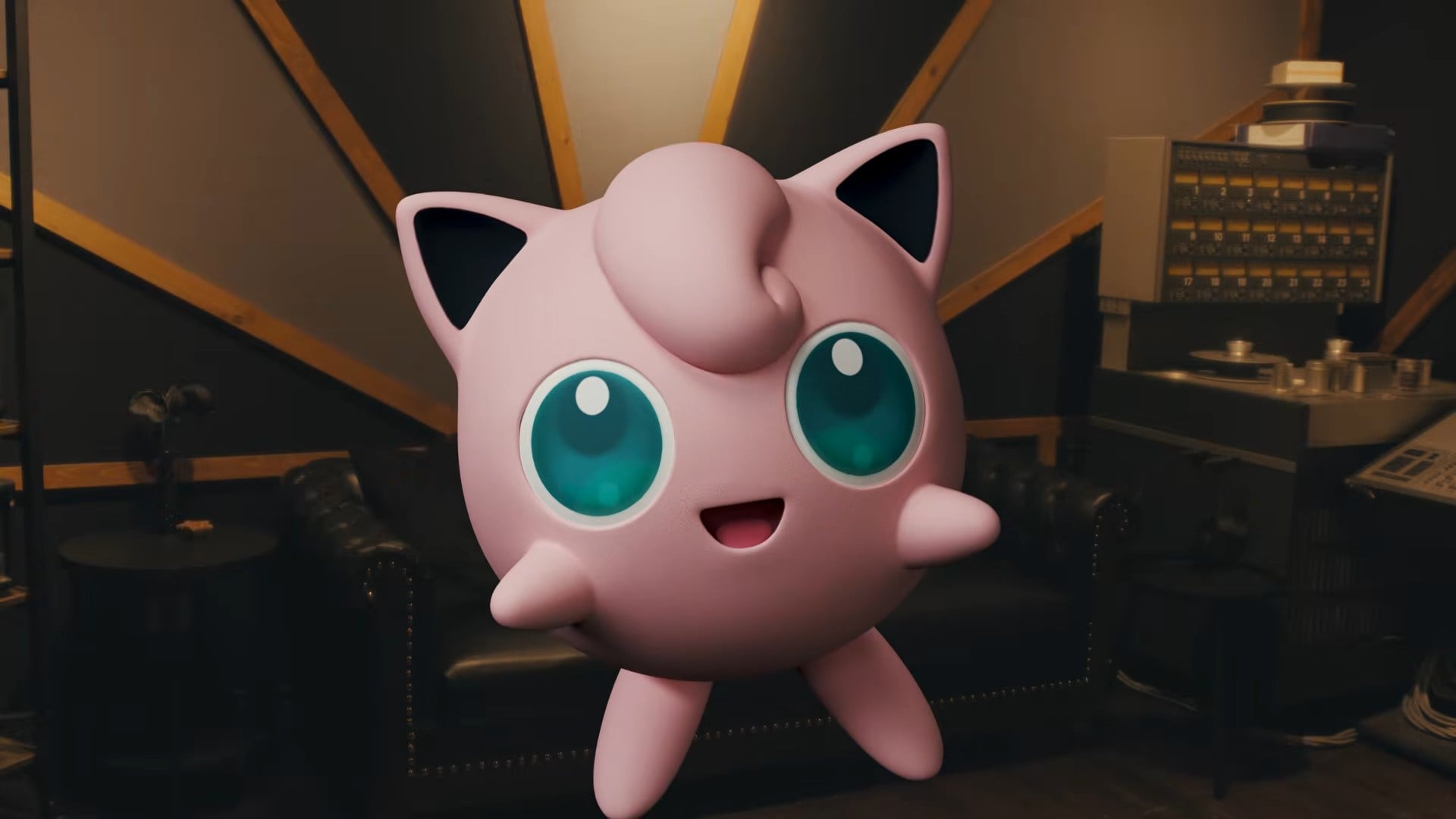
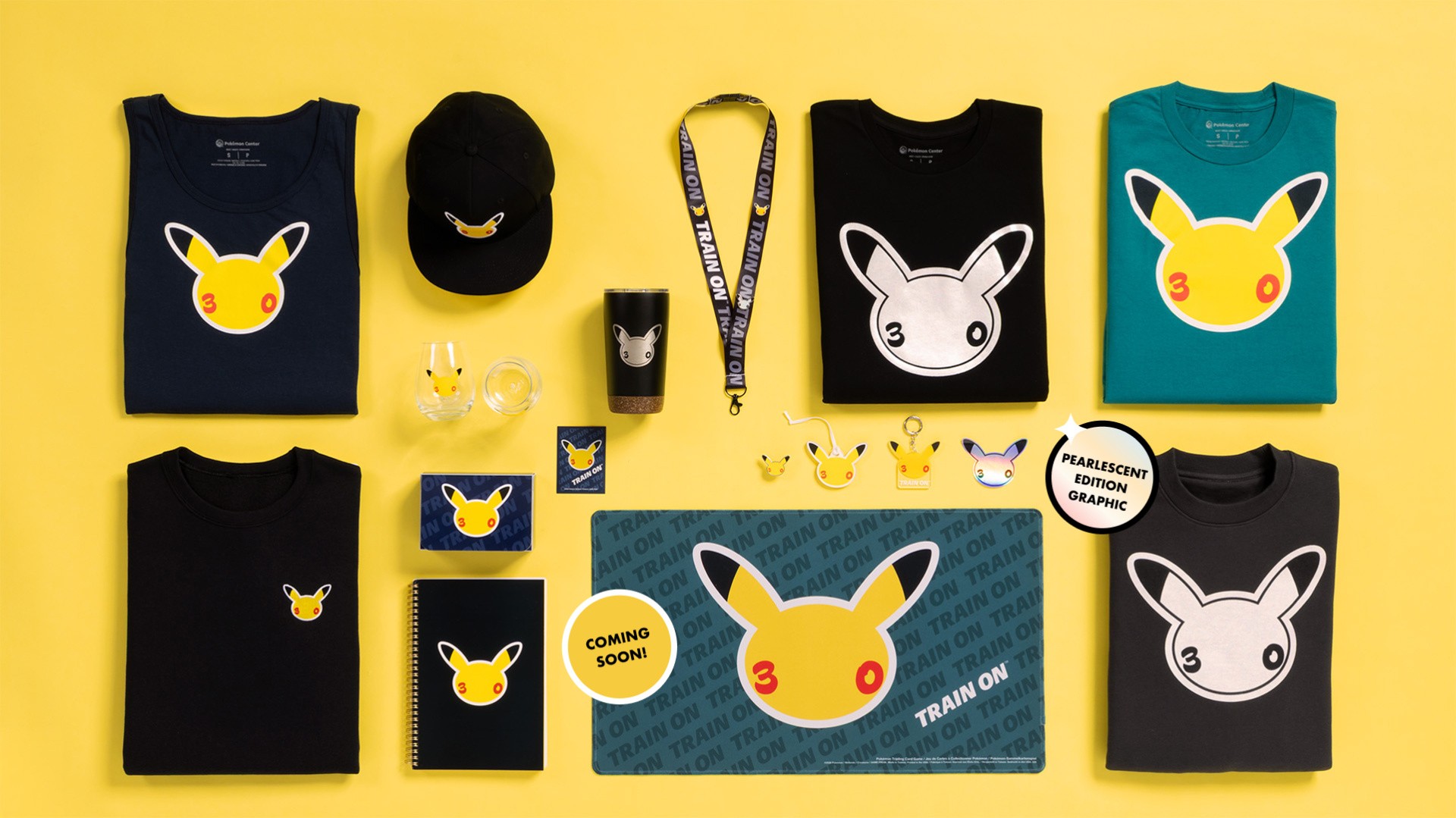
For Pokémon, at least, we have a little teaser to go on that shows Jigglypuff in what looks like a comfy backstage area. The pink Pokémon is mostly chilling on the sofa, but they move around every so often. We also get another look at the 30th anniversary logo, a simple Pikachu face with 3 and 0 replacing its red cheeks.
In a press release, The Pokémon Company International says that the commercial is intended to kick off a yearlong campaign for the franchise, and that “More details about the yearlong campaign will be unveiled following Super Bowl LX, including fan-focused activations.”
But, ahead of Sunday, if you head over to the Pokémon Center, you can check out a whole range of 30th anniversary apparel and goods, which are on sale right now.
Image: The Pokémon Company
Don’t expect any big announcements from the commercial itself, though. We expect we’ll be getting the usual Pokémon Presents on the 27th February, which is when some of the bigger gaming news will hit.
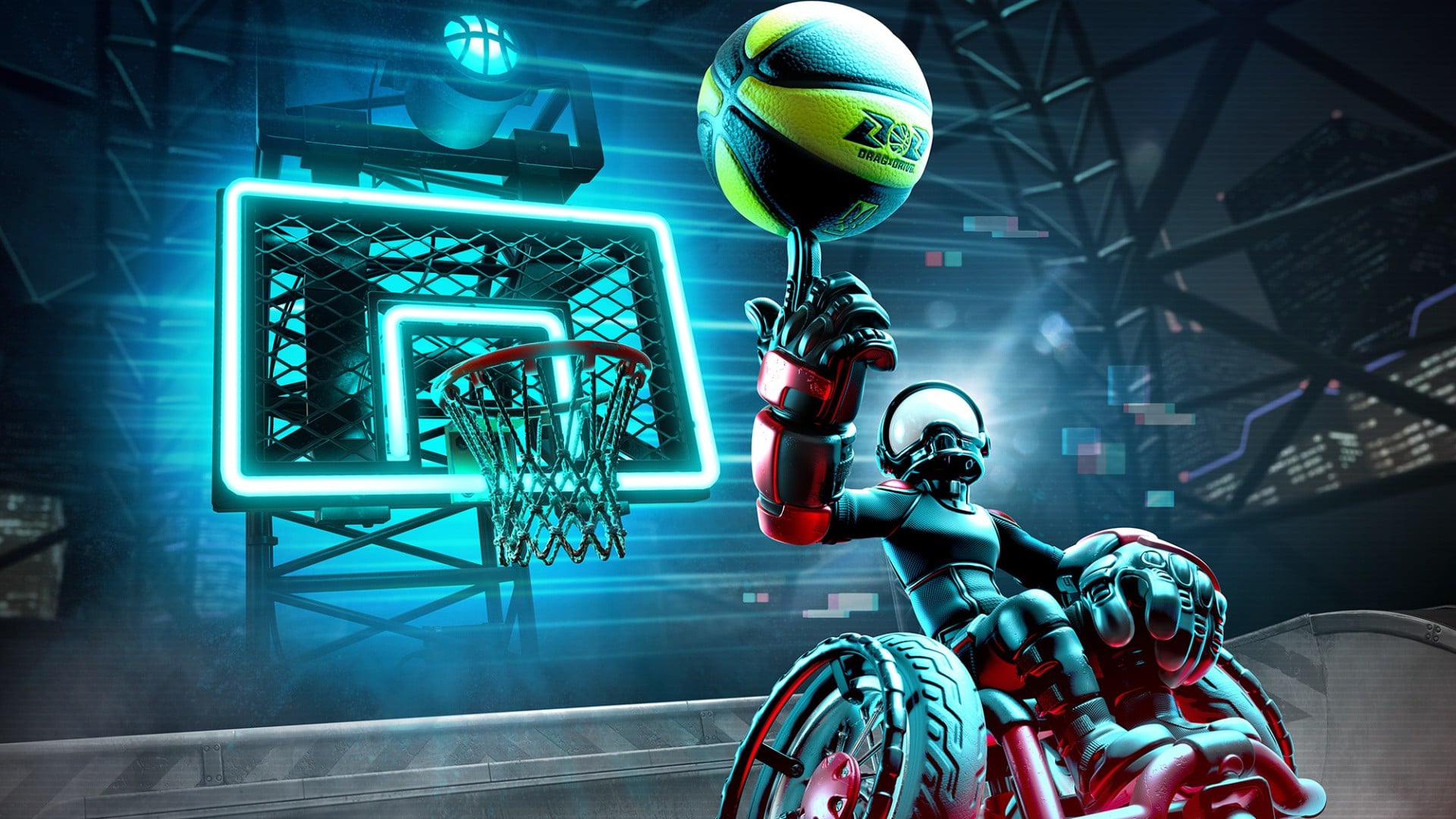
The team-based competitive title Drag x Drive has received two major updates since it hit the court last August, and today Nintendo has released the game’s first update of 2026.
This one is a much smaller patch. It bumps the game up to Version 1.2.1, and apparently addresses some issues to improve the overall game experience. Here’s the full rundown, so if you’ve been encountering these problems during gameplay, they should no longer be a problem once you’ve performed this update:
Drag x Drive Ver. 1.2.1 (Released February 3, 2026)
Fixed Issues
– Fixed an issue where the effect of defensive pressure on opponents’ halfpipe shots was smaller than intended.
– Fixed various issues to create a smoother gaming experience.
This again follows two major updates. The previous one added Survival Tag across multiple modes and even released an update for the game’s demo.
If you haven’t already tried out this game on the Switch 2, check out our written review as well as our video review above.
“Drag x Drive may lack options with regards to online modes, and its controls take a bit of getting used to. However, if you can give up some time to engaging with this one, if you can get past the barriers in terms of controls and the early frustrations as you find your rhythm, you’ll be rewarded with a unique and very well-made sports game that deserves to find an audience of dedicated fans. Add in some pals, and you’ve got a solid bit of fun for the price.”
Have you tried out this game or the demo on Switch 2 yet? Let us know in the comments.
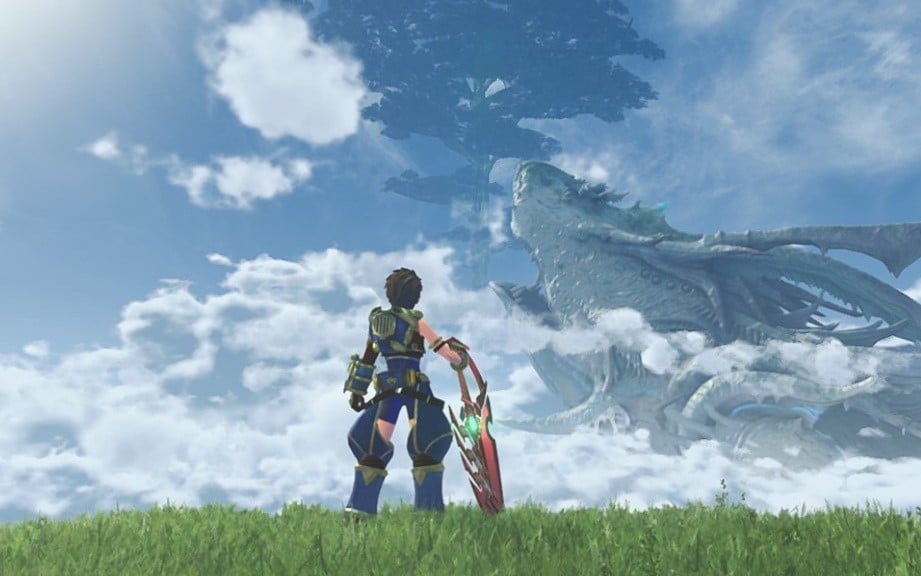
Rumours about a new Xenoblade Chronicles release have started to circulate online today after a possible “leak” on the casting platform Spotlight.
The page of voice actor Caitlin Thorburn (who voiced multiple roles in the second game) has reportedly been updated to reference a “Xenoblade Chronicles” project due out in 2026. She’s apparently reprising her role as KOS-MOS, who previously appeared in Xenoblade Chronicles 2 and the Xenosaga series.
So that’s what’s supposedly been uncovered. As for the legitimacy of this, it is just a rumour for now, but apparently the profile can only be updated and edited by the person who is the subject of the page. Of course, it doesn’t necessarily guarantee anything and could also be a mistake.
If this is a sign of a new Xenoblade game (or a returning one in some way or form), this wouldn’t actually be the first time something like this has happened. Xenoblade fans have been quick to point out how a similar situation happened ahead of the reveal of Xenoblade Chronicles 3, when the Melia voice actor Jenna Coleman spoke about “another game” before an official announcement.
If we hear any updates, we’ll let you know. Just keep in mind Nintendo or Monolith Soft haven’t announced any new or returning Xenoblade Chronicles projects at this stage.
Do you think we’ll see a Xenoblade Chronicles game, announcement, or maybe even an update in 2026? Tell us your thoughts in the comments.
The plan was to spend a little extra time to deliver the “best possible experience” on Nintendo’s new system, but it appears the plan has changed. In Take-Two’s latest earnings results (the parent company of 2K Games), the Switch 2 version has been removed from the company’s release schedule.
Take-Two spokesperson Alan Lewis told Variety, the “difficult decision” has been made to “pause development” on this particular version of the game. The team at Gearbox is instead focused on delivering “quality post-launch content for players on the ongoing improvements to optimize the game”.
This decision won’t impact other Switch 2 projects, and 2K will continue to collaborate closely with Nintendo. Upcoming releases for Switch 2 include PGA TOUR 2K25 and WWE 2K26.
Before the most recent delay and cancellation of pre-orders, Borderlands 4 was meant to arrive on the Switch 2 in October 2025. This title was originally released on other platforms last September and while the shift to open world was praised, there were also reports of the console version’s problematic performance at the time.
If we hear any significant developments regarding the Switch 2 version of Borderlands 4, we’ll let you know. How do you feel about this news? Let us know in the comments.