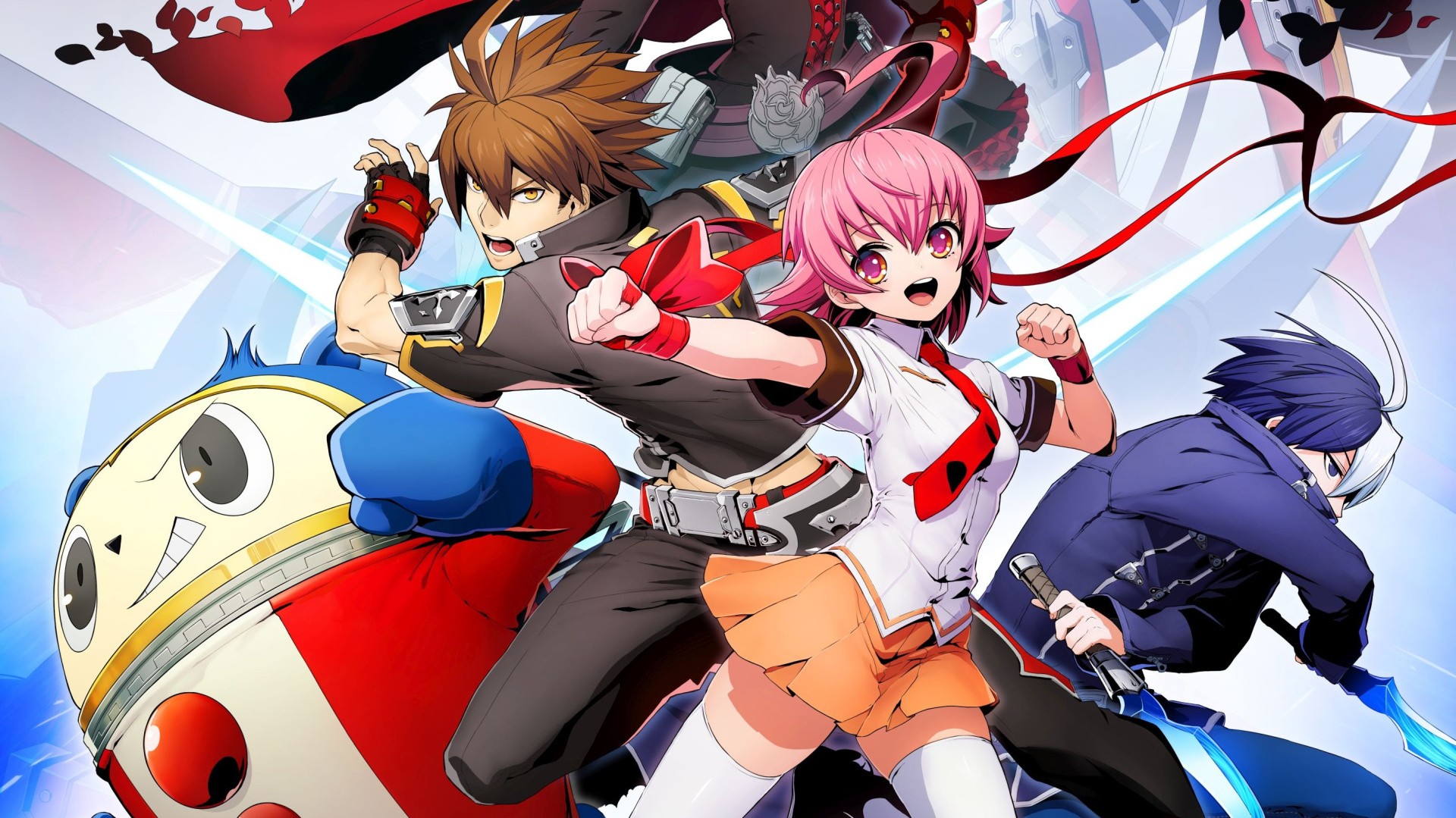
@JayJ The only thing A.I. is meant to achieve is to emulate human players. After all cpus,bots, a.i. whatever, don’t make mistakes (On higher difficulties). The whole point of fighting games is to get good. Learning and mabe even practicing if you want to get really good. However there comes a point where you can easily beat the highest level cpu with ease. And although it’s a rewarding challenge, it shouldn’t be.
Don’t think of opponents online as randos that train 24/7 because they’re people. And real people make mistakes. Once you practice the technical aspect you can learn some of the mental aspect.
Playing story mode or Arcade Mode is ultimately harmless. Although it doesn’t beat going online or hell, in person to beat people. The point isn’t winning, that’s just competing. It’s to better yourself, the ultimate challenge. The greatest satisfaction that can be found out of a fighter is playing against cpus, going online, and getting wiped with a 100 hit true combo. You feel like trash, but it also gives you a burning drive that one day, with hard work and determination, you too can be that good.
At the end of the day my only point is you can enjoy any game however you want to. It’s your game and I’m some rando on the internet. However I only question the people that only play single player content. Because they’re just not meant to be played alone. They’re meant to be experienced with others in both blazing triumph and crippling defeat.
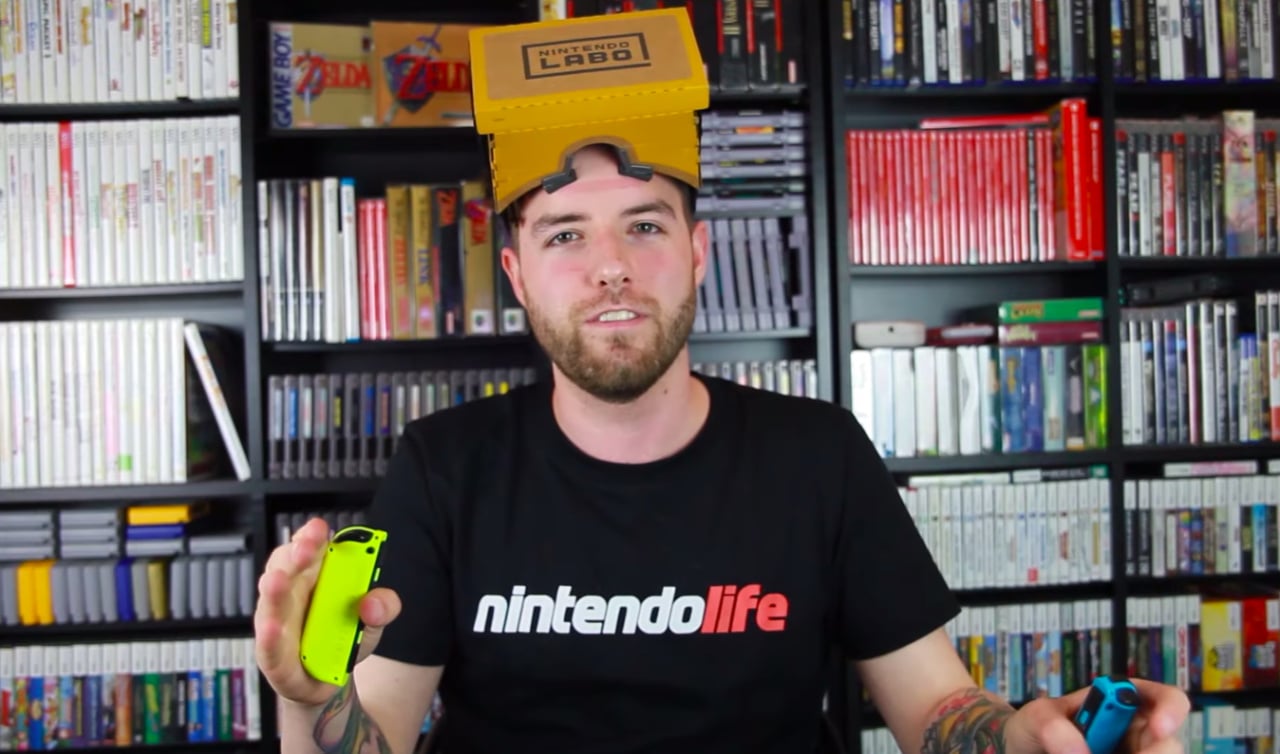
Labo VR is a great introduction to the world of Virtual Reality for Switch owners, but the much-hyped VR support it brings to Zelda: Breath of the Wild is a little disappointing – we found that it was disorienting enough to make us feel quite unwell, in fact.
Part of this is down to the fact that the Labo VR headset is never actually attached to your head, and you have to use the Joy-Con connected to the Switch itself. It’s not the most comfortable of setups, which is why Sweat Proof Gaming has released the ‘Comfort Set’ for Labo VR, which consists of some foam pads and a strap which allows you to use Labo VR hands-free.
Installation is easy – the strap itself simply fits around the Switch and doesn’t require you to modify the Labo VR headset in any way – but does it make Zelda any less nauseating? Watch the video above to find out.
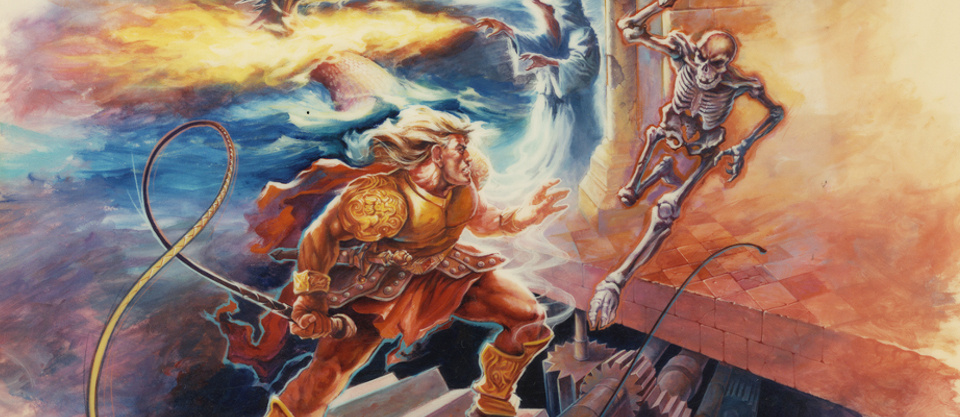
The Castlevania series is one of gaming’s most famous franchises and has spawned a long line of video games as well as TV shows, albums and loads of associated merchandise. However, fresh insight into the development of the original NES / Famicom trilogy – unearthed by shmuplations.com – reveals that the commercial fortune of the series resulted in one of its key figures parting company with Konami under something of a cloud.
Twitter user Sonna Yuumi worked at Konami in the ’90s and was mentored by Hitoshi Akamatsu, the director (and some would say key creative force) of the original Castlevania / Akumajō Dracula. Between 2015 and 2019, Sonna Yuumi posted a series of tweets concerning the creation of the NES trilogy, and these have been translated and compiled to create an interesting perspective on the genesis of these beloved games.
The full feature is well worth reading, but we’ll post some highlights nonetheless. For example, Akamatsu said that the whip was the primary weapon in the series because he was a fan of the Indiana Jones movie Raiders of the Lost Ark, and he defended the rather harsh difficulty by comparing the game to Super Mario Bros., where the player would die after just a single hit.
It’s also clear that Akamatsu’s grasp of game design was quite advanced for the era:
Akamatsu’s sense of game design was very deep. In Castlevania, the knife appears first so the player can get used to the subweapons. He made the stopwatch so you could get used to enemy attacks. Then the strongest items are the Cross and the Holy Water. And that was how he determined the order in which the items would appear to the player.
I once asked him about the fight with Death, and how insanely hard it was. He told me, “The game design idea there was to get players to understand how to use the cross and axe subweapons. If you can defeat with only the whip, that means you’re really good.” I can’t defeat him with the whip alone. But if you read the movements of the sickles, I understand it is possible (albeit very difficult) to beat him with just the whip. Apparently the test players were able to do it.
I think he wanted anyone to clear be able to clear his games, because he told me his standard for difficulty was that he should be able to clear it himself.
Interestingly, it is also noted that during the development of Castlevania III: Dracula’s Curse – considered by many to be the best NES Castlevania, if not the best game in the series full stop – Konami was very much focused on the money-spinning Teenage Mutant Ninja Turtles franchise:
Akumajo Densetsu represents the zenith of quality in both music and gameplay for the Famicom. I asked Akamatsu about why it was so good, and he said it was all done in an attempt to outdo the Ninja Turtles games. During the Famicom era at Konami, the overseas sales for Turtles was Konami’s highest seller, and because of that, the Turtles development team was prioritized above everything else. The Castlevania team (and others like it which didn’t make a lot of money) had to survive on the scraps. There was a possibility for further Castlevania sequels on the Famicom, but it got pushed out by the popularity of Ninja Turtles.
Castlevania has always been synonymous with amazing music, and it would appear this tradition began with Akamatsu:
When I told Akamatsu how great I thought the music for Castlevania was, his reply was: “That’s because both the visuals and the music were made by people who consciously wanted to do something cinematic.” And for his part, he tried to add interesting gameplay.
Amazingly, despite the quality of the Castlevania games, Akamatsu was not exactly rewarded for his efforts. The sequels apparently sold poorly (we assume Sonna Yuumi is talking about Japanese sales in this case, although global sales could be included here), and he was demoted to working in one of Konami’s game centres. Unsurprisingly, Akamatsu quit, citing his dissatisfaction with the way Konami treated its creative talent:
According to Akamatsu, Konami placed profits above all else, and developers who weren’t creating games that made lots of money were all eventually axed one-by-one. A number of them went on to do great work at Square Enix.
I asked Akamatsu what he thought about Chi no Rondo when it came out. He said, “I haven’t played it.” (laughs) At the time he was more interested in how one would go about making a game like Final Fantasy VII, rather than Castlevania, which was in the past. (laughs)
Sadly, following his departure from Konami, Akamatsu appears to have vanished from the games industry.
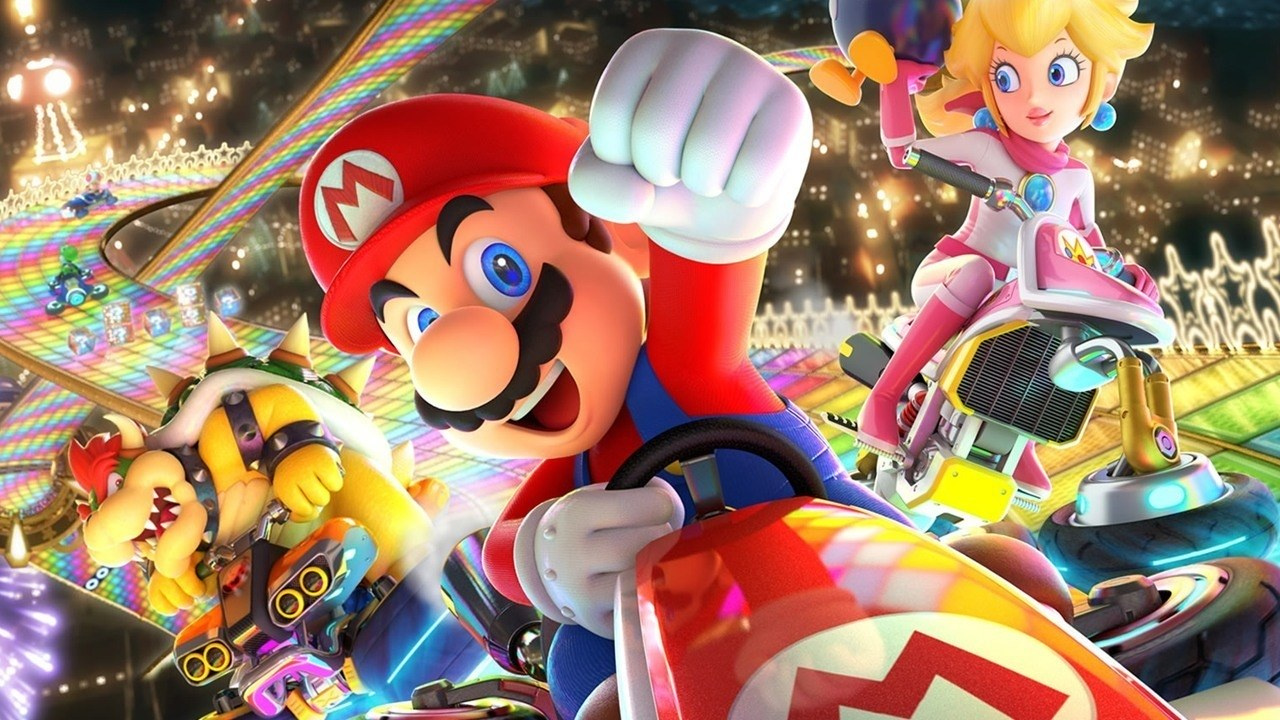
With a series as large and wonderful as Mario Kart, it can be tricky to pin down a favourite. If we had to, we’d probably go with Mario Kart 8 Deluxe – don’t worry, we still love the others – mostly thanks to the fact that the series now seems to have reached a point where everything is so close to perfect. We just don’t get tired of it.
The one negative aspect of Mario Kart reaching such a state is that we honestly can’t see where the series will go next. Each instalment has brought something new to the table, changing things either subtly or significantly and – for the most part – improving things across the board. If we’re going to receive a theoretical ‘Mario Kart 9′ on Switch in a few years’ time, what would be different?
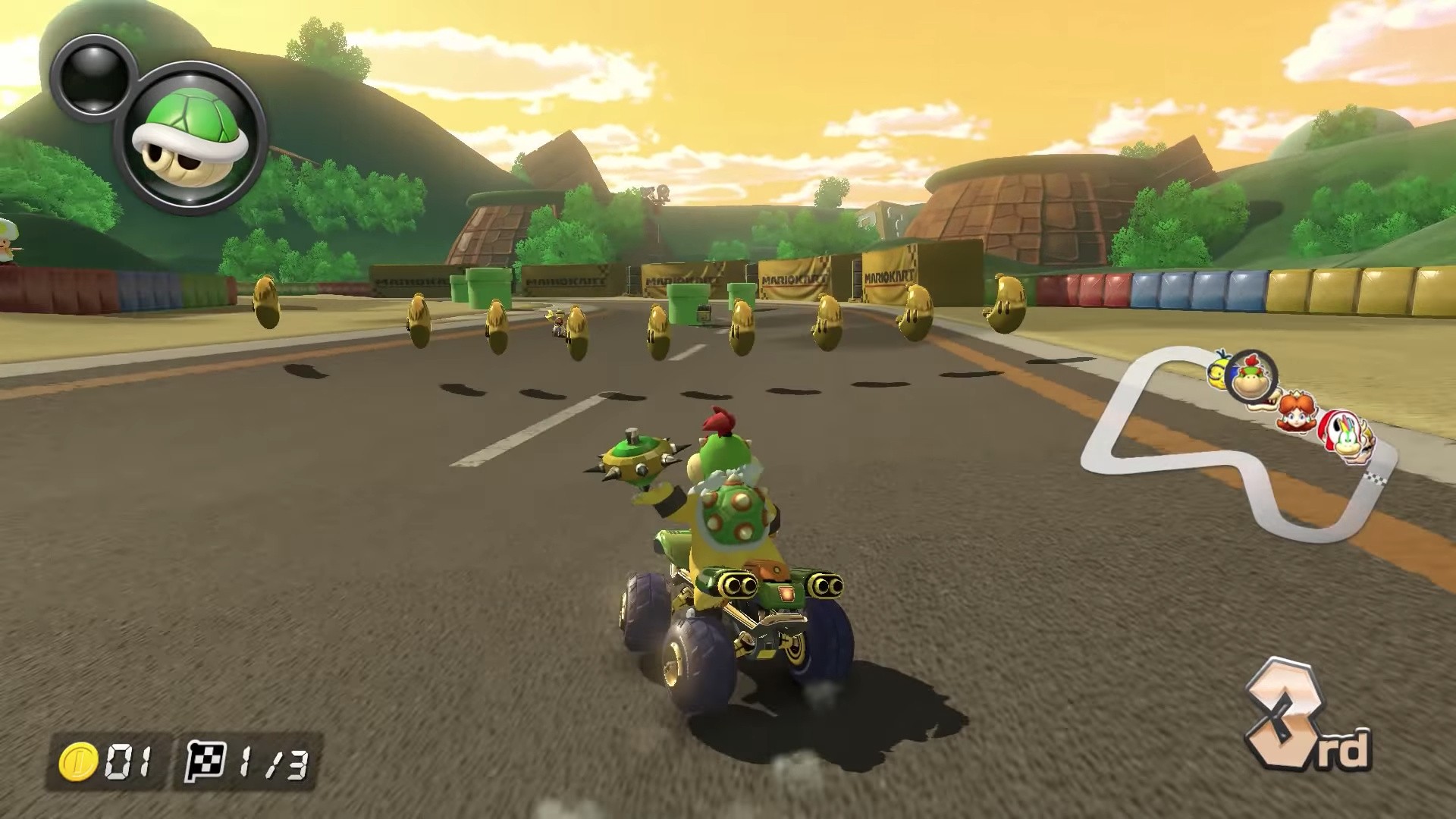
Well, these videos from YouTube user AtlasOmegaAlpha have us dreaming of one particular feature which could open things up in a huge new way. The videos present custom modded tracks, taking the game we know and love and sprucing it up with new locations and even some new UI elements. Check them out for yourself:
Now imagine if Nintendo added a feature to create your own Mario Kart tracks using in-game models and customisation tools. You could share them online, race on them with your friends (if Nintendo’s online support is sorted out by then), and maybe even set your own challenges for visitors to achieve while racing around your creation.
It might sound a little too dreamy, but would you ever have believed that Super Mario Maker was a real possibility before it was announced? We’re not development experts and have no idea how tricky it would be to create a ‘Super Mario Kart Maker’, but wow do we want one if it’s possible.
If you’re reading this, Nintendo, feel free to take our idea and run with it. Just pop our name in the credits and send us a copy when it’s done!
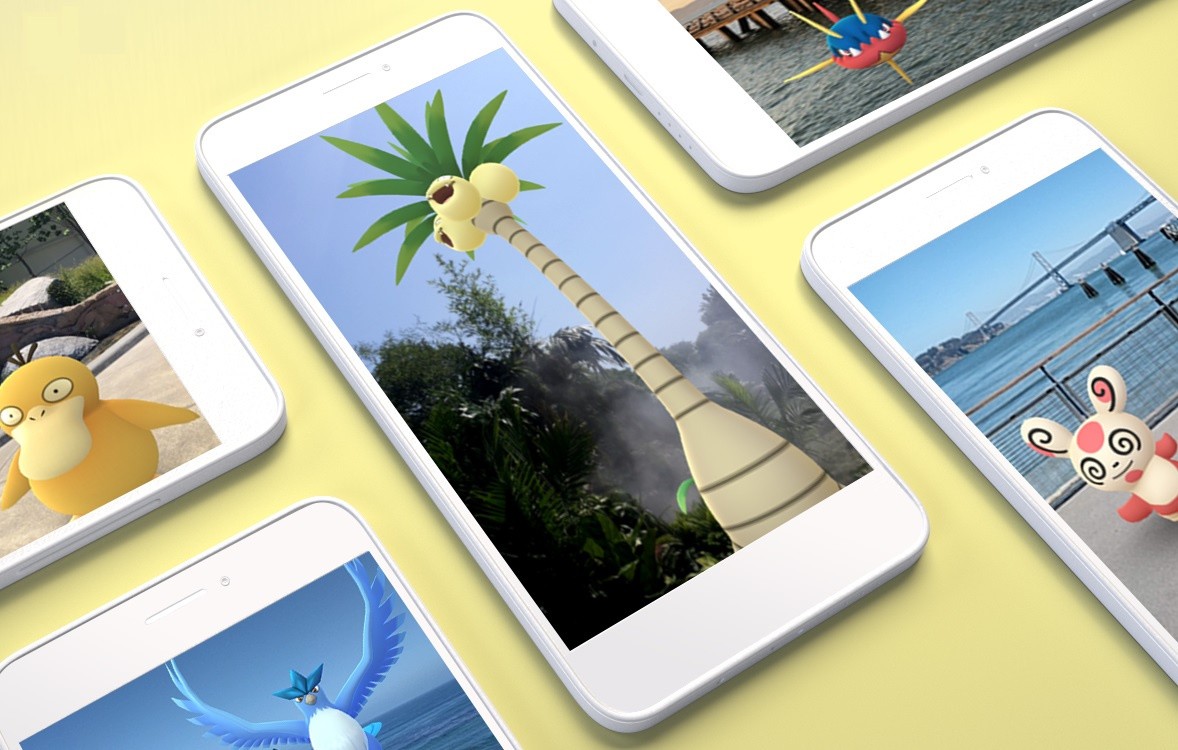
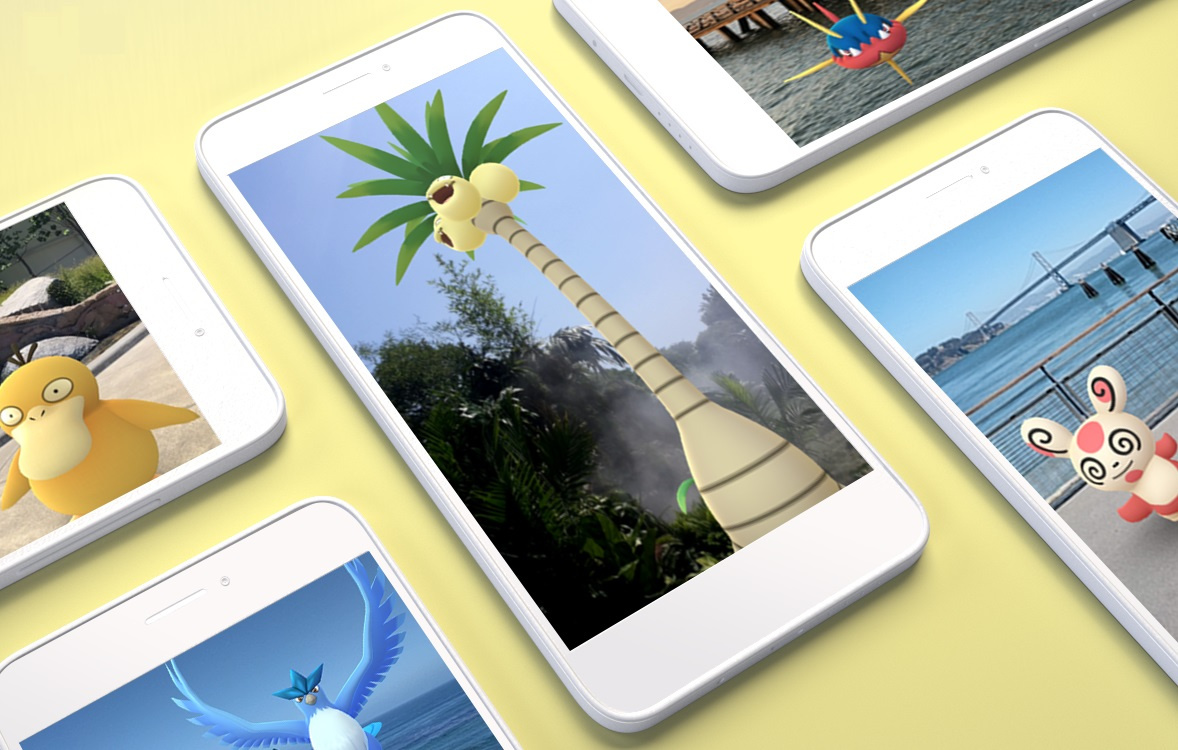
Described as a “new and exciting smartphone game”, the product will be released this fiscal year (so by March 2020) and will be based on the Pokémon franchise.
As you can see in the image captured above, more details – including its release date – will be released at a later time.
Could this be something which ties into Pokémon Sword and Shield? Will it be free-to-play, or a paid experience? So many questions! Hopefully we’ll find out soon enough.
Until then, why not let us know what you hope the game might be in the comments below?
Studio head of Panic Button, Adam Creighton, has revealed that he has stepped down from his role at the company and is “moving on to something new”.
Panic Button has become something of a fan-favourite name amongst Nintendo Switch owners as of late, largely thanks to its porting efforts with games like DOOM, Wolfenstein, Warframe, and more. Creighton shared the news in a tweet yesterday:
“No details yet, but excited to share I’m moving on to something new! I’m proud of my contribution to Panic Button’s success, grateful to the team that helped make that happen, and looking forward to this next phase of working with great games and people in the industry.”
As you can see for yourself, Creighton’s new job hasn’t been detailed just yet; his LinkedIn page notes that he started somewhere new this month but the important bits are hidden with temporary ‘TBA’ markers.
Interestingly, though, folks on Reddit have started to speculate that he could well end up at Retro Studios, makers of Metroid Prime 4. While that might initially seem like quite the leap, it’s worth noting that both Retro and Panic Button are located in the same city – Austin, Texas – and Retro recently posted a whole new wave of job listings.
With the success Creighton has enjoyed working with Switch, wouldn’t it make sense for him to be snapped up by an adored subsidiary of Nintendo? Hmm.
We’ll keep an eye out for any more announcements in the coming weeks.
It seems that NetherRealm is one of the first third-party studios to have taken advantage of Switch’s ‘boost mode’, according to our friends over at Digital Foundry. The behind-the-scenes mode, which released with the console’s latest firmware update, enables developers to take advantage of increased clock speeds to improve game performance in several ways.
At launch Nintendo limited the console’s docked CPU speed to 1020MHz and the GPU to 768MHz. These figures were both substantially below the performance found in Nvidia Shield Android TV, which uses the same Tegra X1 processor as the Switch. In handheld mode, however, the GPU was further slashed to 40-50% of that figure (between 307.2 and 384MHz). While this conservative clock speed helps prevent your Switch from cooking itself into a mess of melted plastic and electronics, it presents developers with some very stringent limitations.
Richard Leadbetter from Digital Foundry has used his tools and considerable nous to test the machine and its supposed new ‘boost’ mode and has confirmed these improvements with hard data. As we reported last month, temporary CPU clock increases to 1785MHz are helping in certain circumstances (loading screens in Breath of the Wild and Super Mario Odyssey, for example) and it appears that Mortal Kombat 11 is benefiting from GPU speed increases along with Nintendo’s games, too. The video explains everything in detail:
In handheld mode all the mentioned titles benefit from a GPU jump from 384MHz to 460MHz helping to reduce the impact of dynamic resolution scaling, among other things. Interestingly, the GPU clock also seems to change dynamically in some situations – a six-minute section of DOOM saw the clock speed change no less than 28 times.
If you’re at all interested in the nitty-gritty, we highly recommend you watch the whole video for a detailed breakdown and check out more of Digital Foundry’s videos. Their forensic work on consoles both retro and modern is fascinating if you’ve got a head for numbers and an interest in the challenges that face developers across all platforms. In the meantime, it seems a little more wiggle room for developers is expanding the potential of your favourite handheld hybrid console – everyone’s a winner.
Have you noticed an improvement in any of these titles? Is the forest in Breath of the Wild a little less stuttery? Let us know below.
We all like to pick up the occasional bit of gaming merch every now and again, especially when it comes to cool looking t-shirts that can show off our hobby when out and about, but shouldn’t our pets be welcome to get in on the action, too? Of course they should.
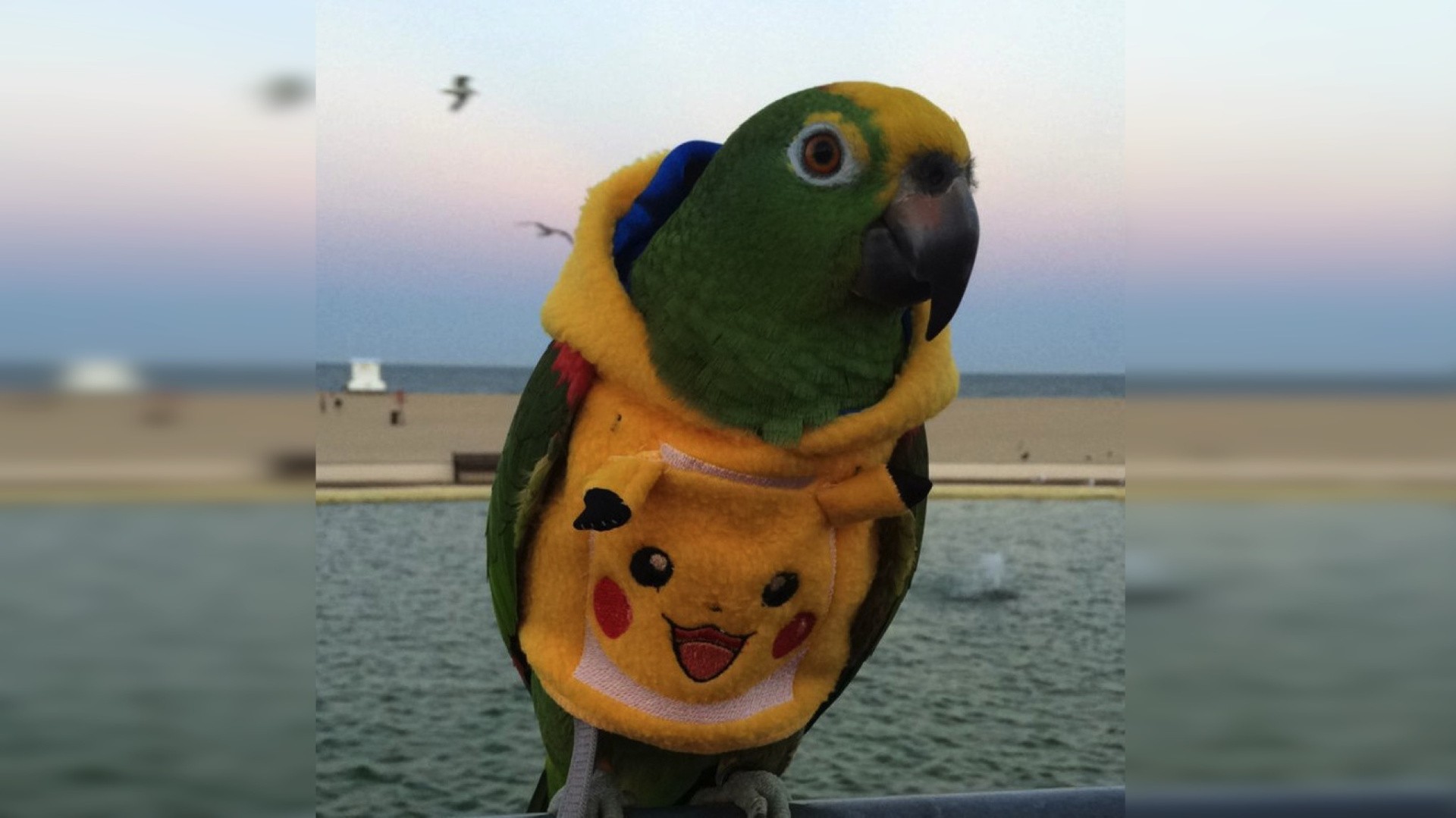
As if inside a bizarre dream where Animal Crossing has fully merged with reality, we present to you the Parrot Pokémon Pikachu Hoodie. We’ve stumbled across the design on Etsy, where seller Parrothoodies (yes, there’s a whole range) has listed the item for £12.99 – £16.99 depending on your parrot’s particular measurements.
In all honesty, the hoodie actually looks pretty great and Etsy users who have purchased and reviewed the product appear to be full of praise. It’s made from fleece with a cotton lining, has Pikachu’s face on the front and tail on the back, and even has the word ‘Pokémon’ embroidered on the hood.
We particularly liked a 5-star review from user Ruby, who shared a photograph of their parrot in the purchased item.
If you’re looking to pick up your own Pikachu hoodie for your parrot, the seller has provided a guide list of sizes:
Sizing Petite is for Senegal, Caique, Derbyan, Moustache Parakeet, Small is for Lesser Sulphur Crested too, Goffins Too, Myers, Timneh Grey and similar sized birds Medium is for Congo Grey, Galah Too, Medium Sulphur Crested Too, Eclectus, most crows Large is for Macaws, Greenwing, Blue & Gold, Hyacinth, Scarlet, Moluccan Too
We’ll leave you with more photos of the Pikachu hoodie because we imagine that’s exactly what you’re here for.
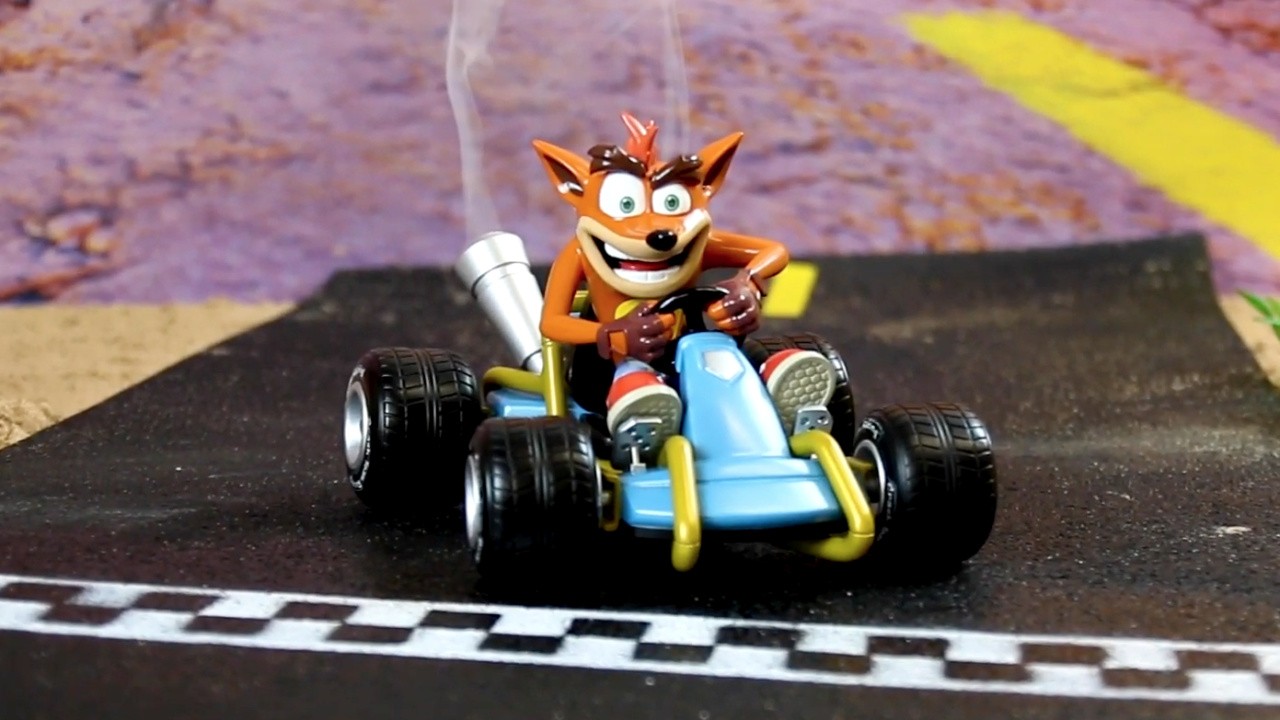
With Crash Team Racing Nitro-Fueled‘s launch now speeding into view, Numskull Designs has announced an official merchandise range for eager fans.
If you can’t wait for Crash’s latest outing on Switch – we’re only just over a month away from release – you might want to treat yourself to one or two of these themed gifts. We would never have asked for a Crash Bandicoot incense burner, but after seeing how cool it looks in that trailer above, we’ll gladly take ten of them.
That’s not all, though; other highlights include furry dice, a nice range of t-shirts, and some crate-shaped mugs which come in a variety of different designs. We’ve got a full list of the products available below, and you can shop the whole range right now over at Numskull’s website.
The full range includes: – Furry Dice – Air Fresheners – Crate Keychain – Trophy Keychain – Crash Cove T-shirt – Eat the Road T-shirt – Powerslide Hoodie – Face Snapback – Racing-inspired Snapback – Metal Badge Mug – Trophy Mug – Wumpa Fruit Crate Mug – Tire Coasters – Commemorative Medal – Toolbox Pin Set – Incense Burner
The game itself drifts onto Switch on 21st June and all products listed above are expected to be released by that date, too. It’s going to be an awfully Crash-full day if you treat yourself to some of these goodies alongside the game.
Like what you see? Let us know if you decide to go for any of these in the comments below.
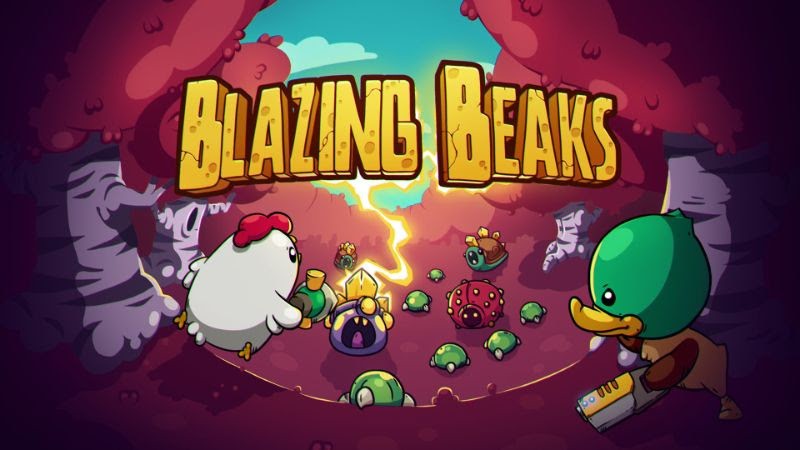
Launching today on Nintendo Switch is Blazing Beaks, a twin-stick shooter from QubicGames. As you can see from the launch trailer above, this one looks pretty quackers (sorry).
Featuring both a story mode and a multiplayer tournament mode, Blazing Beaks has players blasting their way through randomly generated levels whacking pretty much everything in their path. The story mode can be played alone or in co-op, with levels “bursting with secrets” and mysteries to uncover. This lengthy feature list should give you a better sense of just what’s going on:
BLAZING BEAKS– MAIN FEATURES: • Enjoy a thrilling plot, either alone or with a buddy, in Story mode. Become part of an explosive adventure set in charming and surprising levels. Shoot, blast, zap, and disintegrate your way through creepy creatures, solo or in co-op! • Compete with up to four of your friends in Tournament mode and find out who’s The King on a battlefield fueled with mad rules for lively get-togethers; • Discover cool weapons and abilities, but beware of the powerful artifacts – you will be tempted to grab them, but they will make you suffer; • Choose from eight completely different playable bird characters. Each has its own unique abilities, so pick one that matches your playthrough style best; • Dig into details by reading all about the particularities and statistics of the characters, items, enemies, and abilities you discovered; • Play. Die. Repeat! Randomly generated levels and loot drops make every playthrough different. A special “Seeded” mode also allows you to restart an adventure with identical settings if you so wish.
The game is available as we speak for $14.99 / £13.49, although owners of previous QubicGames titles (almost all of them qualify) will net you 50% if you pick it up before 2nd June.
What do you think? Will you be downloading this one today? Let us know in the usual place.