Posted on Leave a comment

Review: For The King – A Roguelike RPG That’s Best Played With A Friend

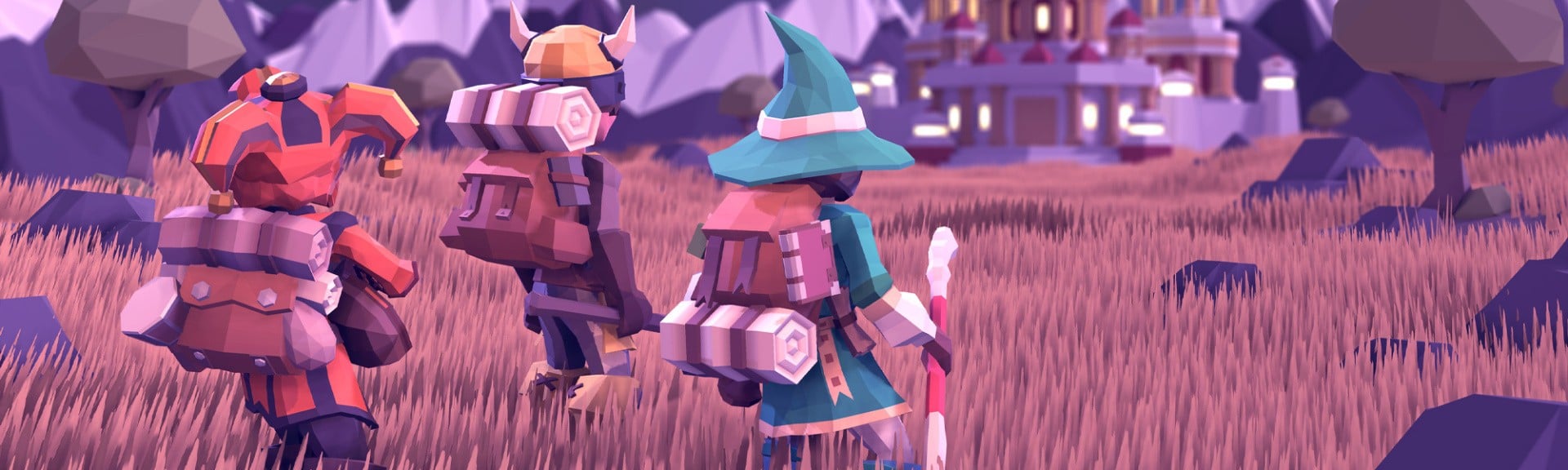
Don’t let the beguiling art style of For The King fool you. It might look like a children’s book that’s been conjured to life, bathed in the soft autumnal light of a European fairy tale, but beneath the funny hats and cute character designs sits a roguelike RPG with teeth. Underestimate the challenge of its procedural maps and the turn-based battles contained therein, and you’ll get bitten, hard and often. But take the time to understand its co-operative charms and nuance of overworld exploration and the rewards are often great, satisfying and well earned.

Each new adventure starts with three adventurers, randomly-generated from a raft of potential classes and looks, who must head out into a kingdom where an evil primordial force known as Chaos is taking root. With the most famous wizard in the land conspicuously missing and the king himself slain, the queen tasks you with halting the spread of Chaos and seeking out the identity of the kingslayer. As a premise, it’s a little rote, but it’s how you embark on this adventure that really helps set this procedural RPG apart from its contemporaries on Switch.

Following a living tabletop aesthetic similar to the one employed in Armello (another great example of turn-based battles and tactical placement elevated by creative new ideas), For The King’s trio of would-be heroes traverse the map independently of one another. With plenty of random timed events appearing across the land, the idea is to split up and reform your squad periodically during their own turn, dealing with pockets of Chaos and battling all manner of monsters and bandits. Each character has a series of turns to move around the hexagonal grid, but so does ‘the enemy’ so being sure of your team’s positioning at the end of a turn is key. However, the shadow of permadeath looms over your party. Depending on the difficulty you choose, you could lose everything on a run if Lady Luck decides she doesn’t favour you.

Splitting character turns up might seem like an odd choice, but it plays directly into one of the best ways to enjoy For The King: cooperative play. While you don’t have to play any of its campaign and myriad DLC expansions – including a total of six full campaigns – with anyone else if you don’t want to, the entire game is playable solo, where you control each party member one after another. It’s in co-op that For The King really comes together as an RPG; whether you’re playing locally on the same screen or online, every aspect of the game becomes intrinsically tied to effective teamwork and communication.

As a group, one player can head off to a local town or village and collect some side-quests (which often net you new gear, weapons and gold), tasking you with reducing the local Chaos level, killing a certain enemy or simply finding and returning a certain item. Another might choose to visit a local statue or temple, imbuing your party with refilled focus. However, how far you might diverge, the world of For The King is a dangerous place and every battle is better when fought together. When combat is initiated – either through proximity to an enemy or through an ambush – only the party members present within a certain distance will be eligible to fight, so wayward players might scupper the entire team’s wider efforts. Chaos gradually increases in the region, so you’re always having to seek out the nearest sources in order to stem its tide. This time pressure adds some welcome pace and removes any chance of complacency creeping in.

Combat itself really embraces some of the quirks of a tabletop game, with the effectiveness of each character’s action defined by a roll of dice. Each move can also be increased in its potential accuracy by adding focus, your constant source of additional energy. It’s a finite resource, but it can often help bolster a final attack when you need to wrap up a battle quickly. This mixture of player agency and chance makes each skirmish a tantalising prospect, as does swapping out weapon cards with your characters to find out how best to increase or decrease your stats. However, that reliance on chance and the ‘roll of the dice’ can often make battles more unpredictable than we’d like, which can be a potentially difficult element to include in a game built around the finality of permadeath.

The Nintendo Switch port benefits from all the DLC content released since the game first entered Early Access on Steam many years ago, which is a generous chunk when you consider how much of it is procedurally generated on each new run. The game is nicely optimised on Switch with no signs of slowdown or other technical issues. Moving characters across the hexagonal grid is quite clunky with an analog stick, and it seems strange that developer IronOak Games didn’t take full advantage of Switch’s touchscreen functionality. Being able to drag characters, or tap on-screen elements, would have made far more sense for a game such as this.

Conclusion

Turn-based RPGs of yesteryear and today owe a lot of their fine-tuned tactics to the legacy of tabletop board games, and For The King pays tribute to this legacy with a digital adventure where anything can happen. The fast-paced nature of its exploration and combat keeps everything feeling fresh and lively, but the considerable reliance on chance does take the shine of its otherwise competent combat. However, with adjustable difficulties (which amend the severity of each death) and a sizeable amount of expansive DLC, this is one roguelike RPG that really shines in co-op.
Posted on Leave a comment

Retro Shoot ‘Em Up Cotton Making A Surprise Comeback On Switch

Bewitched!

Season Of The Witch!

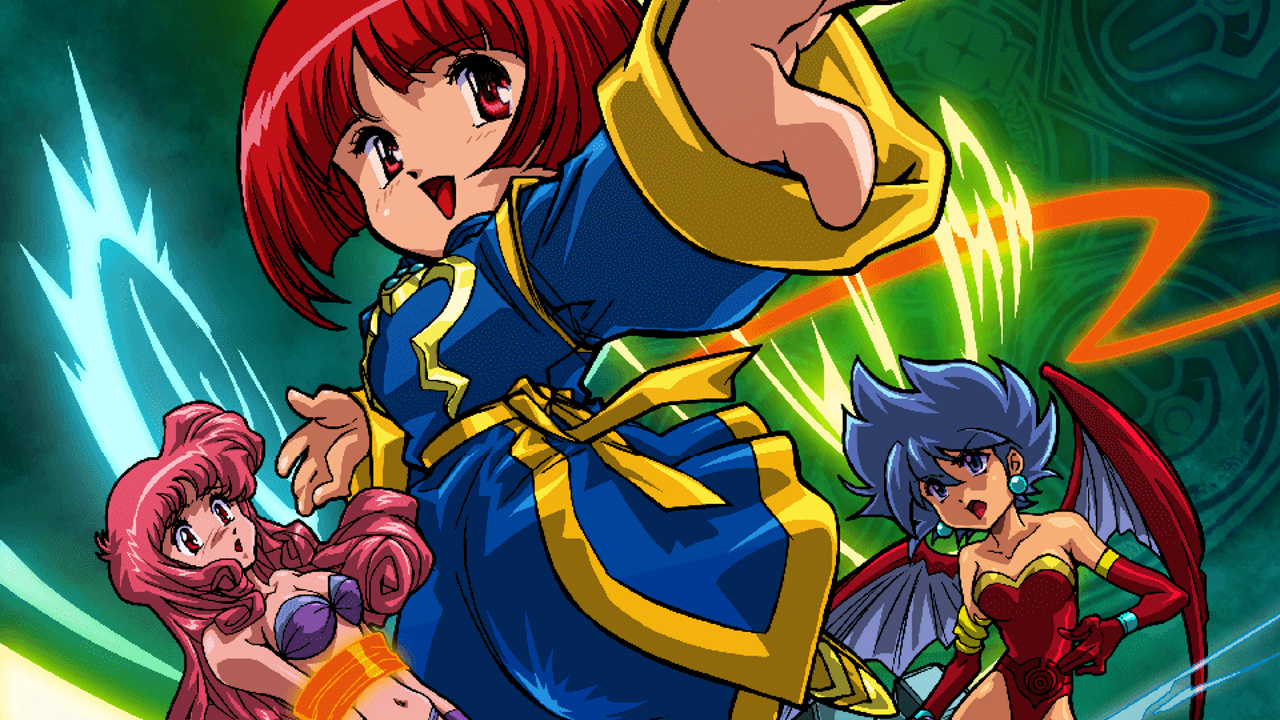
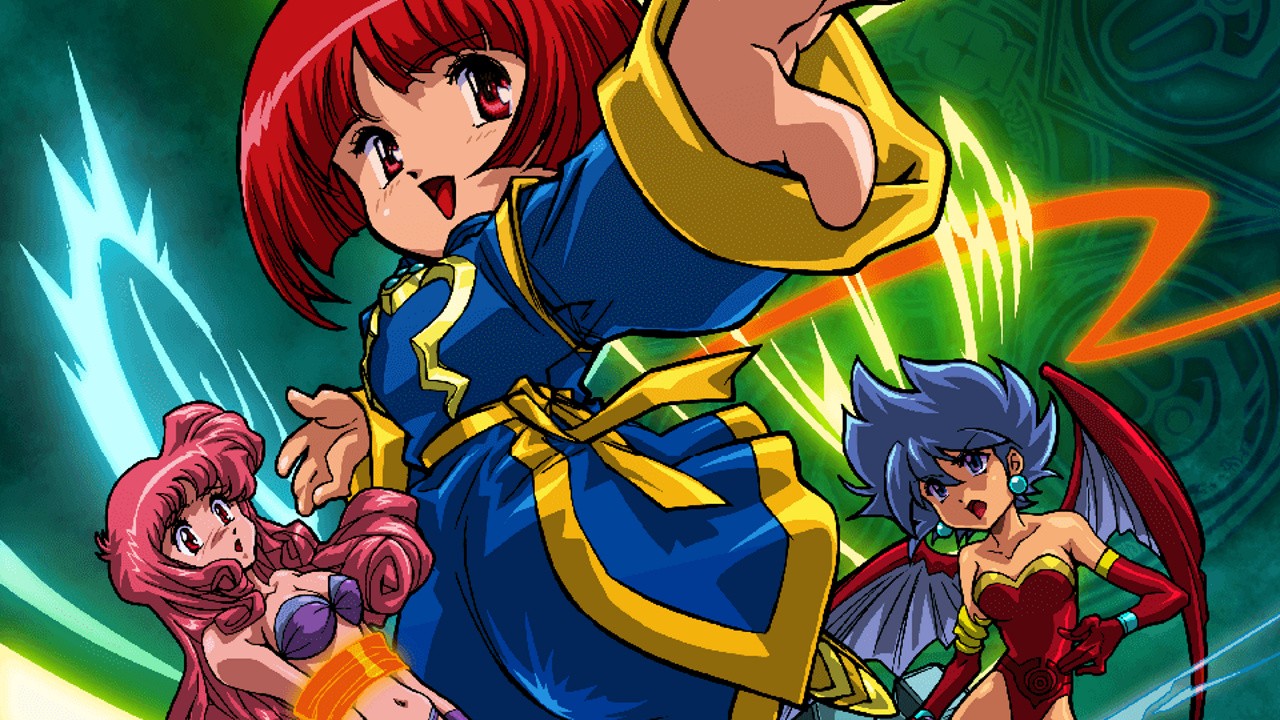
Great news for shoot ’em up aficionado as Beep has officially confirmed it is working on a brand new Cotton franchise reboot – heading to multiple platforms including the Nintendo Switch. While there isn’t much information about this new entry at the moment, the company has revealed it will be based on the X68000 Japanese computer home conversion of the first game in the series, Cotton: Fantastic Night Dreams.

For those unfamiliar with the Success-developed series, it consists of horizontal shmups (with the exception of the technically impressive Sega Mega Drive outing, Panorama Cotton) and has the player controlling a titular witch named Cotton and her fairy companion Silk, while navigating colourful yet increasingly difficult levels that usually end with huge boss fights.

Are you a fan of the Cotton series? Are you looking forward to once again taking control of Cotton and mowing down wave after wave of cute enemies with your lethal magic? Cast your incantations in the comments section below.

[via beep-shop.com, gematsu.com]

Posted on Leave a comment

Review: Deponia – An Amusing Graphic Adventure Which Is Totally Overpriced On Switch

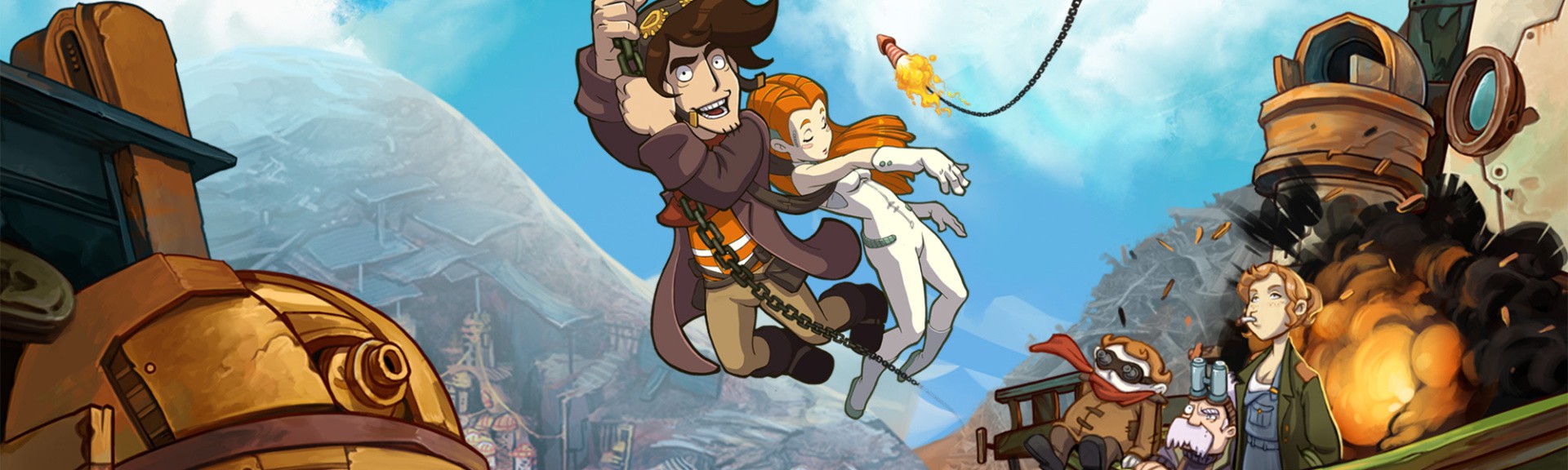
In its third year, the Nintendo Switch has gained a somewhat justified reputation as a ‘port machine’, and while games such as Onimusha and DOOM have been welcomed with glee and enjoyment, others have arrived with an Alan Partridge-style shrug and a ‘How Much?!’ shouted from the garden. With that, we have been graced with Deponia, a point-and-click game in which you control the fates of two characters named Rufus and Goal set in the garbage-filled land of Kuvaq, and it’s up to you to reach the floating city of the rich known as Elysium and live happily ever after.

Developed by Daedalic Entertainment, this is a game which was originally released over seven years ago, and alongside their other game, Silence, has been ported to the Switch. Much like Daedalic’s other games, you control a character (or two) and watch on as their stories intertwine, while you use a Joy-Con (or a pad of your choice) to progress throughout the game.

As was the case with Silence, Deponia looks amazing, especially when played in docked mode. The animations and the hand-drawn graphics really pop-out on an HD TV, and the level of detail is welcome as you’ll have an almost-obsessive need to just explore every screen you walk into. Even at the start – which opens with your toothbrush running away (yes, you read that correctly) – there’s an inexplicable charm to Deponia, making you care about what happens to Rufus and Goal by the time you finish the game.

Having said that, sometimes Daedalic goes too far. There did seem a desperate need to be ‘funny’ throughout the whole adventure, and while at times it did work, many gags fell flat, almost harkening back to when The Simpsons jumped the shark. Still, the puzzles – arguably the most important part of this kind of game – are plentiful and well-constructed. They’re very fun to solve and while you do admittedly control a character who is the village idiot, it can still result in some funny dialogue when you succeed or fail these tasks.

This tone is what will almost certainly keep you tuned into Deponia, despite the occasionally flat joke. The fun, the comedy and the fantastic art-style – all of these elements combine to make for a really enjoyable point-and-click adventure. Similar to Silence, the style and charm on offer goes a long way, and there’s a curiosity to see just where Rufus and Goal end up next. The developers have said that the subsequent games in the series are coming to Switch as well, which will be music to the ears of long-time fans.

However, this does bring us to the elephant in the room here. Deponia, like Silence, costs £30 in the UK, yet it’s possible to get all of the games in the Deponia series (Deponia, Chaos on Deponia, Goodbye Deponia, Deponia Doomsday) at a reduced price on other digital stores (the PlayStation 4 collection of all the games currently retails at £33, but on Steam it has been as low as £4.49). Granted, a physical version on a Switch game card is also available, but it’s impossible to ignore the fact that once again, Switch owners are paying a premium for a game which is quite old by today’s standards.

Conclusion

Deponia is a fine example of the genre, but there’s no getting around the fact that the game’s price on Switch will be your main barrier to entry here. It plays well and has that charm that Daedalic is famous for, and it constantly reminds you of the Monkey Island series – no bad thing at all. But when you’re able to find the same game for under a quid if you look hard enough – and you take into account that this Switch version has no added benefits – it becomes harder to recommend. You’d be better of waiting for a price drop, or, if you’re still interested, investigate if Deponia is available on an alternative platform at a cheaper price.

Posted on Leave a comment

Review: Girls Und Panzer: Dream Tank Match DX – Yet Another Half-Hearted Anime Tie-In

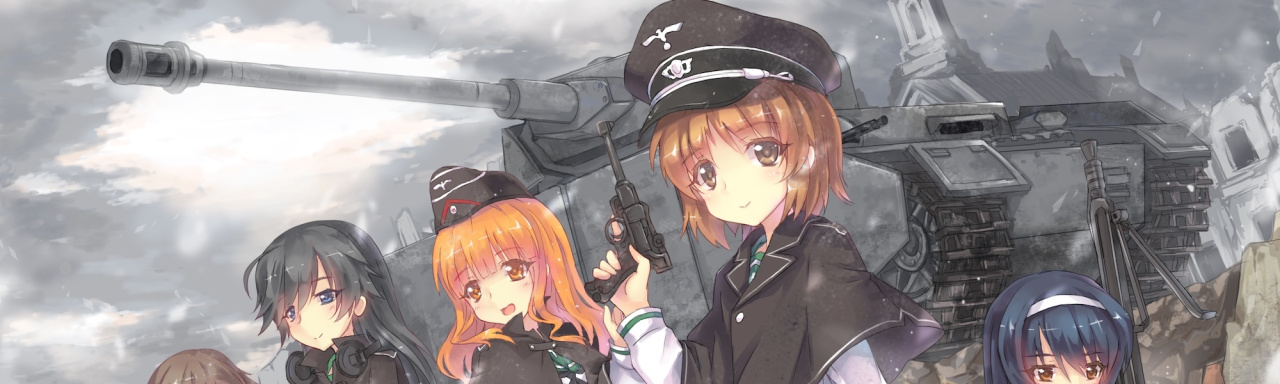
For the uninitiated, Girls und Panzer is the sole manga/anime series brave enough to tackle an issue we’ve all been searching for an answer for but until now were too afraid to ask: What would happen if girls practised tank-based martial arts as a school sport? Dear readers, wonder no more.

Girls und Panzer: Dream Tank Match DX is an updated version of last year’s PlayStation 4 title Girls und Panzer: Dream Tank Match, and comes with all of the original’s DLC additions and improvements bolted on to the base game as standard, making this Switch release the perfect one-stop-shop for all of your “tankery” needs.

The setting for this arena-based action is a modern Japan school system furnished with World War II-era tanks in the name of sport, with the schools all themed to the point of parody around various countries – Italy, Russia, the USA, and so on. Naturally, the English school is of course full of girls with tea-themed names who daintily sip the beverage out of fine china cups (yes, even when in a tank) and dream of winning – brace yourselves – a tea plantation. Character depth (if you are feeling generous) involves conversations about baking scones, quoting classic literature (which is always followed up by another character pointing out the source of the reference, for fear you may not grasp how well-read these girls are), or the importance of tradition.

In the interests of fairness it’s worth mentioning that every one of these foreign-but-actually-still-Japanese schools are given similar stereotypical treatment; a pretty standard set-up for any “pick your favourite type of girl” media, but if you weren’t on board the tank-train already it might take a while to warm up to the game’s summer sports day atmosphere, and all of the nice girls being so tirelessly nice to each other before going out and enthusiastically blowing each other up in the name of their school.

Before you’re allowed access to most options on the main menu there’s a mandatory set of short tutorials to go through, covering the most basic aspects of moving and shooting. It’s not much, but it’s enough to give you some confidence and a little practise with the essentials before heading off into the game proper.

Maneuvering your tank is superficially as straightforward as controls come; the left stick handles your movement and the right one your cannon (and therefore your field of view, unless you decide to stick your commander’s head out of the top of the tank for a quick look-see with the shoulder buttons), but as the two components are used completely independently of each other it’s very easy to get caught in a tight spot, camera backed up to the wall, and not know how to get yourself out of it.

This is because the tank’s idea of “forward” is tied to the front of the tank rather than the direction of the camera – which is no problem at all if you’re sitting in the driver’s seat of a real tank – but in a game that gives you full 360-degree camera movement it often causes problems as you struggle to see which identical end of your tank is the “official” front and you rev up your engines and push forward… only to shoot off in what appears to be the opposite direction at high speed.

“High speed” in a lumbering tank is something of a contradiction – these enormous iron panzers take a fair bit of time to do anything, including aiming at other tanks. Swinging your cannon around to line up a shot and then dealing out a good chunk of damage is a satisfying experience if you can manage to pull it off – although it’s almost impossible to do reliably while moving. Or while the enemy’s moving. Or if you’re being fired at.

Luckily there’s a lock-on feature that will do its best to automatically keep you lined up with your target at the expense of the specialist manual targeting that comes with aiming for yourself – and you will want to do the aiming yourself as the game dishes out varying amounts of damage depending on which part of the tank’s body you hit. A glancing blow will barely scratch the customisable paintwork, whereas a full hit to the front (or, even better, a weak spot) will cause a lot of damage, and if you can zoom in and get a few clean shots at their treads you can even keep them from moving while they’re forced to carry out repairs (just make sure they don’t do the same to you too).

Hit or miss, when you do fire a shot it takes a long amount of time to ready another shell until you get the hang of the game’s Gears of War-like ‘active reload’ system. Just as in the adventures of the tomato-loving Marcus Fenix and his broad-shouldered pals, hitting the reload button at the right moment will instantly finish the rest of the animation while mistiming will cause the reload attempt to fail, making the whole thing take even longer than just waiting for it to pass by normally. Luckily it’s easy to see when you need to hit the button as there’s a clear visual marker on-screen whenever you’re reloading, but the timing is quite strict so it does take some dedication to get right.

For a game that’s built from the ground up around battling in tanks, it stings to see all the little ways the game lets itself down on what should have been core parts of the experience – for a game that goes to great lengths to talk up the importance of data and specific tank types, and even taking into account the almost infinite number of tank/commander/crew/skill/support card permutations you can create in your garage (once you’ve unlocked them, of course), there’s just not an awful lot of difference between them in practice.

A light tank may not take as much effort to get going as a heavy tank, and a tank with two side turrets rather than a single forward cannon certainly looks like it belongs more in Raiders of the Lost Ark than a high school sports event, but in reality these differences fail to open up any meaningful new tactics or even simply brute-force you into changing how you play. Teamwork is also conspicuous by its absence – remember that this is not just a single game but an entire franchise based around continually pitting small groups of schoolgirls against each other in adorable tank squads – there’s just no synergy to your team selection or any need for cooperative play. No matter how badly you may wish to specialise in a particular role or engage in tactical play, matches always end up unfolding in a similar “Pile on the opposing side and hope you do more damage than they do” kind of way, with the enemy AI doing very little to discourage this behaviour.

Because of this, most of Girls und Panzer’s match types end up blurring into each other, with the annihilation (destroy all or a set number of opposing forces), flag battles (destroy a specific enemy tank), and survival modes (outlast the time limit) coming across as nothing more than minor variations on an already thin theme. The (solo) race against the clock games do inject some genuine variety into proceedings but they’re not enough to lift up the rest of the package; it’s a real shame to see the main attraction not quite hitting the spot.

There are at least plenty of single player modes to keep you occupied if you do find yourself enough in love with the cast for the blandness of the combat to not deter you. Story mode’s the main event, recounting select scenes from the 2015 Girls und Panzer movie – and as this is where the bulk of the game’s dialogue lies. It’s also the place where you’re most likely to notice the distinctly stilted text found in the English-language version of the game. “It can’t be helped!” as average translations (yes, this one too) frequently say, but the game really needed to pull off something special here to try and claw back some of the goodwill lost due to the issues found elsewhere.

Domination mode has you pick a school team and play through five battles with a generic little whiff of plot running through it. “Panzerfahren Festival” is an elaborate way of saying “Tournament mode” – you and one starter (CPU) ally of your choice battle your way through a typical tournament structure, the twist here is after each victory you get to add one of the defeated team to add to your own side, teams increasing in size all the way up to that final 5v5 match.

Extra Match is the most substantial mode of the lot, presenting you with a long list of pre-made challenges across every game type and three selectable difficulty levels to tackle too. It’s all recycled assets and game types from the rest of the game, but clearing off a screen’s worth of tasks does feel like an accomplishment.

Free Match is as you’d expect – a vanilla custom match creator that does what it says on the tin – while the last mode of all is online play, bafflingly labelled “Local Communication” mode on the main menu of the English translation. Once online you’ll find several match types covering all of the usual basics (casual play, special events, friends) with the map used based on a Splatoon-like rotation system. In our playtests matchmaking and online play all worked well with no noteworthy lag or communication issues, but it doesn’t make the underlying gameplay any more compelling, either.

Conclusion

If you bought this hoping to see girls and panzers then the game does at least deliver on its titular promise, the polished presentation and copious amounts of chirpy schoolgirl banter trying their hardest to mask the game’s numerous weaknesses. Unfortunately, Girls und Panzer’s gameplay never makes you believe it’s doing more than inoffensively coasting along on the back of the license’s appeal; gaming’s long history may be littered with half-hearted tie-ins, but there was no need to add another to the pile.

Please note that some of the links on this page are affiliate links. If you click them and make a purchase we may receive a small percentage of the sale which helps support the site. Please read our FTC Disclosure for more information.

Posted on Leave a comment

Random: These 3D Concepts Have Us Dreaming Of A Nindie amiibo Line

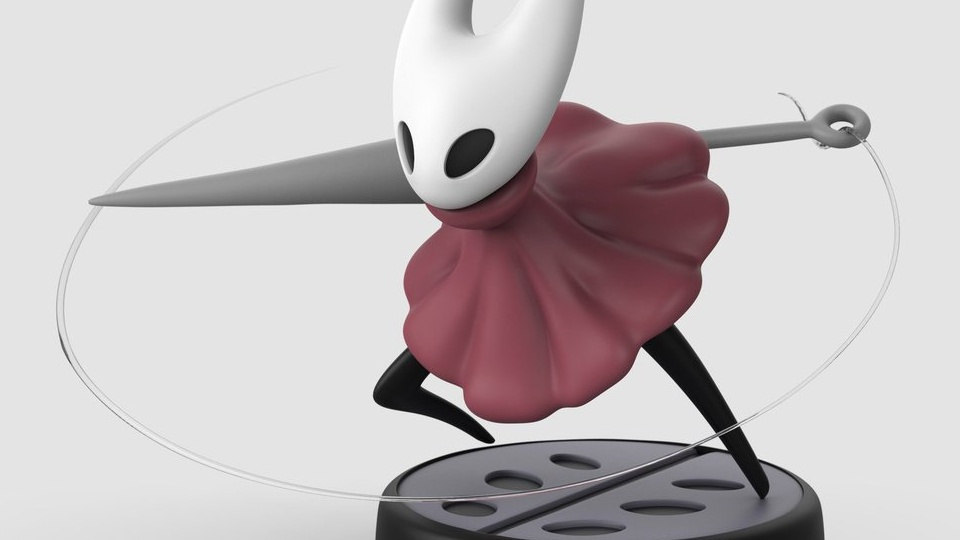
Hornet

Nintendo’s amiibo line has been an absolute cash cow for the Japanese company since arriving alongside Super Smash Bros. for Wii U in 2014. To date, there are more than 170 amiibo available. While most of them are based on first-party Nintendo titles, there are a few exceptions such as Yacht Club’s Shovel Knight.

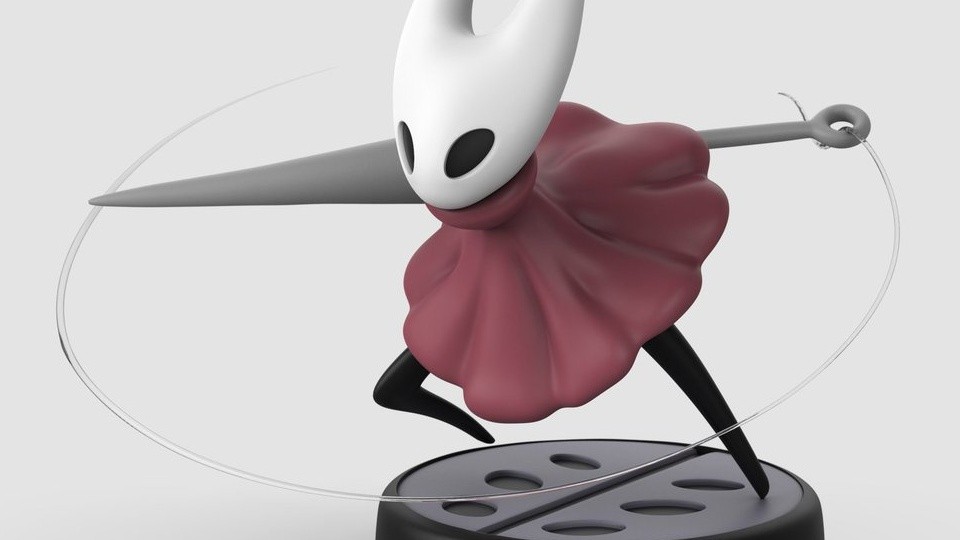
If you’ve always thought about what other notable Nindie characters would look like in amiibo form, a Madrid-based 3D modeler, sculptor and indie video game developer, who goes by the handle @JCirion3D over on Twitter, has been busy creating amiibo concepts for characters from games such as Hollow Knight, Cuphead and The Binding of Isaac. Take a look below:

The talented individual also ran a poll, asking followers what notable indie game they would like to see turned into an amiibo next. While Hollow Knight won, perhaps Dead Cells or Enter the Gungeon will receive the same treatment in the future.

Do you wish any of these amiibo were real? What other characters would you like to see transformed into amiibo? Tell us below.

Posted on Leave a comment

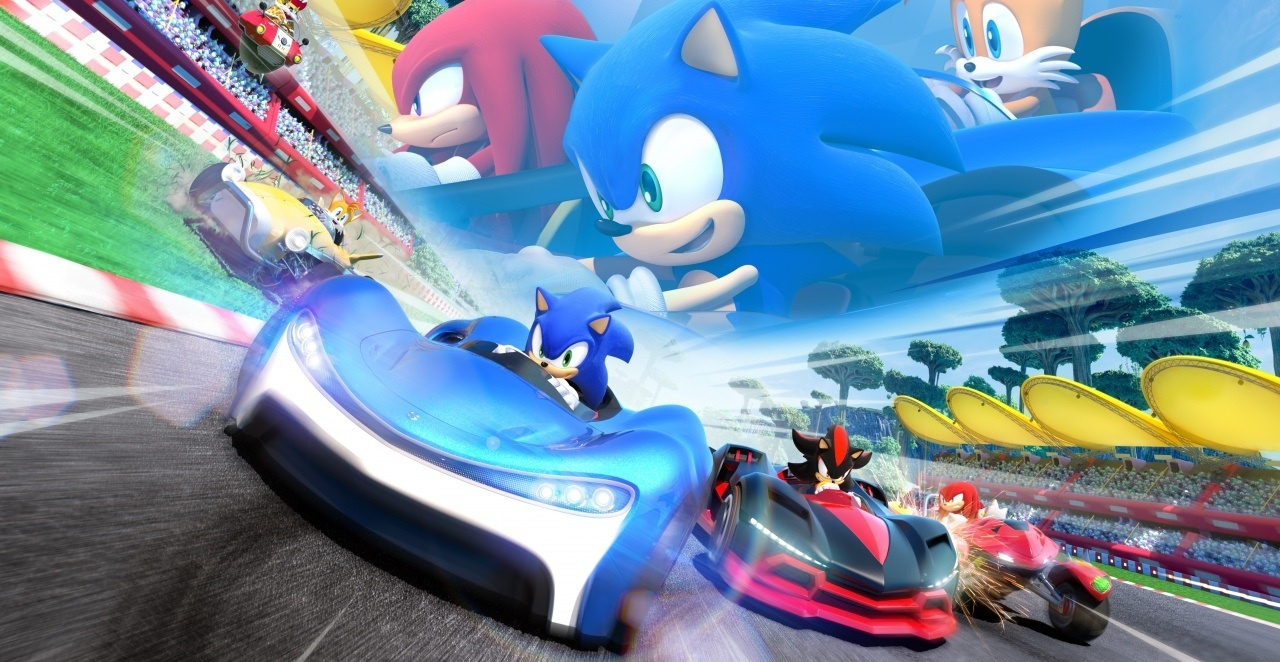
There’s No Need To Worry About Paid DLC Or Microtransactions In Team Sonic Racing

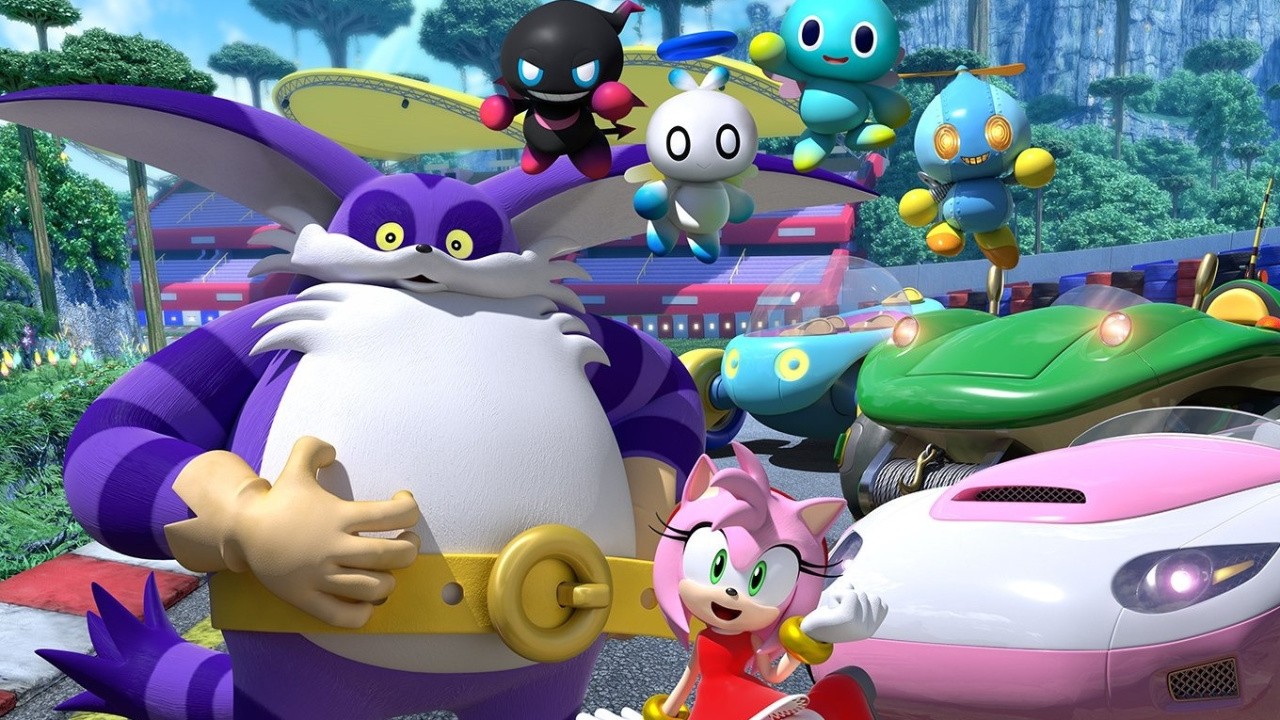
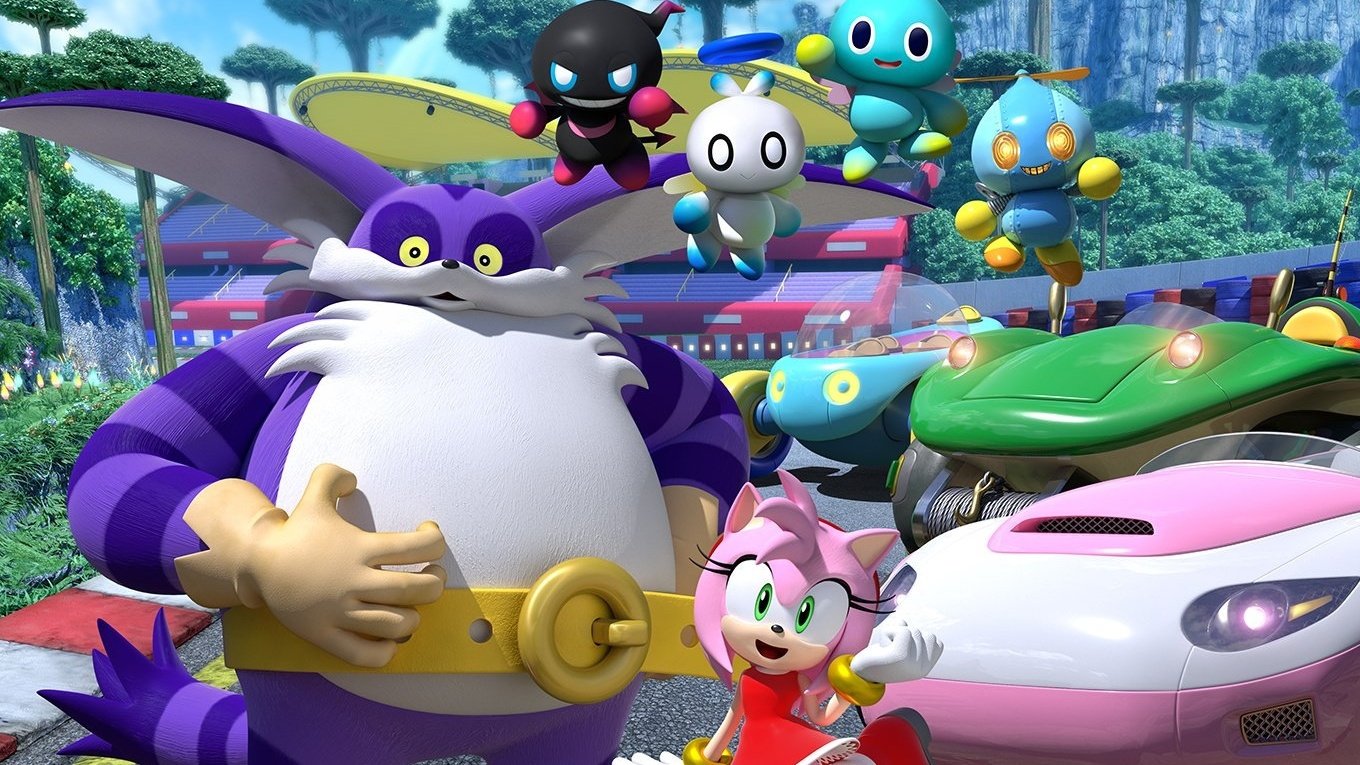
Team Sonic Racing Characters

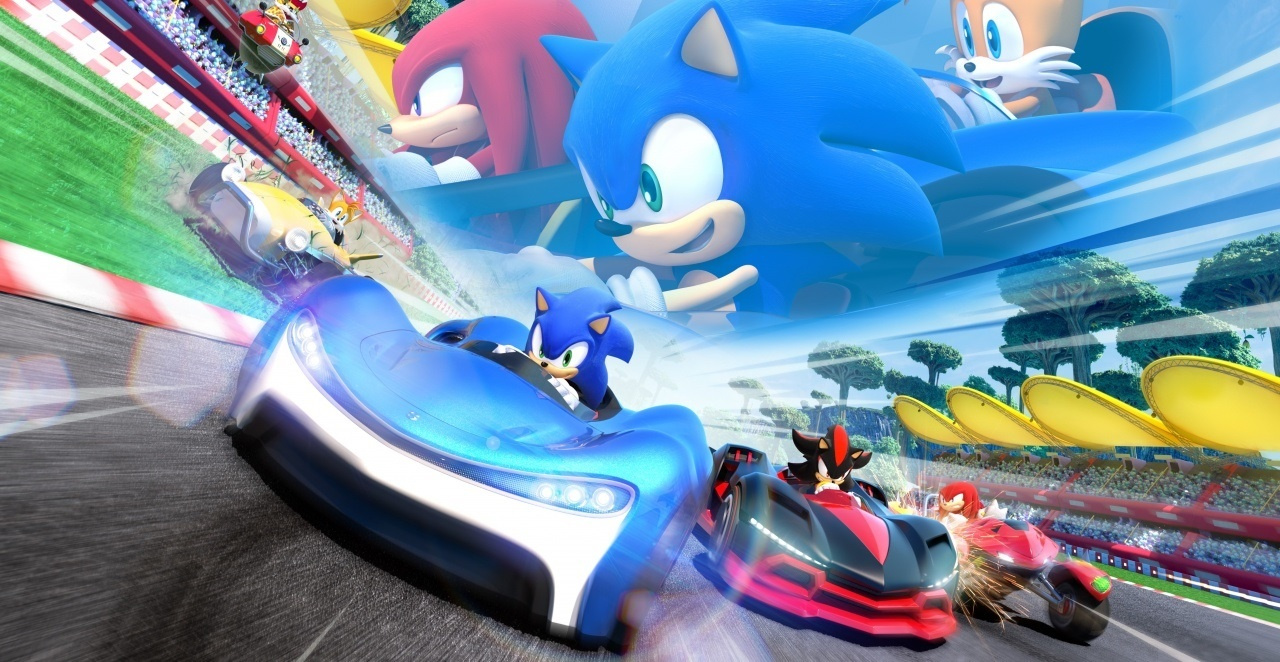
In a recent Sonic the Hedgehog live stream over on YouTube and Twitch, Sega’s Aaron Webber answered a question about microtransactions, paid DLC and if anything similar will feature in Team Sonic Racing.

Despite many companies embracing this model like there’s no tomorrow, Sega’s development team have apparently decided against it, on this particular occasion. All of the content is included on the game card from day one and it’s simply a matter of playing the game to unlock everything. Here’s precisely what Webber had to say (thanks, Nintendo Everything):

“So there are two things I want to talk about for Team Sonic Racing real quick, because I think they’re important to talk about. The first is DLC. And there were a couple of options, and option one, was to essentially take content and sell it as DLC later and that was not something that I think the team wanted to do. The team is in a case – and I kind of prefer this – which is just all the content that’s going to be in the game is there right at launch. So we’re not going to charge you like 3 bucks later for characters that were cut out of the game or anything. It’s all there. And you’ll unlock everything as you’re going through.”

So, based on this explanation, all of the characters will be there, and if anything else is released in the future, it will presumably be free. We guess we’ll find out for sure later down the line. For now, though, it’s clear there a total of 15 characters in the game and all of them can be freely unlocked. As for how the various other unlocks work in Team Sonic Racing, it’s all tied to Mod Pods. Webber also mentioned how there were no microtransactions:

“The mod pods are the way you unlock parts and customization and color pallets, and all that in the game. This is a system that does not use real money it does not use microtransactions of any sort. And we thought that was really important. So it’s completely random and you earn the currency as you play the game. The more that you race, whether you win or lose, you’re earning this currency and you can cash that in through these mod pods which give you like boosts at the beginning of a race like Wisps or give you the car parts that you can then change and dye and all that.

“We did not want to do the microtransaction route at all, and that’s why we’ve got this different angle, which personally I think is a lot better, but we’ll leave it up to you guys to obviously voice your opinions and hopefully everyone’s cool with that route.”

Are you glad to hear you won’t have to spend extra money to unlock more characters and content in the game? Tell us below.

Posted on Leave a comment

Rumour: A Sequel To Detective Pikachu Is Already In Development

Detective Pikachu

If you haven’t seen the live-action movie Pokémon Detective Pikachu yet, you might want to hurry up. After an electrifying opening weekend, ComicBook.com is reporting a sequel is already in the early stages of development.

According to the source, multiple individuals involved in the original production have confirmed Legendary Entertainment is moving forward with a second outing, once again starring the electric rodent voiced by Ryan Reynolds. Apart from this, there’s no other information about the film and Legendary itself did not respond when contacted by the website.

This follows on from an exclusive on The Hollywood Reporter website earlier this year, suggesting Legendary Entertainment had reportedly hired Oren Uziel to write a script for the sequel. Uziel previously worked on films such as 22 Jump Street, The Cloverfield Paradox and is also responsible for the live-action CGI adaptation of Sonic the Hedgehog.

The latest news also lines up with rumours about expanding the Pokémon universe with additional films, including one live-action CGI movie based on the original Game Boy video games.

The big question is, would you like to see more live-action movies based on the Pokémon series? Tell us below.

Posted on Leave a comment

Video: Can Team Sonic Racing On Switch Keep Pace With The PlayStation 4 Version?

Team Sonic Racing

As you might have already heard, our copy of Team Sonic Racing hasn’t arrived yet. As a result, our review for this game will be going live post-launch. For anyone who is eager to pick up or download the Switch version right away, but is worried about how it performs compared to the other releases, this is rather concerning.

Fortunately, the fine folk over at GameXplain have been lucky enough to receive their Switch copy slightly earlier than expected. It means they’ve had the time to put the Nintendo version to the test and see how it compares to the PS4 release.

To cut to the chase, the Switch iteration runs at 30fps while the PS4 version maintains 60fps. In terms of load times, it all depends on what exactly is being loaded. The Switch sometimes finishes first and other times it’s outpaced. Overall, though, the load times on both platforms are relatively close. Visually, the Switch version holds up quite well. Take a look below:

So, what do you think? Will you be picking up the Switch version of this game? What are your thoughts about the game’s performance and how it looks on Nintendo’s platform? Leave a comment below.

Posted on Leave a comment

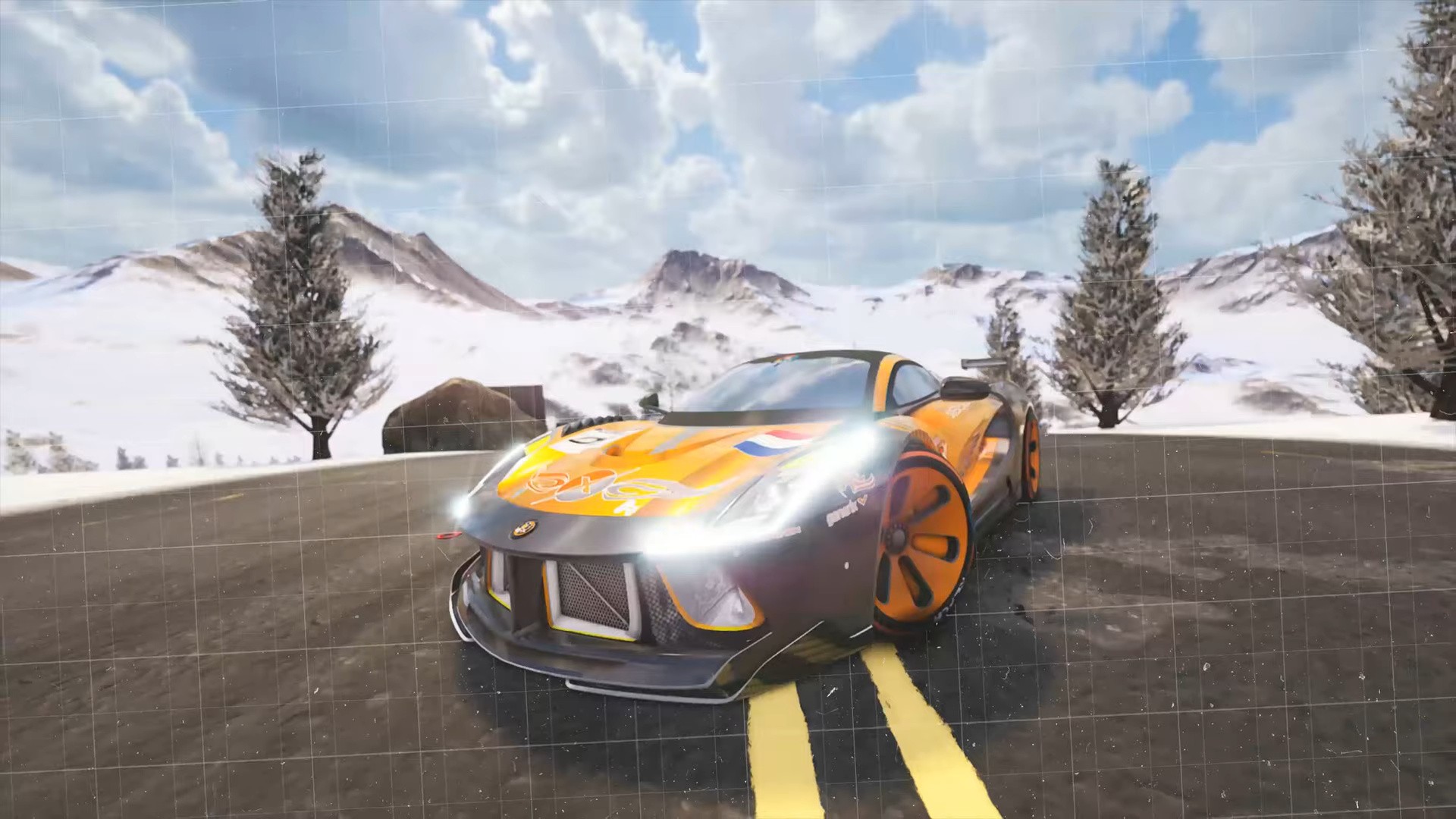
Winter-Themed Update Adds A Frosty New Location And Team To Xenon Racer

Xenon Racer

When Xenon Racer arrived on the Switch eShop in March, it looked like a potato and ran like one, too. In an attempt to fix up this mess, 3DClouds added a Quality/Performance display option to this version of the game.

Now that the Switch iteration has been slightly improved, the developer has refocused its attention on the first free content update – adding in the new “Grand Alps” location, featuring three new racing tracks and a new racing team. Here’s the trailer:

From now on, players can drift and boost through the Italian Alps in the imposing new “Grand Alps” location. Here, it’s possible to race on three different new tracks in both directions, with spectacular views of snowy mountain tops, ski-lifts and lush pine forests. An additional racing team is added to Xenon Racer as well, racing with the brand new Winterwing car in both normal and performance mode.

This free update is the first of three. In June, several new customisation options (such as additional rims and liveries) will be added and later on, in July, another new location will be added – including several new tracks and an additional car model.

Will you be trying out Xenon Racer now that free content has been added to the game? Tell us below.

Posted on Leave a comment

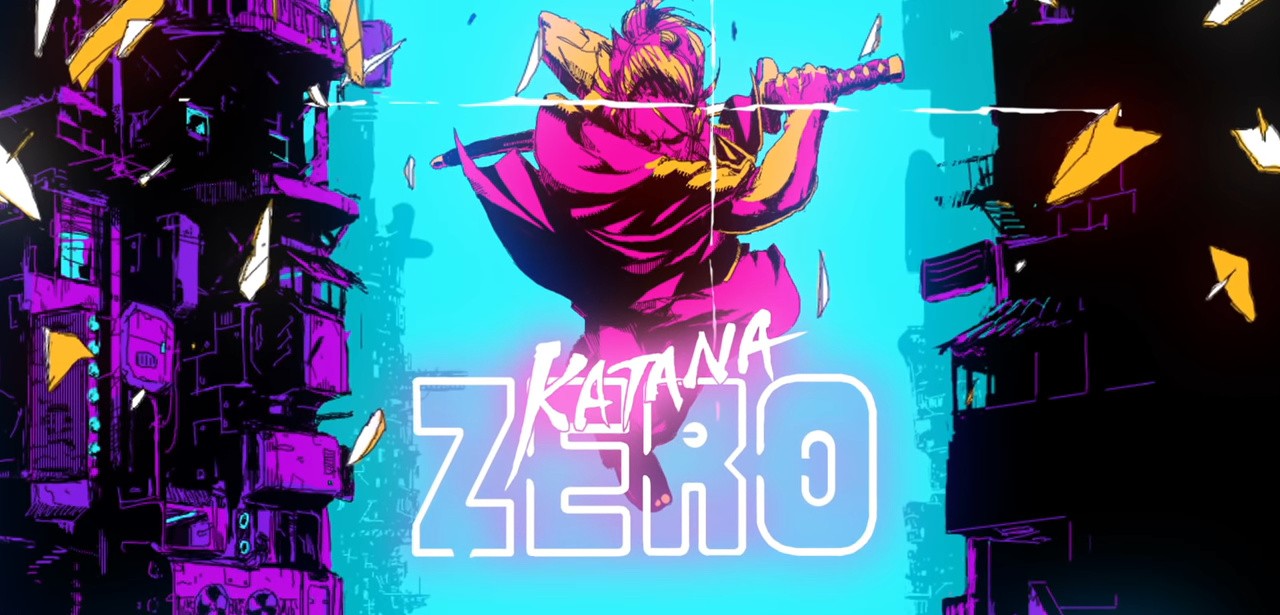
Katana Zero Is Receiving A “Significant Update” At The End Of This Month

Katana Zero has been one of the standout indie releases of 2019. Now, a little over a month after its release on the Switch and PC, the game’s developer Askiisoft has revealed a significant update is arriving at the end of May.

This will include a brand new hard mode, speedrun mode and a fixed optional stealth level. Apart from this, you’ll also be able to pet a cat. Here’s the official announcement along with some extra details:

The Switch eShop release in Australia and New Zealand also gets a mention. As we found out a few days ago, the ban on the game has been overturned by the Classification Board in this region, after being refused last month.

Are you looking forward to this free update? Have you finished Katana Zero yet? Tell us down below.