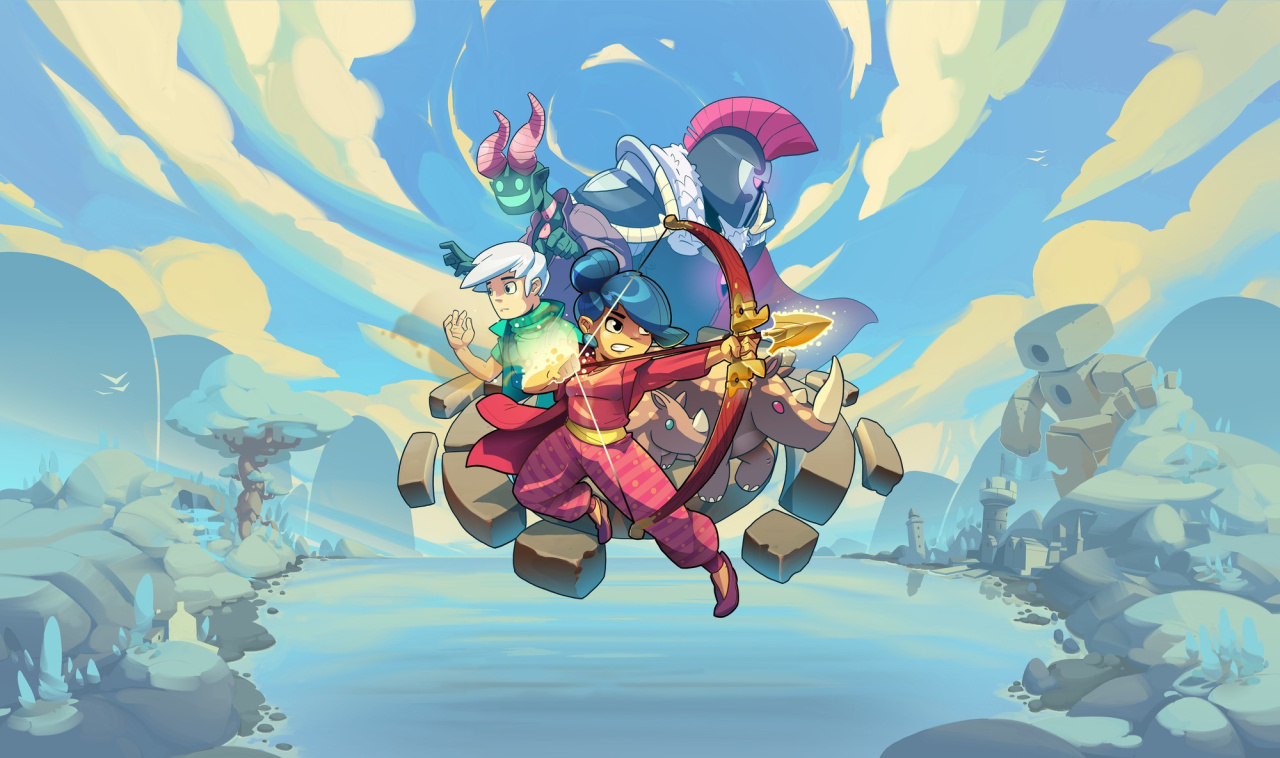
A shadow approaches. The Pyramid ship floating above Io serves as a looming reminder that we are unprepared – that we know not what the future portends. You must search for answers if you hope to face the oncoming storm. You must seek the Nine.
You must hear the prophecy.
And so, you find yourself standing at the doorstep of a new realm. But how did you get here? And what is “here” exactly? To answer that, Andrew Hopps (world lead) and Brendan Thorne (senior designer) – two members of Bungie’s Raid and Dungeon team – take us back to the beginning. Back to when rainbow roads were for Italian speed demons and walking on walls required scrolling green text and leather trench coats.
QUESTIONS, ANSWERS, AND ARRIVALS
Both Andrew and Brendan have been at Bungie for over seven years. During that time, they worked together on more than 10 raids and dungeons including King’s Fall and Vault of Glass. When they started on the Prophecy dungeon, the team was searching for something art-driven and different.
“The theme of new perspectives came from some early prototyping,” Andrew recalls. “As soon as we started to experiment with rotating the game space, we knew we wanted to go off the deep end with an abstract style.”
The team started by aligning with the Creative Leadership team to figure out where the dungeon was going to take players. Andrew remembers being excited at the prospect of visiting Nine space. Placing the dungeon there would empower them to experiment with game mechanics and an art style that toyed with a lot of the rules within the Destiny universe. “We’re stepping into this simulacrum,” Brendan said. “The Nine made a little pocket universe for us to explore.”
They went to Robbie Stevens (creative lead) and Tom Farnsworth (design lead) to start discussions on how to integrate the new dungeon into the existing Season of Arrivals story. Players already knew that the Pyramid ships were approaching, and the dungeon was the perfect opportunity to explore the question: What is the Darkness? In spite of all their research, the Drifter and Eris still don’t know. So, when the Season began and the threat became imminent, players had every reason to search of answers – even if they’re cryptic and lying at the end of a neon-fueled abstract playground.
“It’s really exciting,” Brendan said. “The Pyramid ships are here, and we have the sense that something awful is about to happen. What do they call those big cataclysmic events – black swan events. One that reverberates and changes everything. It feels like a sudden surprise in the moment but when you look at it in reverse you can see exactly how it was made possible.”
They wanted players to view Prophecy as foreshadowing. To be able to look back at this dungeon and realize that Bungie had been laying the groundwork for something massive the whole time.
FINDING BALANCE
With narrative direction and an excitement to push the limits of what they could do with the Nine realm, the team turned to the world-spinning prototyping that had captured their imagination initially. “Sometimes it’s a happy accident when something works,” Andrew said. “We definitely prototype really bold ideas and the ones that work well together end up together.”
“We start with these happy little accidents,” said Brendan. “Then we find out how to layer them on top of each other for a smooth experience. We start with the core mechanic in a safe learning environment. Then we add some difficulty, a twist or two, and tie it all together. It’s a solid method to make the whole experience feel cohesive.”
The team took all the mechanics they had and then tuned them so that, when combined, they were difficult but still manageable. “We try to find out how many plates we get players to spin at the same time,” said Andrew. “We keep layering, so by the time you get to the final boss you should understand exactly how this fight is going to play out just by stepping into the room and looking around.”
Brendan explained how he, Andrew, Darin Lantzy (senior technical designer), Matt Turner (senior world artist), and Ben Heider (test lead) sat in an office with a giant whiteboard and diagrammed everything they had. “All the mechanics and how do they work together and support each other. It all clicked. After about an hour, we had a design.”
Some mechanics, like rotating the world, were things that Andrew had wanted to do previously but didn’t make sense contextually. “Whenever we prototype different experiences, we end up with cool ideas that don’t always fit the theme – so I’ll just save them for later. When Prophecy started, and we decided we were going to the Nine realm, I was like ‘Oh hey, I’ve got this in my back pocket. ’”
NOW DO A BARREL ROLL
“Dungeons are not typically super mechanically complex because we want players to easily understand what’s happening around them,” said Brendan. “So, what Andrew did was super clever. He built a cube that players can activate to get teleported. Then the entire world turns, and the cube drops them into a new version of the world. So, players are now on what used to be a wall or the ceiling.”
The team went to Darin Lantzy and told him that he was empowered to do whatever he wanted to make the room spin feel cool. “He was super involved in prototyping,” Andrew said. “He kept adding these effects to really sell the rotation of the world as you drop in and out of the teleporter.”
The mechanics were simplified to a single activation, but the gameplay that arose out of it was new and exciting. Brendan explained how suddenly the layout of every surface became relevant. “It creates these interesting combat encounters. It becomes more about how well you use the geometry and play in the moment rather than having the perfect build or perfect strategy.”
Geometry as gameplay is a central tenet of Destiny 2. Where players move and what weapons to use – building encounters where spatial orientation and player position are central to the experience means the team was able to leverage the best part of Destiny’s sandbox.
ILLUMINATING
Another prototype that excited the team involved fighting with actual light and shadow. “I don’t think we’ve ever used light as a game mechanic like this,” Brendan said. “Like actual volumetric lights or anything like that as a mechanic.”
The core concept was thematic and straightforward: players use the light and shadow in the game to succeed. “We wanted it to be a simple concept to explain,” said Brendan. “You could see someone doing this fight and you would know how to do it in 30 seconds.”
Players would kill an enemy and depending on where the combatant was standing, they would drop a different type of mote. Enemies dropped dark motes while standing in the dark and light motes while standing in the light. Even though the mechanic sounds simple on paper, it was visually confusing and somewhat frustrating since players can’t really reposition enemies.
While testing, Ben Heider suggested making the dropped mote type rely on the position of the player instead of the enemy. Even though it was subtle change, the whole encounter shifted. “Suddenly the player had more agency,” Brendan said. “We made that simple change, played it the next day, and wow – it was a million times more understandable.”
Those kinds of pleasant surprises come about a lot during the process. It isn’t unusual for a team to come up with a cool idea that seems impossible, only to have an embedded tester come back with a solution. Bungie’s testers are integral to the process and bring with them invaluable insight in determining the kinds of challenges a design will face, both in production and in the hands of players.
But even when something ultimately doesn’t end up working, Andrew’s prepared to take the idea and put it in his back pocket for later.
GALLERY OF THE NINE
In addition to unique game mechanics, there was clearly a distinctive art direction that the team leaned into for Prophecy. Madison Parker (senior lighting artist) made reference to an artist named James Turrell that the team looks to for inspiration. His work explores the interplay of light, color, and architecture and his focus on bold color, shape, and really simple forms that match well with the Nine’s aesthetic.
Knowing that the theme lent itself to the abstract, they wanted a progression of shape and color that would transition as players traveled through the dungeon. “When you start, everything looks soft and then progressively get very angular,” Andrew said. “Round shapes sunset and become spheres with lines in them and then become a flat line that a monolithic square rises from, that then collapses into a triangle. If you look at the shape language from one encounter to the next, you will see this progression from soft to hard to angular shapes as you traverse the Dungeon.”
There were so many fantastic artists that contributed to the look and feel of the dungeon. Brendan recalls thinking of Andrew as a production designer on a movie – organizing pages and pages of brutalist architecture, moods, screenshots, and lighting concepts. “Andrew had this vision and this plan for Prophecy. I just watched in awe as him and Matt Turner (senior artist) built these shapes – it was so cool to see them come together.”
What resulted is very much an art-driven dungeon that doubles down on the Destiny 2 brand of geometry space as gameplay.
TIME TO PLAY
The whole team is incredibly proud of how Prophecy turned out. At the time of this article, the dungeon has been live for a few weeks and players seem to be having a blast. Prior to the quarantine, it was a tradition for everyone to gather in the Bungie theater, order queso, drinks, and pizza, and watch players dive in for the first time.
“The World’s First race is obviously a big deal,” said Andrew. “So, our whole team and a bunch of partners get together in the theater and root on the teams.” For Last Wish, there were still people in the studio at 5:30 a.m. Dungeons are a little faster, but everyone still gets together in the theater to watch players experience it for the first time.
Despite having to work from home, the team was still watching, “A bunch of us got together in a video conference call to watch the launch,” said Andrew. For a team intimately familiar with every aspect of the dungeon, there’s a special joy that comes from knowing when players are about to experience something special for the first time. “We’re on the edge of our seats, ready to cheer,” he said.
It’s akin to griefing the new player with content you’ve played already – a spoiler-free twist to share with friends. The Raid and Dungeon team knows that this is something of a tradition in gaming. Shared moments that build memories that endure long after the final boss learns the error of their ways.
True to form, Brendan shares a gaming experience that many can relate to, “You know the Sparrow run in Scourge of the Past?” he asks. “Where two people have to hit the buttons together? I was always the raid-dad making sure everyone was ready. Coordinating everything and not really paying attention to Andrew on his Sparrow – aiming at me. As soon as I say ‘go’ he just charges right at me and kills me every single time.”
Halfway through the story, a smile that can only be conjured from fond memories forms on Andrew’s face. He quickly composes himself before responding, “That’s not true. I’m hyper-focused and never goofing off at all.”
The Prophecy dungeon is live in Destiny 2 and free for all players. Jump in today, take in the sights, and drive carefully.
If you’d like to know more, check out this stream with members of the development team providing developer commentary while a fireteam plays the mission.
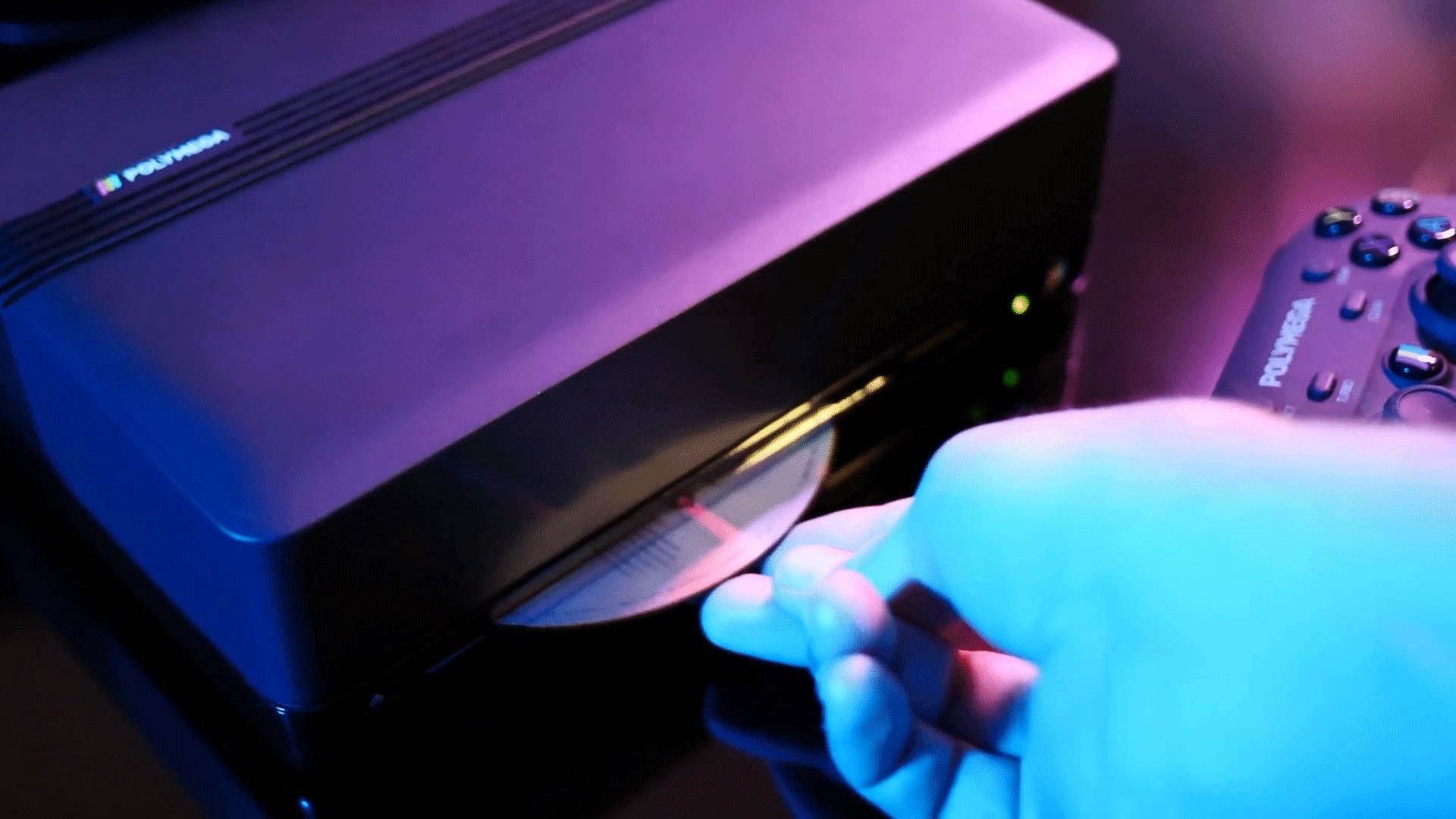
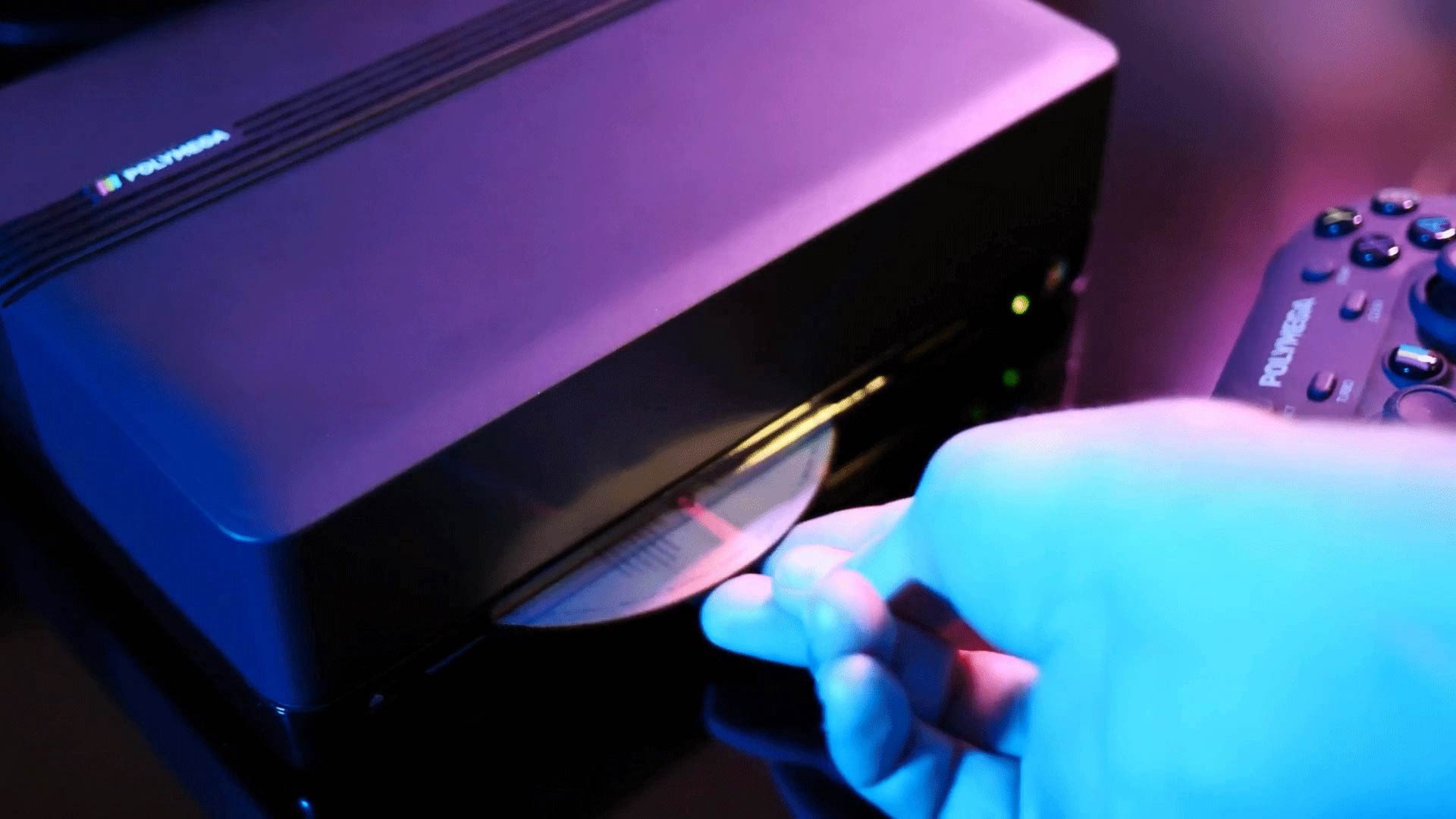
After what feels like a lifetime of waiting, the Polymega console is finally a solid reality, and we were lucky enough to be sent a unit as part of the company’s ongoing beta testing phase.
The system formerly known as RetroBlox has come under fire over the past few years following a series of design changes and delays, but we can indeed confirm that this retro wonder-console is indeed a real thing – and we’re currently putting it through its paces ahead of posting our hands-on impressions.
Given the high amount of interest surrounding the system, we wanted to ask you – our dear readers – if you had any pressing questions we can address in our review. Is there any element of the system you’re unsure of? Is there a particular feature you’d like to know more about, or a game you’d like us to test (assuming we have access to it)?
The key thing to note at this stage is that we’ve only been sent the base unit, which means we can only test (and give our opinion on) the performance of CD-based games. That means PlayStation, Saturn, Mega CD, Neo Geo CD and PC Engine CD (that’s right – not a single Nintendo format! Egads!). We’ve been told that the cartridge modules are on the way and we’ll hopefully be able to include our impressions of those at a later date.
So there you have it – the floor is open to you. Ask away!
We know you’re busy and might miss out on all the exciting things we’re talking about on Xbox Wire every week. If you’ve got a few minutes, we can help remedy that. We’ve pared down the past week’s news into one easy-to-digest article for all things Xbox! Or, if you’d rather watch than read, you can feast your eyes on our weekly video show above. Be sure to come back every Friday to find out what’s happening This Week on Xbox!
You Are the Future of Gaming Games are a source of joy, inspiration, and social connection. They have the power to bring us together, create empathy, and strengthen our social fabric. As we prepare for the next generation, our efforts to make gaming more inclusive, more immersive… Read more
Gears 5 – Operation 4: Brothers in Arms Available Now It’s finally here, Gears fans. Operation 4: Brothers in Arms is available now across Xbox Game Pass, Xbox One, Windows 10 and Steam, and it delivers some of the biggest changes we’ve seen yet in Gears 5 plus the return of a familiar face. Operation 4 also marks the return… Read more
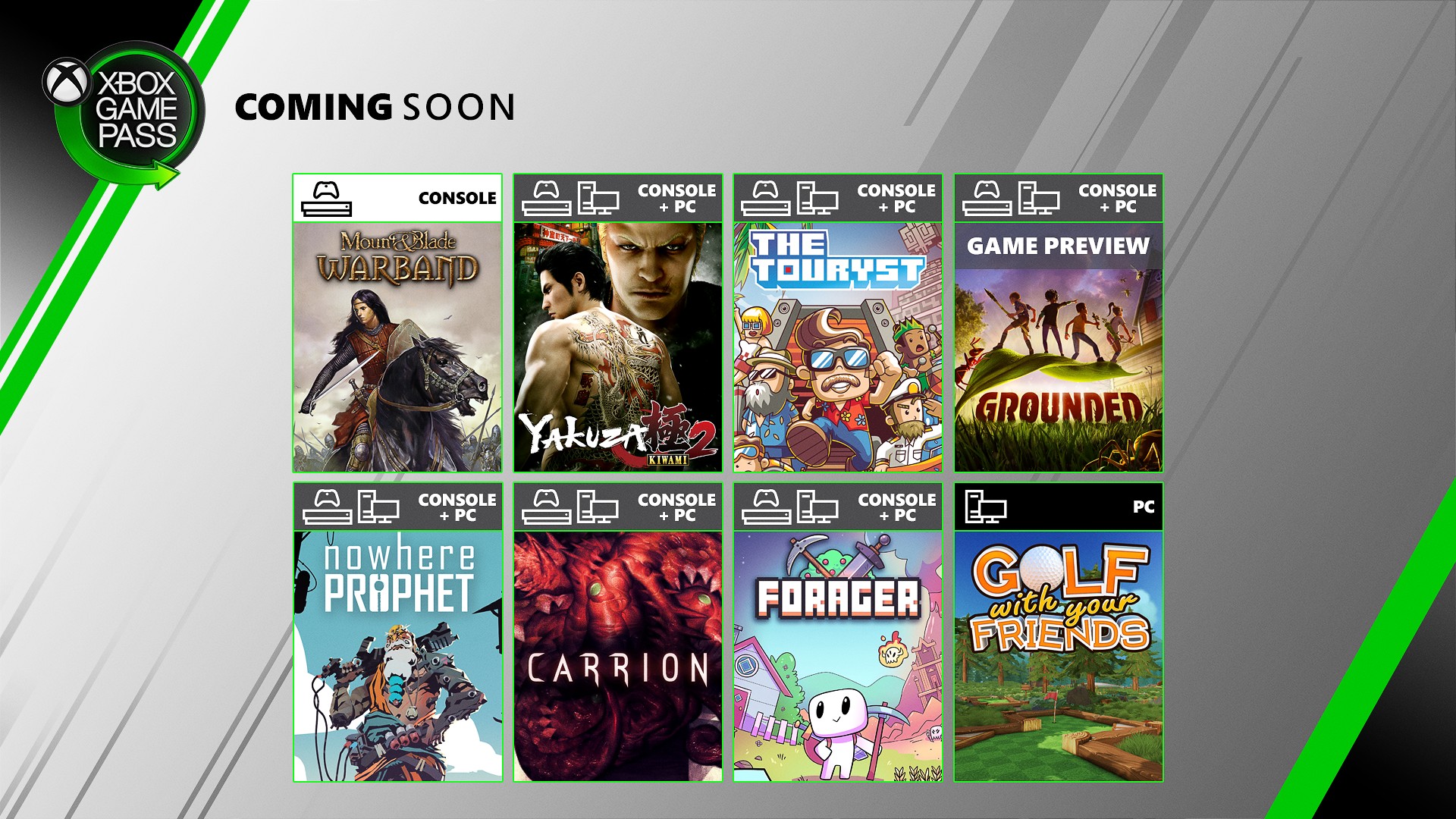
Forager Now Available with Xbox Game Pass on Console and PC Hey everyone! Really exciting news today. Forager, the open-world, adventure, and exploration experience created in partnership with Humble Games is available now with Xbox Game Pass on Console and PC! I originally created the prototype of Forager… Read more
Microsoft Store Fortnite Tournament in Support of NPH USA The Microsoft Store team is proud to partner with NPH USA to host a Fortnite Game Tournament! The tournament is open for free for any United States resident, but a donation to NPH USA is encouraged. We also are happy to give away promotional… Read more
Aquaman Arrives on the Fortnite Horizon Rising from the depths, Aquaman has arrived on the Island’s shores — and he brings with him his fifth weekly challenge. Complete Aquaman’s five Battle Pass challenges and unlock his outfit plus more maritime rewards! In these challenges, show off your… Read more
See the Future of Xbox on July 23 on the Xbox Games Showcase The day you’ve been waiting for is nearly here: On Thursday, July 23 at 9 a.m. PT, we’ll be giving you a closer look at the future of gaming with the Xbox Games Showcase, including world premieres and updated looks at some of the games we’ve… Read more
Skater XL: Behind the Scenes with the Pros What’s up, everyone! In April we announced that skateboard icons Tom Asta, Tiago Lemos, Evan Smith, and Brandon Westgate would be playable pros at launch in Skater XL. We couldn’t be more excited to have some of the biggest names from this… Read more
Launch into Rocket Arena with Tips and Tricks from the Devs You didn’t enter the Rocket Arena Championship Tour to finish second. You’re here to lift the trophy! To help you rule the roost, we’ve compiled a few tricks and tips from the Final Strike Games team on how to blast your way to greatness (and keep from… Read more
Power Rangers: Battle for the Grid Tips and Tricks With the exciting announcement of Robert “RJ” James (Jungle Fury Wolf Ranger), Lauren Shiba (Red Samurai Ranger), plus a soon-to-be-officially-confirmed villain, let’s go over some of the game’s essential mechanics before you jump into the Grid… Read more
Next Week on Xbox: July 21 to July 24 Welcome to Next Week on Xbox, where we cover all the new games coming soon to Xbox One and Windows 10 PC! Every week the team at Xbox aims to deliver quality gaming content for you to enjoy on your favorite gaming console… Read more
The following blog post, unless otherwise noted, was written by a member of Gamasutras community. The thoughts and opinions expressed are those of the writer and not Gamasutra or its parent company.
Welcome to the latest ‘GameDiscoverabilityLand’ round-up, where-in I have a few hundred words to recap everything that happened this week. And I inevitably fail, at least on the brevity side of things.
Before we get started, thanks for the amazing response on the Steam reviews/sales ratio survey. You’ve still got ‘til Friday if you want to submit. But we have 220 (!!) responses so far, so it’s going to be a really robust data set. Anyhow… onward!
Xbox Summer Demo Fest – in full effect!
The Summer Games Fest Demo Event is now live on Xbox One! From July 21 to July 27, play more than 70 exciting demos of upcoming games. Details here: https://t.co/Dve2t4LFxg
So the Xbox One’s pre-release demo event is currently running, and hopefully some of you have checked it out. There’s around 60 demos available right now (almost all from indie devs or smaller publishers, with exceptions like Destroy All Humans!)
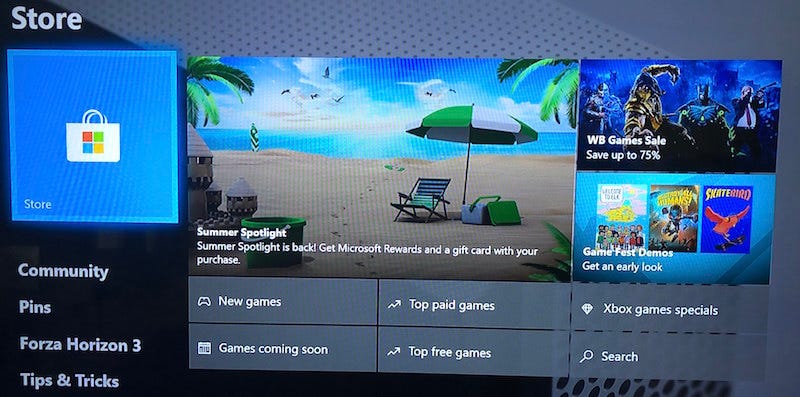
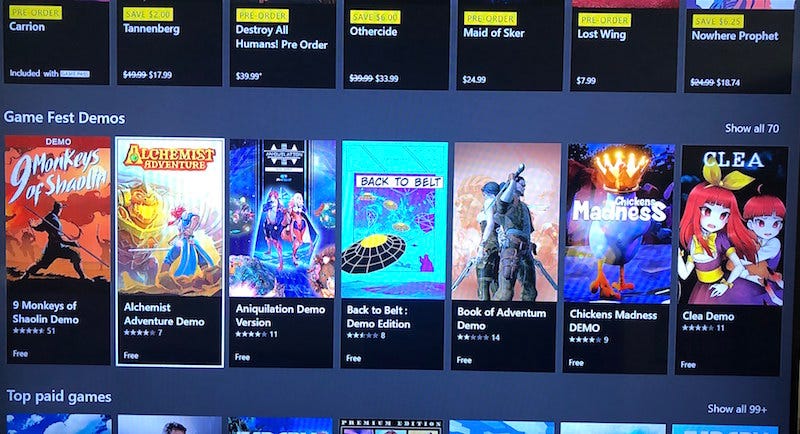
Thought I’d document where it’s being showcased on the console, starting with the Store tab on the Xbox dashboard (even before you open the Store!)
When you go into the Store app itself, you’ll see it has an entire category to itself, which is decent billing:
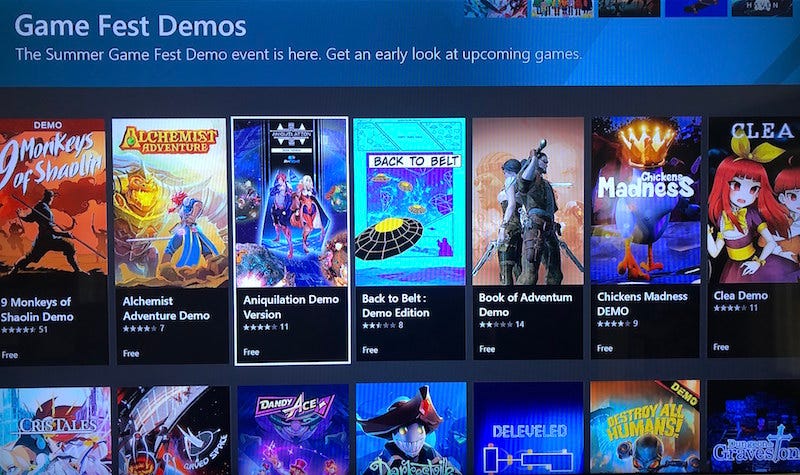
Finally, here’s what the Game Fest ‘show all page’ looks like – it actually runs alphabetically, with about 12 leftover ‘second set of alphabetical’ games at the bottom of the page, haha:
Since you can look at how many reviews (in the U.S. Xbox store) each game has, I thought I’d briefly document and link to the Top 5 demos:
If you go by reviews, it looks like the most-played demos have around 10x the plays of the least-played ones so far. So plenty of range in there, for sure. There’s also this chart across all game demos on the Microsoft Store, which has different results, so YMMV.
Anyhow, Xbox Summerfest is a really nice way to dip into games you might otherwise not have heard of. I played (and enjoyed) Dandy Ace, for example, which I didn’t know existed before.
So I can’t believe it’s anything but positive – albeit mildly positive, perhaps – for both players and devs. If you’re in it, tell me what you think of the results. And let’s have it happen once a year for all consoles! *snaps fingers*
Definitely click through for the full thing, but the topline appears to be, for those demos that participated: “Average number of wishlists [added]: 3218; Median number of wishlists [added]: 500; Most wishlists earned by a single game: 41096 (The Riftbreaker); Fewest wishlists earned by a single game: 40.”
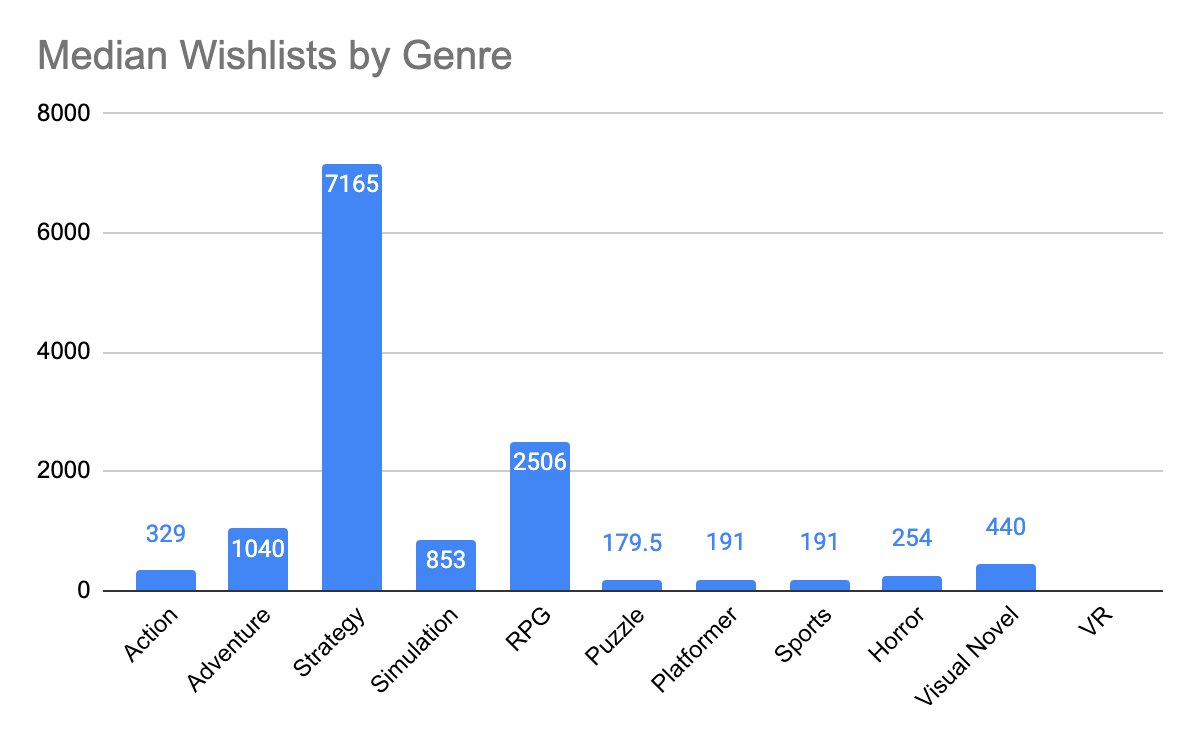
One graph I thought particularly relevant – even beyond the Summer Festival – was Chris’ calculation of median wishlists additions per genre for surveyed games:
This data maps fairly well to the kind of VERY broad game facets that I would recommend people make for Steam – to be commercially successful as a small/medium sized game.
(It’s way more complex than this, of course. And getting deeper into tag comparisons would surface a lot more detail. But it’s a super-useful snapshot of where perceived interest and depth is.)
Other Goodness…
Lawks-a-lordy, we’re most of the way through the newsletter already, and there’s still a hefty chunk of content to talk about. Here’s the best of the rest, in no particular order:
Would be remiss not to point out the big Xbox/Series X showcase that happened today . Here’s the text round-up, here’s all the trailers, and [email protected] also announced some ‘first to console on Xbox’ indie games which I thought notable for you all. These included titles from Annapurna, Raw Fury, Finji, Curve & more. In general, content & outlook ‘as expected’, though I’ll note Microsoft is pushing Xbox Game Pass hard. (Game Pass Ultimate folks get xCloud cloud gaming bundled in, too, which Stadia may be concerned about.)
Got an note from Erik Johnson that he’s been tracking the number of free games in Steam’s New & Trending – that’s the graph, linked – and it still seems to be on the upswing. I did get him to clarify from his data, and of the 777 games in those slots in the past few months, 85 of them were free (either just free, or more likely F2P), and 25 of them were ‘prologues’, i.e. demos. Interesting!
Good to see European Union regulations introduced for app stores (but not PC/console game stores, sadly!) around ranking transparency, justification for removal of apps, and more. Not convinced this one is a major game-changer, but government regulation & ‘walled gardens’ are a thing game devs need to pay attention to.
The second Summer Game Fest-themed Day Of The Devs showcase – with musical & Keighley prefaces – took place this week (here’s the video). Once again, I thought iam8bit and crew did an amazing job audio-visually and stylistically. But perhaps the announcements were a bit light this time. Petition to have Guerrilla Collective levels of content, but with Day Of The Devs-style curation & presentation for ‘online E3’ next year, please?
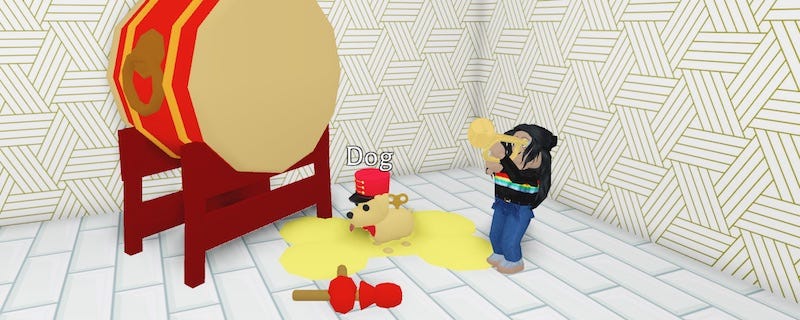
An anecdote from the very top end of the ‘games are platforms too’ camp, My former colleague Piers Harding-Rolls notes on Twitter that ‘third party created in Roblox’ game Adopt Me [pictured] “is now at 50m MAUs up from 30m in March. Around a 3rd of total Roblox MAUs are playing Adopt Me… Adopt Me studio aiming for 80-100 staff by year end.” Gosh.
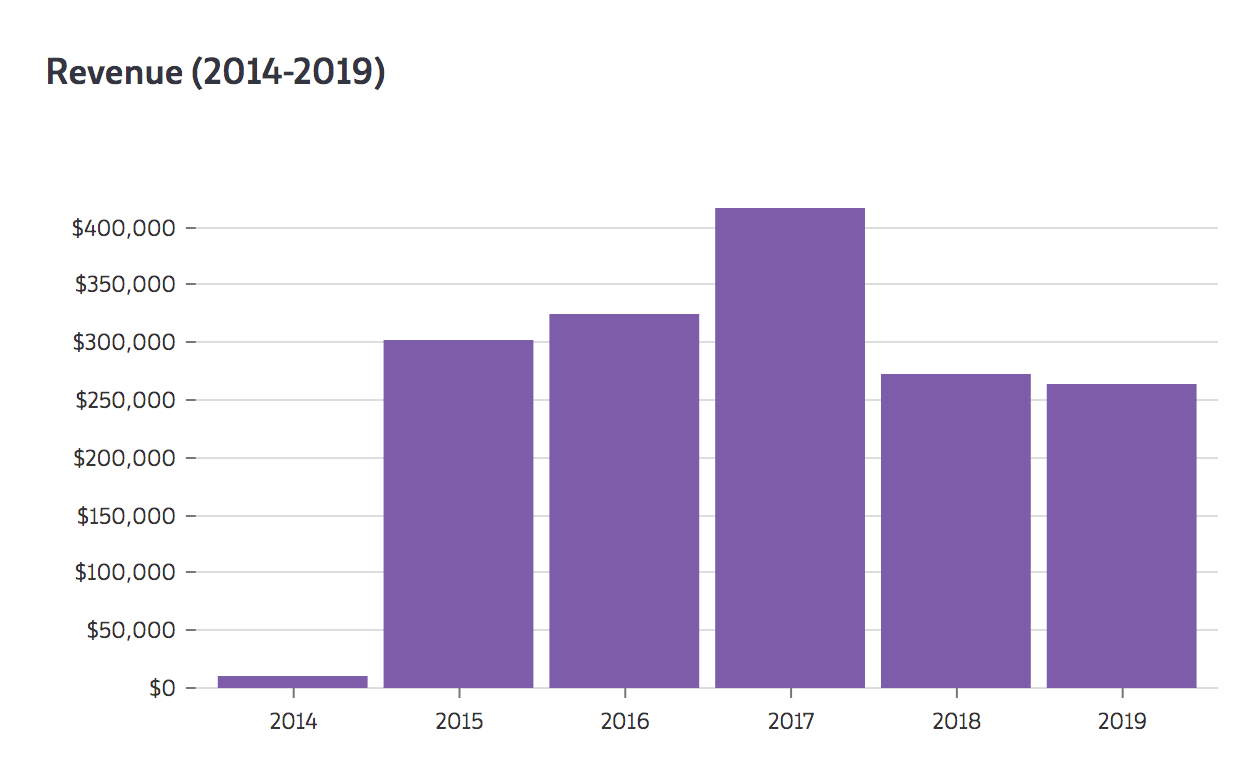
Something I wanted to highlight was the game’s gross revenue curve, year on year, since its 2014 (!) off-Steam launch:
If you go deep into their postmortem, you’ll see all numbers of reasons for this impressive maintenance of revenue. These include a Chinese translation, being more aggressive with discounts in sales, and intelligent additions to the core game.
So – great work, devs, and a reminder that extending the tail on your game is one of the best ways to fund your next game.
A scrapped Luigi, unused Pokemon sprites & more dug up in retro Nintendo leak
Code, assets, and other files for a number of famous Nintendo games like Mario Kart, Star Fox, and The Legend of Zelda has leaked online in what’s being called the ‘Gigaleak.’
The sizable hoard of assets was first made available over the weekend and has since picked up traction on social media as more and more interesting development tidbits are uncovered from within fan-favorite classics.
From the game dev side of things, it’s a bit of a mixed discovery. On one hand, the data made available in the leak offers an excellent chance to learn what made those early Nintendo classics tick and gives preservationists a meaty few additions for their libraries.
On the other, many elements of the leak were very obviously never meant to be seen by the public, not to mention that the legality of how these files made it to the web is questionable at best.
The leak itself includes source code for several Nintendo games like Star Fox, The Legend of Zelda: Link’s Awakening, Super Mario All-Stars, Yoshi’s Island, F-Zero and tons of others. There’s also a bevy of unused assets like sprites for Pokemon Diamond and Pearl, and a handful of prototypes for games both familiar and entirely unheard of.
Some elements of those leaks point to features that were once planned to be included in a game, but were scrapped along the way for one reason or another, like textures for Luigi discovered within the Super Mario 64 dev materials that point to the game’s canceled multiplayer feature, or entire unused minigames for Yoshi’s Island. Others, like high quality audio files for Starfox 64 or a prototype for Pilotwings, offer a look at (or listen to) assets that we’ve seen before when they were compressed to fit on Nintendo 64-era game cartridges or used in promotional materials.
There’s likely more that will come up relating to this leak in the near future, both because folks online are still working on picking through the leaked code and because Nintendo itself has yet to publicly comment on the materials now making the rounds online.
PlayStation Or Xbox? Valve Boss Gabe Newell Reveals His Choice
The PlayStation 5 and Xbox Series X consoles are launching this holiday, and many might be wondering which one to buy. Valve boss Gabe Newell has now chimed in with his own thoughts on the matter. If he had to choose (which he doesn't because he is a billionaire), Newell would go with the Xbox Series X, he said on a recent TV show in New Zealand.
"I don't have a stake in that race. Obviously we do most of our development on personal computers. But of the two, I would definitely go with an Xbox," Newell told The Project. He did not elaborate on why he thinks Xbox is better than PlayStation, however.
You can watch the clip below. Newell initially came to New Zealand in early 2020 for a 10-day vacation, but he became stuck in the country due to the global pandemic. As a thank you for the kindness and generosity of the people of New Zealand, Newell is paying for a giant party in Auckland called "We Love Aotearoa," which is to be held on August 15.
Stride, the game engine previously known as Xenko (and Paradox before that), just released version 4.0. Details of the release from the Stride 4 release notes (no link possible currently).
Thanks to a substantial contribution from Sean Boettger and sponsored by David Jeske, Stride now supports Voxel Cone Tracing GI!
.NET Core
As a first step toward .NET 5, Stride editor and toolchain is now running with .NET Core! Runtime has been working with .NET Core for a few versions already. This allows to have scripts and custom assets in a project targetting .NET Standard 2.1 or .NET Core. If you have scripts or custom assets in a .NET Framework project rather than a .NET Standard project, you can still choose between .NET Core and .NET Framework within the launcher. Framework will also be displayed in Game Studio toolbar for easier identification while both coexist.
.NET Framework version can be considered deprecated and will likely be removed in future release (likely 4.1) to allow us to take full advantage of C# 8.0 and soon-to-come C# 9.0. We also expect dropping .NET Framework and supporting only .NET Core will greatly simplify our installation process since we won’t depend on specific workloads or packages of Visual Studio being installed anymore. This was a recurring issue with our users. Later down the road, we plan to switch to .NET 5 once it’s in good enough shape.
GPU Instancing
TODO
Graphics API
Different selection mechanism + Vulkan improvements. There’s been a big overhaul on Stride build system to make Graphics API selection work in a more future-proof way. It was previously relying on custom RuntimeIdentifier being set in the solution. This didn’t work very well because it was completely orthogonal to existing RuntimeIdentifier, and sometimes not having good fallbacks. From now on, user project will use StrideGraphicsApi in the .csproj project file to specify the graphics API. We hope to expose this in the editor later.
We also took the opportunity to improve state of Vulkan renderer (thanks to a switch to Vortice.Vulkan bindings from Amer Koleci) and automatize graphics unit tests, currently running for D3D11 and Vulkan. It’s still a work in progress so expect more in future releases.
Documentation & Tutorials
The first 10 C# beginner tutorials are recorded and uploaded to the official Stride Youtube channel. These videos are the video equivalent of the existing online documentation for the C# beginner template tutorials and the ‘new project’ template when creating a new project from the Stride launcher. The C# beginner series should be fully recorded by the end of July 2020. After those videos are done, Jorn will put his focus on the C# Intermediate project template.
You can learn more about the Stride 4 release in the video below.
Apple teases new Thailand store ahead of Friday opening
Ahead of a grand opening later this week, Apple on Tuesday offered an early look at Apple Central World, the company’s second and largest retail outlet in Thailand.
Located in Ratchaprasong, Bangkok, the outlet features a distinct all-glass design topped by a cantilevered “Tree Canopy” roof. Reminiscent of the circular, glass-supported pavilion situated above Apple Park’s Steve Jobs Theater, the design of Apple Central World is a first for Apple’s retail division.
The two-story building boasts a central spiral staircase that winds around a timber core, next to which a tube-like glass elevator shaft stands. A large video wall upstairs sits in front of the store’s Forum, while product displays span both floors. Business customers can receive special sales and support assistance in the store’s Boardroom. More than 130 new team members speaking 17 languages work at the location.
Visitors enter the store on either level, with the second floor offering access to the Skytrain and Bangkok’s largest shopping center. Like other Apple Stores, the new Thailand property boasts a large courtyard area with benches and foliage, in this case Terminalia trees.
“We are excited for visitors to discover this truly one-of-a-kind store in Ratchaprasong,” said Deirdre O’Brien, Apple SVP of Retail and People. “With our future Today at Apple sessions and a phenomenal team ready to welcome the community with exceptional service and support, we can’t wait for our customers to experience Apple Central World.”
Apple Central World is scheduled to open on Friday, July 31, at 10 a.m. The company notes standard Apple Store health and safety measures apply to the new outlet, meaning employees and visitors must wear masks, undergo temperature checks and participate in social distancing precautions.
Posted by: xSicKxBot - 07-29-2020, 06:12 AM - Forum: Windows
- No Replies
Identity strategy: staying ahead of evolving customer needs
Last June, when I shared the 5 principles driving a customer-obsessed identity strategy at Microsoft, many of you had embraced the idea of a boundaryless environment, but relatively few had implemented it in practice. A global pandemic made remote access essential and forced many of you to accelerate your digital transformation plans.
The new reality requires not only supporting secure remote productivity and collaboration, but also other remote operations, such as onboarding, offboarding, and training employees. And this reality will continue for the near future. According to our most recent Work Life Index, 71 percent of employees and managers (Information Workers) reported a desire to continue working from home at least part-time post-pandemic.
Your experiences and insights have helped shape the investments we’re making in our identity services for the coming year and beyond. Today, I’m sharing with you the updated set of guiding principles we’re following to deliver a secure and scalable identity solution that’s seamless for your end-users.
Secure adaptive access
An identity system that is secure from the ground up continues to drive our product investments. In a recent survey of over 500 security executives, achieving a high level of protection without impeding user productivity was rated the number one challenge. Using risk-based Conditional Access policies in Azure AD, you can protect sensitive data with minimal friction to your end-users. This combines the power of Identity Protection with Conditional Access to only prompt users when the sign-in is considered risky.
To enhance identity security, we’re investing in compromise prevention technologies such as security defaults, attack blocking, and password protection, as well as reputation and anti-abuse systems. Security mechanisms like end-user notifications and in-line interrupts can help everyone defend themselves from malicious actors. Every day, our data scientists and investigators evaluate the threat and log data to gather real-world insights, so they can adjust our machine learning algorithms to recognize and protect our customers from the latest threats.
Our product and ecosystem investments are guided by embracing Zero Trust security strategy as our worldview. We build Azure AD on the principles of Zero Trust to make implementing this model across your entire digital estate achievable at scale.
Seamless user experiences
When your employees need to get things done, delivering a great user experience is essential. Employees who interact directly with customers, patients, and citizens need tools that are simple to learn and use. Because an easy, fast sign-in experience can make all the difference for your users—and your Help Desk—we’re continuing our investments in Firstline Worker scenarios to address the challenges they face, for example, by providing seamless handoffs of shared mobile devices and enhancing tools and workflows for managers.
We’ve seen more interest than ever in minimizing the use of passwords and eliminating them completely. We continue our commitment to identity standards that help scale the technology and make it more useful and accessible for everyone. We’re also developing easy-to-use self-service options for end-users, such as managing security information, requesting access to apps and groups, and getting automatic recommendations for approved applications based on what peers are using most.
Your customers, business partners, and suppliers also deserve a great, consumer-grade sign-in and collaboration experience. With the External Identities feature in Azure AD, we are investing in making it easier for organizations and developers to secure, manage, and build apps that connect with different users outside your organization.
We’re also looking ahead to technologies that respect everyone’s privacy, such as decentralized identity systems and verifiable credentials, that can verify information about an individual without requiring another username and password. Verifiable credentials are based on open standards from W3C and leverage the OIDC protocol, so you will be able to incorporate them into your existing systems.
Unified identity management
It’s hard to scale and manage security when you have overlapping products from multiple vendors that need to work together. You have a portfolio of on-premises and cloud-based applications that you need to manage and provide secure access to your users. We are simplifying these experiences in Azure AD, making it easier to manage all your applications for all your users in a single place. We’re also consolidating our APIs into Microsoft Graph to unify programmatic access to and management of data across workloads in Microsoft 365, including Azure AD.
By embracing open standards, we can help you more easily manage and secure your hybrid environment. We’re working with partners like Box and Workday to further deepen our product integrations and streamline identity processes. Azure AD is pre-integrated with thousands of SaaS applications, and more to come, so you can provide users one set of credentials for secure access to any application. We are continuing to extend capabilities in Azure AD so that you can migrate access for all your applications to be managed in the cloud.
Simplified identity governance
While having the ability to control access requests, approvals, and privileges in a timely and efficient manner is key, traditional identity governance and privileged access management solutions can be cumbersome and inflexible. This is true particularly now that these workflows are more often done remotely than in person. Providing every user access to the apps and files they need should be as simple as defining access packages and group assignments upfront. Onboarding and offboarding employees then become easy with an automated solution connected to your HR system.
We want to help more companies adopt these scenarios and incorporate our machine learning technology in Azure AD to provide better recommendations and alerts in response to unusual behavior or too many unnecessary privileges. Our goal is for these capabilities to span both employee and external identity scenarios, built in the cloud for maximum benefit. This will help strengthen your overall security, efficiency, and compliance.
The last several months have been a whirlwind for all of us. We’re in it with you, committed to helping you on your digital transformation journey. Whatever happens, you can be sure that we’ll continue to listen to your feedback and input, so we can evolve our engineering priorities and principles to help you stay ahead and prepare for what comes next. Thank you for your continued trust!
To learn more about Microsoft Security solutions visit our website. Bookmark the Security blog to keep up with our expert coverage on security matters. Also, follow us at @MSFTSecurity for the latest news and updates on cybersecurity.
Review: Ageless – Not Quite The Next Celeste, But Worth A Look All The Same
Though it still certainly occupies a niche, it’s been fascinating to see how 2018’s seminal Celeste has begun to influence the design of platformers in the time since its release. That unique blend of approachable but punishing gameplay and a surprisingly emotional story was something that had never really been done before, and it’s no surprise that other developers have taken notes and ideas to use in games of their own.
Enter Ageless, a new puzzle platformer that looks like it borrows a little too heavily on first look. And while, yes, it is clear that Celeste had a major influence on the design of Ageless, dismissing it as merely a clone would be missing out on a mostly enjoyable and distinct puzzle platformer that rightfully earns its own identity.
The story follows Kiara, a 20-something woman who’s struggling to find purpose in her life. In her desperate search for validation, Kiara opts to travel to a mysterious shrine that bequeaths “Gifts” to any who come its way, and she’s given the power to accelerate or roll back the flow of time. With this newfound ability, Kiara then sets out on a journey across a strange magical land looking for her purpose, all the while doing what she can to help out people she encounters.
It’s certainly a cut above the kind of surface-level narrative that one typically encounters in a platformer, but Ageless seldom manages to stick the landing when it comes to hitting the right emotional beats. Or, to put it another way, there’s a lack of nuance to the way in which the story is told, almost like it’s checking off boxes rather than letting the narrative develop naturally.
For example, a scene in the first few hours of the game sees Kiara introduced to a little girl who suffers a debilitating respiratory sickness, one which Kiara’s powers can’t simply magic away. The scene is clearly trying to tug at the heartstrings and stir a sense of sorrow in the player, but it ends up just falling flat and feeling like a weirdly heavy break in the action. All that said, it’s still difficult to fault a platformer like this for daring to go beyond the typical ‘save the princess’ story. It may fall short of its aspirations, but Ageless does enough with its story to still be worthy of light praise.
As for the gameplay, Ageless takes the shape of a puzzle-platformer – with a heavy emphasis on the puzzle side. Each world consists of a few dozen single-room puzzles which require a combination of Kiara’s ageing powers, dexterous acrobatics, and analytical thinking to achieve success. Firing her bow at various flora and fauna will cause the target to age or de-age, which in turn causes it to have a different effect on its environment. For example, a rhino enemy encountered early in the game can charge through walls in its ‘Prime’ age, but if Kiara advances it into the ‘Old’ age, it gains weight and can break through weaker floors.
Each world introduces a series of stage gimmicks (such as that rhino) which are mixed in increasingly more complex ways as you push further into the world. In this respect, Ageless is delightful to engage with, as it continuously finds new ways to get you to look at concepts in a different light. It can sometimes be frustrating when a level stumps you, but the relative simplicity of your options almost always leads to an ‘Aha!’ moment as you work through various trial and error methods.
Unfortunately, the repetition required to solve many of these puzzles highlights a deeper issue with Ageless: the platforming mechanics. Kiara has a sort of unresponsive heaviness to her – especially when controlling her mid-air – that can lead to many frustrating deaths. You thankfully respawn at the beginning of the room almost immediately after death, but this also resets the puzzle each time, which can lead to tedious segments where you’re continuously having to go through the motions of setting up a puzzle just for another crack at a difficult platforming section near the end. In many cases, this robs the level itself of its fun, and successfully completing it leaves you not with a feeling of triumph, but a sense of relief that it’s finally over.
Ageless is at its best in the levels that demand decent platforming prowess but are forgiving of mistakes made while trying to get things just right. Conversely, it’s at its worst when it demands too much of the player and cruelly punishes your mistakes by repeatedly forcing you through the tedium of resetting the puzzle. The issue is that the difficulty can oscillate considerably from one level to the next, which gives the whole game a sort of inconsistency that dampens its best moments and highlights its worst ones. It’s a real shame, too, as the majority of the experience flows nicely and features some excellent level and puzzle design.
You’ll probably manage to squeeze about ten hours out of the campaign in all, as there are five main worlds to progress through. Completionists will probably be able to add another five to that total, as there are a series of optional challenge rooms along the way that feature particularly difficult hazards to overcome. These each house relics that act as extra collectables which only the best of the best can manage to obtain. The rub here is that grabbing the relic isn’t enough; you have to make it all the way back to the nearest checkpoint before you bank it and add it to the total. As a reward, each of these relics will unlock a little more of a series of intricate voxel dioramas in the main menu which are each themed after a different world.
From a presentation perspective, Ageless manages to satisfy, even if it doesn’t do much to impress. The simplistic 16-bit art style is charming in how it manages to feel just a little bit different than its genre peers, and each world has its own colour palette to keep a clear distinction in place. Even so, there aren’t any standout moments along the way that are particularly memorable or noteworthy; it’s the sort of art style that’s just sort of ‘there’. The soundtrack is similarly subdued, opting for a sombre, piano-laden style that fits well with the tone set by the narrative. Many levels won’t even feature music at all, simply giving you some golden silence to work out your tactics for overcoming that room’s challenges. Ageless doesn’t leave much of an impression through its perspective, then, but neither does it manage to disappoint either.
Conclusion
Ageless is the sort of game that could best be described as a great concept that almost nails the execution. The sombre narrative, cerebral gameplay, and distinct presentation are all great in their own regard, but each is plagued with enough inconsistencies and caveats to hold back the overall experience from true greatness. We’d give this one a cautious recommendation, as the distinct brand of puzzle-platforming gameplay ultimately proves to be a worthwhile experience, but this is also certainly not the ‘next Celeste’. Still, if you’ve been looking for a decent new indie for your Switch that you can clear in a reasonably short timeframe, it’s tough to go wrong here.