In Metro Exodus, Artyom and a band of survivors must flee the shattered ruins of the Moscow Metro and embark on an epic, continent-spanning journey across the post-apocalyptic Russian wilderness. Explore vast, non-linear levels, lose yourself in an immersive, sandbox survival experience, and follow a story-line that spans an entire year in the greatest Metro adventure yet. [Deep Silver]
STEINS;GATE ELITE is a remastered title with animated scenes from the anime, creating a brand-new, immersive experience. Follow a group of young, tech-savvy Lab Members who discover the means of changing the past by using e-mail and a modified microwave. Their experiment to push the boundaries of time spirals out of control as they become entangled in a conspiracy surrounding SERN, the organization behind the Large Hadron Collider, and John Titor, who claims to be from a dystopian future.
The Linux Kernel Maintainer Summit brings together the world’s leading core kernel developers to discuss the state of the existing kernel and plan the next development cycle. This is an invite-only event.
Linux Kernel Summit technical tracks are offered at Linux Plumbers Conference 2019 and are open to all LPC attendees. More information, including how to register, will be available in the coming months.
How The Little Mermaid Brought Disney Animation Back From The Dead
It's been nearly 30 years since The Little Mermaid swam into theaters on November 17, 1989, ushering in a new era for Walt Disney animated films. At the time of its production, Disney Studios' animation division was no longer the powerhouse it has once been. Mermaid, however, was just the film the company needed to turn its cartoon division around.
Now, three decades later, The Little Mermaid co-director Ron Clements and directing animator Mark Henn are celebrating the 4K Blu-ray and digital release of the film. To mark the occasion, they sat down with GameSpot to discuss the film's lasting impression on audiences and share a few stories from behind-the-scenes of the production. From creating the film under less-than-ideal circumstances to how legendary composer Andrew Lloyd Webber nearly composed the movie's music, the tales behind the making of The Little Mermaid are fascinating.
The Little Mermaid's 4K released is loaded with a treasure trove of new special features, including a sing-along cut of the film, giving you the perfect opportunity to scream the lyrics of "Under the Sea" at your television. The digital release is out now, with the 4K and standard Blu-ray arriving on February 26.
GameSpot: When you guys were making this movie, many thought the shine had come off of Disney animation in the '80s. What was it like creating in that environment?
Ron Clements: Well, I mean, first I'd say, of the generation, like say the new generation that started to coming to Disney in the '70s when they started the animation training program at CalArts, I would say a lot of the people felt that same way. That felt like after Walt [Disney] died that the films just maybe weren't quite what those earlier films were. And wanting to sort of see a kind of, everybody wanted to work on something like Snow White or Pinocchio or Bambi or the classic films.
So there was a hunger within that group to want to do something that you could really, really feel good about. A movie that sort of worked on many levels. And we built up to Mermaid with several films leading up to it. But in a certain way, Mermaid was a special film that really was all baby boomers really wanting to prove themselves and just wanting to make the best movie that they possibly could. So that created a very, I'd say, dynamic atmosphere. It wasn't necessarily just a totally happy atmosphere because I think everybody felt the stakes were high and still feeling that the whole part was kind of vulnerable, that if we didn't prove ourselves by a certain point that they might stop doing animation all together. That was always kind of a possibility.
GameSpot: Mark, what was the experience like for you as the directing animator?
Mark Henn: There was definitely a feeling of, it was our turn now and we wanted to make sure that this film was as good as it could possibly be. Thankfully, I would say, we were on an upturn. We maybe didn't recognize it at first but we were, things had arguably bottomed out with say Black Cauldron but we had the new regime change and there was an interest in animation. So Great Mouse Detective, Oliver & Company. And if you actually look, just from a box office point of view, you could start to see that upturn until you got to The Little Mermaid and then, of course, we didn't know it at the time, but as it turned out in the end, we really made a big jump from that point of view.
GameSpot: This is essentially the film that introduced a new generation of viewers to Disney movies. How exciting is it for you to look back 30 years later and realize it's a movie that still holds such a special place for people, and now future generations?
Clements: Yeah, it's really cool. I mean, for my generation, for the baby boomer generation, there's no real equivalent of that except I would say the Wizard of Oz in the sense that when I was a kid that was shown every year on TV and it seemed like every kid in America watched it. You couldn't put a video in and watch it over and over again.
But at least you could see it multiple times, and it became ingrained and a part of you. And that was kind of a touchstone for our whole generation. Mermaid was the first new film to actually go out on home video. So it really is unique in that respect from any film that came before it in the sense that kids could watch over and over and over again. They could just wear out the whole video.
So it's even hard for me to really know what that might be like cause I didn't really experience that. But certainly, it's thrilling. I mean, these films are so much work, so many people, they take so long to have them endure and have an afterlife. I mean, that's really, really I think, just the coolest thing. And makes all that work feel like it was totally worthwhile.
GameSpot: Can you speak a bit about collaborating with Howard Ashman on the film? When you look at a documentary like Waking Sleeping Beauty, it becomes clear how big a piece of that creative puzzle he was.
Clements: Oh yeah. Howard brought so much. And with his musical theater background, he was a Disney fan as well, and there was serendipity in terms of how everything worked out at that time. I mean, there's actually a possibility, the first person that was approached to do the music for Little Mermaid was Andrew Lloyd Webber, who turned it down at the time. [Co-director] John Musker and myself, we were big fans Little Shop of Horrors, we loved that, but it wasn't our decision. We heard, we had just written a treatment, and certainly we had our treatment, and then we heard from [then Walt Disney Feature Animation president] Peter Schneider that Howard was gonna be involved with the movie 'cause [The Walt Disney Studios chairman] Jeffrey [Katzenberg] had approached Howard and really wanted Howard to just work for Disney. I mean, to do a live-action film or do whatever. And Howard saw a list of films that were in development in both live action and animation and he said, "Regardless of anything else, I would love to write the songs for Little Mermaid." And then, this was around when John Musker and I were just finishing Great Mouse Detective and we were going to New York to do a little promotion and they sort of worked out the time to meet Howard for the first time at [the] Helmsley Palace [Hotel].
And we spent two days with Howard going over the treatment, talking about the songs, and how the songs would fit into the movie, and a lot of what came out of those two days is the movie. We were saying earlier, before that, music has always been a part of, a big part of Disney films. Of course Fantasia, maybe before that, Silly Symphonies, there's something about music and animation, they're just meant to be together. They really fit. And all the Disney films, pretty much I think, had songs in them.
But Mermaid was different in the sense it was much more like a theatrical musical and the songs were integral to the plot and the storytelling and they advanced things and moved things forward. They carried a lot of weight [and it's] very difficult to take any out. There was some pressure to take certain ones out and certain times, but fortunately, it was constructed in such a way that was really hard to do. But yeah, it sort of transformed I think, a little bit, at least what a musical animated film could be. And since then, it's certainly had a huge influence on all the other films.
Henn: Yeah, it kind of set a new model for us. But I was just thinking as I was listening to you how, in a lot of ways, Howard was fairly new. I mean, he had a big hit with Little Shop, but he was, compared to an Andrew Lloyd Webber, who I think was the king at the time [of] theatrical musicals, so it seemed like that woulda been a no-brainer if you were looking to approach somebody. But Howard kind of grew up with us, in a sense, on this film. But yeah, he really brought this whole idea of storytelling through song, not just stopping the story, having a nice song and then picking up where you left off. I mean, he really felt strongly about the songs telling you something and moving the story along. So where you started at the beginning and where you ended, you were further along.
Clements: And one cool thing that I think people may not think about but, when I was a kid musicals were popular. There were a lot of popular musical films, not just Mary Poppins and West Side Story. But films like The Music Man and The Wizard of Oz and Sound of Music, really popular musical films. At the time of Mermaid, and I was just coming off the '80s, things had changed a lot and even Howard's world of musical theater, I think things were a little bit in a slight decline. And somehow there was a whole generation that had a tendency to reject musicals as a way of storytelling because of that sort of uncomfortable feeling, two people are talking to each other and then they sort of burst into song. And it was like, it became, "I don't buy that!" But animation seemed like a place where you could do it. And Howard felt that way too that, that was a place to bring that kind of storytelling. And in a way now, musicals are popular again and embraced again, and in a certain way, I feel like you could attribute that, even though Howard was kind of unhappy at the time and almost felt like the musical theater was in the decline, but he was actually responsible for a lot of things coming back.
And I know Lin Manuel Miranda is a huge fan of Little Mermaid and of Howard Ashman and Alan Menken and that really influenced him in his whole life. And so there's something very kinda cool about that.
The Little Mermaid is available on 4K Ultra HD Digital now. It will be released on 4K and standard Blu-ray on February 26.
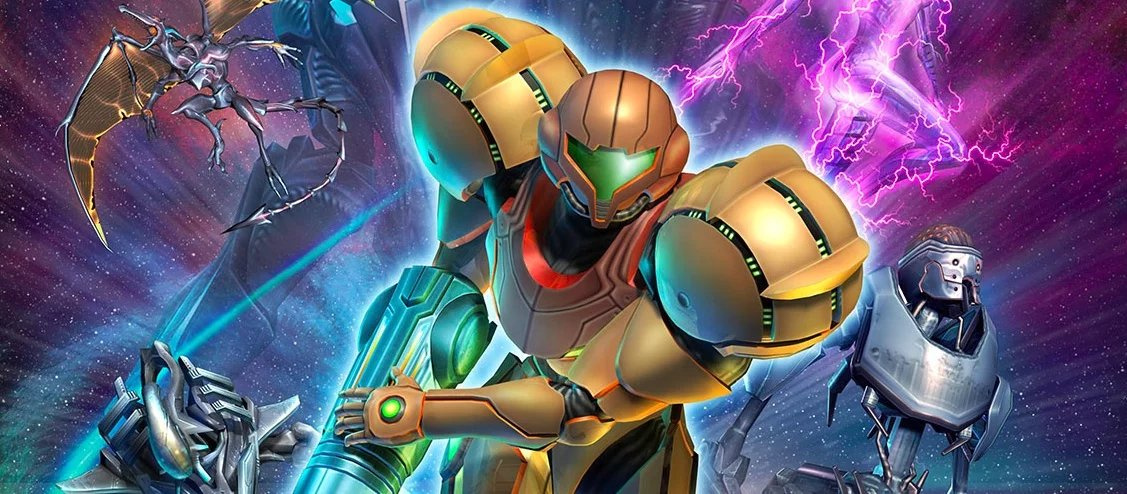
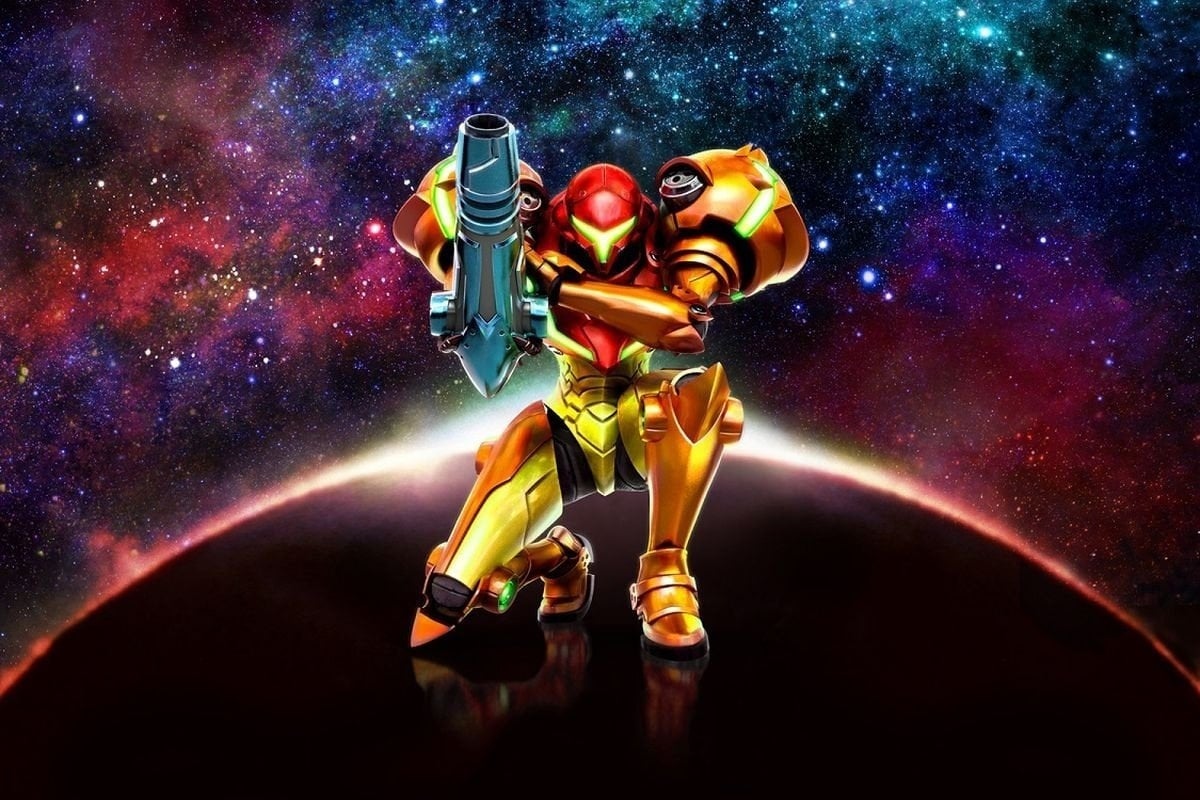
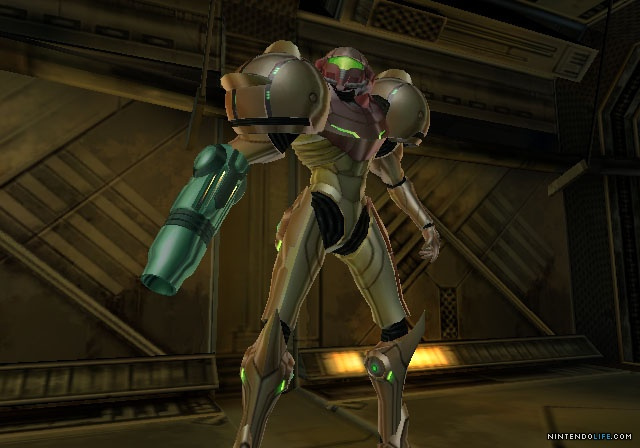
Feature: Please Understand: Unpacking Nintendo’s Vision For Metroid Prime 4
Nintendo’s announcement that Metroid Prime 4 was effectively being taken back to the drawing board wasn’t exactly the January surprise fans were hoping for; the sizeable delay to this much-anticipated sequel was an understandable downer for fans.
Despite disappointment, the video update was met with general acceptance and understanding from most corners of the internet; after a couple of missteps in recent years, more time in the oven is fine if it results in the sequel we’ve been dreaming about since 2007’s Metroid Prime 3: Corruption, the last ‘proper’ entry in the Prime series. We’ve waited this long – what’s another couple of years between friends?
However, reading between the lines, the video communicates a lot more than a mere apology and perhaps points towards a renewed investment in a franchise that hasn’t had the best support of late.
Please Understand That We Hear You
More than simply demonstrating contrition and honourably owning the mistake, the video was also a calculated move to show publicly just how seriously Nintendo regards the franchise and its fans – to prove that the platform holder is aware and cares about Metroid. It’s a curious and arguably necessary move after the much-derided Metroid Prime: Federation Force caused the franchise faithful to wonder who on earth was calling the shots.
Nintendo inexplicably chose to reveal Next Level’s spin on multiplayer shooter Metroid Prime: Hunters at the revived Nintendo World Championships in the guise of side-game Metroid: Blast Ball. Divorced from the brand, it might have been a mildly diverting, inoffensive little game, but Samus fans were hungry. Federation Force? Perhaps it’s some kind ofHalo ODST-style spinoff! we thought. No – what we saw was a bunch of chibi-looking bounty hunters running around mini Rocket League-style arenas playing 3v3 first-person ‘football’. If that weren’t enough, the fact it was on 3DS was a red rag to an already-peeved bull.
Who knows? Perhaps it was a misguided attempt to woo Japanese gamers to a series they’ve historically been lukewarm on, but regardless of intent, the whole debacle was a spectacular misjudgement that suggested Nintendo had lost its way and completely forgotten what made the franchise special for millions of gamers. The fact that there hasn’t been a solely in-house developed instalment since R&D1’s Metroid: Zero Mission on the GBA in 2004 only reinforces that argument.
Please Understand That We’re Sorry
Fortunately, Metroid: Samus Returns – the fabulous remake of the Game Boy’s Metroid II – felt like a make-good for a fanbase desperate for a ‘proper’ instalment ever since Team Ninja’s divisive Metroid: Other M in 2010. It was an effective apology, only dampened by its release on the ageing 3DS rather than Switch. With Switch going a long way to winning back the hearts of the ‘hardcore’ after the waggle of the Wii era, some would argue that Prime 4’s existence indicates a change of attitude towards the franchise.
Although it had been on many a fan’s E3 bingo card for years, that logo’s sudden appearance in 2017 was an uncharacteristically predictable move for a company which prides itself on novelty. That reveal proved once again that you can never quite guess what you’re going to get from Nintendo; Smash fans crowed for years about King K. Rool, but did we ever really expect him to join the line-up? Why the sudden change of heart?
Please Understand The Numbers
Although Metroid’s popularity seems evident – it’s arguably part of that holy trinity alongside Mario and Zelda in the hearts and minds of western gamers – the sales reality makes for sobering reading. On paper, it simply isn’t the tentpole franchise fans perceive it to be, especially in Japan. Metroid Prime, for example, might have done well in the west, but back in Nintendo’s homeland it sold just shy of 40,000 copies in its opening week and managed around double that in lifetime sales. Despite faring much better in the US, sales still aren’t up there with Mario or Zelda. It’s also worth remembering that even the weighty Game-Of-The-Year entries in those franchises haven’t historically been Nintendo’s biggest sellers either – the big 3D Mario and Zelda titles do just fine, but are dwarfed in relative sales terms by the likes of Mario Kart, Wii Sports and New Super Mario Bros..
While (in pure sales terms) Metroid is a rung below Zelda and Mario, sales figures of the Switch instalments of those top-tier franchises show that perhaps that trend is changing. According to Nintendo’s financial reports, Breath of the Wild is the fourth best-selling game on the system with 11.68 million units sold (as of 31st December 2018, including bundles and digital downloads). Super Mario Odyssey’s 13.76 million sales put it in second place, with only Mario Kart 8 Deluxe selling more (15.02 million). Granted, we’ve yet to see life-to-date sales of New Super Mario Bros. U Deluxe which got off to a very healthy start, but these numbers are encouraging for fans of huge, expansive 3D games. If Switch really is the happy medium between the casual and the core audiences, perhaps Nintendo believes a strong Metroid entry could bridge the disconnect between fan perception and business reality.
Please Understand The Competition
Whether Prime 4 signals a new-found belief in the series or is simply pandering to the hardcore crowd recaptured by Switch doesn’t really make much difference; the result is still a new ‘proper’ Metroid. While some might have hoped for a 2D entry in the vein of Super Metroid, it’s no wonder that Nintendo would return to the 3D branch – the grammar Nintendo arguably invented has now been learnt and mastered by countless others. You can’t move on the eShop without tripping over quality Metroidvanias, and with so many fabulous alternatives, what fresh spin could Nintendo offer?
Of course, the company has a very good track record when it comes to reinventing the wheel, often managing to exceed expectations in the most unlikely circumstances. Its batting average for bringing back series and updating them in new and interesting ways is impressive; you can point to the obvious instances of bringing Mario and Zelda into the third dimension back on N64, but there are plenty of examples of eyebrow-raising propositions turning out very well indeed. A Link Between Worlds was an incredible return to a beloved childhood world – the moment you began playing, all the tension and worry melted away and you were transported back in time, as if there was never any doubt.
Please Understand We’re Only Human
That’s not to say Nintendo doesn’t stumble, though. Even its brightest stars lose their shine occasionally, with the highest expectations magnifying flaws in games like Mario Sunshine or Skyward Sword. We’d argue that Star Fox has received the patchiest treatment over its quarter century, with dev team after dev team struggling to recapture the magic of Star Fox 64.
Metroid fans have had a far better run of things. Many bemoaned Nintendo’s original choice of partners for Prime 4, Bandai Namco, especially after the previous collaboration with Team Ninja underperformed, and giving the keys to the franchise back to Austin-based Retro Studios – the second-party developer that moved the series into the third dimension – is a sign to many fans that Nintendo have finally regained their senses after having Retro monkeying around with Donkey Kong for so long. It’s easy to surmise that perhaps some residual bias from upper management in Japan – coupled with their experience of Prime’s long and troubled overseas development – played a part in the original decision to keep development in the east.
Please Understand We’re On It
With a clean slate to work from, Retro’s good form updating the much-loved Donkey Kong Country series with Donkey Kong Country Returns and Tropical Freezeshould be heartening to gamers. Although many of the original Prime team have since moved on, it’ll be a matter of personal pride for the studio that the third sequel lives up to fans’ expectations, although it won’t see the light of day for a good while yet.
Assuming Retro are starting more-or-less from scratch, the realities of modern development cycles means that, like Breath of the Wild – which, lest we forget, was a Wii U title to begin with – we may even see the Switch’s successor before this game releases. We’re not suggesting it’ll launch exclusively on a new system, but it’s not beyond the realms of possibility that it could ‘pull a Breath of the Wild’ and bridge the generations.
Please Look Forward To Further Announcements
And in the meantime? Well, Nintendo has some gems in the vault to placate the Metroid faithful and also familiarise newcomers with the franchise. The original NES game is available to all Switch Online subscribers, and if rumours of a coming SNES library are true, the classic Super Metroid will be joining it before too long. A port of MercurySteam’s Metroid: Samus Returns would make eminent sense to build further anticipation, and a Switch edition of Metroid Prime Trilogy would surely be a port that nobody would argue with.
So it seems that despite a gloomy start to 2019, the future hasn’t been this bright for Metroid fans for a decade or more. We can all raise an arm cannon to that.
Ever wanted to create a HTPC from old computer laying around. Or just have some spare time and want to try something new. This article could be just for you. It will show you the step by step process to convert a Fedora Silverblue to a fully fledged HTPC.
What is Fedora Silverblue, Kodi and HTPC?
Fedora Silverblue is a system similar to Fedora Workstation. It offers an immutable filesystem (only /var and /etc are writable) and atomic updates using an ostree image, which offers reliable updates with ability to rollback to previous version easily. If you want to find out more about Fedora Silverblue visit https://silverblue.fedoraproject.org/ or if you want to try it by yourself you can get it here.
Kodi is one of the best multimedia player available. It provides plenty of features (like automatic downloads of metadata for movies, support for UPnP etc.) and it’s open source. It also has many addons. So if you are missing any functionality you could probably find an addon for it.
HTPC is just an acronym for Home Theater PC in simple words a PC that is mainly used as an entertainment station. You can connect it to TV or any monitor and just use it to watch your favorite movies, TV shows or listen to your favorite music.
Why choosing Silverblue to create an HTPC?
So why choosing Fedora Silverblue for HTPC? The main reasons are:
Reliability – you don’t need to fear that after update everything stop working and if it does, I can rollback easily
New technology – it is a good opportunity to play with a new technology.
And why to choose Kodi ? As stayted before it’s one of the best multimedia player and it’s packaged as a flatpak, which make it easy to install on Silverblue.
Conversion of Fedora Silverblue to HTPC
Let’s go step by step through this process and see how to create a fully usable HTPC from Fedora Silverblue.
1. Installation of Fedora Silverblue
First thing you need to do is to install Fedora Silverblue, this guide will not cover the installation process, but you can expect similar process as with standard Fedora Workstation installation. You can get the Fedora Silverblue ISO here
Create only the root user during the installation with some password. We will create a user for Kodi later without password.
2. Booting to terminal
This part will be a little tricky. You need to bypass GNOME and end the boot sequence in terminal. Otherwise you will end up in GNOME initial setup process, which will not allow you to create user without password.
To bypass the GNOME you need to press the ‘e’ key in GRUB menu to edit the GRUB entry. When editing the GRUB entry just look for the line starting with linux16 and add 3 to end of this line. Then continue the boot sequence with CTRL + x. Don’t worry about the changes, they are used only for this session.
GRUB menu GRUB entry edited
You will end up in terminal where you need to login as root.
3. Creation of user for Kodi
When you are in the terminal logged as root, you need to create a user that will be used by Kodi. This can be done using the useradd command.
useradd kodi
4. Installation of Kodi from Flathub
To install the Kodi in flatpak you first need to add a Flathub remote repository.
The last thing that will prevent for autostart to work correctly is the GNOME initial setup. To disable it just create a gnome-initial-setup-done file in .config directory of kodi user.
You can now switch back to root for the next steps.
exit
6. Set autologin for kodi user
This step is very useful together with autostart of Kodi. Every time you restart your HTPC you will end up directly in Kodi and not in the GDM or GNOME shell. To set the auto login you need to add the following lines to /etc/gdm/custom.conf to the [daemon] section
AutomaticLoginEnable=True
AutomaticLogin=kodi
7. Enable automatic updates
For HTPC automatic updates you will need a cron job. But because cron is not part of the standard Fedora Silverblue installation you need to install it first. In this step I also recommend to do upgrade of the Fedora Silverblue first before layering the cron package.
rpm-ostree upgrade

rpm-ostree install cronie
After this you need to reboot your computer, to apply the new updates.
reboot
To be able to setup cron in this phase you need to do the second step again and log in as root. After this you need to edit the crontab.
This will create a new cron job, which will update any flatpaks (Kodi in this case), update Silverblue and does a restart to apply the changes.
This job will run at 4 AM on Wednesday. It is recommended to set this to a time when nobody will use the HTPC.
Restart the computer now.
reboot
8. Disable GNOME features
There are few GNOME features that could be annoying when using Fedora Silverblue as HTPC. Most of these features could be setup directly in Kodi anyway, so if you want them later it’s easy to set them directly in Kodi.
To do this exit Kodi and open the terminal. Press Super key (this is the key between ALT and CTRL) and type terminal. Once the terminal will be open and you need to type the following commands.
# Display dim dconf write "/org/gnome/settings-daemon/plugins/power/idle-dim" false
# Sleep over time/ dconf write "/org/gnome/settings-daemon/plugins/power/sleep-inactive-ac-type" 0
Posted by: xSicKxBot - 02-13-2019, 11:17 AM - Forum: Lounge
- No Replies
Nintendo Direct For February 2019 Confirmed, Features Switch's Fire Emblem
Nintendo has confirmed it will host its first Nintendo Direct of 2019 on February 13. It is scheduled to take place at 2 PM PT / 5 PM ET / 10 PM GMT / 9 AM on February 14, AEST. It is set to last "roughly 35 minutes" and will deliver "information on upcoming Nintendo Switch titles, including new details on Fire Emblem: Three Houses."
As per usual, the Direct will be available to watch on Nintendo's on website, as well as through its YouTube channel. We'll also be hosting it here on GameSpot and providing you with the news as it breaks. Fire Emblem: Three Houses was first announced at E3 2018 with a spring 2019 release window. However, Nintendo hasn't discussed the title since then, so this will be the first time we're given detailed information about the title since its reveal.
Beyond Fire Emblem: Three Houses, Nintendo is also developing Yoshi's Crafted World, Luigi's Mansion 3, a new core Pokemon title, and another entry in the Animal Crossing series for Nintendo Switch. It has not officially confirmed that these titles will be discussed during the Direct, however.
It could be that Nintendo also announces new projects during the Direct. Metroid fans in particular have been hopeful that the Wii's Metroid Prime Trilogy is re-released for Switch. Especially after the recent news that Metroid Prime 4 development has been restarted, and we're unlikely to hear more about the sequel for quite some time.
It may also be possible that Nintendo shows off more the next DLC fighter for Smash Bros. Ultimate, who was revealed to be Persona 5's Joker during The Game Awards in December of 2018. Pokemon developer Game Freak is also working on an RPG called "Town," of which we've seen very little of too. Either way, we'll find out what Nintendo has in store for us soon.
Atelier Lulua: The Scion of Arland Secures Switch Release Date
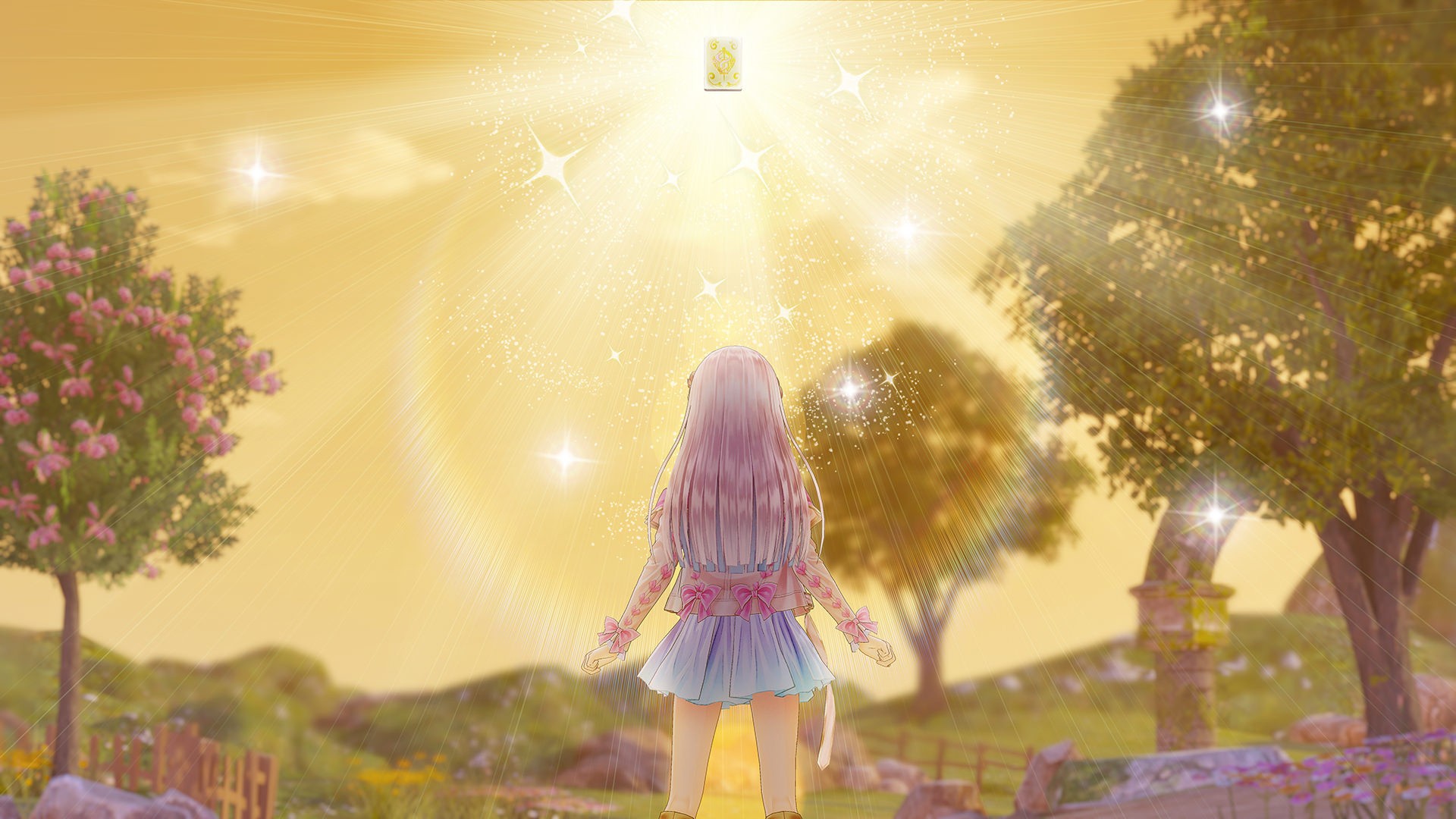
JRPG Atelier Lulua: The Scion of Arland is seeing the light of day on Tuesday 21st May according to Koei Tecmo. A sequel to the PS3 Arland trilogy – available individually or in a Deluxe Pack on Switch – sees you controlling a young woman named Elmerulia Lulua Fryxel, an apprentice alchemist.
The official announcement offers more details:
Lulua studies diligently to fulfill her dream of becoming a great alchemist just like her mother, Rorolina Frixell; but during her training Lulua discovers a mysterious Codex, awakening an ancient power within her that enables Lulua to decrypt but a single page with many more riddles for her to unravel. Players will be tasked with performing actions focused around the core Atelier series gameplay Gathering, Battle, and Synthesis to allow them to decipher more of the text, as well as learn exciting new types of alchemy.
There are a few sparse details on Koei Tecmo America’s website along with the pretty pictures we’ve reproduced here. No word on pricing yet, though.
Are you a fan of the series? Does this trailer get you in the mood to return to that world? Share your impressions below.
Live Out Your Pokémon Snap Sequel Fantasies With GO Snapshot
If there’s one thing we’ve been clamouring for over the last few years (“we” meaning “at least one of us”), it’s a direct sequel to Pokémon Snap. The 3DS seemed like a perfect opportunity with its camera functionality, but nothing, and the Wii U’s GamePad seemed even more suited as you’d be able to line it up with the TV, but nope. We’d argue that it’d be just as great on Switch, or even as a mobile game, but it just isn’t happening, is it?
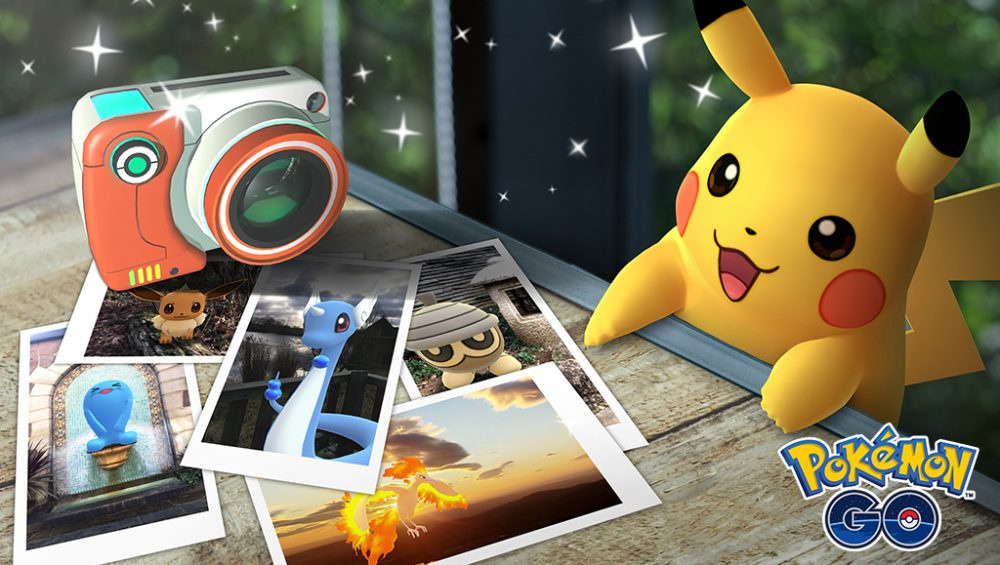
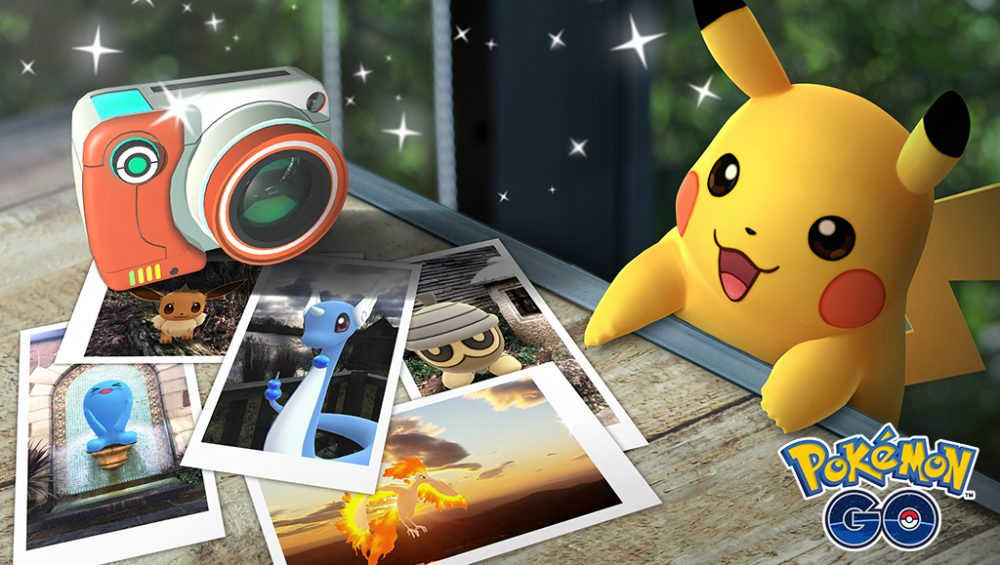
Well, Niantic is now offering the next best thing with its world-dominating Pokémon GO. A new feature called GO Snapshot is on the way to the game, giving players a much more robust photo system using the game’s AR+ feature. Billed as an easy way to take photos of any of your Pokémon, the new option will become available when looking at a Pokémon or when accessing the camera in your bag.
An update from Niantic’s official blog sheds more light on exactly how the feature will work:
“It’s simple to use. Select a Pokémon and tap on the screen to throw its Poké Ball to that spot. Once your Pokémon is situated in the ideal spot, you can then move around it to find the best angle for your photo. Is your Pokémon distracted or looking the wrong way? Brush across it to get its attention, and it will be sure to face you.
Take as many photos as you like during your session. Once you’re finished, all photos are saved to your device automatically! It’s also easier than ever to share your favorite photo via social media. Just select the linked social channel you want to share with, and you can show your friends your masterpiece with a couple of quick taps.”
It does sound like a nice little extra for fans of the game and it could be a great way to get creative, finding clever ways to show off your collection.
Will you be using the feature? Would you be up for a Pokémon Snap feature, too? Please tell us we’re not alone in the comments.