June 3rd : New Preview Alpha Ring 1906 Update (1906.190531-1540)
Starting at 2:00 p.m. PST today, members of the Xbox One Preview Alpha Ring will begin receiving the latest 1906 Xbox One system update (Build: 19H1_RELEASE_XBOX_DEV_1906\18362.4043.190531-1540).
DETAILS:
OS version released: 19H1_RELEASE_XBOX_DEV_1906\18362.4043.190531-1540
Available: 2:00PM PDT 5/31/19
Mandatory Date/Time: 3:00 AM PDT 6/1/19
Fixes:
My Games and Apps
We have fixed the issue with DLC for games is not showing when you go to Manage games.
System
Various Narrator fixes.
Various Localization fixes.
Known Issues:
Audio
Headsets are not being assigned to the users profiles and not working correctly.
Profile Color
Sometimes users may encounter the incorrect Profile color when powering on the console.
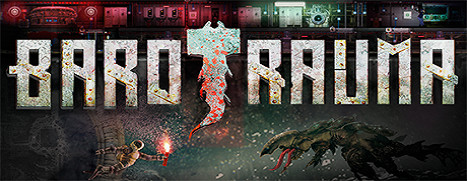
Now Available on Steam Early Access – Barotrauma, 15% off!
Barotrauma is Now Available on Steam Early Access and is 15% off!*
Overcome crisis and the unrelenting pressure of a frozen ocean. Flee or fight alien lifeforms, explore a strange new world in Jupiter’s orbit, command your crew and craft equipment in a tense 2D experience.
Pokemon Sword & Shield: New Raid Battle Details Shown At E3 2019
During a Nintendo Treehouse Live segment directly following Nintendo's E3 2019 Direct presentation, we learned more about Pokemon Sword and Shield's Max Raid Battles. The games' producer, Junichi Masuda, and director, Shigeru Ohmori, were on stage detailing some of the features we were first introduced to during the June 5 Pokemon Direct; this included a demo of a Max Raid Battle, in which four players team up to take down an incredibly powerful Pokemon.
In Sword and Shield, Max Raids involve Dynamaxed Pokemon, or Pokemon who have become huge in size and more powerful. Up to four players can queue up to Raid, and once they're all ready, they each choose one Pokemon to take into the battle. In this case, the Max Raid Pokemon was a giant Steelix, who was shown in silhouette before the battle.
Once in the Raid, each player chooses their next move like any other Pokemon battle. Previews of these attacks seem to appear in the top-left corner of the screen, signaling each Pokemon's next move--they're icons representing things like attacks or defensive moves like Reflect. This seems to be a feature designed to help players strategize during the Raid.
Additionally, we saw that the Max Raid Pokemon can (or will) put up a barrier shield at some point in the battle. A five-section meter for this barrier appears under its HP, and the Pokemon will not take damage until the barrier has been broken, like how a Substitute works. The barrier seems to be unaffected by the involved Pokemon's type advantages or stats, so even weaker Pokemon can contribute to taking down the barrier. In this particular demo, once the barrier fell, Steelix's defense and special defense harshly fell, making it easier to take it down. After the Max Raid Pokemon's HP is knocked out, each player has a chance to catch it.
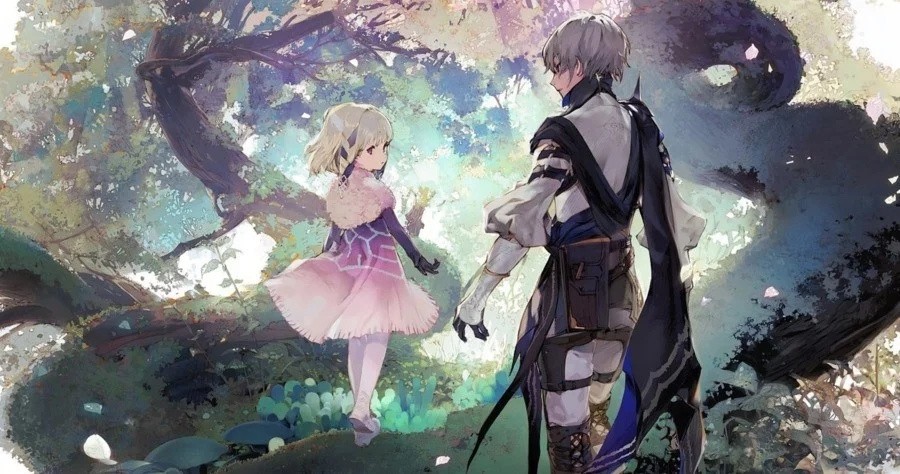
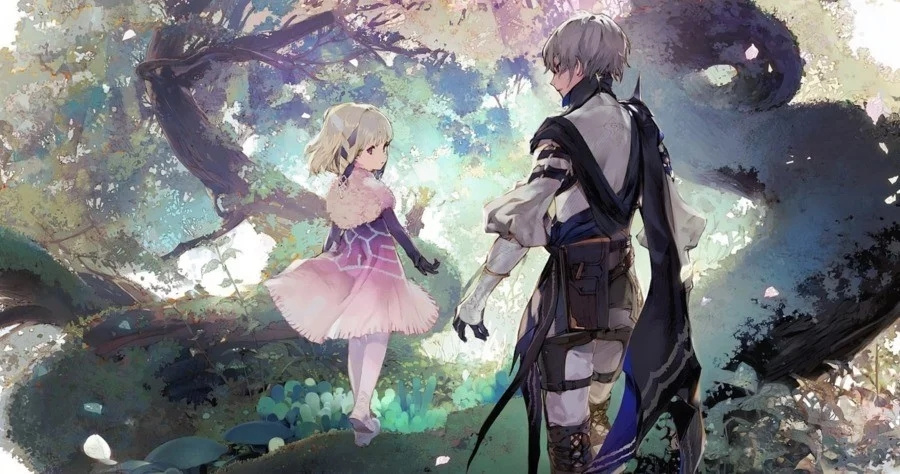
Learn How Death Is Tied To Life When Oninaki Releases On Switch This August
We first found out about action role-playing game Oninaki during a Nintendo Direct presentation earlier this year, in February. With this in mind, Square Enix Live has now locked in a release date. It’s arriving in a few months time, on 22nd August.
To help promote the launch announcement, Square Enix released a new reveal trailer – highlighting some of the mysteries that Kagachi will encounter on his epic adventure between the world of the living and the realm of the dead.
In case you forgot, Oninaki is developed by the team at Tokyo RPG Factory – which previously worked on I Am Setsuna and Lost Sphear.
Is this a game you’ve been looking forward to playing? What did you think of I Am Setsuna and Lost Sphear? Tell us below.
Download A Demo Of Dragon Quest Builders 2 On 27th June
If you’re still on the fence about Dragon Quest Builders 2, perhaps a demo will help you decide whether or not you’re ready to move onto the second entry in this relatively new Minecraft / Dragon Quest crossover series.
At Square Enix Live, the Japanese company announced a demo for the game would be released here in the west on 27th June. Here’s a description about it from the Nintendo of America Twitter account:
Explore the Isle of Awakening and get to grips with the basics of building
Alongside this announcement, was a new trailer featuring an enthusiastic voiceover. Take a look and have a listen below:
Tell us if you’ll be trying out this game before it arrives next month.
Linux Kernel 5.2 Will Address Industrial Operations, Two-Factor Authentication
Currently, at release candidate 3, the Linux 5.2 kernel is coming soon and promises to offer quite a host of impressive new features and improvements. Lets take a look at some of the highlights.
New Features
Fieldbus Subsystem
One of the new features that should excite anyone who deals with automated industrial systems is the introduction of the new Fieldbus Subsystem. Fieldbus is crucial in connecting different systems in industrial environments, and with this addition, the Linux kernel can now natively communicate with field instruments (such as those used in manufacturing plants) as a part of a control system.
One of 2020's most anticipated movies is Dune, the new adaptation of the classic sci-fi novel, which will be directed by Blade Runner 2049's Denis Villeneuve. It has now been reported that there is also a Dune TV show on the way, with Villeneuve set to direct the first episode.
According to Variety, the show will be titled Dune: The Sisterhood, and it is being developed for Warner's upcoming streaming platform. The site states that the new show will focus on the Bene Gesserit, a mysterious order of women with incredible powers. The group have featured across Herbert's Dune book series.
Villeneuve will direct the opening episode and executive produce the entire run. In a statement he said: "The Bene Gesserit have always been fascinating to me. Focusing a series around that powerful order of women seemed not only relevant and inspiring but a dynamic setting for the television series."
Warner's streaming platform does not yet have a confirmed launch date, but it is expected to appear later in 2019. According to a recent report in the Wall Street Journal, the service will bundle HBO, Cinemax, and a library of Warner movies and TV shows. Pricing is expected to be in the $16-to $17-a-month range.
Villeneuve's Dune movie releases in November 2020. The film has assembled an impressive cast over the past few months, including Timothee Chalamet, Rebecca Ferguson, Dave Bautista, Oscar Isaac, and Stellan Skarsgård.
Dune was previously adapted for the big screen in 1984. The lavish movie was directed by David Lynch and starred Kyle McLachlan, Patrick Stewart, and Sting. While it was a commercial failure, it has since gained a cult reputation. The Sci-fi Channel (since re-branded Syfy) also produced a Dune mini-series in the early 2000s.
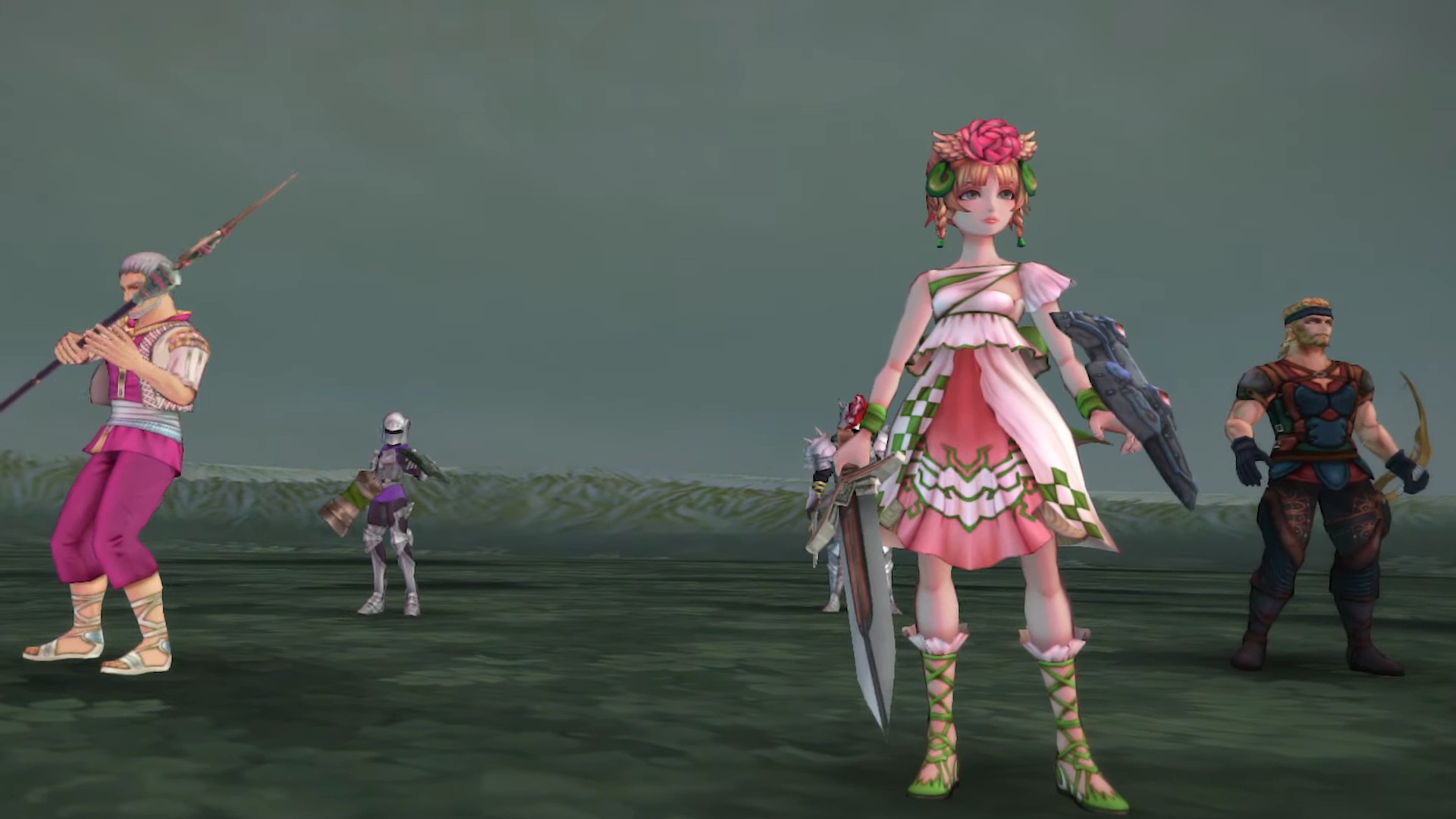
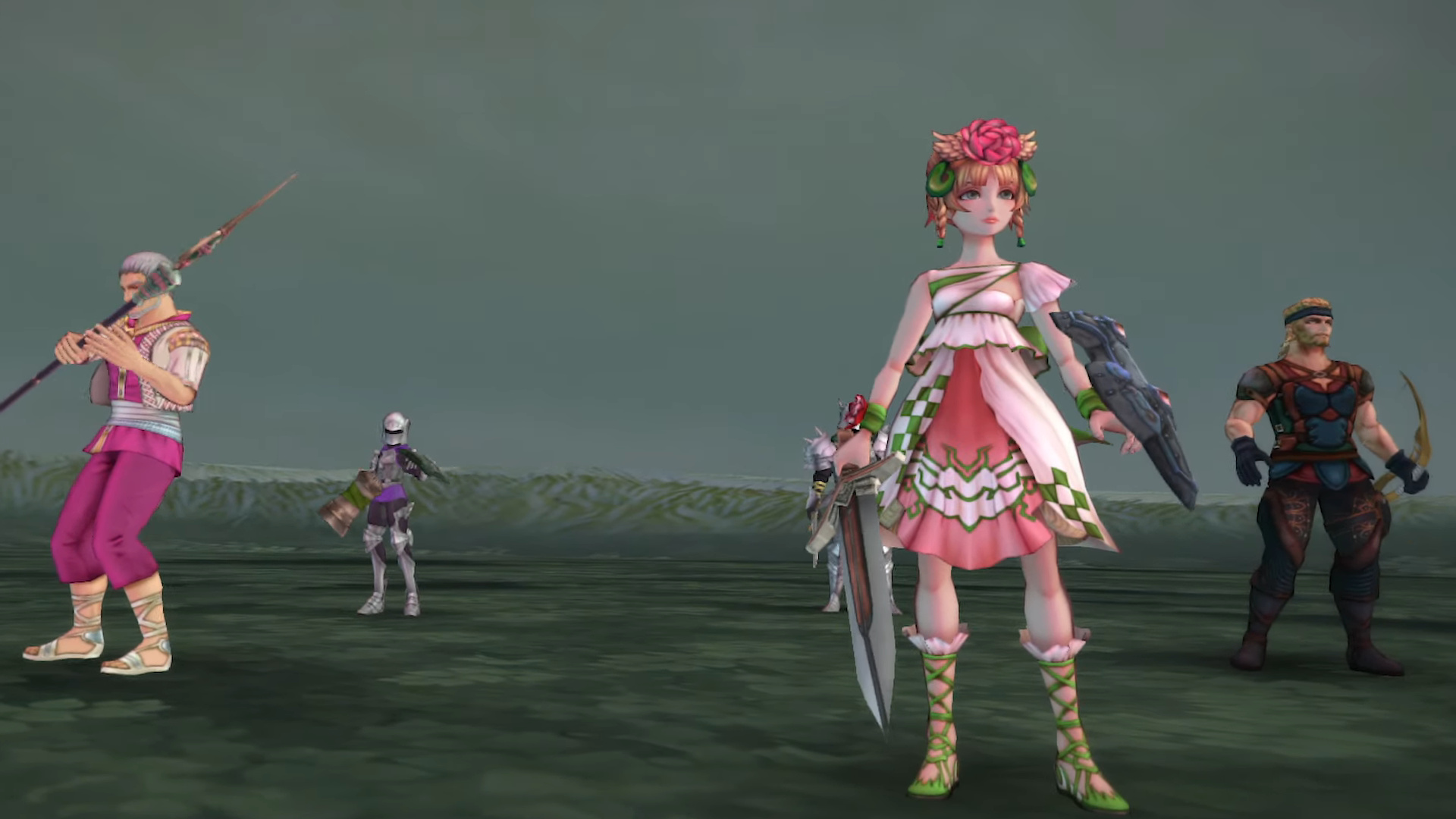
To celebrate, Square Enix shared a new trailer featuring development footage of the game. In addition to this, it revealed an online multiplayer mode would be in the game. There’ll also be a mobile release, giving even more players access to this upcoming remaster. See for yourself in the video below.
Will you be returning to Crystal Chronicles after all these years? Tell us down in the comments.
Romancing SaGa 3 and SaGa Scarlet Grace: Ambitions Are Being Localised
If you’re a fan of the SaGa series you’re in for a treat, at Square Enix Live, the company revealed Romancing SaGa 3 and SaGa Scarlet Grace: Ambitions would both be released in the west. There’s no information about when exactly these games will arrive.
The third game was exclusively released in Japan in 1995 and was previously confirmed for the Switch eShop in the same region last September. SaGa Scarlet Grace: Ambitions started out life on the PS Vita in 2016 and was then released on the Switch exclusively in Japan, last August. This particular version is the enhanced edition. Below is the official E3 2019 trailer:
And here’s some additional information about each one, courtesy of Square Enix:
Romancing SaGa 3: The classic 1995 RPG finally comes west in a remastered version! Your choices matter—from your choice of hero, to branching story paths, to recruiting party members, to which skills you’ll develop. Every game, a new adventure!
SaGa Scarlet Grace: Ambitions: Create a team of up to five capable fighters and engage in strategic turn-based combat, selecting from 9 weapon varieties, as you take on enemies. The composition of your group affects your abilities and impacts your tactics. The choices you make will define your legacy!
Are you a fan of the Romancing SaGa series? Have you played the previous games? Tell us down in the comments.