If you are attending the expo in L.A. this week, you got to stop by GameSpot’s booth located in the West Hall of the Los Angeles Convention Center! You can watch our shows live from our stage and check out all the surprises we have in store for attendees.
We also have a free activation open to the public from Tuesday to Thursday where you can enjoy gameplay, celebrity meet n’ greets, giveaways and more. Check out our Base Station schedule below:
And for everyone that will be watching our coverage from cyberspace you can follow us on Twitter, Facebook, Instagram and also watch us live on YouTube.
The Color Dungeon Returns In Link’s Awakening On Nintendo Switch
If you tuned into Nintendo’s Treehouse Live Broadcast following the big E3 2019 Direct presentation, you likely saw the same segment we did highlighting upcoming September release, The Legend of Zelda: Link’s Awakening.
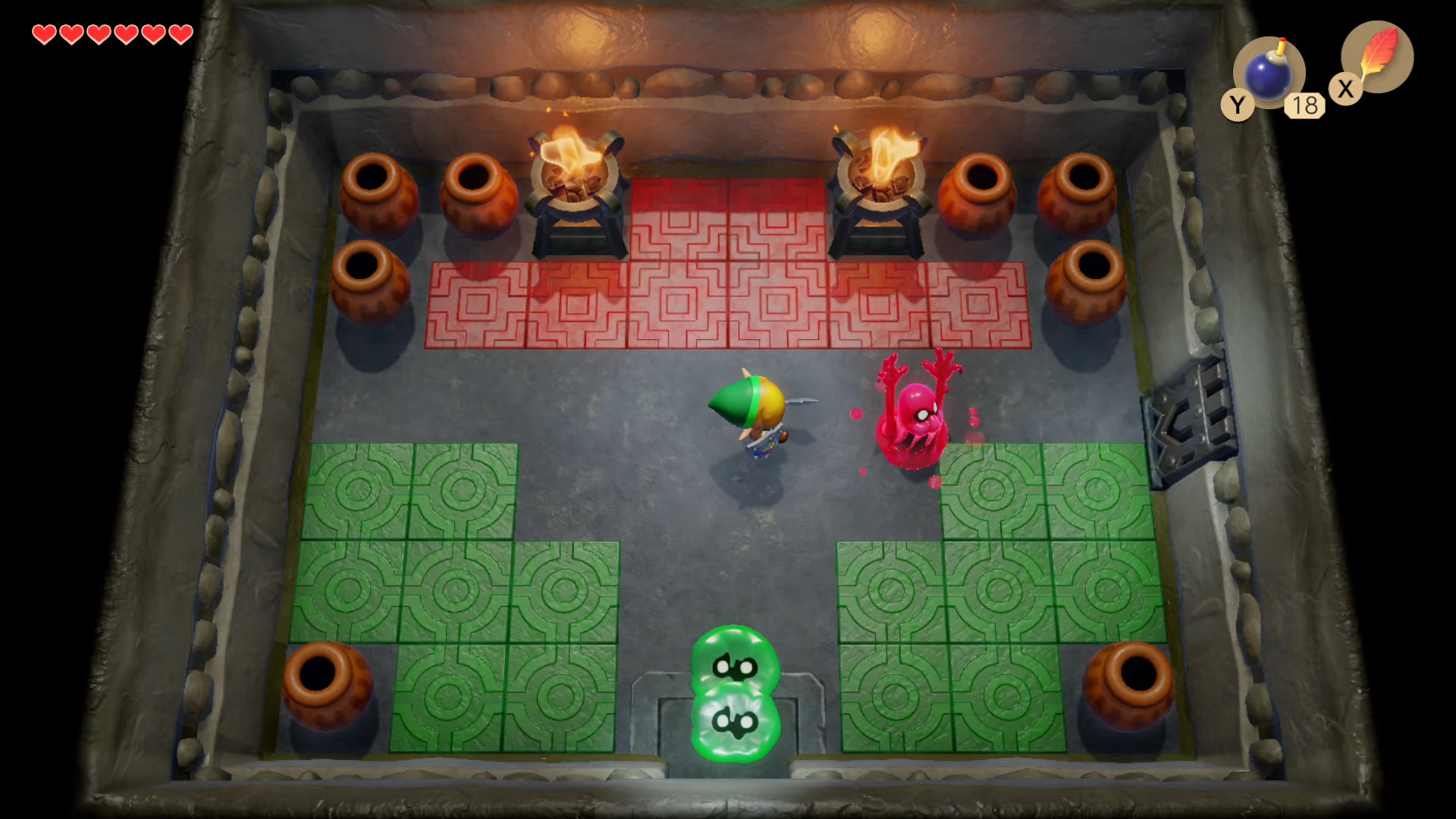
While there was a lot revealed about this Switch title in the half-hour demo, one of the more interesting titbits of information was regarding the return of the Color Dungeon from the DX version of Link’s Awakening and also the introduction of the Chamber Dungeon.
To cut to the chase, the Color Dungeon is back! Even if it doesn’t have quite the same impact as it did back in 1998, it’s there. What’s reassuring, as the Nintendo Treehouse crew explained, is the fact all of the DX content is represented in this newer version of Link’s Awakening. If you’re not familiar with the original Color Dungeon, it required players to solve color-puzzles and made special use of the Game Boy Color at the time.
Interestingly, the Switch release will also include the new Chamber Dungeon. This dungeon is a building that actually replaces the original Camera Shop that was located in Tal Tal Heights (first featured in Link’s Awakening DX). You could take photos throughout Koholint Island and then return to this shop to print them out or view on the Game Boy Printer accessory.
Instead of this, the building has now been replaced by the Chamber Dungeon, run by Dampé, who you might remember as the graveyard keeper from the 1998 Nintendo 64 release, The Legend of Zelda: Ocarina of Time. It’s also worth noting Dampé was not featured in the original Link’s Awakening games. The Chamber Dungeon itself will allow you to create challenging custom dungeons. For more insight, view the video below:
What are your thoughts about the color dungeon returning and the new chamber dungeon feature? Tell us down in the comments.
Feud has one of the most irreverent app store descriptions that I have ever had the pleasure to read. Not only does it make for a refreshing change from the usual shameless hyperbole but it also provides some potentially life-saving health and safety advice concerning the perils of open manholes. The game itself is a two-player strategy game in which each player takes it in turns to move their pieces around a chequered board with the aim of capturing their opponent’s king. As you may have already guessed, Feud shares many of its sensibilities with the granddaddy of all abstract board games. It follows in the quirky footsteps of the slurred-sounding Chesh and the really rather good Really Bad Chess, by messing with the established rules of Chess to create a fresh new challenge.
A few quick calculations reveal that the board in Feud has only sixteen spaces and that there are a total of sixteen pieces. As a result, the pieces are packed tighter than Tokyoites on a commuter train. This means that the only way to move around the board is to swap places with orthogonally adjacent pieces. The crammed board is viewed from overhead in either a portrait or landscape orientation. Before the game commences, each player will place their king on one of the four spaces in the back row. This will determine the starting positions of all of their other pieces. Each turn a player must first switch the positions of one of their pieces with an adjacent one and they then have the option to carry out a single action. You do not have to take an action but if you fail to take an action for three consecutive turns then you automatically lose the game. The space constraints may mean that there are fewer movement possibilities than in Chess, but these special actions go some way to making up for this.
The King is the most important piece; he doesn’t have a special action and if he dies you lose the game. Wizards can teleport, which allows them to swap places with any other friendly piece, not just adjacent ones. Archers can make a ranged attack in a straight line, either horizontally or vertically. Shields cannot be moved by the opposing player and their positioning will block an archer’s line of sight. Knights get an extra attack and medics can heal up to four adjacent friendly pieces for one health point each. Kings and shields begin the game with four health points, whilst all other pieces have three points. When a piece attacks an enemy it will inflict a single point of damage. Reduce an opposing piece to zero health points and it will be removed from the board.
The combatants are a rather insecure bunch, feeling the need to be adjacent to other friendly pieces in order to function. An isolated piece is therefore useless, and if at any time all of your remaining pieces are isolated, you will lose the game. It may sound simple enough – until you start playing that is. The chain of repercussions that accompany each and every move will soon have you turning mental somersaults. Things get even more fraught as players begin to lose pieces and the board opens up. Now, the problem of leaving your pieces isolated becomes ever more pressing. In a face-to-face match, Feud can really put you in a state of analysis paralysis, which will often leave your opponent twiddling their thumbs and wishing that the developers had included a timer in order to speed things up.
Let us take a look at the aesthetics, and I should make it clear that I am not talking about the apparent dashing good looks of Feud’s developers. I love how the cute buttoned-eyed characters stop blinking when they become isolated. The top-down view means that the pieces are easy to distinguish and the interface is both clean and smooth. However, not being particularly good at thinking ahead, I do miss the opportunity to take back a mistaken or disastrous move. Although games do not take long, I would still have appreciated the option to save a game that is in progress. As it is, returning to the main menu will cancel your current game.
Feud definitely falls into the easy to learn, difficult to master category. The tutorial is nicely presented and will have you ready to play in no time at all. There is a hint system that will recommend a move when you are hopelessly stuck but it would have been nice to have an advanced tutorial to take you through an actual game and explain the thinking behind some of the moves. As it stands, I found myself initially feeling a bit clueless as to what approach to take and how to formulate a strategy. I did quickly discover though that the starting player usually snatches the impetus, giving them a distinct advantage.
There is a hot seat mode, which allows you to take part in a face-to-face battle, or you can challenge an AI opponent. The AI has two difficulty levels and three different play styles. An aggressive opponent will throw everything into recklessly pursuing your king, a defensive AI focuses on protecting their own king, whilst a sneaky challenger will try their best to isolate all of your pieces. The easy AI isn’t up to much, but the hard one gave me a decent challenge. I have always been a bit rubbish at these types of games and so a more capable player may have a different story to tell.
There is always the option to find an online opponent and you can play cross-platform against iOS, Android, PC, Mac and Linux users. Currently, online games are limited to asynchronous games with a 24-hour turn deadline. This does mean that games can drag on and the option for a quicker turnaround would be much appreciated. There isn’t a ranking system either, which can lead to some one-sided games that are not much fun for either player. Aside from a few negatives, Feud is a clever and compelling abstract game and better still it is entirely free to play. So you have nothing to lose by giving it a try.
Creature Runtime Licenses Changed To Apache Open Source
Kestrel Moon just made a change to the licensing of the runtimes powering their Creature 2D animation software. These runtimes enable you to fully utilize animations authored in Creature in your game engine of choice. Runtimes exist for the follow game engines and platforms:
The terms of licensing for the runtimes are now as follows:
The Creature Runtimes operate under 2 License types depending on whether you own a Licensed copy of Creature or not.
People who own a licensed copy of Creature: You use the standard Creature License included with the runtime code. TLDR: You are free to publish/modify/sell your product with the Creature runtimes without needing to state you are using the runtimes/put the copyright notice in your code/app. If you already have been using the Creature runtimes as a licensed owner of Creature, nothing changes ?
Everyone else: The runtimes are released under the very permissive Apache License ?
Both Licenses allow for private use and do not require any disclosure of your source code.
The previous licensing required developers to have a license to work with a runtime, making integrating Creature runtimes into various game engines and technology impossible if you didn’t already own a license. This change should make it easier for example for a game programmer to work with the runtimes using art generated by an artist, not requiring an additional license in this scenario.
If you are interested in learning more about Creature, be sure to check out our hands-on video available here and embedded below.
Posted by: xSicKxBot - 06-12-2019, 05:03 AM - Forum: Lounge
- No Replies
Zelda: Breath Of The Wild 2 Trailer Breakdown - E3 2019
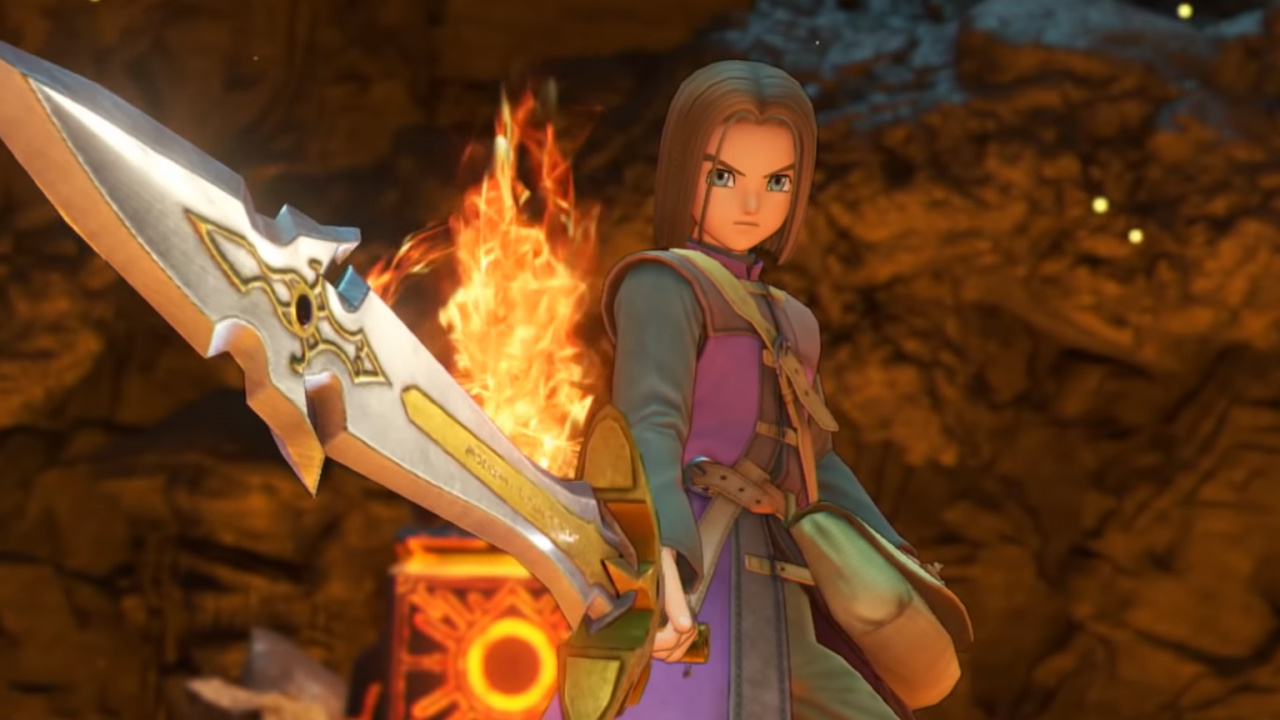
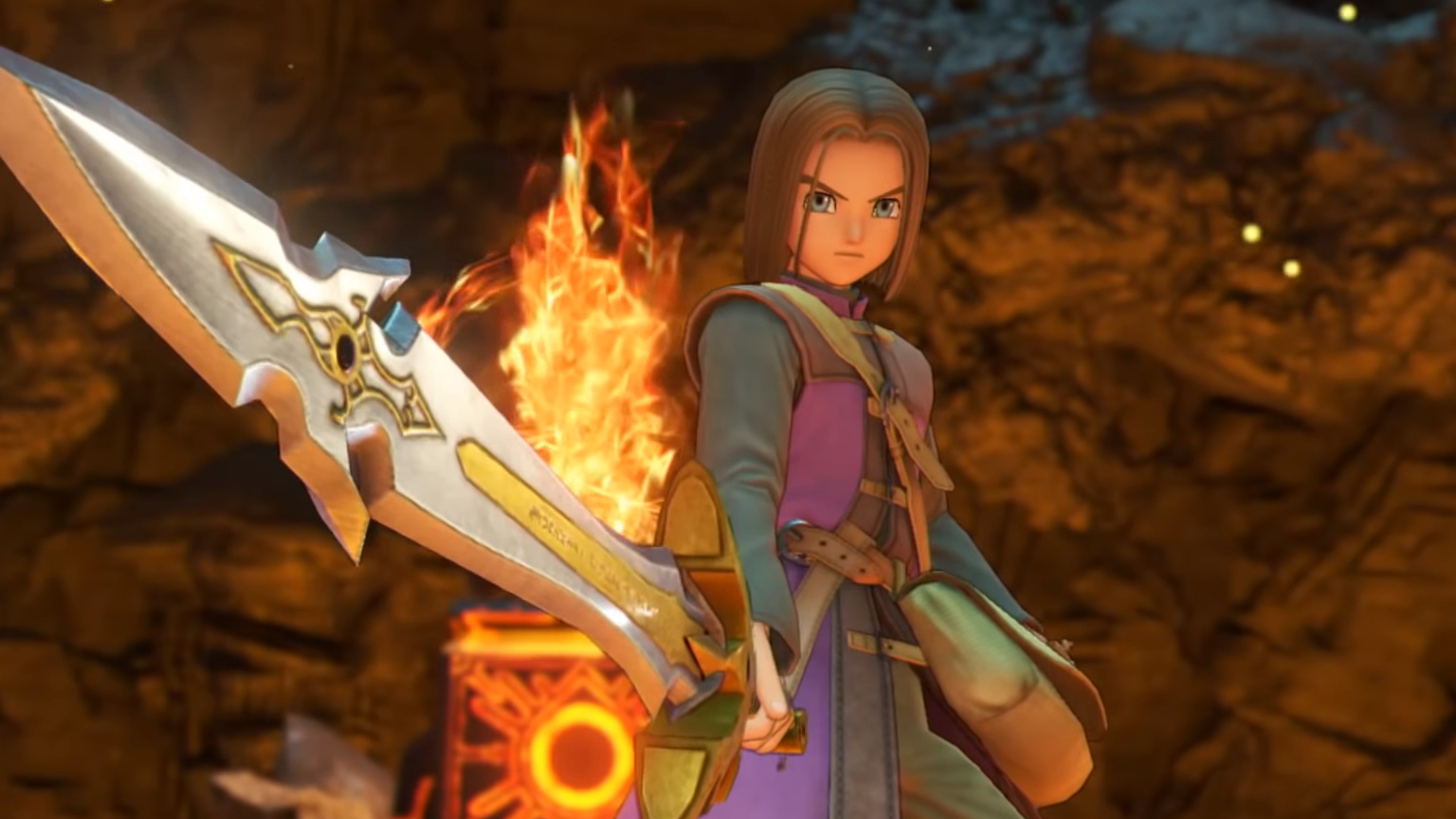
Nintendo always saves the biggest surprises for last, huh? Although Nintendo filled its E3 2019 Direct with several surprise announcements--like Dragon Quest's The Hero and Banjo & Kazooie joining Super Smash Bros. Ultimate as playable fighters--the biggest reveal was right at the end. Nintendo reiterated that The Legend of Zelda: Breath of the Wild's sequel is already in development and revealed a brand-new trailer that teased further details for the spooky follow-up to the 2017 title.
When it comes to Breath of the Wild's sequel, we know very little. Nintendo does a very good job of keeping its games under wraps, so the sequel's name, story, setting, and characters are all still relatively unknown. Really, the only thing we know for sure is that the game is being made. This new trailer did give us a few new details though, and from there we can make some educated speculations as to what to expect.
Trailer Breakdown
The trailer begins with Link and Zelda exploring a dungeon-looking cave. Although Link's rocking the same look he did in Breath of the Wild, Zelda has changed her wardrobe. Although her Breath of the Wild pants and blouse are still there, she's adopted a cape and hood that's similar to the one Link wears in his Hylian Armour Set. She's also cut her hair, adopting a haircut that's a lot closer to the one Link has.
What's far more noticeable is the music that's playing. The use of synth creates a much spookier atmosphere in comparison to Breath of the Wild's soft strings. The sound, although slightly different, has been used for a Legend of Zelda game before: Twilight Princess. The comparisons to Twilight Princess continue throughout the trailer, as Link and Zelda delve deeper into the dungeon.
The duo encounters a dark energy that seems to almost be infecting the area and creatures around it and it's coming from what appears to be the mummified corpse of Calamity Ganon (at the very least, it looks like a male Gerudo). The energy itself is only being channeled through Ganon though. It's actually coming from a glowing arm clutching the mummy's chest. The arm is wrapped in golden jewelry, with designs that closely resemble the twisting symbols of the Twili--a race of individuals who are trapped in the Twilight Realm after their ancestors (powerful sorcerers) arrogantly challenged the gods of Hyrule.
We then see a succession of quickly cutting scenes. The first shows Link's seemingly attempting to channel and utilize the energy that is causing the glowing arm to glow. The next sees the dark energy careening into the ceiling. It's followed by a shot of Link and Zelda reaching for each other before cutting to the opening of a crypt. We then see Zelda's hand grabbed by the glowing arm and (perhaps) a flashback to Calamity Ganon first encountering the shadowy being that belongs to that arm. Link and Zelda's presence then seems to awaken something in the tomb, as the floor begins to crumble and the mummified corpse turns to look at them and open its eyes with vehement hatred. The trailer ends with Hyrule Castle rising from the ground and a shot of glowing blue energy--which again looks a lot like the magic that the Twili (specifically Midna, Zant, and the other powerful leaders) uses.
What It Could Mean
Of course, all the comparisons to Twilight Princess could mean nothing. Some folks complained that Breath of the Wild simply wasn't dark enough story-wise. A similar complaint was directed at The Wind Waker and Nintendo responded with Twilight Princess. Breath of the Wild's sequel might simply look like Twilight Princess because Nintendo is just making an adjustment similar to what it did back in the mid-2000s.
That said, it's a relatively plausible theory to speculate that the Twili and the Twilight Realm will be included in Breath of the Wild's sequel. Early drafts of Breath of the Wild's original story referenced alien involvement. Obviously, this was cut. However, the Twili are a sort of alien to the people of Hyrule. The dimension they live in might as well be on a different planet, and the last time they came to Hyrule (the events of Twilight Princess) it was as an invasive force.
The events of Twilight Princess are also directly referenced in Breath of the Wild. When Link is being knighted as the next Hero of Hyrule and being gifted the Master Sword, Zelda makes reference to the land's previous heroes. "[Link, you] have proven yourself worthy of the blessings of the Goddess of Hylia," Zelda says. "Whether skyward bound, adrift in time, or steeped in the glowing embers of twilight…The sacred blade is forever bound to the soul of the Hero." If Twilight Princess, canonically, takes place prior to the events of Breath of the Wild, then the Twilight Realm exists in this Zelda's game's timeline.
A connection to Twilight Princess isn't all the new trailer possibly implies, though. Zelda's decision to adopt Link's look, and decision to join him on his next adventure might imply a co-op element. If not co-op, then at least Zelda will be playable this time around. It would be pretty cool to finally play as the princess who's in the title of the franchise.
So, when will exactly will we get to see it? It looks like we’ll just to wait a little bit longer. In the meantime, take a look at the latest E3 2019 trailer for the game, which even showcases the ability to adventure in contemporary or classic 16-bit style.
Are you eager to get your hands on this game? Were you expecting a more definitive release date to be announced? Tell us down in the comments.
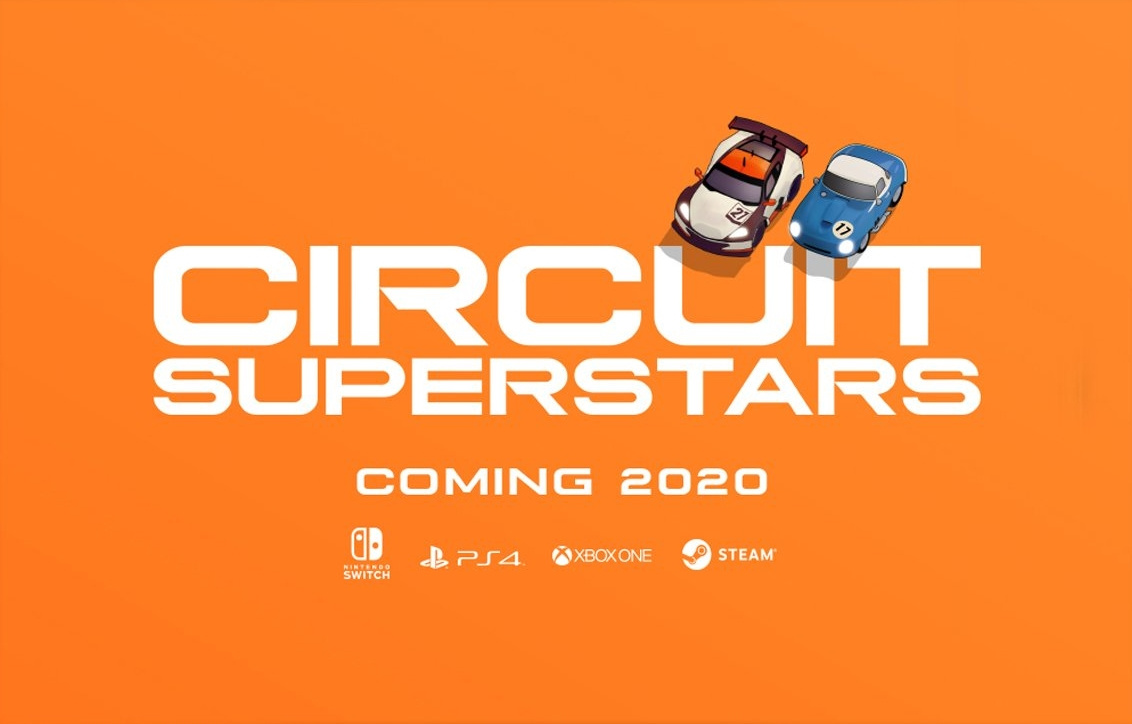
Square Enix Collective Is Publishing Circuit Superstars On The Switch In 2020
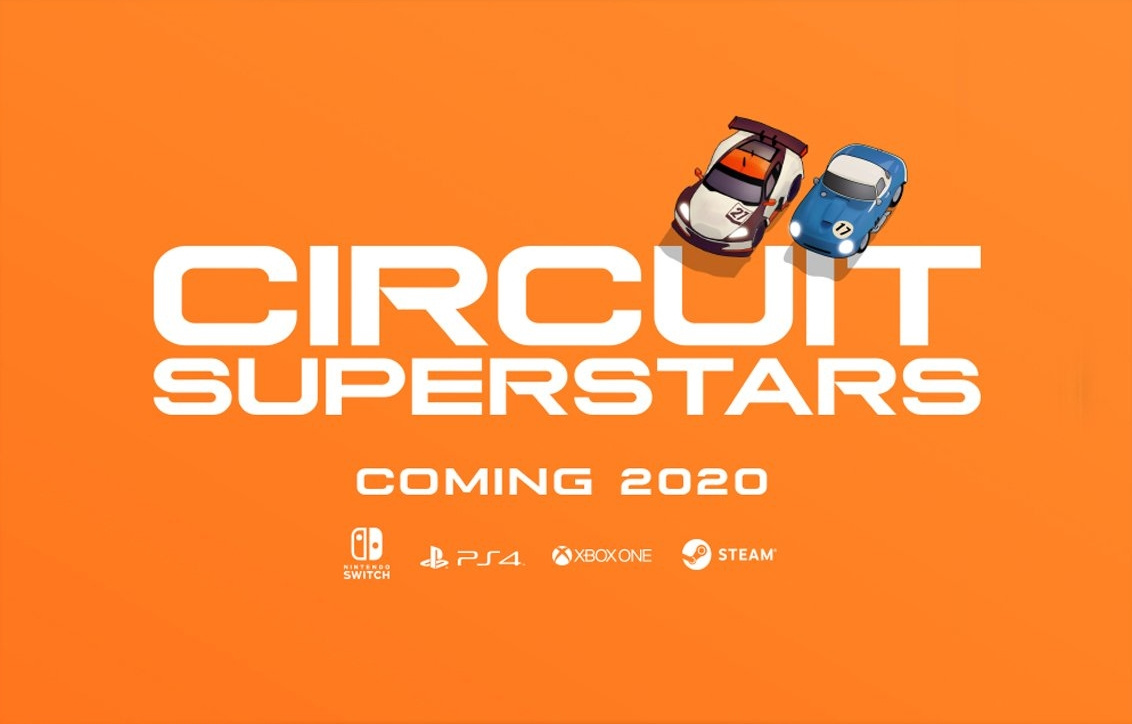
One particular announcement during Square Enix’s E3 2019 presentation which seemed slightly different to the rest was Circuit Superstars.
This top-down physics-based racing title by Original Fire Games is channelling certain micro-sized classics of yesteryear and is coming to the Nintendo Switch in 2020. It’ll also be published by Square Enix Collective.
You’ll be able to enter the world of motorsport, plan your pit strategy and race wheel-to-wheel with friends.
Did you expect a game like this to pop up during Square Enix’s presentation? Are you interested in finding out more about it? Tell us down in the comments.
Apple’s new protections for kids could force PBS to pull its apps
By Andrew O’Hara Tuesday, June 11, 2019, 08:55 pm PT (11:55 pm ET)
Paula Kerger, Public Broadcasting Company president and CEO, warns that the popular “PBS Kids” streaming app may be pulled from the App Store due to Apple’s new privacy policies covering apps marketed to children.
Young girl using an iPad mini
Kerger aired concerns about the App Store in an interview at Recode’s 2019 Code Conference on Tuesday, saying the guidelines will prevent PBS from accurately evaluating whether its content and game features are working. Further, the rules could hinder the broadcaster’s ability to increase its apps’ effectiveness as educational tools.
Apple recently announced plans to limit data sharing in apps marketed to children. Starting Sept. 3, apps in the kids section of the App Store will no longer be able to integrate third-party advertising or analytics software. They also will not be allowed to transmit in-app data to third parties.
While the change is meant to have a positive impact by protecting children, it seems some companies developing beneficial software might be affected as an unintended consequence. PBS, a non-profit organization, does not aim to make money from kids, Kerger explained.
“We’ll have to pull down the apps, and we have millions of kids that are using our apps. So it’s a challenge,” she said. “We’re not selling stuff to kids.”
The PBS Kids streaming app has millions of users who would be negatively impacted should the app shutter. Kerger is reaching out to Apple in hopes of opening up a dialogue on how to best move forward. “Sit down and talk to us,” she implored to Apple and other platform operators.
Apple officially announced the new changes coming to apps intended for children at its Worldwide Developer Conference at the beginning of June.
The company has faced scrutiny over its handling of third-party apps that market device monitoring and parental control features that seemingly compete with its own Screen Time feature in iOS. In April, a New York Times report highlighted what appeared to be the targeted removal of apps designed to help users limit the time they and their children spend using devices like iPhone and iPad. Apple contested the claim, saying apps were pulled for their overzealous application of potentially invasive MDM technology.
Following an outcry from developers, Apple eased up on restrictions pertaining to apps that rely on MDM and VPN tech. Still, in an update to its App Store Review Guidelines, the company maintains “apps may not sell, use, or disclose to third parties any data for any purpose.”
Xbox One successor Project Scarlett slated for Holiday 2020
Microsoft has finally detailed its next-generation console Project Scarlett, a system Xbox head Phil Spencer says is both the “foundation of our future on in console and the formation of our future in the cloud.”
The new system is powered by a custom-designed AMD processor the Project Scarlett team says is 4 times as powerful as the processor powering Microsoft’s current generation forerunner, the Xbox One X.
Along with that, the Project Scarlett team says the new system will offer 120 frames-per-second, 8K capable hardware, and hardware accelerated raytracing when the system launches in Holiday 2020 alongside Halo Infinite.
During the presentation, the Xbox team reiterated that Project Scarlett is the next step in many of the plans Xbox has set into motion over the last few years. Though the announcement only briefly touched on the system’s technical specs, the team behind the console says it represents the biggest technological jump between generations to date and is built with the cloud and game streaming in mind. The console tease followed moments after the company announced its current-generation plans to offer both game streaming and console streaming through Project xCloud, a service set to go live this October.
Cyberpunk 2077 is Now Available for Pre-Purchase on Steam!
Cyberpunk 2077 is an open-world, action-adventure story set in Night City, a megalopolis obsessed with power, glamour and body modification. You play as V, a mercenary outlaw going after a one-of-a-kind implant that is the key to immortality. You can customize your character’s cyberware, skillset and playstyle, and explore a vast city where the choices you make shape the story and the world around you.