Death Stranding: Hideo Kojima And Yoji Shinkawa Break Down A Pivotal Scene
Audio Logs is a show all about the magic of making games. It features the people that design and develop the experiences that we love, telling the stories of how they're made. Making games is a long and difficult process where passionate people work tirelessly to overcome challenges, all so that we can be moved by unique games. We rarely see just how much care, thought, and attention goes into every element of the games we play, but Audio Logs aims to deliver some insight into that by giving creators a platform to tell their stories. This, we hope, will, in turn, let fans to gain a deeper understanding and appreciation of the games they hold dear.
In Audio Logs Season One, we delved into the creation of God of War, Dead Cells, Cuphead, Devil May Cry V, the Shadow of the Colossus remake, and Overwatch character Baptiste, as well as looking back at the career of Goichi "Suda51" Suda. Season 2 will be equally as exciting, and we're starting with a big one!
The first episode of Audio Logs Season 2 is all about Death Stranding, a unique game and one of the most interesting of 2019. Discussing it are none other than legendary game developers Hideo Kojima and Yoji Shinkawa, who break down a pivotal scene from early on in the game. The duo lay out how it was created and reveal the thinking behind its direction, as well as detail how individual elements were designed and depicted.
The scene in question was first shown at The Game Awards in 2017 and, in Kojima and Shinkawa's own words, encapsulates much of the overall Death Stranding experience. It shows Norman Reedus's character, Sam Porter Bridges, encountering a BT and having to deal with the fallout of the event. This scene is densely packed with information about the science-fiction world that Death Stranding is set in, but it's all intentionally placed to give players key information and hint at mysteries that will unfold over the course of the game.
Kojima and Shinkawa unpack the scene, pointing out the smaller details that may not be immediately apparent, explaining why they are important and relevant, and telling the stories of how they were created. For fans of Death Stranding--or Kojima Productions' previous work--there's plenty of fascinating insight into things such as why Sam is so frequently shown lying down, the reason the suits look the way they do, and different versions of the Odradek. Kojima also delves into some of the inspirations behind the game, telling stories such as how a bug led to one of the creepiest creatures in Death Stranding, and exploring the message he wants to send through the game.
This episode of Audio Logs is available to watch above, and you can also see it on YouTube, where Season 1 is available to watch. Be sure to subscribe to GameSpot on YouTube to see more episodes as they’re released every Sunday. You won’t want to miss it as the coming episodes will be focused on Control, Persona 5 Royal, Gears 5, and a few more surprises.
In GameSpot's Death Stranding review, Kallie Plagge said it is a "hard game to absorb," adding that its quirkier aspects "belie an otherwise very simple message" which becomes more apparent in its mundane moments. Moments such as "when you find a desperately-needed ladder left behind by another player or receive a letter from an NPC thanking you for your efforts are "positive without ignoring pain." She continues: "In fact, it argues in both its story and its gameplay that adversity itself is what makes things worth doing and life worth living. It's a game that requires patience, compassion, and love, and it's also one we really need right now."
Death Stranding was also highlighted as one of GameSpot's favorite games of the year. "With our present being rife with political turmoil and a general feeling of angst towards our future, there's a comfort that can be found in a routine and the positivity from others who come from different backgrounds," said Alessandro Fillari. "Sam's routine as a delivery man in a post-apocalyptic setting reveals its larger message of hope and perseverance in the face of depressing circumstances, which is a touching message that resonates deeply."
The Genesis / Mega Drive Mini Hack Is Finally Here
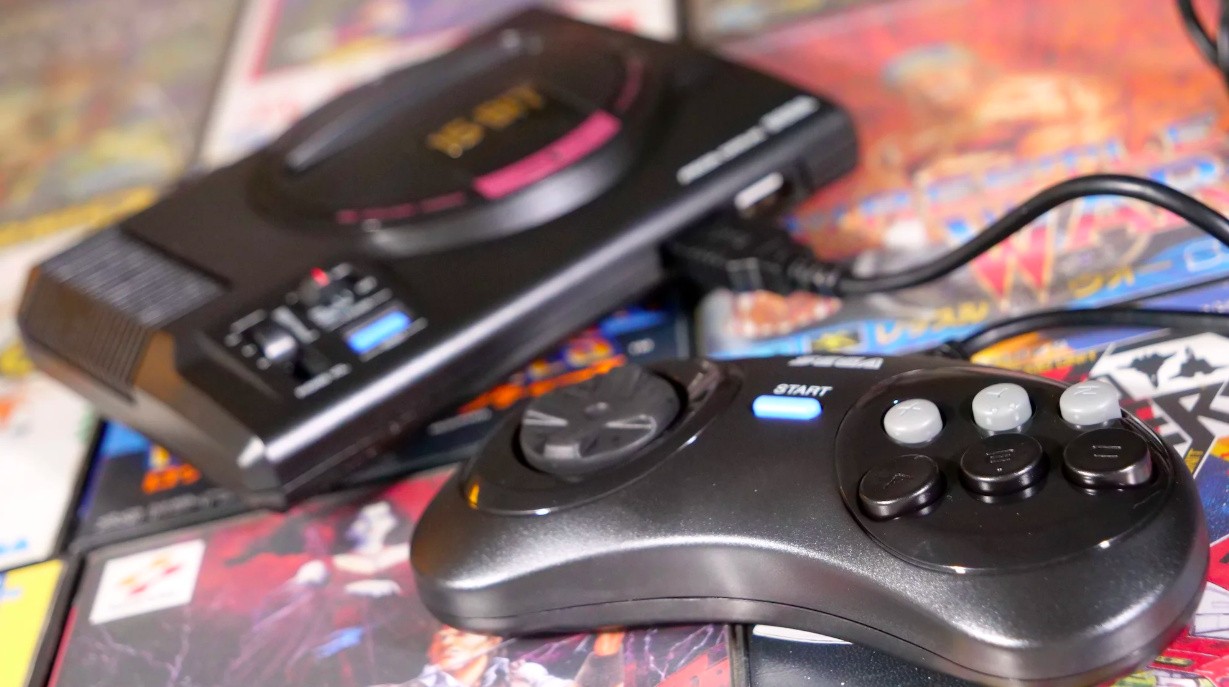
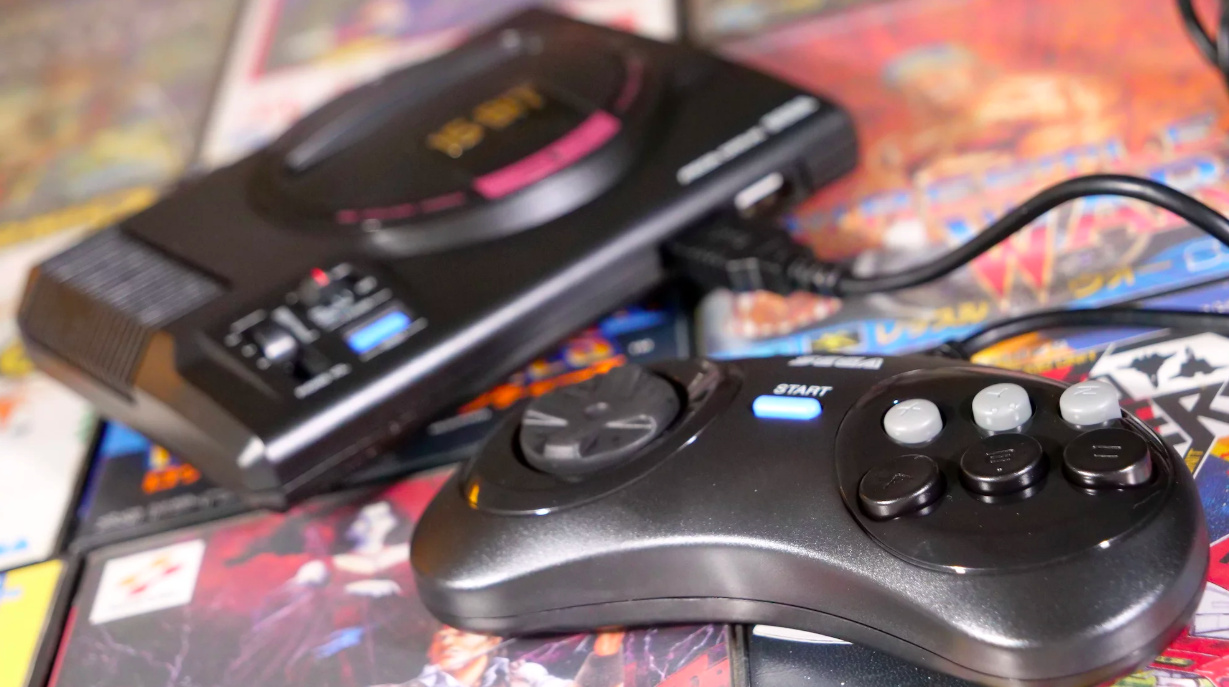
When the NES and SNES Classic Editions were released it didn’t take long for hackers to find a way of installing new games onto them, so it shouldn’t come as a massive shock to discover that the same thing has happened to the Genesis / Mega Drive Mini, a rival system from Sega.
As was the case with Nintendo’s micro-consoles, the hack requires a PC and some digital jiggery-pokery, but once you follow the steps outlined in the video below, you’ll be well on your way to expanding the number of games on your Mega Drive Mini.
The Project Lunar tool even allows you to select box artwork, choose player counts and set the genre so that everything looks 100% authentic on the console’s menu screen. This hack also allows you to install RetroArch and Emulation Station, which allow you to run other emulators on the Mega Drive Mini.
According to the person who made the video, you should be able to fit approximately 100 additional titles onto the system, which certainly makes the whole process worthwhile, but you can’t (at the time of writing, at least) remove the pre-installed games.
As ever, there are risks involved and it’s possible that the procedure will leave you with a totally dead console – we’ll leave it up to you to decide if it’s worth the danger.
Get 25% Off PS4, Xbox One, And Nintendo Switch Games At Target This Week
The gift-giving season is almost over, but if Santa missed anything from your list, you may be able to grab it at a significant discount. Target is offering 25% off select PS4, Xbox One, and Nintendo Switch games this week through Saturday.
The deal comes from its weekly ad and applies to select games if you use the store's online order pickup option. That means ordering through Target.com and then picking your game up through customer service once it's ready.
Notably, some of those games are actually already on sale at Target for even bigger discounts--particularly the sports games--so you'll want to factor in the additional 25% off on top of any existing discount. If you want to pick up Madden, FIFA, or NBA 2K, it's better to jump on them now instead of later.
This is similar to a deal the retailer offered over the summer, which gave the discounted chunk for online pickup. The move seems aimed at getting users to sample its online pickup option, which some stores are also supporting with dedicated parking spaces so you don't even have to get out of your car.
For Better or Worse, 2019 was the Year of Apple Arcade
By Jarrett Green30 Dec 2019
It’s impossible to talk about the mobile platform in 2019 without ending up in the realm of the Apple Arcade. There’s big mobile news that goes ignored by mainstream outlets all the time, but Apple’s video game Netflix was something that we can all agree is among the biggest news to ever hit mobile games.
It started with the lightning shock from 2018, when Apple decided to kill their App Affiliate Program. This used to provide sites that covered mobile games a percentage of app revenue for every app bought through links featured in an article on their platforms. This was a large source of revenue for a lot of mobile-centric sites, and really challenged the landscape of mobile editorial even more than it normally was. (Although we’ve managed to survive quite well without it, losing that revenue was a shame-ED).
But why do it? Back when the internet was the wild west, the value of mobile sites was undeniable. Curation by affiliates through features and reviews on sites like the one you’re reading now remains a big part of how premium games find people, and vice versa. The explosive rise of the free to play sector made it extremely difficult to make that previous arrangement consistently profitable. In-game revenue through ads and microtransactions became the new norm, and Apple moved on to find ways to make the most out of those profits instead. They have the reach and resources to recentralize curation internally, these days.
Evidenced initially by the change in the App Store, which runs its own sort of features daily, pointing users towards games that the Apple staff thinks are worth the time and money. In doing the job we used to do for them themselves, they have more direct control over how people get funnelled into certain game pages, or towards certain developers. Why would they want to do that?
Because the rumbling thunder of Apple Arcade was set to echo through the industry. The free to play market created a blessing and a curse for the App Store. Top grossing games like Clash of Clans and Fortnite make TONS of money. But the glut of games released seemingly daily that attempt to chase that dragon created a mire where it’s near impossible to find a game of quality on your own. Controlling the conversation is one step towards bring clarity back to the storefront. The next step? Curating and publishing the games yourself.
Apple Arcade launched to great fanfare, and much of it deserved. Many of the launch titles were top notch, and it brought an energy to the mobile games discourse that had not existed in a long time. Many of these new games sit well represented on my Game of the Year list.
Capy’s Grindstone is a clever take on the match-3 puzzle game. Matching is the basis of play, but you’re not limited to just three. You can chop through as many matching gems as you can connect, killing monsters and toppling obstacles on your way through various worlds. It’s clever RPG implementation, and its gradual difficulty curve helps keep you coming back.
Card of Darkness, by famed mobile game developer Zach Gage, is a compelling card game that constantly challenges your risk management and organization skills. A 4×4 grid full of different stacks of cards separates you from the exit. Each stack is a space to move into, and you must draw through every card in it before you can move on. In the stacks are monsters, weapons, items, and spells, all of which can help or hurt you. Choosing how to proceed based on your draws, and deciding when to risk what you have versus new, untapped stacks is a great blend of casino game odds busting, and adventure game exploration.
Bleak Sword is an isometric action game that invokes the patient Dark Souls, block and riposte combat to the best of its ability. Combat is quick and deadly, and progression takes the best parts of modern roguelikes and distills it to something great to pick up and play in short bursts.
It’s still too soon to really know the full ramifications of this storm on the rest of the industry. There have already been responses to the Arcade in forms like Google’s Play Pass. But bigger questions have yet to be answered. How does this effect developers and how they choose to release their product? Can they really compete on the App Store and not be part of the Apple Arcade brand? How are these folks getting compensated for their games showing up in this program? Will this really spark a drive to develop premium games again?
2019 was a year that felt like multiple years, but it still wasn’t long enough to answer any of these questions. Hopefully, 2020 will prove if this can really reinvigorate the platform.
What have you thought about Apple Arcade since it launched? Let us know in the comments!
August 2019: Apple Card arrives, Siri listeners, trade wars escalate
In August, 2019, the Apple Card was officially launched. At the same time, the company had to re-evaluate having people listen to Siri recordings, and the US/China trade tensions got complicated.
August 2019: FileMaker revives the old Claris name (left); Apple Card launches (center)l and Siri is listening to you (right)
Given that across the whole of 2019, Apple launched at least as many major hardware updates as ever, still this year feels like it’s when the company pivoted to services. By August, we had Apple News+ and we knew we were getting both Apple TV+ and Apple Arcade. But it was this month’s launch of the Apple Card that may end up being the most significant.
Initially available only by invitation —which didn’t go flawlessly —Apple Card was formally opened to all eligible applicants on August 20.
It’s conceivable that Apple Card is the company’s fastest success. Shortly before its release, a survey reported that consumer interest was “remarkably high,” for instance.
Apple Card is finally here.
It appeared that Goldman Sachs, the issuing bank, was expecting big things because it was putting its money where its mouth is. Reportedly it was spending $350 for every Apple Card signup, although, separately, it was suggested that it may also be accepting “subprime” applicants.
It’s a credit card, so you do need to know what you’re getting into with it, but there were two more signs of success.
First, Tim Cook was pressed into saying that yes, yes, okay, we’ll be bringing Apple Card to more countries, enough already. And, second, the earliest users were finding that the physical card shows wear.
They may just have repeatedly been taking it out of wallets and purses to show off, mind. Admit it —you’d do the same. It’s the credit card that clangs when you drop it on the table.
Speaking of clangers
Samsung unveiled the Galaxy Note 10 but left something out. A headphone jack. After mercilessly mocking Apple for removing the jack, Samsung had done precisely the same.
But there was a difference. In the hope that nobody would notice, Samsung also removed something else —the company took down its anti-Apple video ad on the subject.
It just didn’t do it very well. Search YouTube for it, and it’s true, the US ad is gone. But the Portuguese Samsung account still has it, and it’s in English.
Meanwhile, at the Samsung Unpacked, Microsoft CEO Satya Nadella talked up the partnership between the two companies. And Microsoft, semi-accidentally, released a new build of the Microsoft Edge browser for Mac.
It wasn’t accidental. It’s not as if Microsoft didn’t know it was doing it. Microsoft Edge uses the engine from Google Chrome and since that’s on Mac, so is Edge.
Whatever the reason we’ve got it, and whatever we can expect Microsoft to support in the future, this latest build introduced a key feature called Collections. It was still a beta and a little flaky, but it added facilities for researchers to gather their work.
Complicated
That Collections research feature is for managing information you collect online and if you wanted to test it on anything, the White House was busy giving you lots and lots of data to track and update and stay on top of.
For all the months in which the US and China have had their current trade dispute, it seemed as if August 2019 was the most complicated.
We’ll never know the full details, but some time after Cook’s dinner, the White House did make some changes.
“Certain products are being removed from the tariff list based on health, safety, national security and other factors and will not face additional tariffs of 10 percent,” reported the United States Trade Representative in a statement on August 13.
However, by August 23, things were changing again.
“Our country has lost, stupidly, Trillions of Dollars with China over many years,” tweeted the President. “We don’t need China and, frankly, would be far better off without them. The vast amounts of money made and stolen by China from the United States, year after year, for decades, will and must STOP.”
Consequently, throughout August, Apple’s share value was, well, interesting to say the least, and the company was being studied to see what it could and would do. Apple was predicted to absorb any potential tariff prices increases rather than pass them on to the consumer, for instance.
The direct upshot, for us, of all the political impact on Apple, could be that iPhones became more expensive. Yet that’s only an issue if you’re planning to buy one, and there was reason to suspect that 2019’s iPhones weren’t going to be all that great. Not when it’s 2020’s models that are going to get 5G.
Financial company Nomura Instinet figured would happen, with it saying the 2019 iPhones would fare poorly. It also, for thoroughness, said everyone else is wrong about the demand for 2020’s 5G iPhones.
Apparently just because you and we really want 5G, that doesn’t mean anyone else does.
Apple itself didn’t appear to be expecting a barn-burner with the iPhone 11, reportedly sticking to predictions of selling about the same as last year.
Whatever the predicted sales volumes, though, Apple was now reportedly looking to include the word “Pro” in certain iPhone models. It’s just a name, but it caused a lot of fuss.
But while we’re on the subject of future iPhones, reports of the 2019 range’s demise did not stop any predictions about the next few years of the product. We saw solid reports that the notch could vanish, for instance, and that Touch ID could return in 2021.
Other hardware
It’s not just the iPhone that could get 5G, either. You wouldn’t be surprised to see it in a future iPad Pro, but sources were saying now that we may even get a 5G MacBook Pro in 2020.
The FAA was thinking about MacBook Pro machines this month too. It decided to prohibit the carrying of specific models on flights, the 15-inch ones from September 2015 to February 2017 that were the subject of Apple’s voluntary recall over battery issues.
Software
While we looked forward to what was coming next, both with new hardware and the forthcoming releases of iOS 13 and macOS Catalina, FileMaker Inc was also looking to the past. It looked so far back in its own timeline that it stopped being called FileMaker Inc. In a nod to Apple history —though possibly not a very thorough nod —the company rebranded itself as Claris.
And then it seemed that everybody, just everybody, was looking at Siri.
Amazon, Google and Apple’s voice assistants have long been recording our requests of them and getting human beings to listen later to see how it worked. Not everything is recorded, not everything is listened to, and all of it is anonymized, but people were getting to hear what Siri heard and sent for analysis.
In truth, maybe Apple could have shouted about this more, but it had always told us it would do this. Nonetheless, a self-styled whistleblower contacted the press about how Siri is listening to us.
But if they were all at it, at least Apple reacted the most promptly. It said it would suspend the program while investigating and we all thought yeah, sure, of course you will.
It did. Apple suspended that program and it investigated. It didn’t just open some investigation and wait for us to forget about it, either, it released its findings. Before the end of the month, Apple changed how it worked the program and what it would tell us about.
But speaking of telling us things, Apple rounded out the month by doing its usual cryptic message.
By Innovation Only
We knew that there would be new iPhones announced in September, we knew there might not be much to them, but we didn’t know the date. Until now.
Apple revealed that September 10 was the day the new phones would be announced —and it called this year’s event “By Innovation Only.”
Whether that was to tell naysayers that this year’s phones would be good, or it was to fool us into thinking they might be, we’d soon find out.
The year is still ending and the perfect time to reflect and look back at some Magazine articles continues. This time, let’s see if the editors chose some interesting ones from 2019. Yes, they did!
Red Hat, IBM, and Fedora
IBM acquired Red Hat in July 2019, and this article discusses how nothing changes for the Fedora project.
In this article, the Fedora Project Leader discusses the CentOS Stream announcement from September 2019 — including the relationship of Fedora, Red Hat Enterprise Linux, and CentOS.
Fedora Magazine exists thanks to our great contributors. And you (yes, you!) can become one, too! Contributions include topic proposals, writing, and editorial tasks. This article shows you how to join the team and help people learn about Linux.
Random: Move Aside Baby Sonic, Baby Mega Man Has Resurfaced Online
The internet went wild for Baby Yoda in the new Star Wars series The Mandalorian, so Sega decided to follow this up recently with the reveal of Baby Sonic. These aren’t the only baby versions of notable characters that have ever existed, though.
As many pointed out, Baby Mario has been around for a long time and we even saw a Baby Crash Bandicoot in Crash Team Racing Nitro-Fueled. What about Capcom’s blue bomber Mega Man, though – does he have a baby version? Of course, he does. In fact, there’s been a baby design for him since the release of Rockman 2 (the Japanese version of Mega Man 2) in 1988.
Since the reveal of Baby Sonic, Protodude, the guy who runs the fantastic Mega Man fan site Rockman Corner, decided to remind the internet Baby Mega Man exists, by showing off official artwork featured inside the flaps of Rockman’s 2 box art. As can be seen above, there’s also an image of Mega Man as an adult wearing a jacket.
The next Mega Man game on the way to the Switch is the Mega Man Zero/ZX Legacy Collection. Unfortunately, you won’t be able to play as a baby version of the character in this release and it’s also been delayed until 25th February.
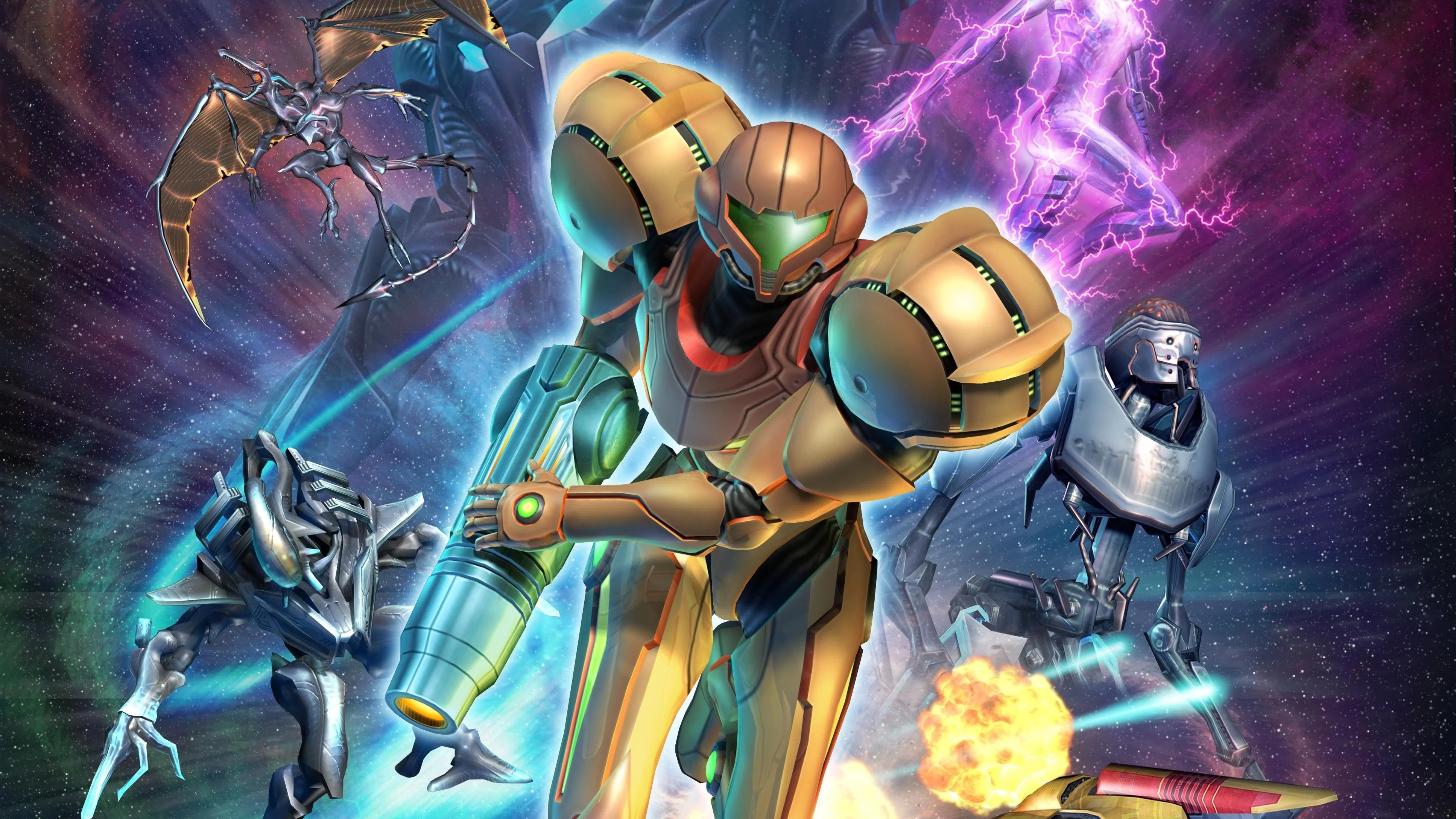
Rumour: Metroid Prime 4’s Environment Work Might Be Outsourced
At the start of 2019, Nintendo fans got quite the shock when Nintendo restarted the development of Metroid Prime 4. It has potentially set its eventual release back multiple years. If a finding by the YouTuber Doctre81 is anything to go by though, the game could be arriving sooner than expected.
He’s been digging around online and believes he has now found “definitive undisputed proof” of the environmental work in the game being outsourced. Posted less than a day ago is a job listing for Retro Studios and it’s a contract for an environment outsourcing review artist. Doctre81 further explains how the description of this listing states the role is to:
Review outsourced content to ensure final deliverables reflect the desired artistic vision.
Although the specific game isn’t mentioned, the description goes onto state how the roles require the individual to test levels in the game and “assess” both aesthetics and performance on the Switch.
You can get the full rundown in the video below:
Doctre81 is best known for finding references to the Nintendo Switch in CD Projekt job listings, months before The Witcher 3: Wild Hunt was officially announced for the platform.
How would you feel about Retro outsourcing the environmental work in Metroid Prime 4 to speed up the development cycle? Leave a comment down below.
Minecraft Marketplace Season of Giving Sale is Live!
Grey skies got you down? Constant snow gone from a delightful wintry treat to an icy inconvenience? Santa not returning your phone calls? Get this holiday season back on track with the Minecraft Season of Giving Sale!
From December 20 (hey that’s today!) to January 2 (hey that’s a whole year away! Kinda!) we’ll have big discounts on maps, skins, worlds and more in the Minecraft Marketplace (which, FYI, is called the store for PlayStation 4 players – but don’t worry, you still get the sale too!)
So what discounts are available? Personally I think that’s none of your business, but luckily for you, I’ve been outvoted, so every day there’ll be a daily doorbuster, a select piece of content reduced by 75%!
WOW!
I agree! And that’s far from all. We’ll have loads of content discounted throughout the sale, PLUS a free map available today PLUS PLUS another freebie on December 25! Are we giving away so much free Minecraft Marketplace content that bankruptcy is inevitable? Guess we’ll find out in 2020!
Posted by: xSicKxBot - 12-31-2019, 03:21 AM - Forum: Lounge
- No Replies
Attend GDC for key community management lessons from the Dwarf Fortress team!
Dwarf Fortress, Tarn and Zach Adams’ remarkable game of dwarf community management, has been in development since 2002 and was cited as the inspiration for games like Minecraft and Rimworld.
However, one of the most intriguing aspects about the game is the massive (and still active!) cult following it has gained and maintained for over 16+ years since its initial development in 2002. Now, Game Developers Conference organizers are excited to confirm that the GDC 2020 Business & Marketing track will play host to a unique talk about the care and cultivation of the Dwarf Fortress player community!
You’ll find it at the GDC 2020 Community Management Summit as “The ‘Dwarf Fortress‘ Story: Lessons from 16 Years of “Cult” Management“, and you’ll want to attend if you have any interest in nurturing interest in a game, especially one as unique and often overwhelming for new players as Dwarf Fortress.
In this joint talk by its developer Tarn Adams (Bay 12 Games) and publisher Victoria Tran (Kitfox Games), GDC 2020 attendees will enjoy a deep dive into the numbers, strategies, and challenges of managing a community for over a decade, fostering a new one for the game’s eventual mainstream release onto Steam, and true long term lessons learned for other developers to take with them for their own communities. Don’t miss it!
Next year GDC 2020 runs from Monday, March 16th through Friday, March 20th. This will be the 34th edition of GDC, and now that registration is officially open, you’ll want to take a look at the (ever-expanding) session schedule and your GDC pass options — register early to lock in the best price!