Posted on Leave a comment

Honkai Star Rail Arlan – relics, attacks, and more

Though he may be a man of little words, Honkai Star Rail’s Arlan does a stellar job of protecting the interstellar Herta Space Station. Okay, he may not win every battle, but he’s more than willing to put his life on the line to protect those around him, and sees the scars he’s earned as badges of honour, reminding him of his purpose.

But regardless of how brave or skilled the head of the Herta Space Station’s security department is, no one should have to shoulder such responsibility alone. Luckily, with the help of our Honkai Star Rail Arlan build guide, you can help lift some of the weight off his shoulders, by getting familiar with all of his attacks and eidolons, and equipping him with the best light cones and relics. Maybe he’ll even reward you by letting you meet Peppy, his adorable little pup.

If you want to introduce yourself to the rest of the inhabitants of Herta Space Station, head over to our Honkai Star Rail tier list and Honkai Star Rail characters guides. We’ve also got a heap more build guides just like this one, including Honkai Star Rail’s Herta, Honkai Star Rail’s Himeko, and Honkai Star Rail’s Bronya.

Who is Honkai Star Rail’s Arlan?

Honkai Star Rail’s Arlan is the head of Herta Space Station’s security department, and is willing to risk his life to protect the staff on board. He’s stoic, inarticulate, and doesn’t really understand the scientific research being carried out by his fellow space station inhabitants, but he wears his scars like battles of honour, considering them a reminder of his ability to protect everyone. Despite his serious demeanour, he can be seen letting down his guard and cracking a rare smile whenever his little dog Peppy is in his arms.

Arlan is a four-star lightning wielder who treads the path of the Destruction. His English voice actor is Dani Chambers, and his Japanese voice actor is Shiraishi Ryoko.
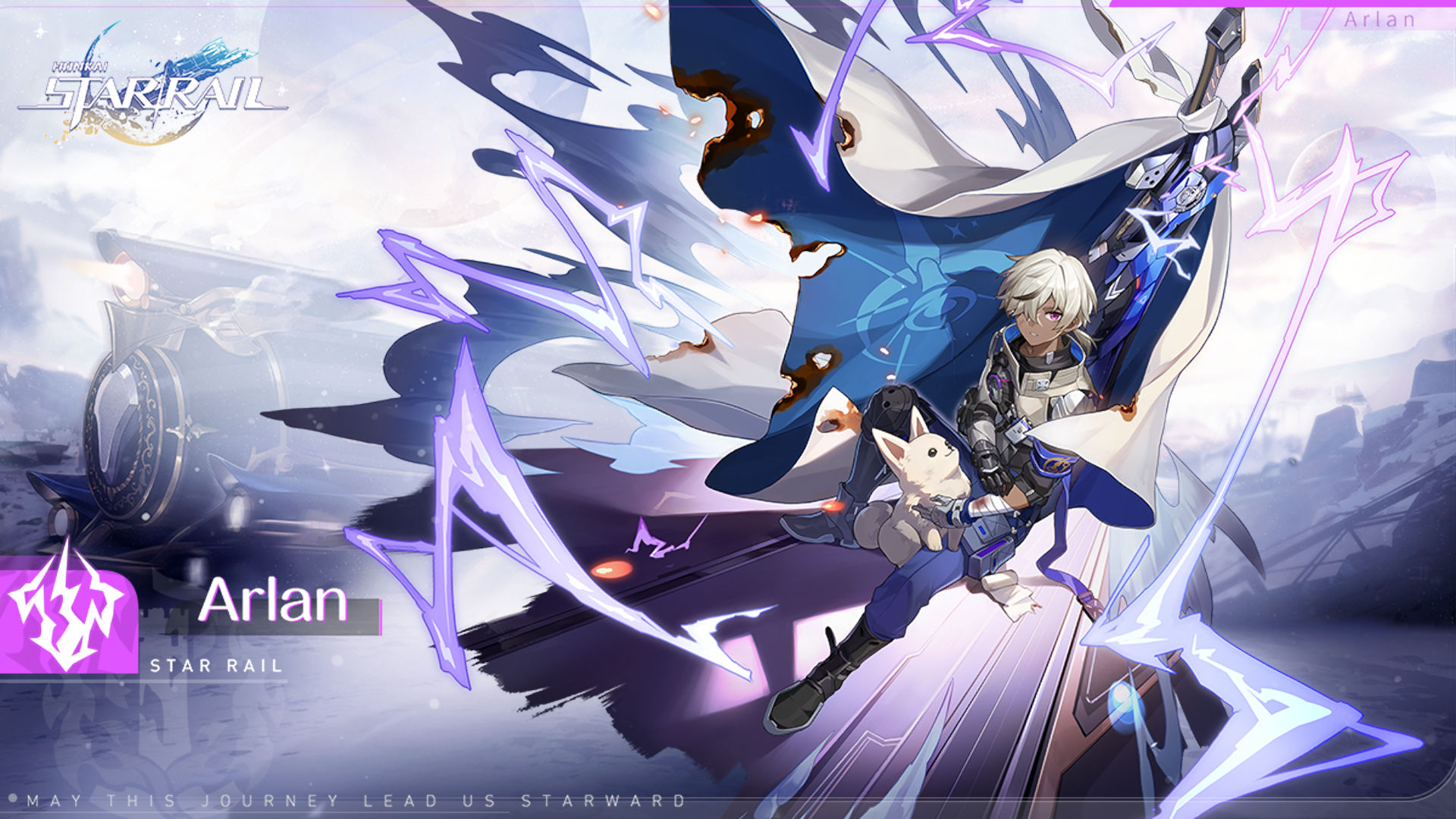
Honkai Star Rail Arlan splash art showing him with his little dog

What’s the best Honkai Star Rail Arlan build?

Arlan is a lightning wielding DPS with high damage and low survivability, and plays the role of a glass cannon in most scenarios. He specialises in taking down single targets, and his skill sees him sacrifice a portion of his HP in order to deal more damage, though he can’t use this skill if his HP is insufficient. His passive also sees his damage increase based on his lost HP.

As such, it’s important to pick the right healer for Arlan’s team. We advise against pairing him up with Honkai Star Rail’s Luocha, as his Abyss Flower skill triggers when an ally falls below 50% HP, which interferes with Arlan’s abilities. Honkai Star Rail’s Natasha is more fitting for the role, as you can control when she heals her allies, and her ultimate is a great emergency button if Arlan’s health falls too low to use his skill.

As of the beta, we recommend prioritising attack, HP, and lightning damage boost stats when building Arlan. The reason we recommend HP is because his buffs and skills are based on a percentage of his max HP rather than a flat rate, so ensuring he has high max HP means he can fall below the required threshold without being at risk of dying in one hit. However, we’re still testing builds, so this is subject to change in the game’s full release.

When it comes to team comps, we recommend pairing him with another DPS and a buffer or support in addition to Honkai Star Rail’s Natasha, but you should avoid keeping him consistently shielded unless his HP is within the required range.

Which light cone should I use for Honkai Star Rail’s Arlan?

The four-star light cone A Secret Vow is tailored to Arlan’s kit, both increasing his flat damage and allowing him to deal extra damage when an enemy has a higher HP percentage than him, which, due to his skills, is likely to be almost always active. However, if you can’t get your hands on A Secret Vow for whatever reason, you can equip him with any light cone that aligns with the path of The Destruction, preferably one that also boosts his attack.

Light cone Effect How to obtain
A Secret Vow Increases Arlan’s damage dealt by 20%. Arlan also deals an extra 20% damage to enemies with a higher HP percentage than him Gacha

Which relics should I use for Honkai Star Rail’s Arlan?

When it comes to relics, the best set for Arlan as of the beta is the Band of Sizzling Thunder, as it increases his lightning damage and shock damage. For substats, we once again recommend aiming for more attack, HP, and lightning damage. After this, you should ensure that he has a decent crit rate/crit damage ratio and some extra energy restoration.

Relic Effect How to obtain
Band of Sizzling Thunder Two equipped: increases lightning damage by 12%
Four equipped: the enemy receives 40% more shock damage from Arlan. Arlan also deals 18% more damage to enemies inflicted with shock
Five equipped: increases lightning damage by 12%
Cavern of Corrosion: Path of Roaring Thunder in Jarilo-VI’s Everwinter Hill

What are Honkai Star Rail’s Arlan’s attacks?

Active

Skill Effect
Basic attack: Lightning Rush (single attack) Deal 60% of Arlan’s attack as lightning damage to a target enemy
Skill: Shackle Breaker (single attack) Consume 15% of Arlan’s max HP to deal 165% of his attack as lightning damage to a target enemy. You can’t use this skill if Arlan’s HP is insufficient
Ultimate: Frenzies Punishment (blast) Deal 224% of Arlan’s attack as lightning damage to a target enemy, and 96% of Arlan’s attack as lightning damage to enemies adjacent to the target

Passive

Skill Effect
Pain and Anger Increases Arlan’s damage based on his lost HP, up to a max of 44% 

Technique

Skill Effect
Swift Harvest Immediately attack the enemy. After entering battle, deal 80% of Arlan’s attack as lightning damage to all enemies

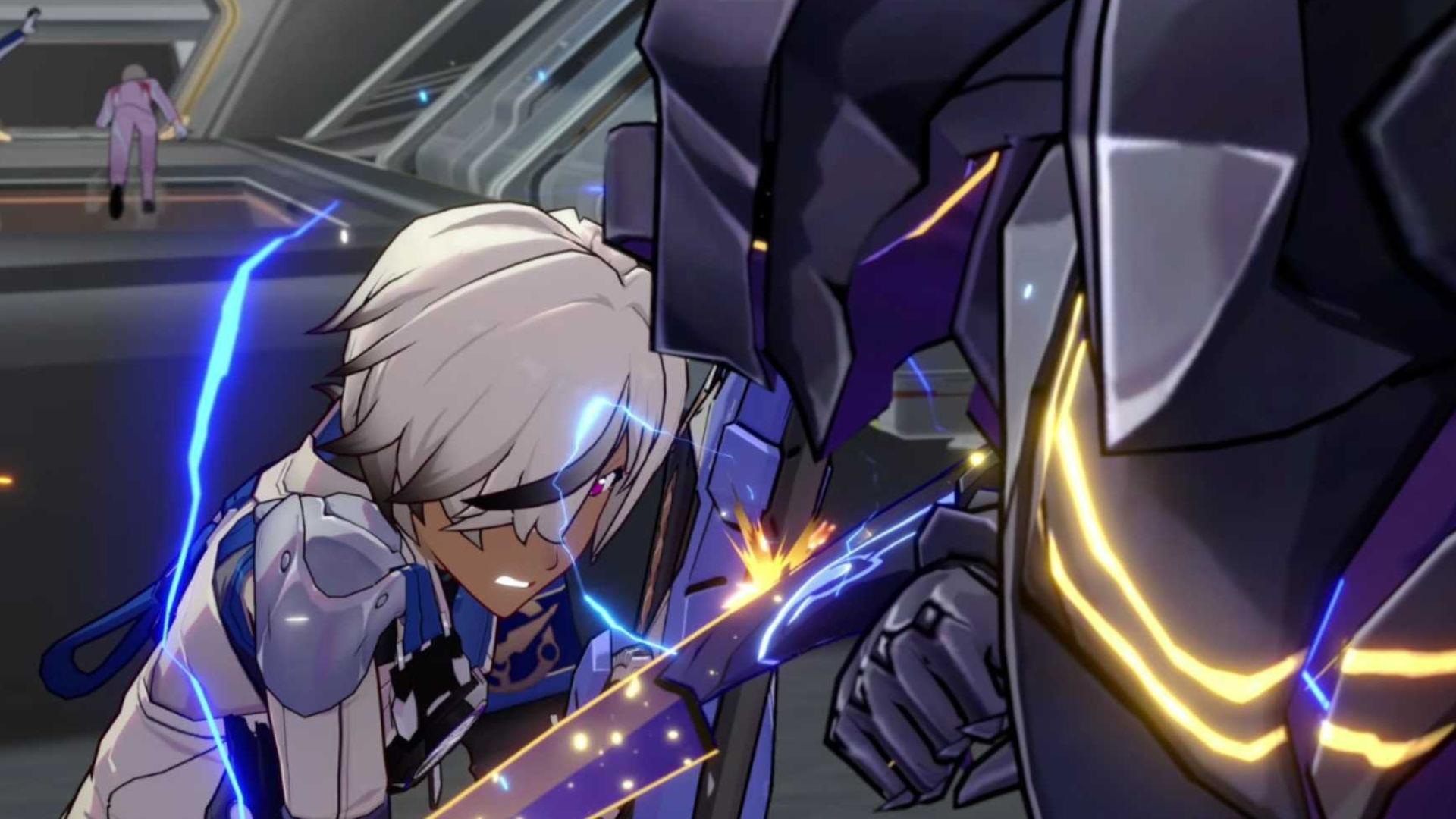
Honkai Star Rail's Arlan fighting in the Space Station

What are Arlan’s eidolons?

Eidolons in Honkai Star Rail are similar to Genshin Impact’s light cones. They’re unique buffs that you can only unlock by pulling more than one copy of a character. Here are all of Arlan’s eidolons.

Eidolon  Effect
Level one – To the Bitter End Arlan can use his skill when his HP is at least 5% of his max HP. If his HP is insufficient, using his skill reduces his HP to one
Level two – Breaking Free Arlan’s skill damage increases by 10%. When Arlan uses his skill, it dispels a debuff inflicted on him
Level three – Power Through  Increases the level of Arlan’s ultimate by three, up to a maximum of level of 15, and increases the level of his basic attack by one, up to a maximum of level ten
Level four – Turn the Tables When struck by a killing blow, instead of becoming incapacitated, Arlan immediately restores back to 25% of his max HP. This effect can only trigger once per battle
Level five – Hammer and Tongs Increases the level of Arlan’s skill by three, up to a maximum of level 15, and increases the level of his basic attack by one, up to a maximum of ten
Level six – Self-Sacrifice  When Arlan’s HP is lower than 50%, his ultimate’s damage increases by 15% and the damage multiplier on adjacent targets increases to that of the target enemy

That’s everything we’ve got on Honkai Star Rail’s Arlan as of the beta. We’ll be sure to update this guide as soon as the Honkai Star Rail release date rolls around. In the meantime, head over to our list of the best games like Genshin Impact for a fresh new adventure.
Posted on Leave a comment

Where to pre-order Fire Emblem Engage

During the Nintendo Direct September 2022, Nintendo confirmed that a brand new entry in its long-running strategy franchise is incoming, in the form of Fire Emblem Engage. With an energetic and colourful new visual style, as well as a different style of battle that pays homage to the many games in this legacy series, we already can’t wait for the Fire Emblem Engage release date.

Of course, you can’t play the game if you don’t buy it, and that’s where our Fire Emblem Engage pre-order guide comes in. We’ve scoured the internet to find you the best deals, including the majestic divine edition and all its juicy goodies. Players can explore the region of Elyos and summon the power of previous heroes in this thrilling new entry to the strategy franchise.

We’ll keep our eyes out for any deals and pre-order bonuses that become available, but if you see anything we haven’t listed, be sure to get in touch with us over at the Pocket Tactics Facebook page, and we’ll update the guide ASAP. While we wait though, you can tide yourself over by reading our Fire Emblem: Three Hopes review to see why this action-orientated entry is still worth your time.

Let’s dive into our Fire Emblem Engage pre-order guide.

Fire Emblem Engage pre-order

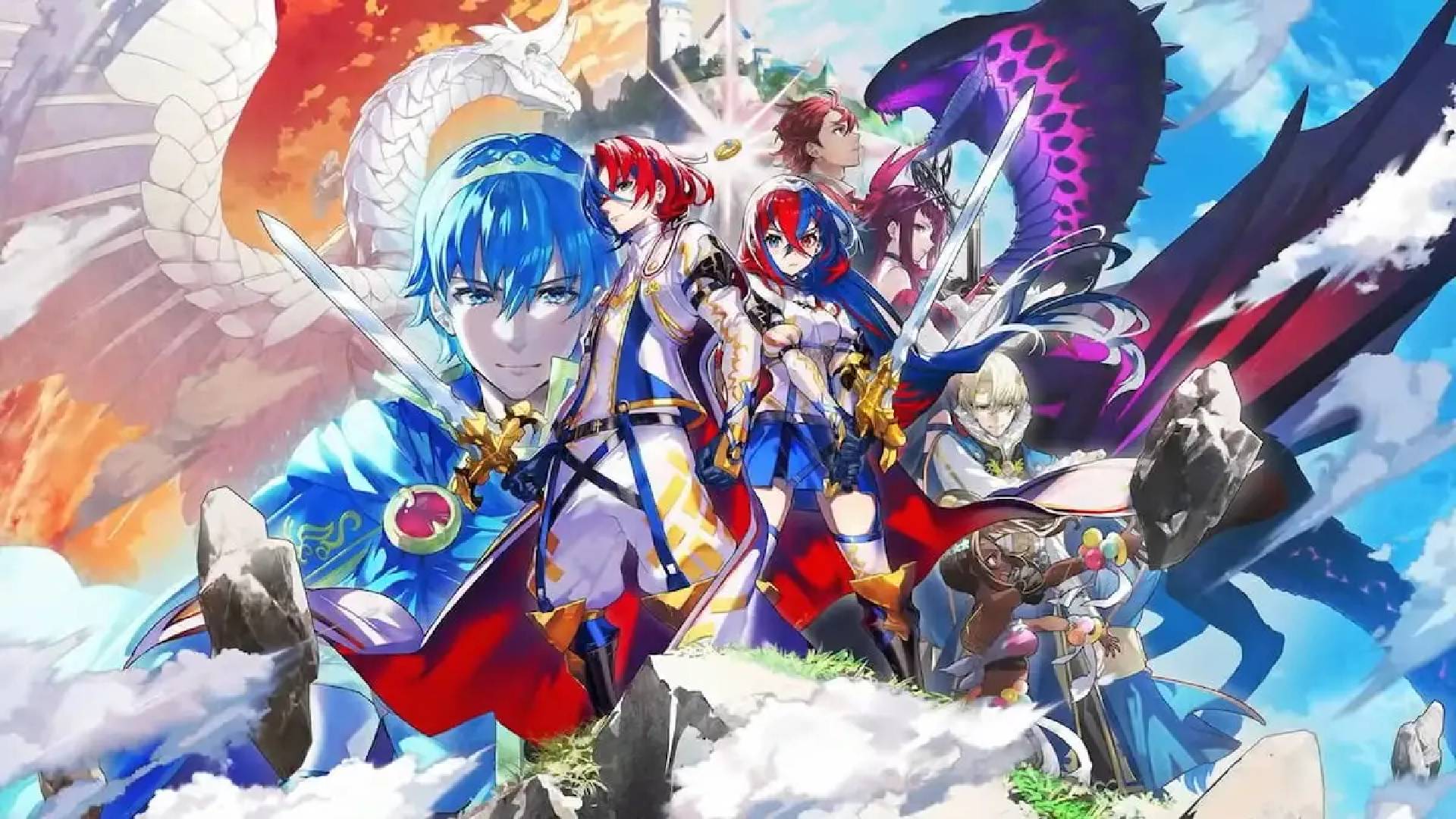
Fire Emblem: Engage pre-order: key art for the game Fire Emblem Engage shows a series of fantasy characters with red and blue hair, ready for war

Regular Edition

Divine Edition

What is included in the Fire Emblem Engage: Divine Edition?

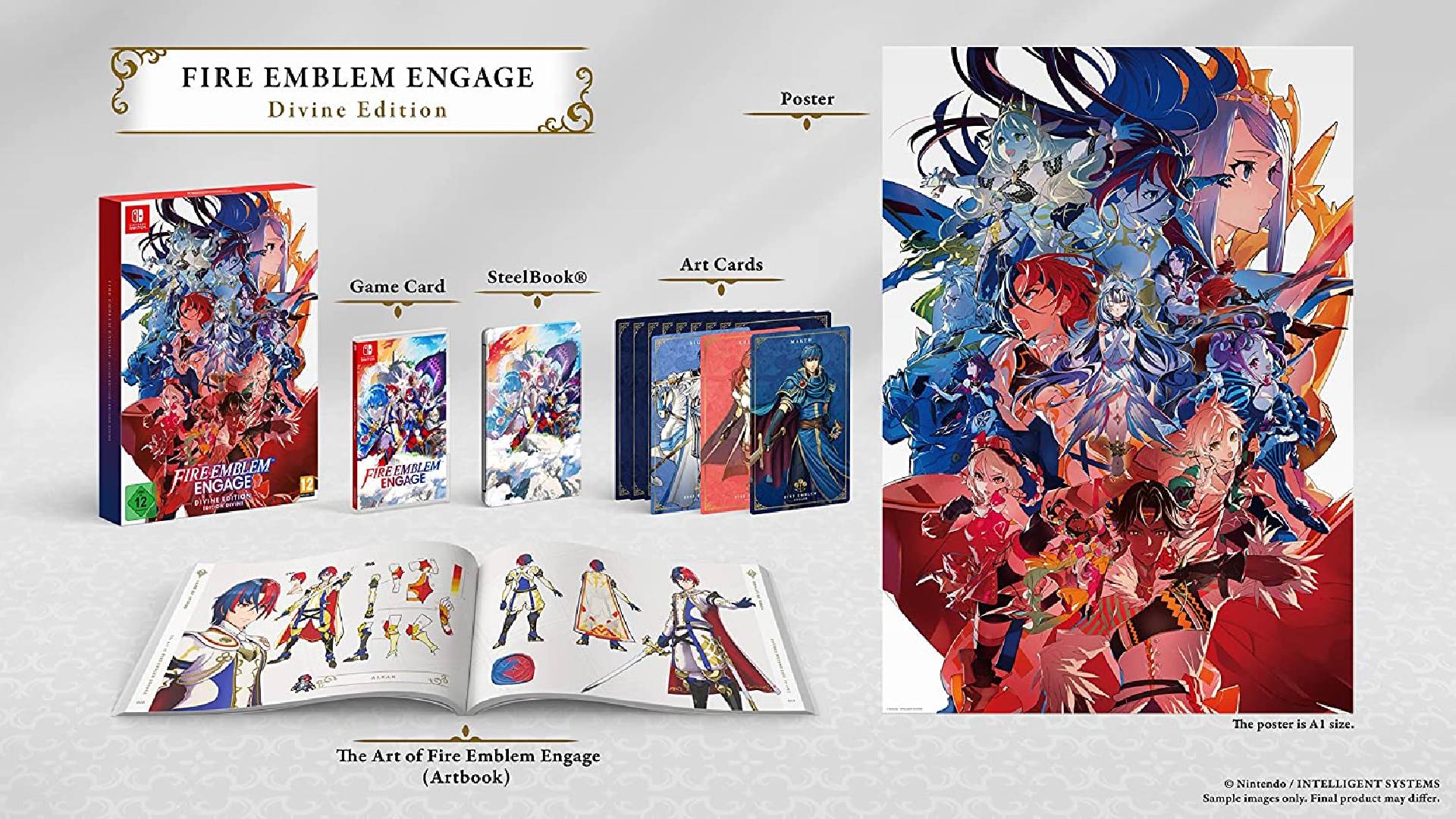
Fire Emblem Engage pre-order: a product listing for the Fire Emblem Engage Divine Edition shows the game and the pre-order bonuses, including art cards, an artbook, a steelbook, and an A1 poster

The Fire Emblem Engage: Divine Edition includes a copy of the game, a steelbook, art cards, an A1 poster featuring key art of the protagonists, and a deluxe Fire Emblem Engage artbook.

What to play ahead of Fire Emblem Engage?

The Fire Emblem games do not operate as sequels, with each taking place in its own universe and with its own cast of characters. You can pick up almost any of the recent Fire Emblem games to get an idea of Fire Emblem Engage, but we would recommend the most recent entries, either Fire Emblem Three Houses for the Nintendo Switch, Fire Emblem Awakening for the 3DS, or Fire Emblem Echoes: Shadows of Valentia for the Nintendo 3DS.

If you have played and enjoyed Fire Emblem Three Houses, don’t forget it actually has a sequel, in the form of the Koei Tecmo-developed Fire Emblem Three Hopes. This entry is a Musou-inspired game focusing on action, and follows the events of Three Houses in an alternative universe, showing many different aspects of the original story.

Ok gamers, hopefully, this helps you snag a bargain and ready yourself for the coming conflict. We’ll see you on the battlefield. However, if you need something to play today, be sure to check out our guide to the best Switch strategy games next.

Posted on Leave a comment

Honkai Star Rail release date speculation and beta

Attention all Honkai Impact 3rd players, or Hoyoverse fans in general, a new game is on the way. Honkai Star Rail’s release date might be unknown as of now, but the title serves as a sequel to Honkai Impact. As such, it’s safe to assume that it’s a JRPG, making it the third major title by Hoyoverse, behind its predecessor and Genshin Impact.

Given that Hoyoverse has just confirmed the game, it’s safe to say that the Honkai Star Rail release date is some time away. However, that doesn’t mean we can’t look at the Honkai Star Rail beta to find out further information. Hoyoverse officially unveiled the game as part of the Starfire Sonorant concert, which took place as part of the 3rd-anniversary celebration for Honkai Impact 3rd.

Honkai Star Rail has turn-based combat and will likely feature an open-world, an expansive one at that if Honkai Impact 3rd and Genshin Impact are anything to go by. The latter of which continues to grow, with new areas and characters becoming available as part of fresh Genshin Impact updates. To learn more, we recommend you check out our Honkai Star Rail characters guide when you’re done here.

Honkai Star Rail’s release date speculation

The short answer is that we don’t know the release date yet, though we do hope to see it towards the end of this year. In the September TGS Hoyoverse Special program, we were treated to plenty of gameplay footage, as well as a hint of a new Honkai Star Rail character. You can check out the fresh trailer below.

YouTube Thumbnail

When is the Honkai Star Rail beta?

The first closed Honkai Star Rail beta was available to iPhone users only, but a second closed beta was held back in May 2022 for multiple platforms. Unfortunately, the betas have now closed, but you can bookmark this page, follow the official Honkai Star Rail Twitter, and sign up for email notifications on the official Honkai Star Rail website to be notified when any new info comes out.

YouTube Thumbnail

If you’re yet to play Honkai Impact 3rd, and would like to try it out before the release of Honkai Star Rail, make sure you check out our Honkai Impact characters guide. We also have a Honkai Impact codes list if you fancy some freebies. Or, you could look at our picks for the best mobile RPGs if you fancy something different.

Posted on Leave a comment

Where to pre-order The Legend of Zelda: Tears of the Kingdom

It felt like it would never happen. After five years of waiting, and more than a year since its original announcement, we finally have The Legend of Zelda: Tears of the Kingdom’s release date. Yep, that’s right, not only do we know when it’s coming, but we also know The Legend of Zelda: Breath of the Wild’s sequel has a name. I’m just delighted I can stop calling it BotW2. What a nightmare that was.

So, if you’re any fan like we are, then you’re probably going to want The Legend of Zelda: Tears of the Kingdom pre-order details right away, so you can guarantee that Link’s next adventure will be on your doorstep on day one. That’s what we’ve got, with lots of different places to buy it prior to release.

Keep in mind, however, that specific retailers may announce pre-order bonuses in the future. We’ll update this guide as soon as we see them, so it may be worth holding off for a minute to see if there are any extra goodies you can get from pre-ordering. Anyway, once you’re done here, check out our BotW recipe book to get a reminder of what you’ll be cooking on your next adventure.
The Legend of Zelda: Tears of the Kingdom pre-orders

You can get The Legend of Zelda: Tears of the Kingdom pre-orders from both Best Buy, Base, and Amazon, currently. We’re sure more retailers will get their pre-orders ready soon enough, so check back if you’d rather not give your money to daddy Bezos.

YouTube Thumbnail

That’s all The Legend of Zelda: Tears of the Kingdom pre-order information we’ve got for now. If you’re still hooked on the previous game, check out our BotW amiibo, BotW memory locations, and BotW Link guides.

Posted on Leave a comment

Temtem starters – what are they, which to choose, and evolutions

Following on from the tradition continued through all nine generations of main series Pokémon games, there are three Temtem starters to choose from in Crema’s monster tamer. It’s the biggest decision that you make through the game, and though you can pick up all three with a bit of smarts, it still matters which you opt for first.

So, we’ve put together this Temtem starters guide, laying out the details on the three main monsters, their evolutionary paths, and some other useful tidbits for your trainer adventure. Like we said earlier, you can pick up all three by the end of your journey, but whichever one you go for will have an impact on how you play the early game, and how you go about party composition.

For more trainer advice, be sure to see if there are any available freebies with our Temtem codes, or bone up on your battle awareness with our Temtem type chart. If you’re yet to jump into this new world of creatures and critters, check out our Temtem review to see if we can convince you to Temtem up.

Which Temtem starter should I choose?

It doesn’t really matter which starter Temtem you choose, as you can easily obtain the two you don’t pick either in the wild or via the Temtem trading house. With the variety of Temtem you can catch to bolster your team, and no real type advantage across all the dojo and story battles, it’s really down to personal preference which of the three you opt for.

High def images of the three Temtem starters Smazee, Houchic, and Crystle, jumping for joy

What are the Temtem starter evolutions?

All three of the Temtem starters have a three-tier evolutionary path, but the amount of training each starter Temtem needs is different for each.

Crystle / Sherald / Tortenite – Crystle first evolves into Sherald after 30 levels of training before transforming into the mighty Tortenite as a final evolution after training Sherald through 21 levels. Tortenite gets the addition of toxic typing to make it a crystal/toxic hybrid, as well as a special attack boost on its previous forms that makes it much more potent in battle.

Smazee / Baboong / Seismunch – Smazee’s evolutionary path turns the melee monkey into Baboong after 29 levels, and finally Seismunch after 23 levels with Baboong. The final evolution Seismunch is another dual type, combining melee and rock for some impressive physical attacks.

Houchic / Tental / Nagaise – Houchic evolves into its second stage, Tental, after 29 levels, before fully evolving into the final stage form and mental/water hybrid Nagaise after another 24 levels of training Tental. Nagaise is by far the most potent special attacker of the fully evolved starter trio, but its low HP makes it a little bit of a glass cannon in tough battles.

All three of the Temtem starters final evolutions on a custom made image

Temtem starter locations

If you’re looking to find the Temtem starters in the wild, we’ve put together a little table to indicate where in the wide world of the Airborne Archipelago you need to look. As you can see, each is a bit of a game of chance to find, with all three starters sharing a 5% catch probability, so you should probably take along a good status effect-inflicting monster

Temtem Location Catch chance
Crystle Mines of Mictlan and Kupeleleza 5% 
Smazee Greenglen Forest (Arbury)  5%
Houchic Meadowdale (Arbury)  5%

There you have it, all you need to know about the Temtem starters. To get your head around another bunch of starter monsters, but for the next big Pokémon adventure, be sure to check out our Pokémon Scarlet & Violet starters guide.

Posted on Leave a comment

Tower of Fantasy Cocoritter build

Tower of Fantasy’s Cocoritter is an out-and-out cutie, both in design and personality. This sweet gal wants nothing more than to ensure the safety and wellbeing of all those around her, and, though her naivety may be a little worrisome, her determination is completely admirable.

In this Tower of Fantasy Cocoritter build guide, we go into detail about her powerful healing staff, Absolute Zero, including its skills and attacks, advancement bonuses, upgrade materials, and more. We also take a closer look at Cocoritter herself, including her banner, favourite gifts, voice actor, awakening, and more. So, what are you waiting for? Let’s get healing and shaking.

For more builds just like this one, check out our Tower of Fantasy King, Tower of Fantasy Frigg, Tower of Fantasy Meryl, and Tower of Fantasy Huma guides. We’ve also got a handy Tower of Fantasy tier list, along with all new Tower of Fantasy codes, with plenty of goodies up for grabs.

Tower of Fantasy Cocoritter

Who is Tower of Fantasy’s Cocoritter?

Cocoritter is a kind and caring girl, whose unconditional trust in everyone can be a concern to those around her. Her sweet, innocent disposition goes hand in hand with her great determination to help others with her healing talents.

Cocoritter is an SSR Simulacra who wields a frost staff called Absolute Zero, capable of healing herself and allies.

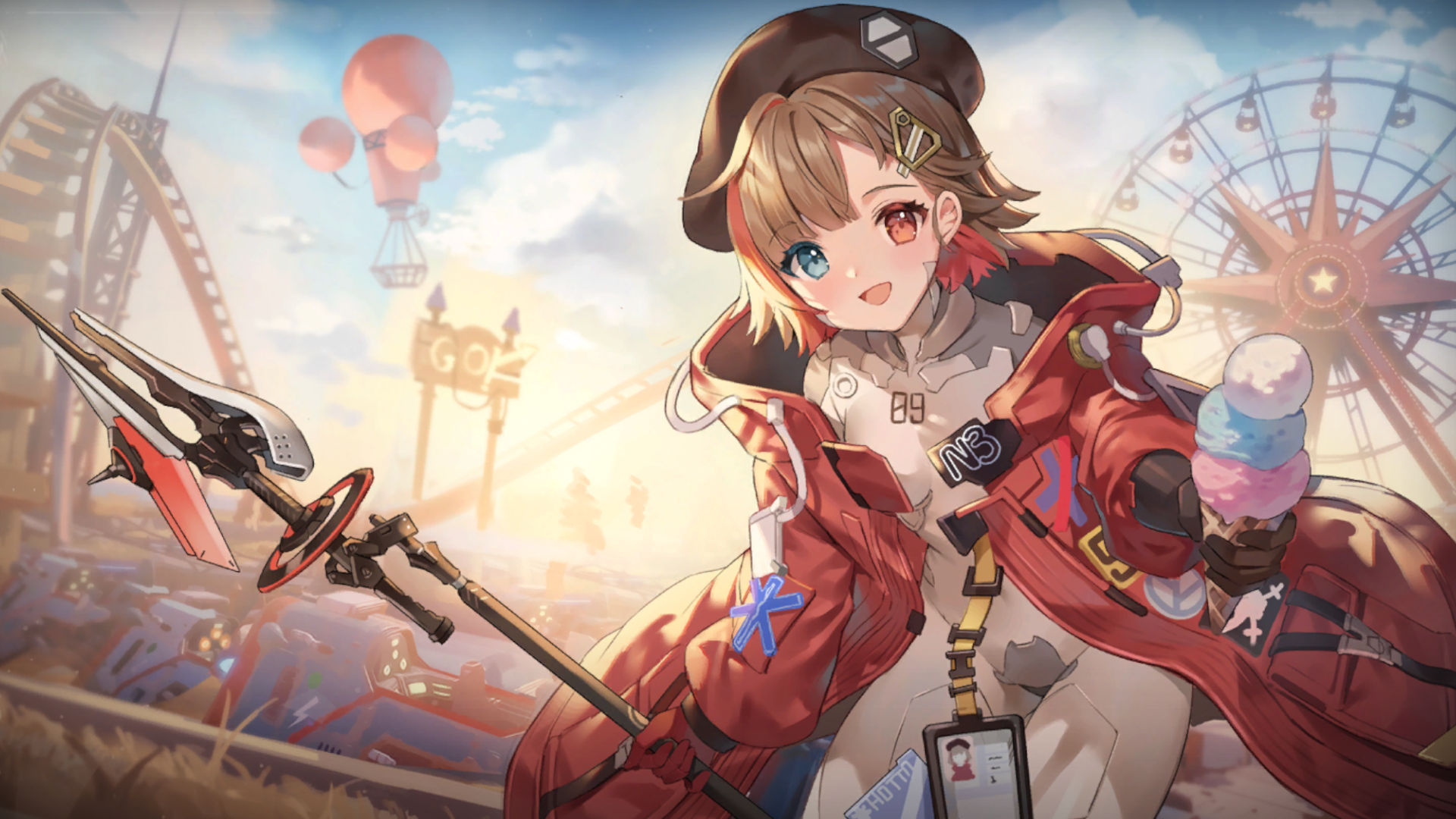
Tower of Fantasy Cocoritter with an ice cream in Navia

What is Tower of Fantasy Cocoritter’s banner?

Cocoritter and her weapon, Absolute Zero, is one of the SSR Simulacra always available on all weapon banners. This means you can pull her on the Weapons Galore black and gold nucleus banners, or on the limited banner if you don’t pull the featured weapon.

To find out more about drop rates and currencies, as well as current, upcoming, and ongoing banners, check out our Tower of Fantasy banners guide.

What’s the best Tower of Fantasy Cocoritter build?

Cocoritter is first and foremost a healer. Her weapon, Absolute Zero, has a kit focused on healing and supporting both you and your allies, resulting in her being recognised as the strongest pure healer in both solo and multiplayer gameplay. She also doesn’t require advancement in order to unlock her powerful healing skills, though getting her to rank one provides you with a super helpful passive healing skill.

At three stars, Cocoritter also gets the sanctuary skill, which removes debuffs and increases the shatter rate and attack of herself and her allies, which is a great asset to any team.

Aside from her amazing support skills, Cocoritter has a brilliant weapon charge rate, helping you unleash your discharge skills more frequently, She can also apply frost damage over time, slows, and can control enemies with her combos, making her a wonderful unity for support and utility.

What are Tower of Fantasy Cocoritter’s weapon stats?

Here, we list all the main stats for Cocoritter’s weapon, Absolute Zero. These are the weapon’s base stats before you level it up or equip it with any matrices.

The shatter ranking dictates how quickly Absolute Zero can break enemy shields, whereas the charge rate shows how quickly the weapon gains charge.

  • CS: 272
  • Shatter: 4.00 (B)
  • Charge: 12.50 (S)
  • Attack: 15
  • Resistance: 17
  • HP: 1,165
  • Type: ice shell – when your weapon is fully charged, it freezes the target for two seconds and leaves them frostbitten for six seconds. If you break the ice shell, it causes additional damage equal to a set percentage of attack. While frostbitten, the target’s weapon charge rate is reduced

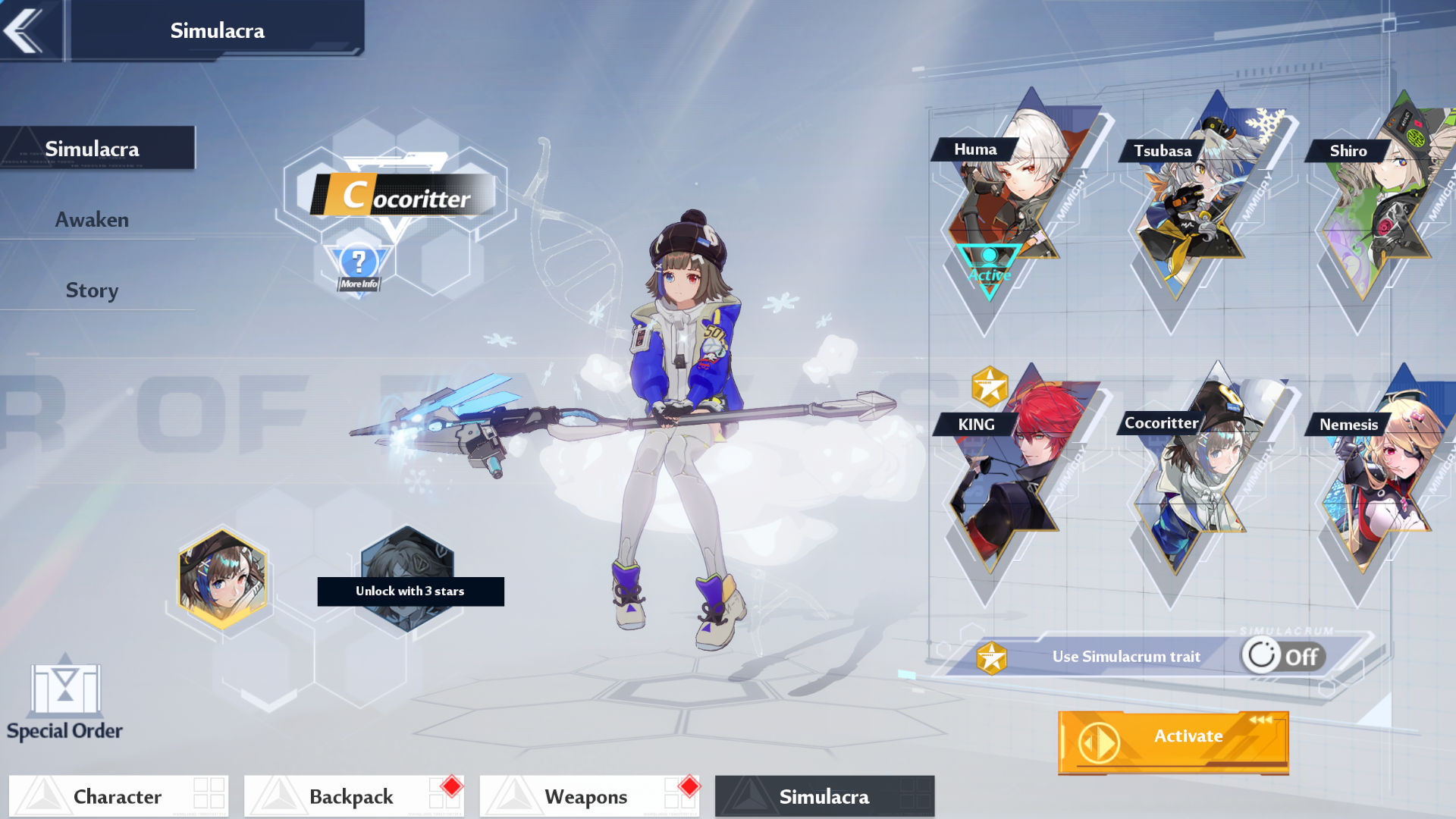
Tower of Fantasy Cocoritter on the Simulacra select page

What are Tower of Fantasy Cocoritter’s attacks and skills?

Here are each of Tower of Fantasy Cocoritter’s skills and attacks. Note that this is based on Absolute Zero’s level one stats, which increase as you level up the weapon.

Normal attacks

Skill Effect
Normal attack While on the ground, swing the staff to attack five times in a row.
First attack: deal damage equal to 54.4% of ATK +3
Second attack: deal damage equal to 40.8% of ATK +2
Third attack: deal damage equal to 65.6% of ATK +3
Fourth attack: deal damage equal to 89.7% of ATK +5
Fifth attack: deal damage equal to 158.4% of ATK +8
Soaring barrage (jump attack) While airborne or after jumping, tap normal attack to attack five times in a row.
First Attack: deal damage equal to 70.5% of ATK +4
Second attack: deal damage equal to 50.8% of ATK +3
Third attack: deal damage equal to 55.1% of ATK +3
Fourth attack: deal damage equal to 99.1% of ATK +5
Fifth attack: deal damage equal to 103.2% of ATK +5
Moonfall (jump, hold attack) Tap and hold the normal attack while airborne to trigger moonfall. Upon landing, deal damage once every 0.2 seconds, for a total of 123.8% of ATK +7 damage
Focused assault (attack, hold attack)  After the third normal attack, hold the normal attack button to trigger branch attacks, consuming 300 points of endurance. Pull in enemies in front of you, suspending them and dealing damage equal to 34.9% of ATK +2 every 0.3 seconds (up to four times). With the second attack, deal damage equal to 40.4% of ATK +2 at the target location and to nearby enemies every 0.3 seconds

Dodge attacks

Skill Effect
Surge (perfect dodge, attack) Tap normal attack during the short perfect dodge window (tap an arrow button before dodging) to trigger surge. Each weave of energy deals damage equal to 45.9% of ATK +2 to targets. Also grants 75 weapon charge points upon use
Tesseract (dodge, attack) Tap normal attack during the short period after dodging to trigger an evasive blast, firing an orb forward that deals damage equal to 66.4% of ATK +3 to targets in its path every 0.3 seconds (up to five times). Grants 75 weapon charge points upon use

Skill

Skill Effect Cooldown
Sanctuary Create a healing zone that moves around with you, healing yourself and nearby allies for 95% of attack +5 once every 0.5 seconds for six seconds 60 seconds

Discharge skill

Skill Effect
Swift deliverance When your weapon is fully charged or Phantasia is triggered, switching to this weapon cleanses you or all debuffs, then continues to remove debuffs and heal you and your allies for 118.8% of attack +6 HP for seven seconds

Tower of Fantasy Cocoritter three star skin splash art in the snow

Tower of Fantasy Cocoritter advancement

You can advance Tower of Fantasy weapons by using their corresponding fusion cores, which you get by collecting more than one copy of a character. After you get your first copy of Cocoritter and her Absolute Zero staff, you can purchase another copy through the Commissary’s weapon store for 120 black gold. Alternatively, you can get a duplicate of Cocoritter by pulling on the banner, but, of course, this is entirely up to RNG.

Advancing your weapons by spending fusion cores and gold unlocks special bonuses. Here are all of the bonuses you gain from unlocking each of Cocoritter’s advancement stars.

  • One star: after dodging, summon a healing bee that follows you around and heals the ally with the lowest percentage of HP within 15 metres. Heal for 25% of attack and restore 50 weapon charge points each time. Lasts for 25 seconds, the cooldown is 25 seconds
  • Two stars: increases the weapon’s base HP growth by 16%
  • Three stars: using your skill or discharge skill removes debuffs from targets. You can use this while being affected by control effects. It also increases shatter and damage dealt for all teammates within range by 20%, and grants them immunity to control effects and shatter
  • Four stars: increases the weapon’s base HP growth by 32%
  • Five stars: increases healing effect by 15%, plus an additional 20% when you’re healing targets with less than 60% HP
  • Six stars: Whenever you summon a healing bee, or a healing bee disappears from battle, heal all allies for 100% of your attack. All allies within ten metres of the healing bee also gain 15% boost to all damage and healing (cannot stack)

What’s the best Tower of Fantasy Cocoritter matrix set?

All Simulacra have their own dedicated matrix set, and Cocoritter is no different. Hers is a brilliant set for increasing your healing and buffing both your and your allies’ attack. However, as it’s an SSR set, it can be a little tricky to get your hands on. Luckily, SR Pepper’s matrices are also a great choice, and you can get the entire set by completing chapter seven of your wanderer’s adventure book.

If you’re looking for an R-rank option, you should go with the Functional Dash set to nab a small frost damage boost. Check out our Tower of Fantasy matrices guide for more info.

ToF matrix set Rarity Effect
Cocoritter SSR Two equipped: increases healing capability and healing received by 10%/12%/14%/16%
Four equipped: when you or your teammates are healed, increases attack by 12.5%/15%/17.5%/20% for six seconds. Only the highest level’s effect is applied when obtained repeatedly
Pepper SR Three equipped: increases speed of obtaining weapon charge by 10%/12.5%/15%
Functional dash R Three equipped: increases damage dealt by frost weapons by 6%

A close-up of Tower of Fantasy Cocoritter's face

What are Tower of Fantasy Cocoritter’s upgrade materials?

When upgrading Cocoritter, you need icecore and heart of winter elemental ores, acidproof glazes, and nanofiber frames. You can get boxes containing acidproof glaze and booster frames as rewards from Dimensional Trials, Interstellar Exploration, Omnium Beacons, and the weapon store. You can find icecore while out exploring, or by using elemental ore boxes. For more help locating materials, check out our Tower of Fantasy map guide.

What are the best Tower of Fantasy Cocoritter team comps?

To be a strong healer, you realistically need two healer-type weapons on your team to reap the rewards of the benediction buff. As such, we recommend pairing Cocoritter with Tower of Fantasy’s Zero for a more defensive build, or Tower of Fantasy’s Nemesis for and offensive approach. Alternatively, you could pair her with both Zero and Nemesis for a well-sustained PVP lineup that can help you out-survive your opponent with ease.

Another strong PVP team sees Cocoritter paired with Nemesis and Tower of Fantasy’s Meryl – a lineup that is currently considered meta. Meryl offers amazing damage, shield breaking, and crowd control resist, Nemesis dishes out ranged damage and heals, while Cocoritter ensures your health stays in top shape, charges your other weapons, and offers some crowd control and freeze options.

Alternatively, for a good general-purpose team, you can put Cocoritter and Zero with Tower of Fantasy’s Shiro, who can help slow enemies and shred their shields from a distance.

What are the best Tower of Fantasy Cocoritter gifts?

When picking out gifts for Cocoritter, keep in mind that she loves toys, decorations, and rare items. For more information, head over to our Tower of Fantasy gift guide.

What are Tower of Fantasy Cocoritter’s awakening rewards?

Giving Cocoritter gifts raises her awakening progress. When reaching certain awakening milestones, you earn recollection rewards. Here are each of Cocoritter’s.

Keep in mind that you can use a Simulacra’s trait without taking on their appearance by toggling the ‘use Simulacra trait’ button in the Simulacra selection screen.

Awakening points Recollection reward
200 Cocoritter avatar
600 Log: Memories
1,200 Cocoritter: Assistance trait – when Cocoritter uses a support weapon, increases incoming and outgoing healing by 20%
2,000 Log: Obsessions
3,000  Log: Companionship
4,000  Cocoritter: Trust trait – when Cocoritter uses a support weapon, increases outgoing and incoming healing by 20%. Additionally, when Cocoritter uses a support-type weapon’s discharge skill or weapon skill, it increases nearby allies’ ATK by 15% for five seconds

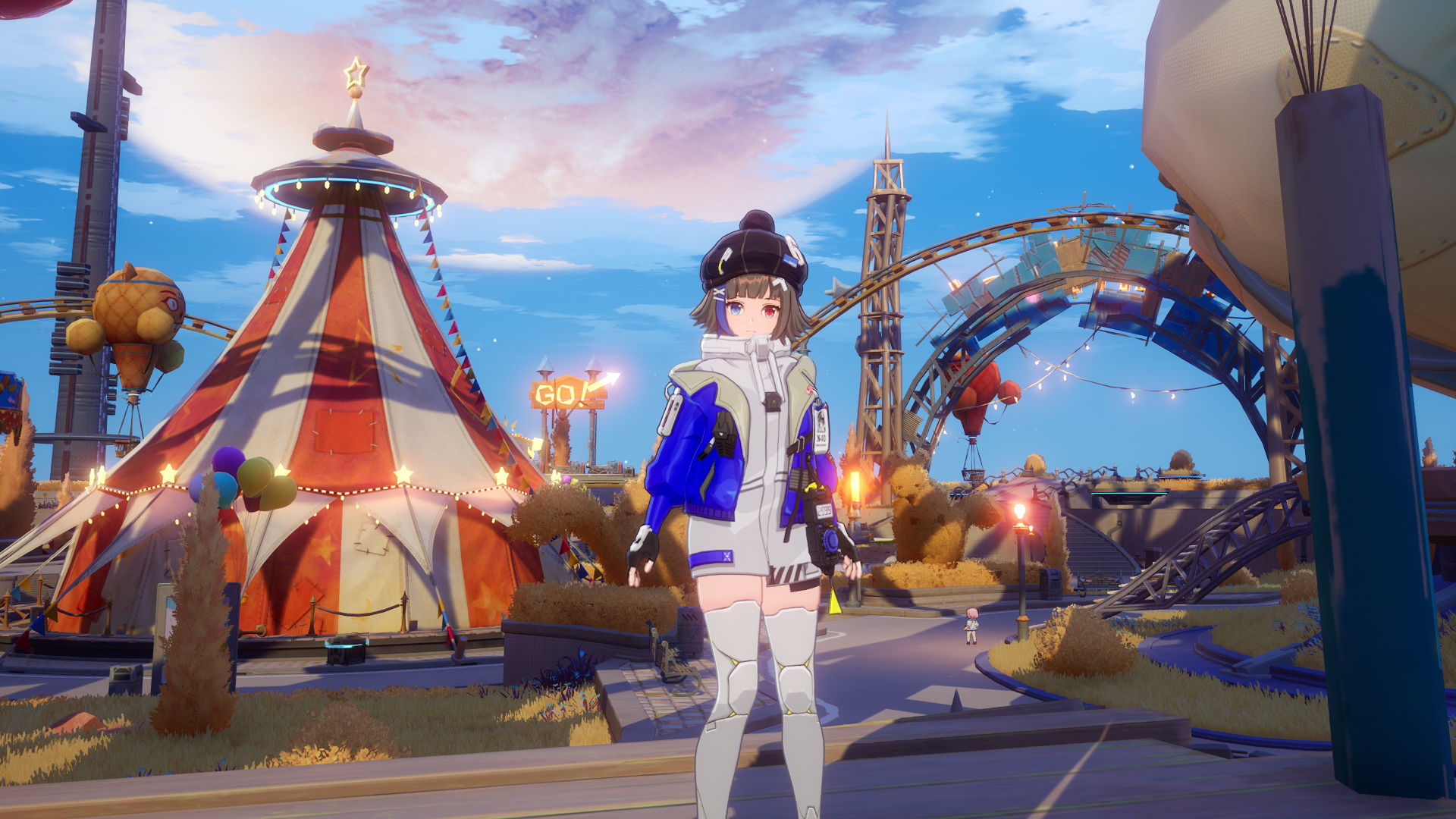
Tower of Fantasy Cocoritter on Navia's Cetus Island

Who is Tower of Fantasy Cocoritter’s voice actor?

Cocoritter’s English voice actor is Lexi Fontaine, who has previously voiced Jean from Time Traveler Luke, Serena from Super Mecha Champions, Little Leela from Final Fantasy Brave Exvius: War of the Visions, and many more.

Cocoritter’s Japanese voice actor is Kito Akari, who you may recognise as Genshin Impact’s Barbara, Maria Valkyrie from Valkyries Elysium, Aiba from AI: The Comnium Files, Elsje from Rune Factory 5, Nesuko Kamado from Demon Slayer, and many other roles.

That’s it for our Tower of Fantasy Cocoritter build guide. Be sure to check out our Tower of Fantasy characters guide to get familiar with the rest of the Simulacra, or head over to our list of the best games like Genshin Impact for a fresh adventure.

Posted on Leave a comment

Tower of Fantasy Huma build

Aesperia can be a pretty scary place, with heaps of baddies always ready to sink an arrow into your butt or a poison fang in your neck. Luckily, Tower of Fantasy’s Huma is here to soak up some of that damage with her hefty, powerful shield – then dish out some damage of her own when she transforms that shield into a massive axe!

Impressive, right? Well, if you want to get Tower of Fantasy’s Huma on your side, then you’re in the right place. In this guide we take a look at her banner, best build, team comps, matrices, and more, as well as laying out all of the attacks and skills you can unleash with the help of her awesome Molten Shield V2 weapon.

To see how Huma ranks, check out our Tower of Fantasy tier list and Tower of Fantasy weapons guides. We’ve also got build guides for a heap of other characters, including Tower of Fantasy’s Crow, Tower of Fantasy’s Zero, Tower of Fantasy’s Nemesis, and more. Or, for an extra couple of goodies to grab, head over to our list of all new Tower of Fantasy codes.
Tower of Fantasy Huma

Who is Tower of Fantasy’s Huma?

Huma is a young woman, currently under the medical care of Hykros after contracting a rare disease that made her develop superhuman strength. She lost all memory of her past, as well as her former personality. As such, the sum of her knowledge about the world since waking up is limited to Hykros, with everything beyond that bringing her anxiety. However, despite being quite an introvert, nothing can stop her when she puts her mind to something.

Huma is an SSR Simulacra who wields Molten Shield V2, a defence type weapon that deals flame damage.
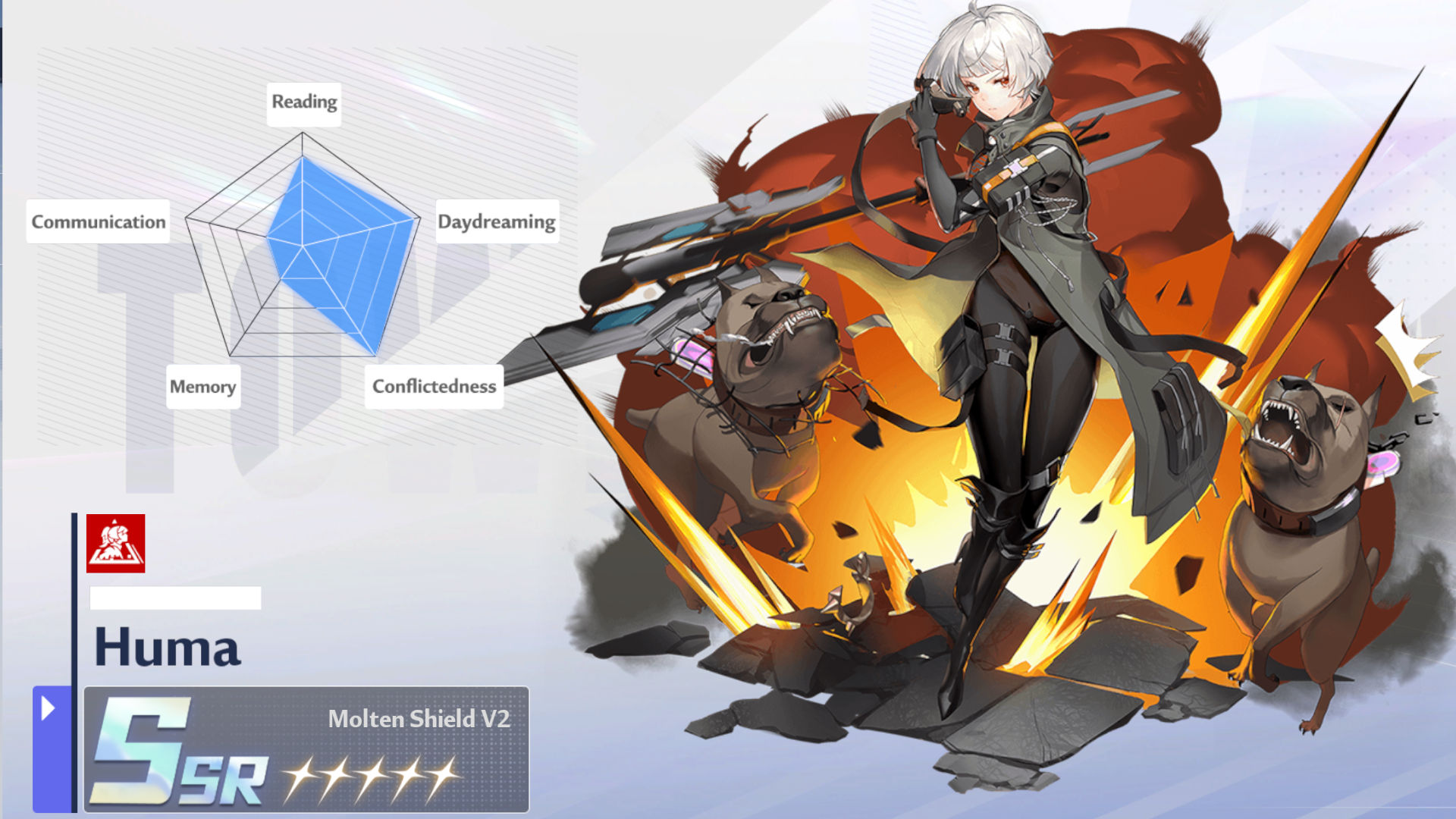
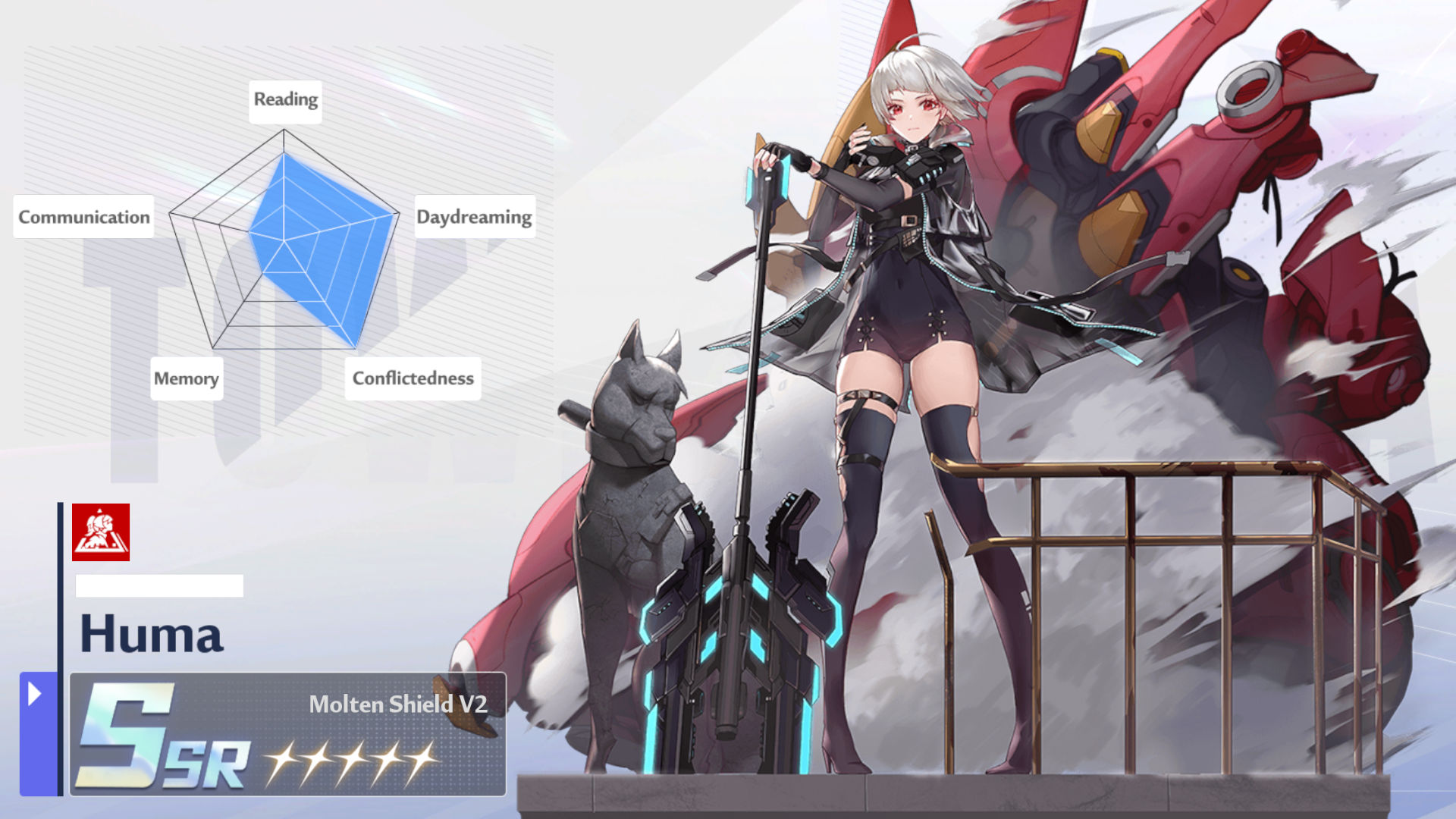
Tower of Fantasy Huma splash art

What is Tower of Fantasy Huma’s banner?

Huma, along with her Molten Shield V2 weapon, is one of the SSR Simulacra always available on all weapon banners. This means you can pull her on the Weapons Galore black and gold nucleus banners, or on the limited banner if you don’t pull the featured weapon.

To find out more about drop rates and currencies, as well as current, upcoming, and ongoing banners, check out our Tower of Fantasy banners guide.

What’s the best Tower of Fantasy Huma build?

Huma is a powerful Simulacra whose weapon, Molten Shield V2, is fit for both defence and offence. It switches between the high impact axe form and the super tanky shield form, allowing you to both protect and attack with great efficiency. She’s easily the best at filling the traditional tank role out of all the Tower of Fantasy characters we’ve seen so far, and her advancement only amplifies her damage, making her a true force to be reckoned with.

What are Tower of Fantasy Huma’s weapon stats?

Here, we list all the main stats for Huma’s weapon, Molten Shield V2. These are the weapon’s base stats before you level it up or equip it with any matrices.

The shatter ranking dictates how quickly Molten Shield V2 can break enemy shields, whereas the charge rate shows how quickly the weapon gains charge.

  • CS: 272
  • Shatter: 10.00 (A)
  • Charge: 10.00 (A)
  • Attack: 14
  • Resistance: 9
  • HP: 1165
  • Type: Flame – when your weapon is fully charged, your next attack sets the target on fire for eight seconds, causing ongoing damage equal to a set percentage of attack every second. Ignited targets receive reduced efficacy from healing

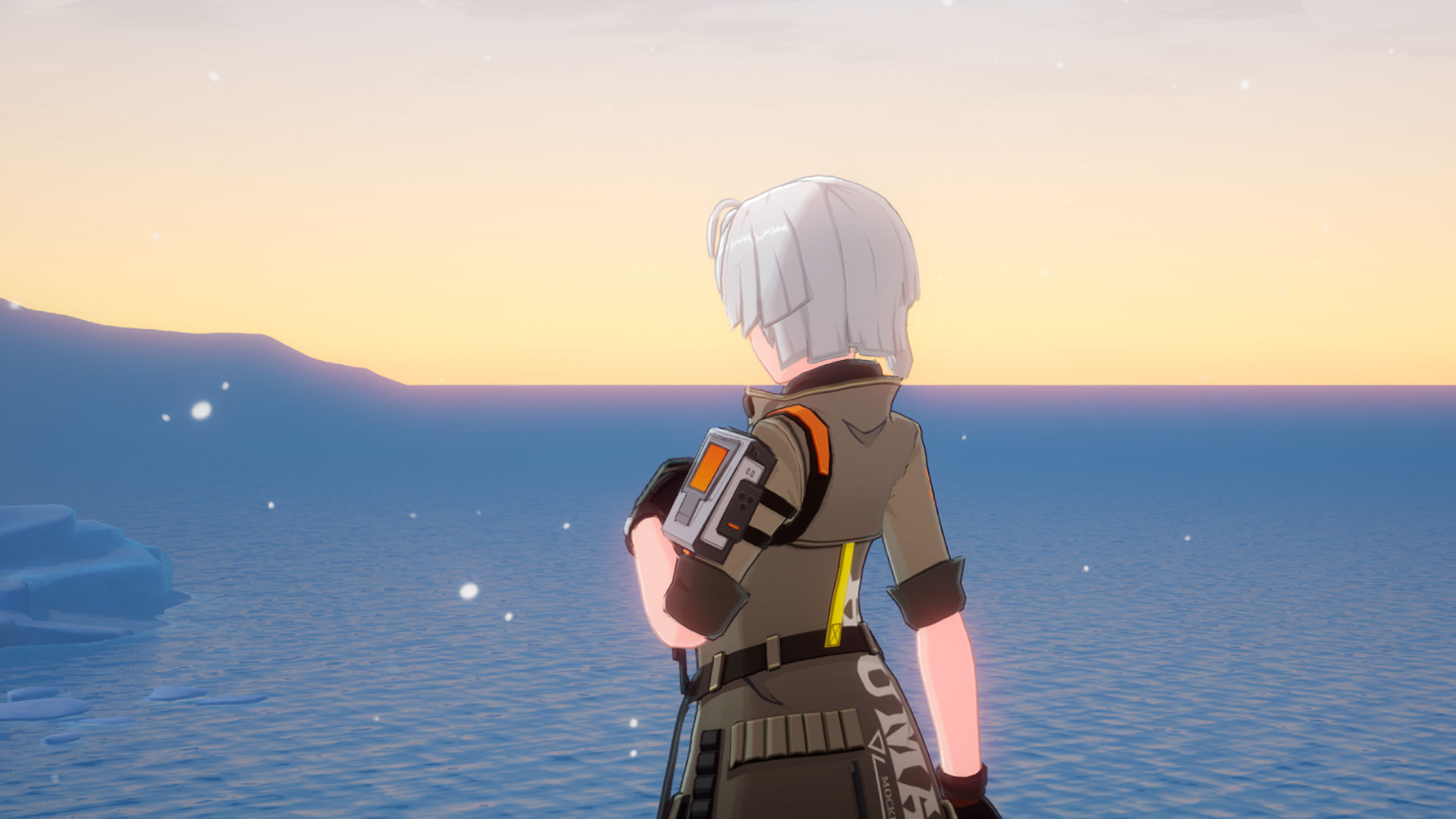
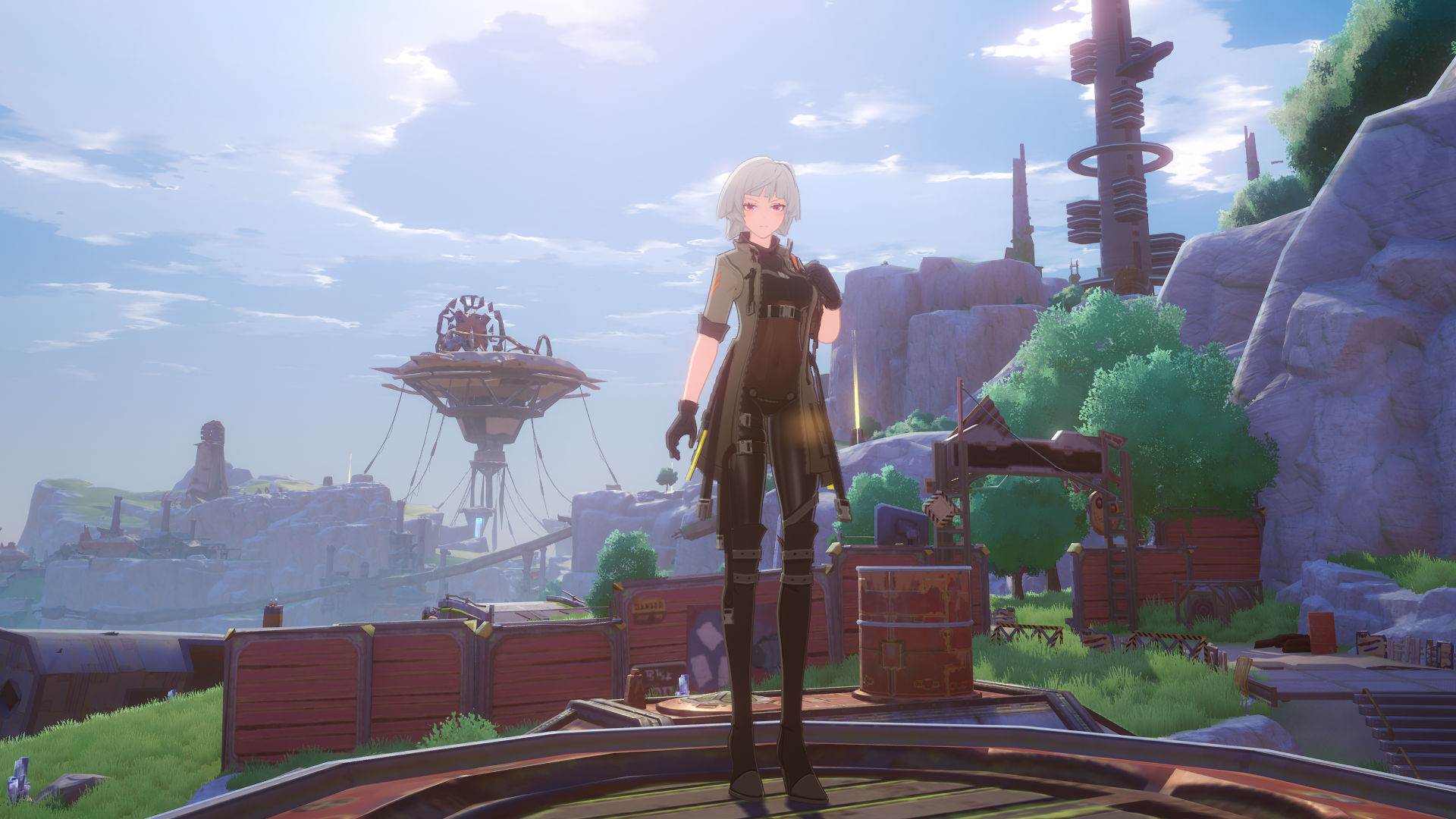
Tower of Fantasy Huma looking out over the sea in Warren

What are Tower of Fantasy Huma’s attacks and skills?

Normal attacks

Skill Effect
Normal attack While on the ground, swing the shield axe to attack four times in a row.
Shield form
First attack: deal damage equal to 77.7% of attack +4 and knock the target back a short distance
Second attack: deal damage equal to 56.9% of attack +3 and knock the target back a short distance
Third attack: deal damage equal to 62.8% of attack +3 and knock the target back a short distance
Fourth attack: deal damage equal to 184% of attack +10 and launch the target into the air
Axe form
First attack: deal damage equal to 135.2% of attack +7 and knock the target back a short distance
Second attack: deal damage equal to 79.4% of attack +4 and knock the target back a short distance
Third attack: deal damage equal to 119.9% of attack +6 and knock the target back a short distance
Fourth attack: seal damage equal to 221.3% of attack +12 and knock the target back
Aerial strike (jump attack) While airborne or after jumping once, attack three times in a row.
Shield form
First attack: deal damage equal to 75.9% of attack +4
Second attack: deal damage equal to 80.2% of attack +4
Third attack: deal damage equal to 103% of attack +5
Axe form
First attack: deal damage equal to 118.6% of attack +6
Second attack: deal damage equal to 91.1% of attack +5
Third attack: deal damage equal to 277.9% of attack +15
Anticipation (hold attack)

Shield form: while on the ground, tap and hold normal attack to enter shield form (release to exit) for three seconds, during which you’re unable to move, and all damage taken is reduced by 50%. While in shield form, releasing the normal attack button after taking damage or after holding the button for three seconds, unleash fire crash, dealing damage equal to 167.3% of attack +9 and inflicting a one-second stun effect on the target

Axe form: smash the target, dealing damage equal to 122.2% of attack +6 and suspending the target

Valor (jump hold attack) Tap and hold normal attack while airborne (or tap when you’ve selected a target), or tap normal attack while climbing, jumping backward, or using the jetpack to trigger air branch attacks.
Shield form: while falling, deal damage equal to 12.5% of attack +1 each hit. Upon landing, deal damage equal to 89.2% of attack +5 and suspend the target
Axe form: while falling, deal damage equal to 12.5% of attack +1 each hit. Upon landing, deal damage equal to 128.3% of attack +7 and suspend the target
The higher the altitude when triggering the attack, the greater the damage dealt, up to 600% damage.

Dodge attacks

Skill Effect
Erupt Tap normal attack during the short period after dodging to trigger a dodge attack.
Shield form: unleash a flaming shield, dealing damage equal to 55.8% of attack +3 and knocking back targets. In addition, trigger an explosion that deals damage equal to 55.8% of attack +3, stun targets for 0.5 seconds, and reduce incoming healing effects on targets by 30% for ten seconds
Axe form: swing an axe to deal damage equal to 226.3% of attack +12, and reduce incoming healing effects on targets by 30% for ten seconds

Skill

Skill Effect Cooldown
Fission Shield conversion: switch from shield form to axe form and smash the ground, dealing damage equal to 373.8% of attack +20 and strongly suspending the target. Also leave a large flame zone for five seconds that burns the target, dealing continuous damage equal to 233.6% of attack +12
Axe conversion: switch from axe form to shield form and slam it to the ground, dealing damage equal to 309.5% of attack +16 to the target and knocking them back. Prevent the target from switching weapons for five seconds
45 seconds. Shield conversion and axe conversion share the same cooldown.

Discharge skill

Skill Effect
Seething rage When weapon charge is full or you trigger Phantasia, switch to this weapon to cleanse yourself of all debuffs and unleash a flame shockwave, dealing damage equal to 352% of attack +19. Also taunt enemies for five seconds, during which you gain 15% damage reduction and scatter shield-shaped objects based on the number of targets taunted. These objects last 20 seconds and provide ten seconds of 5% damage reduction (stackable), and restore dodge by one.

Tower of Fantasy Huma three-star skin splash art

Tower of Fantasy Huma advancement

You can advance Tower of Fantasy weapons by using their corresponding fusion cores, which you get by collecting more than one copy of a character. After you get your first copy of Huma and her Molten Shield V2, you can purchase another copy through the Commissary’s weapon store for 120 black gold. Alternatively, you can get a duplicate of Huma by pulling on the banner, but, of course, this is entirely up to RNG.

Advancing your weapons by spending fusion cores and gold unlocks special bonuses. Here are all of the bonuses you gain from unlocking each of Huma’s advancement stars.

  • One star: gain a stack of strong shield upon casting Huma’s discharge, or when using a dodge skill or branch skill while in shield form. Each stack of strong shield grants 10% damage reduction for 15 seconds and stacks up to three times. Switching to axe form converts all strong shield stacks to sharp axe stacks, each of which increases damage by 15% for 15 seconds. Switching to a different weapon cancels this effect.
  • Two stars: increase the weapon’s base HP growth by 16%
  • Three stars: while in shield form, branch/dodge attacks deal additional damage to targets equal to 4% of the user’s current HP
  • Four stars: increase the current weapon’s base attack growth by 32%.
  • Five stars: after switching to shield axe, immediately gain 30% incoming damage reduction that diminishes by 10% every three seconds, down to a minimum of 10%. Switching weapons cancels this effect. Cooldown is 30 seconds.
  • Six stars: enhances both shield conversion and axe conversion. Shield conversion enhancement: increases damage dealt by 60% and expands the radius of the flame zone by 30%. Axe conversion enhancement: no longer shares its cooldown with shield conversion. For the next five seconds after you use this skill, all damage received turns into HP (up to a maximum of 15% of your Max HP)

Tower of Fantasy Huma stood in Banges Shelter, with a floating island in the distance

What’s the best Tower of Fantasy Huma matrix set?

As with all SR and SSR Simulacra, Huma has her own matrix set designed around her kit. This is a perfect choice, as it boosts Huma’s damage and takes advantage of her DoT application. Alternatively, you can mix two of King’s set with two of Shiro’s set to maximise Huma’s shield shatter and damage benefits.

Of course, Huma, King, and Shiro’s sets are all SSR, meaning they can be difficult to farm. If you’re looking for a more affordable SR option, Sobek’s Swamp Shadow is a great choice, as it increases Molten Shield V2’s damage output and attack range. Or, if you want an R-rank set to get you by while you wait for something better, go with Self-explosive for its flame damage boost.

Find out more about different matrix sets, where to get them, and how to upgrade them in our Tower of Fantasy matrices guide.

ToF matrix set Effect
Huma Two equipped: hitting targets with dodge skills inflicts bleed, dealing damage equal to 15%/19%/22.5%/26% of attack every second for five seconds
Four equipped: reduces attack of all targets within eight metres that are taking damage over time by 10%/12%/13%/15%. Only the highest level’s effect is applied when obtained repeatedly
King Two equipped: when a target is shattered, gain a 8%/10%/12%/14% damage boost for 25 seconds. Only the highest level’s effect is applied when obtained repeatedly
Four equipped: when there are more than two enemies around, hits restore HP equal to 14%/18%/22%/26% of damage dealt upon attacking. The maximum HP restored every 0.5 seconds must not exceed 36%/42%/48%/54% of attack
Shiro Two equipped: increases both damage and shatter to targets with more than 50% HP by 15%/19%/22.5%/26%
Four equipped: upon entering battle, gain a 20%/25%/30%/35% damage boost for 35 seconds. Resets five seconds after exiting battle
Sobek Three equipped: increases damage dealt by 6%/7.5%/9% for each enemy nearby. Up to three stacks
Self-explosive Three equipped: increases damage dealt by flame weapons by 6%

What are Tower of Fantasy Huma’s upgrade materials?

If you want to upgrade Tower of Fantasy Huma’s weapon, Molten Shield V2, you need the following items. Check out our Tower of Fantasy map guide for more help finding them.

Rank Level Gold Materials
One Ten 400 Two firecore
Two 20 800 Two firecore
Three 30 1,200 Three firecore, one acidproof glaze I
Four 40 1,600 Three firecore, one acidproof glaze I, three nanofiber frame I
Five 50 2,000 Four firecore, four acidproof glaze I, four nanofiber frame I
Six 60 2,400 Six firecore, six acidproof glaze I, six nanofiber frame I 
Seven 70 2,800 Eight firecore, eight acidproof glaze I, eight nanofiber frame I
Eight 80 3,200 11 firecore, 11 acidproof glaze I, 11 nanofiber frame I
Nine 90 3,600 Five heart of lava, five acidproof glaze II, five nanofiber frame II

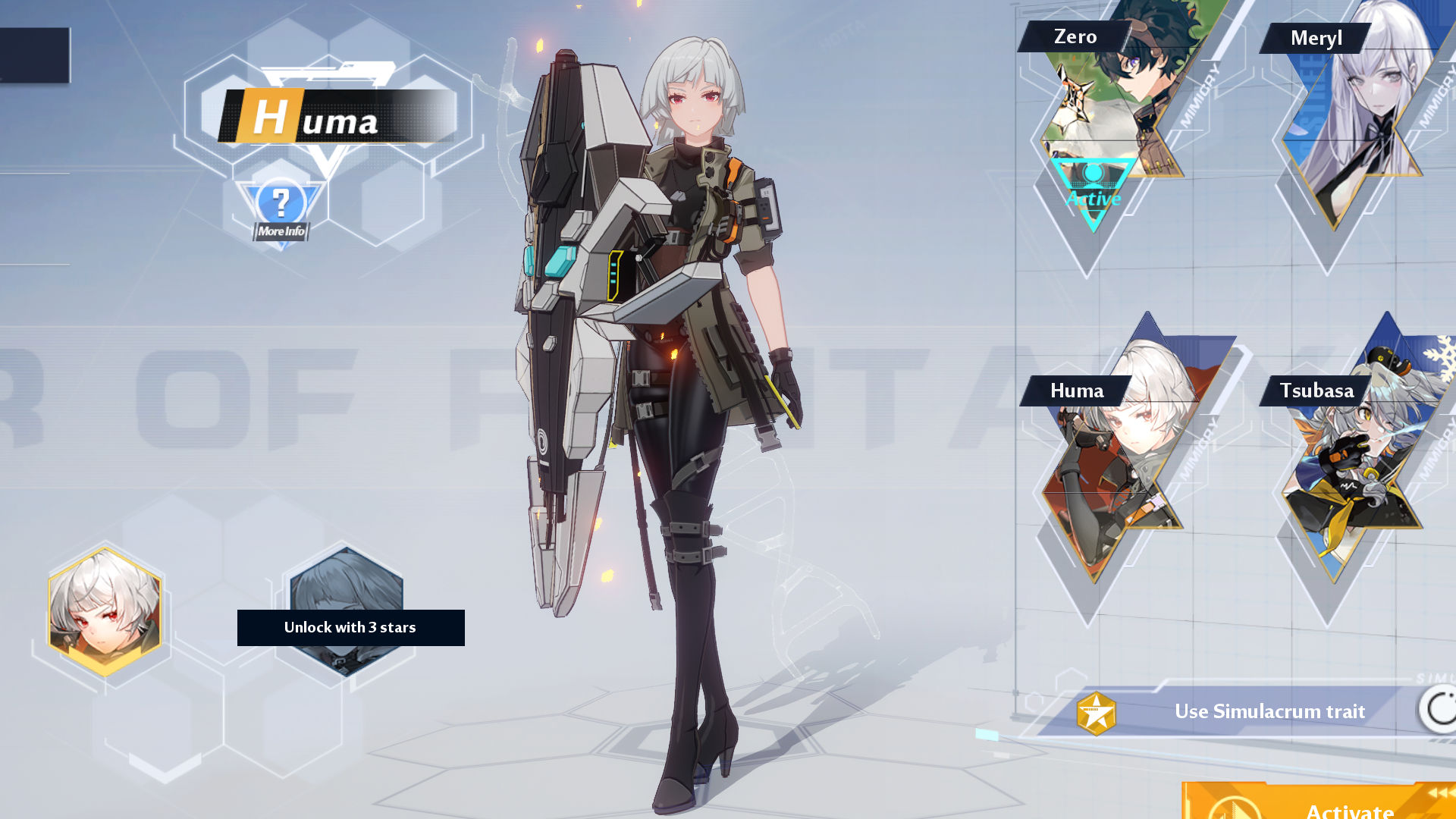
Tower of Fantasy Huma holding her shield on the Simulacra select page

What are the best Tower of Fantasy Huma team comps?

Huma is a great tank character that benefits from the fortitude weapon resonance effect. As such, teaming Molten Shield V2 up with Tower of Fantasy Meryl’s Rosy Edge is a great move. In this lineup, Huma’s weapon offers shields and tankiness, while Meryl’s shatters enemy shields and offers some great damage and CC resist through her spin attack.

For the third slot, you can bring Tower of Fantasy King’s Scythe of the Crow, which deals heaps of damage, offers even more shield breaking potential, and has a quicker hit rate than the other weapons, giving you a bit more mobility and flexibility when needed.

Alternatively, you can replace King with Tower of Fantasy’s Nemesis for amazing utility, with her brilliant healing, electrodes, and impressive volt damage output. She offers great self-sustain, and, when combined with Huma, and Meryl, is brilliant in PVP play.

What are the best Tower of Fantasy Huma gifts?

When scouting gifts for Huma, remember that her favourite tags are everyday items, games, and decorations. We’ve listed all his favourite gifts below, along with their rarity, the number of awakening points they give, and where to get them from. Head over to our Tower of Fantasy gifts guide to find out more.

Gift Rarity Awakening points given How to obtain
Angela ornament Purple 80 Special gift box
3D Hykros puzzle Purple 60 Special gift box
Aida comic Purple 60 Special gift box
Limited Peanut figurine Purple 60 Special gift box
Music box Purple 60 Special gift box
New game console Purple 60 Special gift box
Snow globe Purple 60 Special gift box
Chess set Blue 30 Fine gift box
Coloring book Blue 30 Fine gift box
New Kalka ornament Blue 30 Fine gift box
Perfume bottle Blue 30 Fine gift box
Tailor-made suit Blue 30 Fine gift box
Tartarus ornament Blue 30 Fine gift box
Vitamin pack Blue 30 Fine gift box
Custom poker deck Green 15 Small gift box or from the item vendor in Banges
Flower bouquet Green 15 Small gift box or from the item vendor in Banges
Mini potted plant Green 15 Small gift box or from the item vendor in Banges
Nice picture frame Green 15 Small gift box or from the item vendor in Banges
Wool scarf Green 15 Small gift box or from the item vendor in Banges

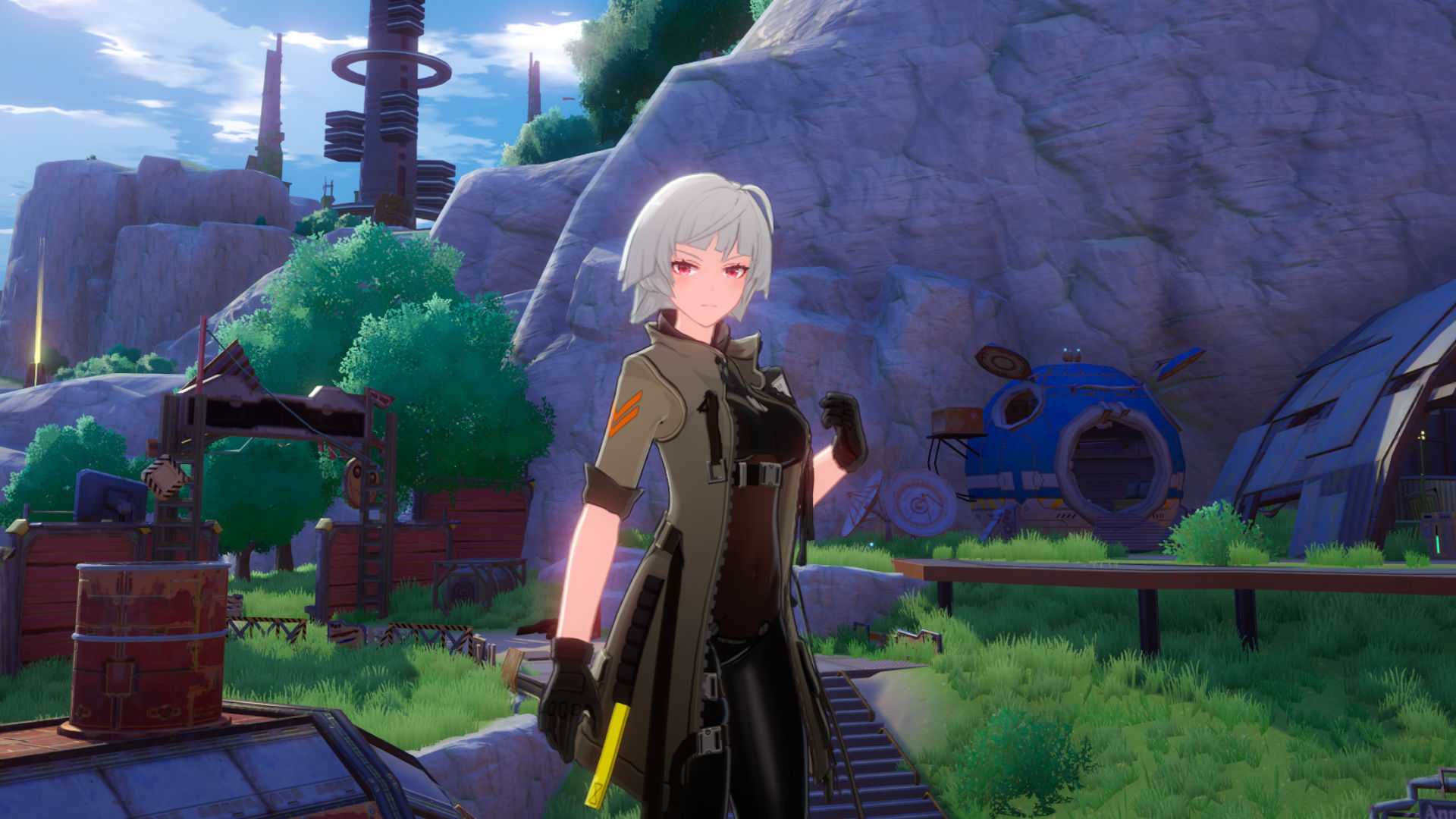
Tower of Fantasy Huma looking at the camera in Banges Shelter

What are Tower of Fantasy Huma’s awakening rewards?

Giving Huma gifts earns you awakening points. When you hit certain awakening progress milestones, you also unlock recollection rewards. Here are all of Tower of Fantasy Huma’s awakening rewards. Keep in mind that you can use a Simulacra’s unlocked trait without taking on their appearance by toggling the ‘use Simulacra trait’ switch underneath them in the Simulacra selection page.

Awakening points Recollection reward
200 Huma avatar
600 Log: Acquaintance
1,200 Huma: Fortitude trait – each time Huma receives damage, gain one fortitude mark. Gain an additional fortitude mark if it’s flame damage. You can gain up to one stack per one second, and a maximum of 12 stacks in total. Upon using a weapon skill, use all fortitude marks and gain a HP shield equal to the number of marks x0.4% of HP for 12 seconds. If you use fortitude marks when the effect is stacked up to the maximum, you gain a shield equal to the number of marks x0.6% HP.
2,000 Log: Echo
3,000  Log: Sympathy
4,000  Huma: Iron Screen trait – each time Huma receives damage, gain one fortitude mark. Gain an additional fortitude mark if it’s flame damage. You can gain up to one stack per one second, and a maximum of 12 stacks in total. Upon using a weapon skill, use all fortitude marks and gain a HP shield equal to the number of marks x0.6% of HP for 12 seconds. If you use fortitude marks when the effect is stacked up to the maximum, you gain a shield equal to the number of marks x0.9% HP.

Who is Tower of Fantasy Huma’s voice actor?

Huma’s English voice actor is Colleen O’Shaughnessey, who you may recognise as the voice of Tails from Sonic, Monica von Ochs and Kronya from Fire Emblem Warriors: Three Hopes, or one of her many other roles including a multitude of characters from Naruto, Danny Phantom, and What’s New Scooby Doo.

Huma’s Japanese voice actor is Rie Takahashi, who has voiced many iconic characters including Genshin Impact’s Hu Tao, Megumin from Konosuba, Emilia from Princess Connect, Hikari from Pokémon Masters, and many more.

That’s it for our Tower of Fantasy Huma build. If you want to take her to do some sightseeing, check out our Tower of Fantasy scenic points guide. Or, for a fresh world of adventure, head over to our list of the best games like Genshin Impact.

Posted on Leave a comment

How Xenoblade sidesteps open-world fatigue

When a new Assassin’s Creed comes out, a lot of people use the phrase ‘open-world fatigue’ to express their exhaustion at what they feel is an endless stream of dull and massive spaces with very little to do other than the same old chores they’ve been doing for years.

I get this. The special open worlds we’ve been given recently require a certain level of dedication in the first place, and the boring ones are just brain wallpaper. For the former, Red Dead Redemption 2 or Breath of the Wild are good examples of open worlds that seem to reinvigorate the genre in their own unique ways. For the brain wallpaper, I put forward anything formulaic by Ubisoft.

Side-note time: I love formulaic Ubisoft games. Assassin’s Creed is great fun (I’ve literally hundred-percented four games in the series for some reason). But we’ve been playing similar enough variations on their formula since at least 2011, if not earlier. Brain wallpaper is good sometimes! Sometimes you just need to chill out and do some virtual murder and y’know what? That’s okay.

Red Dead Redemption 2 goes about open worlds in an incredibly luxurious, almost romantic way, while Breath of the Wild goes about it in a mathematical way, like an abacus-laden desk-haver, like it pushes its glasses up with the bottom of its pen while writing out formulas to do with triangles.

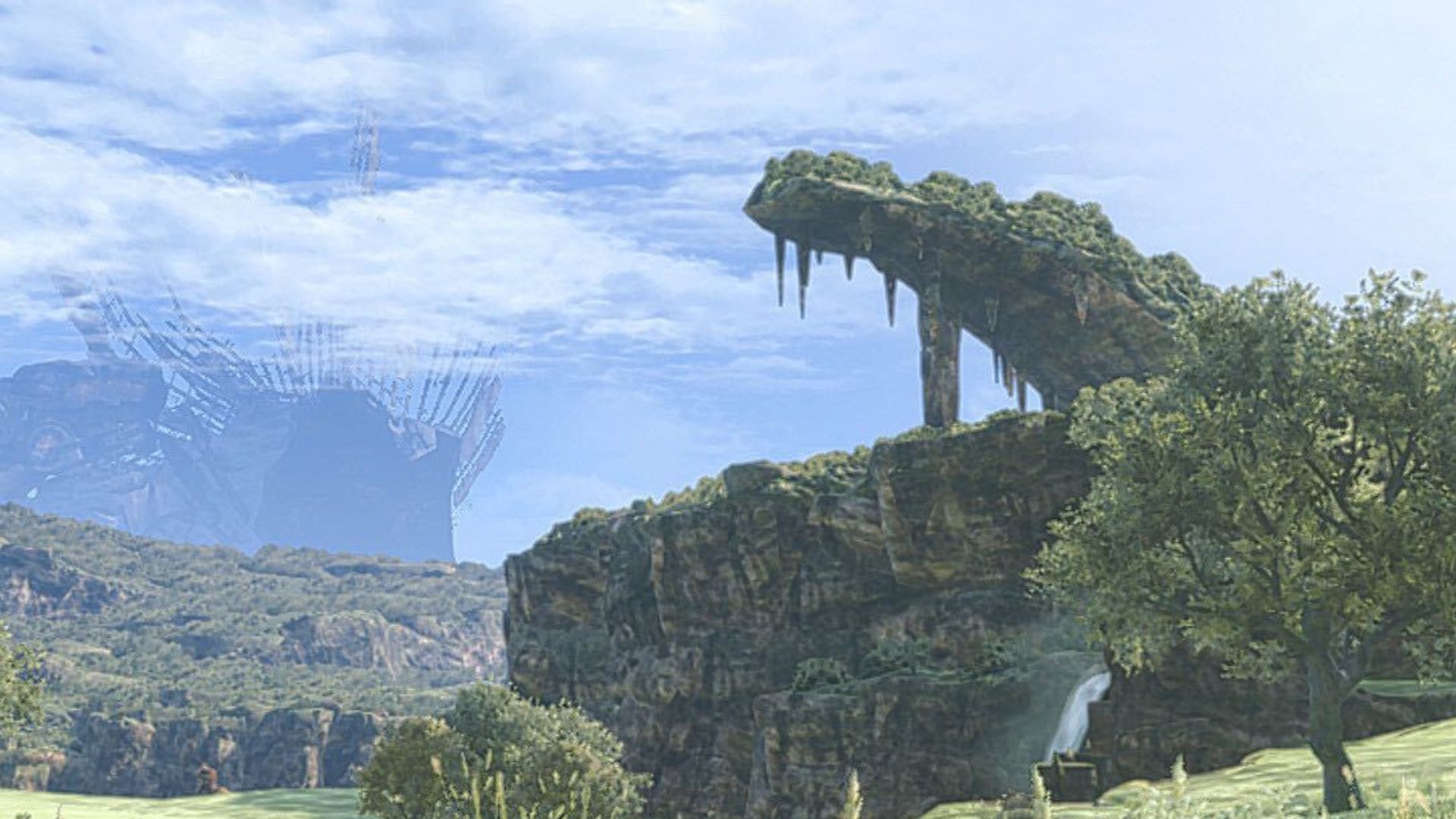
A screenshot from Xenoblade Chronicles showing a large grassy outcrop over a big block of flat stone in the distance, on a large grassy plain with trees on it.

The romance of RDR2 comes from its beauty and simplicity. This space has to feel very real, so there are two main things Rockstar has to do. First up is the obvious bit: graphics. The graphics in RDR2 will still be impressive in a decade, because there’s wonderful attention to detail in everything, making this space feel ripe to homestead in. (There’s also a side-thought about how characters’ feet interact with surfaces that I could get into, but probably best I don’t).

Second is making living things feel real. Animals may not have to talk, but animating them and making them interact with the player and the world properly probably takes unholy amounts of time. Then humans have the issue of facial expressions and dialogue lines that properly match up to the player’s actions in the world. How do you make an NPC react properly when the player blows themself up with dynamite, falls off a train bridge, and loses their hat in a waterfall? I’d probably make them say “oh lordy”, but that’s just me.

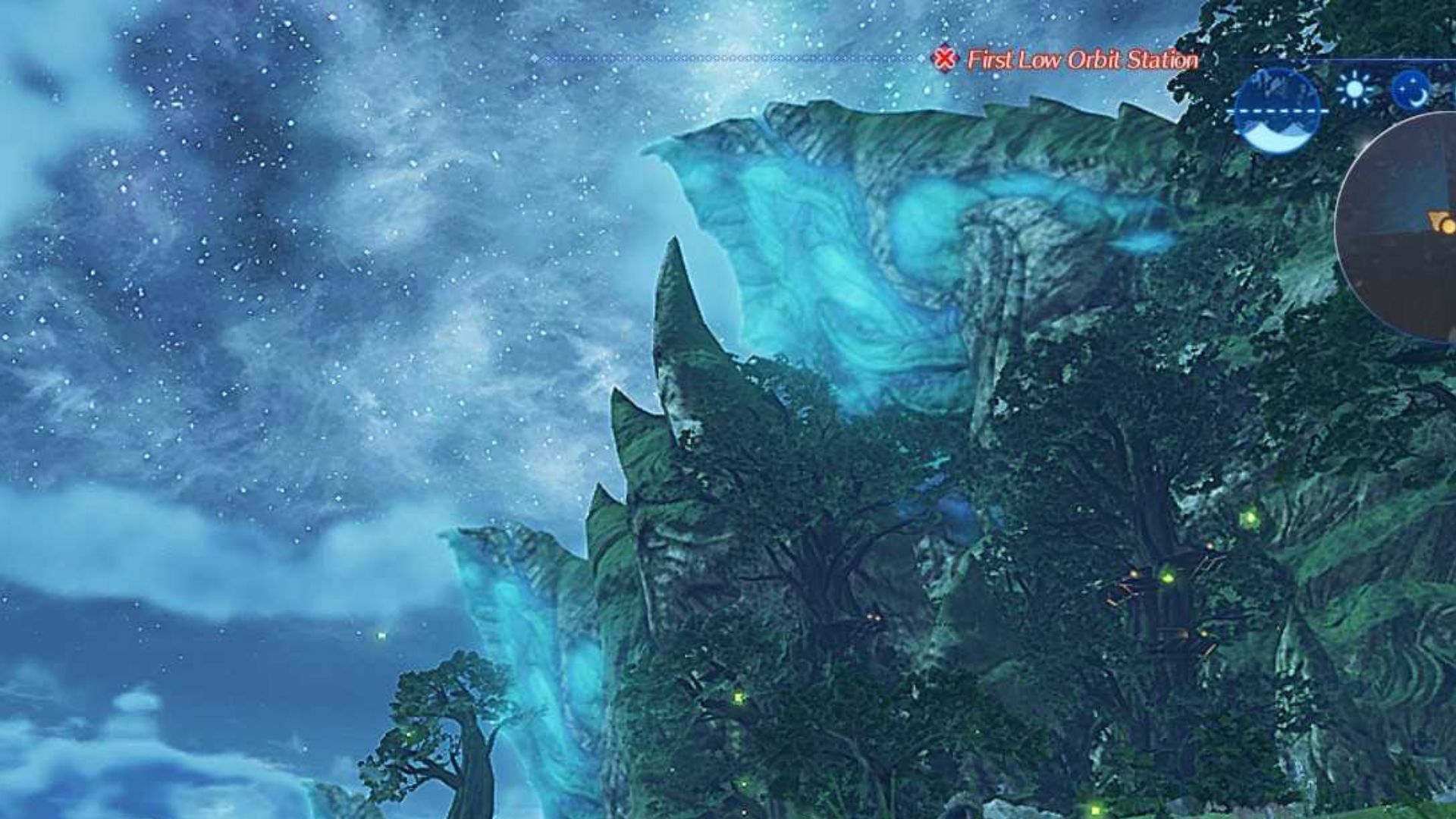
A screenshot from Xenoblade Chronicles 2 showing a glowing blue outcrop in the distance behind some tall pine trees.

Well whatever, making a world like RDR2’s takes a long time. Same for Breath of the Wild. When I was talking about triangles earlier I wasn’t just being annoying. As summarised by Robert Yang, when people first played BotW they weren’t enjoying it, either feeling over-guided to their destination or too lost when exploring. Crafting this open-world took trial and error on Nintendo’s part.

They started implementing triangles. If you see a triangle it blocks your view. You can either go around it or get on top of it to see what’s next. What if when you went around it there were enemies to fight, or when you got to the top there was a little collectable? Oh, and by the time you get a better look at what’s behind it, what if there were seven new things to look at, whether it’s a glowing shrine, a strangely-shaped mountain, or just a cool-looking patch of snow? Read that summary above as it’s better than I can do, but either way, doing that stuff takes time.

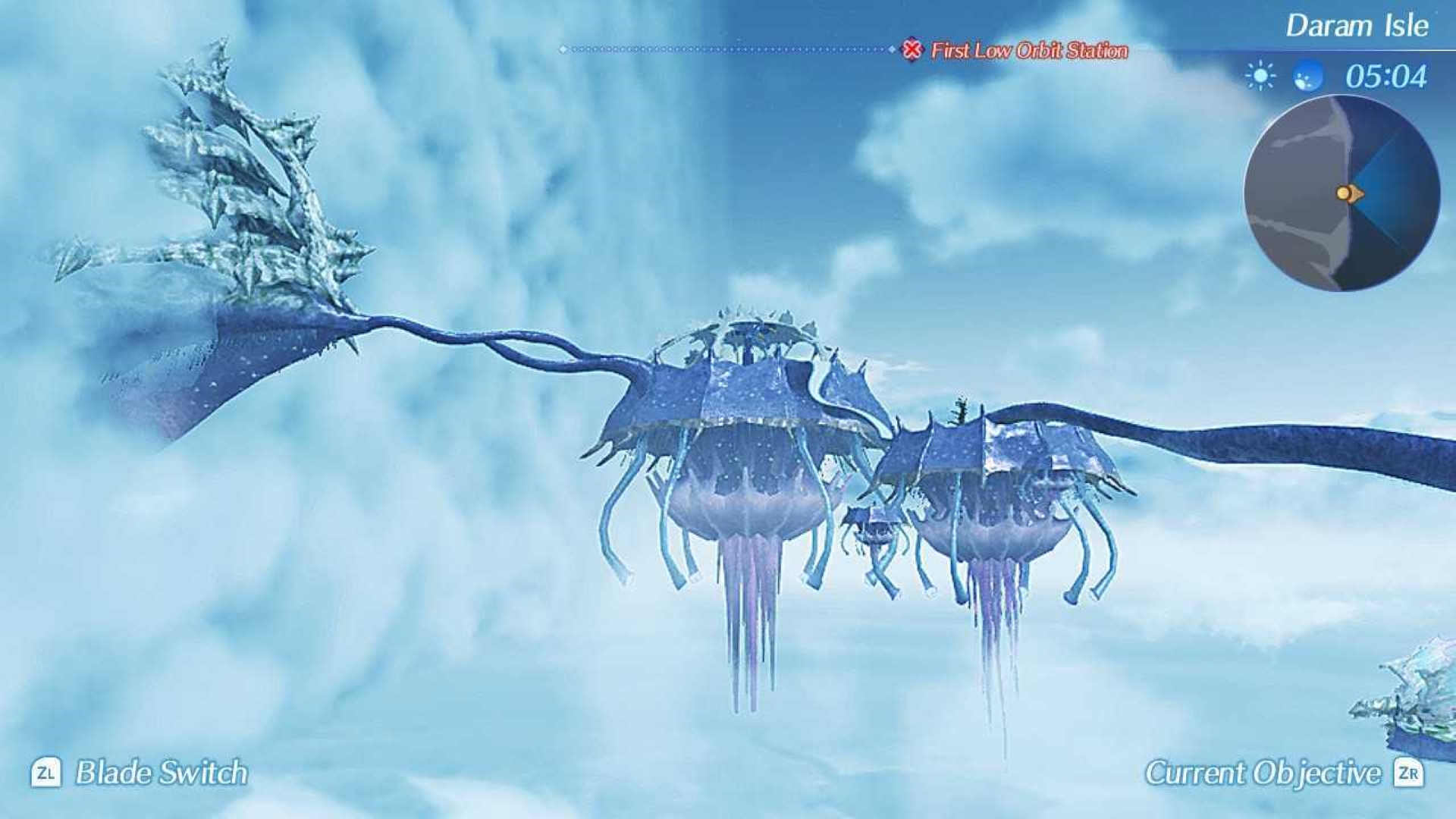
A screenshot from Xenoblade Chronicles 3 showing floating island with paths stretching between them in a cloudy sky.

But you know what clearly takes less time? Making Xenoblade games. We have had two new Xenoblade games since BotW came out and zero new Zelda games. Xenoblade has also offered two chunky bits of DLC that feel like standalone games and suck up around 30 hours each. So, is Monolith Soft’s dev cycle just as slick and formulaic as Ubisoft’s?

Well, by the looks of it, yeah. These spaces don’t really do much in terms of interacting with the player or convincing them that they’re real spaces. They have icons and destinations. They have objects littered on the ground to collect. They don’t go for the luxuriousness of a Red Dead or the fine-tuned magic of a Breath of the Wild. They’re kinda just big spaces to hang out in.

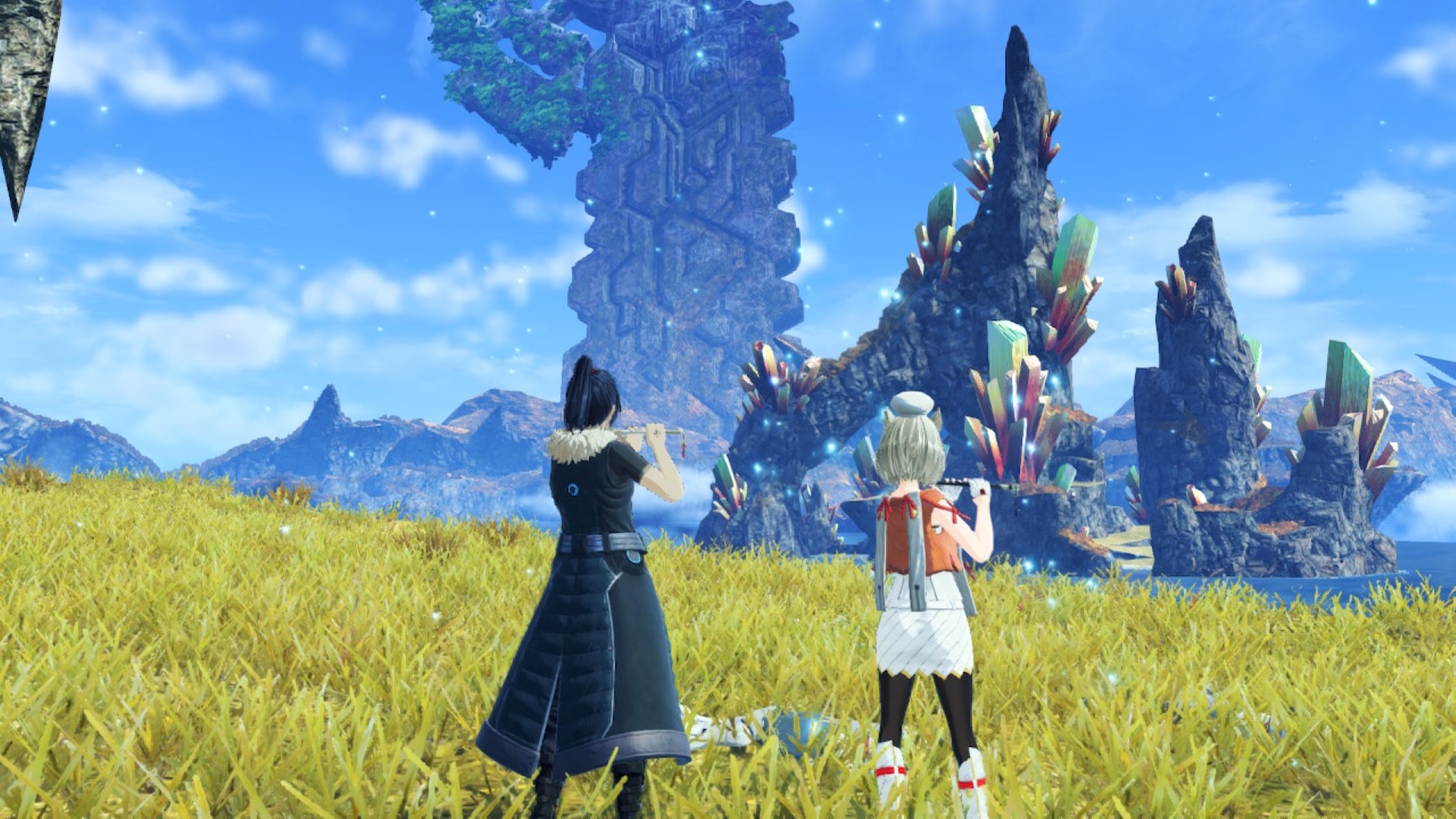
Noah and Mio playing their flutes. Noah is a man with black hair in a ponytail, and a black military outfit. Mio is a woman with cat ears and white hair in a bob, wearing a white and orange military dress.

So, why am I not tired of them? Well, I do like their bonkers stories, but that can’t be all there is, right? Otherwise, I’d prefer 13 Sentinels: Aegis Rim for letting me just experience a bonkers story (or I’d just watch the tele). Well, the combat’s pretty good too, but that’s true of a lot of games that suffer from dull open worlds. I know a lot of people don’t like it, but shooting a gun in Cyberpunk 2077 feels good.

Nope, I think the true magic trick of Xenoblade is that everything is just bloody massive. You look one way and there’s a big gorilla, another way and there’s a giant grassy plain that takes a decade to cross, another and there’s some tall thing that you want to be on top of. This isn’t the same as BotW–most treats are telegraphed rather than suggested. Instead, it’s just pretty darn cool.

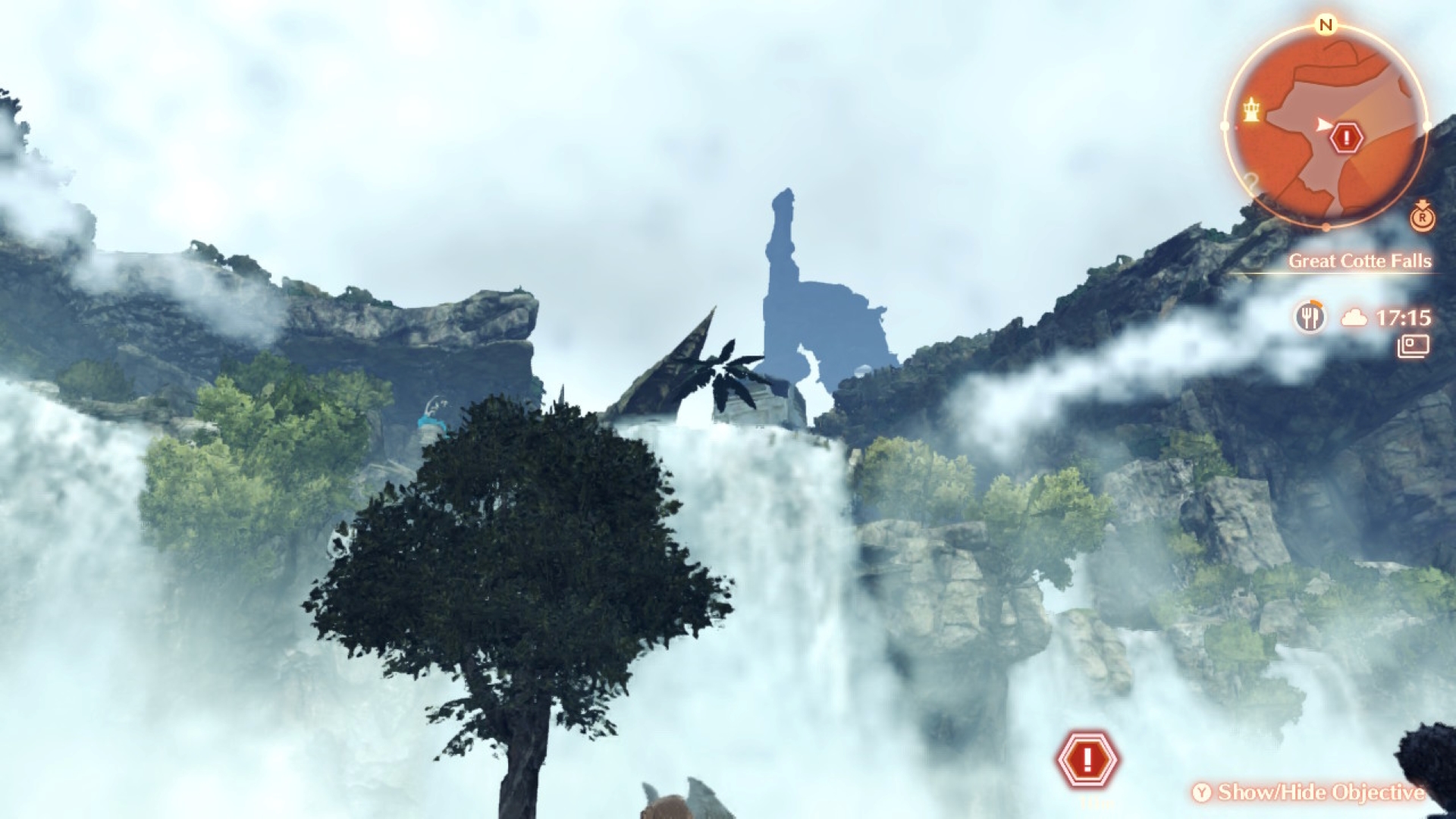
A shot from Xenoblade Chronicles 3 showing the silhoetted hilt of a giant sword poking up behind a massive cliff with waterfalls flowing off it.

I wasn’t cool enough to boot up the original Xenoblade Chronicles on the Wii. I only played it after I played Xenoblade Chronicles 2. But I imagine the main hook for people getting into that game was the scale of it all (as well as the excellent music but let’s ignore that for now because it doesn’t help me make my point).

Just the feeling of insignificance that a giant creature a million levels higher than you gives to the player is something uniquely old-fashioned. When Xenoblade Chronicles 2 came out, people complained that you could get ruined by a level 81 Territorial Rotbart in the opening area, which I understand, but the fact that the game did it at all is weird and exciting.

A screenshot from Xenoblade Chronicles showing a giant city in the sky, ufo shapes surrounding it with one large tower in the middle

This sense of scale has been utilised elsewhere, most notably by Team Ico. Shadow of the Colossus is an excellent example of scale offering a feeling of insignificance, making the player feel like they’re fighting against unbelievable odds. I think Monster Hunter does this really well too; when you first get trampled by a Rathalos and the big beast just stumbles to the ground, that’s pretty terrifying, hilarious, and magical.

Xenoblade’s art direction, particularly in the second mainline game, helps the loud bigness of everything come across. Colours are big and bright, monsters are uniquely shaped, and everything has a general sense of wonder. Just the conceits of these spaces–the backs of giant titans, the body of a massive mech–are enough to spark the imagination.

A shot from Xenoblade Chronicles 3 showing a lighthouse sticking out an island in a clam sea, with a massive patch of land in the distance with strange stony outcroppings spiking from it.

Side-note round two: I think this is why some Assassin’s Creed games can get their hooks in me more than others. Renaissance Italy is objectively cooler than the American Revolution. Assassin’s Creed Odyssey is cool because I want to go to Greece. Digital historical tourism is the key here, but it only works if you’re actually interested in the place.

One thing this helps with is making Xenoblade’s interiors feel even more special than they already are. The spaces they construct for these games are just so excellently big and detailed, offering winding paths up and down and in and out. Everything leads back to where it ought to. Everything is as big as it should be when looked at from the outside. It’s beautiful.

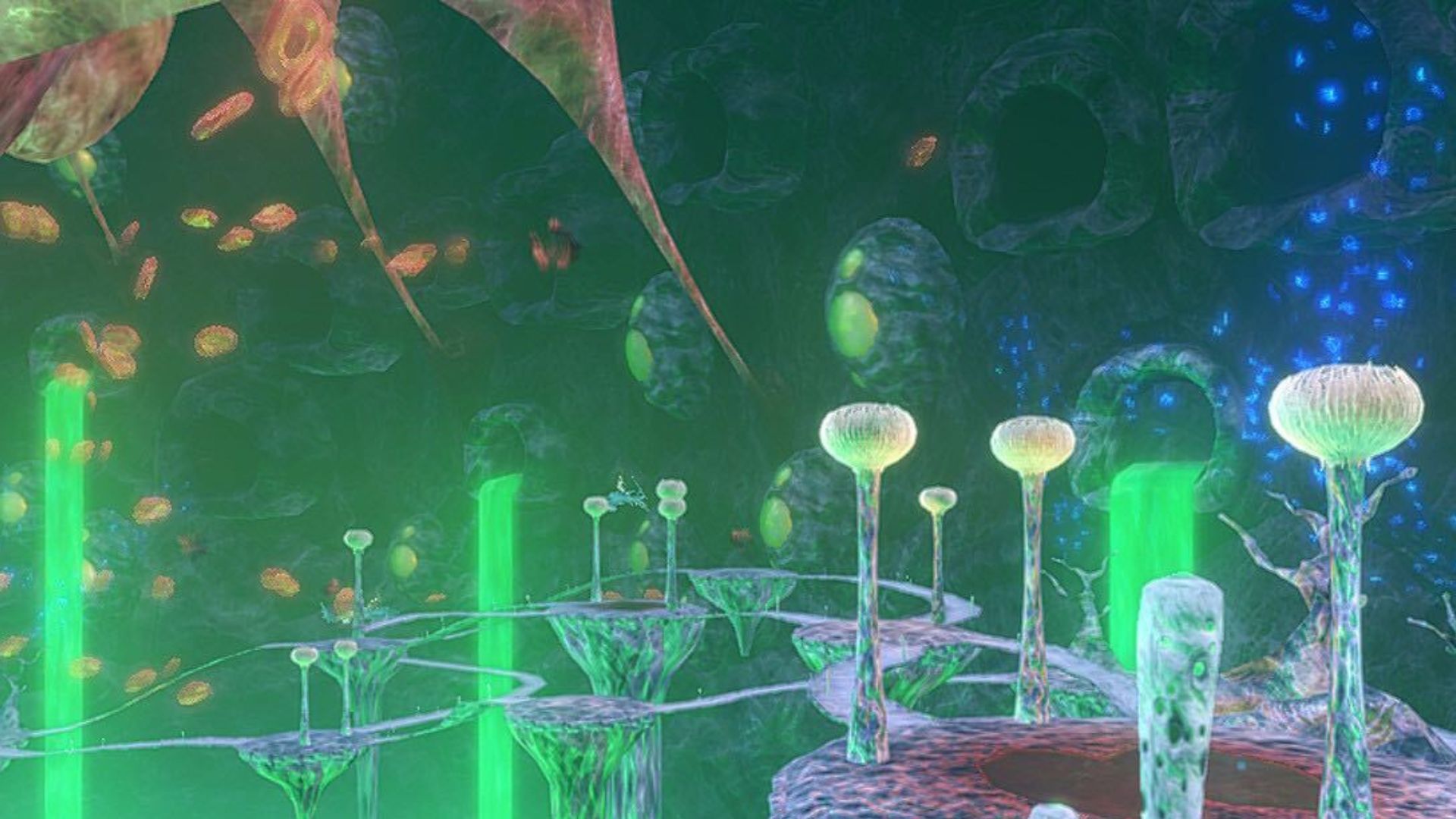
A screenshot from Xenoblade Chronicles showing glowing fungus-like plants in a cave, everything glowing strange colours.

The beauty of the music helps too, of course, but it also lines up with the series’ philosophy of bigness. How often does Assassin’s Creed just have a spiky guitar solo come in the middle of grand choral chants or driving strings? They should do it. It just makes everything more fun, especially when you’re going to be stuck there for dozens of hours.

Yasunori Mitsuda’s work on the Chrono series is legendary, and it brings a similarly hefty stamp to mark all the Xeno games, too. There isn’t any shyness in the loudness that Xenoblade brings, whether it’s aural or visual, which helps everything feel special. It may be some sort of style-over-substance mind trick, but it works on me.

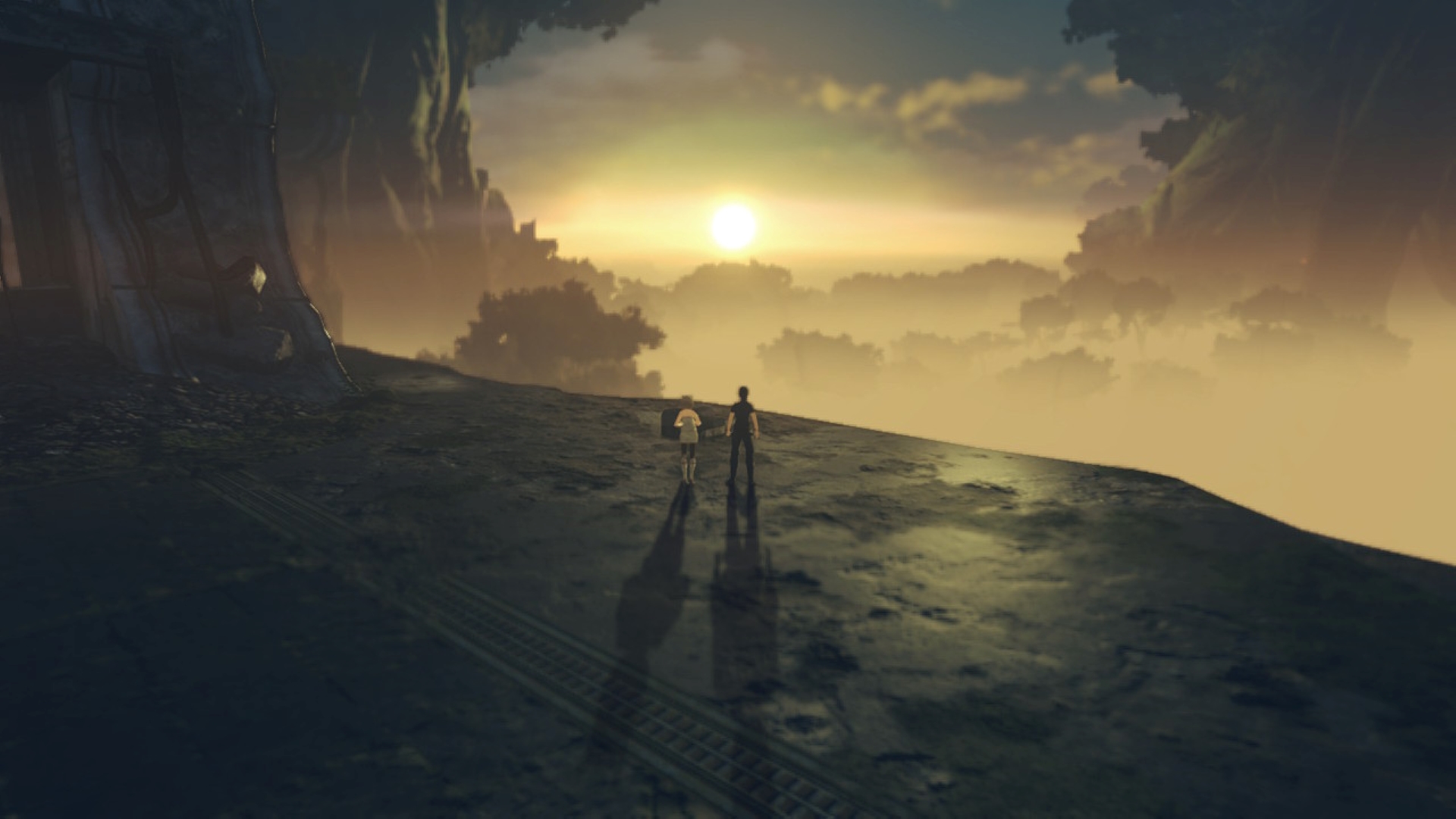
Noah, far away on a cliff edge, silhouetted by the setting sun, in a screenshot from Xenoblade Chronicles 3.

So, how does Xenoblade sidestep open-world fatigue? By being big, loud, and confident to create a world that makes the player feel insignificant and special at the same time. It doesn’t have the beauty of a Red Dead, nor the mathematical mind of a Breath of the Wild, but it has my heart in spite of that.

To see our thoughts on the latest entry, check out our Xenoblade Chronicles 3 review. For more, take a look at our Xenoblade Chronicles 3 characters, Xenoblade Chronicles 3 heroes, and Xenoblade Chronicles timeline guide for more.

Posted on Leave a comment

The best starter Pokémon – which will you pick?

It’s an age-old question for Pokémon fans, which are the best starter Pokémon? I’ve got a few standout memories from my childhood; riding a bike, holidays to Spain, pogs, and so much more, but few things stick in my mind as much as that difficult first decision that Pokémon forces you to make. Should it be Bulbasaur, Charmander, or Squirtle? And over the years, the question of which starter Pokémon to choose has only gotten harder.

In the never-ending quest to find the best starter Pokémon, additional generations only confuse matters further with even more adorable ‘mons to pick, though a few duds alleviate the anxiety somewhat. We’re on the brink of a new gen with Pokémon Scarlet and Violet and ready to decide all over again, so let’s settle this once and for all. Also, this is a guide to the first evolutions, so while we will touch on the final evolutions, it’s mostly about those cute starters you choose from right at the beginning of your journey.

We love all Pokémon here at Pocket tactics towers, so be sure to check out some of our other great guides to help you find some new virtual pets with our articles covering the best fish Pokémon, the best monkey Pokémon, the best cat Pokémon, the best dog Pokémon, and get ahead of the pack with our Pokémon Scarlet and Violet mystery gift codes.

Here’s our guide to the best starter Pokémon. In it, pick the best starter Pokémon from each gen with the odd nod to our runners-up.

Starter Pokémon

Starter Pokemon: a background image shows a screenshot from Pokemon Scarlet and Violet, while the foreground image shows key art of the Pokemon Squirtle

Squirtle

You heard me. Look, the first gen is really tough to choose from. I love Bulbasaur, Charmander, and Squirtle almost equally, as they each have a huge amount of charm and the full weight of 90s nostalgia behind them. As a kid, I picked Charmander, but when the time came to pick again in Pokémon FireRed and LeafGreen in 2004, I decided to choose my favourite little blue boy because, over the years, I’ve become endeared to the little turtle for so many reasons.

First up, Charmander and Charizard get way too much love. Yes, they’re awesome, but the games keep giving them so many different forms that you could be mistaken for assuming that they’re the franchise mascot (I mean, in a way, they are). But ever since the Squirtle squad invaded our screens in the anime, I’ve been convinced that Squirtle just has the most charm, and ultimately I think the better evolution. Nobody is a loser in this gen, but if I had to pick all over again, it’s gonna be Squirtle every time.

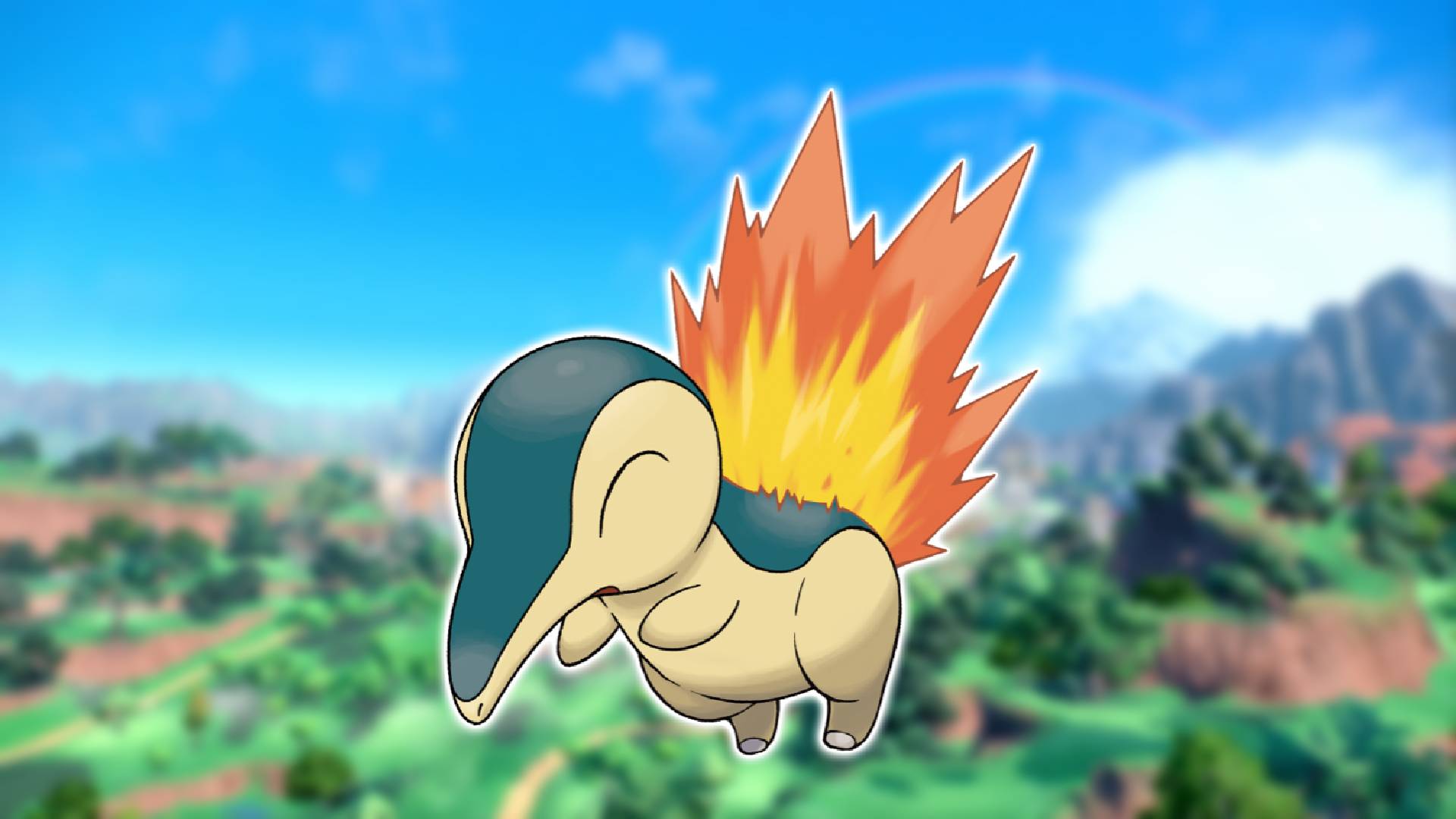
Starter Pokemon: a background image shows a screenshot from Pokemon Scarlet and Violet, while the foreground image shows key art of the Pokemon Cyndaquil

Cyndaquil

Just look at him. I have to say, I really struggled to pick between Totodile and Cyndaquil here, but the fire hedgehog…thing… just about pips the post as they’re just immeasurably adorable, and Typhlosion is by far the best evolution of the starters from Gold and Silver as well and is somehow made even better with the great new Hisuain form from Pokémon Legends: Arceus. Also, full disclosure, I think if I hadn’t picked Cyndaquil here, it may have cost me my job, as my editor Ruby loves to bully me about my love of Totodile.

Learn more of our favourites with our guide to the best fire Pokémon in Pokémon Go.

Starter Pokemon: a background image shows a screenshot from Pokemon Scarlet and Violet, while the foreground image shows key art of the Pokemon Torchic

Torchic

Sometimes Pokémon can be overdesigned, with too many appendages, stripes, or jarring additions that take away from the simplistic, animalistic designs of those original Ken Sugimori illustrations. Torchic is just a little chick that can shoot fire. What else do you need? Plus, fire-types are hard to come by in Pokémon Ruby and Sapphire, so at the very least, it provides somewhat of a tactical advantage in the early hours of the game.

Another great thing about Torchic is that it evolves into the awesome karate-chopping bird known as Blaziken, who somehow turns this tiny chick into a brick chick-house of a monster. It does begin a trend that I will come back to, that being bipedal and human-like final evolutions of starters that I think have mixed results. Blaziken gets away with it for being one of the first and still looking like an animal instead of a human in a fur suit.

Starter Pokemon: a background image shows a screenshot from Pokemon Scarlet and Violet, while the foreground image shows key art of the Pokemon Piplup

Piplup

Another really tough gen to choose from, Diamond and Pearl probably have the strongest line-up of starters outside of the original gen. Turtwig is the rare grass-type with something of a personality. Chimchar is just a joyous little bundle of fun, and Infernape is undoubtedly rad, but Piplup is the sassy penguin that holds my heart and it’s only grown in my estimations over the years. It’s a really solid design that conveys the arrogant and confident nature of the whole line, while still managing to be adorable.

Importantly, Empoleon also absolutely rules. Adding the steel-type to a starter Pokémon was a really neat touch at the time, and the look marries the Emperor Napoleon vibe it gets its name from, while also having a trident on its head and those awesome wing-swords for arms. Just an all-around fantastic line of water Pokémon, and one of the main reasons I keep going back to Pokken Tournament DX is just so I can slice up foes as my favourite sassy bird.

While we’re sending love to water types, be sure to read our guide to the best water Pokémon in Pokémon Go.

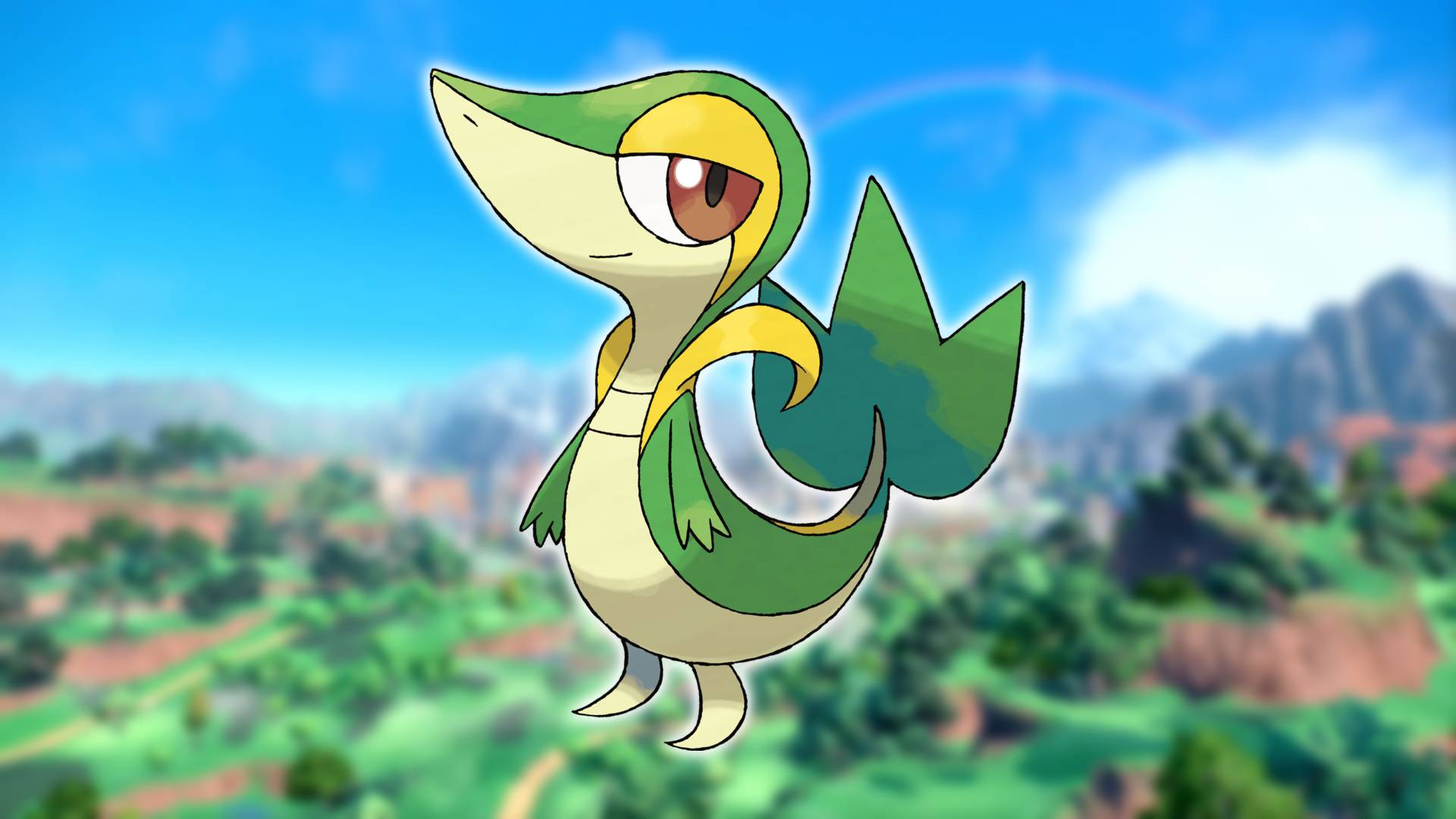
Starter Pokemon: a background image shows a screenshot from Pokemon Scarlet and Violet, while the foreground image shows key art of the Pokemon Snivy

Snivy

I’ve got a real soft spot for Pokémon Black and White, and especially Pokémon Black and White 2. Coming in at the tail end of an incredible run of Pokémon games on the Nintendo DS, Black and White took some big swings, not only offering the best-looking Pokémon games on the DS but also changing up the formula significantly. However, this gen drops the ball with starter Pokémon, other than my darling Snivy. Tepig and Oshawatt aren’t bad Pokémon, but I just don’t think they’re particularly interesting either, and the same goes for their evolutions.

Snivy stands out from the pack for one reason that I think is very important for starter Pokémon. Its design conveys its attitude and tells you everything you need to know. There was a brief period before the launch of Black and White where we knew the designs of the starters but not the names, and the community affectionately decided to give Snivy the inspired name Smugleaf. It stuck so much that I named my actual Snivy that on my first playthrough, and it’s always been one of my favourites ever since.

For even more grassy pals, read our guide to the best grass Pokémon in Pokémon Go.

Starter Pokemon: a background image shows a screenshot from Pokemon Scarlet and Violet, while the foreground image shows key art of the Pokemon Froakie

Froakie

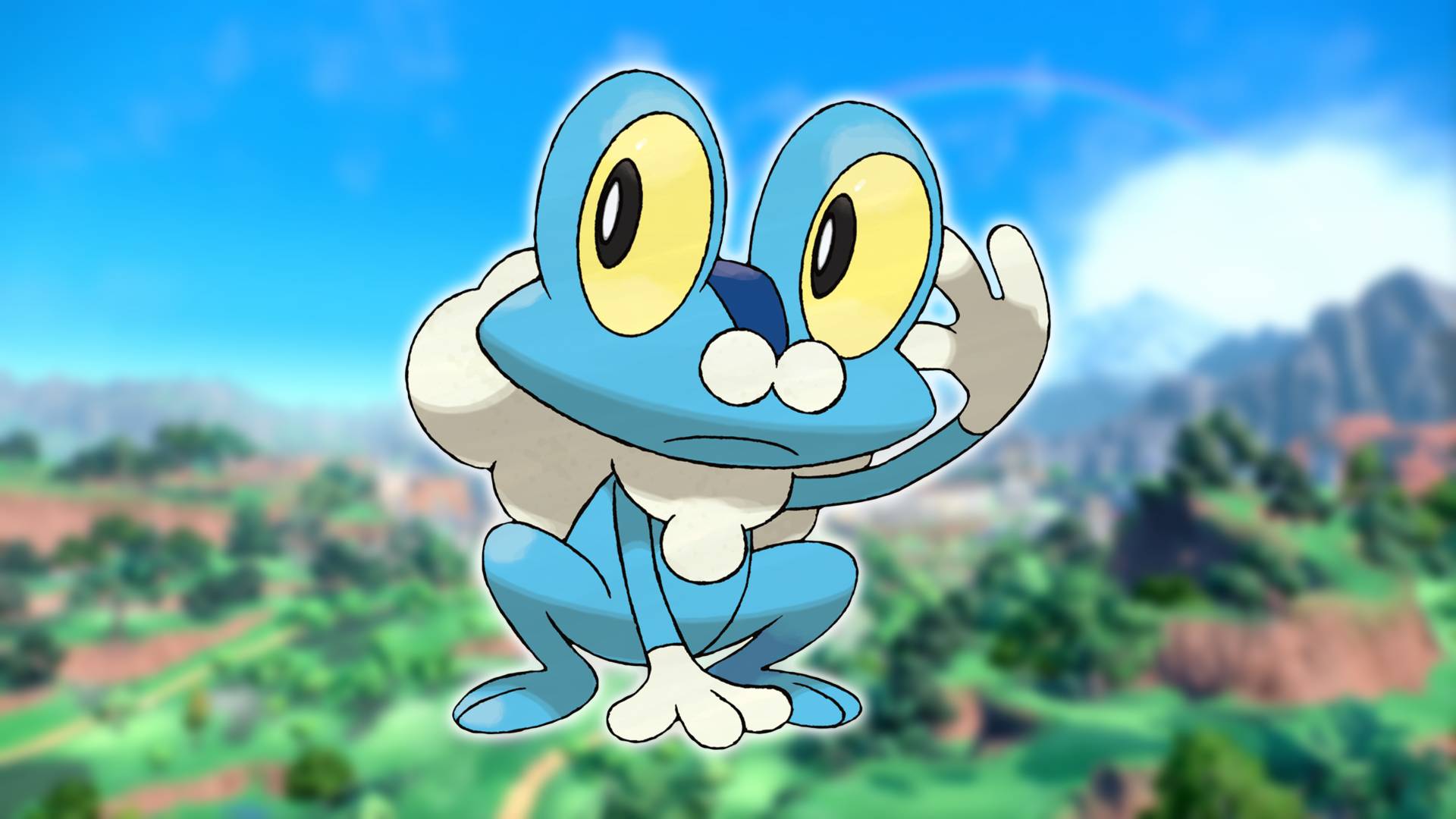
Sadly another mediocre generation in my opinion, Pokémon X and Y seemed poised to actually shake up the Pokémon series with the addition of Mega Evolutions and the move to a true 3D graphical style, but the actual games are sadly bland and derivative, with a woeful post-game offering to boot. Another reason they’re so forgettable is because of the lacklustre offerings of starter Pokémon, though I can say that Froakie is the clear standout here.

We already have a fair few frog Pokémon, but Froakie is well designed and immediately loveable, thanks in large part to those massive adorable eyes. I often like to go into new Pokémon games as blind as I can to new Pokémon, including the starters evolutions, and let me tell you, I felt like I’d won the lottery when my cute froggy boy evolved into the fearsome Greninja, especially when I saw the dull design of Delphox and the bizarre Chesnaught. A generation I’m not eager to revisit anytime soon, but at least it gave me my beloved Froakie.

Starter Pokemon: a background image shows a screenshot from Pokemon Scarlet and Violet, while the foreground image shows key art of the Pokemon Rowlet

Rowlet

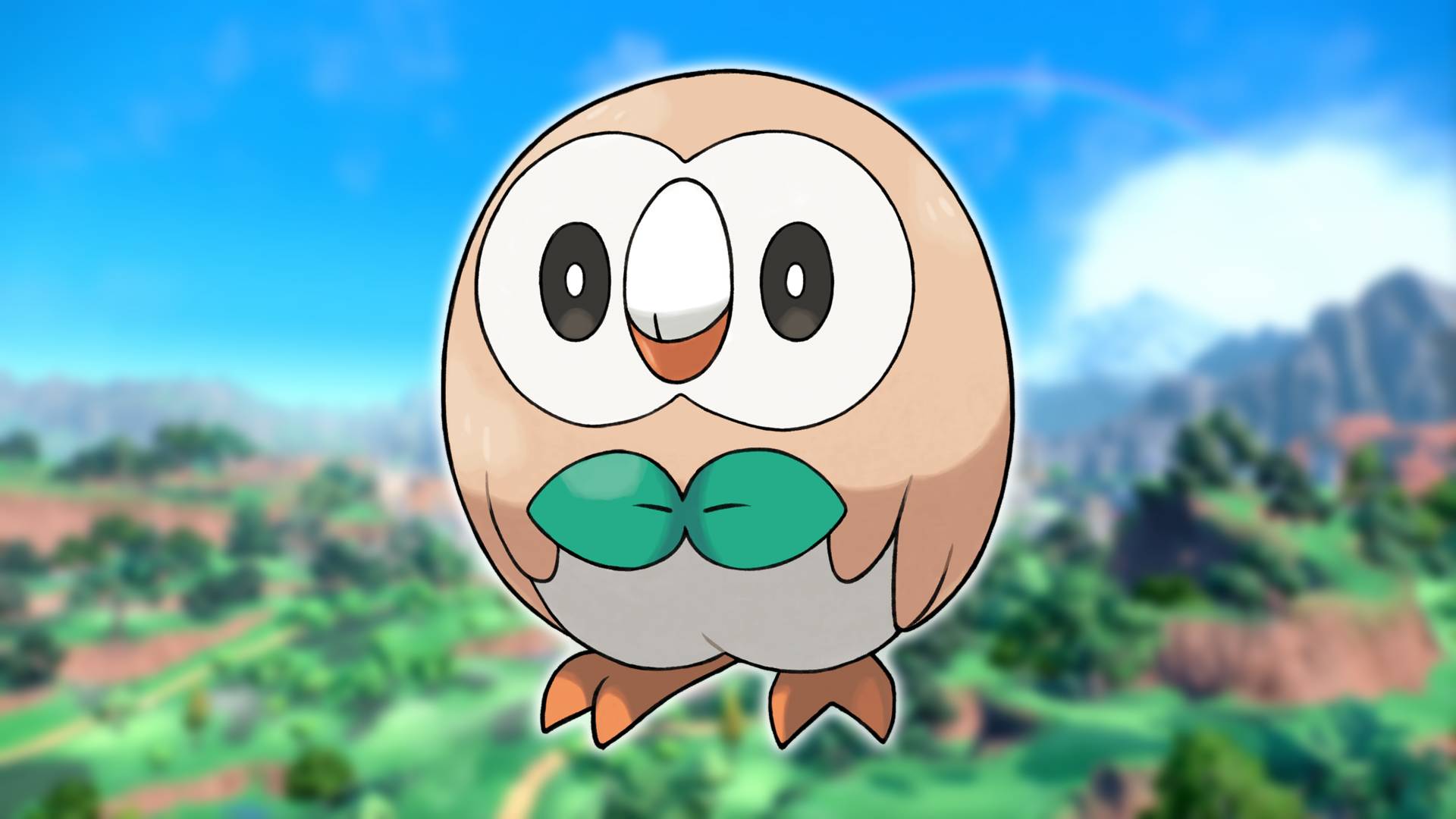
Here we go, now we’re back on form. Sun and Moon are a far cry from the offerings of X and Y, not least because the shift to a region based on Hawaii gives us a good bit of distance from the last games and a chance to flex the creative muscles of Game Freak with the new regional forms of Pokémon. This line-up of starters is also absolutely stellar, with Litten being a very near second in this list, with Popplio not far behind that (sorry Popplio, but you’re just not cute enough, and I really don’t like Primarina either).

The clear winner though is everyone’s favourite owl and the mon’ that sold a million plushies, Rowlet. It’s a simple design and yet one that conveys a lot of charm. It even has a little bowtie made out of leaves. Let’s not forget the awesome Decidueye as well, the archer-owl Pokémon who gains the ghost-type, in a very interesting twist to the starter Pokémon meta. Rowlet just fits in perfectly with the vibes of Pokémon Sun and Moon, and stands out in a generation with a lot of great monsters.

Starter Pokemon: a background image shows a screenshot from Pokemon Scarlet and Violet, while the foreground image shows key art of the Pokemon Scorbunny

Scorbunny

Oh no, we’ve gone back down again. After such a solid generation, while Pokémon Sword and Shield offers some absolutely outstanding new monsters to catch, the starters aren’t among that crowd. When I picked up Sword and Shield back in the halcyon days of 2019, I went straight for Sobble, the adorable little anxious lizard with that face of earnest wonder and worry that I just adore. But not since the cancellation of The Santa Clarita Diet have I felt so betrayed, as Sobble grows up into the gangly and unsightly Intellion. While clearly meant to be based on the spies from British culture, it just looks so thin and weirdly human, leaving me devastated with my choice.

Luckily, there is another Pokémon here to pick up the slack. Not you Grookey. You’re also awful (and Rillaboom, just a sad state of affairs that one). Scorbunny is an energetic homage to the football-loving youth of Britain, and the idea of a little rabbit who can kick fireballs is actually pretty great. And while, for some reason, every single starter Pokémon from Sword and Shield becomes bipedal and anthropomorphic (please, Game Freak, I’m begging you to make Pokémon animals again), Cinderace is the best of the bunch and keeps a lot of the charm that made Scorbunyn so appealing to begin with.

Starter Pokemon: a background image shows a screenshot from Pokemon Scarlet and Violet, while the foreground image shows key art of the Pokemon Fuecoco

Fuecoco

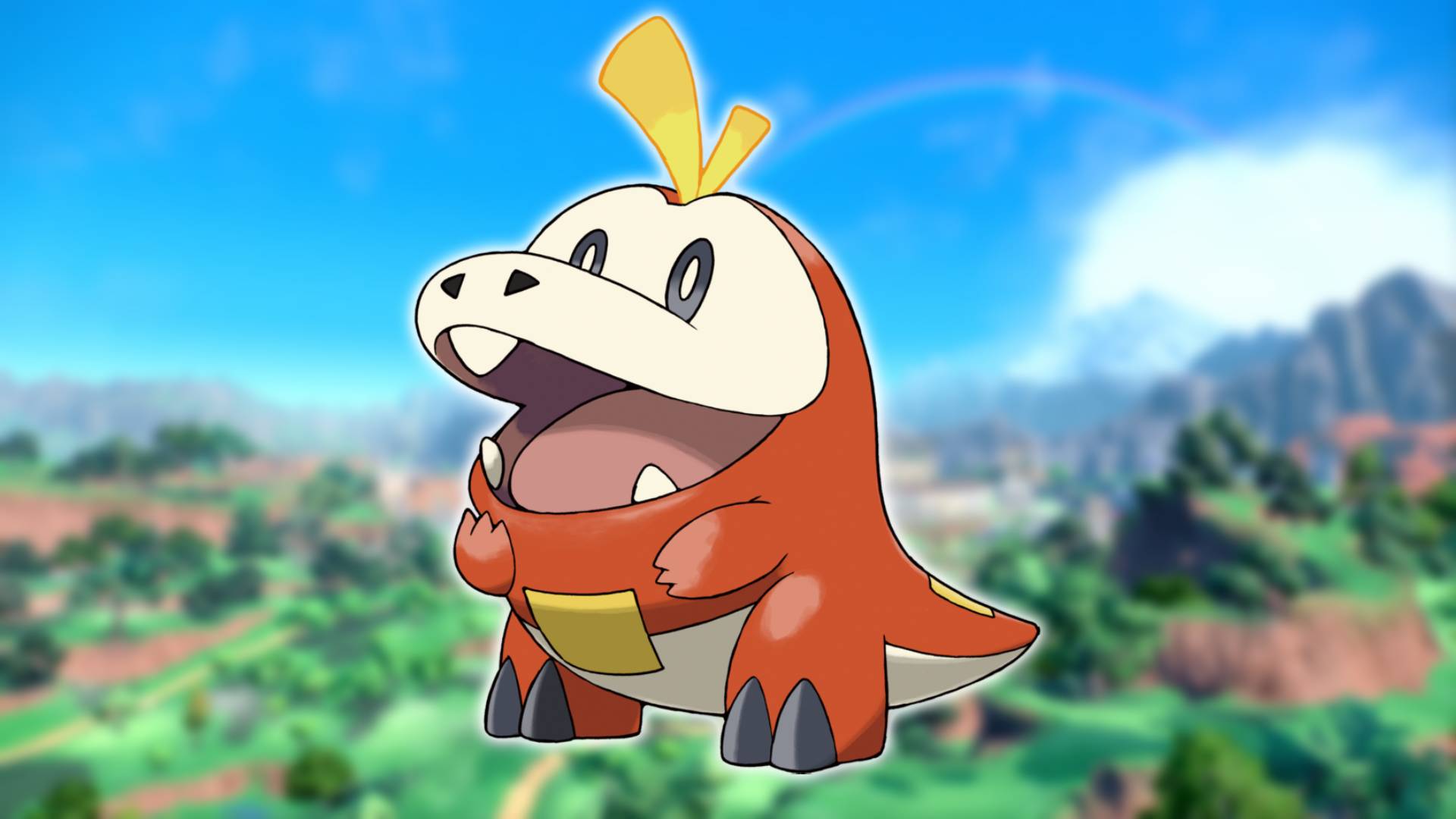
Now, this is a tough choice. First up, I absolutely adore Sprigatito. Even its name is fun to say! The gorgeous little grass cat has got a cosy place deep in my heart, but I’m very nervous about what it’s going to evolve into. For some reason, I can just see another Inceneroar, where a cat previously on all fours starts walking around like a 40-year-old man at a My Little Pony convention. But I have hope for Fuecoco, and I still think he’s the best of the bunch.

A hungry little crocodile crossed with a chilli pepper, the fire-type Fuecoco also manages to look like the dragons from Bubble Bobble, and gets an extra couple of points just for that. Time will tell if I regret my pick in a few months when I evolve him into some bipedal monstrosity of a man-crocodile with human features, but for now, I live in hope that this cute lizard stays somewhat of a quadruped, or at least keep the animal characteristics that I love in a good starter Pokémon. You might notice I haven’t mentioned Quaxly, and that’s because other than looking startlingly like Josuke Higashikata (one of the best Jojo protagonists), I just don’t have a lot of good things to say about it.

The worst starter Pokémon

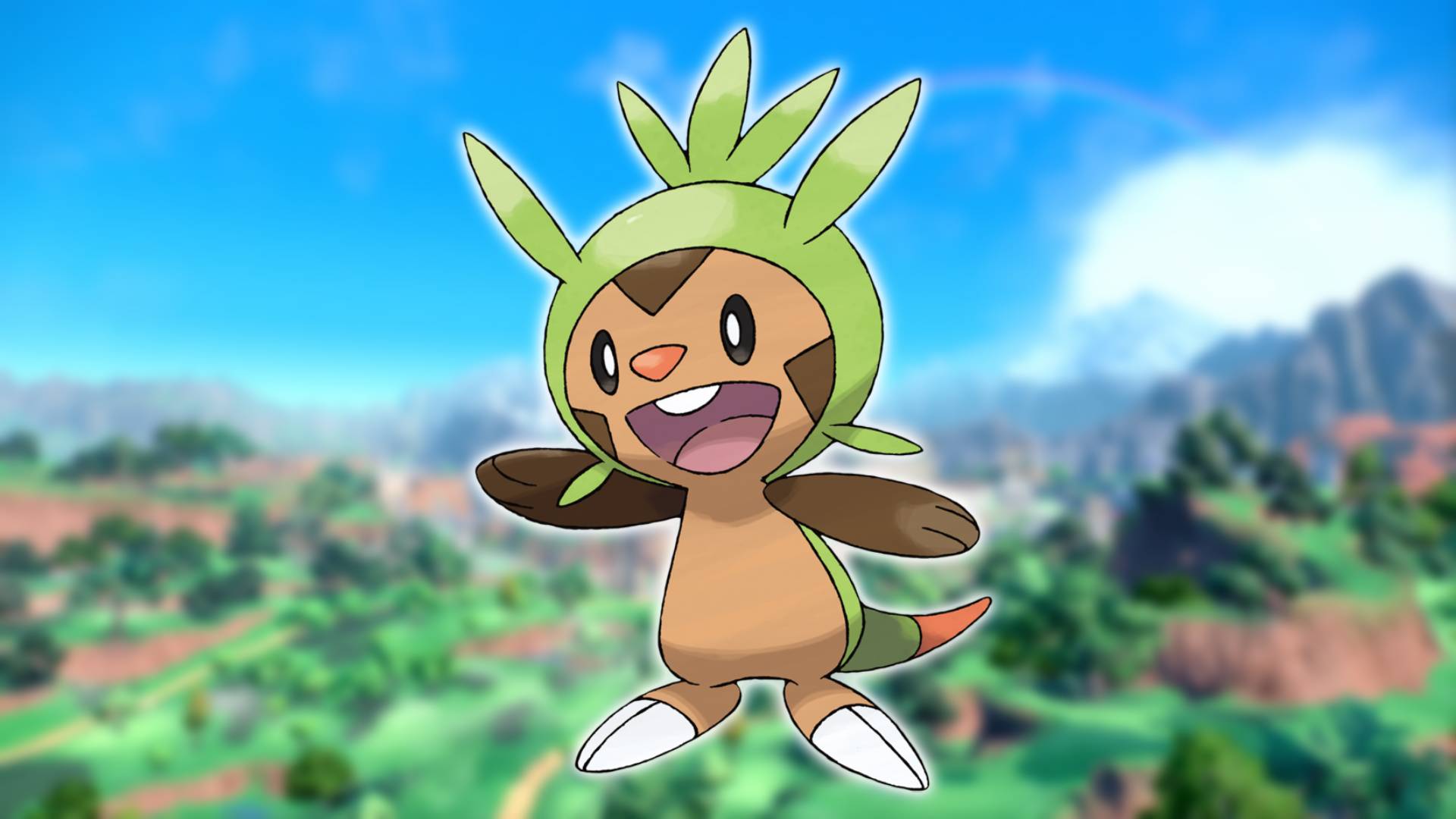
Starter Pokemon: a background image shows a screenshot from Pokemon Scarlet and Violet, while the foreground image shows key art of the Pokemon Chespin

Every Pokémon is beautiful in the eyes of Arceus, but we have to admit that some of them are just a tad more beautiful than others. Some starter Pokémon suffer from the worst crime of all, just being a bit boring. I’m not going to dig into a load of them here, but I’m going to pick out some of the worst offenders and explain why I think they belong in the starter Pokémon bin.

Chikorita, what are you? A blob with a leaf on your head? I’ve seen more life in a bean bag, and your evolutions do little to resolve this issue either. Chespin, you just look stupid. What’s with the little hat? You look ridiculous, and I can’t believe you somehow look even more stupid when you evolve into Chesnaught. Fennekin is also just a solid “meh” from me. Very little interesting about you, and I can’t stand your evolutions for the many bipedal reasons I mention above. Finally, Grookey. Oh, Grookey. The idea of a little monkey banging a stick like a drum should be adorable, but Grookey doesn’t do the work in terms of actually being cute, and the less said about Rillaboom, the better.

Well, that’s it Pokémon trainers! I’m sure you’ve got very strong feelings about our list, so if you disagree please be sure to email any of the other staff at Pocket Tactics to make a new list because I don’t care and won’t be changing my list. If you’re somehow not frothing with hatred at my picks, why not check out even more of our writing by reading our guide to the Pokémon Scarlet and Violet new Pokémon, as we get ready to be enamoured by a whole new generation of monsters.

Posted on Leave a comment

Awaken: Chaos Era tier list and reroll guide

If you’re a fan of RPGs and also happen to enjoy mobile games, there’s a good chance you’ll like Awaken: Chaos Era. It whisks you away to a fantasy world, where a battle between light and darkness rages on. Well, it’s time to enter the fray yourself, and be the hero this land desperately needs. Of course, ending a war is a big task and may seem impossible to achieve alone, but, fortunately, you don’t need to.

The game is full of heroes that are ready to make a stand, and we’ve taken it upon ourselves to rank them in our Awaken: Chaos Era tier list. Some of these heroes could be a one-person army, while others have you waving the white flag of surrender before you can say ‘charge’. We also have an Awaken: Chaos Era reroll guide just in case you don’t immediately pull the character you’re after.

We also have a Seven Knights 2 tier list, Revived Witch tier list, League of Legends: Wild Rift tier list, League of Pantheons tier list, Ragnarok: The Lost Memories tier list, and Valor Legends tier list if you’re after similar content. You might also be interested in our list of the best mobile RPGs. There are many adventures out there, some of which take you to weird and wonderful places.

Without further ado, here’s our Awaken: Chaos Era tier list.

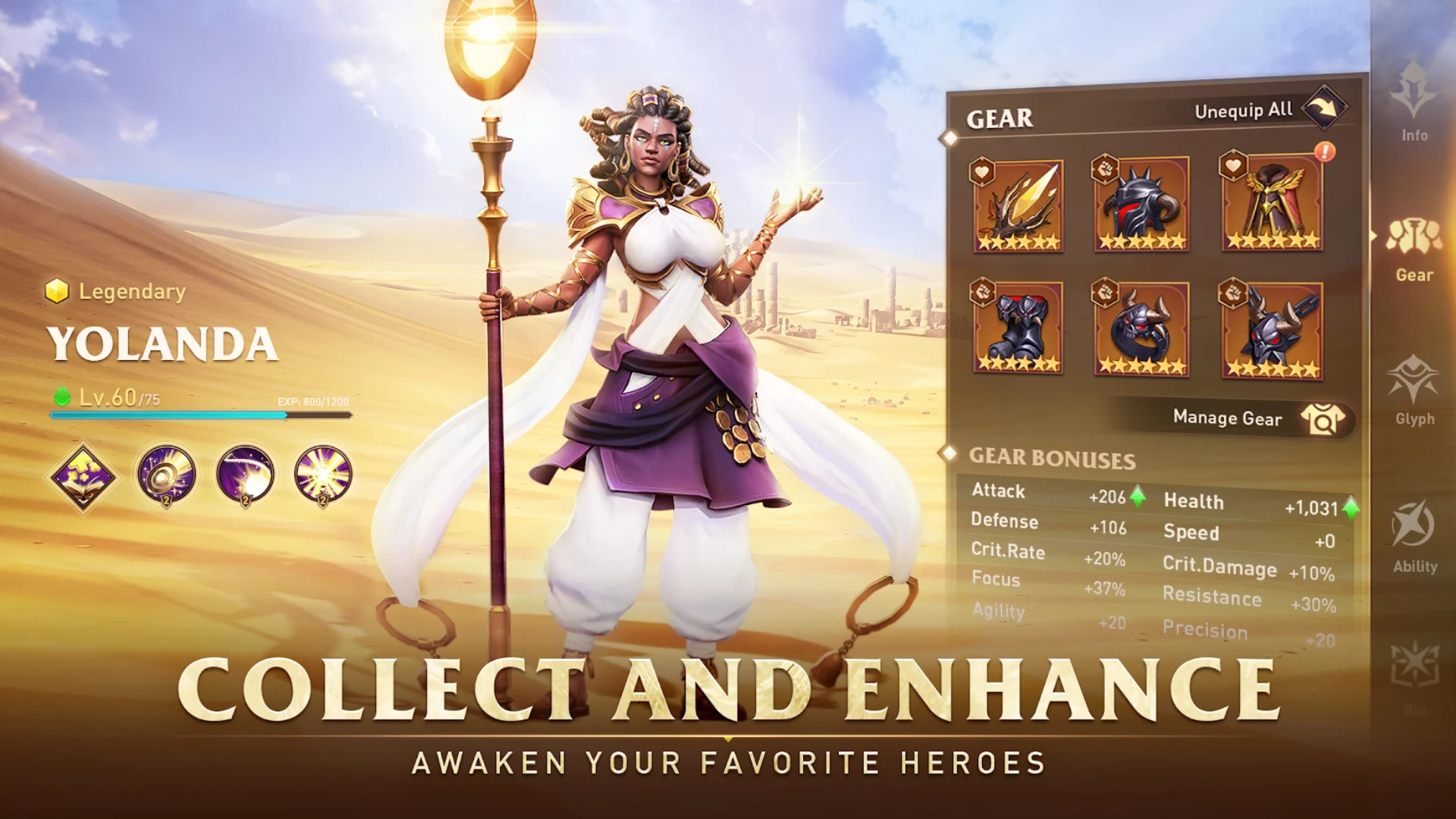
Awaken: chaos Era Yolanda

Awaken: Chaos Era tier list

Rank Awaken: Chaos Era tier list
S Abbadon, Zatlux, Tia, William, Connor
A Gangelo, Corrupt Orakh, Mulhex, Windstrex, Hakrin, Siress, Joseph, Shadowblood, Valeria, Zachary, Ciara, Santis, Evelyn, Helmar, Hydrissea
B Balberith, Imogenn, Gubeg, Evelyn Firstdawn, Darkened Nicklaus, Ediciris, Myla, Savannah, Antigua, Andre, Vance, Scarlett, Earendil, Rogge, Celine, Freya, Crazed Urzag, Hugh, Valuk, Lydia, Mognar, Scarlett, Melizza, Rickard
C Kyle, Lunar Melizza, Vught, Jacob, Lightwing Zachary, Barack, Ravyn, Agzul, Yolanda, Ztlin, Virgil, Hulens
D Rourke, Kane, Muudos, Tuzago, Anna, Cece, Kaluk, Maluk, Dulov, Ghajar, Vidar, Rujago
E Harbeg

How do I perform an Awaken: Chaos Era reroll?

Performing an Awaken: Chaos Era reroll is relatively easy. Just follow these steps, and you’ll have the hero you want in no time:

  • Fire up Awaken: Chaos Era
  • Begin the game with a guest account
  • Go through the tutorial
  • Hit the settings button from the menu at the top of the screen
  • In the account tab, select redemption code
  • Enter Hello100 to receive 100 summon scrolls
  • Claim the items from your mailbox
  • Roll for the characters
  • Repeat the process until you get the characters you want

Once you’re happy with your characters, you can bind the account to your email address by visiting the account tab in the settings menu.

There you have it, our Awaken: Chaos Era tier list and Awaken: Chaos Era reroll guide. If you need a break from adventuring, we have a list of the best mobile puzzle games for you to try.