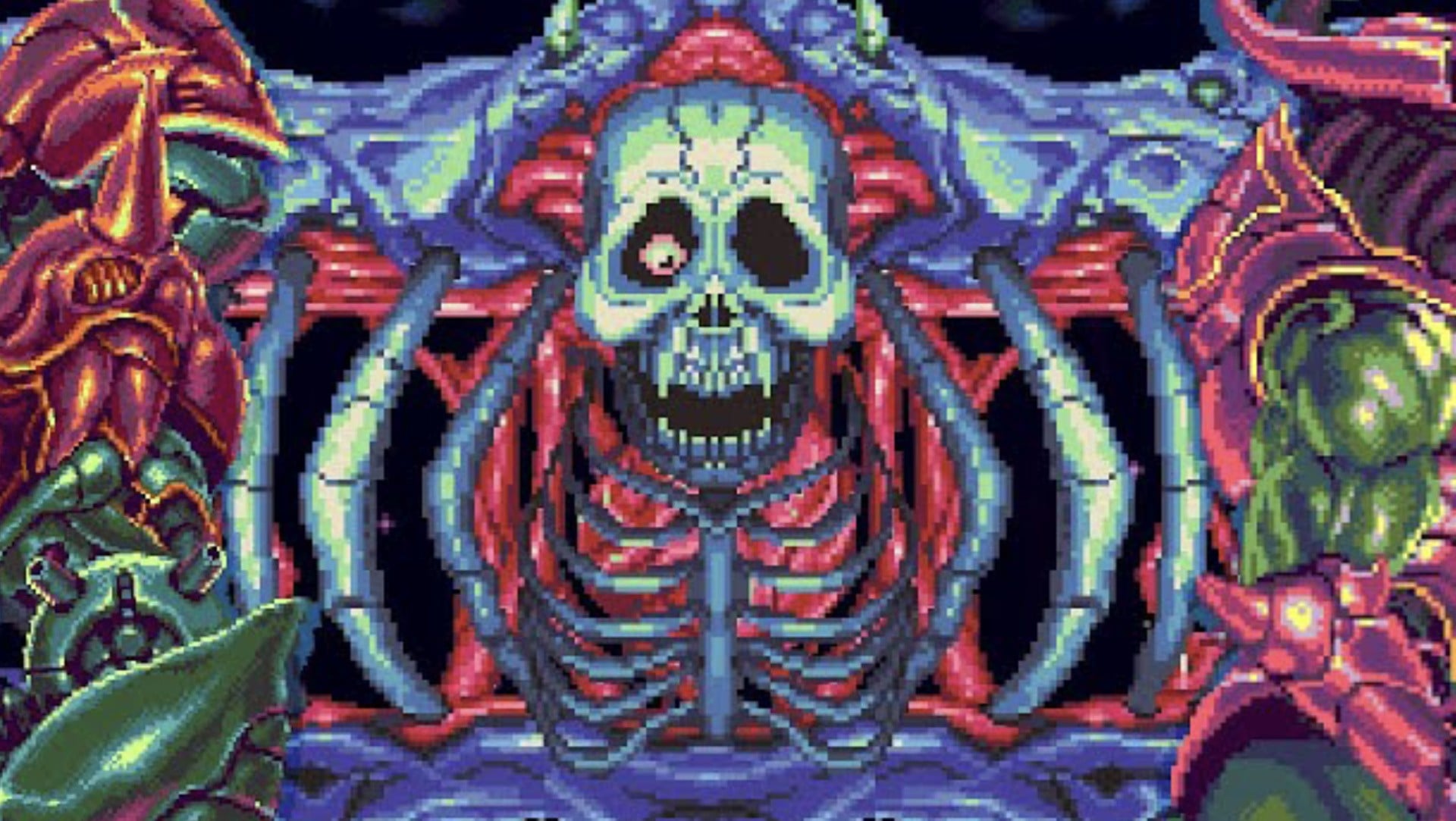
Publisher Mega Cat Studios has confirmed that the lovely-looking retro shmup ZPF will launch on the Switch eShop next month on 16th April 2026.
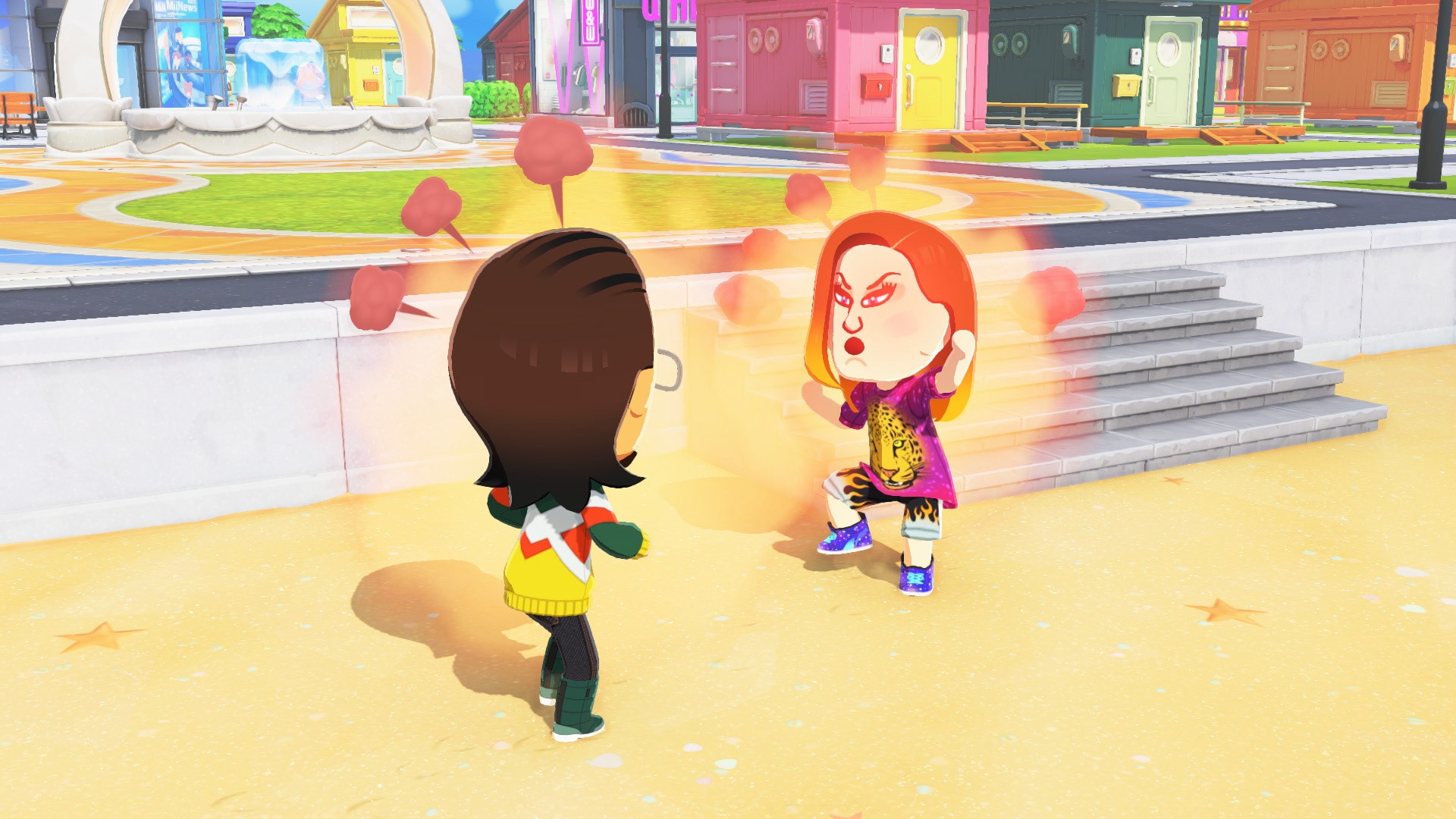
Yes, it’s going head-to-head with Tomodachi Life: Living the Dream, though we suspect there won’t be too much crossover with the games’ audiences. ZPF is already available as a brand-new release for the Sega Mega Drive, with Mega Cat promising a Switch release at a later date. It’s nearly here!
It looks awesome, too. The colours and sprite work is lovely, and with it being playable on proper Mega Drive hardware, there’s a sense that the authenticity of this one is going to be spot on. Curiously, however, according to the Kickstarter update, it seems developer ZPF Team had to make a few minor changes to the game’s presentation to get it published on modern consoles.
Here’s a look at the key features:
– Go head-to-head against hordes of screen-filling bosses – Test your skills with a rewarding scoring system that encourages bold play – Battle through 6+ levels of surreal sci-fi, horror, and fantasy landscapes – Master three unique characters, each with their own play style – Experience a high-energy chiptune soundtrack that amplifies the action
What do you make of this one? Will you be picking it up? Head down to the comments section and let us know.
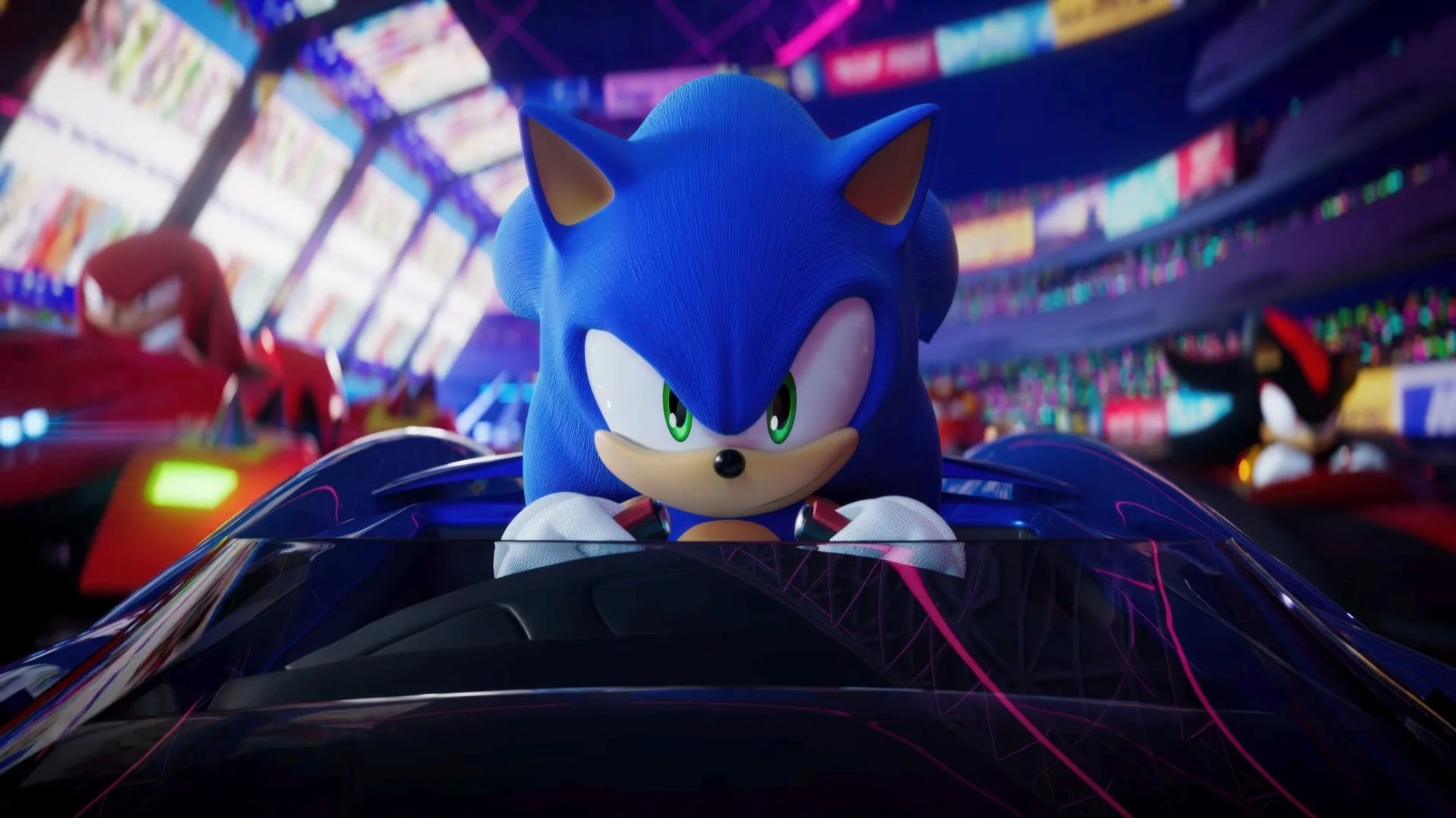
If you’ve been holding out for the physical edition of Sonic Racing: CrossWorlds for the Switch 2, then chances are you’ve already had a visit from the postman today, as it’s out now.
Yes, it took a little longer than we might have expected, but the physical release is here, and best of all, it’s not a Game-Key Card. Your tolerance of GKCs may vary, but we’re going to bet that there won’t be a single one of you disappointed to hear that the full base game for CrossWorlds is available on the cartridge.
Originally released on 25th September 2025 for the Switch and 4th December for the Switch 2 eShop, CrossWorlds unfortunately didn’t meet Sega’s sales expectations upon launch, despite some strong reviews. Indeed, with the graphical upgrades on Switch 2 along with 60fps gameplay, we thought the game was rather excellent and awarded it a score of 8/10.
It’s since been updated periodically with new characters and tracks, most recently adding in Mega Man along with the Wily Castle course, Rush Roadstar vehicle, and more.
Will you be picking up CrossWorlds physically on the Switch 2? Let us know your thoughts with a comment down below.
Virtua Fighter isn’t a series you’d generally associate with Nintendo systems, and that’s probably because the closest we’ve had to an entry is Virtua Quest, a GameCube spin-off from 2004 (though we also had a Virtual Console release of Virtua Fighter 2 back in the Wii era).
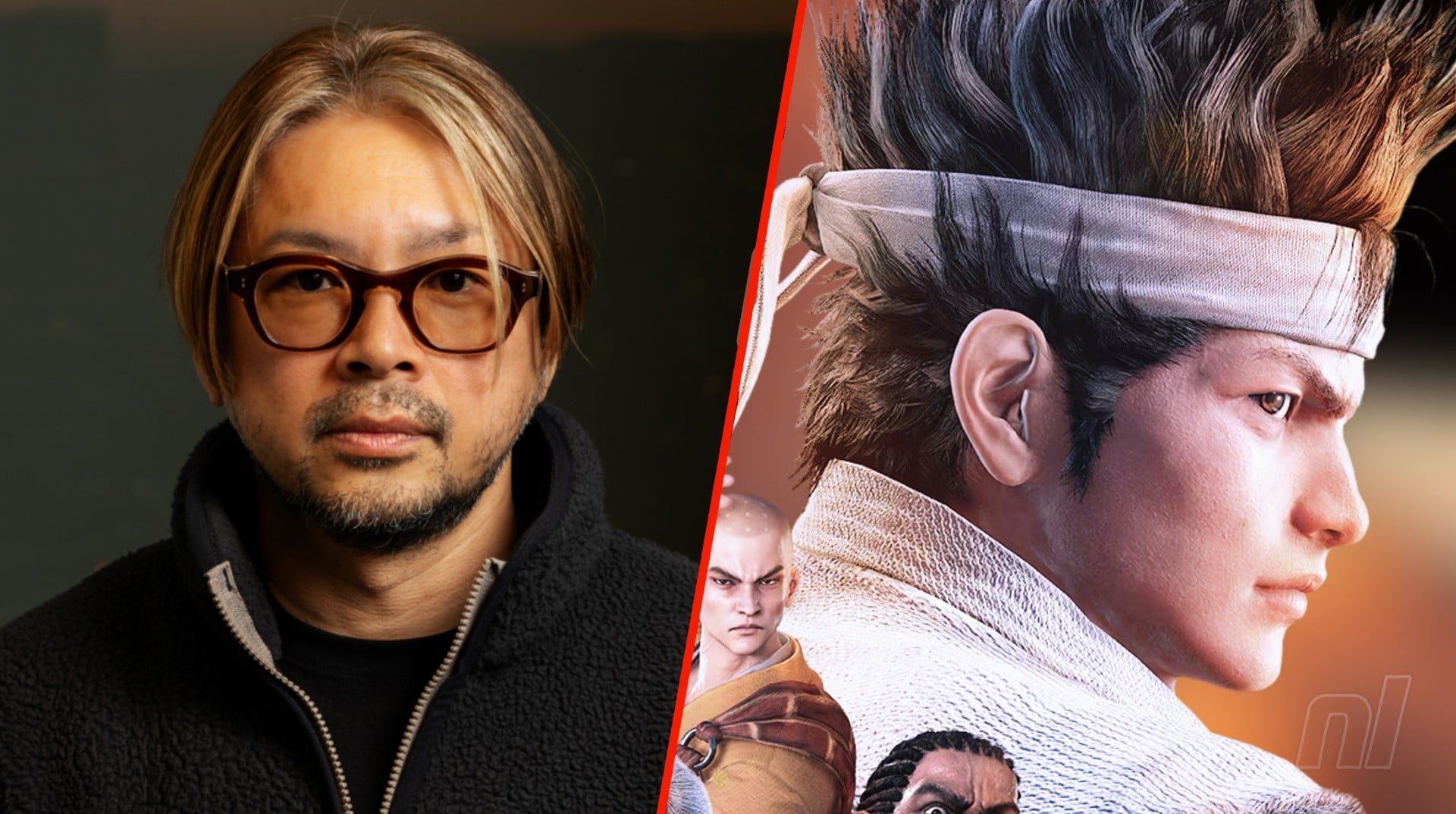
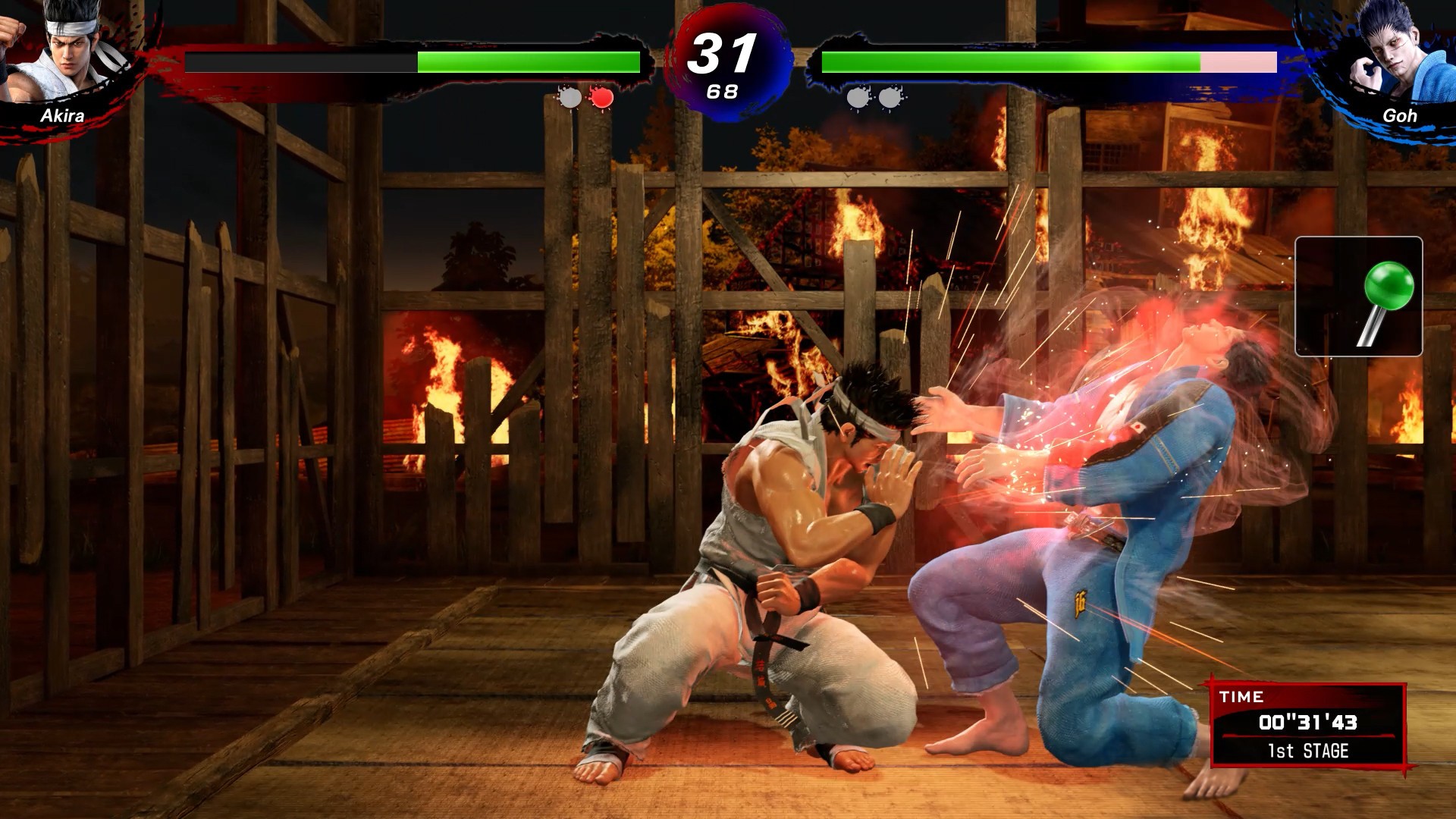
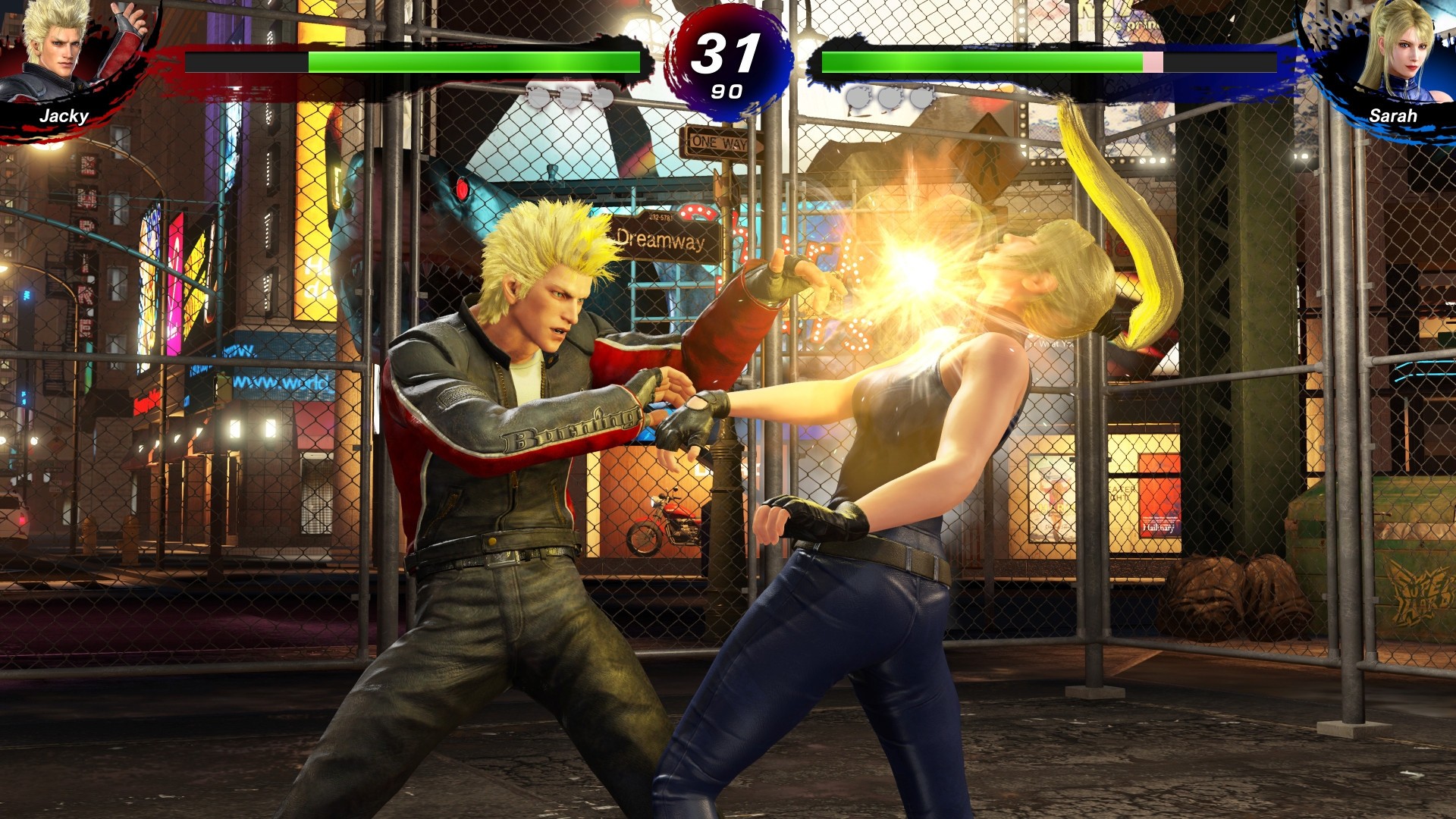
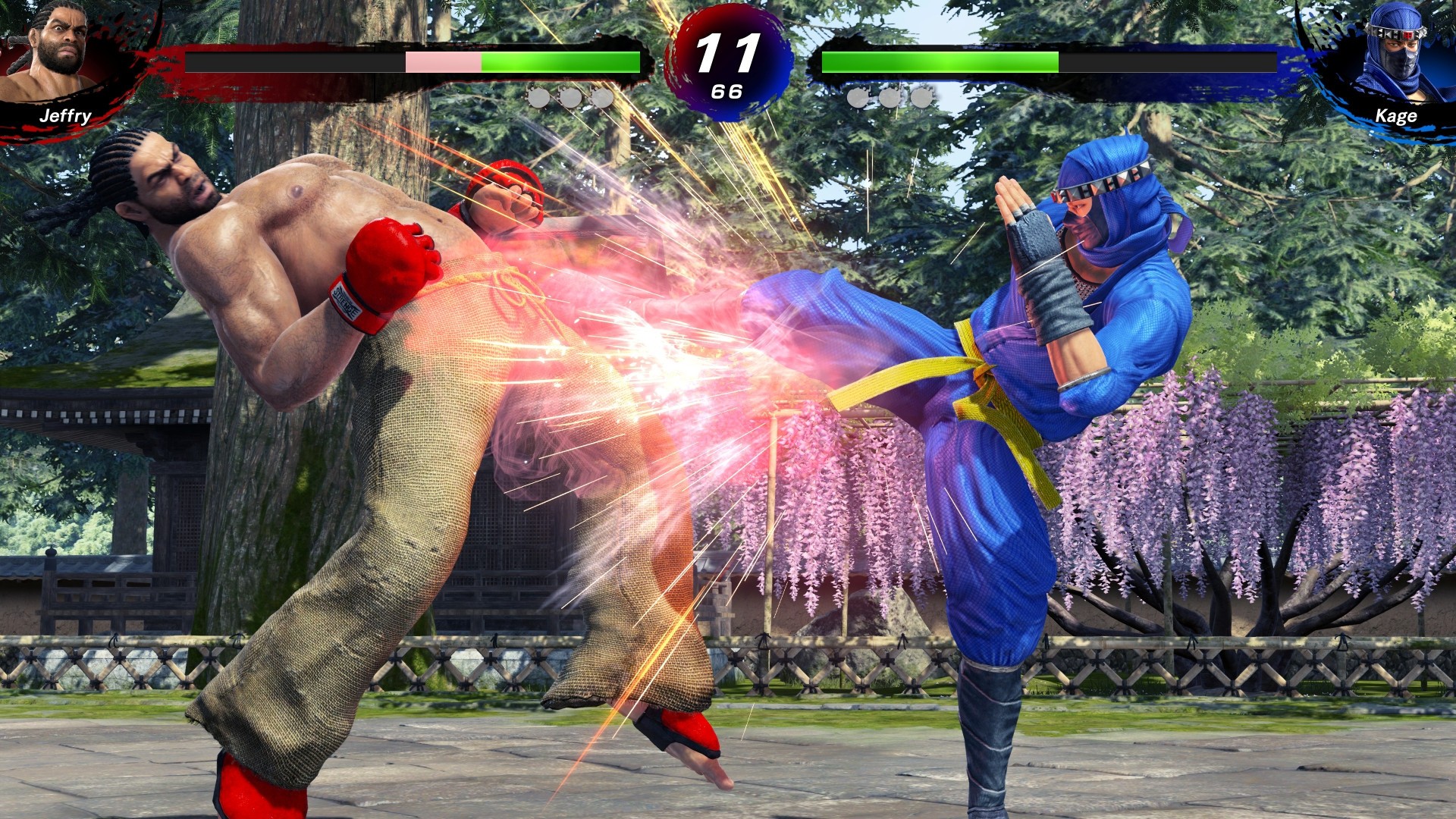
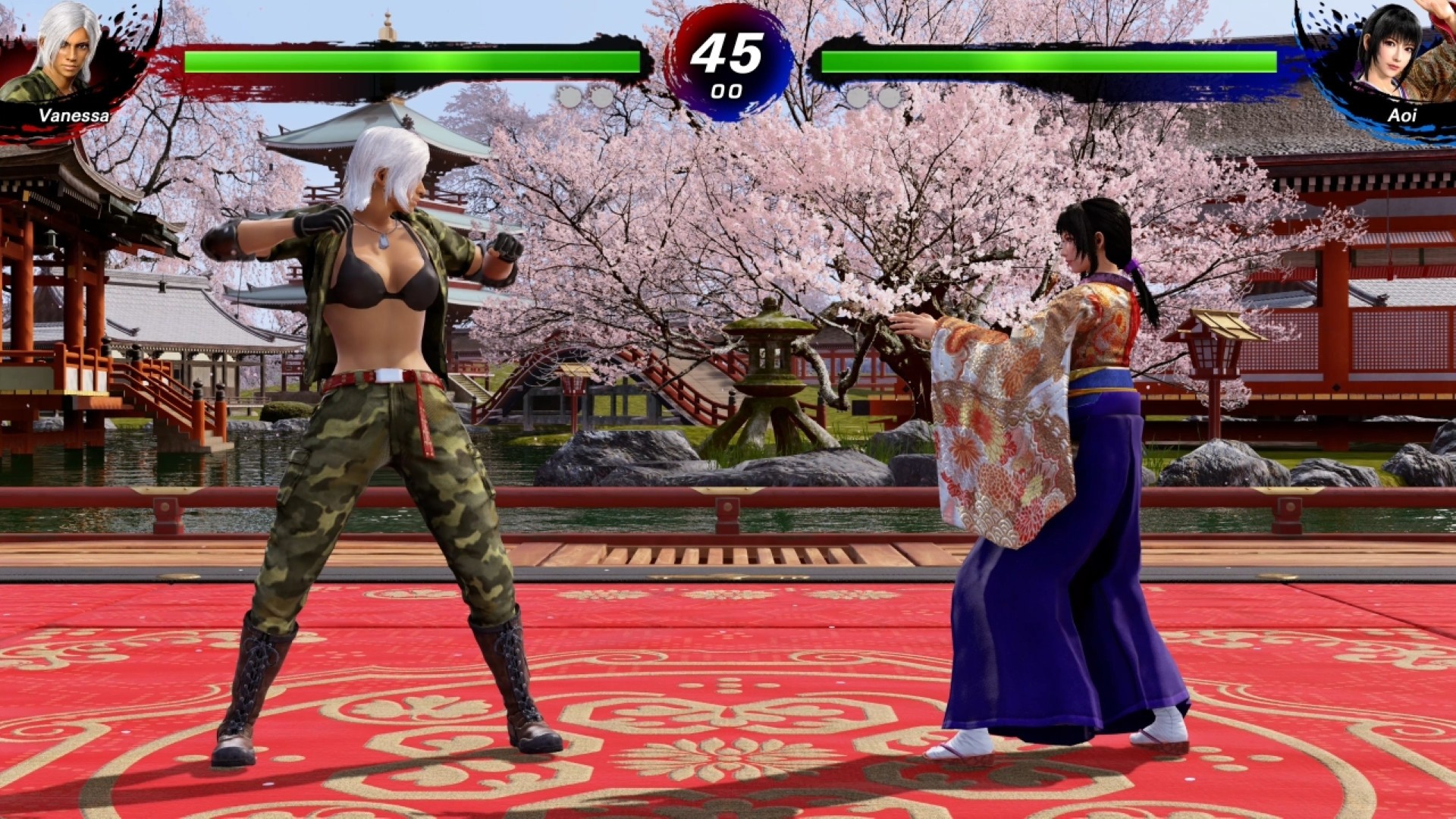
But now, fight fans can finally look forward to the real deal with Virtua Fighter 5 R.E.V.O. World Stage on Switch 2, a proper entry that takes full advantage of the hardware, offering up cross-play compatibility, rollback netcode, and a story mode for solo players.
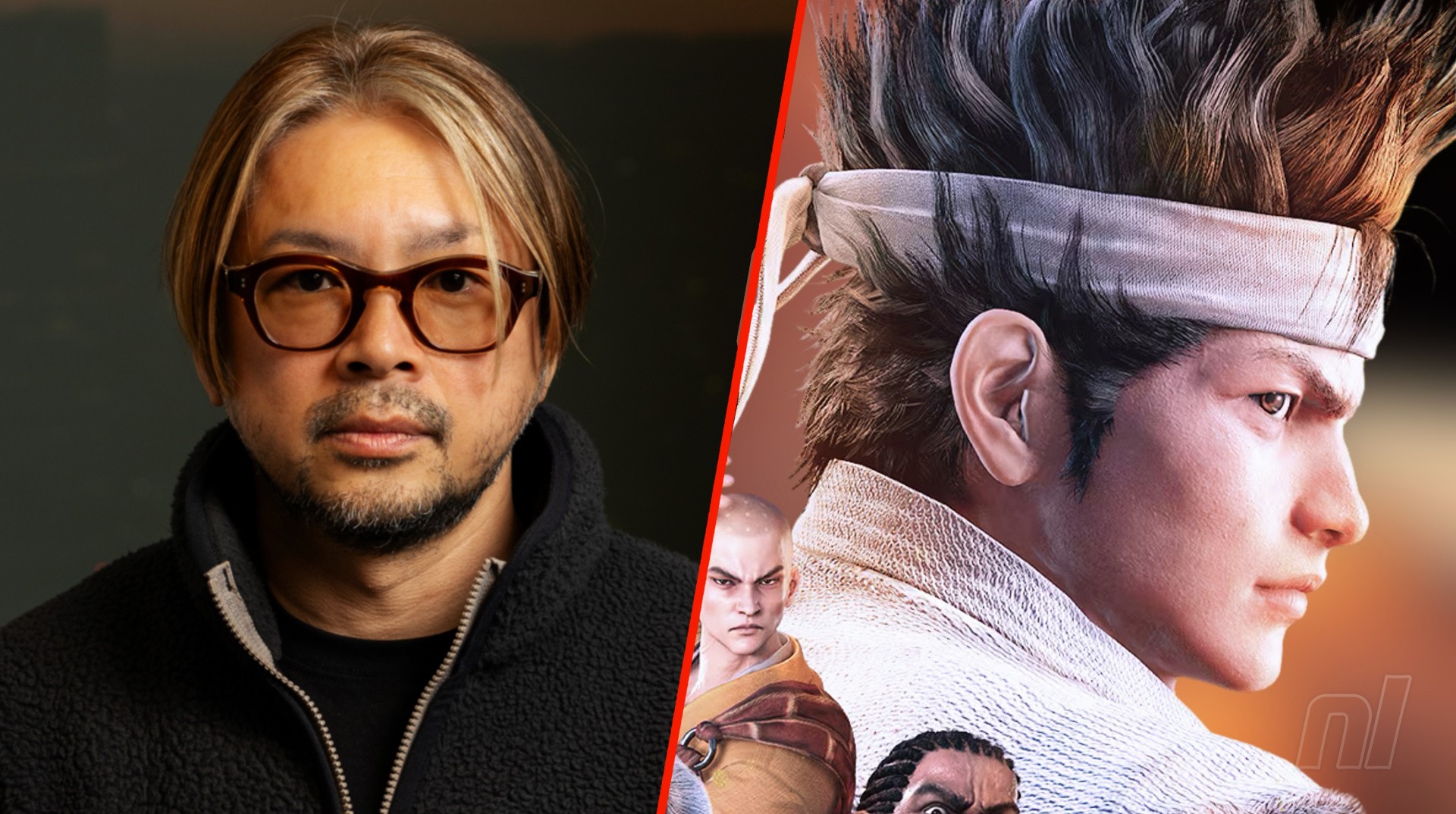
We recently spoke with producer Seiji Aoki to find out more about this significant release. We touch on the requirements needed to port the game to Switch 2, how Aoki-san personally marks the release of a new game, and how World Stage might shape the future of the franchise.
Nintendo Life: First of all, can you describe what Virtua Fighter 5 R.E.V.O World Stage is for those who might be unfamiliar?
Seiji Aoki: Virtua Fighter is one of SEGA’s most important IPs and considered to be a groundbreaking title that has led the fighting game scene as the originator of 3D fighters. That’s why, in order to ensure players around the world can enjoy smooth online matches, this new game features rollback netcode and crossplay support, and is offered on platforms that make it easier for more players to pick up and play.
Another key appeal of Virtua Fighter is that, while it stands as the pioneer of 3D fighting games, it remains arguably one of the most innovative titles in the genre. The series is often perceived as difficult, but this game features a simple three‑button control scheme and realistic full‑contact combat without projectiles or flashy effects, achieving gameplay that is simple to learn yet deeply rewarding. Its greatest appeal lies in the competitive matches that demand advanced mind games. Because the game has such strong competitive qualities, a wide variety of playstyles naturally emerge, which has become one of its defining strengths and a major reason it has been supported by fans for so many years.
Image: SEGA
How was the team’s experience in developing this game using the Dragon Engine? Were there any unique challenges?
So this game is developed by RGG Studio. Our team has a deep understanding of the Dragon Engine and plenty of technical know‑how, so the development itself went smoothly. Now, when it comes to this Nintendo Switch 2 version, Virtua Fighter really needs to run at a steady 60fps, so adjusting the game for the capabilities of each hardware generation has always been technically challenging. That’s one of the big reasons why our releases have been limited up until now.
I feel that the Nintendo Switch 2 is a platform anyone can enjoy, regardless of age. When I have time on my days off, my family and I sometimes play Mario Kart together.
With Nintendo Switch 2, we finally saw that we could hit 60fps and also support things like rollback netcode and crossplay, so we decided to move ahead with development. There were definitely some tough moments along the way, but thanks to the team’s hard work, we were able to get it across the finish line.
When you first used the Switch 2 yourself, what were your impressions of it?
We’ve optimised the rendering for each platform, but the actual gameplay feel turned out to be on par with the other versions. Because of that, we feel that cross-platform play will be easier to achieve than ever moving forward. That’s probably the strongest impression I’ve had with it.
What’s been your favourite game for the Switch 2 so far, and why?
I feel that the Nintendo Switch 2 is a platform anyone can enjoy, regardless of age. When I have time on my days off, my family and I sometimes play Mario Kart together.
Image: SEGA
When did you decide to bring World Stage to the Switch 2? How was the overall porting process?
We had been considering releasing the game on other platforms, including Nintendo Switch 2, since around the middle of development on the previous title, Virtua Fighter 5 R.E.V.O.’s Steam version. By expanding the number of platforms where people can play, we hope to offer more options to players around the world.
In modern fighting games, I believe that rollback netcode and crossplay are essential features.
A lot of official fighting tournaments tend to use the PS5 as their platform of choice. With the power of the Switch 2 and its growing popularity, do you think we could start seeing it being used more in tournaments?
The official SEGA tournament, the VIRTUA FIGHTER Open Championship (which we normally shorten to VFOC), currently uses the Steam version, but now that the game is available on more platforms, I believe it’s best for community leaders around the world to choose the platform that fits their region and their players’ preferences when hosting their own tournaments and events. Of course, the Nintendo Switch 2 version also maintains full competitive integrity, so I hope to see a wide variety of grassroots activities globally.
How important was it to you that World Stage features crossplay along with rollback netcode support?
In modern fighting games, I believe that rollback netcode and crossplay are essential features. To grow the Virtua Fighter franchise within the global community, it’s important that as many people as possible can experience what makes VF appealing in the first place. That’s why supporting a wide range of platforms, including Nintendo Switch 2, and making crossplay a reality are both extremely important for providing an environment where players around the world can easily pick up and enjoy the game.
How do you think World Stage will shape the future of the series going forward? What specific features would you like to keep for upcoming games?
I see this game as the foundational product for the future of the Virtua Fighter franchise. Going forward, we plan to build on this version while identifying areas that still need refinement or improvement. By listening closely to the global community and prioritising what matters most to players, I hope to continue expanding and evolving the series.
With the franchise now more than 30 years old, what does Virtua Fighter mean to you? How would you like to see it evolve?
I’ve been involved with the Virtua Fighter series as a developer since Virtua Fighter 4. Having originally been part of [SEGA studio] AM2, I still take great care in carrying on the DNA passed down from Yu Suzuki, the creator of Virtua Fighter. The series has a long history and is one of Sega’s most important IPs, an iconic title that has helped shape the fighting game scene. I feel a strong responsibility to continue evolving this valuable IP and to help bring even more excitement to the franchise on a global scale.
Image: SEGA
Fighting games tend to live or die based on their community and how engaged players are months or even years after release. How do you intend to keep people playing World Stage on the Switch 2 and other platforms?
I still take great care in carrying on the DNA passed down from Yu Suzuki
Last year, we held the VFOC throughout the entire year, and we will continue it this year as the VIRTUA FIGHTER Open Championship 2026. For VFOC2026, we are planning to host tournaments in regions we have not covered before, such as South America and Oceania. By running the VFOC with VF5REVOWS and helping discover and grow new communities around the world, we hope to provide an environment where players can enjoy the game for years to come.
We can see characters from the Yakuza series show up in World Stage. Are there any fighters from other franchises you’d like to see collaborate with Virtua Fighter?
So, as you know, this game was developed by Ryu Ga Gotoku Studio. Because of that, the character designers who specialise in the character expressions of the Like A Dragon (or Yakuza) series worked on the character creation, and we’re confident in the level of quality and authenticity we’ve achieved. The response has been very positive not only from Like A Dragon fans but also from longtime Virtua Fighter fans, and it seems many players even participate in events and tournaments using the Yakuza-themed costumes.
These days many players use pads or leverless controllers, so we make sure the game is tuned so that it can be enjoyed comfortably on any device.
There is nothing we can share at this time, but SEGA still has many other appealing IPs, and we would love to explore possible collaborations in the future, including with partners outside SEGA.
There are so many different ways of playing fighting games these days, including standard controllers, arcade sticks, and even leverless controllers like the Hitbox. Do you have a personal preference when playing yourself?
Since I first started playing Virtua Fighter in arcades, I still prefer using an arcade stick, which I am most familiar with. These days many players use pads or leverless controllers, so we make sure the game is tuned so that it can be enjoyed comfortably on any device.
Image: SEGA
How do you personally celebrate the completion and release of a new game?
I don’t do anything special to celebrate personally, but there is something I always do whenever a game I worked on is released. Many players stream their gameplay or matches online after purchasing the game, so I enjoy watching those streams. Sometimes I even join online matches myself.
Finally, is there anything else you’d like Switch 2 owners to know ahead of the game’s launch?
The goal of the Virtua Fighter franchise is to energise and further grow the global community. To achieve that, it is important for us to deliver the product in an environment that is accessible to as many people as possible. This is exactly why we decided to release the game on Nintendo Switch 2.
Through crossplay with other platforms and through the official Discord, we hope to strengthen the sense of unity within the global VF community. I would be very happy if fighting game fans out there try the game on Nintendo Switch 2, and if you or they have any feedback or impressions, please share them with us on our official Discord. We are always listening to what the fans have to say.
Thank you for your continued support of Sega and Virtua Fighter.
Thank you to Seiji Aoki for taking the time to answer our questions. Virtua Fighter 5 R.E.V.O. World Stage is now available on Switch 2. Check out our review for the NL verdict:
Super Evil Megacorp has been pretty consistent with its Teenage Mutant Ninja Turtles: Splintered Fate support over the past three years, and today, the company has announced a brand-new addition for those hoping to pick up the base game and all of its DLC in one swoop.
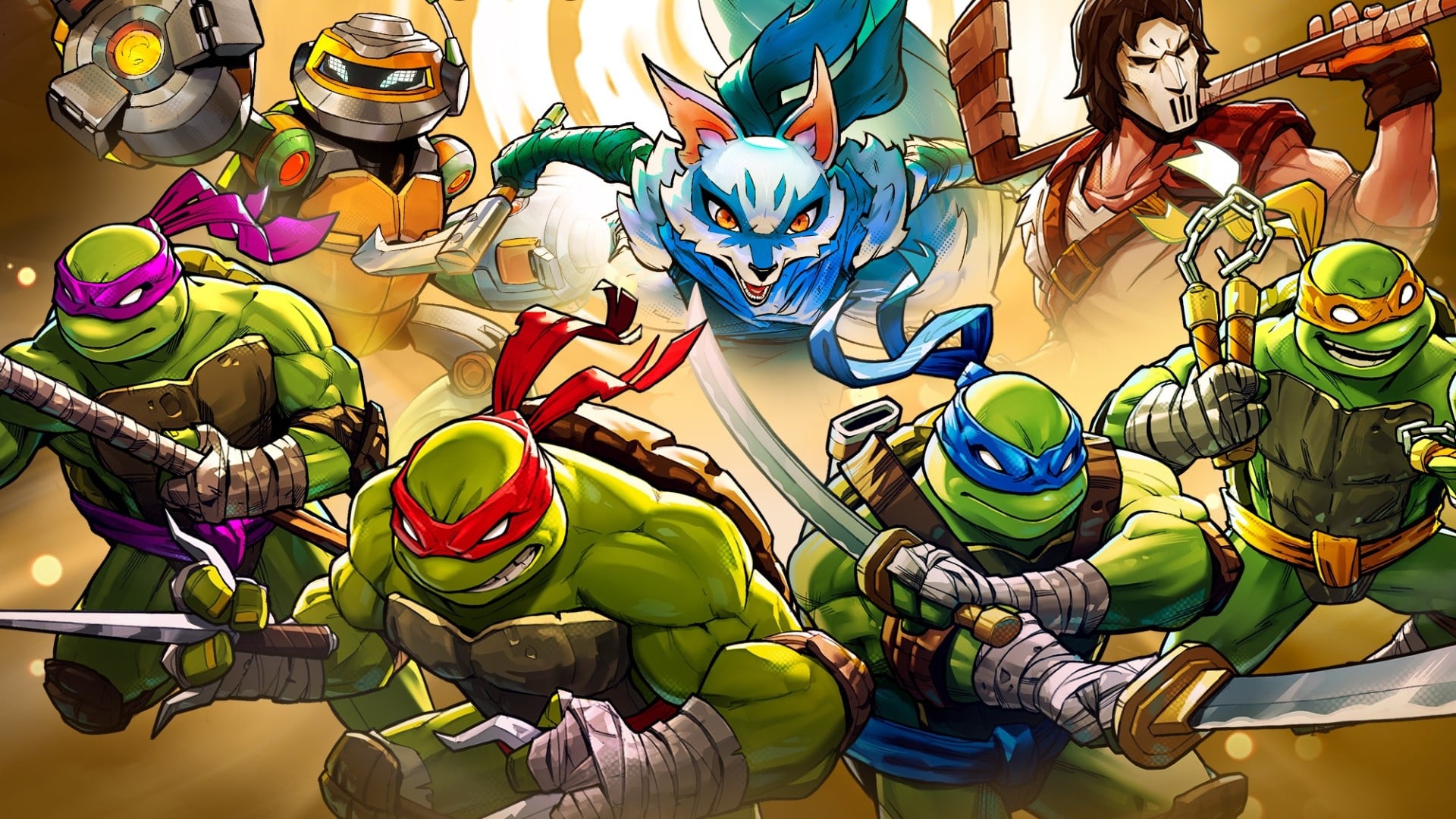
Teenage Mutant Ninja Turtles: Splintered Fate Gold Edition has arrived on the Switch eShop today, bundling up the base game with its three expansions — Casey Jones & the Junkyard Jam, Metalhead Character DLC and Aloplex Character DLC. This means that you’re not only getting the expansions’ titular bonus characters thrown in, but all of the additional Artefacts and Modifiers too. That should spice up the roguelike runs.
And it’s not all paid bonuses, either. Super Evil Megacorp has bundled today’s Gold Edition announcement with the reveal that a free update is dropping for allplayers today. This one includes balance adjustments to the in-game Astral and Ooze trees and other “top secret enhancements” that you’ll have to find along the way — ooh, the mystery!
It all makes for a pretty appealing bundle, all things considered. We had a perfectly pleasant time with Splintered Fate back in 2024 (Hades comparisons aside, that is), calling it “a fun and approachable ‘Hades-like’ that’s best played with pals” in our review. The DLC brings some welcome extras to really beef the game up, so if you’ve been eying the expansions for a while or if you’ve just been looking for an excuse to dive in, this may well be it!
Will you be checking out this Gold Edition? Let us know in the comments.
Update []: Following a major Sonic Racing: CrossWorlds update last week, Mega Man is now available as the latest Season Pass DLC offering.
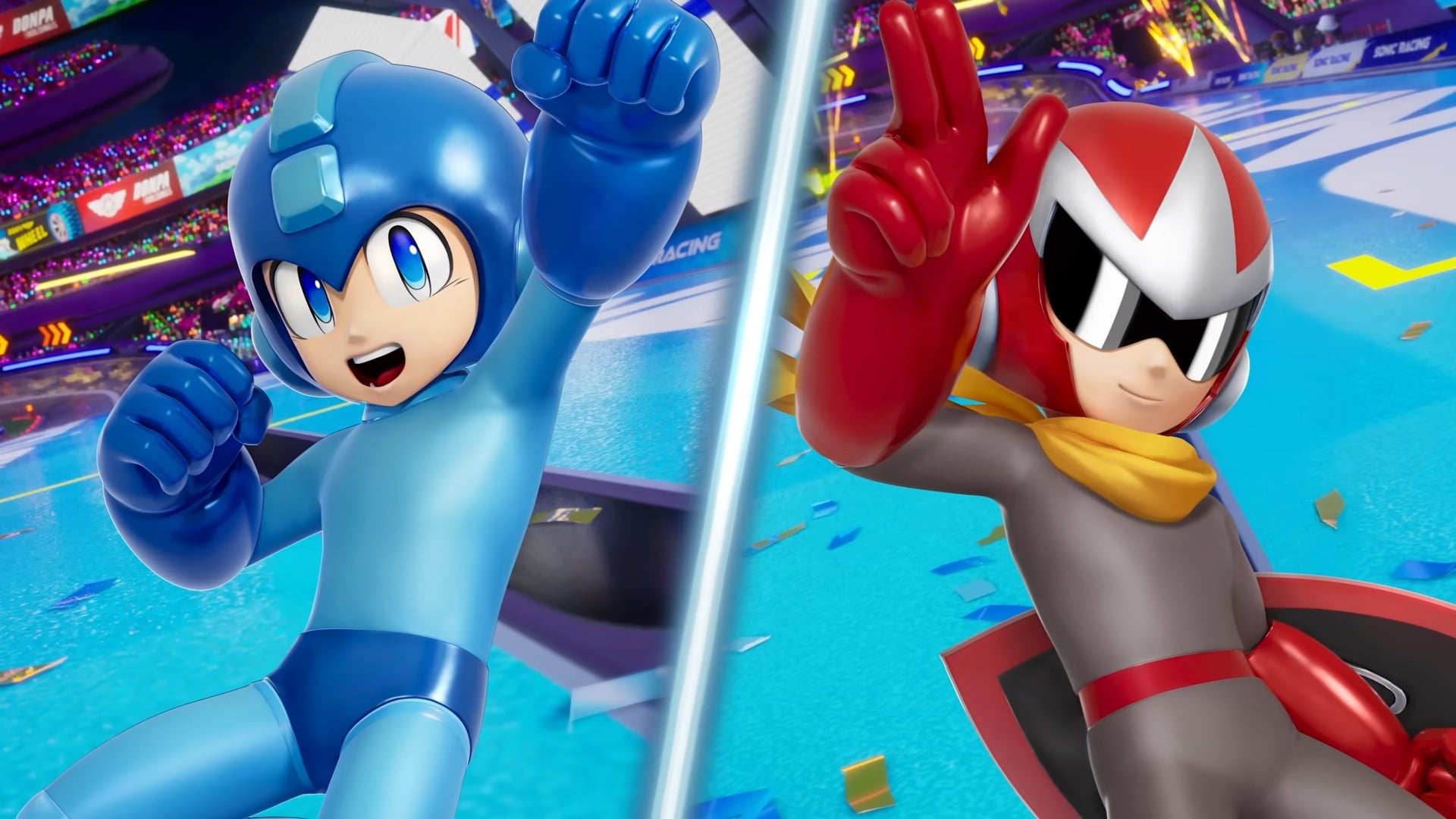
Alongside this launch, Sega has shared a new trailer showing him and Proto Man in action (alongside the Rush Roadstar). You can check it out above.
There will be a new Mega Man festival taking place as well, with World Match also accessible. Mega Man will be followed by other paid DLC in the future, including Teenage Mutant Ninja Turtles and Avatar Legends DLC.
There are also more free DLC characters being added to the game in the future, which you can find out more about in the original post below. And don’t forget, the physical edition of Sonic Racing for Switch 2 is out this week as well.
Once again, this new DLC follows the major game update last week. You can view the full patch notes for this in the original post below.
Original Story:
After announcing a trio of new DLC characters for Sonic Racing: CrossWorlds, Sega has now released a new major update for the title.
Before we get into this, it’s also confirmed the Capcom icon Mega Man will be blasting into Sonic Racing on 25th March 2026 (aka next week). You can see the promotional trailer for this character in the video above.
As for the update (Version 1.3.1), the main updates include World Match during Festivals, 8 new gadgets, 8 new music tracks (detailed in our previous post), New Frenzy: Bonus Ring Frenzy, 35 new decals and balance adjustments and bug fixes. Here’s the full rundown from Sega’s official website:
Sonic Racing: CrossWorlds – Switch / Switch 2 – Version 1.3.1 (18th March 2026)
Thank you for your continued support of Sonic Racing: CrossWorlds! Today, we’re releasing Patch Ver.1.3.1. In this update, we’ve expanded the racing experience, improved online modes, and increased reward amounts.
Thanks to an active online player base capable of supporting multiple matchmaking pools, we have changed the system so that you can play World Match even during Festivals! We appreciate all of the players’ feedback and patience, and we’re happy to introduce this update for our dedicated Sonic Racing: CrossWorlds community.
In addition, we’ve put a renewed focus on Rings. Eight new Ring-related Gadgets have been added, along with the new Bonus Ring Frenzy mode.
We also have a string of new collaborations planned, starting with Mega Man, so please stay tuned.
Thank you for playing Sonic Racing: CrossWorlds!
Please update your game to the latest version to access the online modes, including World Match, and downloadable content.
PS5/PS4: Ver.1.3.1
Nintendo Switch/Nintendo Switch 2: Ver.1.3.1
Mode Updates
World Match can now be played even during Festivals
Increased Donpa Ticket rewards in World Match/Legend Competition by at least double
Updated all modes (except Time Trial) with Bonus Ring Frenzy and Item Box Frenzy
Increased maximum rating in World Match from 99,999 to 999,999
Content Updates
Added 8 new Gadgets that expand how you can use Rings
Added a new Frenzy Mode, “Bonus Ring Frenzy,” which causes bonus rings to appear on the course
Added the album “Sega Racing & Variety,” containing 8 classic Sega racing tracks
Added 5 collaboration decals including Joe Musashi
Added 30 decals from brand collaborations
New Options
It’s now possible to add/change a button that triggers the ability of Gadgets
It’s now possible to disable rental plates from automatically equipping during Festivals
Other Additions and Adjustments
Balance adjustments for races and Gadgets
Other adjustments, bug fixes, and additions to future live-service data
Mode and Content Update Details
World Match/Legend Competition
World Match can now be played even during Festivals!
World Match maximum rating has been increased from 99,999 to 999,999.
Increased Donpa Ticket rewards in World Match/Legend Competition
Mode
World Match
Legend Competition
Ver.
Up to Ver.1.2.2
From Ver.1.3.1
Up to Ver.1.2.2
From Ver.1.3.1
1st
20
40
15
70
2nd
16
35
15
60
3rd
12
30
15
50
4th
8
25
15
40
5th
8
25
15
40
6th
8
25
15
40
7th
8
20
15
30
8th
8
20
15
30
9th
4
10
15
30
10th
4
10
15
30
11th
4
10
15
30
12th
4
10
15
30
Festivals
Adjusted CPU strength based on differences in player skill
We have added new rules to make Festivals even more fun!
New Frenzy Mode
Added new Frenzy mode*: Bonus Ring Frenzy.
Item Box Frenzy* can now occur outside of Team Matches as well.
*Occurs in all modes except Time Trial.
New Content – Music & Decals
Added the album “Sega Racing & Variety,” featuring classic Sega racing tracks.
Jukebox tracks
MAGICAL SOUND SHOWER
From: OutRun
Let’s Go Away
Soul on Desert
From: Sega Rally 2
Like THE Wind (B COURSE) – ARCADE ver.
From: Power Drift
Outride a Crisis
From: Super Hang-On
Main Theme (Enduro Racer)
From: Enduro Racer
God Only Knows
Like the Wind [Reborn]
From: Power Drift
Collaboration decals
5 decals including Joe Musashi
6 decals from Five Guys
7 decals from Menchies
4 decals from Fogo de Chão
8 decals from Funko POP!
Addition of Live-Service Data
We have updated content for future live operations.
Gadget Additions and Settings in Ver.1.3.1
New Setting: “Gadget Button”
The “Gadget Button” activates the effect of the “Inventory Swap” Gadget or the new “Item Summon” Gadget during a race when equipped.
An option has been added to assign this button to keys other than the default* (for example, on PlayStation 5, the button can be assigned to L1 or L2).
*This feature is not added to the Steam or Epic Games Store versions, as they already allow for custom key assignments.
New Option: “Autoselect Rental Plate”
Under Festival’s Special Rules, when a rental plate matching the rule is provided, the equipped Gadgets will automatically switch. Turning this option OFF prevents the Gadget Plate from switching automatically*. This can be set under “Options > Race Settings.”
*We have confirmed an issue where, when the “Auto Select Rental Plate” option is OFF, the transition animation that plays when race rules change does not display correctly. This issue is scheduled to be fixed in a future update.
New Gadgets
We’ve added 8 gadgets!
These gadgets can be obtained once your Gadget Plate reaches “Master Plate” or higher.
Ring Gain
Champion Bonus
Travel Choice Bonus
Ring Ability
Double Rings
Low-Ring Speed Up
Ring Engine
Hyper Ring Engine
Item Control
Item Summon
Upgrade/Add Item
Go Go Omochao
The following gadgets which were previously distributed as Festival rewards can now be purchased* with Donpa Tickets from the gadget customization screen:
Character Type Kit
Acceleration Character Kit
Advanced Kit
Ace Pilot Kit
All-Rounder Kit
Wisp Hoarder Kit
*These can be purchased if your gadget plate is “Master Plate” or higher
Competitive Balance Adjustments
With Ver.1.3.1, we’re aiming to expand tactical variety through Gadget customization. We’ve added new Gadgets and adjusted existing gadgets to enable new playstyles, such as spending held Rings as a resource and gaining benefits by intentionally holding no Rings. Along with this, we’ve expanded Ring Gain Gadgets to further support these new strategies.
In Ver.1.2, strategies involving continuously gaining invincibility from Ultimate Charge had become dominant, so we shortened its invincibility duration. Since this change risked making comeback strategies from lower positions too strong, we also shortened the duration of the Drill item when used from higher positions.
In addition, because strategies for climbing from 4th–8th place still had challenges, we strengthened Collision Boost which serves as the starting point for tactics that move players up the ranks by colliding with other machines. Gadgets with similar effects, such as Ring Thief and Spin Drift, are also intended to become more effective through this adjustment.
We will continue balance adjustments based on Gadget usage rates and win rates.
Gadget Adjustments
Collision Boost/Power Machine Kit/Power Character Kit: Increased the duration of the Boost.
Previously, Collision Boost gave only a momentary speed boost and often failed to result in moving the racer up in position, so we adjusted it to make it more effective in overtaking other racers.
Crash Pads: Now triggers a Ring‑halving effect when hit by Ring Thief.
Ultimate Charge/Handling Machine Kit: Reduced the invincibility duration on a Level 4 Boost (from 3 seconds to 1.5 seconds.)
Ultimate Charge was designed as a racing‑focused Gadget that lets skilled players block attacks. However, as player skill has improved, it was enabling far more defensive opportunities than intended, making it difficult for other Gadgets to compete. This adjustment creates a clearer opening after activation, preserving the original idea of rewarding players’ skill in defending against attacks while still giving others more chances to counter.
Acceleration Character Kit: Removed the Mini Ring Thief from this kit.
Due to its high win rate and the increased customization options made possible by new Gadgets introduced Ver.1.3.1, we’ve reduced the number of effects bundled into this kit.
Inventory Swap: The Gadget Button UI will now gray out when swap is not possible.
Item Adjustments
Because using the Drill item made it too easy to jump to 1st place in the final lap, its effect duration has been shortened when the player is in 4th place or higher. Furthermore, the speed drop that occurs just before the Drill effect ends now happens earlier.
The Special Item Box had low competitive value, so its item lineup and appearance rates have been adjusted.
In some cases, Item Box Frenzy made it harder than normal to obtain items, so we adjusted box placement and behavior to make items easier to get.
Online Adjustments
Fixed an issue where desync caused by network conditions could unfairly allow other players to steal Item Boxes.
CPU racers were too likely to be in the lead early in a race, affecting player‑to‑player interaction, so we reduced their pace right after the start. (This does not apply to Rival races, such as those in Grand Prix.)
Team Match Adjustments
In Team Matches, ally CPUs were sometimes too slow and put players at a disadvantage, so we’ve increased their pace. (This does not apply to Rival races, such as those in Grand Prix.)
Powerful items had a greater impact than intended in Team Matches, so their drop rates were reduced. King Boom Boo, in particular, diminished the benefit of running in the lead outside the final lap, so its drop rate was lowered.
Super Team Boost made it too easy to return to the front, so its duration when far from 1st place was shortened. To increase the advantage of running in the lead outside the final lap, the duration of Super Team Boost when triggered in upper positions was increased.
Course Adjustments
Adjusted Ring and Item Box placement in PAC-VILLAGE & MAZE and Sky Road where there wasn’t enough risk‑reward balance. (These adjustments do not affect Time Trial.)
Other Adjustments
Expanded the Titles screen display to accommodate upcoming Festivals and Legend Competition Titles.
When playing as Tangle, her tail could sometimes block the camera and obscure the view of the course. We adjusted the tail’s movements so it no longer obstructs visibility.
In the Epic Games Store version, DirectInput controllers can now be used.
In World Match, Festivals, and Legend Competition lobbies, Fair Play Points will now decrease if a player intentionally disconnects or closes the application.
Bug Fixes
Jukebox
Fixed an issue where certain classic Sonic tracks would disappear from the Jukebox after performing specific actions. Updating to Ver.1.3.1 will automatically restore and unlock all affected tracks.
Festivals
Fixed an issue where animations did not play correctly during the Festival award ceremony when using AI Racer skins.
Fixed some unintended designs for Hatsune Miku Festival Titles
Legend Competition
Fixed an issue where the grade‑up animation displayed before the actual required rating.
Time Trial
Fixed an issue where achieving a goal time identical down to the last three digits to a rank target incorrectly resulted in being graded one rank lower. (Past records will not be updated.)
Online Competition
Fixed an issue where collisions with other players’ machines caused excessive slowdown when pinned against a wall.
An issue where invincibility durations could appear longer than intended due to network issues was fixed by synchronizing invincibility end-timing correctly.
Machines
Fixed an issue where Boost‑type machines sometimes did not bounce correctly on collision with other machines.
Fixed an issue where being hit by an item attack while drifting or jumping caused the machine to float too high.
Frenzy Time
Fixed an issue where Boost Frenzy ending during item selection could result in not receiving an item.
Fixed an issue where the Omochao Warp activating when being lapped during Boost Frenzy sometimes made items unusable.
Courses
Fixed various course‑specific issues.
Urban Canyon: Drifting and air tricks sometimes became unusable after passing the third Transformation Gate
Market Street: Early split‑path on the hill caused a dramatic temporary position drop.
Coral Town: Homing Punch and Slicer behaved incorrectly near the final corner.
Chao Park: Players could sometimes be launched off‑course in the second corner after the jump area.
Aqua Forest: There would be odd behavior if a player took damage while crossing the first Dash Ring.
Aqua Forest: After the third Transformation Gate, the machine wouldn’t transform into Water Mode.
Minecraft World: Players would be unable to enter the final portal on 3rd lap and return to the main course.
Minecraft World: Players would fail to transform into Flight Mode in last section of the track on 3rd lap.
Minecraft World: BGM failed to play correctly on the 3rd lap if set from Jukebox.
Hidden World: Players would fail to transform into Land Mode at the final Transformation Gate.
Dragon Road: Dark Gaia Phoenix’s flame attack when the river splits could hit players even during Charge Jumps on water. Fixed by making it easier to avoid by jumping.
Digital Circuit: Players would fall endlessly out of bounds at the intersection area in the final part of the course.
Additional minor gameplay issues were also fixed.
Warp Ring (Item) and Warp Ring Specialist (Gadget)
When using the Warp Ring item, an issue occurred where players could perform major course shortcuts or jump several positions at once. This has been fixed in the current version.
With this fix, the item can now be used more reliably in offline play and Friend Matches. However, because future course additions and online player behavior could still cause unexpected issues, the Warp Ring Item and the Warp Ring Specialist Gadget will not be usable in World Match, Festivals, or Legend Competition.
We sincerely apologize to players who were looking forward to using them. They will remain available for use against CPU opponents and in Friend Matches.
Current Known Issues
In Ver. 1.3.1, when a player is World Match Legend Rank 1, a Donpa Ticket reward that does not actually exist may appear on the rank gauge. This will be fixed in a future update. We apologize for the inconvenience and appreciate your patience.
We’re committed to keeping the game fun, fair, and enjoyable for everyone, and we’ll continue improving it based on your feedback.
Thank you for playing Sonic Racing: CrossWorlds!
Once Mega Man has been released, racers can once again look forward to the free DLC including Red, Goro Majima and Arle. The first two characters arrive in April, and Arle will follow in May. You can find out more about this in our previous post:
Will you be checking out this new update for Sonic Racing: CrossWorlds? Let us know in the comments.
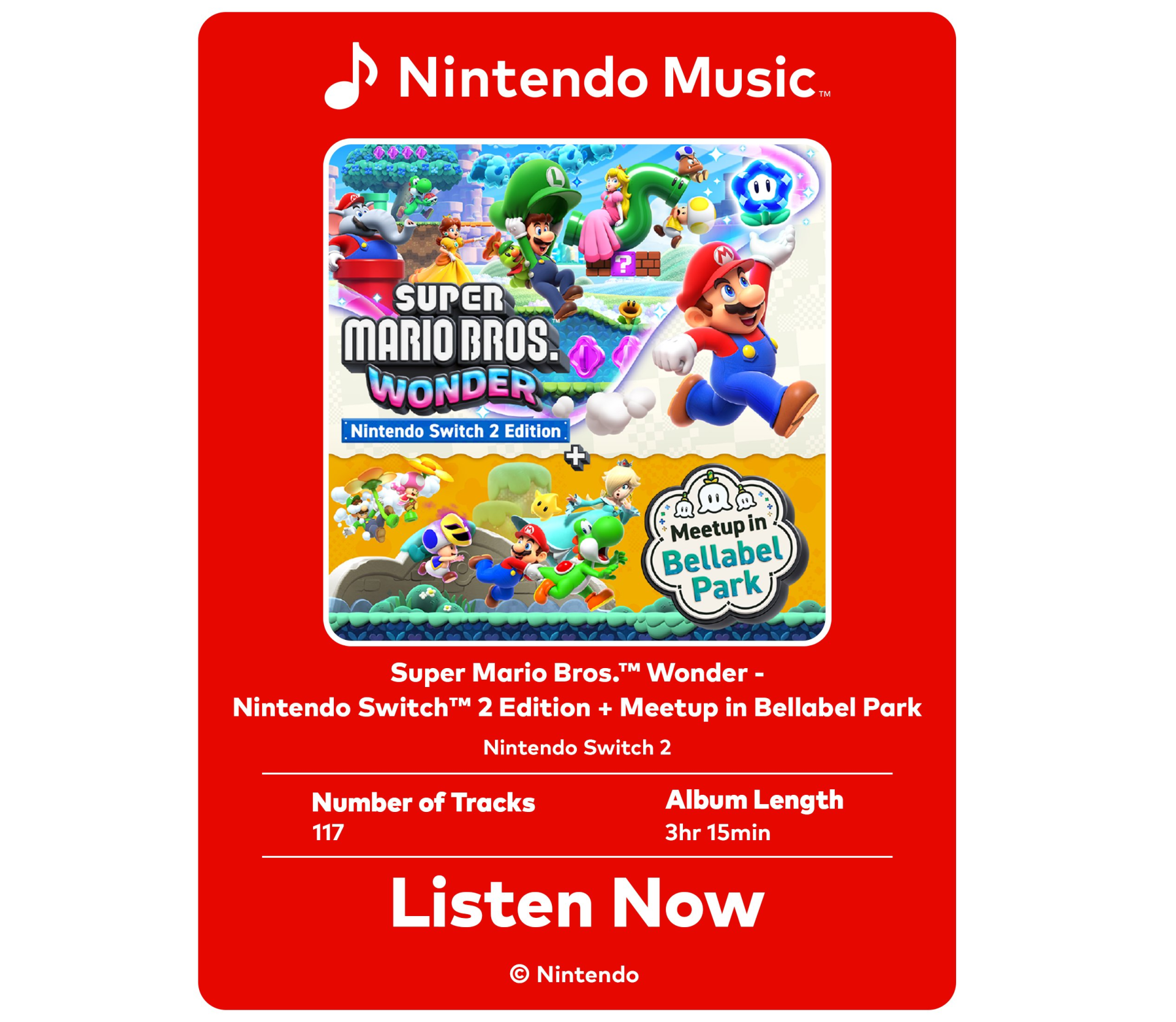
Nintendo: “Thirty-one tracks from Meetup in Bellabel Park have been added”
This takes the Wonder album from 85 tracks to 117 tracks in total, and there is 3 hours and 15 minutes of music on offer. According to Bellabel Park’s credits, the music lead is Shinho Fujii with music by Yuka Usui.
Image: Nintendo
To use the Nintendo Music app, you’ll need to have acess to a mobile device and an active Switch Online membership.
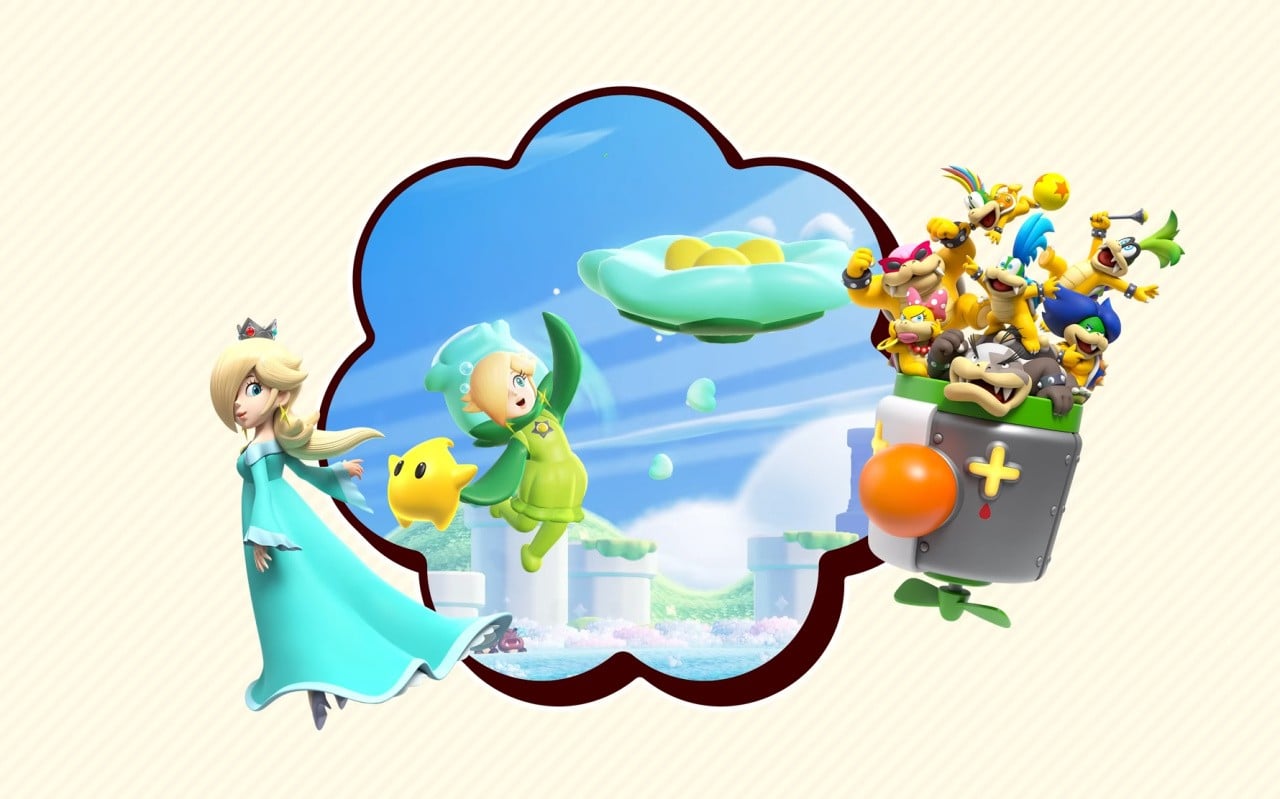
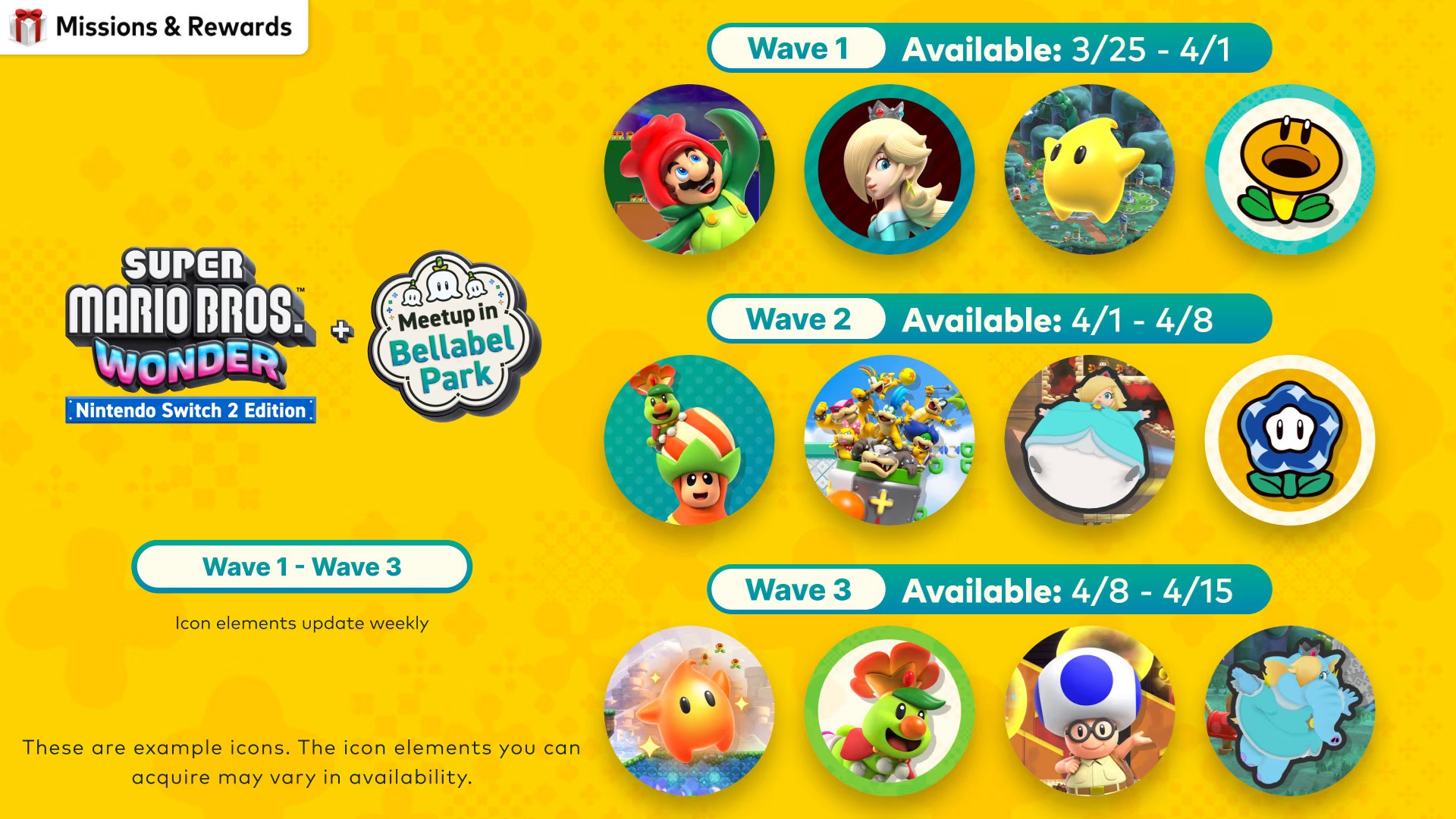
In some related news, Nintendo has also released a new wave of Meetup in Bellabel Park icons featuring icons for Rosalina and various other characters. Icons are priced at 10 Platinum Points each and the first wave is now live.
Image: Nintendo
What do you think of the latest Nintendo Music update? Let us know in the comments.
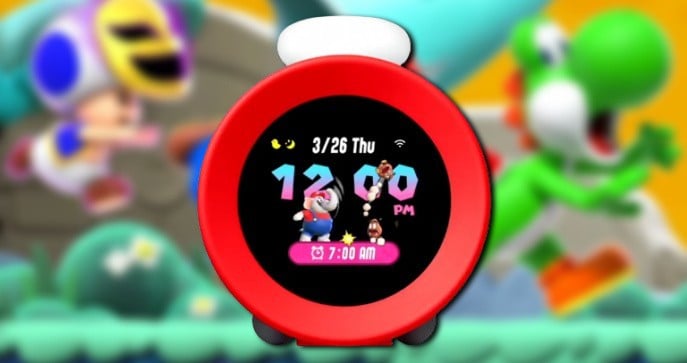
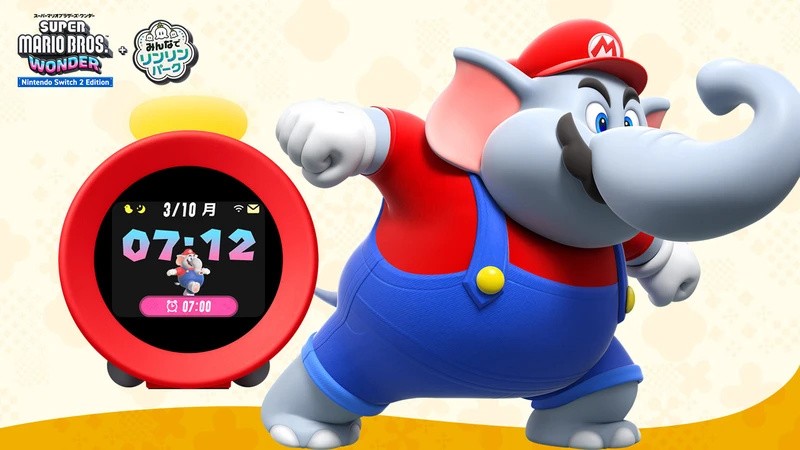
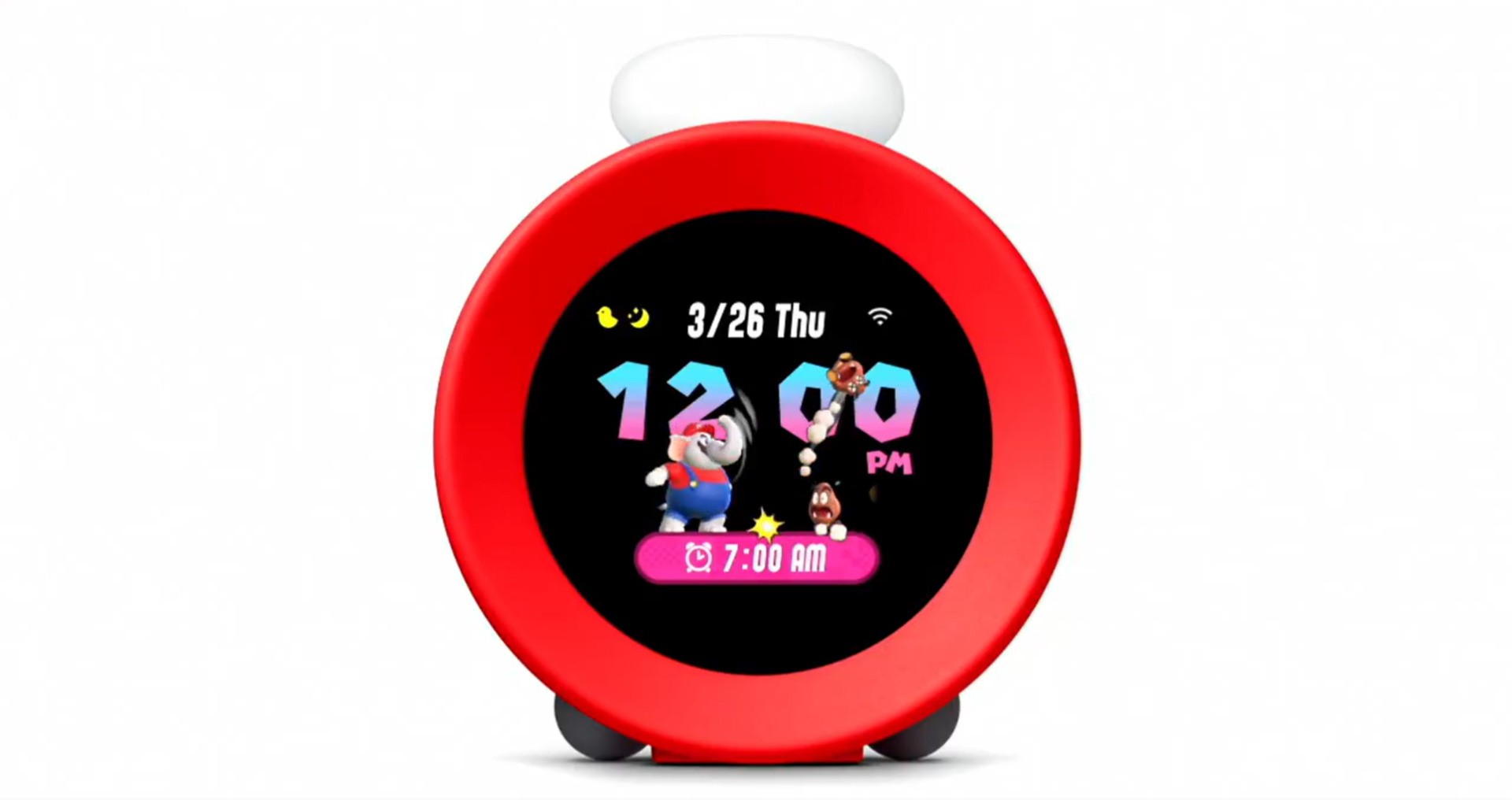
Nintendo: “Wake up and jump into the Flower Kingdom with new #SuperMarioBrosWonder scenes, now available on Nintendo Sound Clock: #Alarmo!”
Image: Nintendo
To get this new theme, you’ll need to connect your Nintendo Alarmo device to the internet with a Nintendo Account. Alarmo has also received free themes for game series such as Animal Crossing and Kirby.
Apart from this update for Alarmo, Nintendo is celebrating the return of Wonder this week with new Switch Online icons and a Nintendo Music update.
What do you think of this latest theme for Alarmo? Let us know in the comments.
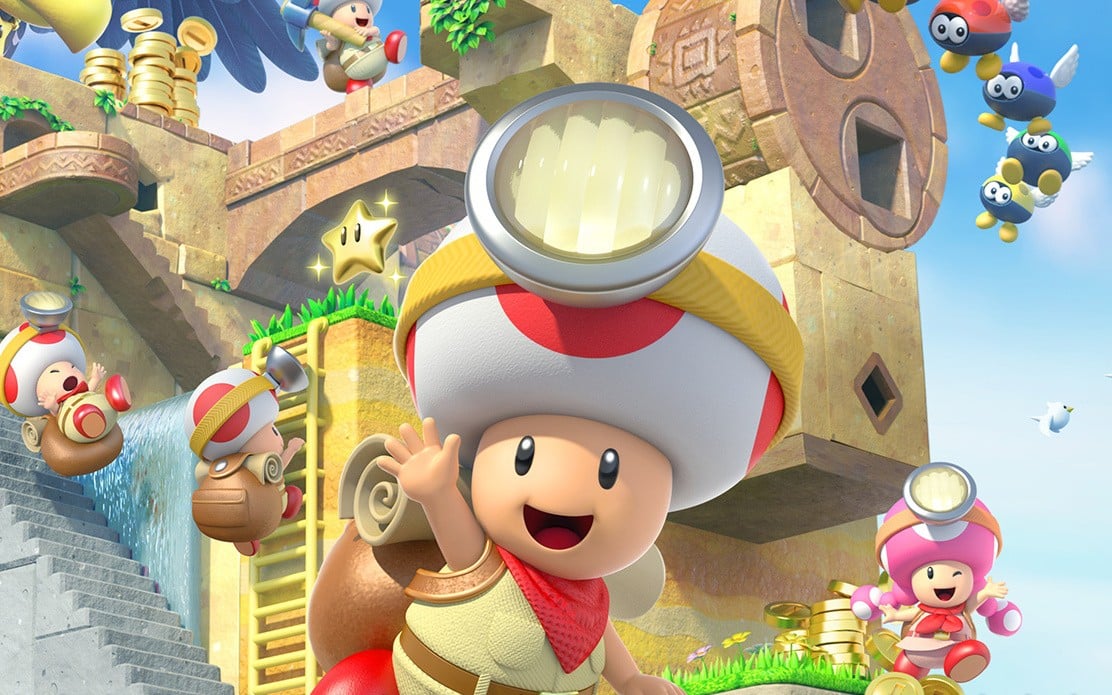
Although the focus is on Super Mario Bros. Wonder‘s Switch 2 Edition this week and its new DLC, Nintendo has updated one other game today alongside this release. It’s the puzzle-platformer Switch title Captain Toad: Treasure Tracker.
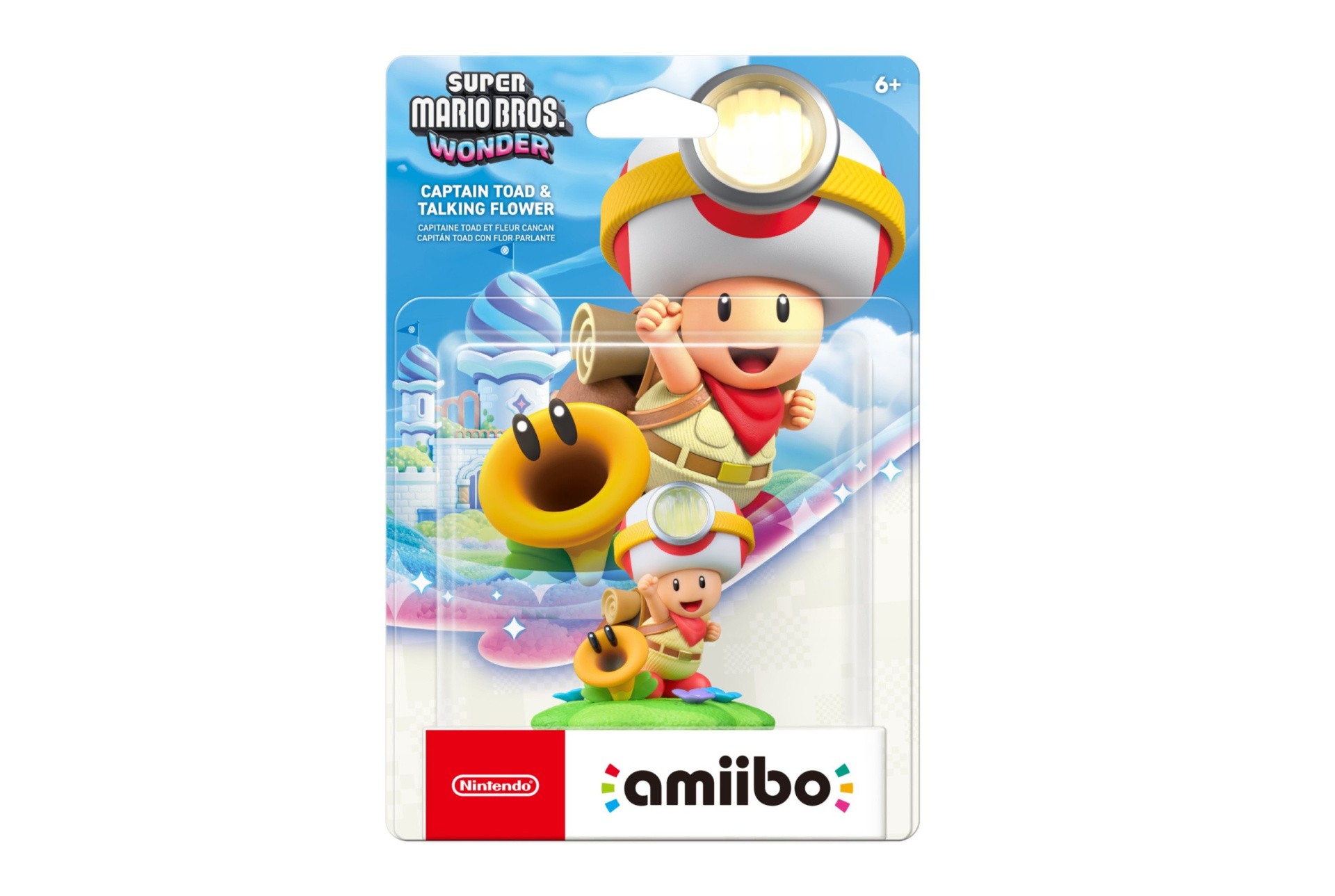
This is only a small patch, but if you’ve been looking for an excuse to revisit it, now might be the time. According to Nintendo’s official support page, it bumps the title up to Version 1.4.2 and adds support for Captain Toad & Talking Flower amiibo. This amiibo arrives this week alongside Elephant Mario and Poplin & Prince Florian. Tapping an amiibo in Captain Toad’s game unlocks all sorts of bonuses.
Image: Nintendo
This latest patch for Captain Toad follows a few updates for the title last year. This included a major one alongside the Switch 2’s launch. This was a free upgrade, which improved the image quality and also added HDR support and GameShare features.
In some other news, Nintendo also recently added a special Handheld Boost Mode feature, which can be enabled when playing Switch titles on the Switch 2 in handheld mode. If you want to find out more about Captain Toad, or Mario’s latest release this week, be sure to check out our reviews.
Have you played Captain Toad: Treasure Tracker on the Switch or Switch 2? How are you finding it after the latest patch? Let us know in the comments.
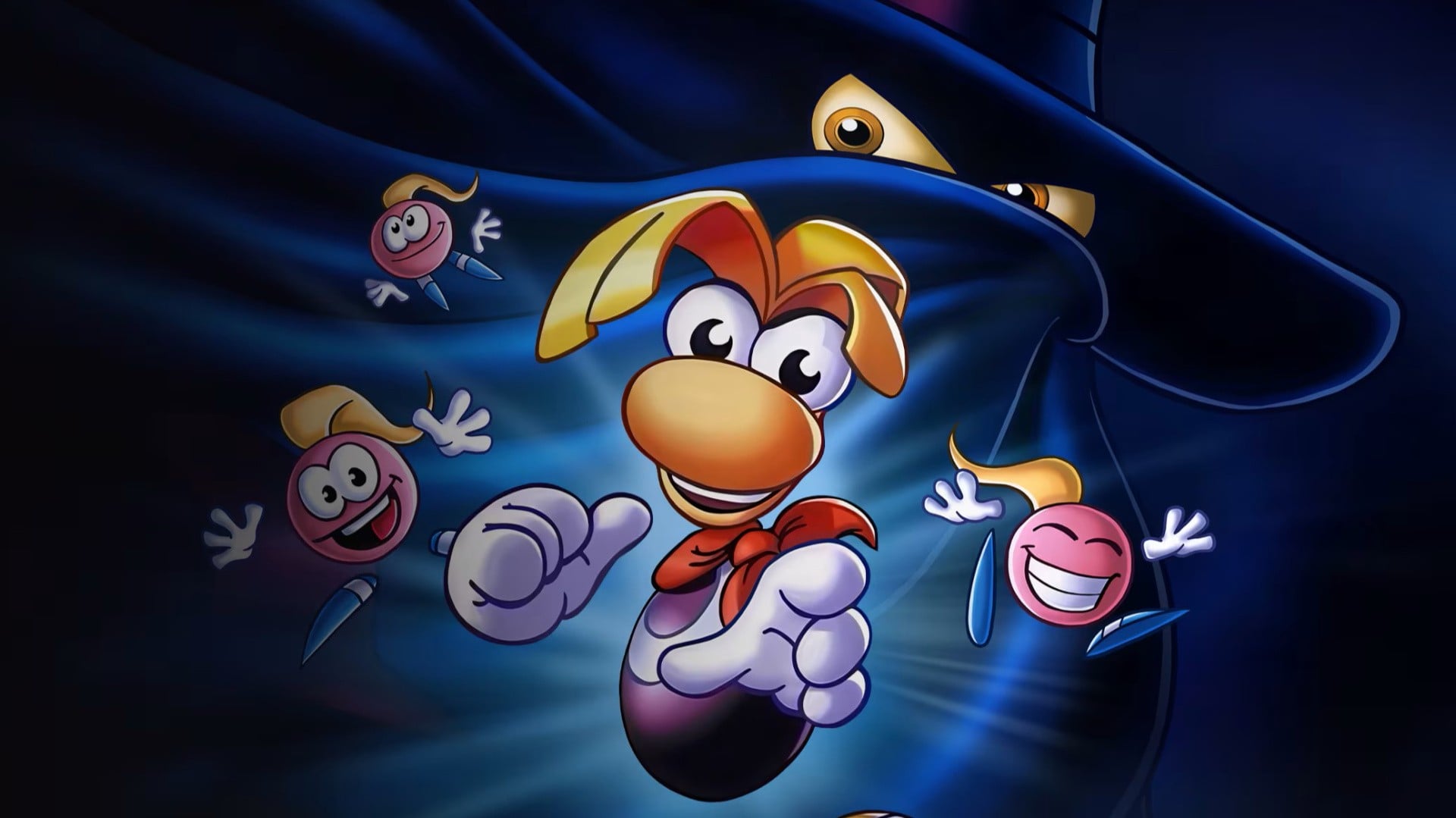
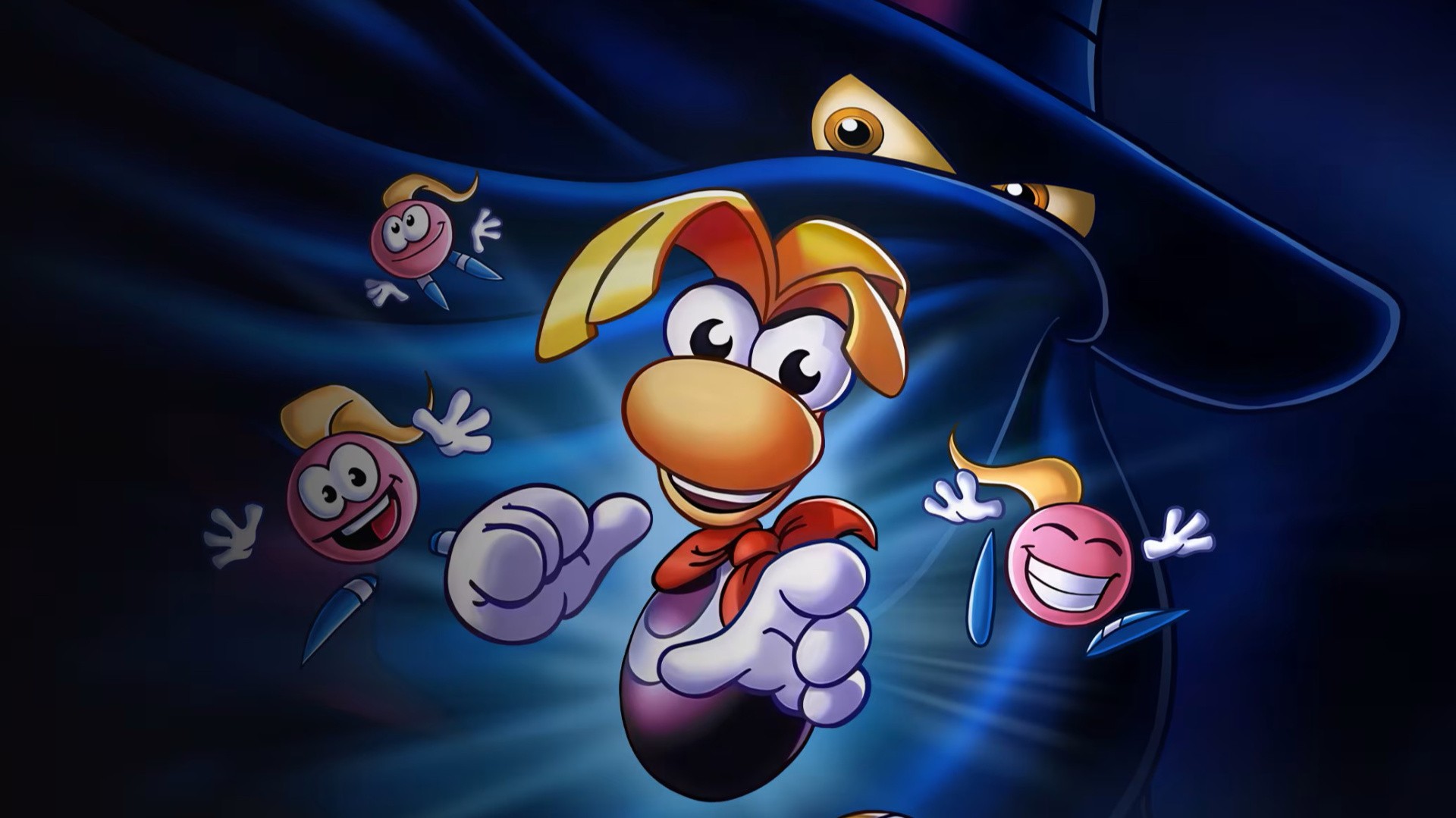
Rayman: 30th Anniversary Edition may have had a few hiccups at launch, but Ubisoft has announced that a patch is coming sometime in April to fix some of the collection’s issues, as well as enhance a few quality-of-life features.
Sharing details of the patch on Reddit (spotted by Nintendo Everything), Ubisoft confirmed that Input Lag, Rewind, and save data are among the focuses for this patch, which
Digital Eclipse-developed compilation, which features various versions of the very first Rayman game, reportedly feature a save data bug, and there was no ability to deactivate the Rewind feature. These two issues look to be fixed pretty soon.
Here are the patch notes we have now, though these are likely to expand when the update hits Switch consoles in April:
Patch Notes – Version 1.1
Quality of life addition & Improvements – IMPROVED: The legacy save game systems are no longer affected by selecting “Reset Game” from the escape menu. – You can now create and access the legacy save game profiles, and each profile now has a separate progression. – Added an option to deactivate the Rewind feature (via the options menu) – IMPROVED: Rewind feature is now more fluid – IMPROVED: Input lag has been reduced when playing the Jaguar version of the game on PlayStation
General Fixes – FIXED: An issue leading players to lose their game progress when playing the PSX / Jaguar / DOS versions. – FIXED: An issue leading to sound effects being triggered later than intended, especially after using the rewind feature. – FIXED: Gameplay “choppiness” induced by using screen refresh rates higher than 60Hz. (If you continue encountering the issue, we advise setting your monitor to 60Hz refresh rate) – FIXED: An issue leading to images not appearing when browsing the in-game timeline within the “History” section – FIXED: An issue leading to a crash when pressing two buttons simultaneously on the Jaguar version. (The issue persists when playing the SNES prototype on PC only) – FIXED: An issue preventing a Ting from disappearing when collecting it in the Timeline section of the game – FIXED: An issue preventing the HIDE UI option to work as it should in the “History” section of the game – FIXED: Various music-related issues when playing the Jaguar version – FIXED: Instances of overlap between subtitles and speaker names when watching documentary videos – FIXED: Sound volume option in the game version menus was not adjusting music and victory celebration volumes accordingly. (Restarting the game resets the option, however).
Thank you for your patience, we will confirm the exact release date for the update as soon as possible.
One “issue” that remains unaddressed is the soundtrack, with many songs “reimagined” by Rayman Origins and Legends composer Christophe Héral. Many fans want the original to be included, and Ubisoft responded that the “proper team will have a look at this.”
This surely won’t be the first patch, either, so keep an eye out for more, and we’ll let you know when this one is live on Switch. And there may well be more in Rayman’s future, as the Ubisoft CEO said in an interview in February.
What are your thoughts on Rayman: 30th Anniversary Edition? Are you glad to see this patch on the horizon? Stretch down to the comments and let us know.
Oh goodness, trust the internet to figure out if you can swear and say naughty things in a video game made by Nintendo.
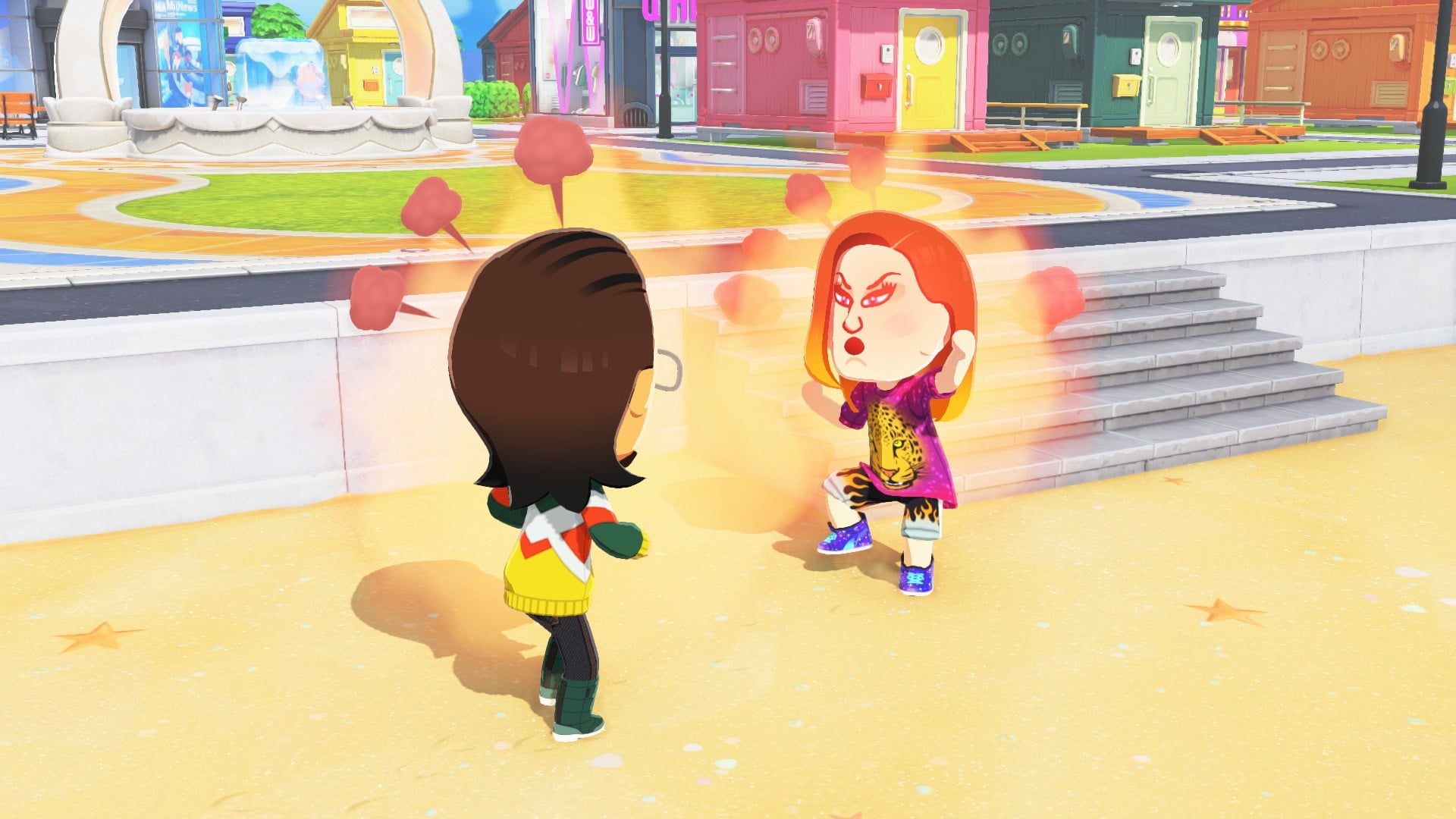
Within hours of the Tomodachi Life: Living the Dream demo going live, players quickly decided to test the filter out on the game. And it turns out, to live the dream to its fullest, no filters are allowed.
We’ll obviously be careful with what we share here given that this is all NSFW or not kid-friendly, so please click on the links below with caution.
The first one we spotted was from Bluesky user @lunick.itch.io, who gently breaks the boundaries here. And, yep, your Miis can swear. A few NL staff members have tested this with the demo, and it does work.
Truly, we are living in a utopia, and this can result in some extremely funny conversations, especially given that all conversations are delivered by a speech-to-text voice for each Mii, which you can customize for every single creation. So just imagine saying some pretty below-the-board stuff with the squeakiest voice imaginable.
Some suspect the reason there isn’t a filter is because there are image sharing restrictions, and there’s no online Mii sharing either. So it’s largely a single-player experience, but you can share Miis locally with friends.
Look, if you want to try it out yourself — and remember, be respectful — then go ahead and download that demo right now and test the filters out yourself,
Are you making your Miis say naughty things online? Tell us (but not the contents, please) in the comments.