

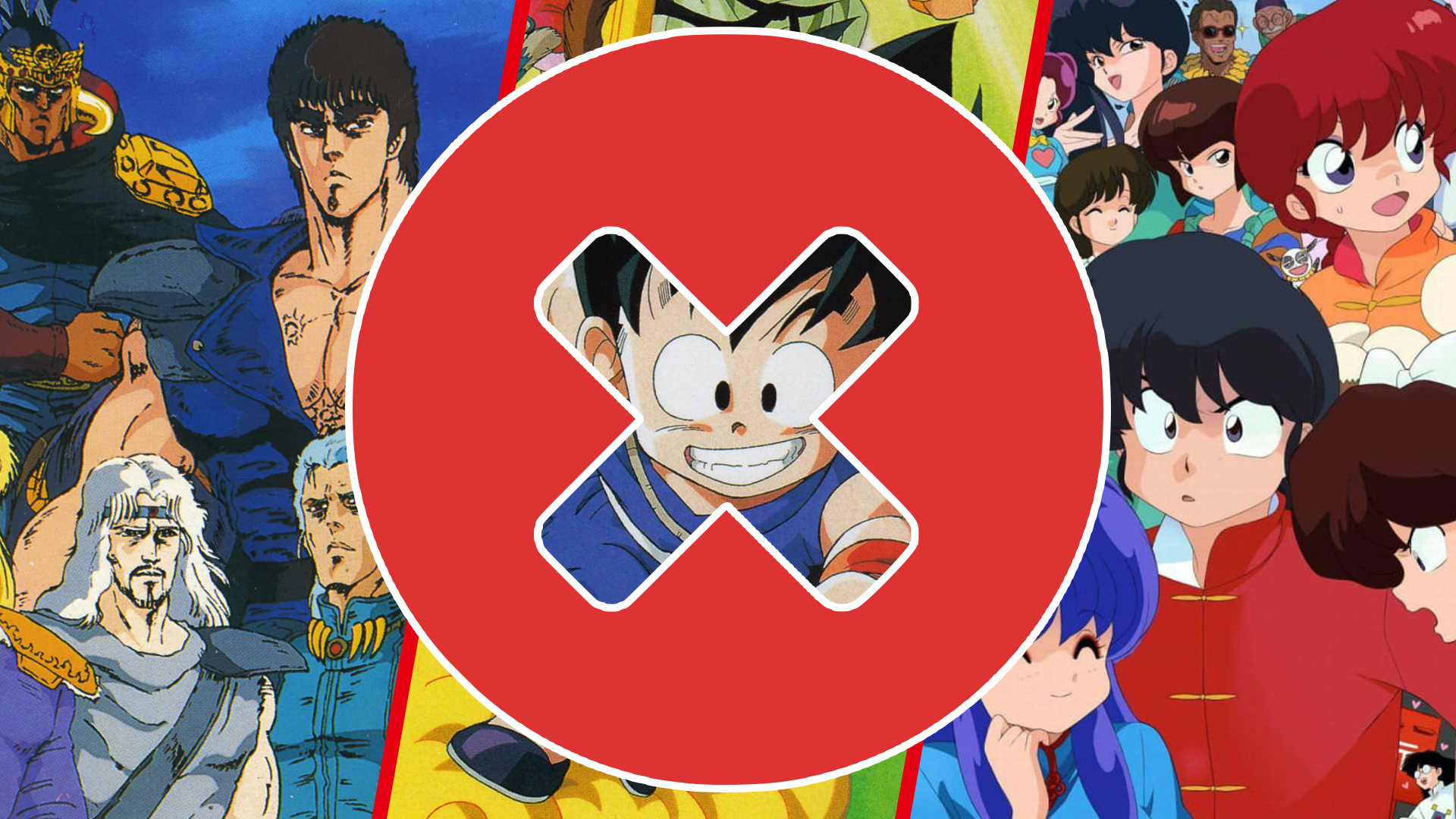
Japanese animation – or ‘anime’ as many call it – is huge business these days. While it is naturally most popular in its homeland, we’ve seen numerous anime properties cross over to the west and find the kind of success that is usually reserved for home-grown cartoons and media franchises. Series such as Attack on Titan, Dragon Ball, Berserk, Bleach, Naruto, One Piece, and Fullmetal Alchemist have all become genuine global hits, pulling in millions of fans away outside of Japan shores.
That Japanese animation has international respect is something that is worth celebrating; unlike in the west, where animation is still treated as somewhat childish by many, the Japanese treat it as a legitimate art form and many of the country’s most commercially successful blockbuster movies are – as some unkind westerners would say – cartoons.
It’s worth remembering that there once was a period when anything that looked even remotely Japanese was seen as a commercial risk
The rise in popularity of anime in the west has had a very welcome side-effect for gamers; we’re now blessed with more anime games in the west than ever before, and titles such as Dragon Ball FighterZ, My Hero One’s Justice and Naruto Shippuden: Ultimate Ninja Storm Trilogy are solid additions to the Switch’s growing library – and that’s not to mention the countless anime-style series, such as Steins;Gate, Zero Escape and many others – which have found a receptive fanbase in the west over the past few years.
However, while anime’s influence and reach has expanded massively in recent times, it’s worth remembering that there once was a period when anything that looked even remotely Japanese was seen as a commercial risk. Some publishers would try their hardest to limit the Japanese influence from the packaging of their games with all-new western-made artwork, others would go even further and completely change the in-game assets, totally removing all trace of the anime on which the game was originally based.
Of course, it wasn’t always down to a matter of western tastes – oftentimes, publishers would remove Japanese licences simply because they weren’t well-known in the west, and thereby avoid paying fees to the IP owner – but there was a definite trend at the time for masking the eastern origins of many titles.
Take a trip down memory lane as we look at some of the most notable examples from a time when anime was as good as outlawed.
Dragon Ball / Dragon Power (NES)
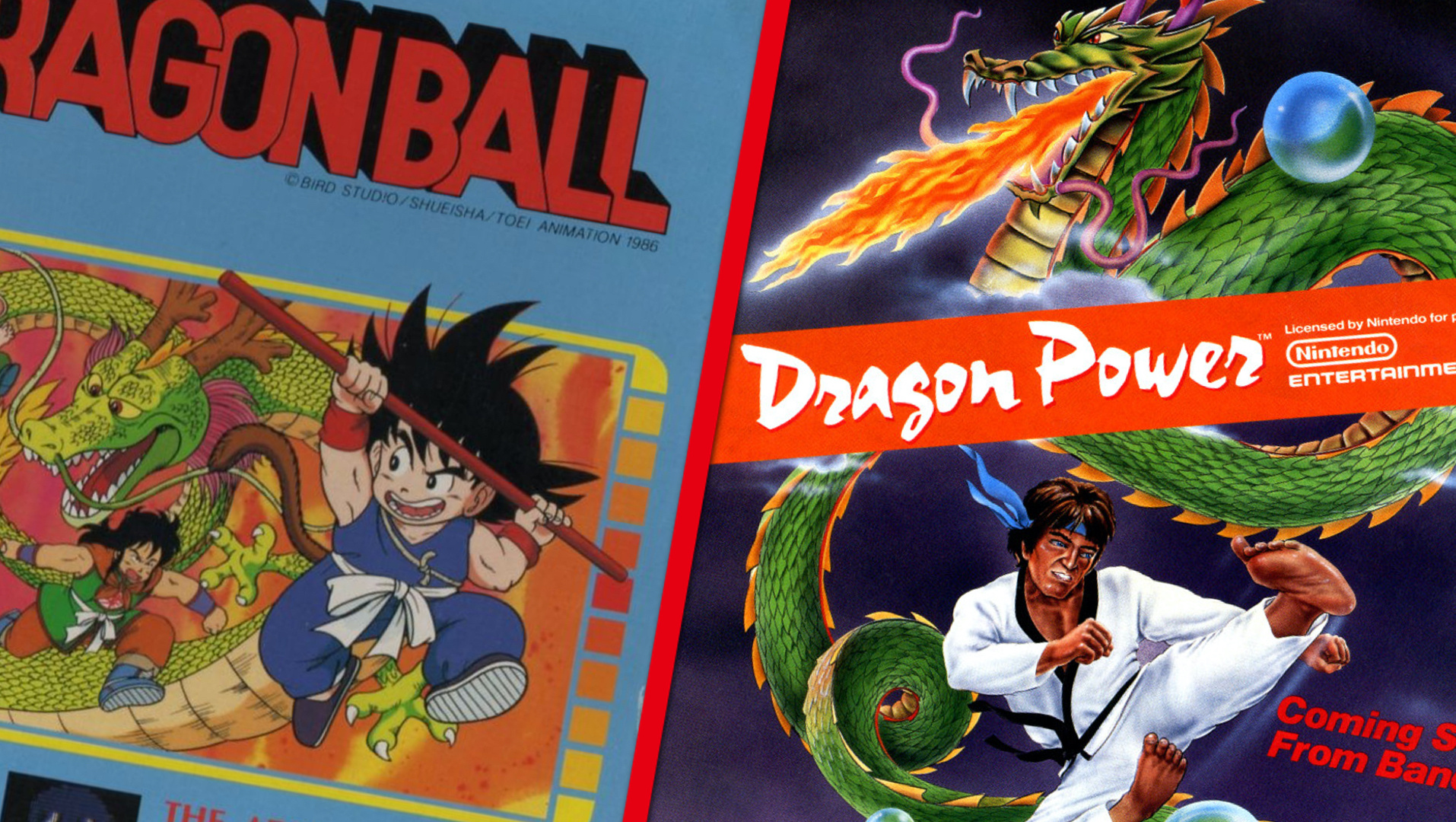
One of the earliest examples of an anime licence being totally ripped away from a video game is 1988’s Dragon Power on the NES, which is based on the 1986 Famicom release Dragon Ball: Shenron no Nazo. The hero Goku was altered to look more like your typical ’80s kung-fu dude, while the legendary Dragon Balls become less-exciting ‘crystal’ balls. There’s also some infamous censorship afoot; in the Japanese original, Master Roshi gets a nose bleed when he gawps at Bulma’s panties, but in the American version, he’s got a fondness for Bulma’s sandwiches. Because Dragon Ball was already popular in France, that region got a proper localised version of the game in 1990, entitled Dragon Ball: Le Secret du Dragon.
Fist of the North Star / Last Battle / Black Belt
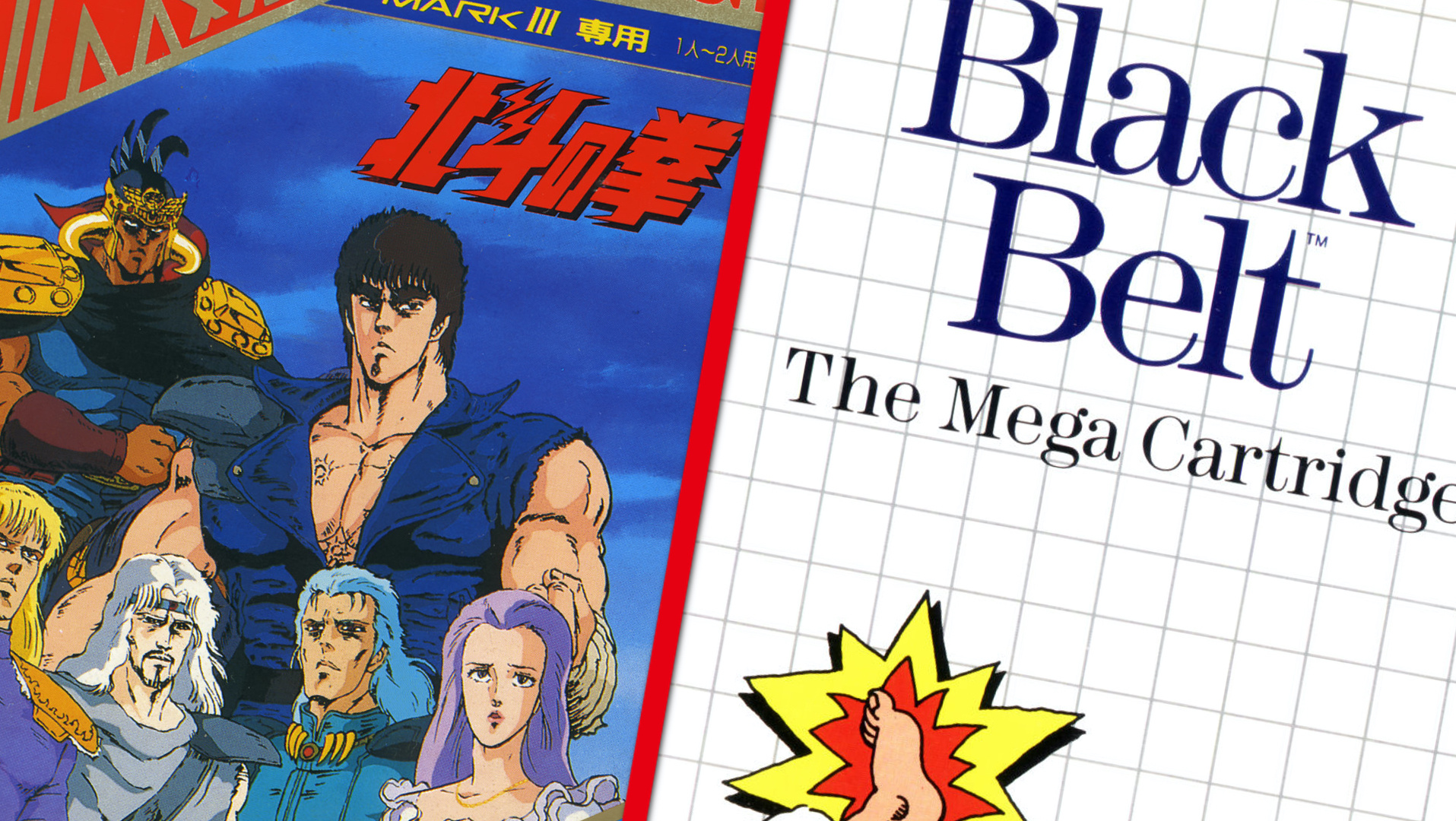
Fist of the North Star – or Hokuto no Ken, as it is known in Japan – is one of the true classics of Japanese manga and anime, having established itself during the ’80s. We’ve seen video games based on the series since then, with Sega being one of the main licensees responsible. It produced a Fist of the North Star game for the Mark III console in 1986, and then ported it to the west under the name Black Belt, removing most of the references to the original series. It would follow this with 1989’s Hokuto no Ken: Shin Seikimatsu Kyūseishu Densetsu on the Mega Drive, which made its way to the west as Last Battle. Again, the characters were mostly re-drawn to hide the link to Yoshiyuki “Buronson” Okamura’s post-apocalyptic franchise, and the gore was toned down dramatically (no exploding heads for us westerners). Oddly, Last Battle was subsequently picked up for conversion to home computers by UK company Elite.
It’s worth noting that while Sega changed its Fist of the North Star games to suit a western audience, we did see games cross over from Japan with the licence intact on the NES and Game Boy – presumably to cash-in on the western 1991 release of the 1986 Fist of the North Star movie by Streamline Pictures.
Tecmo Cup Soccer Game / Captain Tsubasa (NES)
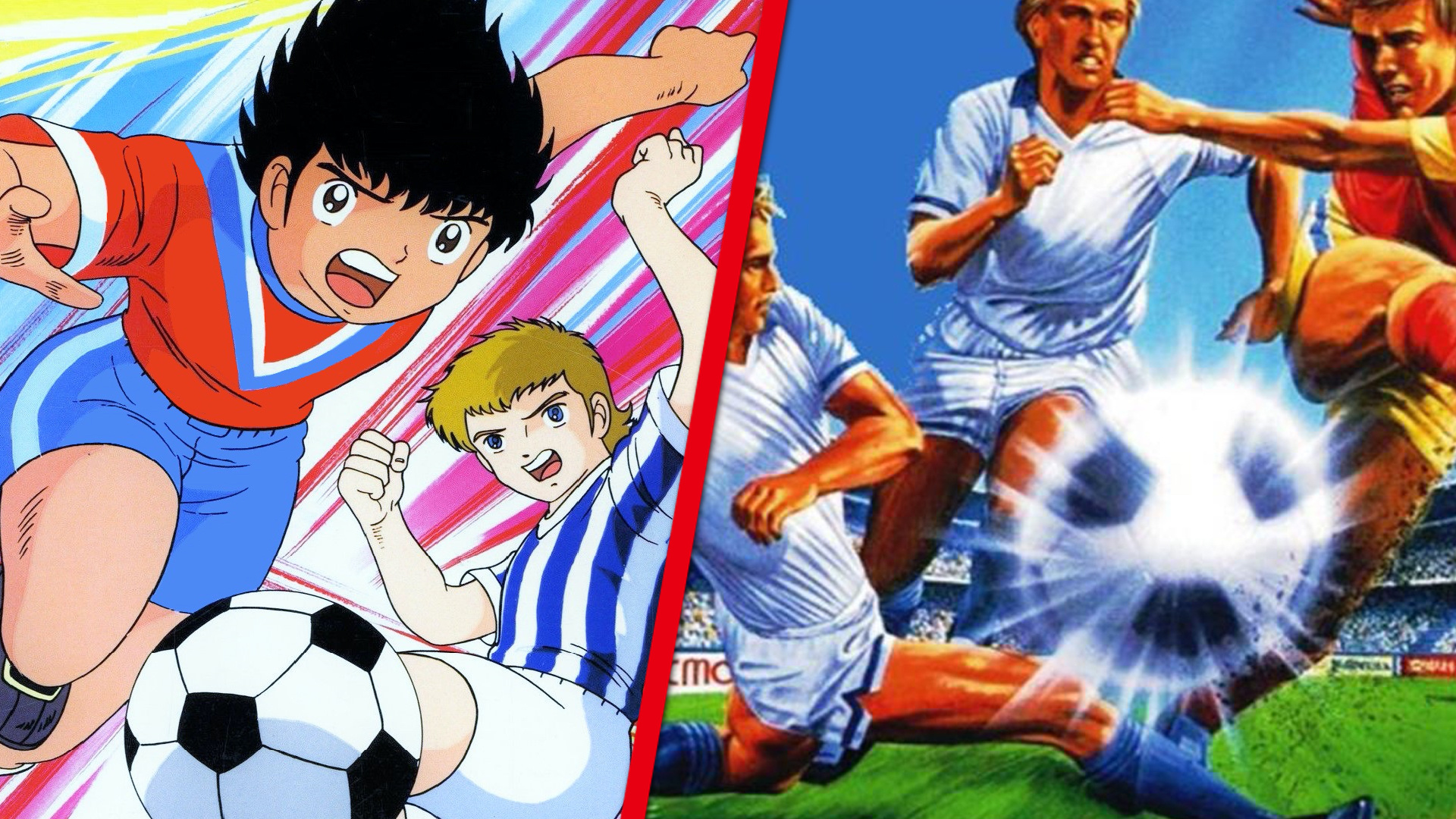
A soccer game with RPG elements was always going to be a hard-sell back in the NES days, so it’s hardly surprising that Tecmo decided to strip away the Captain Tsubasa licence for the western release of its popular footy adventure. The Japanese version took elements from Yōichi Takahashi’s famous manga and anime series, creating a game which moved away from the fast-paced action of most soccer sims and instead relied on a more cinematic, turn-by-turn view of the action. The western version retained this structure but removed all of the Captain Tsubasa characters and replaced them with generic footballers (the lead character, Tsubasa, becomes a blond-haired Superman lookalike called Robin Field, for example).
Burai Fighter (NES / Game Boy)
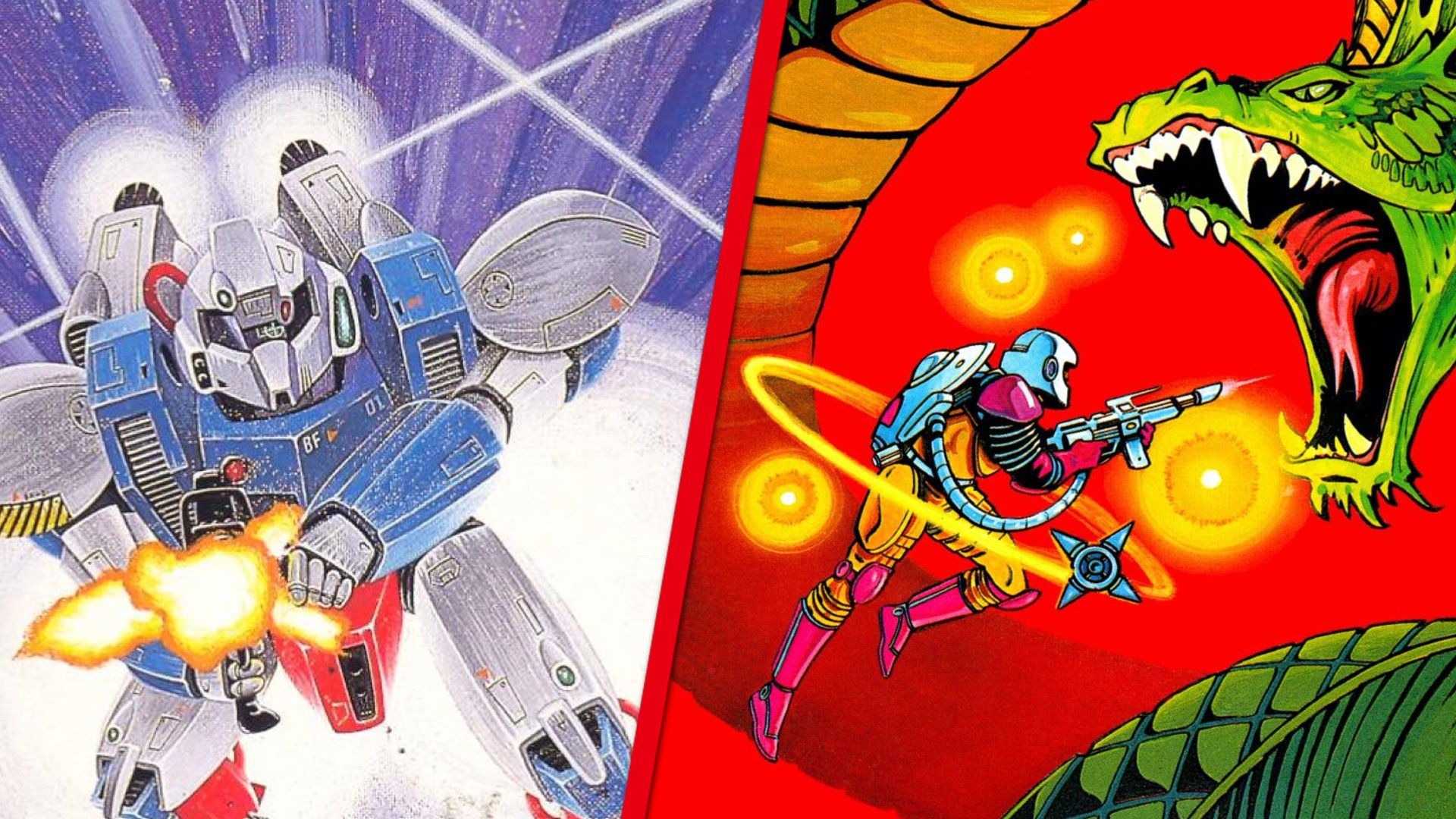
Like a great many Japanese games, Burai Fighter has a massive, Gundam-style mech on its front cover – a surefire way of getting Japanese kids interested in the game contained within, especially in the absence of an official anime licence. However, when the game was released in the west, the robot was supplanted by a generic space dude who looks like something out of Buck Rogers. Boo.
Power Blade / Power Blazer (NES)

This Taito-made NES action platformer is a perfect example of how Japanese publishers re-shaped their games for western consumption. In the Japanese original – named Power Blazer – the main character is a cute, Mega Man-style cyborg, whereas the western edition features a muscle-bound, sunglasses-wearing Schwarzenegger lookalike (so close was the resemblance that cover artist Mike Winterbauer claims he was sent threatening letters by “a certain movie star’s lawyers” until he pointed out that he had used his own face as a reference for the image). The game’s stages were also changed and the controls were improved, so while Power Blade sports a cookie-cutter visual style that is clearly aimed at pleasing young fans of ’80s Hollywood action movies, it does at least play better than its Japanese counterpart. Interestingly, Power Blade 2 was released in Japan under the title Captain Saver and shared the same visual style as the western version, complete with Arnie-style protagonist.
Zelda: Link’s Awakening (Game Boy)
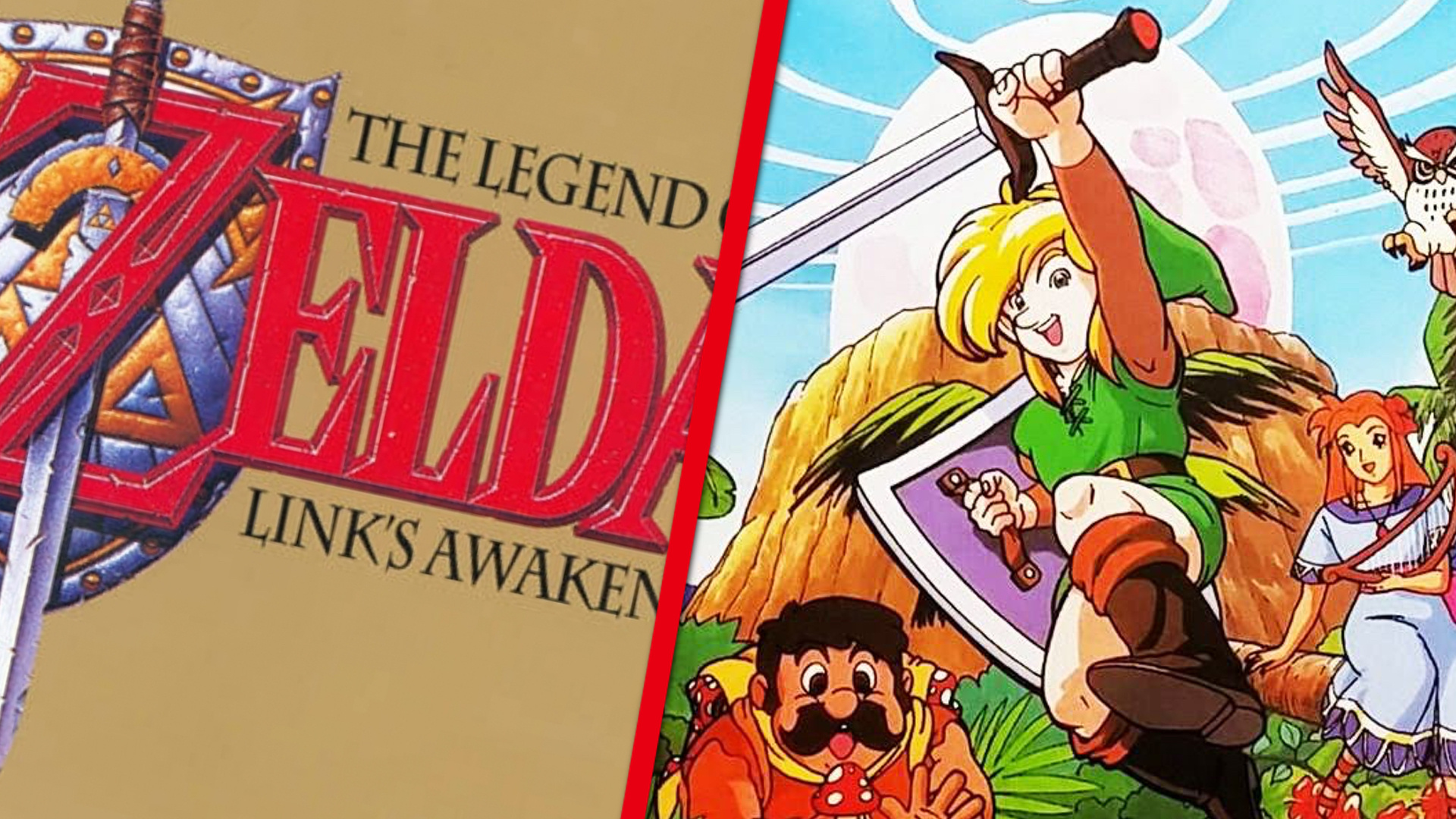
This is arguably a controversial inclusion, but one worth mentioning – Nintendo was pretty aggressive in removing any ‘anime’ elements from the covers of its Zelda titles. Right from the start, the cartoon-like illustrations seen on the Japanese versions of The Legend of Zelda, Zelda II: The Adventure of Link and The Legend of Zelda: A Link to the Past were all replaced by basic covers that didn’t feature any character artwork whatsoever (although, to be fair to Nintendo, it would use the cartoon-like artwork in both the instruction manuals and promotional materials). Perhaps the most notable change was for Link’s Awakening, which boasted a gloriously colourful anime-inspired cover for its Japanese release – a cover which was ditched in the west in favour of the trademark Zelda logo, complete with sword and shield. We imagine that many of you reading this will have a strong nostalgic connection with the western cover artwork – we don’t blame you – but let’s face it, the Japanese cover is superior.