As countries and companies focus on technologies such as tracking, tracing and testing to fight the pandemic, it’s critical that we also protect people’s privacy. Today, we’re offering seven principles as ideas to consider as we move into the next phases of helping to fight this pandemic.
Governments, public health authorities and industries spanning the globe are engaged in the hard and important work of identifying a path forward to get society back together again. Tracking individuals who are infected, tracing those with whom they have recently come into physical contact and making testing available to those contacts may play an important role in managing the next phase of COVID-19 around the world. As in all other aspects of modern life, digital technologies are likely to be used for tracking, tracing and testing. This requires special care, as sensitive data about our location and health status may be involved.
Preserving privacy as we develop and implement these technical solutions will be critical. Here are seven privacy principles that we offer for governments, public health authorities, academics, employers and industries to consider as we collectively move forward into this next phase of tracking, tracing and testing, and using similar technologies developed to address the COVID-19 pandemic.
Obtain meaningful consent by being transparent about the reason for collecting data, what data is collected and how long it is kept. Data should only be collected with consent and used in the manner explained when people are making the decision to participate. Clear and user-friendly information serves to help promote voluntary participation and can ensure everyone interacting with the technology is making informed choices to participate in data collection and is aware of the purpose of the data collection, the type of data that will be collected, the time period the data will be held and the benefits of the data collection.
Collect data only for public health purposes. The data collected from an individual for purposes of tracing those who have been in physical contact with an infected person and other public health purposes is owned by the individual and should remain under that person’s control. As a general matter, this data should be used by public health authorities only for the articulated public health purposes, and not for unrelated reasons. Public health authorities should provide input regarding the types of data that will be most useful for fighting the pandemic.
Collect the minimal amount of data. Data that is collected by public health authorities for public health purposes, such as tracing, should be limited to only the specific data required, and should only be collected and used for the time period identified as necessary by public health experts.
Provide choices to individuals about where their data is stored. The data must be wholly in the individual’s control, including allowing the individual to choose where to store this data, such as on a device or in the cloud.
Provide appropriate safeguards to secure the data. Reliable security safeguards such as de-identification, encryption, rotating and random identifiers, decentralized identities or similar measures should be in place to protect people’s data from harmful exposure and hacking attempts.
Do not share data or health status without consent, and minimize the data shared. An individual’s data or health status shouldn’t be shared with the individual’s contacts or others without securing the individual’s meaningful consent. If such sharing is pursuant to legal requirements, then the sharing should be strictly limited by the scope of the law. When notifying individuals that they may have been in physical contact with an infected person, only share the minimum amount of data necessary to protect against inferences about the identity of the infected person.
Delete data as soon as it is no longer needed for the emergency. Individuals own their own data, whether stored on a device, a server or in the cloud. Copies of the data that were transferred to public health authorities and others for tracing and other public health purposes should be deleted when no longer useful for public health purposes, as defined by public health authorities. None of the individual’s information should be retained by the authorities or others for future unrelated uses or purposes.
These principles are designed to apply to any COVID-19 technological solutions that involve the collection and use of personal data such as health data, precise geolocation data, proximity or adjacency data, and identifiable contacts.
Our approach is grounded in the belief that, for technology to succeed, people need to be in control of their data, and be empowered with information that explains how their data will be collected and used. Furthermore, companies need to be accountable and responsible for this data. Policymakers, advocacy groups and regulators are starting to share their ideas about guidelines to preserve privacy in any deployment of tracking, tracing and testing technology. We don’t have all the answers, and we look for others to contribute additional ideas, but we hope our principles help advance the discussion.
We need to fight COVID-19 and protect privacy
Addressing global problems of this magnitude understandably creates an urgent need for innovative uses of data to fight the pandemic, and we believe these measures must take privacy into account. The good news is that, today, we have more tools and methods than ever – such as differential privacy, federated learning, decentralized identities, privacy-preserving contract tracing protocols and open source repositories, and other techniques for managing data privacy – to allow society to use data for good and be confident that personal information is kept private.
In the U.S., the need for this conversation in the midst of a pandemic underscores the urgency for a strong federal privacy law. An updated legal framework placing obligations on businesses that collect and use personal data would help provide the necessary guardrails for companies to know how to protect and respect personal data as they create tools and technologies to address urgent societal needs.
Considering the bigger picture
In the context of rising excitement about the possibility of leveraging computing technologies to help with mitigating the pandemic, we note that the issues with, and opportunities for, helping with COVID-19 are complex. Technical advances, such as the use of mobile phones to collect data of various kinds, need to be considered in the larger context of the complexity of the world, such as how comfortable people will be sharing data, the availability of testing resources, the efficacy of the methods under realistic situations of usage, and evolving local and national policies. Concerns over any technology or program include inclusion and the potential for systematic discrimination based on numerous factors. For example, different populations may face different challenges when attempting to participate in health-centric programs based on access to, and familiarity with, technology, depending on race, age, education and income levels. These are also vital issues to address as we move forward.
Privacy and ethical concerns must be considered as we move forward to use data responsibly to defeat the COVID-19 pandemic. Microsoft is committed to serving as a constructive partner in this fight.
Here’s How Super Mario Odyssey Might Have Looked If It Launched On Nintendo 64
Super Mario Odyssey is one of the Switch’s finest looking games (and finest games full stop, we might add), but strip away all of its shiny HD polish and you can end up with a version that looks like it would have been right at home on the Nintendo 64.
Modder Kaze Emanuar, known for tinkering around with that console’s classic 3D Mario, Super Mario 64, is back once again. This time, he’s released a new mod which is essentially a Mario 64-style demake of Super Mario Odyssey, complete with 80 Moons to collect across a number of worlds.
As you can see in the homemade trailer above, plenty of locations from Odyssey have been remade within Mario 64’s iconic style, and you can even use Cappy to capture enemies just like the real thing. He’s actually posted a playthrough of his creation to YouTube, too, which you can view for yourself below if you’re interested.
Cyberpunk 2077 Xbox Is Final Limited Edition Xbox One X
Microsoft's planned reveal of a special Cyberpunk 2077 limited edition Xbox One X was spilled a little early, thanks to errant Amazon listings and a trailer leak. The official word has now gone out, but it revealed one new detail: this will be the final limited edition Xbox One X console.
"Be sure to keep an eye out for future details as this will be the final Xbox One X limited edition console to ever be released, and only 45,000 units will be available in select markets," reads the announcement on the Major Nelson blog.
Cyberpunk is among the biggest games planned for this year, and as Microsoft prepares to launch Xbox Series X it will probably be looking to the new generation for its special editions. It makes sense that this one will be the swan song, and it looks like the designers went out on a high note.
Streets Of Rage 4 Appears To Be Getting A Day-One Update
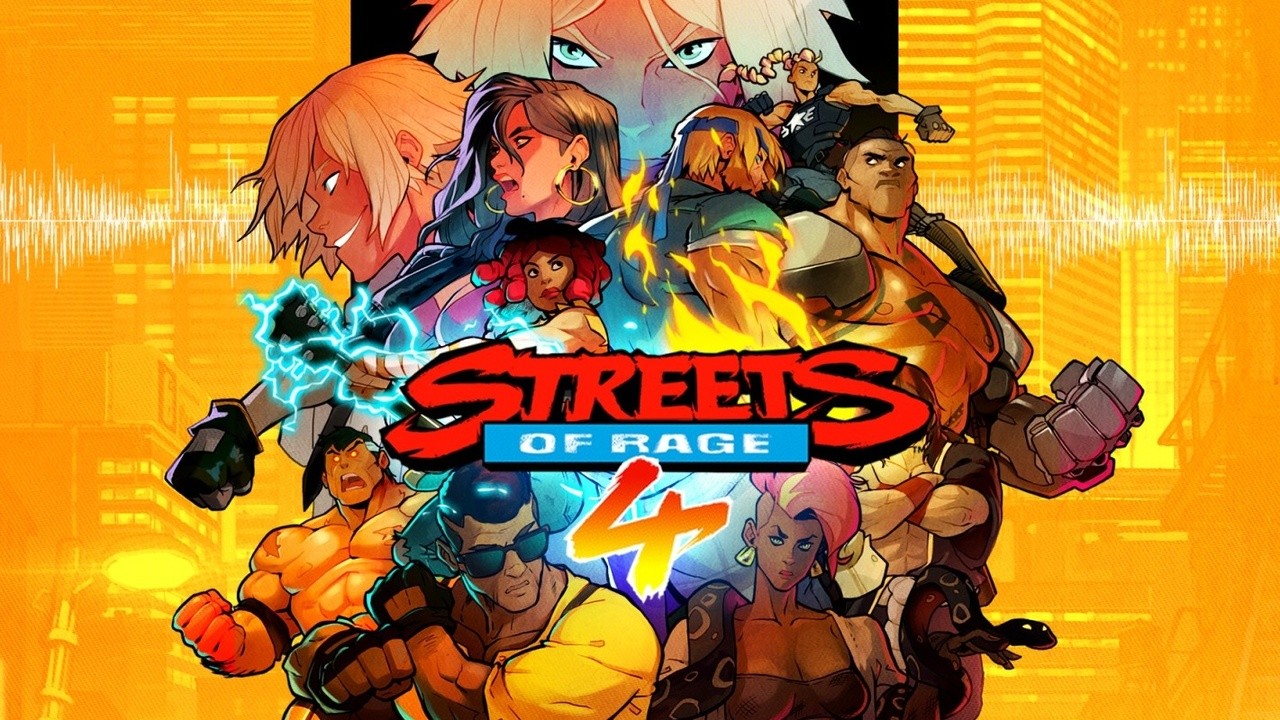
As you might have heard, Dotemu, Lizardcube, and Guard Crush have finally locked in the launch date for Streets of Rage 4. It’s arriving on the Switch and multiple other platforms on 30th April and will retail for £22.49 / $24.99.
Alongside this announcement was the first look at the game’s Battle Mode – which we noted was a legacy experience returning from Streets of Rage 2 and 3. What’s also been uncovered for the title now is a day-one update.
While the size of the game has already been confirmed as 3.1 GB, according to information from the official PlayStation servers, you’ll need to clear up an extra 1 GB of free space for some combo system improvements, bug fixes, and “global polish” of music and sound design.
Will you be taking to the streets when the fourth entry arrives on 30th April? Comment down below.
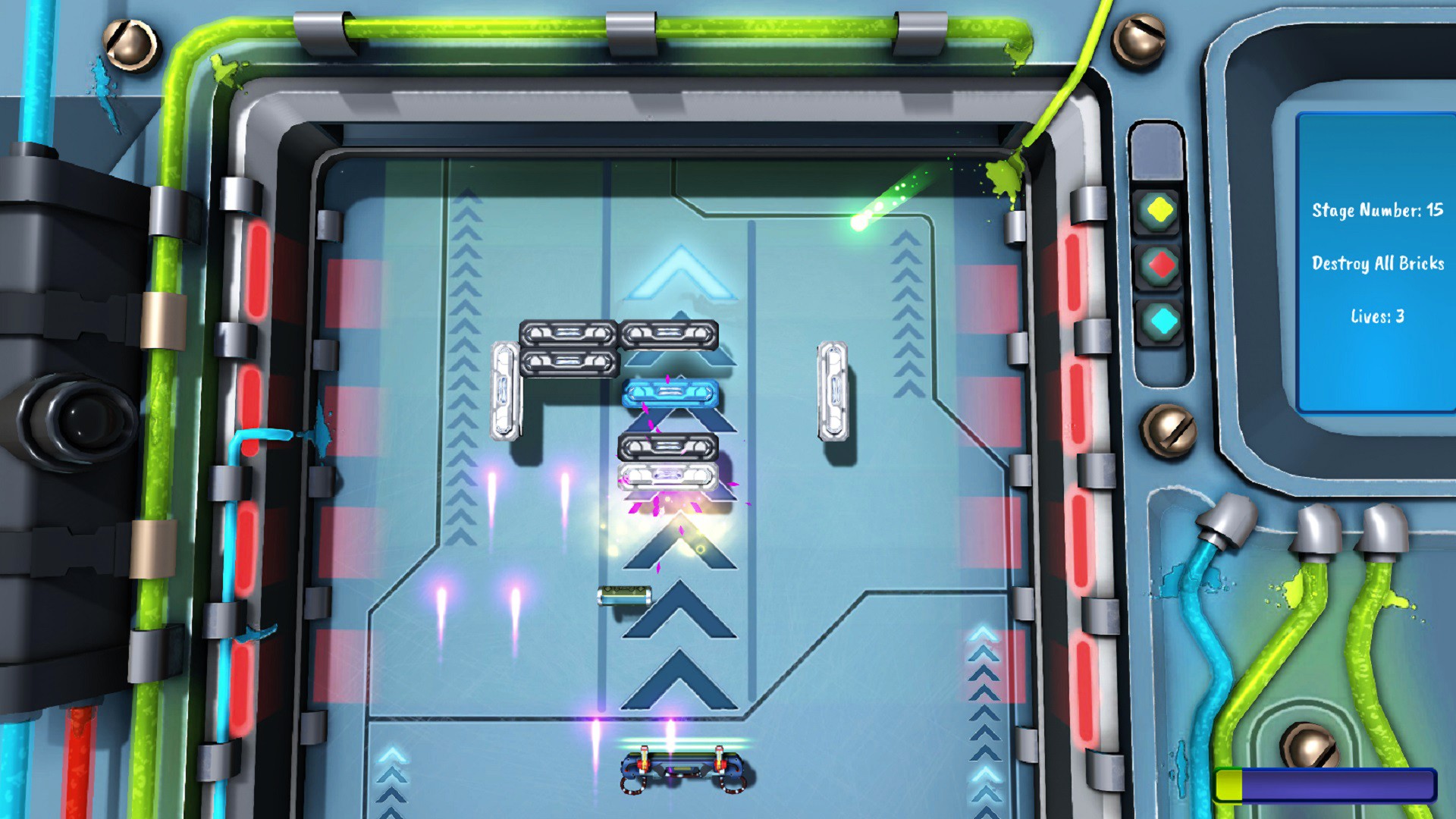
Game industry changes, popular and trending games differ by era. The arcade games we knew in the 80s and 90s are a minority now. We wanted to rekindle that old-school flame once again with Glaive: Brick Breaker.
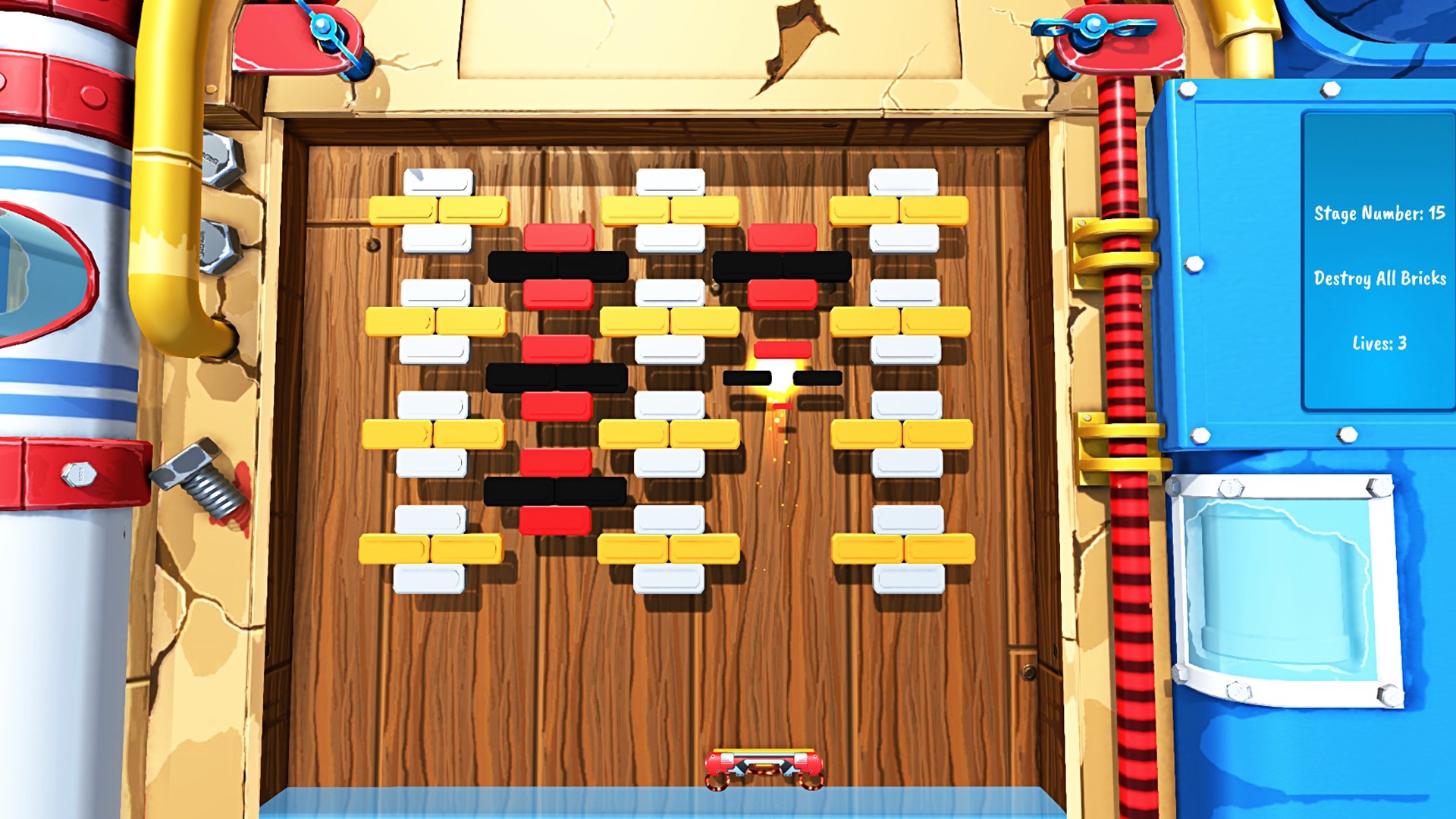
Keeping that thought in our minds, we wanted to make a game that would bring those old memories back. With upgraded game systems, new ideas for game mechanics, better visuals, level creator and local versus mode we wanted to present brick breaker genre from a new perspective. You will find many different power-ups in game like magnetic fields, blasters, rockets, fireballs and even special abilities usable in each stage.
Players will find over 200 levels of pure arcade fun, great for short game session between bigger titles. That’s also something we do, while creating games – quick few rounds of Glaive: Brick Breaker during coffee breaks ideally put out any work tension we had.
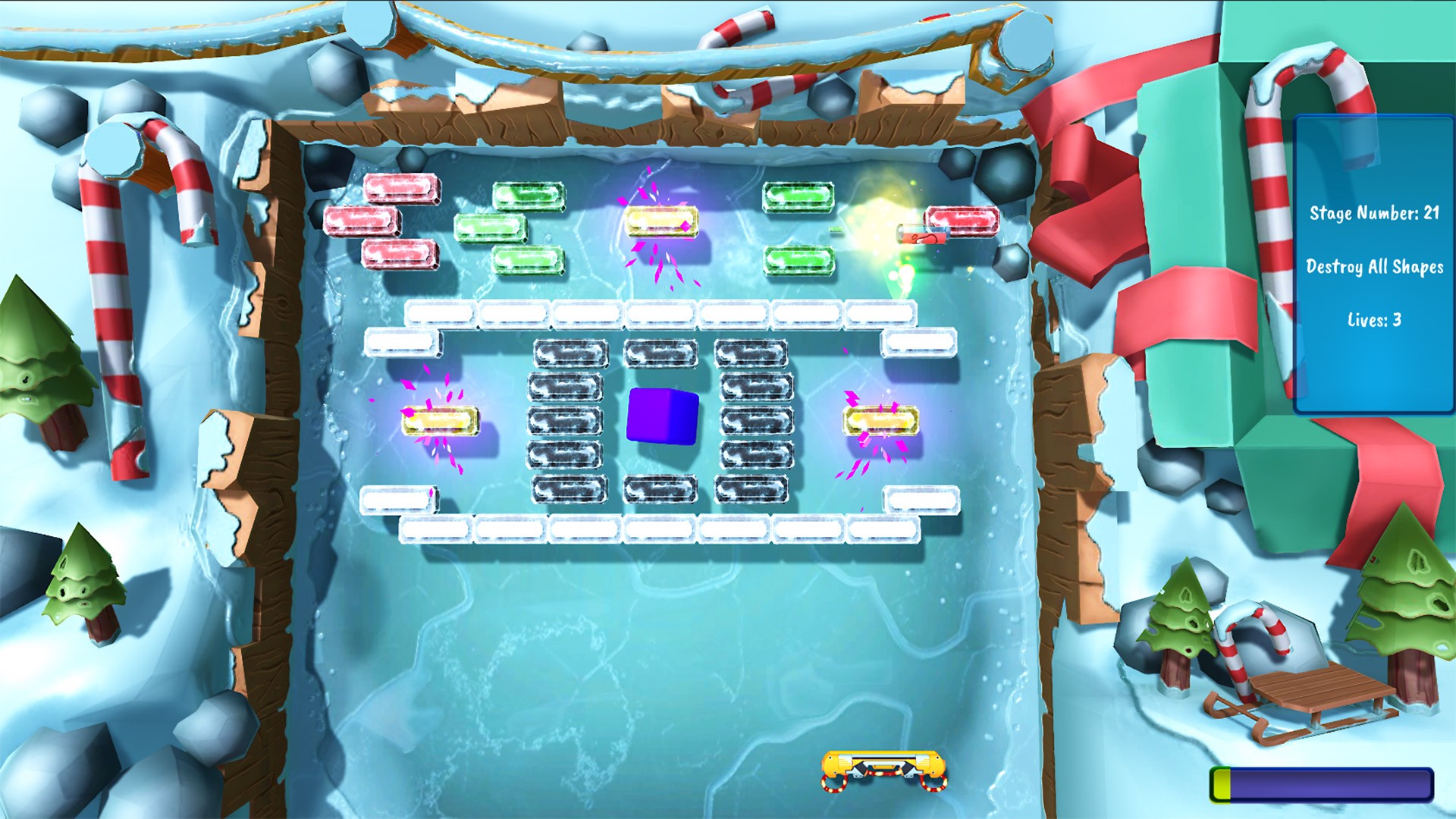
It’s always great to create something you had in your mind – we incorporated Level Creator mode in Glaive: Brick Breaker, so players can create their own levels and play them. Among different stage themes we have brick types, with different behaviors, possibility to set brick’s durability, color, model and more.
We hope you’ll enjoy breaking down bricks in many levels of Glaive: Brick Breaker as much as we have enjoyed making the game in the first place. We hope so especially now, since our title was made available on Xbox One and we are very happy about this.
Glaive: Brick Breaker
Blue Sunset Games
☆☆☆☆☆2
★★★★★
You have been granted access to pilot “Glaive” – a brick breaking battle ship. Use it to fight through tons of stages of intense arkanoid-style action. Key features: An all-new brick-breaking game. Level Creator Use your Glaive ship to break bricks and obtain many different powerups. Over 200 levels. Easy to learn controls. Great ball mechanics, that let you control it’s speed with a bit of experience. 2 player versus mode – grab a friend and find out who’s better. Boss fights – it’s never easy, but you can do it! Different game modes – classic, pong, shape breaker, boss fight. Beautiful 3D graphics. ROCKETS! Play on classic wooden table, in icy winter or in futuristic neon set. An all new arkanoid experience is waiting!
The following blog post, unless otherwise noted, was written by a member of Gamasutras community. The thoughts and opinions expressed are those of the writer and not Gamasutra or its parent company.
I never do this. This will be a series of blog posts about a score as I’m writing it, which is something I would normally avoid like the plague. But this is a chance to try something new and expose the creative process mid-stream. Hopefully it’s interesting! But first, some history…
I had the great pleasure of meeting Matt Nava while working together on Journey from 2009–2012. Matt was thatgamecompany’s Art Director and — as I’ve said many times — his style and aesthetic were the single biggest inspiration for what made Journey’s music what it was (a sentiment we seemed to mutually express). In 2012, he founded Giant Squid and their debut title was ABZÛ. I was again privileged to work with Matt and, in contrast to the stark desolation of Journey, ABZÛ was all about the simultaneously affirmation and stewardship of life. The game doesn’t exactly mask its ecological conservationist subtext, but I always felt it was more of a general celebration of nature.
After the success of ABZÛ, I was very grateful that he again asked me to collaborate with he and Giant Squid. This time, the project is called The Pathless, and it’s quite unlike any of our previous titles. The game focuses on a lone hunter, marooned on an island. Right off the bat, the most immediate difference is the open world nature of it, relative to the linearity of both Journey and ABZÛ. And while ABZÛ was far more lively than Journey, both shared a relatively introspective quality which stands in major contrast to The Pathless’s energetic gameplay. The pacing of the game, and even the animations, are explosive with exuberant rhythm.
Immediately, the challenge was clear: the music had to reflect the lonesomeness of the hunter and the legitimate danger she faces while also encapsulating the joyful nature of the gameplay. As with all of our previous collaborations, this began with trying to find a theme.
This was the first piece I wrote in an effort to accomplish all that, and later a condensed version was used in the reveal trailer.
With that in your ears, here’s how I approached it:
The importance of melody and texture
Games have a wide variety of musical and narrative requirements. When starting a new project, the first thing I tend to do is search for that kernel that forms the basis for everything that will come after. This often manifests as trying to find the perfect theme; that quintessential succession of notes that seem to summarize all of the subtext or even literal nature of the game, its characters, and its story. I am a believer that a great theme — and in particular a great melody — can provide a shortcut into a player’s subconscious and communicate the desires of the game developers in a way that is complementary to, but definitely not overlapping with, the mechanics, art direction, etc.
Matt is certainly a believer in this also. We talked a lot about theme and melody and the way in which it would evolve. The open world nature of the game means that things have to be executed differently this time around (more on that in future posts!) but it is nonetheless a deeply melodic score.
Trying to find the melody
Zeroing in on what exactly that melody should sound like is always the million-dollar question. In this case, there is something ritualistic, or even tribalistic, about the premise of the game. The hunter is dropped off on this island and we slowly absorb her purpose and her traditions. So much is communicated through suggestion and implication, so I want the music to bridge a lot of the gaps in the players’ minds. It should almost feel like a folk song from a culture we’ve never visited and as a result,the melodies should feel as though they are settings of ancient forgotten poems. Even though there are no lyrics, it should feel like a folk song — or even a hymn — from her society. After a week or two of fiddling around, I came up with this melody. It was actually not as difficult as it can sometimes be, and I can only attribute that to how much I’d already fallen in love with this latest Giant Squid world.
Choosing the instruments
The next key decision is finding some kind of unique instrument or sound to carry the theme, and indeed to be emblematic of the score as a whole. In the case of ABZÛ, Kristin Naigus’ oboe solos formed the heart and soul of everything, and were an important jumping-off point for most every cue in the game (likewise with Tina Guo’s cello solos in Journey). For The Pathless, I have a slightly different feeling — I want the island to feel simultaneously familiar yet foreign. In a way, it feels like an amalgamation of many different cultures but, in that combination, creates its own. So, any solo instrument that is deeply attached to a specific tradition seemed like it would be misleading. A lot of the times, orchestral instruments can be useful in that situation because the orchestra has been so nearly universally adopted throughout the world that its instruments don’t necessarily evoke the specifics of their European origins anymore (a cello solo like those in Journey doesn’t scream Germany or Italy, etc). At the same time, I wanted something more distinctive, so I decided to form a sort of pan-cultural folk ensemble.
The lead instrument of this is a Nyckelharpa, played by Morgan O’Shaughnessey (who you can hear in the trailer). The Nyckelharpa comes from Sweden and there are remarkably few people who play it. I tend to think of it like a steampunk violin, and can be simultaneously beautiful and incredibly violent and aggressive. Juxtaposed with that are instruments like the Turkish Oud, and a wide range of Eastern flutes and reeds. The list is actually far deeper than that, but I will cover that in subsequent posts. The other equally important soul of the score is the Tuvan ensemble called Alash. Throat singing and the instruments they play form a genetic strand that threads its way across every moment of the game. More on that later!
The reveal trailer below shows how I blended all of that with a simple orchestral palette consisting mostly of strings, percussion, and low winds. It has already been two years (as of this writing) since I composed it, and the score has evolved a lot. Part of the idea of this blog is to share insights of the score in-progress in a way that I am not accustomed to doing. You are hearing a snapshot of my conception for The Pathless from two years ago, so forgive my self-consciousness! More to come…
And PS, if you don’t follow Giant Squid’s blog already, it’s worth following for other in-progress looks under the hood.
Stardock Entertainment continually breaks new technical ground across our catalog of PC game titles spanning 4X and Real-Time Strategy and Action Adventure. We are currently seeking a Graphics Programmer to work on our next-generation game engine for both announced and unannounced titles to build up our team of dedicated and experienced talent! This is a salaried, full-time position at our Plymouth, Michigan studio.
Primary Responsibilities Include:
Work with the artists and designers to produce next-generation graphics
Troubleshoot technical issues related to graphics
Optimize graphics to run on a variety of platforms and machine specifications
Create and maintain tools for artists to visualize and debug their assets
Education and/or Experience Desired:
A Bachelor’s degree in Computer Science, Software Engineering or related field
3+ years experience in C++ required
Familiarity with 3D math, including quaternions and matrix math required
Shipped at least one commercial game
Experience with all core areas of graphics development (Shaders, Animation, Post-Effects, PBR Materials, and particles) while demonstrating a specialization in one of those areas required
Critical eye for attention to detail
Familiarity with 3D graphics hardware and driver stack
Experience with at least one graphics API: OpenGL, Direct3D, Vulkan, Metal; and a shading language like HLSL or GLSL
Experience developing on current generation or next-generation console is a plus
Whether you’re just starting out, looking for something new, or just seeing what’s out there, the Gamasutra Job Board is the place where game developers move ahead in their careers.
Gamasutra’s Job Board is the most diverse, most active, and most established board of its kind in the video game industry, serving companies of all sizes, from indie to triple-A.
Call of Duty Mobile has continued to evolve and morph since it launched last year, and in its latest community update, the development team addressed free-for-all mode's removal and took aim at cheaters who could ruin the experience for everyone else. The team's policy is clear: If you cheat, you will be banned.
Writing in the game's official Reddit community page, the development team said it has received several reports of cheating over the past few weeks and they have resulted in "enforcement."
"We don't want cheaters in our game, and we don't want them ruining your experience, manipulating our systems, and destroying the balance of the game," the team said. "If we see cheating we will enforce on it with our [Call of Duty Mobile] Security & Enforcement Policy in mind."
Scratchy Spring Sale Day 6: Private Division Sale, up to -82%
[www.indiegala.com] Be on the look-out for some huge discounts on your favorite games + a Scratch Card with a FREE secret Steam game for every store purchase.
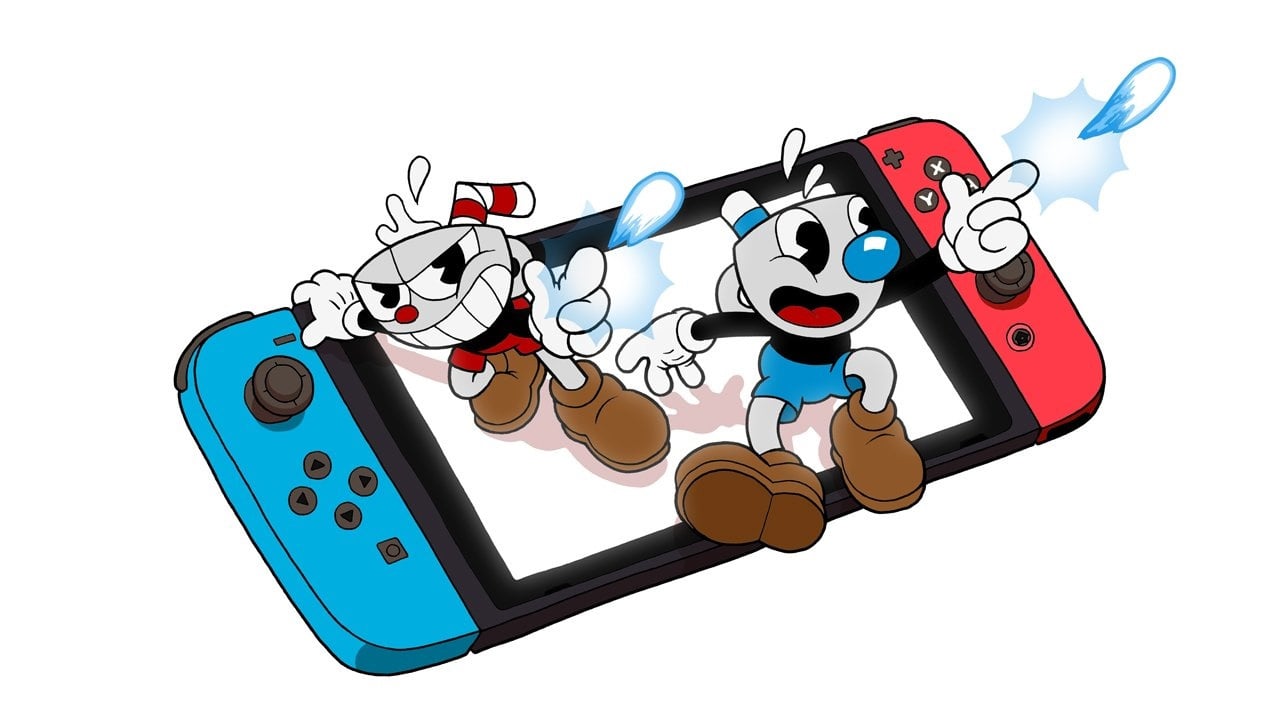
Cuphead Celebrates One Year On Nintendo Switch With A Special Anniversary Sale
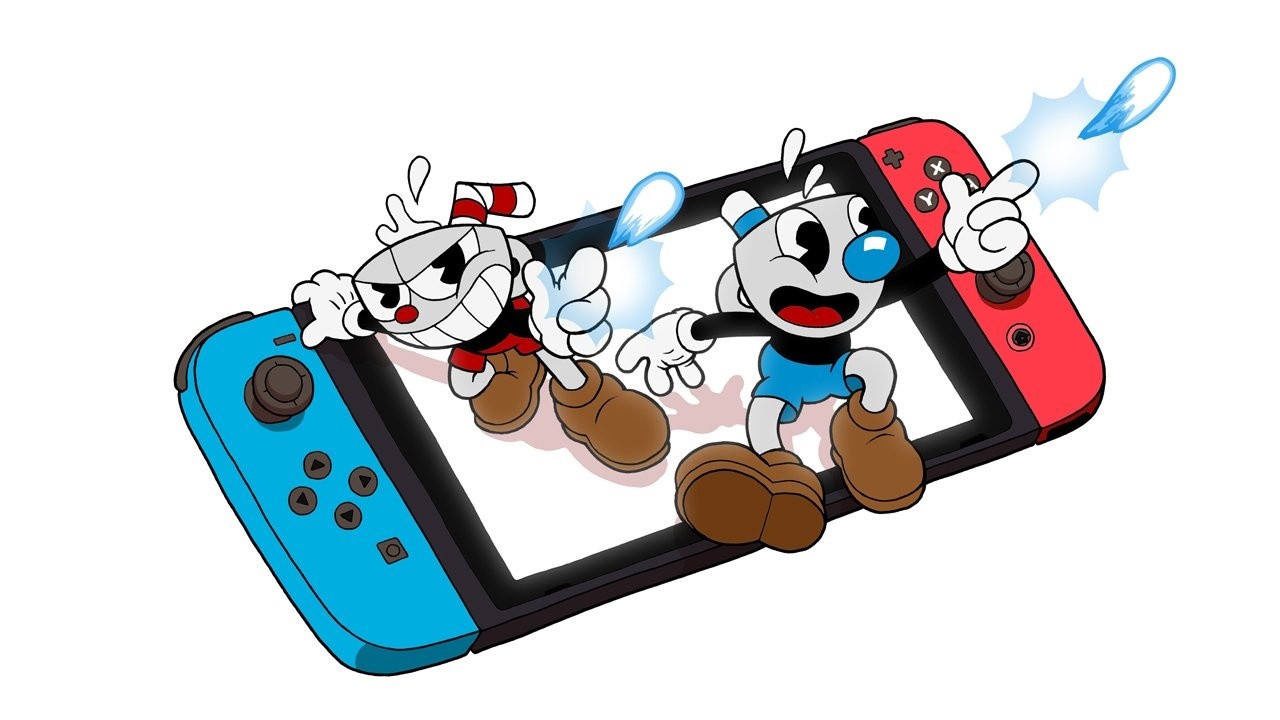
There’s another anniversary taking place and this time it’s to celebrate Cuphead on the Nintendo Switch. Yep, believe it or not, but Cuphead and Mugman have now been on the hybrid system for an entire year!
One year ago, this news was the headline act of a Nindies broadcast – with Nintendo thanking its friends over at Microsoft. The creator Studio MDHR was just as thrilled at the time, explaining how the run ‘n gun shooter was a descendent of retro action games such as Contra on NES, and noting how it was “surreal” to finally be on a Nintendo system.
To celebrate this special occasion, you can get the game for 25% off its regular price until April 25th. Here’s the official confirmation of this via Twitter:
In this time, it’s even scored its own Mii Fighter costume and event in Super Smash Bros. Ultimate. There’s also an expansion coming out titled ‘The Delicious Last Course‘ and it includes a new character called Ms. Chalice. If you haven’t yet played Cuphead yet, be sure to check out our review. We said it was an absolute blast provided you could handle the intensity.
Will you be taking advantage of this anniversary sale? Leave a comment down below.