Feature: Nintendo Switch Ports We’d Love To See In 2021
Over the past few years Switch has become a home to a wide array of quality ports from other platforms. Games from all over have made the jump to Nintendo’s handheld hybrid, including smaller mobile hits, cross-console releases from a few years ago and more unexpected and recent multi-platform titles. 2020 was no exception, with some fantastic ports coming to the console, including goliath efforts like DOOM Eternal and Ori and the Will of the Wisps, excellent revamps of older games like Xenoblade Chronicles and the Metro remasters, and sensitive tailored adaptations like Jurassic World Evolution and Hypnospace Outlaw.
For the past couple of years we’ve looked at ports that we’d love to see arrive on Switch, and it’s pleasing to look back at just how many have turned up on the console in some form or other. Below we’ve collected just some of the games we’d like to see come to Nintendo’s system over the next twelve months. Some of them are holdovers from previous years that we’ve still got our fingers and toes crossed for, while others are new releases we think would compliment the Switch library perfectly.
Let’s take a look at our ten biggest port-based hopes for Switch in 2021, all but one of which debuted on non-Nintendo systems.
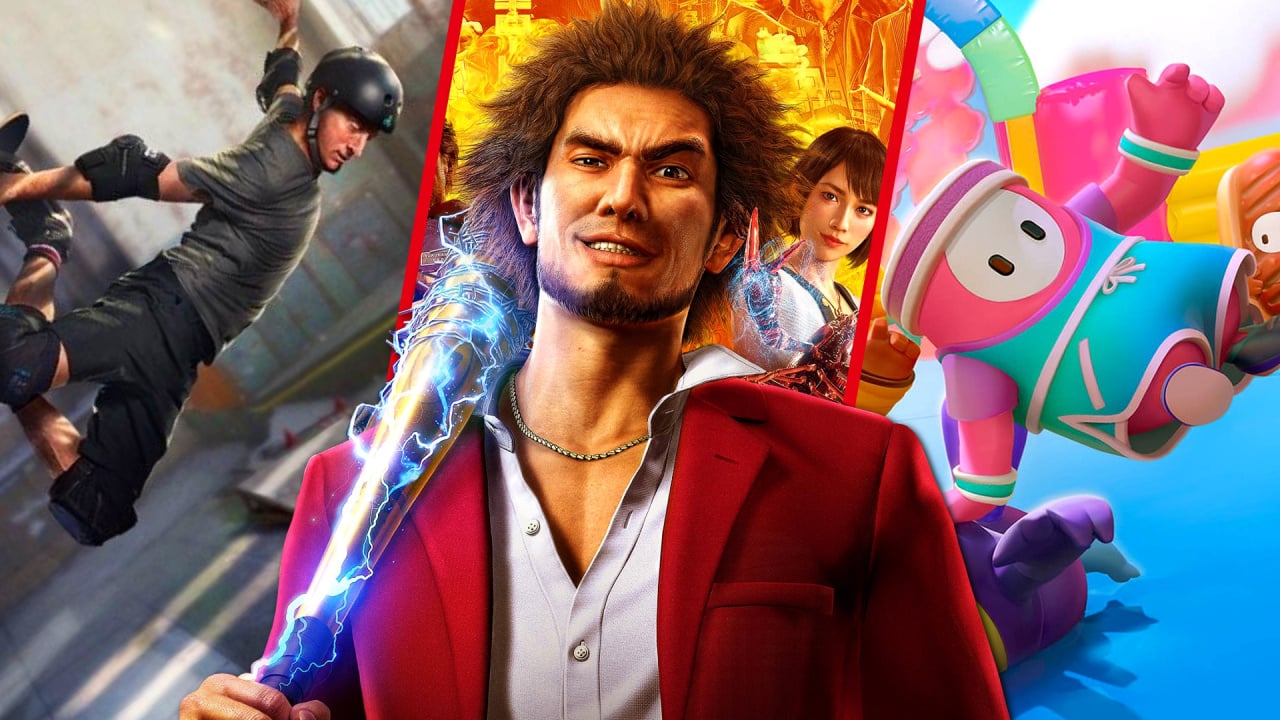
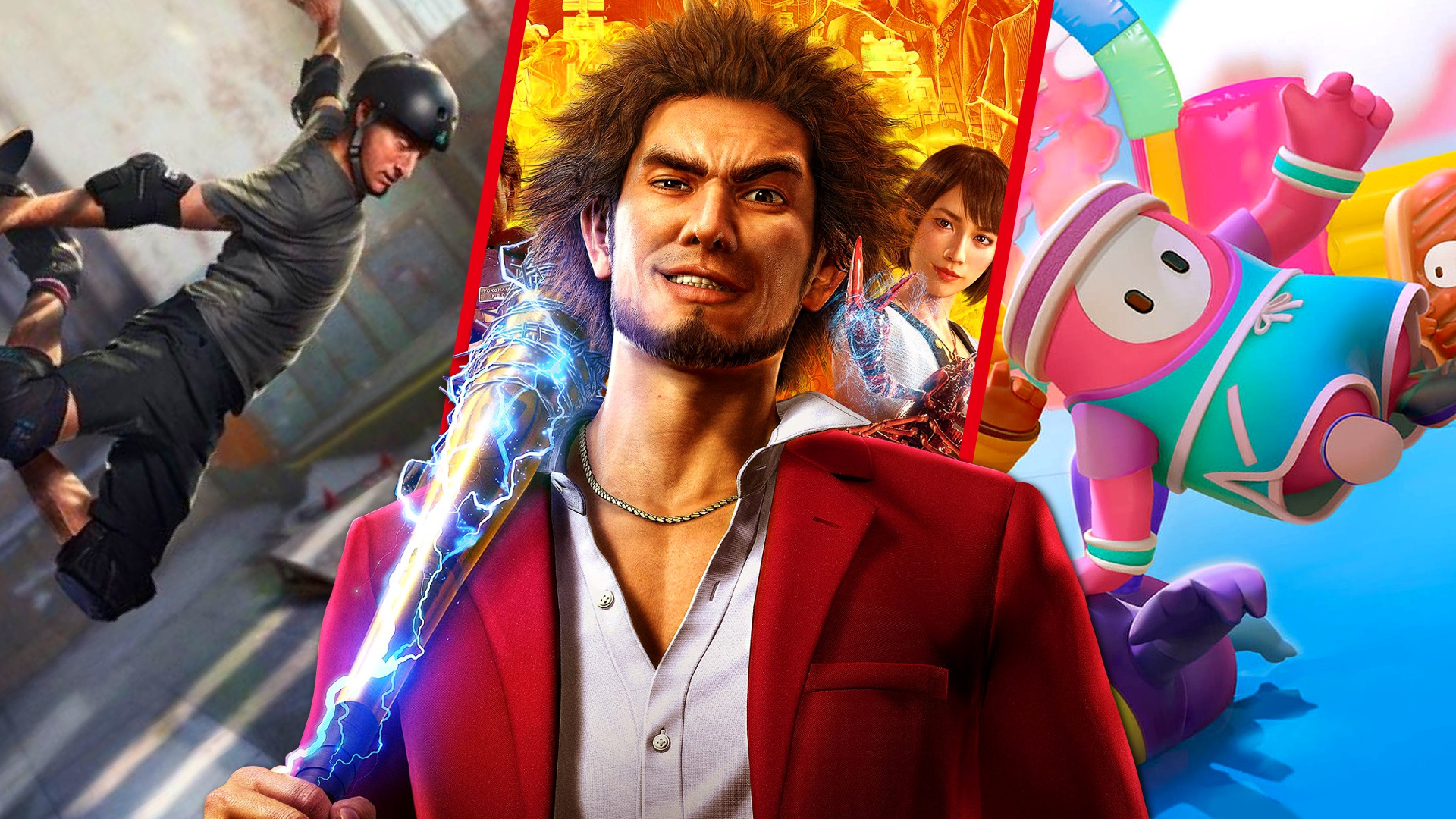
Fall Guys
One of 2020’s breakout hits, Fall Guys is a battle royale party platformer which gave players in lockdown a social outlet with its collection of chaotically fun mini-games. Our friends over at sister site Push Square loved its brand of colourful multiplayer mayhem, and ‘colourful multiplayer mayhem’ sure sounds like it would be right at home on a certain Nintendo console.
What are the chances?
Strong, we’d say. Following an overwhelmingly successful launch on PC and PS4, developer Mediatonic has been playing catch up while putting out content and squashing bugs. Season 3 is live at the time of writing, so provided that the makers and publisher Devolver Digital can find the time to assemble a strong build of the game for other platforms, we’d imagine the will exists even if the way is a little hazy at present.
A good FIFA game!
Zing! It’s got to the point now where we’ve simply had enough of the ‘Legacy Edition‘ treatment. If EA isn’t going to invest in bringing the full FIFA experience to Switch, we’d really rather they didn’t bother at all.
What are the chances?
Depressingly slim. We’ve looked before at the short-sighted chicken-and-egg situation EA has worked itself into, and despite supporting the Switch elsewhere with releases such as Need for Speed: Hot Pursuit Remastered and the upcoming Apex Legends, it clearly doesn’t care about the comparative pocket change to be made from a great Switch port while FIFA Ultimate Team continues to rake in the millions elsewhere every week.
It seems our best hope is for someone else to fill the footballing void on Switch.
Outer Wilds
Yes, this featured on our wishlist last year and we’re still jonesing for it on Switch. Not to be confused with the similarly named The Outer Worlds (which did come to Switch in 2020), Outer Wilds is a mysterious space-based open-world(s) FPS involving a repeating 22-minute time loop. As lovers of The Legend of Zelda: Majora’s Mask, we’re big fans of time loops and publisher Annapurna Interactive has a good track record of bringing games to Switch.
What are the chances?
As we said last year, Outer Wilds is built in Unity and its stylised art and lonely exploration would work well on Switch. The biggest issue against it is the workload for small dev team Mobius and 2020 probably didn’t help in that regard. We’re still hopeful, though.
Bugsnax
One of the light-hearted highlights of the year for Playstation owners, Bugsnax is a delightful first-person bug-hunting adventure with a surreal (and marginally horrific) edge and a whiff of the Pokémon Snaps about it. If nothing else, its catchy theme song from Kero Kero Bonito is worth the price of admission and we’d love to hear it on Switch.
So, are we talkin’ ’bout Bugsnax on Switch?
Maybe. Indie studio Young Horses may have signed up with Sony to make Bugsnax a PS launch exclusive, but as far as we’re aware there’s nothing to stop the game coming to other platforms at a later date. Performance was a little choppy on PS4, but given the appropriate care and attention a Switch version is well within the realms of possibility.
It’s tough to argue that its colourful creatures wouldn’t fit very snugly on Nintendo hardware, no? Nintendo gamers also can’t get enough of catching catalogues of cute creatures.
Persona 5
There’s a fantastic library of JRPGs on Switch, and Joker’s inclusion in Super Smash Bros. Ultimate led us to believe that Persona 5 on Switch was a mere formality — perhaps a release of Persona 5 Royal with extra content? But no, next April will mark the game’s fourth anniversary in the West and Persona 5 is still not available on a Nintendo system.
10%? Err…, 90%? It feels like a no-brainer, but we’ve given up trying to pin down Atlus and parent company Sega on things like ‘logic’. Remember, Persona 5 came out on PlayStation 3, so Switch could ‘handle’ P5 just fine. Not putting out a Switch port feels like Sega is leaving a big fat wad of cash just sitting on the table.
Posted by: xSicKxBot - 12-30-2020, 08:08 AM - Forum: Lounge
- No Replies
Spider-Man: Miles Morales' Dinner Scene Hits Hard This Holiday
Miles Morales and his mom Rio just moved into a new apartment in Harlem. There's still a lot to unpack in their rooms, and you can learn so much about them by looking around and examining their possessions. But the living room and kitchen are all put together, and Rio is going all-out to prepare a big Christmas dinner for herself, Miles, and a few family friends. It's a heartwarming scene where you have to do a few chores like put on some music, light the Christmas tree, and make sure Ganke cleans up the damn mess he made spilling soup on the rug. What's most important here is that it's a rich display of culture, language, and food that celebrates the Morales' Puerto Rican heritage.
Anyone who has played Spider-Man: Miles Morales will remember this part of the game--not necessarily for the fact that Miles has to get the power back on by using his Spidey skills while no one's looking, but because it draws you into a cozy winter vibe of a snow-covered New York City. It's a powerful moment of character building--you hear Miles and Rio speak Spanish to each other and you can see the Puerto Rican cuisine prepared and being cooked. It's an invitation to see Miles' Boricua roots first hand, and a striking piece of representation for those who share Boricua roots or relate through other Latin-American cultures, all over a nice dinner for the holidays. And for me, after I spoke to my mom to let her know I couldn't come home for Christmas this year, these moments in the game became much more bittersweet.
As I walked through that scene, it reminded me of home and my mom, a reflection of the 20-plus years in the past I spent with her during Christmastime. Rio is on the phone speaking Spanish while she's cooking, just like how my mom would talk chismis in Tagalog over the phone with my aunties, acting like I wouldn't understand what she was saying. Some of the food you see on the counter and being cooked closely resembles Filipino dishes I always had growing up, too.
We know you’re busy and might miss out on all the exciting things we’re talking about on Xbox Wire every week. If you’ve got a few minutes, we can help remedy that. We’ve pared down the past week’s news into one easy-to-digest article for all things Xbox! Or, if you’d rather watch than read, you can feast your eyes on our weekly video show above. Be sure to come back every Friday to find out what’s happening This Week on Xbox!
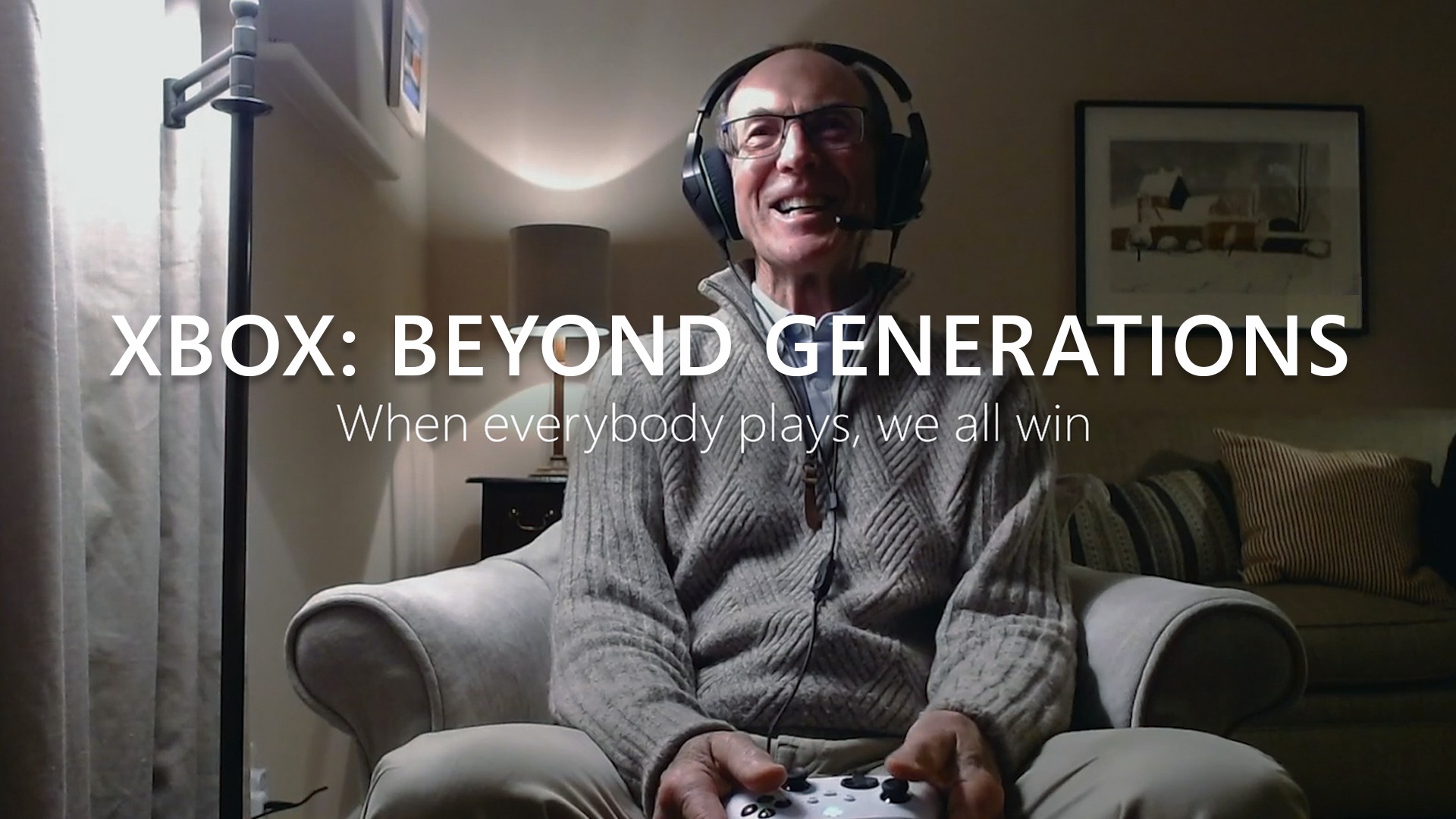
Xbox Launches “Xbox: Beyond Generations” Filmed Experiment Perhaps one of the greatest struggles older people face today is a lack of human connection; whether it’s due to living far apart from family members, or even a lack of close family and friends at all, loneliness among our older generation is a growing problem… Read more
Free Play Days – Black Desert, Unturned, and Resident Evil Resistance Experience an epic medieval MMORPG or get your zombie survival-horror fix, all in this weekend’s Free Play Days. Black Desert, Unturned, and Resident Evil Resistance are available for Xbox Live Gold and Xbox Game Pass Ultimate members to play… Read more
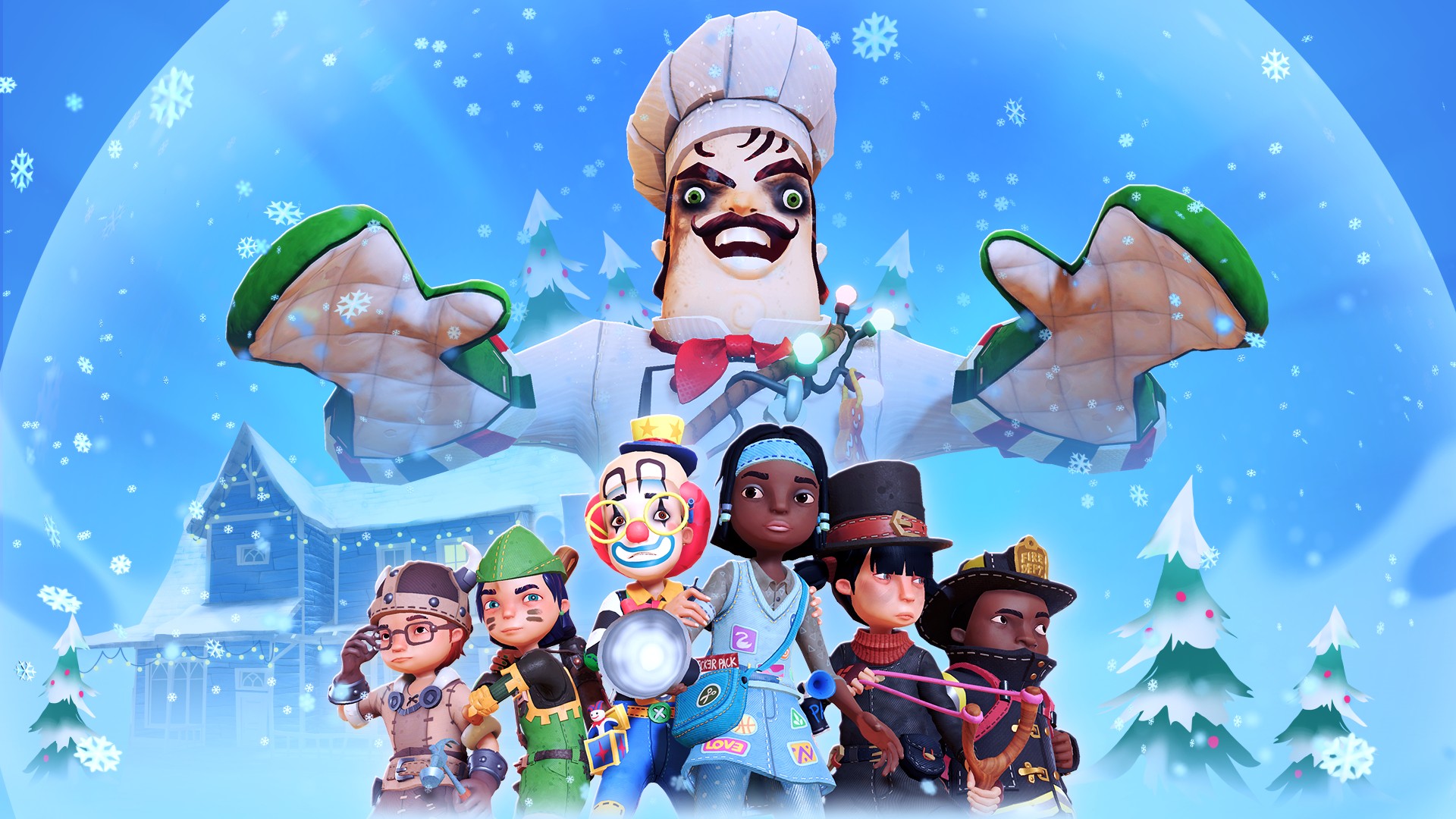
Secret Neighbor Winter Holidays Update is Here For any new home invaders in our midst, Secret Neighbor is an online multiplayer social horror game where the goal is to work together with other players to get into your suspicious neighbor’s basement. This isn’t just any senseless breaking and entering though… Read more
The Undertaker is Now Available in WWE 2K Battlegrounds Celebration of the Deadman’s 30th anniversary continues as wrestling fans can now get their hands on the Undertaker. While we may have seen the last of this version of Undertaker laying out AJ Styles at WrestleMania, fans can continue to lay waste… Read more
Skater XL Mod Maps and Gear Available Now on Xbox We are extremely stoked to announce the release of update 1.1, which integrates mod content into the core experience of Skater XL. We have always thought of Skater XL as a community driven game, and making user generated content as accessible as possible… Read more
Hide, Seek, and Survive: PUBG Season 10 is Available Now In PUBG Season 10, we’re bringing the new map called Haven, an industrial island in the rust belt of America. There is a carbon steel works, coal yards, industrial and residential zones, an overpass, and docks where you can hide, seek, and survive… Read more
Spellbreak Chapter 1: The Spellstorm Spellbreakis a competitive, free-to-play, third-person spellcasting game where you unleash powerful magic as you battle other players for supremacy. With the launch of Spellbreak’s first chapter today, I’m excited to dive into some of the many new… Read more
Smite’s Newest Hunter Brings Mischief in the Latest Update Danzaburou, the Legendary Tanuki, is the newest god to join Smite’s Japanese Pantheon – now available on Xbox One! This trickster is ready to bring godly shenanigans to the Battleground. With a sly grin and big belly, Danazburou is a cheerful bake-danuki… Read more
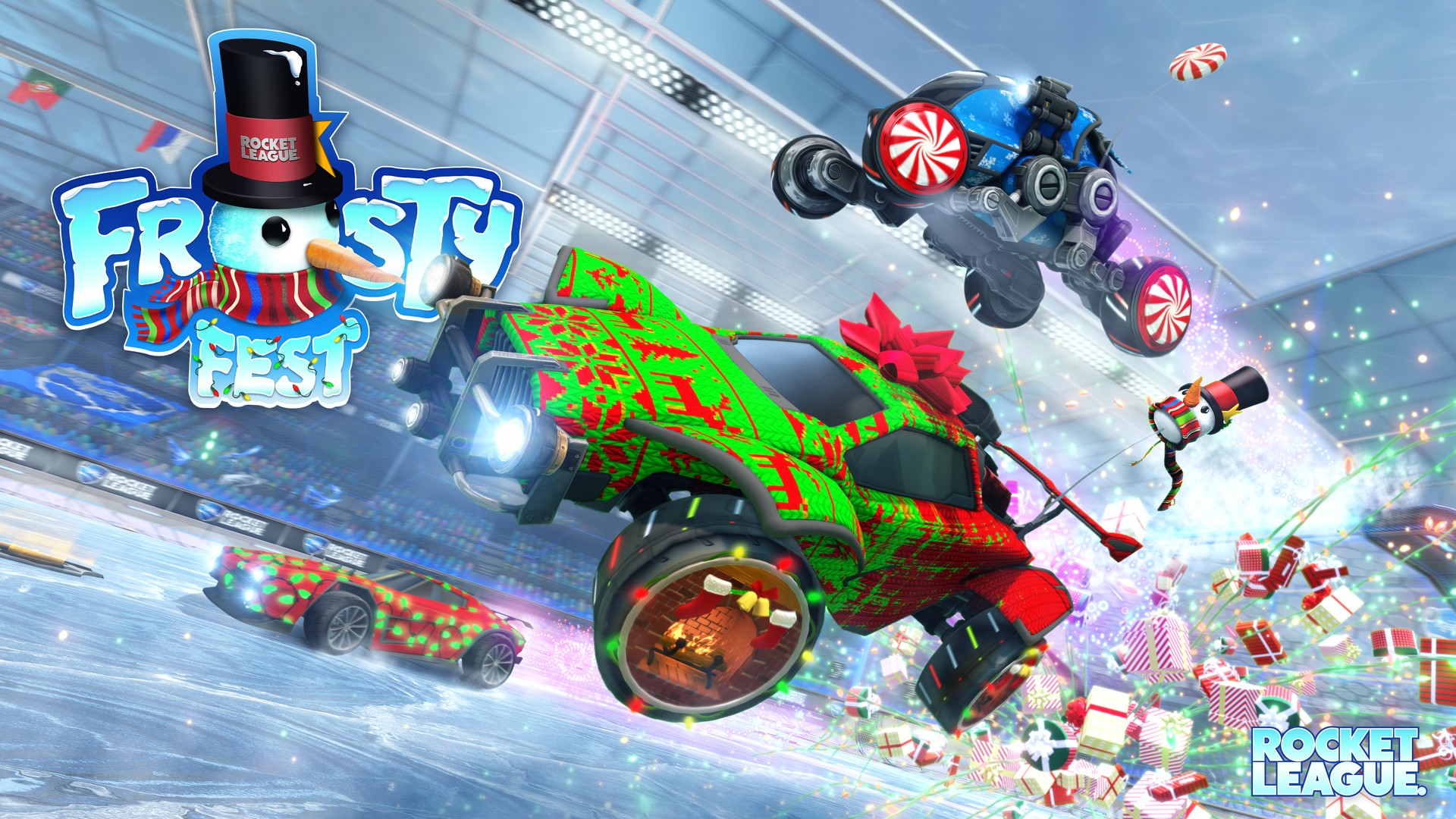
Rocket League’s Frosty Fest is Now Live Get ready to chill in Rocket League‘s coolest in-game event, Frosty Fest! If you’re new to Rocket League since the free to play launch, Frosty Fest is the annual festive in-game event that brings good tidings, themed items, and now limited time modes… Read more
Spread Cheer, Get Gear: The Dawning Returns to Destiny 2 Destiny 2 players have been spending lots of time recently braving the chilly bite of winter while exploring Europa’s harsh frozen landscapes. Starting today they can find a warm respite with the return of the Dawning, our annual free holiday event where… Read more
Big ‘80s Action with a Huge World of Tanks Update As members of the team behind World of Tanks Console, we don’t believe there is such a thing as “too big.” Heck, World of Tanks features 40-ton steel beasts decimating each other in explosive battlefield matches. So, when we say that our December… Read more
Ghostrunner Winter Pack DLC and Hardcore Mode Details The time has come for you to climb Dharma Tower once again with an exciting new game mode launching December 17, and a new set of skins in the Ghostrunner Winter Pack DLC coming to Xbox One and Xbox Series X|S today for only $1.99… Read more
The Van Saar Gang Brings Advanced Tech to Necromunda: Underhive Wars The agents of House Van Saar are the latest to join the fray in the violent depths of the underhive! Flaunting high-tech weaponry and unprecedented discipline, Van Saar fighters are also clad in signature protective suits that increase their regenerative… Read more
Spread the Joyous Spirit in Trove’s Snowfest Event Trove’s merriest event is upon us and brings new mysteries, rewards, and beautifully decorated world. Feast your eyes on the Hub that is now a winter wonderland and share the joy with us in Snowfest until December 29. Deep within Delves, our… Read more
Ark II is Coming to Xbox Series X|S as a Console Launch Exclusive Last week at The Game Awards, Studio Wildcard took their next dinosaur-sized step with the Ark franchise and thrilled the world by announcing Ark II. The reveal trailer (above) was fully captured in-engine and showcases some of the features… Read more
Update on EA Play: Coming to Xbox Game Pass for PC in 2021 When we originally set out to write this blog post, which would announce the availability of EA Play on PC with Xbox Game Pass, it looked a little bit different. Unfortunately, what had been a celebratory post is now one asking for a little more patience… Read more
Creating My Hidden Things, Now Available for Xbox One Our small team had produced about 10 prototypes before we finally came up with the current version of the project. First, I dug up my old Doodle-style works, which the team thought were cool, so I had an idea how to integrate them into gameplay… Read more
Gamasutra: Simon Carless’s Blog – What makes for a good game publishing contract?
Gamasutra is part of the Informa Tech Division of Informa PLC
This site is operated by a business or businesses owned by Informa PLC and all copyright resides with them. Informa PLC’s registered office is 5 Howick Place, London SW1P 1WG. Registered in England and Wales. Number 8860726.
If you enjoy reading this site, you might also want to check out these UBM Tech sites:
The following blog post, unless otherwise noted, was written by a member of Gamasutras community. The thoughts and opinions expressed are those of the writer and not Gamasutra or its parent company.
Well, I hope you all had a wonderful Christmas, and are gearing up for a similarly wonderful New Year. (Or at least, as wonderful as it gets in these, uhhh, tricky times.)
We had to pause during the holidays to write this one up, since it’s a complex and interesting subject. Raw Fury (Kingdom, Call Of The Sea, Backbone publishers) has made public its full publishing agreement, including revenue split percentages. Fun, eh? So let’s go…
Inside a publishing agreement!
Firstly, wanted to give kudos to Raw Fury for being willing to put this agreement out in full. (And not just because they link to me at the bottom of the post.) Transparency is pretty much always good, and helps the biz move forward. As they say: “We believe having publisher contracts out in the open helps level the playing field, and allows devs to have a more intimate understanding of the machinations of different deals when they start looking for partnerships.”
The agreement is part of a set of dev/pub resources which also include a sample pitch deck, mutual NDA, outsourcing & content creation sample legal contracts, and various other helpful documents. Again, extremely helpful.
But let’s get to the matter in hand – here’s the contract, translated into a few languages. And needless to say, publishing it it caused a bunch of drama – and plenty of legitimate questions and complaints – on Twitter.
It’s a little difficult to work out the best way to evaluate contracts, beyond ‘what financial terms are there, and are there any gotchas?’ So for the record:
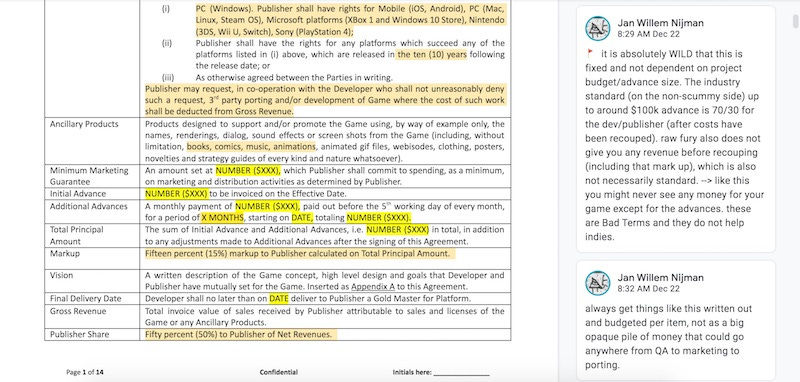
The financial terms are, as Simon Boxer discussed on Twitter, but clarified & enhanced by me: “Funding amount + 15% gets recouped at 100% publisher recoup rate… external expenses such as paid marketing spend and external ‘services revenue’ – localization, porting, etc – are deducted from net revenue before royalties… 50% net revenue split after recoup of both.” (Obviously, Raw Fury is paying for its own internal staff for full-service marketing & most other services.)
Tracking down those extra expenses: according to Tweets from Raw Fury staff, sounds like services revenue can be $100-150,000, and external marketing spend can be about $75-150,000. But it’s somewhat variable and based on the specific game.
There are no major contract gotchas, but a number of small/medium things that I’ll let others talk about presently. The contract is clear about what it wants, nobody is trying to take your IP or perpetual franchise rights, and there’s clear instructions on when and how everyone is funded and recompensed.
And here’s what Raw Fury notes you get in exchange for this deal, in addition to – obviously – money to make the game, which you didn’t have already and probably needed: “Production support… PR, marketing, sales management, partner/platform relations, IP refinement (movies/tv-series… physical editions, vinyl, merch etc), quality assurance (internal and external), release management, events management, social and community focused work, media asset creation… and so on.” In other words, it’s pretty full-service.
So let’s make up an example here, just laying it all out. You’re somebody who signed a $500,000 USD deal with Raw Fury. This enables you to make your entire game, with their help. You launch your game. Here’s what you would see:
$575,000 in Raw Fury’s bank account – initial breakeven, not including marketing/services costs (some of which might be post-launch.)
$800,000 – breakeven including estimated marketing/services costs.
$800,000 to infinity – royalties happen! 50% goes to Raw Fury, 50% goes to you.
One important thing to note here. I tend to talk about ‘gross’ and ‘net’ in this newsletter as if gross is the ‘total amount of $ people paid for your game’, and net is ‘cost after the platforms take their share’. This legal contract has gross as ‘all the money that Raw Fury receives’ – so basically what I talk about net as – and then net as ‘all the money Raw Fury receives minus marketing/services costs and porting costs’.
This is fine, but just noting that that if you had no platform deals that came as lump sums (like Xbox Game Pass deals), you would need to sell $1.28 million worth of the gameto get into royalties on this title. That’s presuming that post-platform net is 61% of gross, and is a composite number based on Steam % being lower and console being higher, and better Steam sales than console. This type of flowthrough is normal. But many people forget!
(Of course, if you get a $300,000 Game Pass or Stadia deal, paid directly without any platform cuts, it significantly winnows down the path to royalties. This is actually one of the bigger advantages of reputable indie publishers nowadays – easier access to these deals.)
The way it extends from there – $2 million worth of the game’s digital ‘retail’ sales with no platform deals would end up with the developer having had all of its dev costs paid for, and an additional $210,000. (Raw Fury would also get $210,000, under this scenario.)
For a bigger hit – let’s say $5 million in raw revenue – the dev will get all its dev costs plus $1.125 million, and Raw Fury will get $1.125 million. (The ‘net’ is $3.05 million on this $5 million in sales.) If your game starts to become a bigger hit, the cut to the publisher certainly starts to mount up.
So really – what does the Internet think?
As is often the case on the Twitter-verse, there was a lot of yelling – some productive, some less so – over the contract reveal. Foremost among the more productive yellers was Jan Willem Nijman (Disc Room, Minit, formerly half of Vlambeer), who commented on it in an annotated document.
JW knows indie publishing agreements well in the abstract (having signed multiple with Devolver, for example.) And while he goes pretty deep on some of specific legal comments, I think his main points are:
In his view, 50% rev share post-recoup is a high royalty rate, especially to be set in stone for every Raw Fury game: “It is absolutely WILD that this is fixed and not dependent on project budget/advance size. The industry standard (on the non-scummy side) up to around $100k advance is 70/30 for the dev/publisher (after costs have been recouped).”
The 100% recoup also concerns him: “Raw Fury also does not give you any revenue before recouping (including that mark up), which is also not necessarily standard.” This depends on if Raw Fury has post-launch paid milestones, but it’s true that 100% recoup (as opposed to 80% to publisher and 20% to dev, which is becoming more common) often means that you need immediate post-launch funding from elsewhere to keep operating as a company. Which is no bueno.
The contract in general has a lot of publisher protections, and a number of specific paths that may end up benefiting Raw Fury – even if they never intend to use them – but not the dev. (That probably sums up the many other frustrated comments he made! I agree that the contract has some sharp edges.)
I did ping JW to say his prominent comment that 70% dev/30% pub being the ‘industry standard’ royalty, even with an advance, wasn’t what I’ve seen. Recent research by Voyer Law, albeit from a pretty limited pool, suggested that on average, there were “advances of between $100,000 and $500,000: 55/45 split, in favor of developer… advances of over $500,000: 53/47 split, in favor of developers… 71% [average to dev] in no-advance deals.”
But there are definitely many great, more ‘informal’ publishers – folks like Devolver, Finji and others – who I believe deviate positively from Kellen’s research, and towards JW’s wished-for standard. If they like your game and want to work with you, of course.
“Raw Fury’s agreement feels like it was first written by a lawyer intent on doing their duty in protecting their client, and then modified by a biz dev person to be nicer and more friendly to indie devs. So the terms are on the whole written to protect Raw Fury, not the indie dev…
Which I think is fine, but it means that *you* *must* *get* *a* *lawyer* who is experienced with game publishing to review. And *you* *must* *negotiate* the terms to protect yourself and to get what you want out of the partnership.
I have not seen a 15% markup on an advance before, but I can instantly see why they would do that; it’s to incentivize the indie game dev not to keep asking for additional payments. I quite like the idea, but for 115% recoup and 50/50 split the pub services have to be *GOLDEN*.” Agree.
Bonus data which came through as a result of this? The folks at boutique ‘cozy games’ publisher Whitethorn Games (Calico) also shared its publishing agreement, which looks less custom-written for actual game devs than Raw Fury’s, but also less serrated.
It oddly uses gross revenue (actual gross revenue) instead of net for the revenue split, which is very rare, but the agreement is worth perusing. Some friendlier – in some cases surprisingly so – terms: Whitethorn has a 2-year renewable term for publishing agreements, 30-day at will notice to quit the agreement on both sides, and it provides ‘free’ porting to all consoles. (Really? Is all that free porting sustainable? Love it tho!)
All this is in exchange for its 10%-25% gross revenue cut – which is anywhere from 17% to 40+%, if we take previous gross to net rates. Unsure of what triggers what royalty levels, or if it’s title by title. Small boutique publishers can afford to do this, especially for low-$ advance titles, and kudos to them for doing so?
Conclusion – the Goldilocks problem!
In the end, there’s three things to talk about re: the Raw Fury publishing agreement: contract language, intent, and actual financials. So let’s have a quick wander through them, and try to set some kind of baseline opinion:
CONTRACT LANGUAGE: the Raw Fury contract is fundamentally transparent. But it’s got some barbs, for sure – often for contingencies that are unlikely to happen, and have probably never been triggered. Examples: a ‘competing games’ clause, a fairly sharp ‘sequel rights’ clause, various termination rights that favor the publisher, despite the fact the developer can only terminate for a contract breach.
If you compare Raw Fury’s language to some other indie publisher contracts I’ve seen, including Whitethorn’s – it doesn’t feel very fluffy. I feel like Raw Fury should ask – are some of these things likely going to happen and/or be monetarily significant? If not, nix ‘em pre-emptively. However… if you compare it to the big, bad history of ‘work for hire’ dev/publisher deals back in the PlayStation 1/PS2 era, this contract is way, way better.
INTENT: Raw Fury made a good point at some point in the Twitter storm, which is – are its developers happy with the deals it signed? In general, it seems they are. (Semi-relatedly: I guess there’s a non-disparagement clause in the Raw Fury publishing agreement, which I’m not a fan of at all. So I guess we don’t know for sure! But I legitimately do think that devs like working with the company.)
A lot of this revolves around a key issue – is the publisher on your side and helping you make the best game you possibly can? Did they literally fund the game into existence and love it as much as you? If that’s true, any slightly adversarial contract language is moot. So don’t lose that.
FINANCIALS: The 50% post-recoup royalty rate from Raw Fury is, if you look at comps, a bit more than average. And the 15% markup on the advance is also aggressive. But this is for a very full-service 50-person publisher, who is presumably spending hundreds of thousands of dollars or more on its most recent advances, in a very competitive market. So they believe they’re worth it. (I’m surprised that they don’t vary the post-recoup % royalty based on the size of the game or advance, though. A number of publishers I know do.)
So… it’s definitely about perspective. People seemed content with Epic’s recent announcement that “Epic Games Publishing will cover up to 100% of development costs… once costs are recouped, developers earn at least 50% of all profits.” In fact, it sounded generous to the average Internet game player. I guess it depends completely on where you are as a dev, financially and publishing support-wise, exactly how much money the publisher is paying out – $15 million seems great for that royalty % versus $50,000 – and so on and so forth.
To JW’s point in criticizing the situation in general, there are many, many more sellers (devs) than buyers (indie publishers) in the market right now. He feels like publishers are taking advantage. I don’t feel that. But I do feel like publishers have their own perspective, and wield some market advantages right now that allow them to set the agenda, and devs should think very carefully about this.
Luckily, this level of transparency allows us to all talk about the problem. And it’s also worth reminding again: self-publishing may make plenty of sense for you, if you can bootstrap or fund without a publisher, and can do the publisher services parts yourself. (Even publishers agree with this!)
But I also see things publishers bring – in particular game funding, and platform relationships, but also a lot of the other pre-launch support that devs are often too busy for or aren’t capable of – that developers absolutely need.
In the end, we often get into some weird ‘Goldilocks’-level problems with dev/publisher relationships. I sometimes hear devs say that either a) they never recoup on their publishing deals & feel neglected or b) they’ve done great and the publisher is getting a large percentage of the net post-launch for doing not much.
Both of these can be legitimate complaints – and actually the heart of why the publisher business model works. (There will always be big hits paying for average sellers or flops – that’s the publisher arbitrage that makes their biz model function.)
But hopefully more deals than not fall into the ‘just the right temperature’ Goldilocks category – ‘we’re a team, we helped each other and we succeed or lose together’. At the best indie publishers, most of them do. That’s the conundrum, though – it’s difficult to get the level of support, the royalty %, and the advance ‘just right’, so that both parties are equally motivated and happy at the end of the day.
So thanks to Raw Fury for getting the conversation started. Where’s it going to go from here? Any more publishing agreements or data anyone want to put out there? Mail me or take to Twitter to talk about it!
Gamasutra’s Best of 2020: The top 10 games of the year
Looking back at the games we played this year reads a bit like a soundtrack to a disaster film, with each game representing a specific piece of time. We dove into Animal Crossing headfirst as lockdowns began. Then Jackbox was a go-to for Zoom happy hours with friends and family. As time–and the pandemic–wore on and as reality sunk deeper into our lives and routines, Hades conveyed the idea of persistence in the face of hell itself. And so on.
The games here offered some escapism, some human connection, a joyful retreat from the turmoil we faced and continue to face. We appreciate the developers of these games as well, who had no idea the context in which their work would exist. We’re thankful that these 10 games in particular came out when they did.
Listed in alphabetical order (developer, publisher)
Animal Crossing: New Horizons was a long time coming and, for many of us, exactly what we needed to make it through the pandemic’s early days in the United States. The latest in the nearly 20 year old series, Animal Crossing: New Horizons is the first mainline Animal Crossing game fans of the series have seen since 2012’s New Leaf and it couldn’t have arrived at a better time.
New Horizons is excellent in its own right, but the serendipitous timing of its launch elevated the game into a cultural phenomenon. It was the first comfort game many of us fixated on to get through those initial weeks of lockdown. It was rare to turn on your Switch and not see an entire friends list of people playing Animal Crossing: New Horizons. Friends met up to enjoy a meteor shower together, group chats lit up when the illusive traveling shopkeeper Redd graced one islander’s shores, and Animal Crossing itself became the backdrop for social chats, general shenanigans, and birthday celebrations.
That commotion has died down and given way to the relaxing, piecemeal gameplay the Animal Crossing series is known for, allowing its tedious but somehow still super charming mechanics to really shine. There’s less going on in New Horizons than, say, New Leaf but all in all it still makes for an incredible game that remains a cozy escape from everything this year has had to offer. – Alissa McAloon
As next-generation hysteria reached fever pitch, few people were talking about Astro’s Playroom, the unassuming 3D platformer that came pre-loaded on every PlayStation 5. In retrospect, that was a blessing in disguise, because it meant those lucky enough to get their hands on the hefty unit got to experience one of the best console launch titles ever made with completely fresh eyes.
Team Asobi’s nostalgia-drenched jaunt is first-and-foremost designed to introduce players to the unique capabilities of the DualSense gamepad. That alone made it the first proper ‘next-generation’ experience I played this year, with the game providing a perfect showcase for the controller’s pinpoint haptic feedback and adaptive triggers. It’s impossible to convey just how much those features added in terms of immersion, but trust me when I say that after blitzing through Astro’s Playroom with the DualSense firing on all cylinders, conventual controllers and their bare bones rumble feel woefully mundane.
Astro’s Playroom is more than a glorified tutorial, though. It’s a compelling experience in its own right, chock full of dynamic levels ripe for exploring, a plethora of collectibles, a hub-world filled with secrets, testing boss battles, and a lead character that’s more than deserving of their very own franchise. The only question at this point, is whether Asobi Team will be given the chance to make good on that promise and gift the world a proper blockbuster sequel. Make it happen, Sony. – Chris Kerr
How do you even describe Blaseball? How can a procedural adaptation of America’s most popular pastime, filled with incinerations, teleporting, and demigods make any kind of sense? Ask the folks at The Game Band, who went from “notable Apple Arcade developers” to “chaotic baseball developers who want to attack and dethrone God” in the space of a few months.
Blaseball‘s “game” isn’t just in the clicker-website that lets you bet money on games and vote on cosmic events that will reshape a season. It’s in the Discord servers that popped up for each team, it’s in the stories that players have come up with for each of the players (shoutout to Jessica Telephone). It’s in the chaos that leaves viewers panicking when the developers tweet ominous messages in all caps.
It’s sucked in the attention of game developers, ordinary players, and folks who might not fully grasp the procedural chaos of Crusader Kings III, but can definitely piece together the drama of surviving a baseball season (emphasis on surviving). Blaseball is one of 2020’s indie success stories, and we’d be remiss to not feature it here. (Claws up!!!) – Bryant Francis
I’ve barely scratched the surface of Dreams. Media Molecule’s long-awaited creative engine technically launched this year (despite opening up a sort of early access in 2019) and, impressively, released an update with PSVR compatibility several months back. Dreams exists on user-created content; players can either roam from dream to dream and try out a wide array of games created within Dreams by other players, take a stab at creating their own assets for other players to use, or build their own playable creations.
I can’t speak to the creation tools because I haven’t quite dived that deeply into Dreams, but it’s impressive judging only by what players have managed to make thusfar! I’ve played remakes of Beat Saber and Guitar Hero within Dreams (with very little success because I’m trash at rhythm games), been completely enthralled by a deceptively complex puzzle game starring a little lightbulb robot friend (above), laughed to the point of tears in a Wallace and Gromit inspired(?) meme-laden adventure, and relaxed to an in-game recreation of Godot’s very good theme song from the Phoenix Wright games. (We won’t talk about the Sonic VR remake I played, but I will say that WIP VR experiences are a trip.)
There’s such depth in Dreams and you don’t have to look far to find it. The game shines both because of its community and because of the palpable love Media Molecule put into creating something powered by the purest creativity. If you’ve been on the fence about picking this one up, it’s well worth checking out. – Alissa McAloon
Mediatonic knocked it out of the park with Fall Guys. The studio’s overwhelmingly endearing take on the battle royale format proved you can do more with the genre than ask players to blast each other to smithereens. The concept at play here is simple: waddle your way through a series of solo and team-based slaloms packed with all manner of madcap traps in a frantic bid to be the first to cross the finish line.
It’s essentially the video game equivalent of shows like Takeshi’s Castle and Wipeout, and succeeds in tapping into the same zany, unpredictable energy that made those series so popular. Of course, there’s more to Fall Guys than its impeccably crafted, wacky obstacle courses — many of which have taken on lives of their own on the meme-fuelled Twittersphere.
It also packs plenty of heart thanks to some whip-smart character and sound design that turned the game’s bouncing beans into the real stars of the show. There’s something almost hypnotic about watching swarms of those rotund, hapless creatures squeak and scramble over each other before being sent packing by an inflatable hammer the size of a fridge, knowing full well that you could (and likely will) be next. Edge-of-your-seat moments like those are the bread and butter of Fall Guys, and helped transform the bumble royale into bona fide video game gold. – Chris Kerr
Among the most universally-praised games of 2020 is Hades, Supergiant Games’ latest effort and proof positive that this studio is something special. Hades takes everything people love about roguelikes (replayability, predictable controls, tough but fair challenge) and smooths out the qualms that many have with the genre (repetitiveness, frustration, little to no narrative progression or character development).
Other games have approached character death or endgame states in unique ways as well, but Hades is a standout example. The game loop is intertwined with the narrative in such a way that one cannot exist without the other. Death loses its sting when you realize that dying pushes the story forward and develops not only Zagreus as a character, but all of the gods and monsters he encounters along the way.
This is a game explicitly designed around failure. When you fail, what you lose in terms of your current build and level progression, you gain in story development and access to new skills and abilities. Failure ensures a tradeoff that feels fair, and gives the player immediate encouragement to try another run. And that kind of positive persistence is something we can all relate to this year. – Kris Graft
The folks at Blackbird Interactive crafted a wonderful and unique science fiction game that deserves to be celebrated for portraying not only the future of space travel, but the future of work. It’s a really fascinating piece of work that mixes the power of game development technology with a unique setting and tone, all to create a game that feels like a job, that still manages to have a decent amount of social commentary relevant to 2020.
Blackbird did all this while only launching the game in Early Access. They’ve already added a number of features that have improved on the game’s core experience, and continued to make it all the more worthwhile to while away hours tearing ships apart.
The lesson of the game’s development–how it went from scripted four-hour experience to evolving Early Access phenomenon–seems reflective of how many game developers are evolving in 2020 in games like Teardown and even Baldur’s Gate 3. We’ve known for a few years that Early Access titles have the potential to be foundation for generation-defining games, it’s great to see developers like Blackbird Interactive continue to so much great work in the space at this year has rolled on. – Bryant Francis
A number of games from this year help define certain periods of pandemic lockdown, and for us, the Jackbox Party Pack series occupied the early part of the pandemic. Remember back then? Regularly-scheduled happy hours with friends, family and coworkers. An apprehension about the months to come but a belief that “we’re all in this together.” There was confusion about face masks, concern about mass toilet paper shortages, and the habit of disinfecting absolutely everything.
We have more toilet paper now, but we got that in exchange for a dose of reality. But throughout the waves of anxiety Jackbox has been a welcome escape from the world while bringing family and friends together virtually.
While we’ve played every single Jackbox Party Pack this year as well as standalone Jackbox games like Quiplash and Fibbage, this year’s Jackbox Party Pack 7 is notable on its own. Made partially under remote working conditions, Party Pack 7 is a rare iteration of the franchise where every single game is pure gold. Whether it’s Talking Points (essentially an improvised presentation party), The Devils and the Details (a collaborative game where you’re part of a family of demons), or a new version of a classic word game in Quiplash 3, Party Pack 7 is the best collection yet. It’s something we look forward to playing with friends and family once we’re not confined to our little Zoom phantom zones. – Kris Graft
After 2018’s Marvel’s Spider-Man, Insomniac Games would have been well within its rights to sit back and devote most of its efforts toward a PlayStation 5-exclusive sequel. Instead it worked quickly to ship a standalone game that’s one part expansion pack, one part origin story, and one part tech demo to show off the best of what the next generation has to offer. And notably, it’s a work that celebrates the power of a Black superhero who’s from a working class community.
Miles Morales benefits from a streamlined reconstruction of Marvel’s Spider-Man’s core mechanics, wisely slimming down the missions that fill out the experience without sacrificing story quality or the beauty of its huge, open world New York.
It’s a bold experiment in what “defines” a full $60 game that hopefully clears the way for other developers to make more meaningful experiences with the same scope, beauty, and sense of focus. – Bryant Francis
Yakuza: Like a Dragonis one of those games that has notable flaws–there are pacing issues, the grind can get tiresome, and it’s impossible to ignore some problematic issues that continue in the series regarding its portrayal of women.
Ok, that’s a difficult intro to claw back from when making a game of the year argument. But the fact is that overall, Like a Dragon is an utter joy to experience. Even in moments when protagonist Ichiban Kasuga is scraping rock bottom and making bad decisions, there is something effervescent and innately playful about him. He’s loud, he wears his own joy and disappointment on his sleeve, he’s child-like. He’s flawed but exhibits moments of self-awareness which allow him to take the initial steps forward to improve himself.
Also notable aside from Ichiban and his small gang of outcasts is the switch from the series’ well-established real-time beat-em-up combat system to a turn-based RPG system. It’s an unexpected change that works surprisingly well. It changes the tenor of the action when compared to previous entries, while still retaining all the face-slams in enemy encounters. When all the pieces of Like a Dragon are combined, the game is like Ichiban: a little fucked up, but incredibly memorable and so easy to root for. – Kris Graft
There might also be issues claiming it due to the site's servers handling the high traffic. Wait it out a bit until claiming it again.
The game is free to keep for 24 hours until Dec 30th, 2020 - 16:00 UTC. Epic is also giving everyone a $10 coupon to be used on any purchase of $15 or higher.
We are welcoming everyone to join our discord[discord.gg]. We are more active there on finding giveaways, small or large, and there are daily raffles you can participate.
FREE CMC, New Bundle: Santa's Workshop, Quantic Dreams Sale
Santa's Workshop Bundle | 6 Steam Games | 92% OFF
[www.indiegala.com] ? Santa brought us a festive selection of indie games full of holiday spirit? If you are quick, you'll get a jolly deal, so just click [www.indiegala.com]& see if it is real.
Cuban Missile Crisis FREEbie
[freebies.indiegala.com] Cuban Missile Crisis is a real-time strategy game combined with a global turn-based tactical mode, thrusting gamers into a world ravaged by military-political confrontation.
Quantic Dream Winter Sale
[www.indiegala.com] ? Happy Holidays! Get a FREE Steam Key scratchy for any store purchase. Get a second BONUS, a Die Young Steam Key, if you spend $10/€9/£8 or more.
The 251st GalaQuiz will be LIVE soon, win up to $50 in GalaCredit!
[www.indiegala.com] The GalaQuiz will take place in a few minutes from this announcement Today's GalaQuiz[www.indiegala.com] hints are up. The theme will be Christmas #2 Redux.
Posted by: xSicKxBot - 12-29-2020, 06:46 PM - Forum: Windows
- No Replies
Home Cooked: Microsoft employees share some of their favorite recipes
Is it breakfast or cookies? Either way, Roxie (@RoxStarBakes on YouTube) has us chomping at the bit for these adorable creations!
Breakfast-shaped sugar cookies
1 c unsalted butter, at room temperature 1 c sifted powdered sugar 1 egg, at room temperature 1 Tbsp vanilla extract 3 c sifted flour 1 tsp baking powder 1/4 tsp salt Gel food coloring: yellow and red (white is optional)
1. Preheat the oven to 325 degrees Fahrenheit.
2. Using a mixer on medium speed, cream the butter and powdered sugar until they are fluffy and white. Scrape down the sides of the mixing bowl at least twice during this process. Switch the mixer to low speed, and add the egg and the vanilla.
3. In a separate bowl, combine the sifted flour, the baking powder, and the salt.
4. Gradually add the dry ingredients to the wet ingredients one-half at a time, using the mixer on low speed. Mix until everything is combined.
5. Divide the dough into four portions. Leave two portions white (plain), and color the other portions yellow and red. Roll out each portion on a cutting board to about 1/4 inch thickness. Cover with plastic wrap, and refrigerate for 30 minutes. Remove the dough from the refrigerator. Let’s start assembling!
6. To make an egg, use a large circle cookie cutter to cut a circle from the white portion of dough. Use a smaller circle cookie cutter to cut a smaller circle from the yellow portion of dough. Place the small circle on top of the large circle, and you have an egg!
7. To make bacon, place the white portion of dough on top of the red portion. Use a knife to cut the dough into three pieces, and stack them on top of each other with the colors alternating. Slice down through the stack of dough, making bacon strips. Press your fingers on alternating sides of the bacon strips to make the edges squiggly.
8. Continue making cookies, and place them at least 1-inch apart on a baking sheet that is lined with parchment paper. Cover with plastic wrap, and refrigerate for another 30 minutes.
9. Remove the cookies from the refrigerator, and bake them for 8-10 minutes. Let them cool before serving.
Best Of 2020: How Do Switch eShop Discounts Impact Game Sales?
Over the holiday season we’ll be republishing a series of Nintendo Life articles, interviews and other features from the previous twelve months that we consider to be our Best of 2020. Hopefully, this will give you a chance to catch up on pieces you missed, or simply enjoy looking back on a year which did have some highlights — honest!
This feature was originally published in July 2020.
The success of Switch has led to a sea change in the way Nintendo approaches digital sales. While deep discounts on first-party titles are unlikely to materialise any time soon, it’s now relatively common to see the company’s big-name evergreen games with 1/3 off their normal price. Other companies discount their games much more aggressively, and it’s possible to pick up huge AAA releases from big publishers for very reasonable prices just a few months after release.
For smaller developers, however, Switch eShop has turned into the Wild West when it comes to sales. It’s not uncommon to see games discounted by up to 99%, selling for mere pennies, or even for free. How publishers and developers hope to benefit from making such little profit is puzzling, especially when the game doesn’t contain in-app purchases or DLC add-ons. Can the visability provided by selling your game for a single cent really make a dent in your sales numbers?
“The goal for the discount is to get into the top selling charts as that’s where a LOT of organic sales and visibility comes from,” SMG Studio’s CEO Ashley Ringrose tells us via email. “The steeper the discount, the greater chance you have to get there.”
SMG has been on Nintendo’s digital storefront since the early days and has steadily built a library of games on the console including Super One More Jump, OTTT and most recently co-op removals ‘sim’ Moving Out. It’s also three years exactly since the excellent co-op puzzler Death Squared debuted on Switch and Ringrose has been tracking its sales successes and failures and how they correlate with discounts since the beginning, all with the conscious goal of experimenting.
“What if I do the same percentage off three times in a row in quick succession? What does deep discounting do for the ‘tail’ end of sales? Does going on sale affect other platform sales?“
“There was no strategy other than to try and learn,” he continues. “That’s why we even did a 10% off sale. For instance: I wondered if the percentage off was less relevant and it was JUST the exposure on the sales section that drives the increase.” In his experience, such a small discount isn’t worth the trouble. “Don’t do 10% off. Hardly anyone noticed or bought it.”
Over the last three years, Ringrose has used the game to test theories and find the best approach to sales. “Other tests were trying to debunk myths or assumptions from myself and other devs about how sales work. What if I do the same percentage off three times in a row in quick succession? What does deep discounting do for the ‘tail’ end of sales? Does going on sale affect other platform sales? I have thoughts on these but no definitive answers, as each test doesn’t factor in stuff like the state of the world, other games and sales on at the time, etc. As someone who likes robust data, most of the stuff you get back has so many asterisks next to them it’s hard to form solid conclusions.”
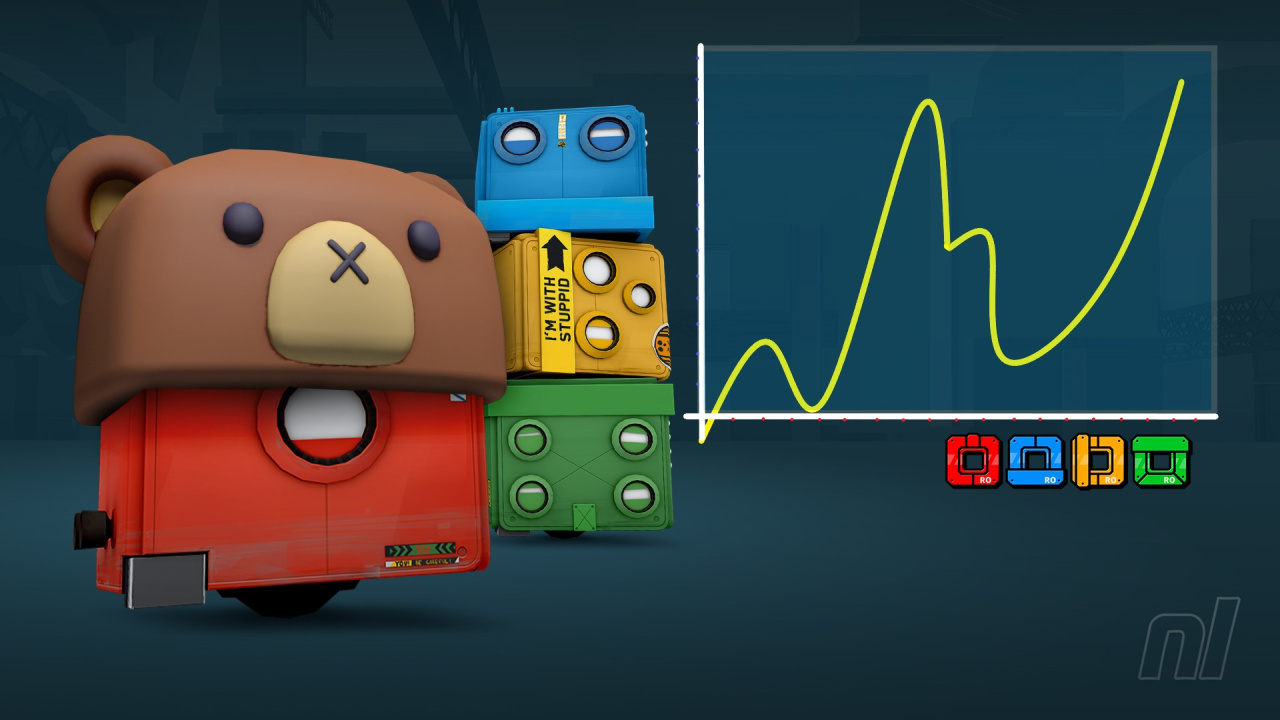
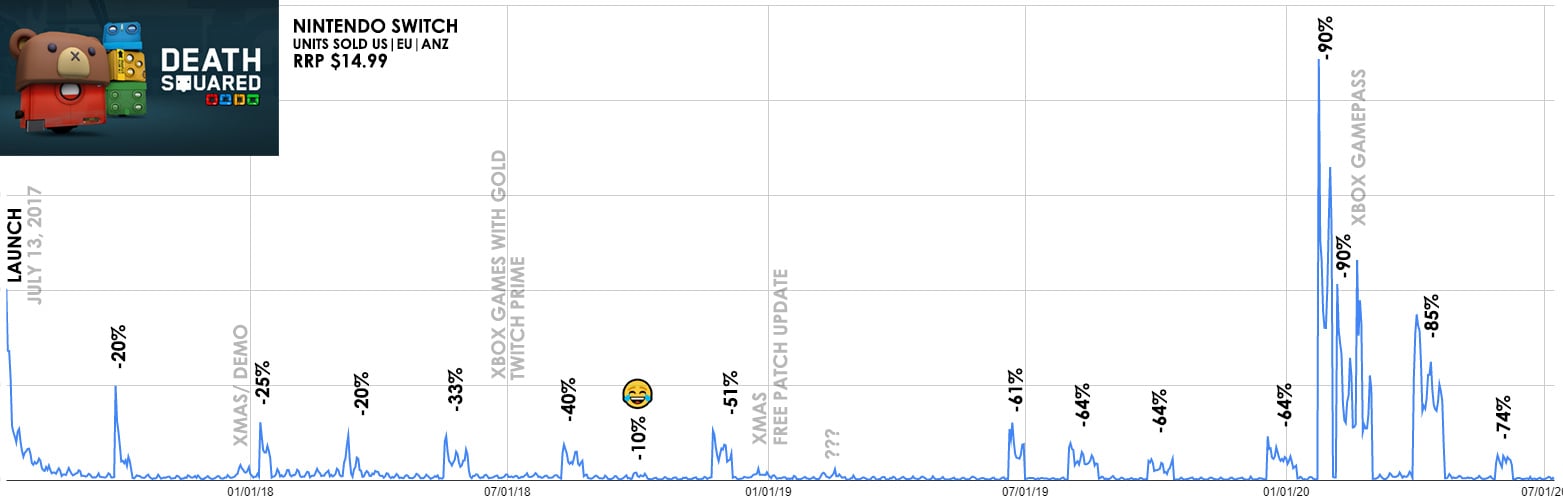
SMG’s data in graph form showing how discounts and other events affected sales of Death Squared on Switch eShop over the past three years. (Image: SMG)
That being said, the graph above provides some fascinating data points to analyse. It appears that being available for ‘free’ on other platforms apparently didn’t affect the game’s Switch sales. In fact, if anything, it may have slightly increased sales on Switch over time.
“We’re on Xbox Game Pass now and I think [the increase is] because not everyone has an Xbox (with Game Pass), but many people have a friend who does. So they are having a good time playing our game and tell their friends. You get more coverage and mentions organically now as more people have access to the game.”
Death Squared launched elsewhere before arriving on Switch on 13th July 2017. The game’s primary coloured characters and local multiplayer focus immediately felt at home on the console, though, and good sales gave it (and the team) a much-needed shot in the arm.
Switch saved Death Squared from obscurity and financial failure.
“Switch saved Death Squared from obscurity and financial failure. That boost from Switch not only made sure the game made a profit but also gave us continued reason to keep talking about it and supporting the game to drive sales on other platforms. It also gave us more confidence to continue in the console space that lead to Moving Out. It wasn’t just the Switch sales but the new coverage and reviews of the game. We launched in 2017 just between Breath of the Wild (and the Switch launch) and Horizon Zero Dawn and just got ignored at launch.”
Things were looking particularly grim at the start of that year. “I remember going through with the team on a 2017+ plan and this was less than two months until release. And I said Well, we don’t know if we’ll do more console games because it depends on how Death Squared goes. Then after the initial launch happened I was like Ohh I don’t think we’re suited for console/PC dev at all. This is not good, but we had the meeting with Nintendo and slated for a July release. I still wonder what would have happened if we were a launch title (because we would have been ready). Ahh to dream.”
To date, Death Squared has sold close to 300,000 copies across all platforms “with Switch being over 60% of those”. Breaking the 150K barrier on Switch is a significant acheievement and Ringrose still plans to honour a promise to make the game free if it hits 250K Switch copies sold.
Beyond discounting, we wondered if there were any other tools available to increase visibility and help draw attention on the eShop, whether through getting highlighted by Nintendo, being made Game of the Day, switching thumbnails, icons, and other methods.
SMG changed the Switch menu icons of its existing games to create an interconnected mural of icons if you line them up correctly.
“I’ve tried to be active on Reddit as much as I can or trying to find new ‘content marketing’ ways to talk about the game on social. Getting Highlights and Game of the Day is all out of our hands. With so many great games on the eShop now it’s hard to expect a 3-year-old game to get featured. I do look to see if there’s a ‘Games you can play with the whole family’ feature.
“What we haven’t had time for is more updates. We did a free one in January 2019 but it hardly shifted the sales up. It did fix some issues and we added a colour-blind mode so those are good features to have.”
Of course, if there are peaks, there must be troughs, too, and we wonder what a bad sales week looks like. Is ‘zero copies sold’ something Ringrose occasionally sees? “We’ve had some 0 days in certain regions but luckily haven’t dropped. In fact 3 years on we’re still going OK. On a good week (even 2+ years on) we’ll sell more on Switch than we did opening week on Steam! But that’s also because we did so badly on Steam’s launch. I still remember seeing the stats that we had sold just 2 copies in Latvia after 6 months.”
“I never got in touch with them. It would have been an amazing story. We’ve since sold 45 copies in Latvia so they must have told their friends!”
Ringrose has also been a vocal advocate of releasing demos if possible, something the SMG had at launch with Moving Out and which the team added for Death Squared as soon as they could. “It wasn’t a huge boost in sales but it did seem to increase the daily average. We did this six months after release (as it had tweaked story and had to go through certification again) so it was a good test to see what happens.
I think the demo works well in our case as we’re not a ‘beautiful game’ so we have to rely on people having fun with it.
“I think the demo works well in our case as we’re not a ‘beautiful game’ so we have to rely on people having fun with it. So people hear good things and the demo gives us a way past their ‘I dunno…’ barrier. So I credit a lot of the ongoing sales to this demo. And I’ve tried to tell other devs to join the demo club! But there’s plenty of reasons NOT to do a demo also from a risk factor for the devs. So I can understand.”
Although the demo seems to have had a positive effect on sales, the content update for the game didn’t really move the needle. Will this affect how and when SMG approaches updating games in the future?
“A little. It’s why we didn’t do ANOTHER update after this for the last year. I know we said ‘FINAL FREE UPDATE’ but it would have been funny to say ‘FINAL FINAL FREE UPDATE’. We’re lucky to have multiple titles to work on. As the team had RISK, Moving Out and No Way Home there wasn’t enough time to keep updating Death Squared. Plus any ‘big’ ideas we had we’d rather save for a sequel.”
As publishers struggle to be seen on the increasingly bloated eShop, there has been a sharp increase in games getting discounted in the extreme. Some publishers are experimenting with rolling promos or launching free for a limited time if you own certain other titles. What are Ringrose’s views on these strategies? Does he think they’re effective ways to grow sales in the long term?
“We’re just as guilty with the deeper discounting now,” he admits. “I think that Rolling Promos sale is interesting as again it’s something new. I’m not sure why giving away the games is a good idea though. But again maybe word of mouth is the end goal. I do think that a one cent game is silly. There should be a minimum floor to the price.”
Despite being relatively late starters in the digital sales arena compared to other platforms, Nintendo apparently gives devs more freedom than the competition over how their games are discounted.
“What I do like […] is having the control over our sales. Other platforms restrict this MUCH more heavily to the point if you’re not in control you have to apply to go on sale as it’s an editorial decision. This is very tough. As a dev you realise that even with all these people who have played your game you have a limited channels to talk to them. It’s even harder when you launch a new game and there’s no ‘easy’ way to tell existing players about that new game on most of the game stores.”
Death Squared is still more than holding its own against the rest of SMG’s Switch software lineup. “Death Squared is doing better than our other titles on the Switch (not including Moving Out) even though it’s older and more expensive. But it’s also the only title on so many platforms and Xbox Game Pass and the recent [Remote Play Together] update to Steam that allows online multiplayer […] is fuelling a late resurgence.”
People buy what they want, when they want to play it, or when they see a good deal. Someone says ‘Hey you should play this game it’s great’ they’ll go get it. Most won’t pull up a site and study the historical sales data
As we stated at the top, after over 36 months of experimentation, Ringrose is convinced that minor discounts don’t do much, especially following a deeper discount (as borne out by his data) – that is unless you’re a massive breakout indie smash like Cuphead or Untitled Goose Game.
“Oh I think 10% in general is a no go. It’s just too small of a discount for anyone to care about. My current theory is 95% of people don’t pay close attention to a games previous sale price (this would increase the more popular a game is but I think it’d max out at 90%). People buy what they want, when they want to play it, or when they see a good deal. Someone says ‘Hey you should play this game it’s great’ they’ll go get it. Most won’t pull up a site and study the historical sales data and tell their friend ‘Ok I’ll play this in the next 30-65 days as I feel we’re close to a highest discount ever trend‘. Some DO though!”
On the whole, Ringrose seems upbeat and energised by his findings, no doubt buoyed by the warm critical reception to SMG’s dual co-op jewels. However, Death Squared’s success was hard-won and there are several things he would change given the opportunity to start afresh with the game and its marketing. He mentioned in a previous conversation wishing that the name didn’t mention ‘death’.
“Oh yeah I still regret the name,” he confirms. “And that ‘alcohol reference’ on the ESRB rating. The biggest barrier I think was the art/visuals. People just react so differently to a ‘beautiful’ game. Sadly the gameplay can be much more shallow if the game looks gorgeous but it also fuels all the marketing, the gifs, etc. Our game shined when people played it but that is the biggest barrier.
Unless you’ve got a bonefide indie hit on your hands, Ringrose believes that minor discounts have a negligible effect on sales.
“So, if [given a] fresh start I would have focused more effort on bringing the art to a ‘WOW it’s beautiful’ level, a more universal name, and the extra time for online multiplayer. Oh, and removed the one line that references ‘ethanol’ so I didn’t have that alcohol reference.”
In this day and age, however, constant updates and rolling content drops mean that games are constantly evolving, ever-changing beasts that can be near-unrecognisable a year after launch. “In fact, that is one thought I’ve been tossing around for a while is what would happen if I just commissioned new art and re-released the game with a new name,” Ringrose muses. “Like a marketing remaster! Or if I just make it an update. But that’s easier said than done and we’re better off putting that energy into a sequel or a NEW game.”
So, while three years of collecting data and experiementing has yielded some fascinating results, there remain many unclear factors for indie devs when it comes to successfully strategising your way through the eShop sales gauntlet. Anything from a mistimed promo to a poorly thought-out title could prove the difference between making or breaking your game. While having ‘death’ in the title might put parents off buying it for their kids, in the course of conversing with Ashley for this piece we found ourselves accidentally typing ‘Death Stranding‘ an embarrassing number of times. Perhaps it’s our lockdown fogginess still in effect, but that repeated mistake on our part may not be a bad thing for SMG.
“Haha I wonder if that has helped our SEO in the stores?” Ringrose ponders. “People start typing and see us…”
Our thanks to Ashley for his time. Death Squared is obviously available on Switch eShop; Death Stranding is not.
New Minecraft Freebie Lets You Fly To The Centre Of The Earth
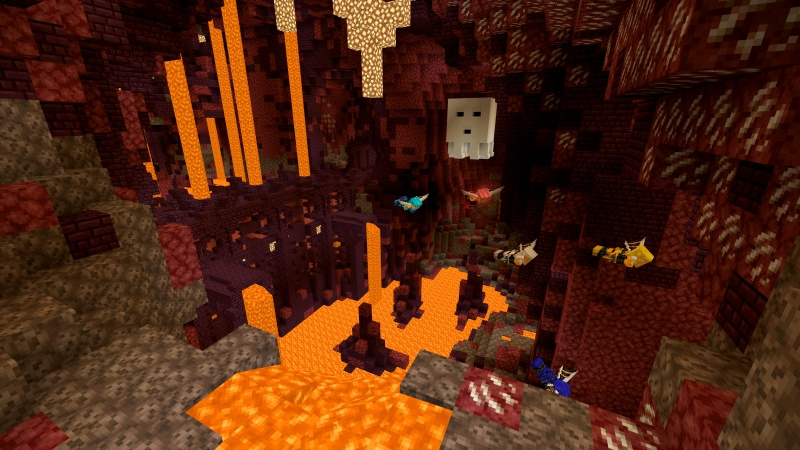
In Terra Swoop Force, there is only one rule: Crash less than your friends. In this latest Minecraft freebie, given to players as part of Mojang’s festive Community Celebration, the game has been transformed into an incredible flying course.
TSF is actually part of a much larger story by the building team Noxcrew, known as “Geo Descent Labs” – don’t click on that link if you don’t want spoilers, by the way – that’s all about Dr Sir Mrs Alan Columbus III, a scientist with way too many titles, and his expeditions to the centre of the Earth.
This downloadable adventure map casts you (and a few of your friends, if you want to play multiplayer) as the titular Terra Swoop Force, a highly-trained group of flying soldiers tasked with recovering a drill and finding out what happened to its crew.
Take a look at the trailer above to see the kind of flying stunts you’ll be expected to perform in order to complete the mission, and click this download link if you want to get it in your game.
Have you downloaded any of the Community Celebration freebies so far? What do you think of them? Let us know in the comments!