Posted by: xSicKxBot - 04-08-2019, 10:42 AM - Forum: Lounge
- No Replies
Avengers: Endgame Ticket Resale Prices Are Ludicrous
If you've attempted to purchase tickets to what's arguably the biggest movie this spring, there’s a decent chance you clicked away disappointed. Tickets for Avengers: Endgame were snapped up quickly, with many unable to even look at seats on ticketing sites like Cinemark and Fandango. Demand has led to listings on eBay that purport to be selling the highly coveted tickets, but at astronomical prices.
According to a CBS News report, scalpers on eBay are attempting to sell them for upwards of $25,000 on the high end. On the low end, a set of five tickets is being offered for $600. The five ticket package even comes with a financing option: $29 USD for 24 months through PayPal. Two tickets to a 3D showing of Endgame in Newport are going for $400.
As it stands, it's unclear whether the tickets are actually being purchased at these ridiculous prices. The listing for two tickets to a New York theatre for $5,000 has ended, but the original item listing states, "This listing was ended by the seller because there was an error in the listing." Another two tickets that were priced at $10,000 is also no longer available, and a message reads, "This listing was ended by the seller because the item is no longer available."
Reports suggest that Endgame could debut at an estimated $200-250 million during its opening weekend. It's possible Endgame could surpass this estimate, as Avengers: Infinity War pulled in $257 million in its opening weekend, well over its estimated $180-225. Avenger: Endgame hits theatres on April 26.
Ahead of its release, Disney and Marvel released a new trailer. We've taken a close look at it and have an Avengers: Endgame trailer breakdown that analyzes every bit of new information it offers. A small slice of Avengers: Endgame was also shown at CinemaCon, but behind-closed-doors. While the general public won't be able to see it, details of what it includes have been published.
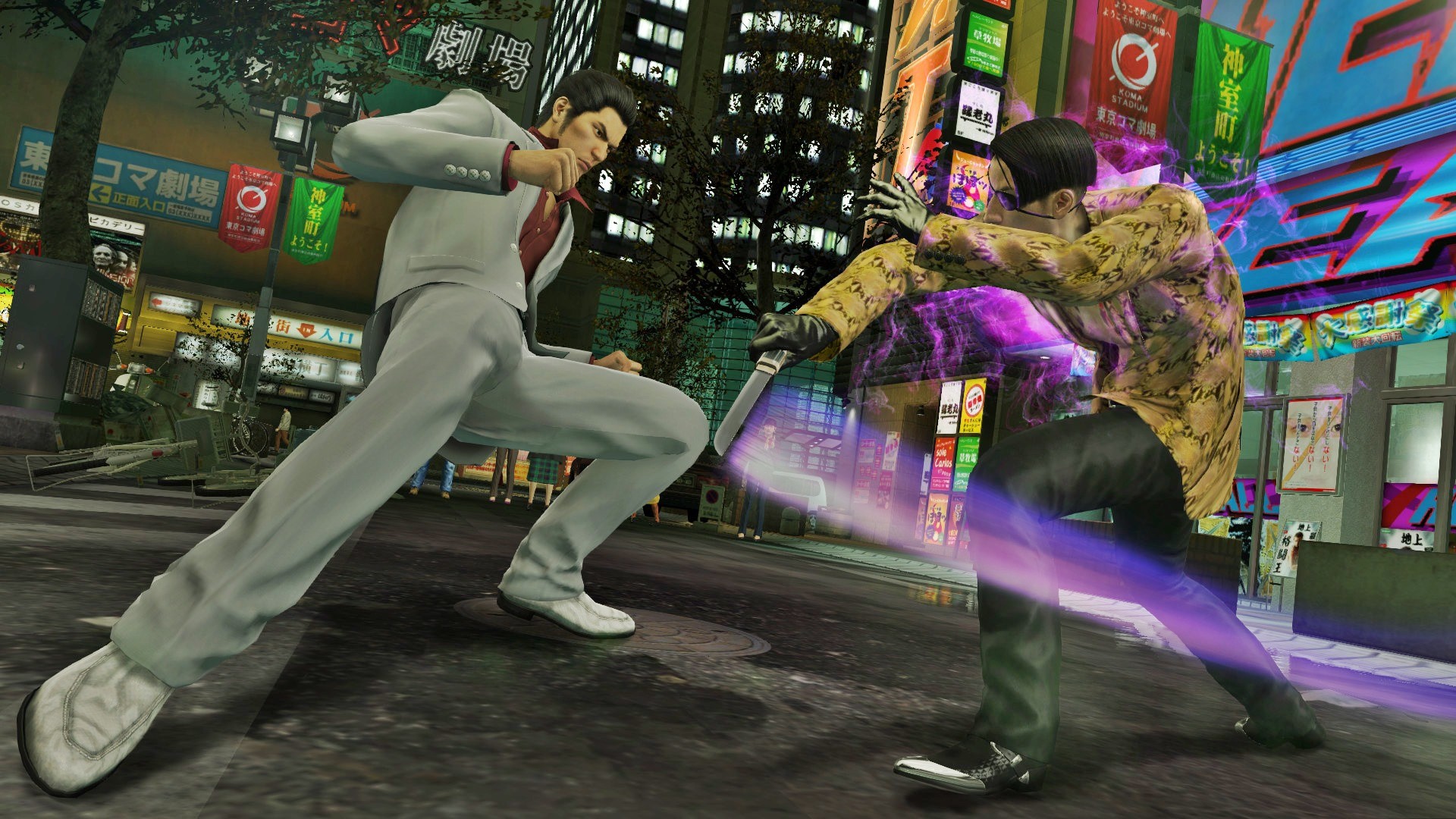
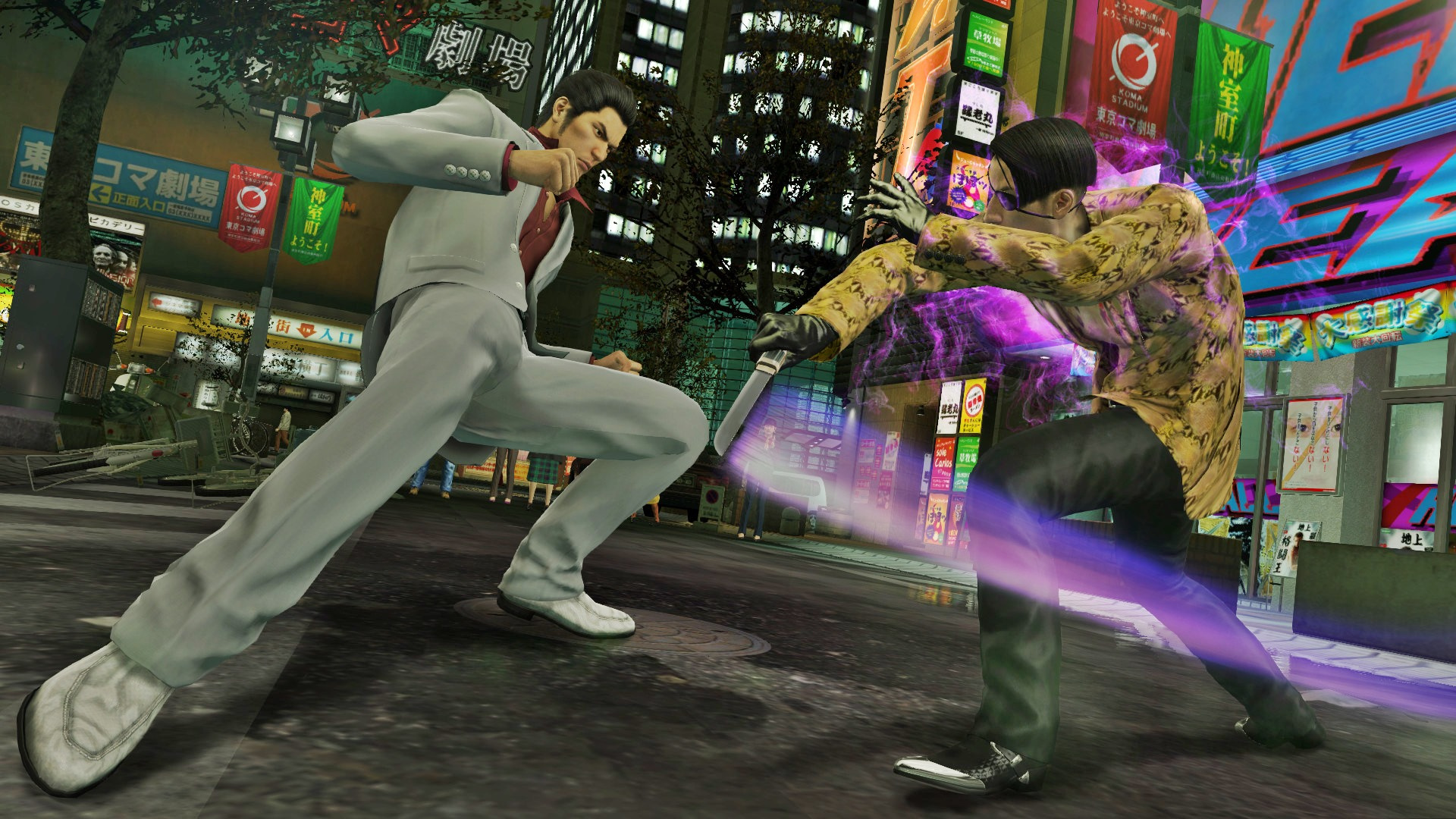
Sega’s Yakuza Games Are Not In Consideration For The Switch Right Now
Sega’s Yakuza games don’t really have much of a history with Nintendo’s platforms, but somehow questions continue to be asked about the possibility of the series coming to the Switch.
During an interview with IGN Japan recently, series producer Toshihiro Nagoshi said the third-person action adventure games had not been considered for the Switch, at least for now. While it’s not much, it is slightly different from the response we heard last July, about Nintendo’s hybrid system not being the right platform for this series.
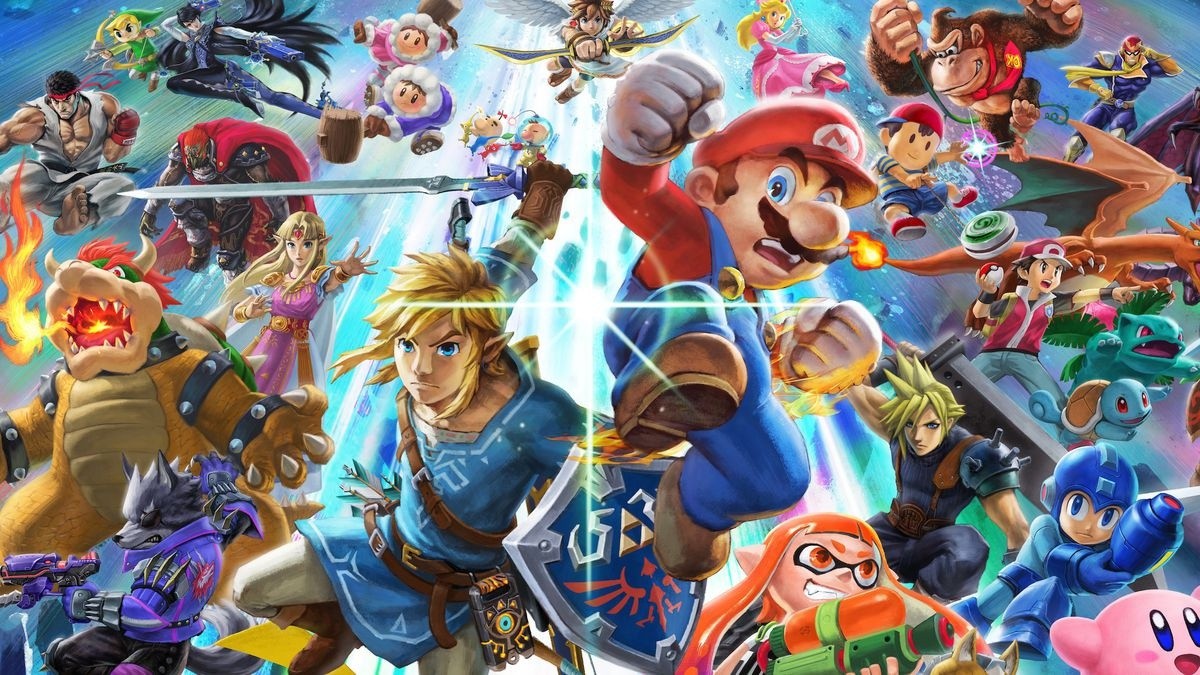
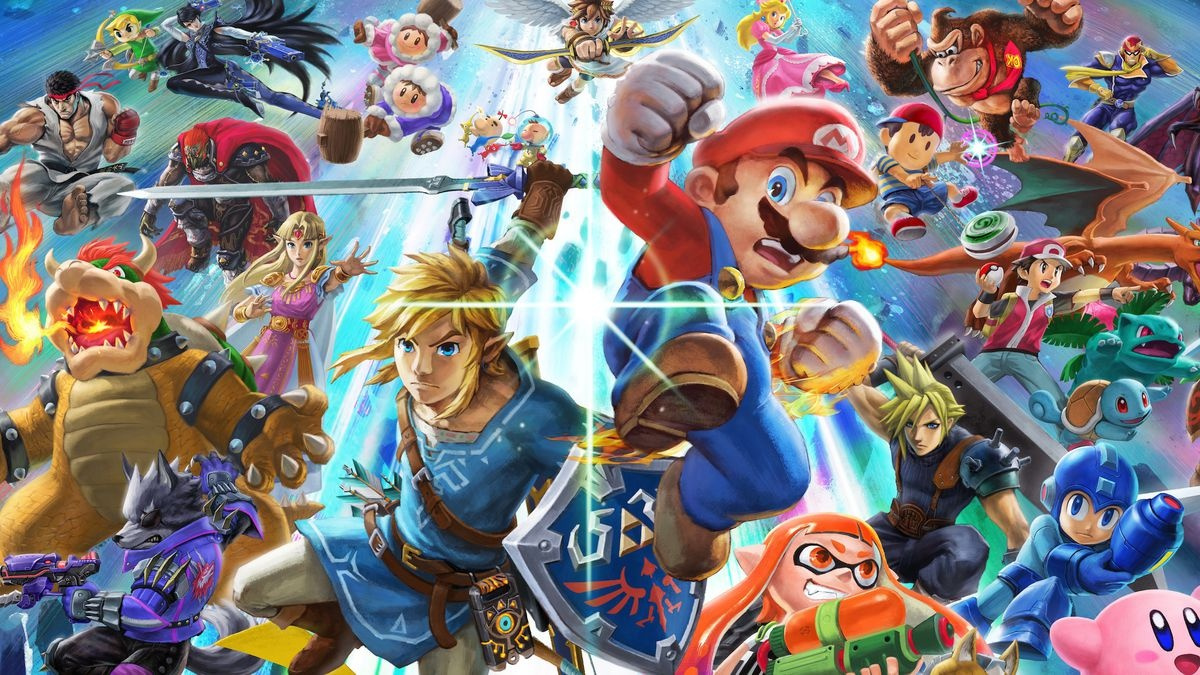
This followed on with a question asking if there was a chance of Kazuma Kiryu and Goro Majima – two lead characters from the series – appearing as DLC characters in Super Smash Bros. Ultimate. Nagoshi seemed to find this amusing and jokingly said the game’s director Masahiro Sakurai wouldn’t want them.
The last time the Yakuza series graced one of Nintendo’s platforms was during the Wii U generation when Sega gave Yakuza 1 & 2 HD a Japan-only release in 2013. Sales bombed and the bundle shipped less than 2000 copies in its first week.
Would you like to see Yakuza given a second chance on a Nintendo platform? Have you ever wanted to see this series represented in Smash Bros? Tell us down below.
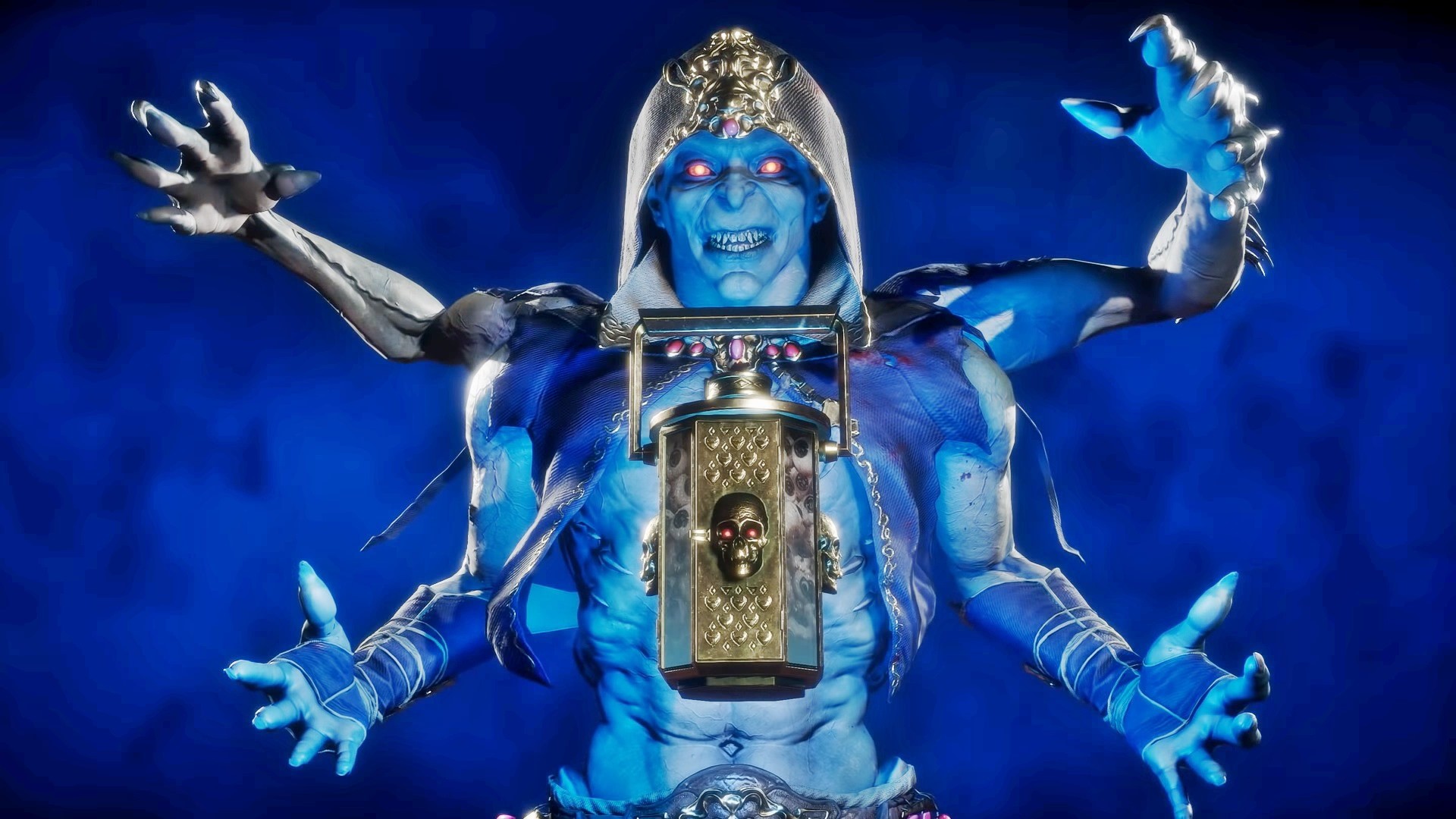
There’s been another Mortal Kombat 11 character reveal during the latest Kombat Kast. This time NetherRealm Studios introduces us to a fighter with four arms named Kollector. Below is a description along with the official reveal trailer, showcasing the characters full move set against Baraka. Just be warned, the clip contains graphic content.
A proud servant of the Outworld Empire, the Kollector cares only for his wealth and status and will kill anyone to keep it.
Earlier this week, Game Informer also exclusively revealed the Elder Goddess Cetrion. Once again, graphic content is on display.
Are you looking forward to the release of Mortal Kombat 11 on the Switch? What do you think of these latest characters? Tell us down below.
Posted by: xSicKxBot - 04-08-2019, 01:02 AM - Forum: Lounge
- No Replies
The Division 2's First Raid Releases Later This Month
The next big update for The Division 2 is now live, and it adds a new, more challenging difficulty mode, as well as a new World Tier, weekly invasions, new weapons and gear, and more. Not only that, but the first raid is on the way at the end of the month.
Operation Dark Hours, The Division 2's first raid, is slated to arrive on April 25. It's an eight-player raid that is described as "the toughest of all challenges," and one that will "test the teamwork of the most experienced agents."
Even further out, Ubisoft will add a new Specialization to The Division 2, but there is no word yet on what it'll be or when it'll release.
Friday's new update, Tidal Basin, is part of the first post-launch free content, Invasion: Battle for D.C., and it arrived on April 5. It adds a new stronghold, Tidal Basin, which is occupied by the Black Tusk faction. "Tidal Basin is now home to some of the most powerful enemies in the game, and they're not going down easy," Ubisoft says.
Players who successfully complete the stronghold will rise to World Tier 5, and in turn this lets players get gear scores in the range of 450-500. Reaching World Tier 5 unlocks new weekly invasions that see Black Tusk enemies take over missions and strongholds throughout D.C. They are described as "harder" than other challenges, and the reward for completing them is better loot and gear.
Additionally, Invasion: Battle for D.C. adds a new Heroic difficulty setting that Ubisoft says makes for "some of the most challenging gameplay yet." On top of that, new two exotic weapons, Pestilence and Nemesis, along with gear sets True Patriot, Hardwired, and Ongoing Directive, are coming to The Division 2 in the update.
In addition, a new PvP map titled Fort McNair is added in the update, while there are more cosmetics to acquire through the Invasion Apparel Event.
Invasion: Battle for D.C. is the title of the first pack of new DLC content for The Division 2 that includes Tidal Basin, the fourth specialisation, and Episode 1.
Nintendo’s Mobile Games Raked In $85 Million During The First Quarter Of 2019
According to Sensor Tower Store Intelligence data, Nintendo’s first quarter in 2019 has been its third-best period for mobile gaming revenue to date. The Japanese publisher’s mobile titles grossed approximately $85 million worldwide across the Google Play and App Store, which is a six percent increase year-over-year. This figure still trails behind the fourth quarter of 2018 ($112.3 million) and the first quarter of 2017 ($106.6 million).
Fire Emblem Heroes was the company’s top earner during this period, with an estimated total of $46.6 million player spending globally. This was a 30 percent decrease when compared to the game’s first-quarter earnings in 2018 ($66.2 million). However, quarter-over-quarter it was a five percent increase for the title.
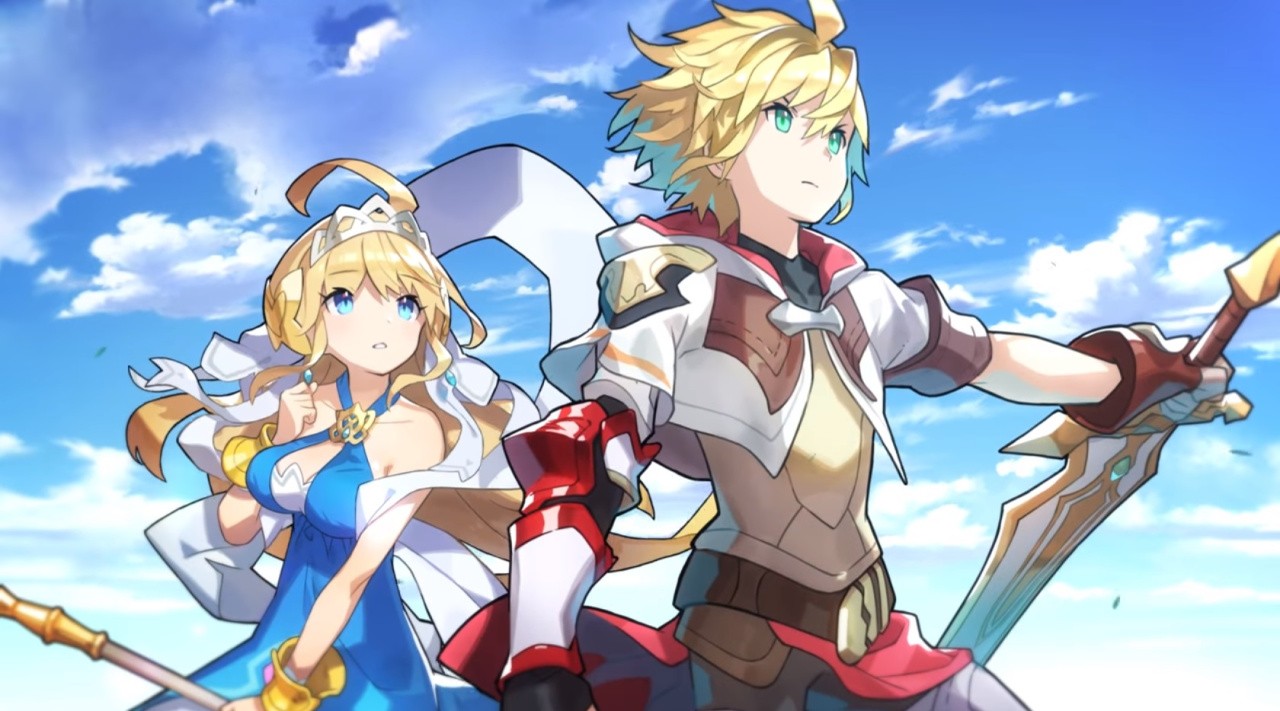
Nintendo’s most recent mobile release Dragalia Lost suffered from a 55 percent decrease in revenue in the fourth quarter of 2018 (earning roughly $23.4 million), but this was still enough to increase the company’s overall mobile growth and prevent it from being “down 23 percent” from the previous first quarter.
Animal Crossing: Pocket Camp had somewhat of a resurgence in player spending during the first quarter of 2019, with gross revenue worldwide reaching $12.9. This was a 30 percent increase year-over-year when compared to the $9.9 million it pulled in 2018. Lastly, Super Mario Run made up just three percent of Nintendo’s total mobile revenue (approximately $2.3 million) in the most recent quarter – though, this was a 15 percent increase compared to the fourth quarter of 2018. Compared to the first quarter earnings in 2018 ($3.9 million), this was 41 percent less.
The upcoming mobile releases Mario Kart Tour and Dr. Mario World – releasing in the second half of this year – are expected to make significant contributions to Nintendo’s mobile earnings.
Talking Point: What Are You Playing This Weekend? (April 6th)
Well… Here we are at the end of yet another week. This week brought us all sorts of April Fools nonsense, including an excellent (but fake) Nintendo Direct presentation, and even some potential – and tasty sounding – leaks from Best Buy, but now it’s time to sit back and talk about our weekend plans. Members of the team have done just that below, and we’d love for you to join in via our comments and poll sections below. Enjoy!
Gavin Lane, staff writer
News that Civilization VI now supports cross-saves between Switch and PC reminded me that I’ve been meaning to go back to that game for months now, so I would love to find a couple of hours over the weekend to sit down with a Civ I haven’t tried yet.
I have visitors this weekend, though, so I expect we’ll be cracking out Mario Kart 8 Deluxe and perhaps some Overcooked 2. Alternatively, I might try Catastronauts out on the unsuspecting crowd – it’s essentially an Overcooked ‘clone’ that channels the same frantic action and management while mixing in a healthy dose of Star Trek. It’s good, solid fun that gets a thumbs up from me.
Ryan Craddock, staff writer
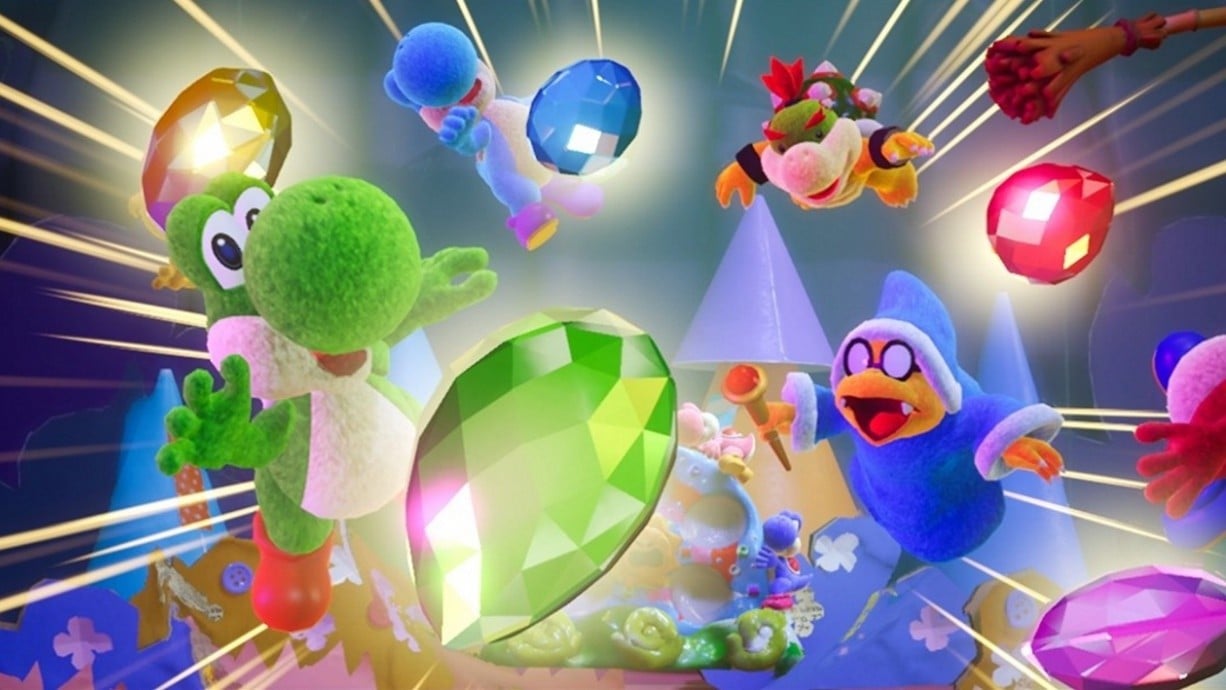
This weekend I’m doing something usually unheard of for me, actually leaving my house and seeing some other human beings for ‘fun’. As such, my current playthrough of Yoshi’s Crafted World will be temporarily put on hold, and I’ll likely end up playing several rounds of what is arguably the Switch’s best game for gatherings: Mario Kart 8 Deluxe.
Having said that, the friends I’m seeing also love to have the odd round of Party Golf, a quirky little game full of all sorts of crazy shenanigans. With a bit of luck, we’ll be laughing our way through that, too.
Dom Reseigh-Lincoln, reviewer
This weekend I’ll be really mixing it up with some comedic case solving with the classic collection that is the Phoenix Wright: Ace Attorney Trilogy. When I’m not shouting “Objection!”, I’ll be attempting to survive and thrive aboard a starship in the deep space of Out There: The Alliance. I loved FTL and this looks like it’ll scratch that intergalactic management sim itch. Finally, I’ll be getting my point-and-click on with the Kickstarted world of The Mystery of Woolley Mountain. Look out for all three, in review form, next week on the site.
Gonçalo Lopes, contributing writer
April is a big month for the Switch and this first week certainly delivered. My weekend will be mostly made up of eShop masterpieces such as Feather, Hob: The Definitive Edition, Overwhelm, Pressure Overdrive, AngerForce: Reloaded and the part brilliant, part hardcore run’n’gun insanity of Mechstermination Force! For cartridge based entertainment I will go with the ridiculously addictive Super Dragon Ball Heroes: World Mission (got SSJ4 Broly on my first Gacha attempt, everyone lost their minds!) and the Air Conflicts Collection double dose for generous amounts of aerial combat.
My game of the week is the truly special The friends of Ringo Ishikawa, a delightful 16-bit throwback to my rebellious Japanese delinquent youth days. Don’t worry, I cleaned up my act and nowadays I write for Nintendo Life.
Liam Doolan, news writer
This weekend I intend to spend the majority of my time trying to escape from prison in Furi. I’m ashamed to say, but this is a game I somehow overlooked when it was originally released on the Switch eShop at the beginning of last year. I was immediately sold when I saw the update trailer for the game the other day. It’s easy to see why the developer says it’s been inspired by the likes of No More Heroes, Metal Gear Solid and God Hand based on the game’s funky combat, aesthetics, and soundtrack.
If I get the chance, I would also like to train up in Super Dragon Ball Heroes: World Mission. I’ve oddly been craving a Dragon Ball card game on the Switch for some time now, so this is a great chance to finally get my fix.
Which games are you playing this weekend? (277 votes)
Review: The third-generation 2019 iPad Air is pro enough
The 2019 iPad Air is Apple’s newest mid-to-high tier tablet, and falls just below the Pro line and just above the sixth-generation iPad, making it unexciting, but arguably the go-to tablet for the general consumer.
2019 iPad Air
Apple in 2019 currently sells five different iPads, in five different price points. There’s the 9.7-inch iPad which sells for $329, the iPad mini which sells for $399, this new iPad Air at $499, and the two iPad Pros at $799 and $999 respectively. On the surface, that looks like a lot of iPad in Apple’s lineup, but in 2019 maintaining a business that is just as large as the Mac, Apple has an iPad for everyone.
The mini is aimed at those who prefer a smaller, more compact device. The 2018 9.7-inch iPad is the budget-friendly alternative that is aimed squarely at the education market. The iPad Pros are targeting those who want to get the most out of their tablet. Which leave the iPad Air —right in the middle.
This middle ground means at times it can feel underwhelming, and in certain areas, behind. That doesn’t make it any less a capable device, however. With solid specs, it will likely be —and should be —the tablet that most gravitate towards.
Specs
2019 iPad Air Retina Display
This iPad now features a 10.5-inch Retina Display with a P3 wide color gamut, it has an A12 Bionic processor inside —which is also inside Apple’s flagship smartphone the iPhone XS, and XS Max —and it also now supports the first generation Apple Pencil and the Smart Keyboard.
The A12 Processor on the 2019 iPad Air is ridiculously fast. It pairs well with iOS 12 —and soon iOS 13. For the past two weeks that we’ve had the device, we’ve never seen the iPad Air struggle one bit. Everything is so seamless and just works right out of the box.
2019 iPad Air playing Fortnite
Gaming, just as we saw with the new 2019 iPad mini, was great. Titles like ‘Fortnite’ played smooth, even at a quicker 60 FPS with seldom errant dropped frames.
The pair of speakers for stereo are decent. They’re nothing to brag about, but definitely are a lot louder than any other tablet we’ve used this year, apart from Apple’s own Pro lineup. There are only two of the speakers rather than four on the Pro line, which means when you hold the tablet it is fairly easy to accidentally cover the speaker while will limit the sound output.
The overall software experience on the new iPad Air has been really good, too. We haven’t run into any bugs or app crashes. It’s still an iPad running the same old iOS we’re used to over the past few years so we’re not really getting anything special here.
We’re hoping this coming WWDC we’ll see something amazing from Apple with iOS 13 that can visually overhaul this experience. It’s certainly due.
2019 iPad Air with Apple Pencil
The Pencil support is a nice addition that a lot of people are going to appreciate. Unfortunately, the display doesn’t have Apple’s ProMotion technology which gives you a 120Hz refresh rate for a smoother experience. Slower refresh rates mean eagle-eyed artists will notice it to be slightly jumpy while using the Apple Pencil. Unless you are really particular about your drawing, you won’t notice this difference. Those who are that serious will likely prefer the iPad Pro and the second generation Apple Pencil instead, but for note taking and less demanding work, there are no problems to be found here.
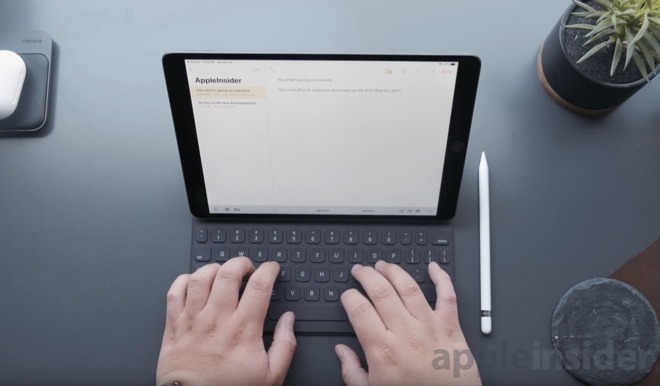
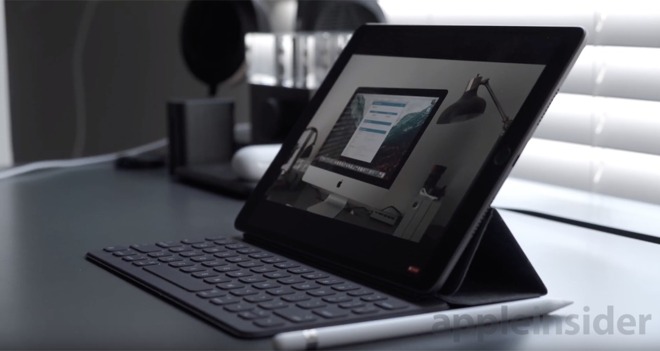
The smart connector is new here as well, it’s meant to be used for Apple’s own smart keyboard which in our opinion is the best keyboard that you can buy for the iPad. The keyboard is a bit stiff, and mushy at the same time, but once you use it long enough, it’ll start to wear down and soften up to a point where every keystroke feels great. There are hundreds of Bluetooth keyboards out in the market already, but the smart keyboard is what we’d highly recommend.
2019 iPad Air Smart Keyboard
It is unfortunate that we still don’t have additional accessories to use the Smart Connector. When Apple debuted it originally, third-parties were going to be able to take advantage of it. Years later, we’ve only seen two or three others actually test the waters, leaving the connector mostly for Apple’s utility.
Should you grab one?
2019 iPad Air
The iPad Air exists because it gives Apple an option to serve a bunch of different people who use an iPad for a bunch of different reasons. Some may want a smaller iPad that they can easily pack in their bag or a small tablet to give to their kid so they pick up the iPad mini. Some people want the most basic, and most affordable iPad so they go for the 9.7-inch iPad.
This exists because it gives Apple that happy medium option between the low-end iPad to the high-end Pro models, and that’s why it’s here. The new iPad Air gives you a big 10.5-inch display that is bright, and color accurate. It supports Apple Pencil, Smart Keyboard, and it has the same fast A12 Bionic processor from its $1000 smartphone, and you’re getting all of that for just $499, the same price that the original iPad shipped for nine years ago, and that is pretty impressive.
Again, this is a case where the AppleInsider audience varies a great deal from the target market —no Promotion is a potential issue, as is the need for the original Apple Pencil, versus the new one on the newer iPad Pro line. But, even all that considered, overall, the new iPad Air is a solid 4/5, with it a bit higher for most of the iPad-using public, and a hair lower for the “prosumer” market.
Where to buy
Apple’s 2019 iPad Air can be ordered from Apple authorized resellers with cash discounts of up to $10 off. To find the lowest prices, check out our iPad Air Price Guide, which is updated throughout the day.
Instead of reporting the April 1st “news”, today we are instead going to look at a pair of excellent free texturing tools that run entirely in your browser, Normal Map Online and Texture Generator Online. Normal Map online can be sued to create normal, displacement, ambient occlusion and specular maps from a simple height map image. Texture Generator Online is used for creating simple procedural textures like patterns, noises, terrain and more.
While both tools are easy to use, you can see both of them in action in the video below. You can also learn more by clicking the question mark icons found within the website. Chrome is the developers recommended browser, although I ran it without issues in the Firefox browser. Both services are also available from this homepage.
Update: Server downtime lasted a bit longer than expected, but they're now back online. And with that, Ubisoft has released the Tidal Basin update, the first major content patch since the game's debut. Ubisoft has also now shared the full patch notes for the update, and we've learned when the first raid will be released. The original story follows.
Ubisoft is bringing down The Division 2's servers tomorrow for an extended period of maintenance. The downtime, which will run for about three hours, will begin Friday, April 5 at 12:30 AM PT.
That works out to 3:30 AM ET, 9:30 AM CEST, and 5:30 PM AEDT. Ubisoft will use the downtime to roll out the new Invasion: Battle for D.C. update, in addition to the regular maintenance.
Heads up, Agents! Maintenance to deploy Invasion: Battle for D.C. incoming tomorrow, April 5th at 09:30 AM CEST / 03:30 AM EDT / 12:30 AM PDT, approximately 3 hours. Details: >> https://t.co/8DbyfUr6Inpic.twitter.com/lHZLTScQtl
Invasion: Battle for D.C. is the first of The Division 2's free post-release updates. It introduces a new stronghold, Tidal Basin, which features the strongest enemies to date, along with a new Heroic difficulty setting. It also adds two new exotic weapons, Pestilence and Nemesis, along with multiple new gear sets. You can find out more about the update in GameSpot's coverage here.
Here at GameSpot we scored The Division 2 a 9/10, and it's exciting to think about the new update and other opportunities to continue to explore and spend time in The Division 2's world.
If Super Smash Bros. Ultimate hasn’t already received enough praise, it’s now taken out Famitsu’s 2018 Game of the Year Award alongside Monster Hunter: World. It’s a similar situation to the previous year when The Legend of Zelda: Breath of the Wild and Dragon Quest XI both won. The game’s creator Masahiro Sakurai received the MVP award and the pink puffball Kirby – who was tasked with saving the day in Ultimate’s World of Light mode – was awarded character of the year.