Epic Games have just launched a preview of their upcoming Unreal Engine Academy. This is a one stop location for Unreal Engine courses in video format which is completely free, although it requires you to log in with your Epic credentials. The Unreal Academy will track your current progress through a course and even has motivational achievements that can be attained. Currently the pickings are fairly slim, with 3 official courses and just over a dozen other courses available. The new portal will most likely replace the existing Unreal Academy, with much of the content being shared.
This move comes in response to a similar portal launched by Unity just last week, Unity Learn. It offers very similar content, although Unity Learn also offers some text based tutorials in addition to video.
Regardless to which game engine you use, never has it been easier to get access to excellent courses to get you up and running. Check out the new Unreal Engine Academy in action in the video below.
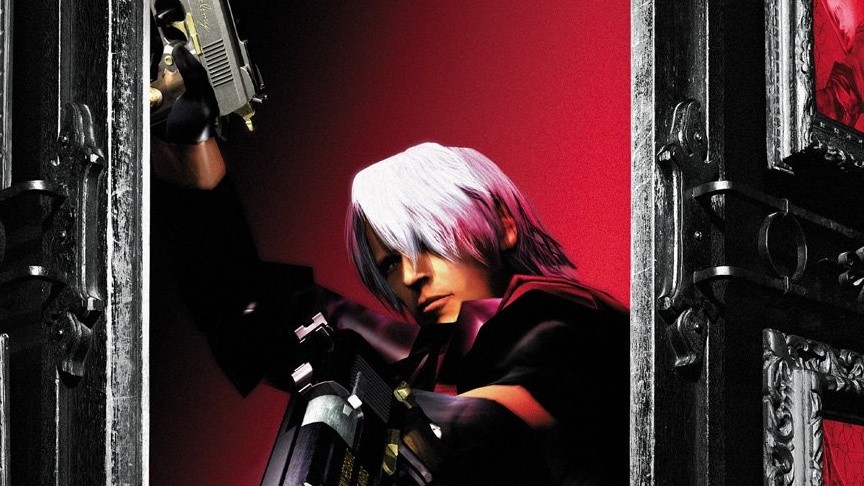
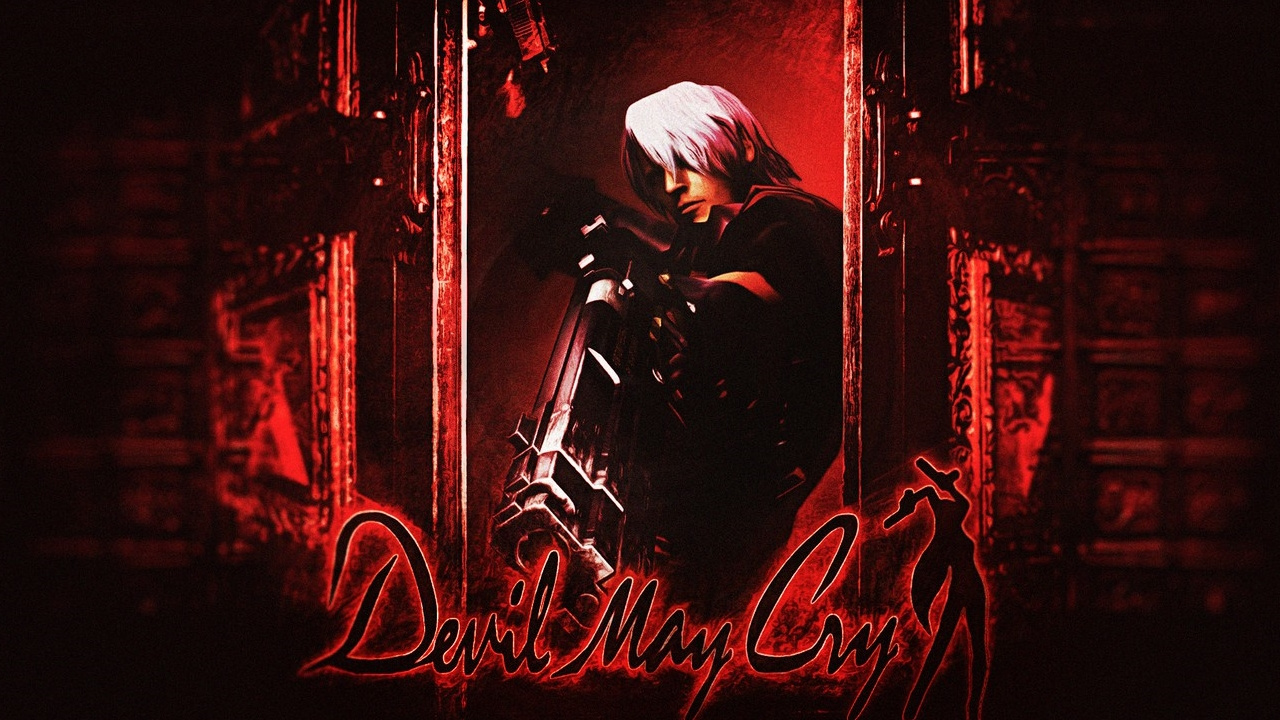
Dante is coming to Nintendo Switch. Capcom has announced that the very first Devil May Cry is coming to the platform sometime this summer. The announcement didn't give word on whether this will be a straight port of the PS2 original or based on the more recent HD Collection.
While the announcement was short on details, though, the implications are huge. Devil May Cry has never been on a Nintendo platform before in any capacity. Series head Hideaki Itsuno pointedly said in an interview in February that for Dante to appear as a guest character in Super Smash Bros. Ultimate, he'd sensibly have to appear in a game on the platform first.
"Devil May Cry has never been on a Nintendo platform," Itsuno told VG247. "So it seems like the first thing to do would be to get Capcom to put Devil May Cry on a Nintendo platform in some way, shape or form--whatever game that might be."
This would appear to fulfill that criteria, and Itsuno would have likely known about any pending Smash Bros. guest spots at the time he made that comment. Dante may not be destined for Smash at all, but this at least raises the possibility.
The first and so-far only announced guest DLC character is Joker from the Persona series, who went live with an update in April. Meanwhile Dante has continued making devils cry with further adventures and a growing cadre of allies, most recently with the altogether excellent sequel Devil May Cry 5.
Ryan Reynolds Admits R-Rated Lines Were Recorded For Detective Pikachu
As you might have noticed, Ryan Reynolds is currently doing the press rounds to help promote Detective Pikachu. In a lot of these interviews, he’s revealed how he tested out different voices and even channelled the foul-mouthed Marvel character Deadpool.
During a recent interview with Megan Peters from Comicbook.com, Reynolds elaborated on the recording process for Detective Pikachu, explaining how he was in the recording booth for about a year with tracking dots all over his body, “throwing 800 versions” of a line or joke up against a wall. While some of the language was a bit “PG-13” other times it was closer to an R-rating. Obviously, maintaining the family-friendly image of Pokémon was the priority, so these lines didn’t make the cut during the editing process.
If Reynolds was able to make a more mature movie with Pikachu, he’d likely continue on with the film noir theme, recreating classics such Mean Streets or Goodfellas. Take a look at the full interview below:
Do you plan to see Detective Pikachu in cinema? Are you a fan of Ryan Reynolds? Tell us down in the comments.
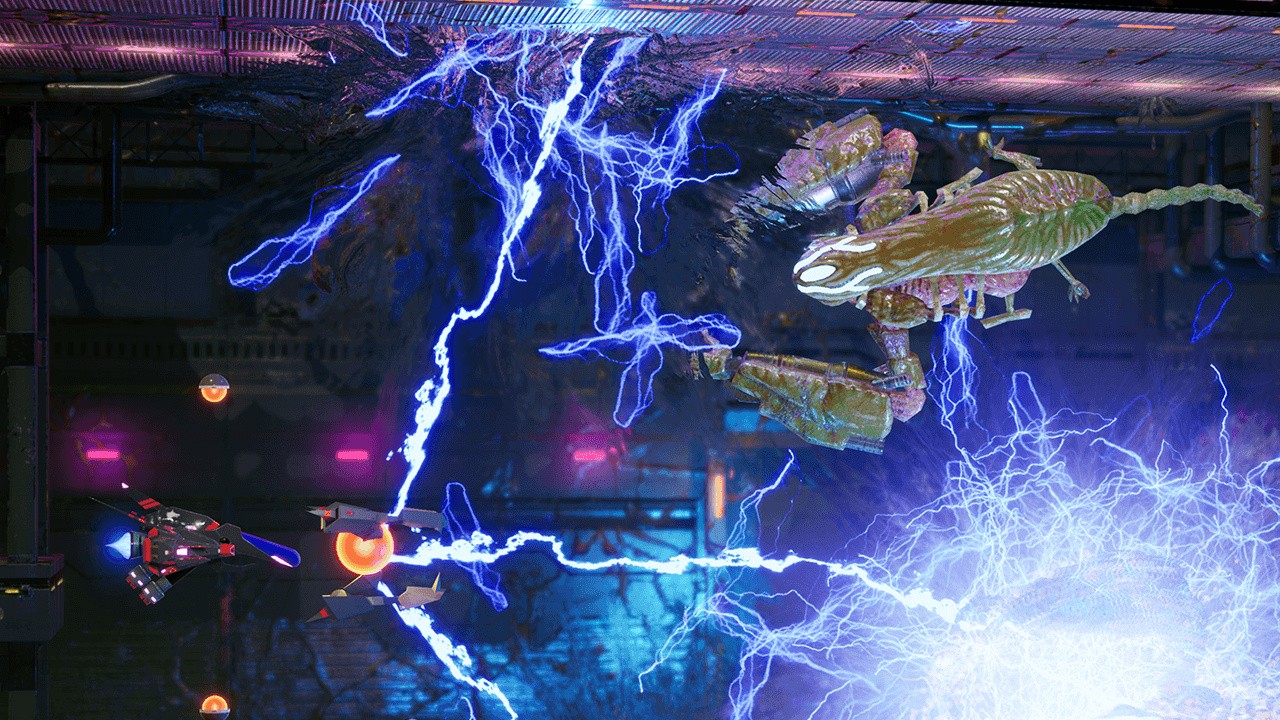
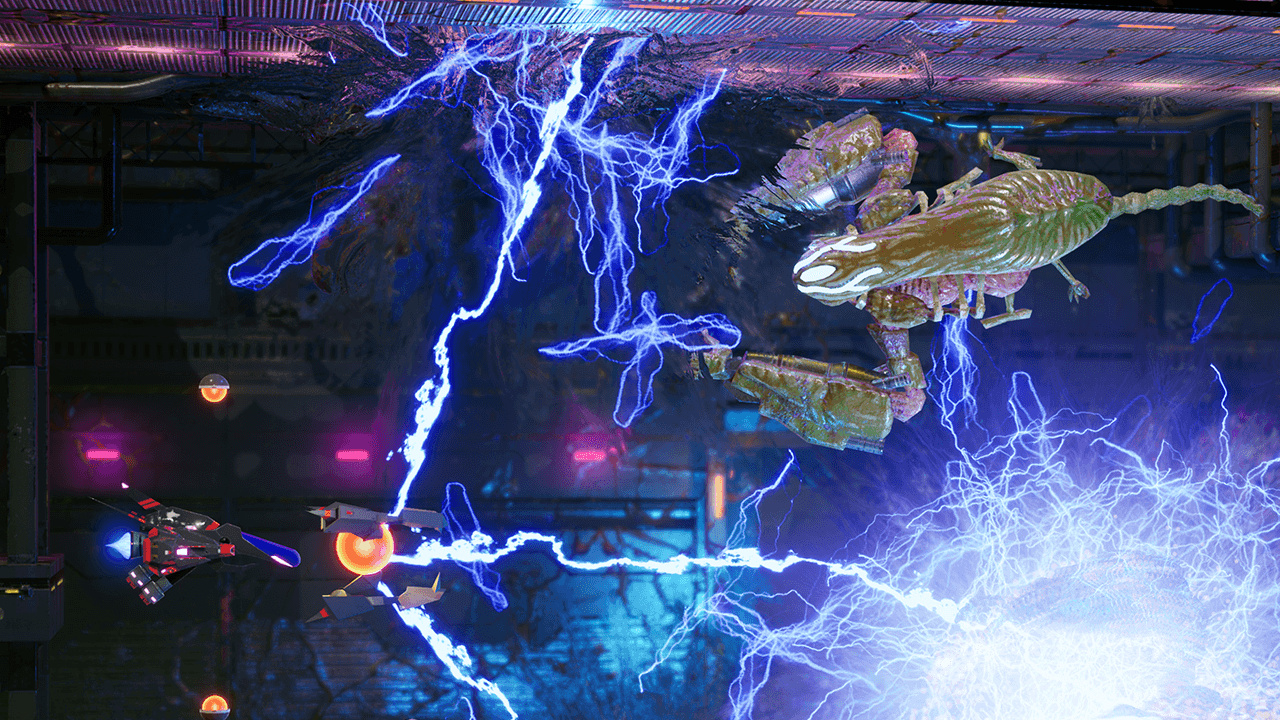
Granzella Asks Fans If They Want R-Type Final 2 On Switch
We where still uncertain about the announcement of R-Type Final 2 due to the peculiar date of the announcement (April 1st) but fortunately for shmup fans it turned out to be real.
While the game was always an obvious certainty on PlayStation 4, developer Granzella came today on Twitter to ask on both Japanese and Western accounts on which platform would you’d ideally like to fight the Bydo Empire on.
At the time of writing, the Japanese poll favours the PS4 with Switch following in close second place, while in the Western account the Switch option is well ahead of the rest of the pack.
While this poll obviously doesn’t confirm if the game will be released on Switch, it is enough to kindle a glimmer of hope; could the developer take the results to heart and make a Switch version? Did you vote Switch on that poll? Would you like to blast away even more of the Bydo Rmpire on your hybrid console of choice? Let us know in the comments section below.
Indiegogo Project Rolled Out! Revives The Super Monkey Ball Series
Take a moment to reflect on the GameCube era and one series that might stand out is Sega’s Super Monkey Ball, originally developed by Amusement Vision – the team also known for F-Zero GX. Outside of the arcade release, the first two console versions were arguably the best entries in the Monkey Ball series and since then newer entries have often failed to recreate the magic. Sega hasn’t helped the situation either, with the last Monkey Ball game launching on mobile devices in 2014 and sharing no similarities to the mainline platform party games.
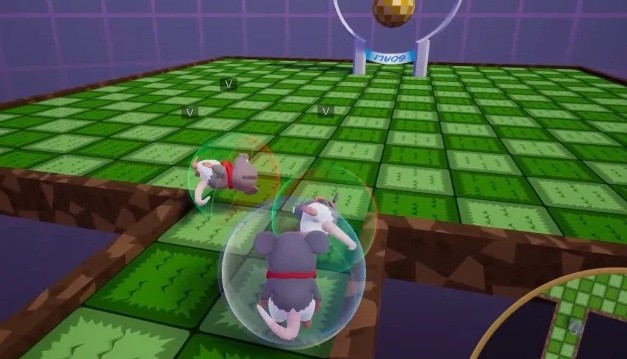
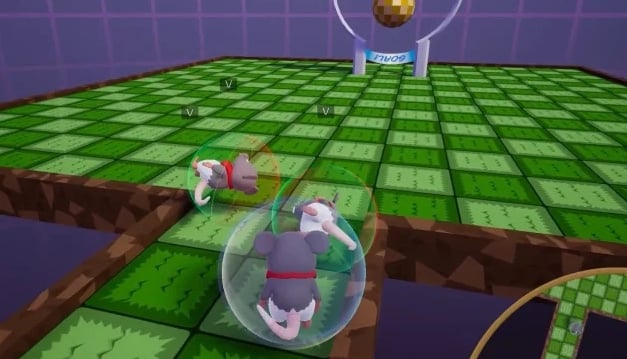
Now, an Indiegogo crowdfunding project is taking matters into its own hands by releasing a title heavily inspired by the Super Monkey Ball series. You could perhaps think of Rolled Out! as more of the same, with the game’s lead designer Brandon Johnson even admitting it has the “same basic mechanics” and the project page describing it as a “love letter” to the Super Monkey Ball series.
Brandon’s knowledge of the Monkey Ball series dates back to when he was much younger. Over the past year, he’s even made two major Super Monkey Ball 2 ROM hacks featuring over 200 levels, and has studied physics and level design in order to recapture the spirit of Sega’s series. Rolled Out! promises to include 310 stages, five main difficulties, online multiplayer, customisable settings and plenty of cute animals in balls. At this point in time, the title has only been funded for a PC release, but the developer has also teased a possible Nintendo Switch release in the future.
Have you been waiting for a Super Monkey Ball revival? Would you like to see Rolled Out! on the Switch? Tell us below.
Posted by: xSicKxBot - 05-07-2019, 08:27 AM - Forum: Lounge
- No Replies
Game Of Thrones Ep. 4 Review & Recap: Self-Sabotage At Its Finest (Season 8)
We've got only two episodes to go before Game of Thrones Season 8--and the show as a whole--concludes. HBO has released the Episode 5 preview trailer to provide some idea of what to expect, and it's looking increasingly likely that we will finally get Cleganebowl.
Game of Thrones Season 8, Episode 4, titled "The Last of the Starks," in a way had it easy: It couldn't have possibly been worse than the nonsensical Episode 3, "The Long Night," which many fans feel betrayed the very core of what Game of Thrones is. With the bar set so low, Episode 4 was always going to seem better in comparison. And sure enough, it wasn't the worst episode so far in Season 8.
But there's just something off about the way Game of Thrones' final conflict--the one between Cersei, Dany, and Jon/Aegon--is taking shape. Jon's explanation that he has no desire to make a claim to the Iron Throne (which apparently took place offscreen at some point) isn't good enough for the Dragon Queen, and what do you know? This episode proved Dany's worst fears right: Now that Jon's secret is out, there's already talk of how much better he'd be at ruling.
But why? Is that conversation justified? Jon has proved time and time again that he has what it takes, but so has Daenerys. They're in the endgame, and now is no time to be sowing inner conflict on your own side. Characters like Sansa and Varys should be smarter than this (although they weren't smart enough to remember that crypts are full of corpses, so who knows?).
The easiest resolution to this whole conflict would be for Jon and Dany to get married, announce his identity to the whole Seven Kingdoms, and be stronger than ever, together, a united front of Targaryens here to take their rightful seat back. Obviously, it's Game of Thrones, so it can't be that easy, but the show hasn't presented an adequate reason why not. Because Sansa and Arya still don't trust the queen who sacrificed half her forces to defend their home? Because Varys worries that Dany would wear the pants in the relationship? All this scheming and plotting and self-sabotaging feels contrived, because in this case, there's one clear path that makes the most sense, and no one's managed to come up with any adequate justification for why they can't just do this one thing the easy way.
The blame for that falls squarely on this episode's writers, showrunners David Benioff and Dan Weiss, who also wrote the previous episode (and the next two, which isn't a great sign for the rest of the final season). It's clear what they're trying to do, and it's clear that they failed at it--because I just can't figure out why Jon and Dany wouldn't just make the smart choice, unite the North and South, and usher in a new age of Targaryen rule.
Elsewhere in Winterfell, "The Last of the Starks" was full of fan service--although much of it was misplaced. Ghost showed up for the third time this season, only to immediately be written off the show, without so much as a pat from Jon. The suits at HBO breathed a sigh of relief for the show's CG budget, while fans cried out at the injustice of Ghost being treated like he's just as unimportant as Daario F***ing Naharis. Ghost's casual dismissal was almost as bad as the episode cutting away from Jon telling his sisters his true identity--a conversation fans have been awaiting for decades. Considering how much fan service this season has featured, it's frankly shocking that we didn't get to see the rest of that chat.
Jaime and Brienne got together--but only, it turns out, to make it more of a gut punch to her when he went riding back to Cersei anyway. Jaime knighted Brienne in Episode 2, and it was a beautiful culmination of both characters' arcs, fulfilling their relationship without needing to shoehorn in a romance. This final twist of the knife was, arguably, unnecessary. The fact that Jaime is most likely riding south to kill his sister himself is the plotline's saving grace--and leaving his intentions ambiguous does a decent job of keeping that tension going.
And another dragon died. Once again, Game of Thrones put cinematic showiness over plausibility, as it's hard to believe that Dany somehow failed to glimpse Euron's fleet hiding behind a rock from her vantage point hundreds of feet in the air. The camera was pointed up toward the sky when the fleet apparently came into view of the dragons, which leaves it just vague enough to be somewhat believable. But even if you buy that, it's insane that no one saw that attack coming in a figurative sense; they know about Euron's fleet, they know about Cersei's scorpions (Drogon caught a bolt back in Season 7's "The Spoils of War"), and they know that King's Landing and Dragonstone are a stone's throw from one another. Why wouldn't Euron be waiting to ambush them?
Losing yet another dragon is a massive blow to Dany, and it hurts even more because it could have easily been avoided. Maybe that's another case of the writing being bad, or maybe all the greatest minds in Westeros really are just that dumb. Who can say at this point?
With two episodes of Game of Thrones left, it feels safe to say that the show probably doesn't have many big surprises left. Some fans are disappointed the White Walkers were easily defeated in a single skirmish, while others may still hope that Jon and Dany will make peace with each other and figure out that a united Targaryen front is the strongest, easiest, and smartest way forward. Whatever you think, there's no denying that this season has been surprising so far, and despite all our gripes, there's something deeply enjoyable about that.
I believe that with the end in sight, what we're seeing is what we're getting: Jon and Dany and Cersei will vie for the Iron Throne, and whichever of them is left standing at the end will get it. It's going to be exciting, there will be plenty of fire and blood, and at this point nobody can predict what will happen next. I have plenty of complaints with the path we've taken to get here, but when it comes down to it, I'm looking forward to seeing how this all ends. Once it does, maybe George R.R. Martin can finally write the rest of the books and finish things his way. Until then, let's just try to enjoy this for what it is.
The Original Devil May Cry Hunts Demons On Switch This Summer
Capcom has confirmed over on Twitter that the original chapter of the long-running Devil May Cry series will arrive on the Switch this Summer. This marks the first time Dante’s game will be made available on a Nintendo platform. But is Capcom playing it slightly too safe by just bringing the original outing instead of the whole PlayStation 2 trilogy to the system? Further details (like the price point), will no doubt be revealed in time.
Interestingly, this announcement follows on from comments made by the director (Hideaki Itsuno) and producer (Matt Walker) of the fifth game in the series, back in February, when they said they would “love” to play this franchise on Switch. In a separate interview, Itsuno even mentioned how the fifth entry would be considered for Nintendo’s hybrid device if Dragon’s Dogma: Dark Arisen sold well enough. For now, though, let’s just enjoy the fact the first entry in this divine series is coming to Switch.
Are you a fan of Dante’s hack, slash and shooting adventures? We’re looking forward to hearing your ‘Dante for Super Smash Bros. Ultimate confirmed!’ theories in the comment section below.
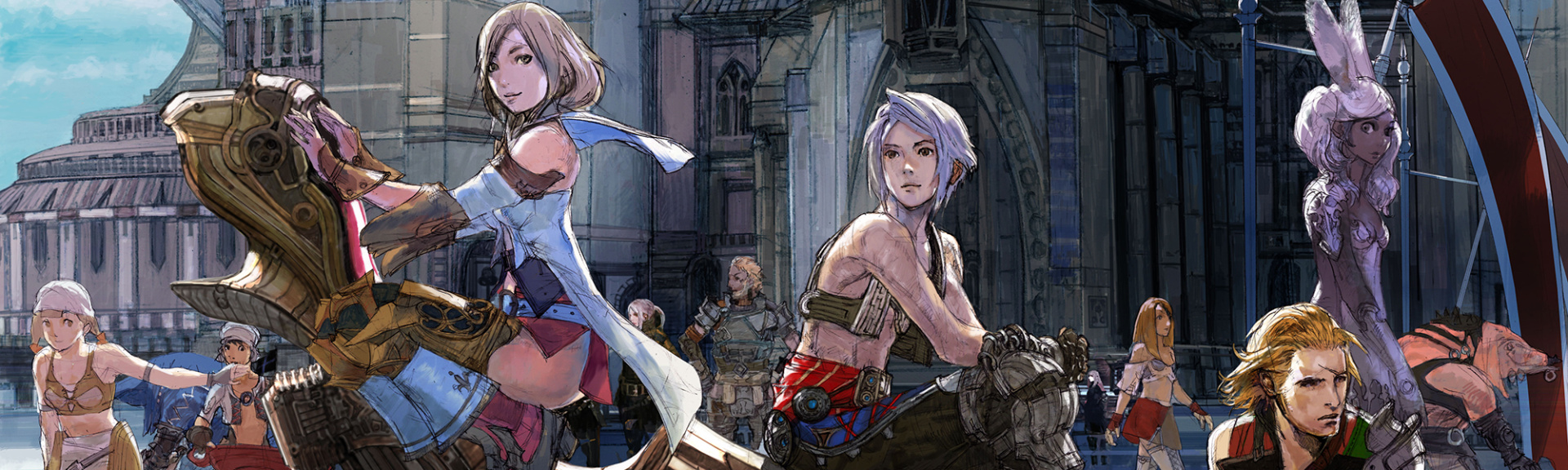
Review: Final Fantasy XII: The Zodiac Age – This Is How You Handle A Remaster
2006 was an interesting time for the Final Fantasy series, as Square returned to a single-player driven entry in the series after the MMO experiment of Final Fantasy XI. The development of Final Fantasy XII was rocky to say the least, as its protracted five-year development cycle cost Square close to thirty-five million dollars and its initial director, Yasumi Matsuno, suffered a mental collapse halfway through that saw him leaving the company for good. Fortunately, the final product turned out to be a reasonably consistent and high-quality JRPG; not the best in the series, but far from the back alley dumpster fire that it easily could’ve been. Now, Square has remastered the game as Final Fantasy XII: The Zodiac Age, which throws in improvements from the later-released international version along with a whole slew of modern nips and tucks, all of which come together to make for a wonderfully sharp experience that stands as the definitive way to play this classic.
The story of Final Fantasy XII: The Zodiac Age takes a less character-centric approach to its narrative, a move which certainly increases the scope of the plot, but at the cost of making it less relatable than some predecessors in the series. Echoing some of the earlier Fire Emblem games, this is more a story about the political intrigue surrounding an ongoing war between national superpowers. In the land of Ivalice (which acts as the setting of several other games from Square) the two nations of Archadia and Rozzaria are at war with each other, catching the much smaller kingdom of Dalmasca in the crossfire. After a lengthy and mildly confusing introduction segment, the plot picks up following Vaan, an orphaned petty thief with big dreams of one day becoming a sky pirate. Vaan leads a relatively simple life of being a sort of Robin Hood-like figure, but his misadventures quickly lead to him getting caught up in a resistance movement with Dalmasca’s princess, Ashe, who aims to reverse the annexation of Dalmasca into the Archadian empire.
It’s all rather high-concept – even for a Final Fantasy game – and this comes as something of a double-edged sword. While it’s impressive how much detail is put into the lore and history of the world of Ivalice, not nearly as much effort is put into making the cast particularly memorable or three dimensional. Much like how combat requires several different roles working in tandem, all the major players in the story are clearly there to fill a specific niche in moving the plot forward and they seldom break out of their cliché archetypes. For example, Balthier is the ‘cool’, roguish sky pirate out to fill his boots with treasure; he initially doesn’t want to get involved in the resistance movement because it’s not his cup of tea, but his kind heart eventually wins out and he shows there’s more to him then a trigger finger and one-liners. Everyone in the main party is like this to an extent. They’re likable and well-written, but predictable and rather boring as a result. Though the voice acting is spot-on, there’s a general sense of detachment one gets when playing through this story; it’s just hard to care about the plight of Dalmasca when the game doesn’t give you much reason to beyond the tired ‘empires are evil’ song and dance. There are much worse stories to be found in RPG’s, but relative to the rest of the Final Fantasy series, Final Fantasy XII: The Zodiac Age is left a bit wanting.
Fortunately, the gameplay picks up the slack, coming off as something akin to a single player MMO. Though it’s not exactly open-world, the on-rails nature of Final Fantasy X is long gone here, replaced by a gameplay structure that encourages you to take frequent breaks from the main narrative in favor of some good old-fashioned side quest grinding. These take the form of ‘Hunts’, which see you fulfilling contracts for NPCs in towns who need you to take down certain powerful creatures in the surrounding areas for some contrived reason. More often than not, the locations of these creatures are generalized and require a bit of poking around the map, which naturally results in you finding treasure and hidden secrets as you fight your way through the countless fodder enemies that populate the environments. On paper, it all sounds rather cookie cutter, but there’s something about the reward loop of grinding hunts, getting more gil and better equipment, and using that to then do harder hunts that proves to be insatiably addictive. In this way, Final Fantasy XII: The Zodiac Age proves that innovation isn’t necessarily the only requirement to stellar game design, sometimes all it takes is brilliant execution of well-worn ideas.
That being said, one place where Final Fantasy XII: The Zodiac Age definitely innovates is in its combat, specifically the Active Dimensional Battle system, which finally eschews the random encounters of the series in favor of a more active focus. Perhaps inspiring the Xenoblade Chronicles games that would come many years later, battles are simply started right there in the overworld as soon as you’re within the visual or attack range of an enemy. Once the battle starts, character actions are then governed by an ATB style system in which each character has an auto-filling bar that grants them an action every time it fills, but one way in which Final Fantasy XII: The Zodiac Age puts all other RPGs to shame is in the depth of micromanagement it offers players through the “Gambit” system.
The Gambit system is a marketing friendly term for programmable actions, all of which can be set up in the pause menu. Essentially, every character has a set of Gambits that function as ‘if/then’ commands, and how you order the Gambits dictates how the character behaves in battle. Every Gambit slot has a ‘target’ and an ‘action’, and a vast list of selectable factors for each, which ensures that you have near-limitless amount of ways in which you can set up each character. So, for example, you can set a Gambit that ensures your healer-focused character will cast “Blindna” every time a party member is stricken with the “Blind” status effect by an enemy. Or, you can set multiple Gambits on your black mage to ensure that they’ll use whatever magic the currently targeted enemy is weak to. Unlike most other RPGs, you no longer have to worry about lackluster AI limiting the effectiveness of your team, as you can control exactly where, when, and how each party member reacts to certain scenarios.
It takes a bit of getting used to, but the true strength of the Gambit system lies in using trial and error to figure out how to turn your team into a perfectly balanced, unstoppable killing force that requires only occasional input from you. Some may think it sounds a bit boring to have a combat system primarily centered around playing itself, but the nature of the Gambit system always leaves room for a little more improvement or player interaction. Each character only has so many Gambit slots to fill, and even when you’ve found a nice equilibrium for the team, there are still plenty of scenarios where it’s simply quicker to tell a character to do a specific action. What’s nice about this system is how much stress it takes off the player in the moment to moment decision making; you can watch the action unfold automatically and intervene as needed, filling the gaps in as a sort of meta party member.
Character growth is handled in a manner akin to the Sphere Grid system of Final Fantasy X, but it’s slightly more freeform in its approach. There are twelve jobs to pick from and each character can be equipped with a main class and a subclass, each of which has a unique, chess-like board that charts their mastery of that class. Every job board contains a collection of “Licenses” which dictate the level of gear or the skills that the character can use. So, for example, you may find a fancy new armlet in a treasure chest that requires a level 3 accessory license to equip; only characters that have unlocked the “Accessory 3” spot on their job board will be capable of putting it on. Every enemy you kill grants each character “License Points” which can then be spent to buy more spots on their job boards, but you can only buy spots that are directly adjacent to any of the ones you’ve already bought. What’s nice about this setup is how it allows you to control your character’s growth within their class towards the way that you play them; if you feel comfortable with their current equipment setup, for example, then you can forgo buying higher ranks of armor licenses in favor of more direct stat buffs or skill licenses. And, unlike the Sphere Grid, there are no predefined paths here that you choose to follow, it all radiates outward from the starting point and you’re given complete freedom over what corners of the board to work towards.
Also, new to this Switch version, you’re allowed to respec characters and reclass them as you please, and you’re even refunded all invested LP. With this change, you’re now given greater ability to experiment with different party setups as you don’t have to commit to any string of decisions you make in growing any characters. It’s small, sure, but little quality of life changes like this can make a world of difference in ratcheting up the replayability and fun factor; it’s a lot less stressful knowing that you can undo your mistakes.
Speaking of quality of life changes, this Switch port also features the lovely inclusion of three swappable Gambit sets for each character, allowing you to create varying setups for different situations. For example, boss fights often like to throw some curveballs your way and introduce status debuffs and attacks that you likely haven’t predicted with your Gambit setups. In previous versions of Final Fantasy XII, you’d have to redo your party’s Gambits to fit that boss, then have to remember your previous setups and reimplement them again after you were done; this way, you can have one or two ‘main’ setups and use the remainders for specific situations. Another welcome inclusion (which wasn’t present in the initial PS2 release) is the ability to double or quadruple the speed of the game by simply pressing in the left stick, enormously cutting back on the downtime that grinding tends to bring. Especially when paired with a party that can fight mostly on its own, having the ability to expedite the process of fights that are otherwise set in stone lets you get to rewards that much faster and move on to whatever’s next. It’s clear that Final Fantasy XII: The Zodiac Age is designed to be a game that’s respectful of your time, even if the nature of the genre demands that you pour in dozens of hours to get the ‘full’ experience.
From a presentation perspective, Final Fantasy XII: The Zodiac Age doesn’t necessarily impress, but it certainly satisfies. Updated character models and up-rezzed textures bring the PS2-era graphics into the modern age and provide some solid visuals, but character expressions and jagged geometry ensure that it’s still unmistakably a game from days past. That’s not to say it looks bad, but coming into this one with managed expectations is wise; next to other modern RPG’s, it can look a bit lackluster. The world is presented in a rather painterly look that brings to mind shades of the system used in the Valkyria Chronicles, characterized by soft colors that tend to blur together occasionally punctuated by loud, vibrant colors that all but pierce the screen, such as when a powerful magic spell is cast in battle.
This is all well and good, but the visual style feels a bit let down by the slightly more reined in fantasy elements, bringing a more grounded approach to the world. There are still dragons and magic and all the trappings that one would come to expect from a Final Fantasy game, but the decidedly more political approach to the storytelling seems to have rubbed off a bit on the art direction, which is concerned with making the world of Ivalice seem like a place that could almost be real, somewhere. Of course, it looks great in motion and runs at 30 FPS – whether you’re playing on the Switch or the TV – and as far as we could tell, appears to be mostly on-par with the versions available on other platforms. Also, for you music aficionados, there are three different versions of Hitoshi Sakimoto’s soundtrack work here – Original, orchestral, and OST – and though the differences won’t be too noticeable to an untrained ear, it’s nice to see that the developers went to the trouble of making sure the audio received the same TLC that the rest of the game did.
Posted by: xSicKxBot - 05-07-2019, 08:27 AM - Forum: Windows
- No Replies
10 cool things to check out at Build
Microsoft Build is underway in Seattle, and this year’s premier developer conference is focused on empowering developers of all kinds, from experienced computer scientists to tech beginners with big ideas. We’re sharing the latest on Microsoft platforms, tools and services that are making it easier to create and innovate using AI and mixed reality with the intelligent cloud and the intelligent edge, as well as helping people and organizations do more each day.
Here’s a peek at some of the event’s highlights:
Check out the new features in Microsoft Edgebuilt on Chromium OSS that will make it easier to collect, organize and share content, and give you additional privacy controls to make your own decisions about how third parties can track you.
See how technologyis helping Starbucks and their baristas deliver great customer experiences including managing predictive maintenance on coffee machines with Azure Sphere; giving personalized recommendations to customers via the Starbucks mobile app with reinforcement learning on Azure; and powering digital traceability efforts to track coffee beans from farm to store with Azure blockchain service.
Technology is helping Starbucks and their baristas deliver great customer experiences (Photo courtesy of Starbucks)
Read about Fluid Framework, a web-based platform expected to be available later this year that will give teams new ways to create together, enabling content to be deconstructed and reconstructed into modular components and allowing intelligent agents to work alongside people to co-author, provide photo suggestions, translate data and more.
Learn more about Microsoft’s vision for intelligent agents that leverage breakthroughs in conversational AI and machine learning pioneered by Semantic Machines, which Microsoft acquired in May 2018. We’re showcasing a calendaring application of the technology that can make organizing your day with an intelligent assistant a more natural and powerful experience, and the same technology will eventually be integrated into our conversational AI moving forward across all of Microsoft’s products and services.
A woman engages in a smooth, back-and-forth dialogue with an intelligent assistant that helps her juggle upcoming appointments on her calendar.
See how more everyday uses of AI in Microsoft 365 and Office 365 can help improve productivity, including Ideas in Word for Word Online, which can help you easily design and present polished documents, and Microsoft Search, a new enterprise search experience that applies AI technology from Bing and deep personalized insights surfaced by the Microsoft Graph.
Learn more about a new platform that can help make it easier for companies to create autonomous systems, whether it’s a robot that can help in life-threatening situations, a drone that can inspect remote equipment or systems that can autonomously calibrate factory equipment. The first component in this platform is now available in a limited preview program.
An experimental version of the Sarcos Guardian S, a robot that can be used in disaster recovery or for industrial inspections, uses Microsoft’s autonomous systems platform. (Photo by Dan DeLong)
Learn what developers will be able to do with Microsoft Graph data connect, a service that helps organizations bring together productivity data from the Microsoft Graph with their own business data securely, providing new opportunities to create insight-powered apps while helping address the challenges of moving and managing large amounts of data.
Learn about the new tools and capabilities in Azure AI for developers and data scientists, including Ink Recognizer, which lets developers embed digital ink recognition, an advanced speech-to-text capability that transcribes meeting conversations in real time so participants can fully engage in the discussion and know who said what later on.
See how the new Azure Blockchain Service will empower developers, letting them deploy a fully managed consortium network with a few simple clicks and use built-in governance to add new members, set permissions and authenticate user applications. They’ll also be able to monitor their network’s health and activity.
Check out IoT Plug and Play. One of the greatest challenges customers face when deploying Internet of Things solutions broadly is connecting their IoT devices to the cloud. IoT Plug and Play offers a new open modeling language to help make this happen seamlessly, as well as a large ecosystem of partner-certified devices that simply work, with over a dozen certified devices now available.
KOTOR II was critically acclaimed on its 2004 release, with weird and morally ambiguous characters who felt more at home in a Fallout game than the George Lucas-verse. But it didn’t receive the same universal praise as its predecessor.
Firm deadlines led to many bugs, and complaints that the story felt “unfinished.” Its plot wrapped up very quickly and ended on a mysterious cliffhanger; modders later discovered entire storylines that were included on the disc but had not been implemented. Most players assumed that KOTOR II would remain an unpolished gem unless Obsidian was able to revisit it and fill in some of the gaps.
Then on July 22nd, all of that changed. Publisher Aspyr Media, responsible for porting games to non-Windows platforms including OSX, Linux, iOS and Android, updated KOTOR II on Steam for the first time in 10 years, and with it came a crucial patch note: support for Steam Workshop mods, and with that, The Sith Lords Restored content mod.
Now any KOTOR II player can install this fabled mod with a simple button push, and play the storylines that were previously abandoned. The work of one dedicated modder community has fleshed out a flawed masterpiece, and their work is sure to bring newfound attention to this game. (It’s already drawing praise from KOTOR II’s lead narrative designer, Chris Avellone.)
“I don’t feel like I ever ‘own’ a game I work on. It’s something to be shared, improved upon, and whenever possible, seen from a new perspective that gives the title new life. – Chris Avellone”
The mod includes numerous bug fixes, new areas, and dialogue options that flesh out the story in the main game. It was actually in development since before 2009, when it was first released in open beta by modder Zbigniew Staniewicz, aka Zbyl, with his modding partner Darth Stoney.
Staniewicz was a big fan of the KOTOR series, and wanted to play the cut content as soon as he heard about it. “I also thought ‘finishing up’ the game would make me super famous, but I may have overestimated the size and reach of the KOTOR community,” he jokes.
Staniewicz and Stoney’s first versions of The Sith Lords Restored, built on the back of research and work done by other modders, added what they believed to be part of a known list of cut content found on the disc. “It turned out our list didn’t include even half of the trivial stuff left out of the game,” he says. “It was always exciting and at times surprising to realize how much more there was buried in there.”
Staniewicz was joined by modder Hassat Hunter as development on The Sith Lords Restored continued. Hunter started out in the mod community bug testing and teaching himself the dialogue editing tools for KOTOR before signing on to work on The Sith Lords Restored.
Hunter’s passion for fixing KOTOR II’s bugs grew into a desire to dig out all the unknown story content and present a “true” version of KOTOR II to the players.
“We didn’t just want people to experience the cut content, we wanted to give people the KOTOR 2 that should have been,” Hunter says. “I don’t think anyone expected to still work on it five years later, or that eventually we’d take up a greater scope, albeit in steps.”
Doing this kind of restorative mod work isn’t just a process of cleaning up bugs and extracting unused models though. As Staniewicz and Hunter describe their process, it becomes clear that they wound up doing plenty of design work too, building on Obsidian’s work from a decade prior.
Doing this kind of restorative mod work isn’t just a process of cleaning up bugs and extracting unused models.
“For example in the very first closed beta of [the mod], you could finish the HK assassin droid factory without firing a single shot,” says Hunter. “That just didn’t fit the story of the HK droids though, not to mention that it was extremely boring. The factory went through a lot of transitions, but I think the current version works very well.”
Much of the restored content reflects the core of what made KOTOR II so unusual as a Star Wars game. HK-47, a murderous assassin droid from the first KOTOR, began his life as a fan-favorite character in the context of a more traditional hero’s story (or villain’s story depending on the player’s choice), but like many other plot points from the first KOTOR he and other characters evolved under the moral lenses Obsidian took to the Star Wars universe. KOTOR II spends a large amount of its cut and uncut content examining how droids shape the world of Star Wars, and how the way most species treat them leaves them in a perfect position to perform acts of villainy or heroism overlooked by most.
KOTOR II’s lead narrative designer, Chris Avellone, has loosely kept up with modder’s progress over the years, with the HK Droid Factory being one of the biggest pieces of content he’s glad players can experience. “While we had HK-50 and HK-51 droids in the game, I always…intended the player and even HK-47 itself to feel offended by their presence,” he says
“This was intended to make the final confrontation with them all the sweeter when HK-47 gets to turn the tables on its upstart “successors” by using their programming that they inherited from him as a weakness,” he adds. “There’s a ‘panicked’ sequence in the excised content where the HK-50s figure this out, and I always meant it as a scene to make the player grin.”
Elsewhere, Kreia’s cut lines reinforce her as a character who possesses traits of both the Jedi and the Sith, constantly judging the player no matter which side of the Force they give in to, and the Sith are shown more to be a complicated, nuanced political group rather than an embodiment of raw evil. All of these ideas are far removed from their film incarnations, and are not even the kind of storytelling that Disney has endorsed in its video game tie-ins realesed after the Lucasfilm acquisition.
Hunter says that Aspyr approached them a month before it planned to push out KOTOR II on Steam (mostly to open up ports for Mac and Linux), but wasn’t able at first to properly say why they were interested in talking to the KOTOR II modders.
When they learned of Aspyr’s plans though, Hunter and Stanwiecz dove in to patch the mod to be Steam Workshop ready.
“They pretty much laid down for us what we had to do to make [the mod] work for the Steam Workshop so everything could go as smooth as possible at release,” says Hunter. “And now hopefully we can get rid of all the remaining bugs and annoyances still in this version, and be in the unique position to fix things we couldn’t as modders. I can’t say that we or anyone else expected this to happen at this time or date, so that was a pretty nice surprise.”
For its part, Aspyr Media’s primary goal was to include Steam Workshop among a large batch of featured updates, including controller support, Steam Achievements, and playability on Linux and other platforms. Product manager Michael Blair explains that they knew the mod would be a huge feature to have on launch, which was why they reached out to Staniewicz and Hunter to get them on board.
“In order for our QA team to test ‘live’ content from months of working on this update, we moved our Steam branches from beta to live 2 days before launch,” Blair says. “During that time, we allowed the mod team access and instructions on how to get their mod up in the Workshop, and ensured it remained hidden from public view. Our team then tested it before we hit ‘go’ on the launch.'”
Obsidian’s only involvement in the game’s update seems to be unofficial. Hunter says Obsidian lead programmer Adam Brennecke voices a character on the planet M4-78EP, but that connection came from chatting with him during a Pillars of Eternity (Obsidian’s latest RPG) promotional stream, not any official endorsement.
Regardless, Hunter and Staniewicz both are floored by the positive feedback that they’ve received for their work, and are glad more players can make their mod a core part of playing KOTOR II. For his part, Avellone remains thrilled by the collaborative spirit of the modders pulling his old work out of the shadows.
“I love it, and I have much respect for the Total Restoration mod and any modders willing to experiment with gameplay and narrative aspects to our titles,” he says.
“I don’t feel like I ever ‘own’ a game I work on, it’s something to be shared, improved upon, and whenever possible, seen from a new perspective that gives the title new life.”