Five Nights at Freddy?s VR: Help Wanted is a collection of classic and original mini-games set in the Five Nights universe. Survive terrifying encounters with your favorite killer animatronics in a collection of new and classic Five Nights at Freddy?s experiences. ?Where fantasy and fun come to life!?
Joker Takes Center Stage - Experience a thought-provoking story from the perspective of the protagonist from Persona 5 as you along with the other Phantom Thieves meet the S.E.E.S. from Persona 3 and the Investigation Team from Persona 4 in a cinematic world!.
E3 2019: What Halo Infinite Must Do To Get People Excited About Halo Again
It's been almost four years since the release of Halo 5: Guardians in 2015, so Halo fans are understandably eager to learn more about the next entry in the sci-fi shooter series, Halo Infinite. Thankfully, it's expected that Microsoft is going to showcase the Xbox One and PC game during the Xbox E3 2019 briefing on June 10.
Besides Minecraft, Halo is arguably Microsoft's biggest and best-known franchise. It has millions of dedicated fans and it is steeped in history and evolution. But it isn't a stretch to say it's fallen out of prominence and mindshare in the gaming world.
Franchises like Call of Duty and Battlefield, along with newcomers Fortnite and Apex Legends, generate consistent buzz. Halo, on the other hand, is currently most prominently represented by Halo: The Master Chief Collection, a game that sputtered at launch and has left a sour taste in the mouths of many. Microsoft's commitment to supporting and improving upon the franchise's "black eye," as 343 has called it, has been impressive to see, but fans are interested in what's next for the series.
Ahead of E3 2019, we're looking back at what we know so far about Halo Infinite and examining what the game must do to reinvigorate the franchise. If there is anything that Halo's campaigns have taught us over the years, it's that you should never bet against Master Chief.
As fans may recall, Halo 5 split up time between Master Chief and a new character named Agent Locke (voiced nicely by Mike Colter). Instead of splintering off to tell the stories of different side characters, re-focusing on Master Chief with Halo Infinite could be what the franchise needs to get back on track. Ross has described Halo Infinite as a "spiritual reboot" of the franchise. That wording suggests Halo Infinite could be akin to 2018's God of War. That game didn't tell an origin story for Kratos but it managed to retain the franchise's core tenets while also going deeper or wider in some brand-new narrative and gameplay areas.
The Halo universe is a sprawling, rich tapestry on which to tell all kinds of different stories, and 343 needs to weave something unique and compelling with Halo Infinite after Halo 5's meandering and incoherent narrative. Microsoft no longer numbers its mainline Halo games, but even so, the company tells fans to think of Halo Infinite as Halo 6. That's important because at one point Microsoft said Halo 4,5, and 6 were part of the Reclaimer Trilogy. It's easier to understand why Halo 5's story was such a letdown because it had the tough task of being a bridge story that was actually good. However, Microsoft later canceled its plans for a strictly defined three-game trilogy. Now, the company wants fans to think of Master Chief's story as an ongoing "saga" that is not limited to any specific number of games. This gives Microsoft the freedom to redeem itself and, ahem, reclaim its former glory with a story that puts the focus back on Master Chief in new and interesting ways.
Surprise Us With New Multiplayer Innovations
Halo 5 pushed the Halo multiplayer scene forward with its ambitious MOBA-style Warzone mode. Halo's multiplayer battlefield had never been so expansive, multi-layered, and engaging. It was a genuinely exciting and fresh take on the familiar Halo multiplayer formula. It felt like a bonafide strong step forward for the series, which has always been renowned for its multiplayer in particular. Microsoft needs to deliver a similarly novel multiplayer experience with Halo Infinite.
There has been much discussion about Halo Infinite mimicing Call of Duty and Battlefield with a battle royale mode of its own, but 343 has said that may not happen (even if the game's engine is technically capable of delivering it). This may be for the best, as it would be more exciting to see Halo Infinite blaze its own trail rather than follow in the footsteps and trace the formula of an already-saturated battle royale market.
Warzone was fantastic, but it always felt to me like more of a foundation or canvas that could support something bigger and more exciting. In addition to whatever advancements Microsoft makes with Halo 5 in terms of a large-scale multiplayer experience, the game would also do well to ensure the hardcore Team Arena fans are satisfied as well.
Halo 5's Team Arena also pushed things forward with a multitude of new abilities and weaponry, while the simple addition of clambering really changed how you could move around the map. The white-knuckle, fast-paced action of Halo Arena is where the series shines the brightest. Halo Infinite needs to keep this trend going and deliver something that pro players (Halo has a big competitive gaming scene) and the average player will enjoy in similar measure.
Show Off What The Slipspace Engine Can Do
The first trailer for Halo Infinite that was released at E3 2018 was actually for the game's engine, Slipspace, not the game itself. Slipspace is Halo's next-generation engine, and it was reportedly developed at no small expense. According to one Microsoft insider, careers will be made or broken based on the success of Halo Infinite due in part to its reported $500 million budget spanning game development and engine costs. For its part, Microsoft declined to comment on the reports of Halo Infinite's budget. Whatever the case, a new game engine can unlock new gameplay opportunities, and it's exciting to think about what a new set of development tools might allow 343 to do in terms of gameplay and Halo Infinite's overall depth and fidelity. The Slipspace engine trailer showed off a sprawling landscape that invites players to imagine what could be possible. At E3, Microsoft needs to answer that question.
Bringing The Game To PC Is A Big Deal
For the first time since 2004's Halo 2, the mainline Halo series is returning to PC with Halo Infinite. This is a big deal because it opens up the Halo franchise to a much wider audience, including those who have never played Halo before (and people who will inevitably double-dip). Fans have been calling on Microsoft to bring Halo back to PC for years now, so it's good to see Microsoft listen to that feedback and take action. Microsoft is already laying the groundwork with Halo: The Master Chief Collection coming to PC beginning this month with Halo: Reach, and it'll have a multitude of PC features like custom frame rates, FOV slider, button-mapping, and more. But Halo Infinite will be the first main series game on PC in more than 15 years, and Microsoft needs to make sure it's a best-in-class, native PC game that doesn't feel like a port.
Showcase Forge's Next Evolution
Halo's Forge mode is a treat, and it's gotten bigger and better with each new Halo game. Already a robust map and mode-making tool, Forge could up the ante further in Halo Infinite with a tool suite and functionality that allows creative people to do even more. Halo 5's Forge mode led to creations developed with a level of sophistication and depth that few could have imagined. I was never creative or capable enough to make the most out of Forge's toolset, but I appreciated the community's creations and I spent my fair share of time playing Halo: Beer Pong and Toilet Bowl Zombies. Forge was never better than it was in Halo 5, but the game doesn't make it exactly easy to find custom game modes and maps, and the matchmaking system for custom games left a lot to be desired. Forge could help Halo Infinite become a truly "infinite" game with endless gameplay opportunities, but it needs better, more user-friendly systems and functionality to truly shine.
Split-Screen Is Back, And That's Good News
It seems like a simple thing, but Halo Infinite bringing back local split-screen is incredibly significant. Split-screen is one of the core pillars of Halo. Some of my fondest childhood memories are playing Halo with my friends and siblings after school. I am not alone in my appreciation for local split-screen; just look at the reaction to Halo 5's decision to drop the feature. Microsoft was roundly criticized. Microsoft's data may have indeed shown that fewer and fewer people play local co-op, but removing the feature entirely from Halo 5 was a bad look all the same.
Split-screen always needed to return in Halo Infinite, and I'm happy it is. It may not be a feature that people make use of as often as they once did, but having the option to play split-screen is essential.
Have A Responsible Microtransaction Plan
Halo Infinite is a big new AAA game, so it comes as no surprise that it will have microtransactions. Microsoft confirmed as much a long time ago. Given that Halo 5's microtransactions proved to be so lucrative, it is no surprise the business practice is coming back for the new game. For Halo Infinite, Microsoft needs to communicate a microtransaction solution that doesn't come across as aggressive or anywhere near what could be considered pay-to-win. Microsoft would have surely seen what happened with Star Wars: Battlefront II and other recent examples of microtransactions gone wrong. Microsoft would do well to get ahead of the discussion and explain clearly and upfront how Halo Infinite will handle microtransactions. Until they do, fans may assume the worst. If Halo Infinite's microtransaction plan edges too close to "icky," fans can and should be encouraged to voice their concerns and leave feedback with Microsoft.
Use Halo Infinite To Show Off The Power Of The Next Xbox
With 2001's Halo: Combat Evolved, Microsoft took a bold risk and demonstrated how well an FPS could work on console. It was a tremendous success. Halo played a pivotal role in getting Microsoft's fledgling Xbox business off the ground, and the Halo series has pushed every new Xbox console since, the latest example being Halo 5's massive-scale MOBA-style Warzone mode. With Microsoft also expected to announce a next-generation console (or two) at E3 this year, Microsoft again has the chance to showcase the next evolution of what Halo can be. With a name like "Infinite," Microsoft needs to deliver something special. To sell a new console, Microsoft needs to demonstrate the hardware's new and impressive capabilities. Combining that announcement with a technical showcase of Halo Infinite could be a jaw-dropper at E3.
GameStop’s Database Lists More Than 20 Unannounced Switch Titles Ahead Of E3
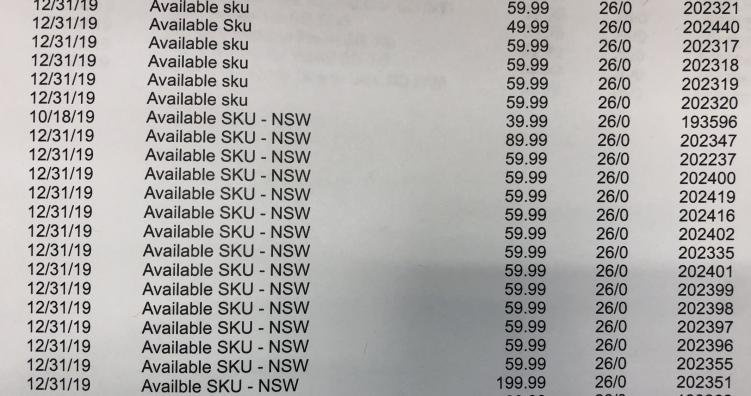
The American video game retailer GameStop has reportedly revealed the number of major releases that will be announced for the Nintendo Switch at this year’s E3.
According to the same leaker, who last weekend shed light on a brand-new Ubisoft IP, GameStop’s internal database has added SKU placeholders for more than 20 Nintendo Switch games. With this year’s electronic entertainment expo less than a week away, these new listings are likely related.
Noticeably, the majority of these titles have a placeholder price of $59.99, while three are $39,99, $49,99 and $89.99, and another is priced at $199.99. The source speculates the last one could be a “premium edition” or perhaps even a bundle.
Underneath this is some information about what the competition has planned. PlayStation 4 supposedly has “over 20” game announcements on the way and Xbox One has slightly less.
What are your thoughts about this? What games are you hoping to see announced at this year’s E3? Tell us down below.
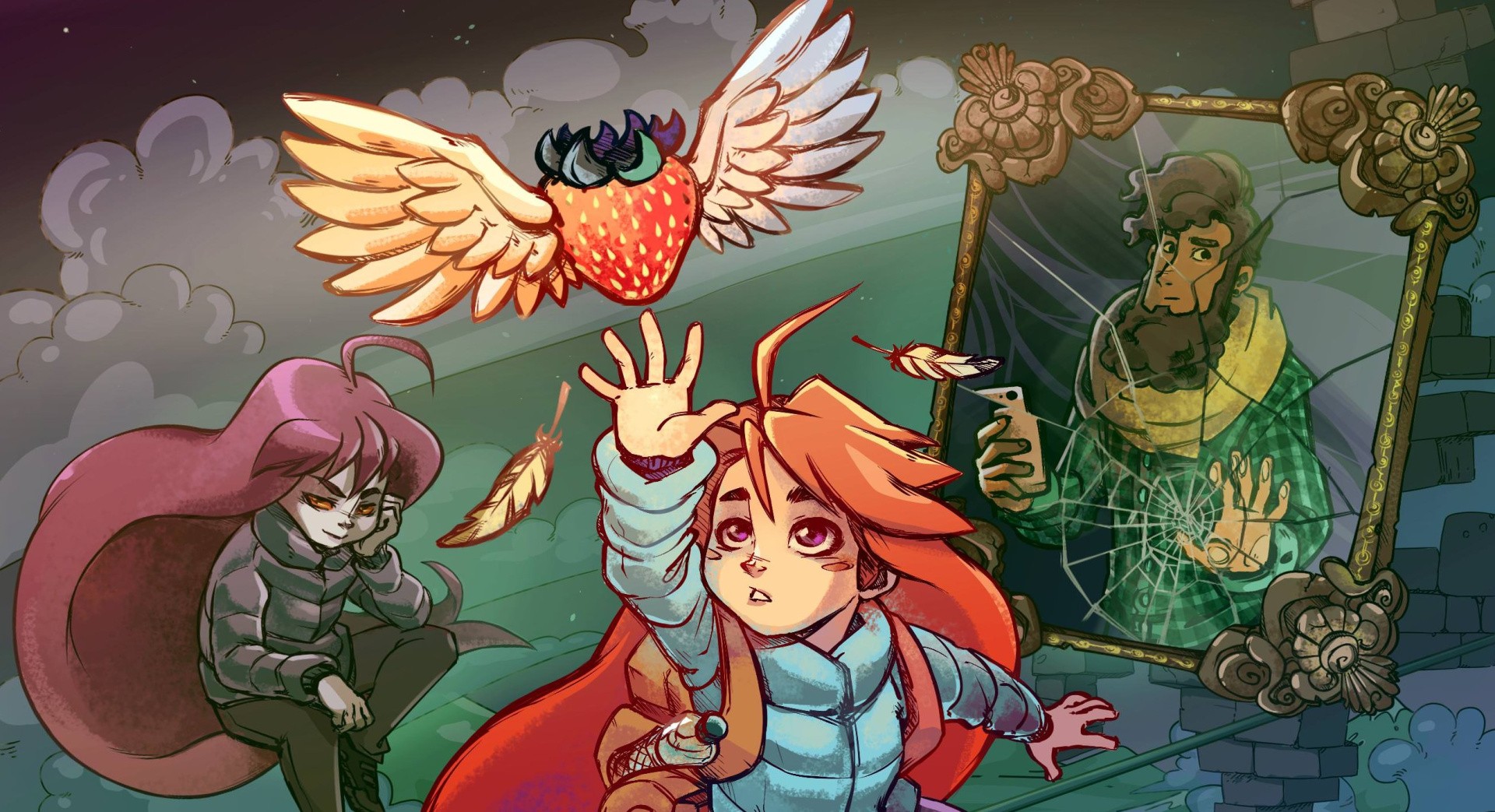
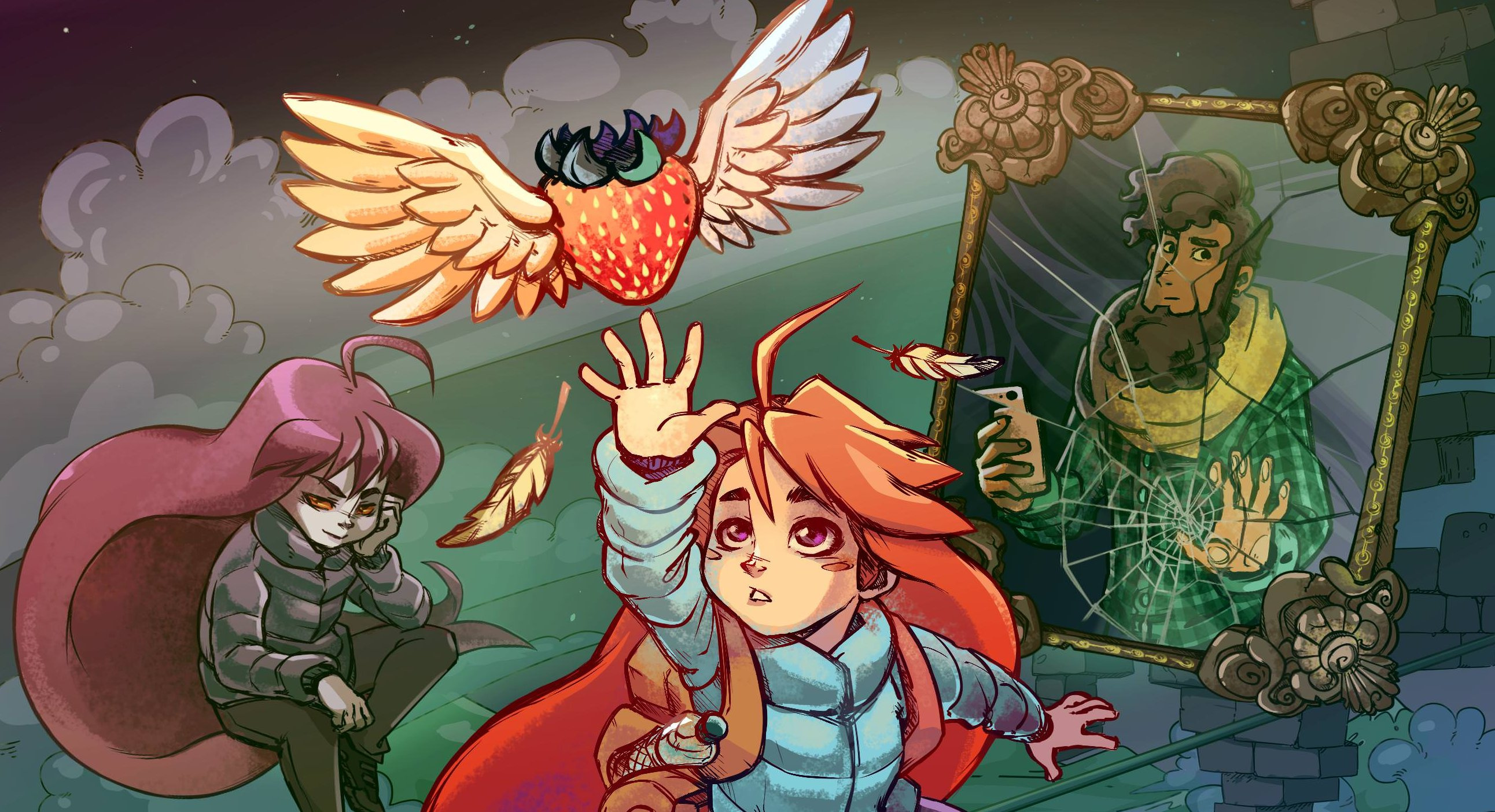
Celeste’s Free DLC Update Will Contain More Than 100 Challenging Levels
The uphill indie platformer Celeste will soon grow in size, with the creator Matt Thorson – on behalf of the team at Matt Makes Games – revealing the free ninth chapter DLC will include more than 100 levels.
The current game already has more than 700 levels in it and the next chapter is expected to ramp up the difficulty yet again. As previously revealed, it won’t include any strawberries and will be more streamlined than previous chapters.
As Thorson explained in his follow-up tweet, the DLC has missed an internal target, so there are no plans to reveal a release date until the team is absolutely positive the game is ready to go.
Have you downloaded Celeste from the eShop yet? Will you be trying out this DLC? Tell us in the comments.
Posted by: xSicKxBot - 06-03-2019, 05:39 PM - Forum: Windows
- No Replies
Biggest Xbox deals of the year coming June 7 as E3 approaches
The big week is nearly upon us: E3 is almost here and we can’t wait to share a look at the future of Xbox with our fans. We’re also excited because E3 also marks the start of our greatest Xbox deals of the year, when gamers can upgrade their console, accessories, and games at deep discounts.
If you’ve been waiting for the right moment to buy an Xbox – that moment is now. In addition to great discounts on the Xbox One consoles you know and love, we’re happy to announce that there’s a new bundle joining the family. The new Xbox One S Fortnite Battle Royale Special Edition bundle includes a Special Edition purple 1TB Xbox One S, the Dark Vertex cosmetic set featuring Legendary Outfit, Epic Glider, and Rare Pickaxe (available in free Battle Royale and Creative modes only), 2000 v-bucks, and one month Xbox Live Gold subscription and Xbox Game Pass trial.
Starting on June 7, you’ll find discounts on hundreds of games, accessories, and console bundles. Offers include:
$100 off Xbox One X
$50 off the Xbox One S Fortnite Battle Royale Special Edition Bundle
$50 off Xbox One S bundles and the new Xbox One S All-Digital Edition
Up to 75% off select games including discounts on newly released titles such as Mortal Kombat 11, Sekiro: Shadows Die Twice, and Tom Clancy’s The Division 2
$10 off controllers
And this is just a sample of the savings! Whether you’re shopping in a physical store, online or through your Xbox console, make sure to check xbox.com, Microsoft Store, and participating retailers nationwide for more details on dates, availability, and pricing as deals may vary.
Up to $100 off select Xbox One bundles at Microsoft Store and participating retailers. If you haven’t upgraded to an Xbox One X yet now is the time, with $100 off from June 7 – June 17. Get deals on Xbox One X Enhanced titles like Sea of Thieves, FIFA 18, Assassin’s Creed Origins, and Forza Motorsport 7, and immerse yourself in stunning 4K ultra HD gaming with HDR. For the best value in games and entertainment, pickup our new Xbox One S Al- Digital Edition starting at $199 from June 7 – June 17.
Great savings on hundreds of titles. Get amazing deals on hundreds of games including those blockbusters you’ve been meaning to pick up like Mortal Kombat 11, Sekiro: Shadows Die Twice, Forza Horizon 4, World War Z, Tom Clancy’s The Division 2, Sea of Thieves, NBA 2K19, Anthem, and Call of Duty: Black Ops 4 Spectre Rising Edition. Full games are starting as low as $19.99, making it easy to add to your collection.
Accessorize with a new controller. Save $10 on black, white, special edition and limited-edition Xbox Wireless Controllers, all featuring a sleek, streamlined design and textured or rubberized grips, custom button-mapping and Windows 10-compatibility. Or, design your own controller by choosing from over a billion color combinations available with Xbox Design Lab, starting at $64.99 for a limited time only.
Upgrade your gaming PC. This year, we’ve also got some exciting sales from a wide range of PC gaming partners, including Asus, Razer, and MSI. You’ll be able to get up to $500 off a new gaming PC or gaming laptop, as well as FreeSync displays. If you’ve already got your gaming setup, we’ve got PC games galore on sale, including Forza Motorsport 7 Ultimate, Gears of War 4, Deep Rock Galactic, and more.
Plus save on officially licensed console and PC accessories from Astro, Seagate, Turtle Beach and Hyperkin.
Level up your look with Xbox Official Gear. Finally, it’s never been a better time to fly your Xbox colors with up to 60% off on Xbox Official Gear. From bomber jackets and hats to t-shirts and patches, there’s something for everyone.
Posted by: xSicKxBot - 06-03-2019, 10:05 AM - Forum: Lounge
- No Replies
Divinity Original Sin Studio Appears To Tease Baldur's Gate 3
Larian Studios, the developer behind Divinity: Original Sin and Original Sin 2, has dropped what appears to be a teaser for a new Baldur's Gate.
The official site has updated with a "III" logo, though the stylized lettering isn't quite unique enough to necessarily identify it as belonging to Baldur's Gate. As some savvy Twitter users have pointed out, though, the metadata refers to the image as "BaldursGate_logo_III_retouched." It's possible this wasn't meant to be seen and is something of an inside joke, but it could also mean the studio is bringing Baldur's Gate back. The timing of this tease could suggest that the studio is preparing a reveal at E3 2019.
The series has been relatively quiet recently. An Enhanced Edition port of the original Baldur's Gate was released in 2013, and a new expansion was released in 2016, under Atari and the Canadian publisher Beamdog. The last numbered Baldur's Gate game released in 2000, developed by BioWare.
The Divinity games have gained critical acclaim of their own. GameSpot's review of Original Sin 2 awarded it a 10/10, which would make the studio a good fit for reviving the classic series.
"From lonely farmhouses through pitched battles with gods in far-flung dimensions, Divinity: Original Sin II is one of the most captivating role-playing games ever made in both its original and Definitive incarnations, with the latter proving that even the most complicated role-players can be ported successfully to gamepad-limited consoles," Brett Todd wrote. "This immaculately conceived and emotion-wrought fantasy world, topped by brilliant tactical combat, make it one of the finest games of recent years, and it remains an instant classic in the pantheon of RPG greats."
If you picked up a Nintendo Switch recently and have downloaded any games from the bounty available on Nintendo eShop, it’s highly likely that you’ll be running out of internal storage space soon. Indeed, storage space is one of the console’s weaknesses, and the fact that there are so many amazing games to experience makes this an issue that will only get worse in the future. The Switch comes with just 32GB of internal storage space, of which only 25GB is actually accessible by the end user.
That’s such a low amount of space that certain games like NBA 2K19 and L.A. Noire won’t even fit on it. Heck, even if you buy most of your games physically you’ll still run into trouble eventually thanks to the many downloadable patches you’ll have to install to make them function properly.
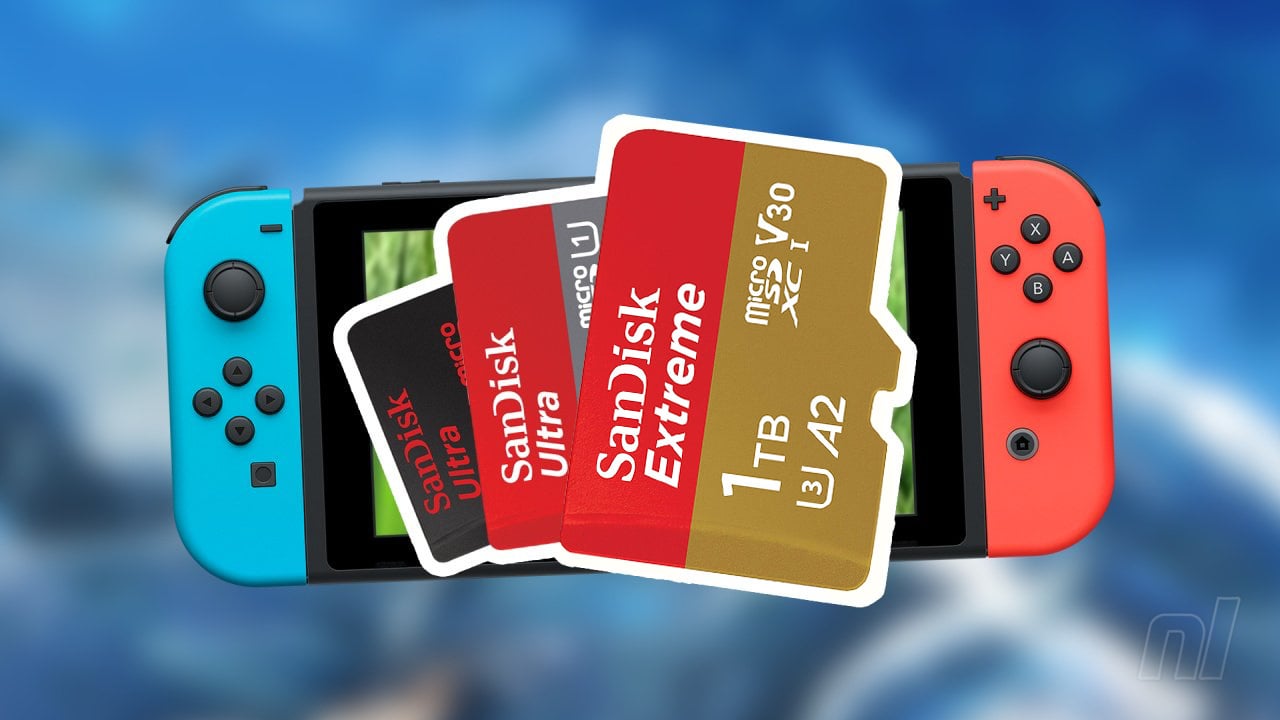
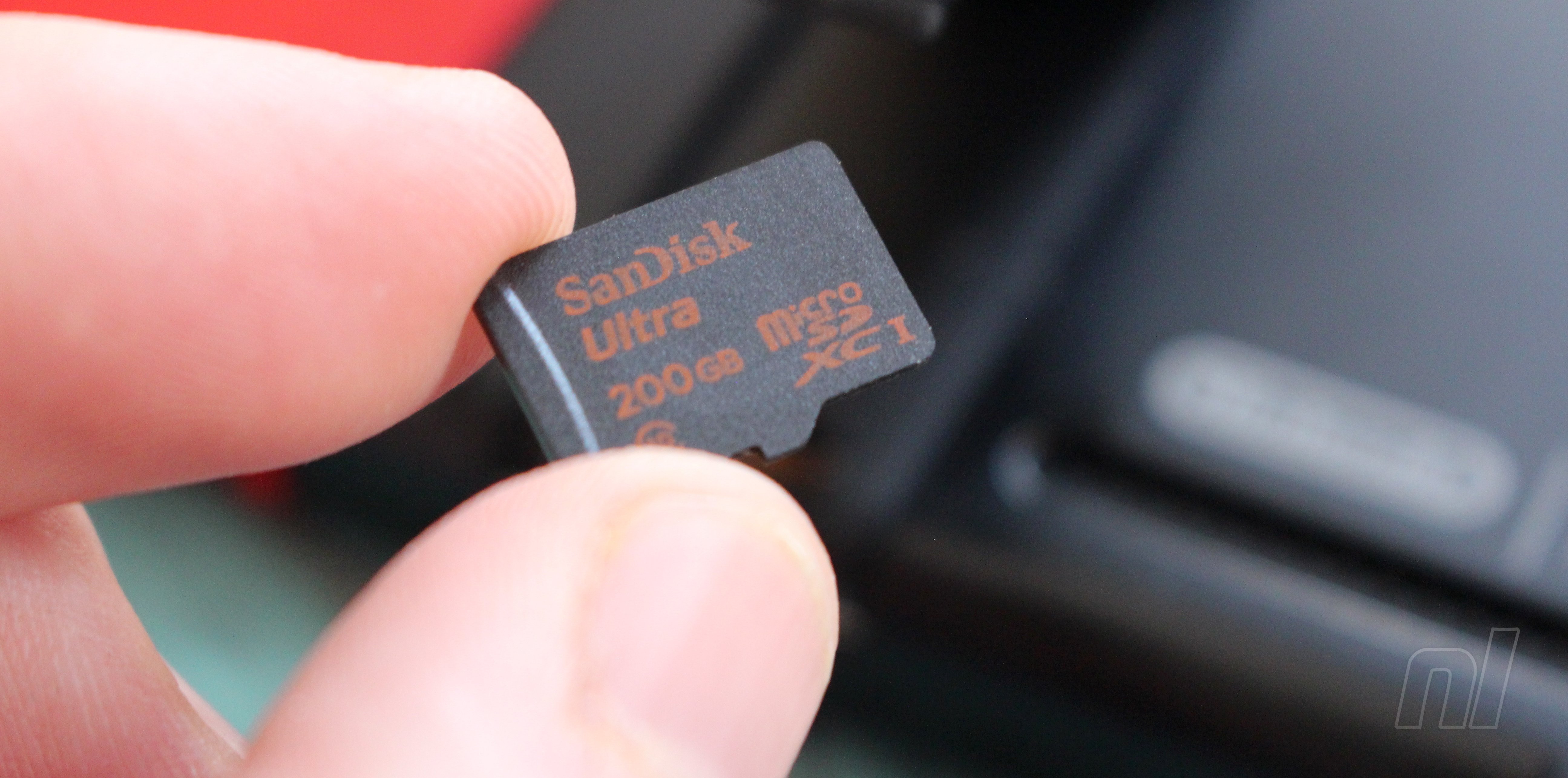
The answer? You need to invest in a Micro SD card. Nintendo has thankfully embraced the industry standard for portable media storage and it’s relatively cheap to upgrade the amount of space your Switch has access to. It is now possible to buy an eye-wateringly priced 1TB micro SD card for your Nintendo Switch. While it’ll be some time until that card drops into the realms of affordability, smaller cards are becoming more reasonably priced all the time. Even modest sizes offer a substantial upgrade over internal memory, so there’s never been a better time to get a cheap Micro SD card for Switch.
Below, we’ve rounded up all of the best Micro SD cards you can get right now at the cheapest prices. The costs are steadily creeping down, so you might be surprised at how much bang you can get for your buck.
Please note that some of the links on this page are affiliate links. If you click them and make a purchase we may receive a small percentage of the sale which helps support the site. Please read our FTC Disclosure for more information.
Best Switch Micro SD cards (USA)
Our US micro SD card recommendations are mostly taken up by SanDisk, as these cards offer far greater value for money than their direct competitors. Having said that, we do recommend a Samsung card at 512GB due to its competitive price.
Best Switch Micro SD cards (UK)
Our UK recommendations are extremely similar, with SanDisk generally offering the best bang for your buck across all of the ranges, with Samsung’s competitively-priced 512GB making another appearance.
Officially-Licensed Nintendo Switch Micro SD Cards
These 64GB, 128GB and 256GB officially licensed Nintendo Switch micro SD cards from SanDisk might not give you the most bang for your buck, but they sure do look pretty!
Nintendo Switch Micro SD Cards FAQ
Our micro SD card FAQ below should answer any questions you might have, but feel free to ask us anything in the comments section and we’ll do our best to answer. The most frequently asked questions will then get added here.
Can You Use Any Micro SD Card For Nintendo Switch?
The Switch supports any UHS-I Micro SD, Micro SDHC, or Micro SDXC cards. If you have no idea what any of that means, it’s not really worth worrying about as you have to really go looking for the cards that the Switch doesn’t support.
Given how little the speed differs between the different cards that the Switch does support, we recommend just ignoring that aspect entirely and just grabbing the cheapest you can find. It really doesn’t make much difference.
Besides, cartridges are almost always slower than Micro SD cards, so no matter which you go for, you’re going to get improved loading speeds.
Where Is The Micro SD Card slot?
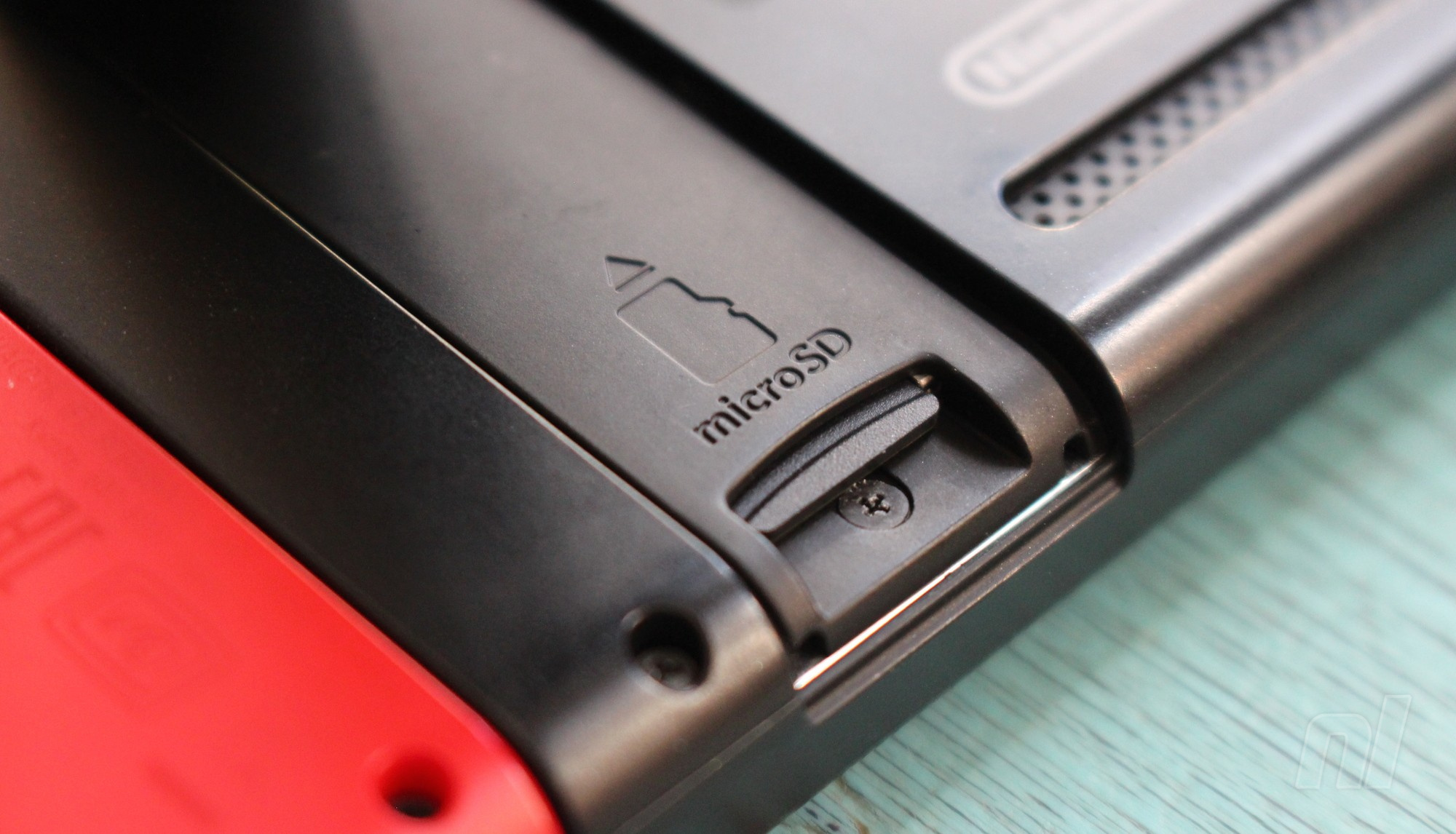
If you’re wondering how to go about putting a Micro SD card into your Nintendo Switch, the handy photo above should help.
To access the Micro SD card slot on your Nintendo Switch, simply pop out the kickstand on the back of the Switch. Inserting a Micro SD card can be a bit fiddly, so you’ll want to do it with the logo facing up. Push the card into the slot until it makes a reassuring clicking sound.
What Speed Micro SD Card Should I Buy?
At the moment, speed isn’t really worth considering when you purchase a micro SD card for your Nintendo Switch. The reason for this is that the Switch only supports UHS-1 cards, which max out at 104MB/s in terms of speed. The UHS-2 types are three times faster, with a 312MB/s speed but that’s irrelevant as the Switch doesn’t currently support them.
While it’s true that the speed between even the UHS-1 cards does vary, the differences just aren’t noticeable enough to worry about. That’s why we’ve focused purely on the best value for money, as there is a considerably larger difference between the prices of two micro SD cards than there is the speed.
What Size/Capacity Micro SD Card Should I Buy?
It’s going to be a while until 2TB cards are available and, more importantly, affordable. Right now you typically have the choice of 1TB, 512GB, 400GB, 256GB, 200GB, and 128GB.
SanDisk has finally released a Micro SD card with a capacity of 1TB, which is a fantastic option for Switch owners who plan to download a lot of games, but it comes with a high price tag at the moment – significantly more than the console itself! If you have that sort of cash to spend, this is currently the ultimate option for your Switch.
On the other end of the scale you can pick up a very cheap 128GB Micro SD card, but chances are you’ll fill it up very soon with downloads, so we recommend you think long-term and consider the ~200-256GB range.
The best value for money right now are the 400GB cards from SanDisk, with each of those gigabytes costing you just £0.14 / $0.16.
An alternative approach would be to buy multiple cards and swap them depending on which games you want to play – slightly more effort, but potentially very affordable. Just be sure to keep them in a safe place.
What Type/Brand Of Micro SD Card Is Best?
Nintendo Switch ideally wants the fastest micro SD card for improved loading times; generally, a good micro SD card will slightly outperform Nintendo’s physical game cards, which is a bonus for downloaders.
You can usually get a “read speed” rating on the SD Card you’re looking at buying. You should also notice that micro SDXC is the newer, faster type versus the older micro SDHC.
Brands also offer “premium” versions of their products; one example is the SanDisk “Ultra” range, which is typically populated by their fastest cards.
We’d recommend going for one of the premium offerings if you can, but it shouldn’t make a huge difference for the average user, especially as Switch is currently unable to take advantage of the fastest speeds.
Should I Install All Of My Games On A Micro SD?
Given the Nintendo Switch’s limited 32GB of internal storage – of which only 25.9GB is actually usable – you’re going to be forced to install the vast majority of your downloaded games directly onto the micro SD.
However, we have learned that games installed directly onto the internal storage saw improved load times over cartridges and micro SDs, with the most extreme cases improving load times on The Legend of Zelda: Breath of the Wild by a whopping five seconds.
The differences between Switch cartridges and micro SD were too small to really fuss over – a mere second or two here and there – but it does seem like installing on the internal storage offers a significant improvement. As such, we’d recommend installing your most played game/s on your internal storage, and the rest onto the micro SD.
How Do I Move A Game Between Micro SD And Internal Storage?
Sadly, there’s no easy way to quickly move a game from the micro SD to your internal storage. Instead, you’re going to have to delete and download it again.
When downloading a game, the Switch will always favour the micro SD card over internal storage, so to ensure a download goes into the internal storage, you’re going to have to take the micro SD card out first.
Turn off the Switch before you do so to avoid any nasty data corruption, then take the micro SD card out of its slot. Turn the Switch back on, head to the eShop, and download the game you want to be installed on your internal storage. Once the download is complete, you can turn the Switch back off and pop the micro SD card back in.
To move a game from internal storage to micro SD card, just reverse the steps. First delete or archive it, then download it while the micro SD card is in its slot. As the console favours micro SD over internal storage, it will download there first – provided there’s enough space, of course.
Don’t worry about losing your save files while deleting or archiving a game though – they’re stored in a different location, and require deleting separately. Also, cloud-based saving is a thing now thanks to Nintendo Switch Online. Huzzah!
Whichever Micro SD card you pick, you’re going to be increasing the potential of your beloved Nintendo Switch. If you plan on taking your Switch out with you on your travels, having a large capacity will be a great idea as you won’t need to carry loads of pesky carts around with you.
Video: What We Expect To See From Nintendo At E3 2019
E3 2019 is just around the corner, so what are we expecting on the Switch front? Zion and Alex have teamed up to predict a bunch of announcements that might be on the way. They’re covering all bases – from the realistic to not so realistic reveals and even what’s been rumoured in the lead-up to the big event.
Review: 2019 15-inch 8-core MacBook Pro – Refinement before redesign
Apple’s new flagship eight-core 15-inch MacBook Pro may not have a flashy new exterior, but it is a high-performing machine that is finally everything Apple envisioned for this design.
2019 MacBook Pro still looks striking years later
Apple released the new MacBook Pros far from a presentation stage, with nary an Apple executive standing under a spotlight. From the get-go, Apple was clear that the new iron is primarily refinement rather than anything new. They did get some nice spec increases and a refined keyboard —but the biggest news was that Apple was introducing the first eight-core processor in a mobile Mac.
If there was ever a justification for jumping on a Mac update the year preceding a likely redesign, the high end is it. So, we jumped on a maxed-out machine.
What we’ve got
There are several configurations of the 15-inch MacBook Pro available, though we opted for the most capable. We’re testing the 8-core 2.4GHz i9 processor variant that can Turbo Boost up to 5GHz, 32GB of RAM, 1TB SSD, and VEGA 20 graphics. This retails for $4,149.
Optionally, you can opt for even more storage. You can get a MacBook Pro with up to 4TB, but it will run you an additional $2,400 on top of everything else.
If that seems steep but you’d still like excellent performance, you could shave $200 off by going for the base eight-core 2.3GHz processor, or shave off $400 by going with 16GB of RAM.
Performance
We’ve already presented benchmark testing. That suite of tests demonstrated that not only did the new machine have incredible performance boosts over the last generation i9, but it had next to no issues with excessive thermal throttling.
To be doubly-certain about the thermal situation, we performed our own series of tests but we aren’t going to delve into that in any great detail here. The key takeaway is that the 2019 eight-core model runs cooler and faster than the six-core from 2018.
2019 8-Core 2.4GHz Geekbench results
Comparing the two machines, Geekbench 4 results showed scores of 5879 and 29976 in single and multi-core tests, respectively. The multicore test is a giant increase over the six-core 2018 model which scored 22620 on the multi-core test, nearly 30-percent slower this 2019 model. The single core faired better as well, with a not-quite-as-impressive nine-percent increase in this model.
Our next benchmark was Cinebench R20 — our new standard going forward following the discontinuation of Cinebench R15.
The highest score our MacBook Pro received in ten runs of the test was 3160, but the average across all the tests was slightly lower at 3096.
We felt it necessary to once more test both the graphics and the SSD performance even though we expected no changes. Our premonitions were spot on as there were no differences between the storage module or the Radeon Pro Vega 20 graphics.
2019 Vega 20 Unigine Heaven results are similar to last years
In graphics, we ran the Unigine Heaven benchmark. In this test, we set the quality to medium, disabled tessellation and stereo 3D, turned off anti-aliasing, and ran it at full-screen. It pulled in a max FPS of 147.4 and an average of 82.3 with an overall score of 2072.
2019 MacBook Pro Blackmagic Disk Speed Test results are similar to last years
On the Blackmagic Disk Speed Test, we earned a 2627.4 Mb/s on the read speed and a 2626.3 on the write speeds —near identical year over year, which is what we expected. These numbers will be slower on smaller SSDs so if you want the best performance, be sure to opt for at least 1TB of internal storage.
The keyboard
Apple made a couple of material changes in the 2019 MacBook Pro keyboard that are, by Apple’s admission, designed to increase the reliability in the keyboard.
You can read further about these changes here, but they are quite minor and it is near impossible to say at this juncture whether or not these changes truly do make the keyboard more reliable. We will continue to monitor the repair data and compare to previous generations to see for ourselves but it is simply too early to tell with confidence.
Other than reliability, there are only minute differences when typing on the new keyboard versus the previous generation. They are the same size, the key caps feel the same, and they have the same amount of throw.
2019 MacBook Pro key membrane (Source: iFixit)
Internally, Apple even kept the controversial butterfly switch design. What they’ve done is refined the design once more with what appears to be a new process on the metal dome switch and replaced the silicone membrane with a nylon one.
That translates to slightly softer keys when typing, as well nearly imperceptibly less noise, which you need to break out an audiometer to detect. Those are likely just byproducts of attempting to make the keys more reliable.
If you enjoyed the keyboard before, you will enjoy it now. If you didn’t like it before, nothing here will change your mind. It is the same keyboard, just possibly more reliable.
But, we’ll see about that in about six months.
Our daily workhorse
The MacBook Pro is the daily workhorse of countless individuals from professionals to students. It is what very nearly everybody at AppleInsider clacks away on day after day. After years of using this design MacBook Pro, there is much we’ve come to love about it. It is quite compact, if not a bit on the hefty side. It is exceptionally portable and we love the USB-C/Thunderbolt 3 ports.
Thunderbolt 3 is the future and we’ve been living in it for a few years. Since the original debut, USB-C is all the more ubiquitous. We live entirely dongle-free thanks to the availability of new USB-C cables, like the new Lightning ones. New gadgets that get released also are using USB-C such as the latest GoPros, the latest Nikon and Canon cameras, and more.
Thanks to USB-C we also get universal battery packs that work just as well on our iPhone and iPad as they do on our Mac. We use the Zendure SuperTank as an easy portable power supply and the Zendure SuperPort 4 for a 100W USB-C charging port with three other ports left for our iPad, iPhone, and Apple Watch.
We love USB-C and Thunderbolt 3 and haven’t missed other I/O in the slightest. And, if you embrace it instead of fighting it, you probably will too.
As for that Touch Bar —we don’t use it as often as we should. At times a touch screen for function keys and the like is less user-friendly than a simple row of physical keys.
At the same time, it is far more user-friendly for other uses such as a color picker, editing in Final Cut Pro X, opening documents and switching tools in Affinity Photo and Affinity Designer. There are absolutely cases where the Touch Bar doesn’t make as much sense, but in a surprisingly large number of pro use cases, it is beneficial.
Refinements, not redesigns
Everything about the new MacBook Pro is a refinement, but not a redesign. Apple tends — but isn’t tied — to redesign its MacBook Pros roughly every four years. We saw this overall design debut in 2016 and here we are three years later.
2019 MacBook Pro is a great daily driver
Over the course of those years, we’ve seen refinement over refinement, bringing us to this 2019 MacBook Pro. The cooling has been tinkered with, the butterfly keyboard has had subtle improvements, the specs continuously have been beefed up, all within the same shell.
That is both a positive and negative. On one hand, this MacBook Pro is the vision Apple has for this machine. This is what it looks like after all the kinks have presumably been worked out and Apple’s vision realized.
If you were going to grab a MacBook Pro in the past few years, this is the one you would want it to be. At the same time, the design — which looks still solid for its age — is starting to show its age. We’ve seen competitors with incredibly thin designs, much narrower bezels — even in Apple’s own iPads, and the Touch Bar still doesn’t see as much use as it should.
All of those could be in some way enhanced with a next-generation design, that may or may not arrive in 2020. Because of that future, many will wait it out. However one also has to consider that with a new design comes potential new issues for Apple to iterate on. We think that it’s a wise move to jump on board now after all of Apple’s iterating, and it’s not like your old hardware spontaneously combusts when something new is released.
There has never been a better time to choose a portable Mac rather than a desktop with the amount of power now packed into this machine.
Rating: 4.5 out of 5
Where to buy
Save up to $250 on 2019 MacBook Pros
If you want to grab a new 2019 MacBook Pro, Apple Authorized Reseller Adorama is knocking $200 to $250 off select 15-inch models with coupon code APINSIDER, plus no interest financing when paid in full within 12 months with the Adorama Credit Card. For a full rundown of the latest offers and product availability, be sure to check out our 2019 15-inch MacBook Pro Price Guide.