| |
| News - Retro-Bit’s Super Retro-Cade Adds Technos Classics To Its Lineup |
|
Posted by: xSicKxBot - 11-05-2017, 01:35 PM - Forum: Nintendo Discussion
- No Replies
|
 |
Retro-Bit’s Super Retro-Cade Adds Technos Classics To Its Lineup
Retro-Bit has revealed that select Technos titles will be featured on its forthcoming Super Retro-Bit micro-console.
The company lifted the lid on the new system a short time ago, and announced that it would come pre-loaded with Capcom and Data East titles such as Strider, Final Fight, Joe & Mac and many more besides.
Technos is of course most famous for its seminal Double Dragon series, which will feature in the Super Retro-Cade’s lineup. Other genre classics such as Combatribes and Renegade will also make the cut.
The console launches this year for $59.99. Does this news put you any closer to ordering one yourself? Let us know with a comment.
|

|
|
| News - Snipperclips Will Finally Support the Pro Controller and Joy-Con Grip |
|
Posted by: xSicKxBot - 11-05-2017, 01:35 PM - Forum: Nintendo Discussion
- No Replies
|
|
Snipperclips Will Finally Support the Pro Controller and Joy-Con Grip
Snipperclips – Cut it out, together! is a lovely game, and was a deserved launch success on the Switch eShop. Developed by the small UK studio SFB Games and published by Nintendo, it’s set to have a second life as a retail release with the upcoming Plus edition, with that version’s extra levels and modes also being sold as DLC for those that have the original download.
One slightly odd oversight in the original, the sort of missing feature common in games that arrive on a new console’s launch day, was support for the Joy-Con Grip and Pro Controller. It’s a game that needs to be enjoyed in co-op and taps into the idea of taking a Joy-Con each, but those with extra controllers haven’t had the luxury of using larger pads for a more comfortable experience.
Well, that oversight will be fixed soon – Nintendo’s Assistant Manager of Product Development Todd Buechele said as much to IGN:
We actually have always wanted to support them, even from the beginning. It was just something that we ended up having to shelve at the time, and that was actually one of the key targets when we looked at Snipperclips Plus.
It will actually be a default in Snipperclips Plus, and then we are releasing a patch for Snipperclips next week that will bring Pro Controller and Grip support to all players who have already downloaded the game.“It’s a free update, so that capability will be there very soon.
Snipperclips Plus is due out on 10th November, so it won’t be long before the new content is available; we’ll be sure to check it out and let you know what we think.
|
|
|
|
| Steam - Daily Deal – Owlboy, 40% Off |
|
Posted by: xSicKxBot - 11-05-2017, 01:35 PM - Forum: PC Discussion
- No Replies
|
|
Daily Deal – Owlboy, 40% Off
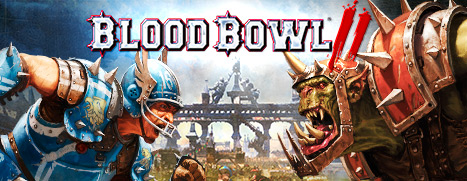
Save 50% on Blood Bowl 2 as part of this week’s Weekend Deal*!
Blood Bowl 2 smashes Warhammer and American football together, in an explosive cocktail of turn-based strategy, humour and brutality, adapted from Games Workshop’s famous boardgame.
Also, be sure to check out brand-new DLC content, including new playable races releasing today!
*Offer ends Monday at 10AM Pacific Time
|
|
|
|
| Activision News - Declare Your Allegiance in the Battle for Azeroth™ |
|
Posted by: xSicKxBot - 11-05-2017, 01:35 PM - Forum: Lounge
- No Replies
|
|
Declare Your Allegiance in the Battle for Azeroth™
 All-out war between the Horde and the Alliance erupts in the seventh expansion to Blizzard Entertainment’s World of Warcraft®
Recruit and play as new Allied Races, plunder the Islands of the Great Sea in search of vital resources, lead the charge in grand-scale PvE Warfronts, and more
ANAHEIM, Calif.–(BUSINESS WIRE)– The battle against the Legion has left the world broken—but the shattered trust between the Alliance and the Horde could prove the hardest wound to mend. Blizzard Entertainment today unveiled plans for World of Warcraft®: Battle for Azeroth™, a new expansion to the company’s acclaimed massively multiplayer online role-playing game that will test players’ resolve as they champion their faction’s cause in a devastating new war.
This press release features multimedia. View the full release here: http://www.businesswire.com/news/home/20171103005842/en/
World of Warcraft: Battle for Azeroth (Graphic: Business Wire)
In Battle for Azeroth, the fall of the Burning Legion has set off a series of disastrous incidents that reignites the furious rivalry between the noble Alliance and the mighty Horde. As a new age of warfare begins, Azeroth’s heroes must set out on a harrowing journey in search of new allies, race to claim the world’s mightiest resources to turn the tides of war, and fight on several fronts to determine which side will lead Azeroth into its uncertain future.
“Conflict is at the heart of the Warcraft® saga, and in Battle for Azeroth, tensions that have been simmering for a long time escalate into all-out war,” said Mike Morhaime, CEO and cofounder of Blizzard Entertainment. “World of Warcraft players are incredibly passionate about the characters and factions they identify with in the game, and this expansion will make them prouder than ever to declare their allegiance to the Horde or to the Alliance.”
World of Warcraft: Battle for Azeroth includes new features and content that will put heroes’ dedication and fortitude to the test. In this expansion, players will be called upon to:
- Explore Two Fabled Kingdoms: As a champion of the Horde, travel to the Zandalar empire to persuade the trolls to lend their naval might. As a defender of the Alliance, venture to the seafaring kingdom of Kul Tiras, home of Jaina Proudmoore, and rally its inhabitants to fight for your cause.
- Recruit Allied Races: Take a new form for your adventures as several new playable Allied Races, each with unique racial abilities. Earn the favor of the Highmountain tauren, Void elves, Dark Iron dwarves, and others to create a new character of that race and add their strength to your faction.
- Plunder the Islands of the Great Sea: Scour Azeroth’s myriad uncharted Islands and conquer an ever-changing array of enemies, environments, and objectives. Battle in groups of three as you race against cunning rival intruders—or enemy players—to collect each island’s resources and fuel the war effort.
- Charge Into the Warfronts: Fight on the battlefields of a large-scale, 20-player cooperative Warfront to claim a key strategic location. Capture resources to build your faction’s forces, lead the charge as your troops lay siege to objectives, and fight the enemy commander to claim victory in this new PvE mode inspired by classic Warcraft RTS battles.
- Infuse Your Armor with Titanic Might: Seek out Azerite, an invaluable new resource that has emerged in the Legion’s wake. Imbue the Heart of Azeroth—a legendary neck piece entrusted to each hero by Magni Bronzebeard—with Azerite to customize your armor with new powers and traits.
- Battle to Level 120: Trace the corruption of the Blood God to the Underrot, unearth the secrets of a lost titan vault, escape from the Drust Realm of the Dead, and more as you quest through 10 new levels—then continue to grow in power through new World Quests, raids, dungeons, and more.
- Instantly Boost to Level 110: Enter the raging conflict between the Horde and the Alliance prepared to survive on the front lines of a vicious new war.
- Connect Through Communities: Join up with WoW® players who share common interests in persistent cross-realm Communities. Share strategies with members of your class, fraternize with auction house magnates, talk shop with fellow tailors, and expand your social circles.
To learn more about World of Warcraft: Battle for Azeroth, visit the expansion’s official website at www.worldofwarcraft.com/battleforazeroth.
About Blizzard Entertainment, Inc.
Best known for blockbuster hits including World of Warcraft®, Hearthstone®, Overwatch®, the Warcraft®, StarCraft®, and Diablo® franchises, and the multi-franchise Heroes of the Storm®, Blizzard Entertainment, Inc. (www.blizzard.com), a division of Activision Blizzard (NASDAQ: ATVI), is a premier developer and publisher of entertainment software renowned for creating some of the industry’s most critically acclaimed games. Blizzard Entertainment’s track record includes twenty-one #1 games* and multiple Game of the Year awards. The company’s online gaming service, Blizzard Battle.net®, is one of the largest online-gaming services in the world, with millions of active players.
*Sales and/or downloads, based on internal company records and reports from key distribution partners.
Cautionary Note Regarding Forward-looking Statements: Information in this press release that involves Blizzard Entertainment’s expectations, plans, intentions or strategies regarding the future, including statements about the gameplay, features, and functionality of World of Warcraft®: Battle for Azeroth, are forward-looking statements that are not facts and involve a number of risks and uncertainties. Factors that could cause Blizzard Entertainment’s actual future results to differ materially from those expressed in the forward-looking statements set forth in this release include unanticipated product delays and other factors identified in the risk factors sections of Activision Blizzard’s most recent annual report on Form 10-K and any subsequent quarterly reports on Form 10-Q. The forward-looking statements in this release are based upon information available to Blizzard Entertainment and Activision Blizzard as of the date of this release, and neither Blizzard Entertainment nor Activision Blizzard assumes any obligation to update any such forward-looking statements. Forward-looking statements believed to be true when made may ultimately prove to be incorrect. These statements are not guarantees of the future performance of Blizzard Entertainment or Activision Blizzard and are subject to risks, uncertainties and other factors, some of which are beyond its control and may cause actual results to differ materially from current expectations.

View source version on businesswire.com: http://www.businesswire.com/news/home/20171103005842/en/
Blizzard Entertainment, Inc.
Andrew Reynolds
Director, Global Public Relations
949.955.1380 x14301
areynolds@blizzard.com
or
Vanessa Vanasin
Global Public Relations Manager
949.955.1380 x15380
vvanasin@blizzard.com
Source: Blizzard Entertainment, Inc.
News Provided by Acquire Media
|
|
|
|
| PS4 - Bubsy: The Woolies Strike Back |
|
Posted by: xSicKxBot - 11-04-2017, 10:36 PM - Forum: New Game Releases
- No Replies
|
|
Bubsy: The Woolies Strike Back
Our Bobcat is making a triumphant return 20 years after virtually disappearing from the world stage. Yes, that?s right, Bubsy is back and starring in an all new adventure, Bubsy: The Woolies Strike Back! Publisher: Accolade Release Date: Oct 31, 2017
|
|
|
|
| PS4 - .hack//G.U. Last Recode |
|
Posted by: xSicKxBot - 11-04-2017, 10:36 PM - Forum: New Game Releases
- No Replies
|
|
.hack//G.U. Last Recode
.hack//G.U. is back. Log back into the .hack//G.U. trilogy and return to "The World," as Haseo tracks down Tri-Edge in .hack//G.U. Last Recode, now with enhanced graphics, improved gameplay, and brand new modes! This collection includes all 3 original .hack//G.U. titles, Rebirth, Reminisce, and Redemption, all fully restored and remastered for PS4.
Immerse yourself in "The World," a MMORPG, and find out what is real and what is reality in .hack//G.U. Set in 2017, years after the events of the first .hack series, "The World" has now been rebuilt. Follow Haseo as logs into "The World" and hunts PKs (Player Killers), in order to gain strength and track down Tri-Edge, a strong PK who attacked his friend, Shino, in the game and put her into a coma in real life. Relive the drama and epic battles in 1080p and 60fps, and improved battle balance and pacing for the definitive .hack//G.U. experience. Publisher: Bandai Namco Games Release Date: Nov 03, 2017
|
|
|
|
| PC - Bubsy: The Woolies Strike Back |
|
Posted by: xSicKxBot - 11-04-2017, 10:36 PM - Forum: New Game Releases
- No Replies
|
|
Bubsy: The Woolies Strike Back
Watch Bubsy glide like a bat, jump like a jack rabbit, bounce like a red rubber ball and run?run Bubsy run. This is the Bubsy adventure you were born to play. Publisher: Accolade Release Date: Oct 31, 2017
|
|
|
|
| XONE - Rush: A Disney / Pixar Adventure |
|
Posted by: xSicKxBot - 11-04-2017, 12:52 PM - Forum: New Game Releases
- No Replies
|
|
Rush: A Disney / Pixar Adventure
"Rush: A Disney / Pixar Adventure" invites families and fans of all ages to experience the worlds of six beloved Disney Pixar films like never before. Play cooperatively and team up with characters from "The Incredibles," "Ratatouille," "Up," "Cars", "Toy Story", and "Finding Dory" or a friend to solve puzzles and uncover hidden secrets all remastered in 4K Ultra HD and HDR.
FEATURES:
* Save the day: Invite your whole family to join Woody, Lightning McQueen and others in this one-of-a-kind Pixar experience.
* Cooperative play: Team up with Pixar characters to help you through each challenge or play on the same screen through split-screen couch co-op at home with a friend.
* Explore and discover: Experience the sights and sounds of each Pixar world as you solve puzzles and uncover hidden secrets. Meet new friends and unlock adventures as you progress. Publisher: Microsoft Game Studios Release Date: Oct 31, 2017
|
|
|
|
| News - Nintendo Holiday Sweepstakes |
|
Posted by: xSicKxBot - 11-04-2017, 12:52 PM - Forum: Lounge
- No Replies
|
|
Nintendo Holiday Sweepstakes
Nintendo Holiday Sweepstakes
Have you signed up for the My Nintendo rewards program yet? If so, you can enter the Nintendo Holiday Sweepstakes, exclusively for My Nintendo members.
Be sure to enter the Nintendo Holiday Sweepstakes, exclusively for My Nintendo members.
Choose your five most-wanted gifts for a chance to win a prize pack that’ll make your holidays bright. Head to the Nintendo Holiday Gift Guide to get started!
Not a My Nintendo member? It’s easy—and free—to join. https://my.nintendo.com/

NO PURCHASE NECESSARY. Void where prohibited. Open to legal residents of the US (incl. DC) and Canada (excluding Quebec), 13 years or older. Promotion begins 9:00 AM PT on 11/01/17 and ends 8:59 AM PT on 11/20/17. To enter, vote for your top 5 Nintendo products as stated in Official Rules. Eight winners will each receive one prize package (ARV US $259.97–496.98). For Official Rules, visit https://happyholidays.nintendo.com/My-Nintendo-Holiday-Sweepstakes-2017/
Sponsor: Nintendo of America Inc.
|
|
|
|
| Xbox Wire - PUBG Coming to Xbox One on December 12, 2017 |
|
Posted by: xSicKxBot - 11-04-2017, 12:52 PM - Forum: Xbox Discussion
- No Replies
|
|
PUBG Coming to Xbox One on December 12, 2017
Xbox fans, we know you’ve been waiting and we’re so excited to finally be able to say it – PlayerUnknown’s Battlegrounds is coming to Xbox One as a console launch exclusive through the Xbox Game Preview program on December 12, 2017!
We shared this news at Paris Games Week today, where Brendan Greene – aka PlayerUnknown – and I opened the Xbox booth with Aaron Greenberg, General Manager of Xbox Games Marketing.
Beginning December 12, Xbox fans will be able to play PUBG while it’s still in early access through the Xbox Game Preview program. We’re approaching development on Xbox One with the same community-driven focus that we’ve taken with the game on PC. As a result, the ultimate battle royale experience that fans play on Xbox One will be slightly different than what players know today on PC.
In addition to announcing Xbox’s XGP launch date on December 12, we also shared the exciting news that we’re on track to launch 1.0 for the PC version in late December. This has been an amazing year for us and launching both 1.0 on PC and on Xbox through Xbox Game Preview are huge milestones for the team. I’m incredibly proud of how far we’ve come in such a short time, but I’m even more excited to say that we’re just getting started.
Both versions are being developed at the same time, but they both have their own separate roadmaps. Various Xbox One features and functionality will change and come online over time just like they have on PC, with our goal being to have both versions align to each other as soon as possible. Feedback as you know has been critical to the game’s success, so beginning December 12 we want to hear from Xbox fans on what they think about PUBG and how we can make the best version of the game possible.

In celebration of PUBG’s upcoming launch on Xbox One, we’ve collaborated closely with the team at Xbox to create three special, limited-edition cosmetic packs – the PUBG Warrior Pack, the PUBG Accessory Pack and the PUBG Tracksuit Pack. These packs are exclusive to Xbox fans as standalone offers available for a limited time and as there are no plans to feature any in-game purchases in the Xbox Game Preview version, are the only items that can be purchased during the preview period. We’re super excited to be able to bring these to Xbox One fans who have been eagerly awaiting the game as a special thank you for your patience and passion for PUBG. We’ll be sharing more details on timing and pricing in the weeks ahead.
If you are attending Paris Games Week, be sure to come by the Xbox booth and check out “The Wall.” We’ve set up a massive 50-person gameplay experience where players can come battle it out in a series of live matches that will be nothing short of epic. Having everybody in a match together all in one room is really special and is going to be a lot of fun.
Thank you to the entire PUBG community for providing feedback and making our game such a success already. We’re working hard with our partners at Microsoft to bring PUBG as a console launch exclusive on Xbox One through the Xbox Game Preview program, and we can’t wait to meet you on the island on December 12!
|
|
|
|
|



