Nintendo of America head Reggie Fils-Aime retires, Bowser taking over
Reggie Fils-Aime is stepping down from his post as president and chief operating officer of Nintendo of America after 13 years in those roles and over 15 years with the company as a whole.
Doug Bowser, the company’s current SVP of sales and marketing, has been tapped to take over for Fils-Aime as the president of Nintendo of America following his official retirement on April 15.
“Nintendo owns a part of my heart forever,” said Fils-Aime in a statement. “It’s a part that is filled with gratitude – for the incredibly talented people I’ve worked with, for the opportunity to represent such a wonderful brand, and most of all, to feel like a member of the world’s most positive and enduring gamer community. As I look forward to departing in both good health and good humor, this is not ‘game over’ for me, but instead ‘leveling up’ to more time with my wife, family, and friends.”
Fils-Aime got his start with Nintendo of America back in 2003, in the very same role that Bowser now vacates to take on the position of president. After just three years with the company he then stepped into the role of president and COO, a position he held through the lifetimes of several Nintendo systems like the DS, Wii, 3DS, and, most recently, the Nintendo Switch.
A press release from the company specifically calls out “strong and affable personality,” a trait that endeared him with both the industry and Nintendo’s fanbase.
Bowser, meanwhile, started with the company in mid-2015 as the VP of sales and, a year later, the SVP of sales and marketing. He notably led the company’s marketing efforts for the Nintendo Switch in the West, a system that has sold over 32 million units since its early 2017 release.
For the love of gaming, we are sharing Xbox One deals on consoles, accessories, and more! Starting February 17, you can save $50 on any Xbox One bundle, including Xbox One X, the world’s most powerful console, and Xbox One S, the best value in gaming and entertainment. And there’s no shortage of amazing bundles to choose from at a participating retailer near you.
Experience true power with the brand-new Xbox One X Metro Saga bundle, released today. Embark on an incredible post-apocalyptic journey and save $50 on this hot new bundle starting February 17. The bundle includes full-game downloads of the entire saga: Metro 2033 Redux, Metro: Last Light Redux, and Metro Exodus.
Join the worldwide Fortnite phenomenon with $50 off the Xbox One S Fortnite bundle and get ready to battle to be the last one standing. This bundle includes a full-game download of Fortnite with the Eon cosmetic set download and 2,000 V-bucks. Also included in Fortnite is Battle Royale, a 100-player PVP mode where you fight to the end. Build and destroy environments and join intense PVP combat on Xbox Live, the fastest, most reliable gaming network.
Get $50 off the Xbox One S Battlefield V bundle and enter mankind’s greatest conflict: World War II. Join the ranks with a full-game download of Battlefield V Deluxe Edition containing paratrooper apparel for your Company of soldiers, special assignments, and weekly Airlifts. Plus, enjoy an outstanding Battlefield experience with full-game downloads of Battlefield 1943, Battlefield 1 Revolution, and one-month EA Access.
Looking for the world’s most powerful console? Save $100 on the Xbox One X Fallout 76 bundle and explore, quest, build, and triumph in a post-nuclear wasteland. Prepare for an epic adventure in the prequel to the award-winning Fallout RPG series. Journey alone or with friends in a new and unique Fallout adventure, and for the first time ever, Vault Dwellers can team up online on Xbox Live!
And if you need more accessories for your arsenal, starting on February 17th, you can save $10 on select Xbox Wireless Controllers.
Equip yourself with $10 off the Xbox Wireless Controller Phantom Black and sense victory within; or elevate your game and save $10 on the Xbox Wireless Controller Grey/Blue edition, featuring a dark grey design with light grey and blue accents. There’s plenty of other controllers to choose from as well, so be sure to size them all up and choose wisely!
And to top it all off, save $10 on a 3 month or 6 month subscription to Xbox Live Gold where you can play with the greatest community of gamers on the world’s fastest most reliable gaming network!
Now is the best time to jump in with Xbox One. Enjoy over 100 games right out of the box with Xbox Game Pass, and access all your favorite entertainment through apps like YouTube, Netflix, and more. Watch 4K Blu-ray movies and stream 4K video on Xbox One S, and experience immersive true 4K gaming on Xbox One X—the world’s most powerful console.
Whether you’re playing games, watching your favorite shows or streaming gameplay, Xbox One delivers brilliant graphics with HDR technology, premium audio, and the fastest, most reliable gaming network. Visit Xbox.com to learn more.
Posted by: xSicKxBot - 02-23-2019, 11:50 AM - Forum: Lounge
- No Replies
GameStop PS4 And Xbox One Deals: Pro Days And Tax Sale Discounts Detailed
GameStop has announced another "Pro Day" sale, with special deals and discounts reserved exclusively for its reward members. In the same announcement, the shop also announced this year's "tax sale," running for the week just after Pro Day, in case that tax refund is burning a hole in your pocket.
Pro Day will take place on Saturday, February 23. It includes $100 off a Fallout 76 Xbox One X 1TB bundle, $50 off Xbox One S bundles, and a download code for Gears of War 4 with any Xbox One. You can also snag some good prices on software like Assassin's Creed Odyssey ($20), Black Ops 4 ($30), and Battlefield 5 ($25). There's also a buy-two-get-one-free offer on used PS4 and Xbox One games. Plus accessories, Xbox Live memberships, and collectibles will be discounted.
The Tax Sale, which lasts February 24 through March 5, has similar deals on Xbox One hardware, and some of the same software deals. You can pick up Red Dead Redemption 2 and Fallout 76 for $40, alongside some of the deals that Pro members had access to before.
Check out the list of promoted deals below.
Pro Day (2/23)
Save $100 on new Xbox One X 1TB Fallout 76 bundle
Save $50 on new Xbox One S Bundle
Free full-game download of Gears of War 4 with purchase of any new Xbox One console
Assassin’s Creed Odyssey: $19.99
Call of Duty: Black Ops IIII: $29.99
NBA 2K19: $24.99
Madden NFL 19: $19.99
Battlefield V: $24.99
WWE 2K19: $24.99
Just Cause 4: $39.99
Save up to $60 on select headsets
Save $10 on Xbox wireless controller
Save $10 on 3-month or 6-month Xbox Live Gold membership
Get 3 months of Xbox Live FREE with purchase of 6-month of Xbox Live
40% off board games and puzzles
30% off apparel and apparel accessories, collector boxes and all lighting
25% off select toy collectibles
$10 T-shirts (excludes clearance)
Buy 2 Get 1 Free on pre-owned Xbox One and PlayStation 4 games (coupon valid 2/25 – 3/3 and will be in visible in Active Offers on 2/25. Must be PowerUp Rewards Member)
Get 10% more credit when you trade games and accessories
Get an extra 10% off pre-owned games and accessories
Tax Sale (2/24-3/5)
Save $100 on new Xbox One X 1TB Fallout 76 bundle
Save $50 on new Xbox One S Bundle (plus Battlefield V deluxe edition bundle)
Save $10 on 3-month or 6-month Xbox Live Gold membership
Red Dead Redemption 2: $39.99
Call of Duty: Black Ops IIII: $39.99
Assassin’s Creed Odyssey: $19.99
NBA 2K19: $29.99
Madden NFL 19: $24.99
Battlefield V: $29.99
Fallout 76: $39.99
Just Cause 4: $39.99
Save $10 on select Xbox One wireless controllers
Save 20% off on SCUF performance accessories when you purchase any new Xbox One Elite Controller or PS4 SCUF Vantage Controller
Save up to $20 on select headsets
Buy 1 Get 1 50% off all POP! vinyl figures
Buy 1 Get 1 50% off all apparel and apparel accessories
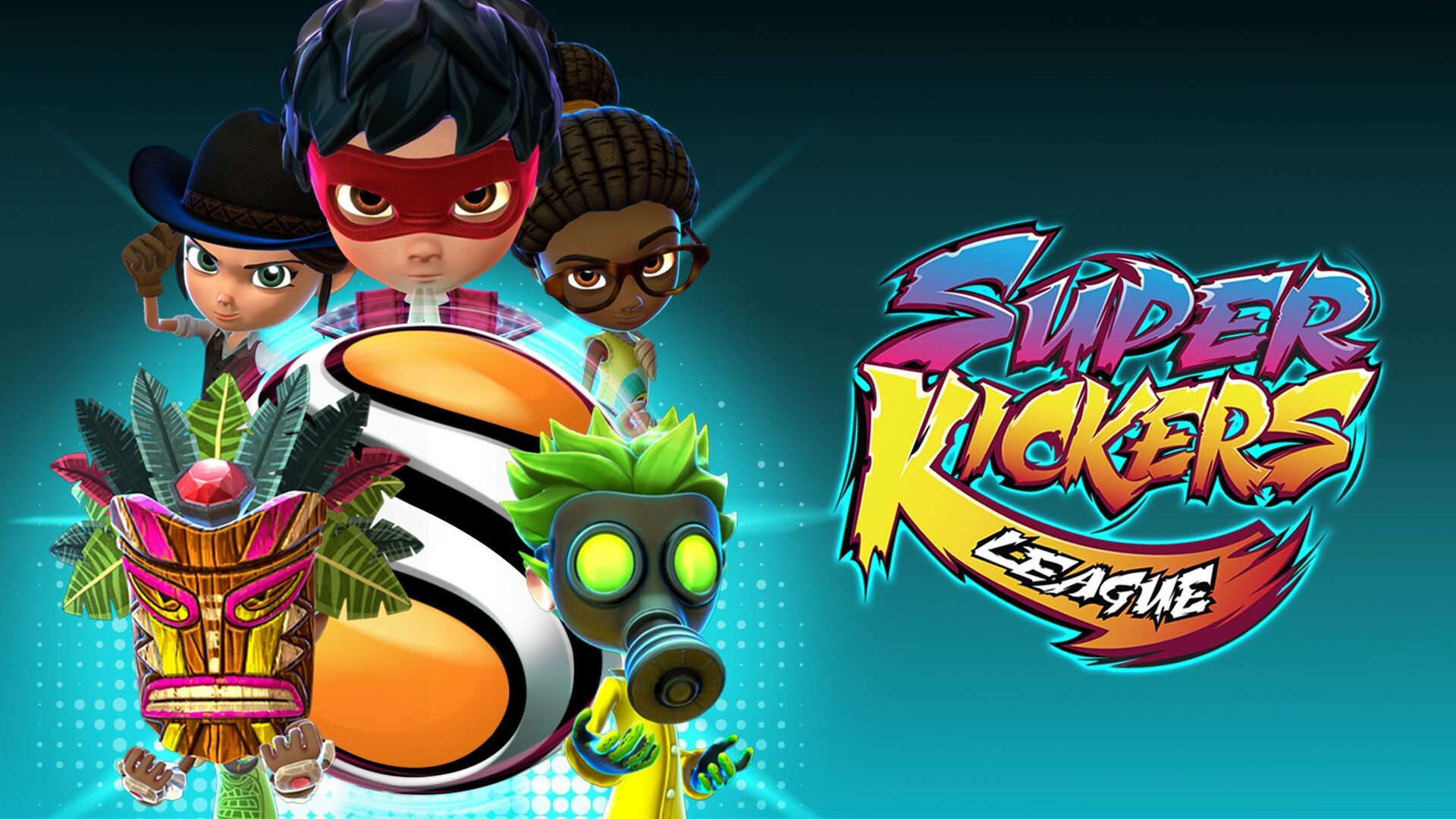
Super Kickers League Trailer Shows Off Outlandish Team Abilities
The above trailer for Xaloc Studios’ upcoming soccer game, Super Kickers League gives us a far better look at the previously announced title, including special team abilities, plus a ‘spring’ 2019 release window.
The team acknowledges Super Mario Strikers (or Mario Smash Football in PAL regions) and Soccer Brawl as strong influences, with a fun approach to the beautiful game and its rules. The trailer shows that each team has a specific ability you can employ against the opposing side, including a Fortnite-like move which causes them to break out some impromtu dance moves.
With three different modes available – Teams, Kickers and Retro – that last one has our interest particularly piqued. According to the official blurb, Retro mode “allows you to play the game with an orthographic camera and pixel art graphics, transforming the graphics into a much more ‘classic’ format.” Intriguing!
So, while it’s still a game of two halves where a bunch of people try to kick a ball into a net, it seems that flaming meteors, teleportation and irresistible dance beats add a lighthearted layer of strategy.
Like the look of this madcap take on the beautiful game, or do you prefer a more serious intepretation of the sport? Share your opinion below.
Sony And Microsoft’s Gaming Bosses React To Reggie’s Retirement
It’s fair to say that the news that Reggie Fils-Aime – who has been Nintendo of America president since 2006 and joined the company itself in 2003 – would be retiring in April caught plenty of people off-guard.
He’s certainly one of the industry’s most recognisable characters and his willingness to get in front of camera and laugh at himself has endeared him to millions of gamers, not just Nintendo fans.
Reggie’s popularity is evidenced by the fact that the news has been followed by a flood of positive and supportive comments for the big man – most notably from his rivals at Sony and Microsoft.
Mike Ybarra – Corporate Vice President at Xbox – also had something to say about the news:
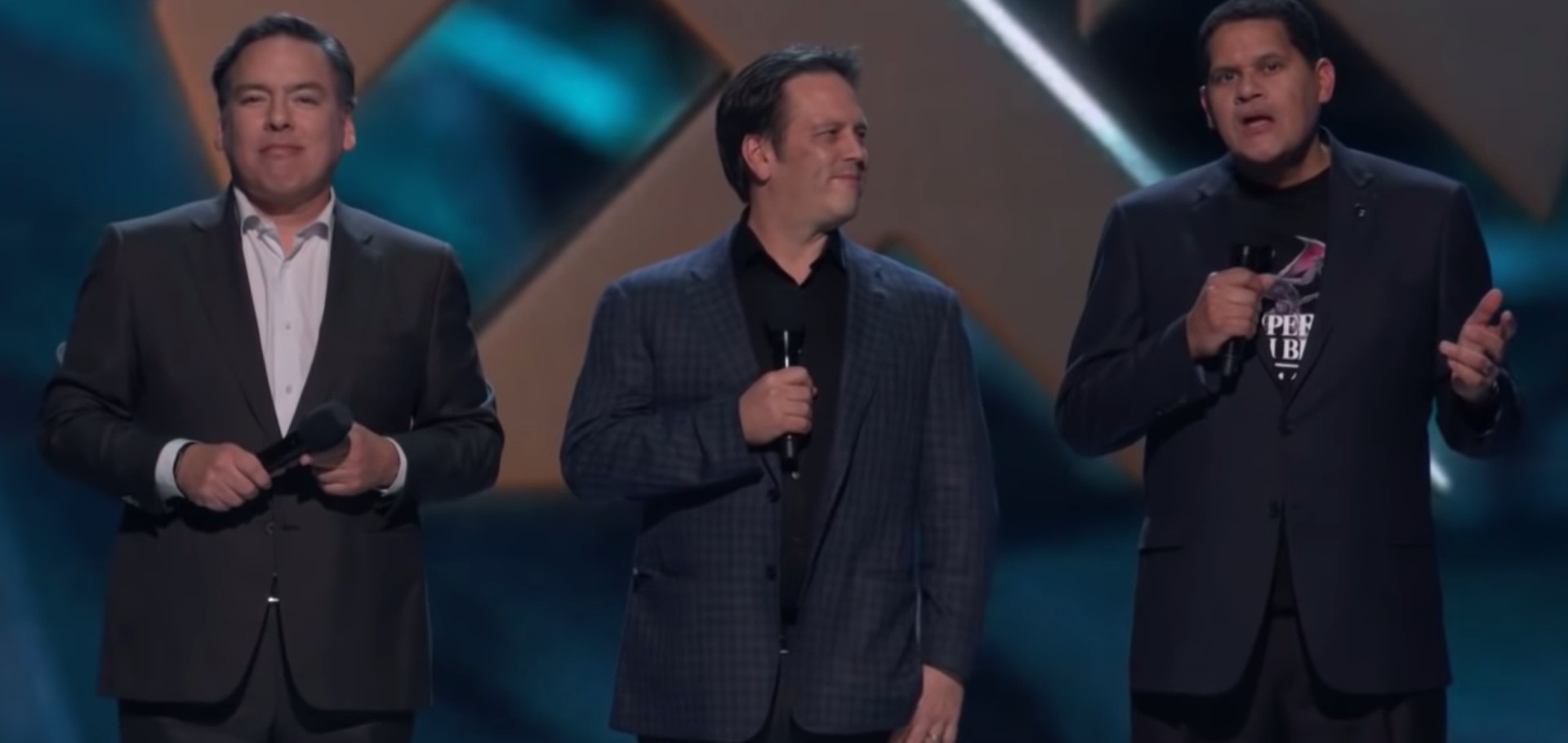
Reggie famously appeared on-stage with both Spencer and Layden at the 2018 Game Awards, and host Geoff Keighley added his voice:
Posted by: xSicKxBot - 02-23-2019, 05:46 AM - Forum: Lounge
- No Replies
Despite Apex Legends, Fortnite Wants You To Know It's Just Fine
The popularity of Fortnite is something truly remarkable. It has long since eclipsed that of its inspiration, PUBG, growing into a cultural sensation that transcends the typical confines of what's possible for a video game. Its massive success (and that of PUBG) has prompted numerous other companies to try their hand at the battle royale genre. 2019 has brought notable new competition in the form of Apex Legends, an excellent take on the genre from Titanfall developer Respawn Entertainment. Epic Games wants you to know Fortnite is doing just fine, though.
With much being made about the player figures Apex has amassed since its release--more than 25 million players and a peak concurrent count of 2 million in its first week--there has been speculation that this success will surely cut into that of Fortnite. Seemingly in response to this, Epic has released some updated figures of its own, revealing Fortnite had its best day ever in terms of peak concurrent players (meaning the number of players online simultaneously) earlier this month.
During the DJ Marshmello concert on February 2, Fortnite had 10.7 million players, the game's biggest day ever. It followed that up more recently with 7.6 million players on February 16, which Epic says was the game's best non-event day ever.
This would all suggest that Fortnite is not struggling due to Apex. Certainly, numerous other game companies have--in the interest of alleviating investors' fears--stated that Fortnite is growing the market, rather than simply stealing players from other games. They'd likely claim the same is true of Apex, which will continue to grow with its first-ever Battle Pass in March and the recently added Havoc gun.
That said, there is a caveat to keep in mind. Epic recently announced that you can earn the upcoming Season 8 Battle Pass for free by completing new Overtime challenges right now. Some saw this move as an attempt to stop bleeding players drawn to Apex by giving them the opportunity to avoid having to drop about $10 (or spending previously earned V-Bucks) to gain access to exclusive challenges and rewards during Season 8. That record day on February 16 was the first Saturday during which the Overtime challenges were available, and it seems fair to assume the Battle Pass freebie played a major role in that big day.
Whatever the rationale behind giving away the Battle Pass for free, it seems clear that it's having the intended effect. And however big Apex may grow, don't expect Fortnite to go anywhere in the near future.
12 Is Better Than 6 Brings Wild West Action To Switch In March
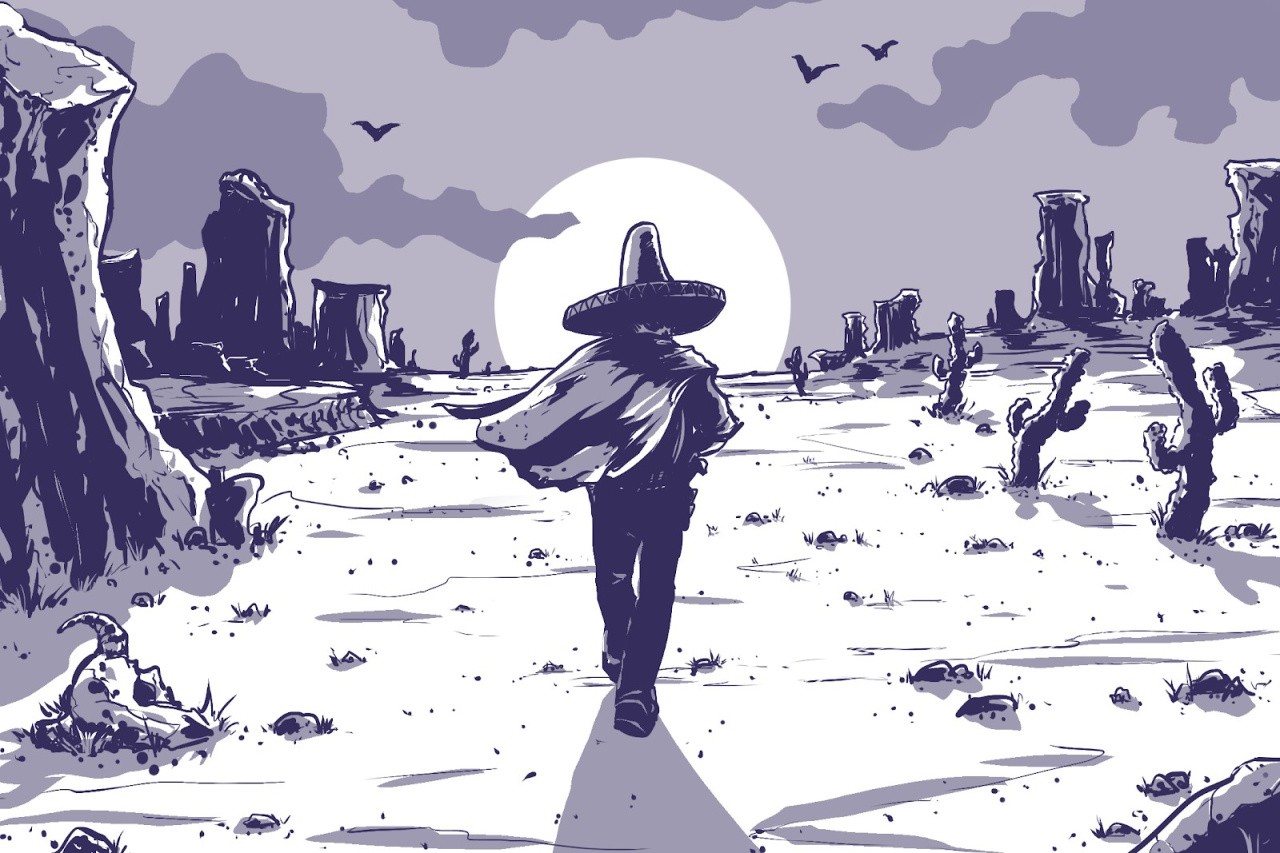
If you ever wanted a Western take on Hotline Miami, then upcoming Switch game 12 Is Better Than 6 might be just the ticket. This hand-drawn pen-and-ink shooter with stealth elements takes place in the Wild West and looks pretty cool (and bloody!).
Here’s what the game has to offer according to HypeTrain Digital and Ink Stains Games:
Unique shooting mechanics – You’ll need to cock the revolver with one trigger before being able to shoot by pressing another trigger. Shooting mechanics in the game will keep you on your toes – one false move and you’ll be overrun in an instant!
Choose your own playstyle – You don’t have to go all guns blazing. You can choose to take a more stealthy approach to surprise your enemies, or even just sneak right past them. You can even complete almost an entire game without being noticed!
Locations – Real-life places and towns and the spirit of the desert will help you plunge into the cruel world of the Wild West. Visit Austin, San Antonio, Albuquerque, and Huston; find cheap saloons and expensive cabaret, Indian colonies and travelling caravans. But don’t you worry, you’ll find trouble in every one of these places!
Authentic weapons – You’ll use the favourite bounty hunter weapons in the game. Winchesters, double-barreled guns, revolvers and Gatling guns are at your service to help destroy your enemies. For the more adventurous players, we’ve also prepared the extra-crazy one: a rat with dynamite attached to it. Throw a rat and it will run towards your enemies by itself!
Upgrades – These will help your hero to stay alive while navigating through the Wild West hell. You’ll find breastplates that will have a 50% chance to deflect some bullets, a fast recharging skill that will allow the hero to insert 2 bullets at once, extreme accuracy (less spread for your shots), being able to kill an enemy in stealth mode without attracting the unwanted attention, and more!
Friends – Meet some main character’s old friends when travelling through the cities. But will they work as your allies or have they changed during the last five years?
It all looks rather great to us in the trailer and screenshots above. This Wild West-themed shooter is coming to the Switch on 5th March for $9.99. Will you be picking it up?
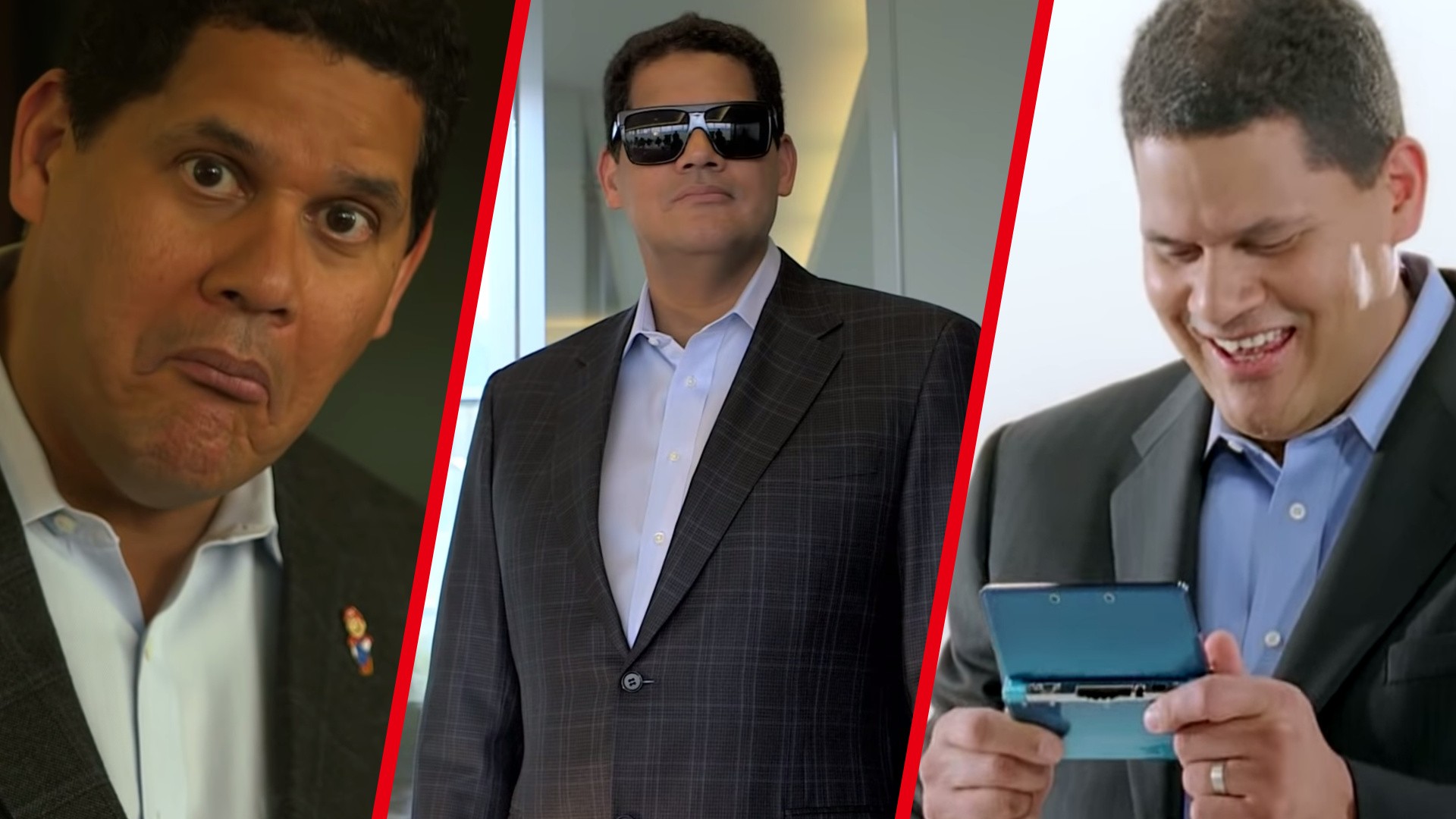
Feature: Reggie’s Video Highlights From 15 Years At The Top Of Nintendo
Yesterday, the world of Nintendo was rocked by the news that Nintendo of America president Reggie Fils-Aime is set to retire in April after more than 15 years with the company. In that time, Reggie has overseen the launch of systems like the DS, Wii, 3DS and Switch, had himself turned into a puppet, become a meme many times over and – above all else – made sure that one of the world’s biggest entertainment brands has an approachable, human face on the global stage. To pay proper tribute to the great man, we’ve pulled together some of our favourite Reggie moments in video form for you to enjoy.
One of Reggie’s firsts tasks – as Executive Vice President of Sales and Marketing (he wouldn’t become president until 2006) – was convincing the world that two screens were really better than one. His first major product launch was the Nintendo DS, a console which not only doubled the number of displays a handheld traditionally offered but also introduced the world to touch control.
Even in those early years, Reggie had a talent for really selling Nintendo’s products – as evidenced in this ABC interview regarding the Wii, his first home console launch.
The Wii, of course, was a runaway success, given Reggie his second hugely successful product launch in America. The Wii would also give rise to one of Reggie’s most famous quotes, delivered during a demo of the upcoming fitness title, Wii Fit.
Such was the quality of this catchphrase, Reggie couldn’t resist reviving it when the game was re-released on Wii U a few years later.
With the Wii and DS both comfortably dominating their respective sectors, hopes were understandably high for Nintendo’s next platform, the 3DS. As you might expect, Reggie was a key figure in the initial marketing campaign for the platform, alongside Shigeru Miyamoto and Satoru Iwata.
Reggie also did his usual marketing speech to hype up the console closer to launch, and while the 3DS hasn’t come close to matching the success of the DS, it’s easy to get carried away with the hype when watching Reggie’s delivery, even after all this time.
Reggie’s next launch would prove to be his first serious taste of disappointment at Nintendo. The Wii U was a great idea in principle, as most of us no doubt thought as we watched this presentation at E3 2011. Sadly, it has gone down as one of the company’s biggest hardware flops.
Reggie certainly didn’t hold back when it came to pushing and promoting the system; here’s some candid footage taken from the queue for the Wii U launch, where he braved the cold to chat with Nintendo’s fans.
Another notable highlight from this period is footage of Reggie and Iwata using the Wii U’s video chat function, a feature which worked well enough but was perhaps overlooked due to the arrival of video calling on smartphones.
With the Wii U proving to be something of a commercial dud, it made sense for Nintendo to redouble its efforts with the 3DS, and Reggie was accommodating enough to allow us into his (virtual) home when Animal Crossing: New Leaf launched.
Fast forward to E3 2014, and Reggie (along with Iwata, whom he clearly shared a close bond with) starred in one of the most memorable clips in the history of the show, and Reggie was also turned into an action figure by the guys at Robot Chicken.
E3 2014 also gave us another amazing Reggie meme: Fils-A-Mech.
Such was Reggie’s commitment to his craft that he played Project Giant Robotin character:
Netflix: Haunting Of Hill House Season 2 Is Coming And Here's What It's About
While the story of the Crane family on Netflix's The Haunting of Hill House--GameSpot's favorite show of 2018--may be over, the show will go on. Netflix has announced a second season of what it's calling an "anthology series," as well as the scary story it's going to tackle next.
The Haunting of Bly Manor is what Season 2 will be known as, taking inspiration from The Turn of the Screw, a horror novella by Henry James. The work from 1898 tells the story of a governess watching over two orphans in a massive and creepy old mansion. In what should come as a surprise to nobody who saw the first season of the show, this house is also believed to be haunted. However, just as Hill House examined whether members of the Crane family suffered from mental illness or were being tormented by supernatural entities, the woman in The Turn of the Screw also wonders if she's simply going insane.
The next season of Haunting will be part of a new overall deal with series creators Mike Flanagan and Trevor Macy. The duo, who are also putting the finishing touches on Dr. Sleep--a sequel to The Shining due in theaters in November--will continue making shows for Netflix beyond more installments of Haunting.
"Netflix has been an important part of our story, and we’re proud to have worked with them on The Haunting of Hill House, not to mention Gerald’s Game, Hush, and Before I Wake." they said in a statement. "They've enabled and supported a great deal of our work and we look forward to much more."
A new Haunting is coming. Can you guess where it takes place? Listen closely... pic.twitter.com/vqzrd3z4NZ
Now for the bad news. A teaser for The Haunting of Bly Manor revealed a 2020 arrival, meaning you are going to have a while to wait before getting to devour that series. And, sadly, you shouldn't get your hopes up about seeing your favorite Hill House characters return. That said, there's no telling if any members of the cast will return in new roles. Spookier things have happened.
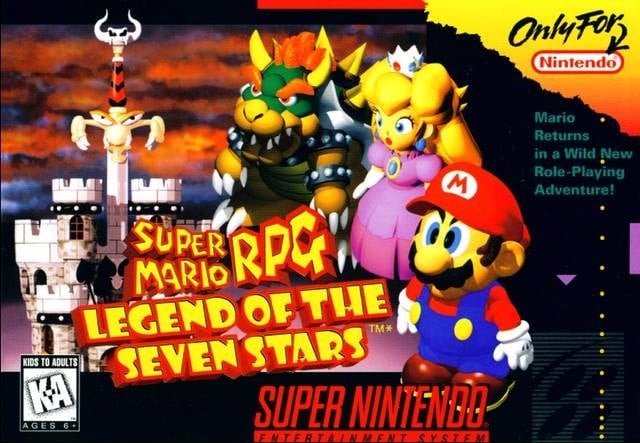
The English Translation of Super Mario RPG Cut Many Japanese Pop References
Super Mario RPG: Legend of the Seven Stars was a grand departure from the Mario template when it launched back on Super Nintendo in 1996. Nowadays there’s nary a genre the precocious plumber hasn’t dipped his toe into, but his first foray with role-playing turned out to be a classic that still stands up today, filled with odd yet loveable characters and hilarious, if surreal, dialogue.
It seems that much of the absurdity may come from the translation. Recently Legends of Localization ran a fascinating article detailing many of these differences in a specific part of the game. For those who skipped this classic (sacrilege!), one of the characters is a spellcaster named Mallow who has the ability to read enemy’s minds. When he does this, a quote pops up with a bespoke line of dialogue.
There are many of these and, in truth, they’re a little scattershot – sometimes the line provides a clue to the monster’s weakness, but more often it’s some entertaining nonsense. It seems that the original Japanese dialogue contained many pop culture references which were altered or removed completely in the translation to English.
For example, in the original Japanese an enemy called Pulsar states “Hit me and you will be punished when I go up in smoke!”, a veiled reference a Sailor Moon catchphrase “In the name of the Moon, you will be punished!”
In English, we get the accurate (and useless) “I’m a mini-pulsar.” Quite.
Elsewhere, Buzzer’s dialogue in Japanese references a famous line from the manga series-turned-anime Jojo’s Bizarre Adventure, with some clever wordplay referencing the ‘beat’ of the enemy’s Japanese name (Hachi Bīto). The English translation goes for a Madonna reference – something western players were far more likely to pick up on.
These changes are understandable – especially in the mid-nineties when limited internet access meant the world was a lot smaller and pop culture in all countries tended to stay closer to home. Still, it’s fascinating to look back and see the alterations made when bringing the game to the west.
The article details dozens of changes, and this is only the dialogue found when using Mallow’s “Whatcya Thinking?” ability. The game is chock full of text, so more information will undoubtedly be revealed in the future. Head over to Legends of Localization for the full article – it’s well worth a read.
How many of the references would you pick up on today if they’d been translated more literally back in the day? Let us know below…