The Midsommar Deleted Scene Director Ari Aster Hated To Cut
Every film loses moments here and there to the cutting room floor, as demonstrated by the deleted scenes ubiquitous on DVD and Blu-ray releases. Sometimes, those scenes are especially difficult to cut, as was the case for a particular moment in writer and director Ari Aster's latest horror movie, Midsommar, which has now arrived in theaters amid very positive reviews.
Warning: There are Midsommar spoilers below. If you haven't watched the movie, come back after you have.
Midsommar follows a group of friends that includes Dani (Florence Pugh) and Christian (Jack Reynor), a couple who would have broken up long before the group's trip to a remote village in Sweden, if not for the tragedy that struck Dani's family. Christian winds up feeling obligated to stay with Dani, despite being pretty well fed up with her--and although he may be trying to do the right thing by not ending it, he's not actually doing her any favors. Their relationship spirals throughout the Midsommar festival, although it never really comes to a head until the end of the movie, when Dani chooses a new family in a spectacularly f***ed up, but very satisfying, way.
Except, at one point, their relationship was supposed to come to a head--in a scene that Aster said was incredible difficult for him to ultimately cut.
"There [was] a very big argument between Dani and Christian in the middle. That was the only time that we see Dani fight back and argue with Christian, and that was a big debate in the edit room, about whether we keep that or lose that," Aster told GameSpot. "If you told me that I would have cut that scene before we went into production, I would have told you that you were crazy."
In Aster's previous film, the acclaimed Hereditary, mother and son Peter (Alex Wolff) and Annie (Toni Collette) have a screaming match across the dinner table that fully demolishes their already fraught relationship. Aster said he once considered the cut scene between Dani and Christian to be just as important.
"I really love the scene that we cut," he said. "It's some of my favorite dialogue in the whole film, and in some ways it was as big of a decision to cut that as it would have been to cut the dinner table scene in Hereditary between Toni and Alex. It was that big of a cut. It was a very, very big day when we lost that from the film."
Aster told us his original version of Midsommar was three hours and 45 minutes long, so naturally, cuts had to happen to get the movie to its final runtime of two hours and 27 minutes. As it is, the film spends a long time languishing in the Swedish village's strange, unsettling rituals, but Aster said there were "two other giant rituals" that got removed entirely. And they dropped a scene that was glimpsed in the movie's trailer, in which someone appears to be levitating (although Midsommar doesn't actually feature anything supernatural, Aster confirmed with us, and that scene had more to do with the film's mushroom-infused psychedelic elements).
"There's a lot that's been cut out of the film, and [distributor] A24 used a lot of images from the cutting room floor in the trailer," Aster said. "I don't mind that, because you're sad to see these things go, and so if they are being put to use in one way or another, you're happy."
Ultimately, losing the big argument scene between Dani and Christian benefitted the movie, in Aster's opinion.
"We did find that by cutting that, we were able to maintain the tension between them even more successfully," he said. "I was in love with that scene, because it felt like an argument that I'd had with partners before, and I think it felt like the kind of argument that people would relate to. But it also felt like the movie could survive it being cut, which was a shock to me, and I didn't make peace with that until very recently."
Aster shared one other thing about the movie's initial, much longer cut: The timeline of the Midsommar festival itself was much clearer in the original version. As it is, there's plenty of ambiguity, but the writer and director clarified a few things. For one, although the Midsommar festival happens every year, the part that happens at the film's end--the fiery human sacrifice--occurs only every 90 years. In addition to that, said sacrifice occurs on only the fourth day of the nine-day festival, leaving us to wonder how the festival could possibly continue to escalate for five more days after that.
"[That's] something that we always understood would be potentially confusing to people, but I'm really allergic to exposition that's not absolutely needed, or that's not, like, woven invisibly into the fabric, and there was just no way of explaining that in a way that didn't feel like spoon feeding information," Aster said. "In the three hour and 45 minute version of it, it's a little bit clearer, but it was just one of the casualties of cutting the movie down."
"I think there might be a director's cut for this one," Aster emphasized.
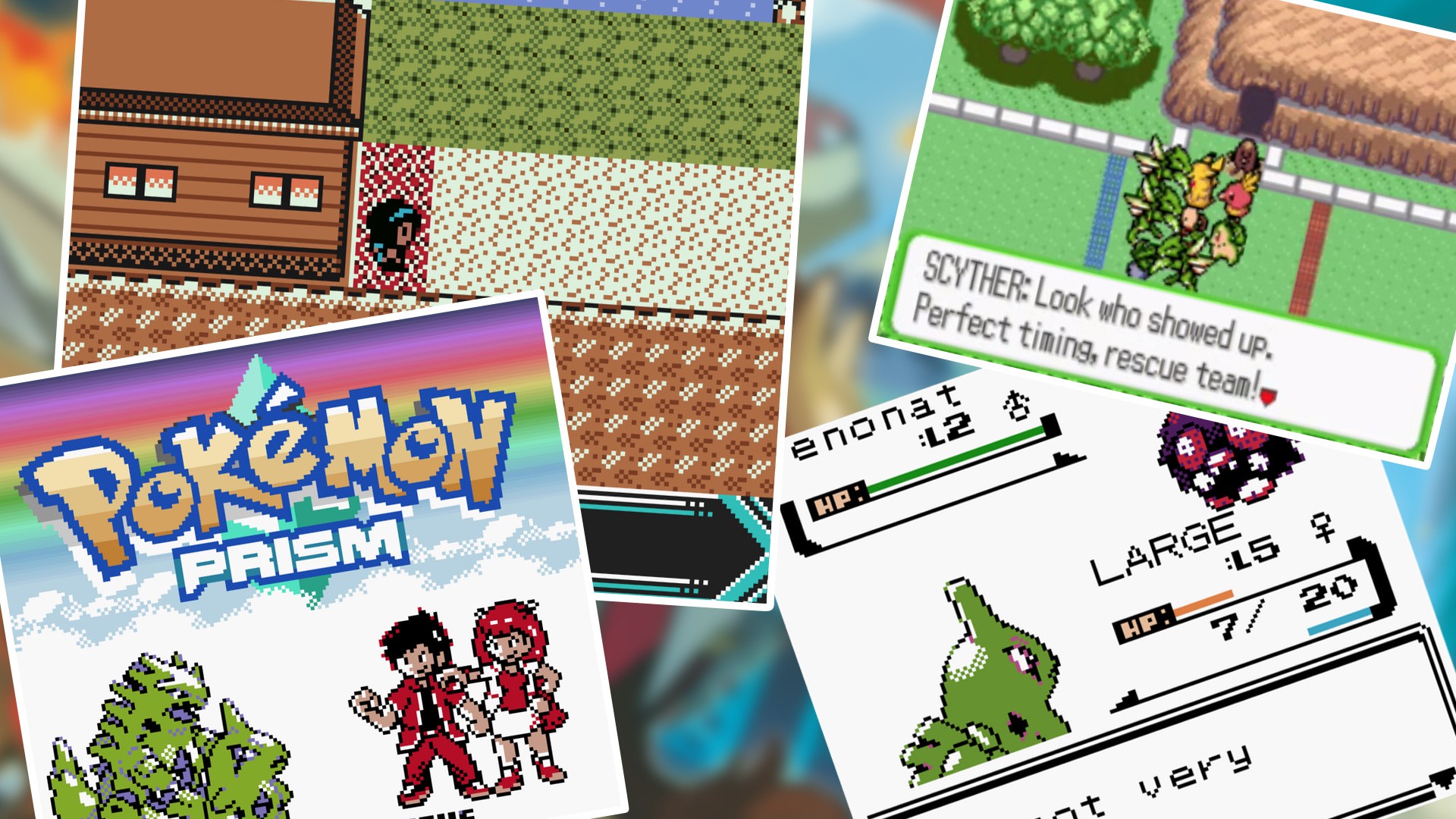
Games often inspire their fans. Sometimes they make tournaments. Sometimes, players bring themselves into the world of the game. The core of this inspiration, though, is when players take a game they love and mould it into something completely new. This is the way of the Pokémon ROM hacking community; people who dive into the source code of the Pokémon games we know and love, and bring out the creativity within.
There’s a whole world out there of passionate creators showcasing the potential Pokémon has, and it’s filled with unsung heroes and unique origins.
New Mechanics
One of the most notable things about these reimagined Pokémon games is the great level of detail that goes into them. With such a strong shell, taking the tried-and-tested Pokémon format and extrapolating it into something larger, players are able to build on those strong foundations.
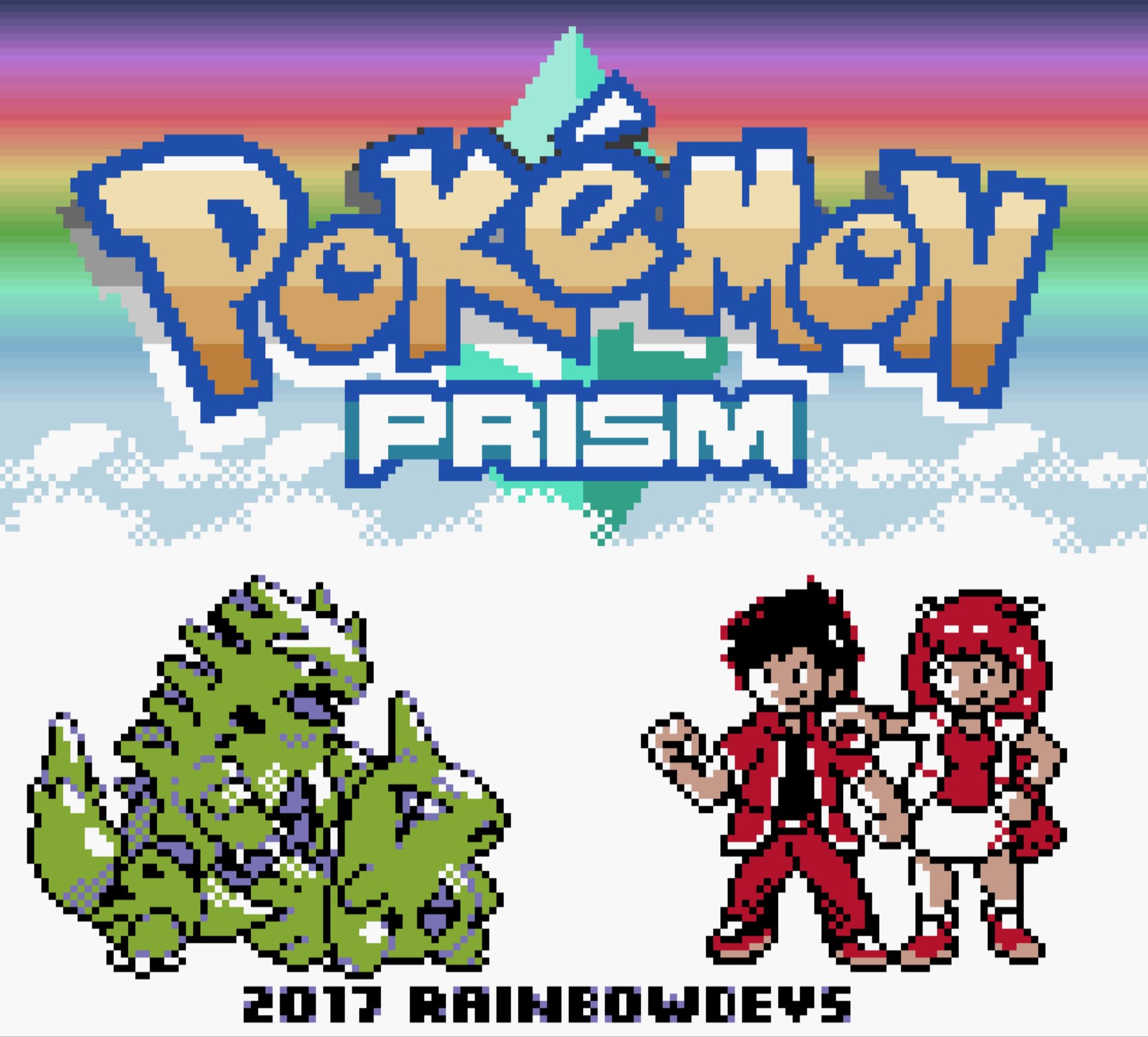
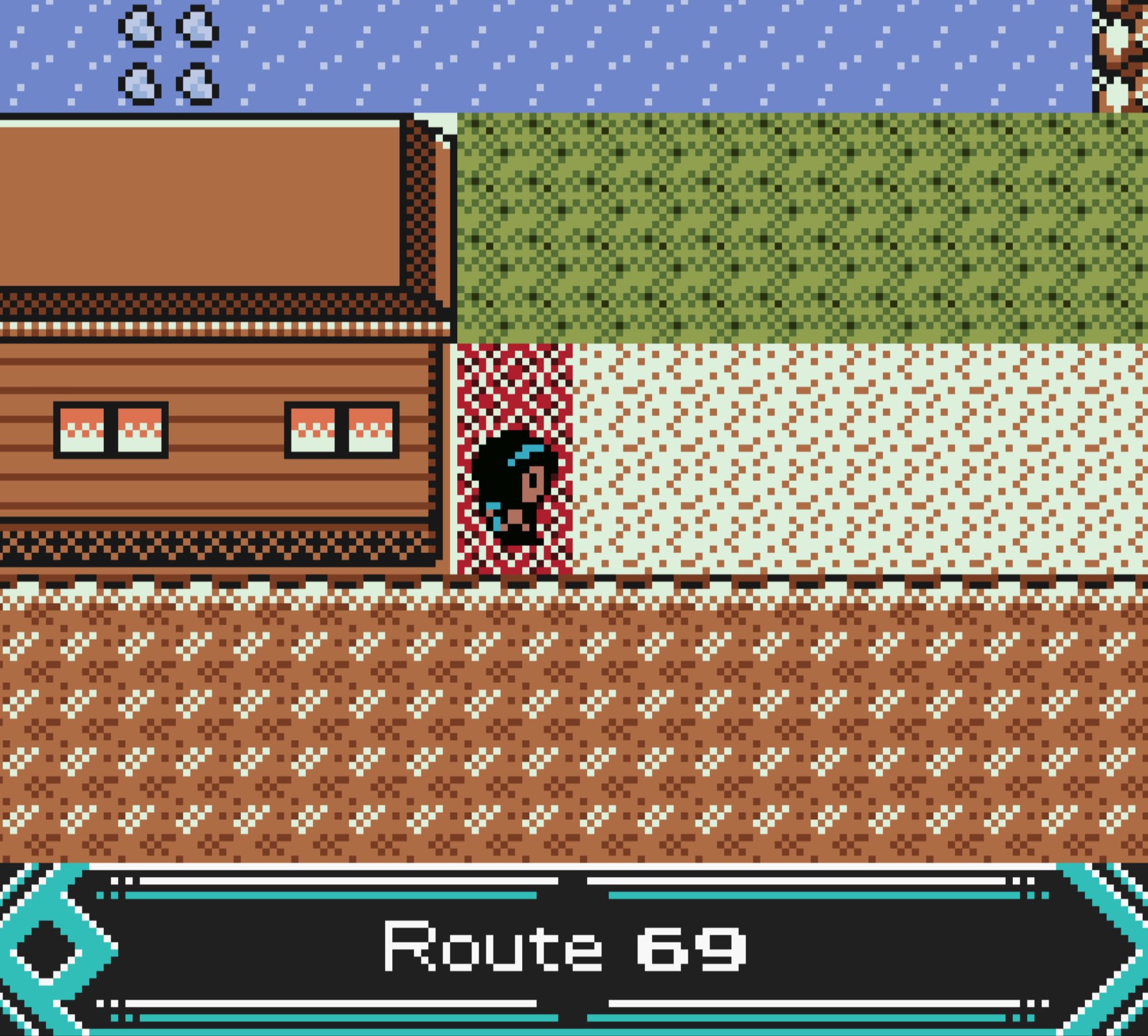
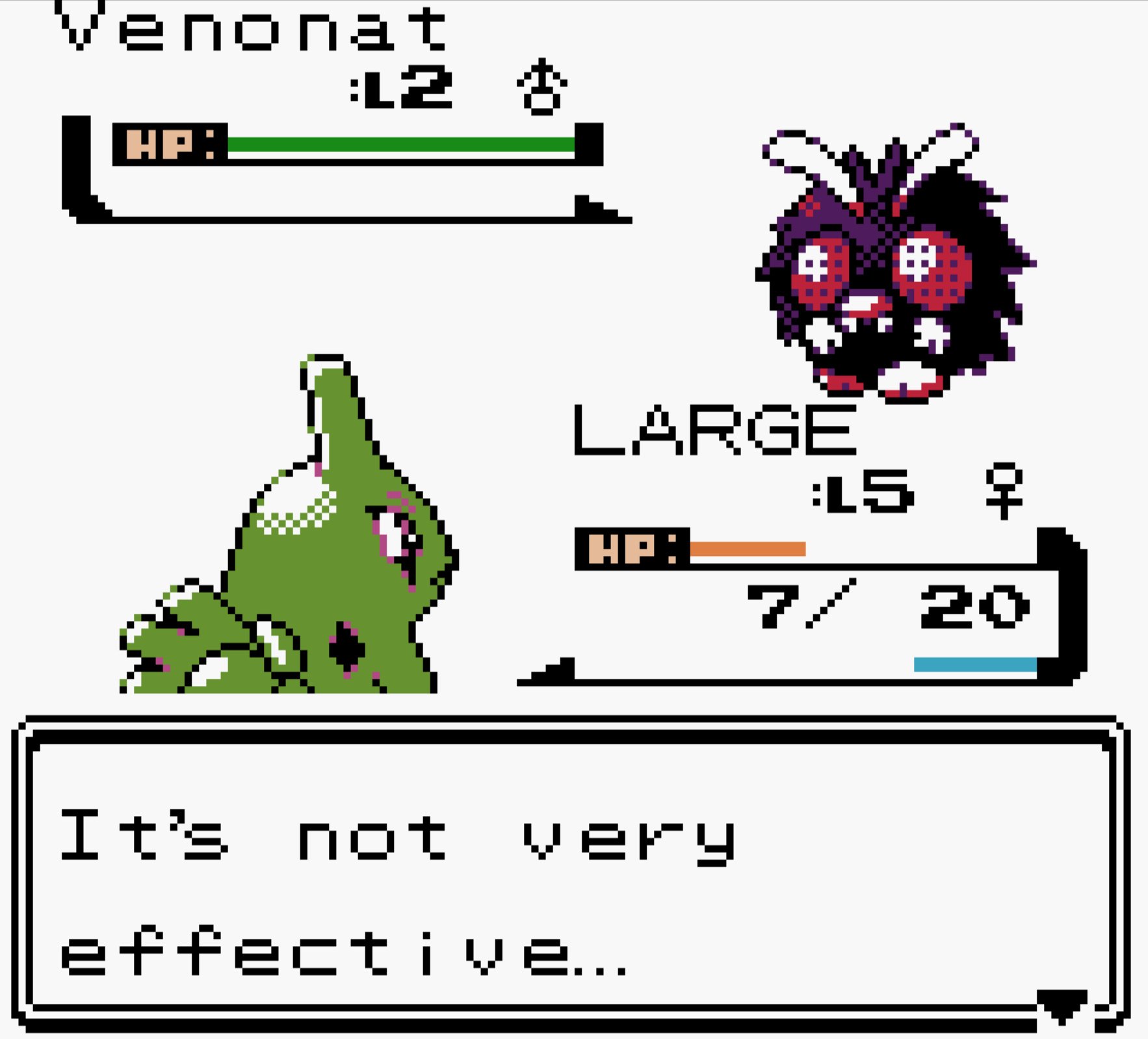
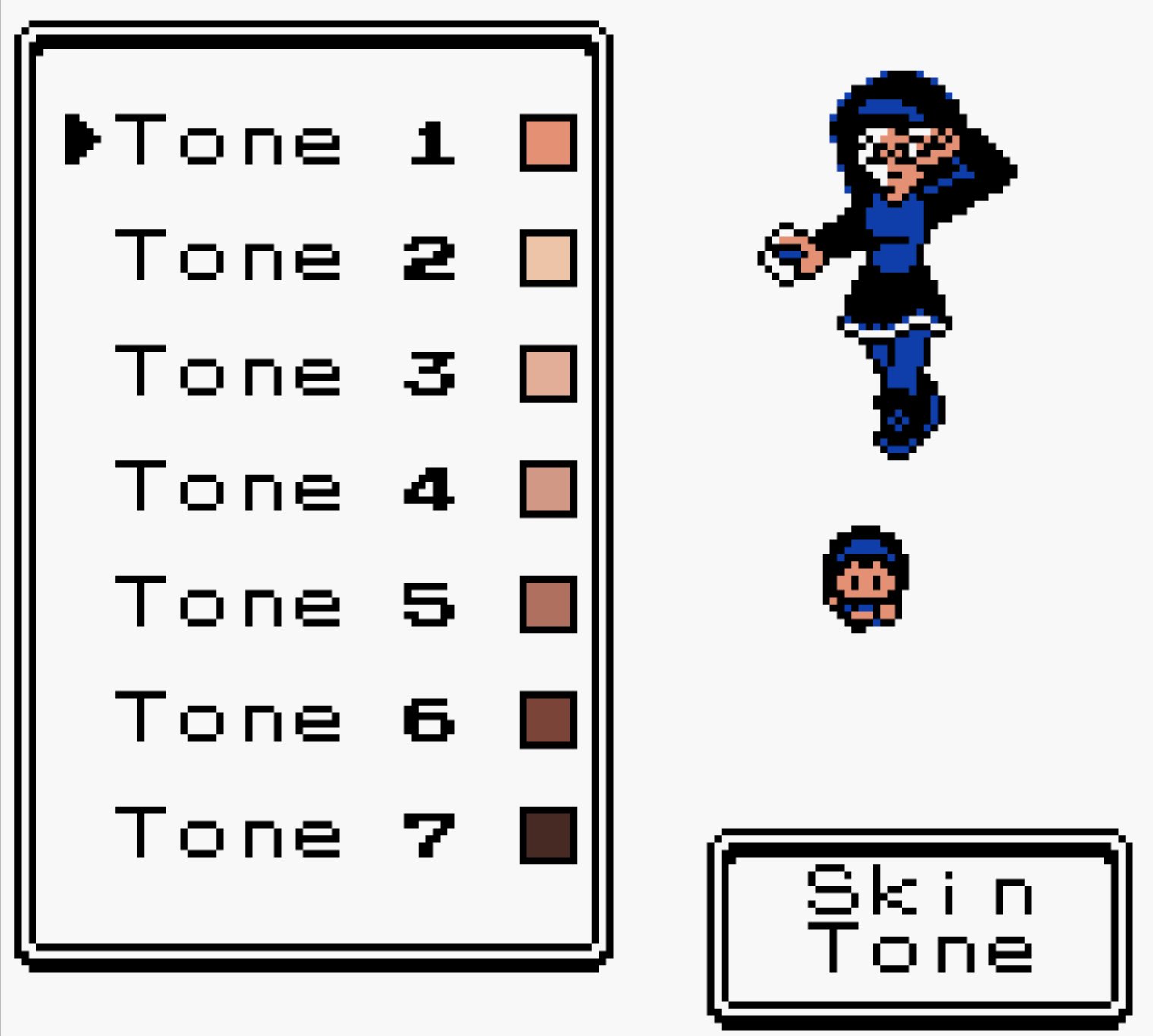
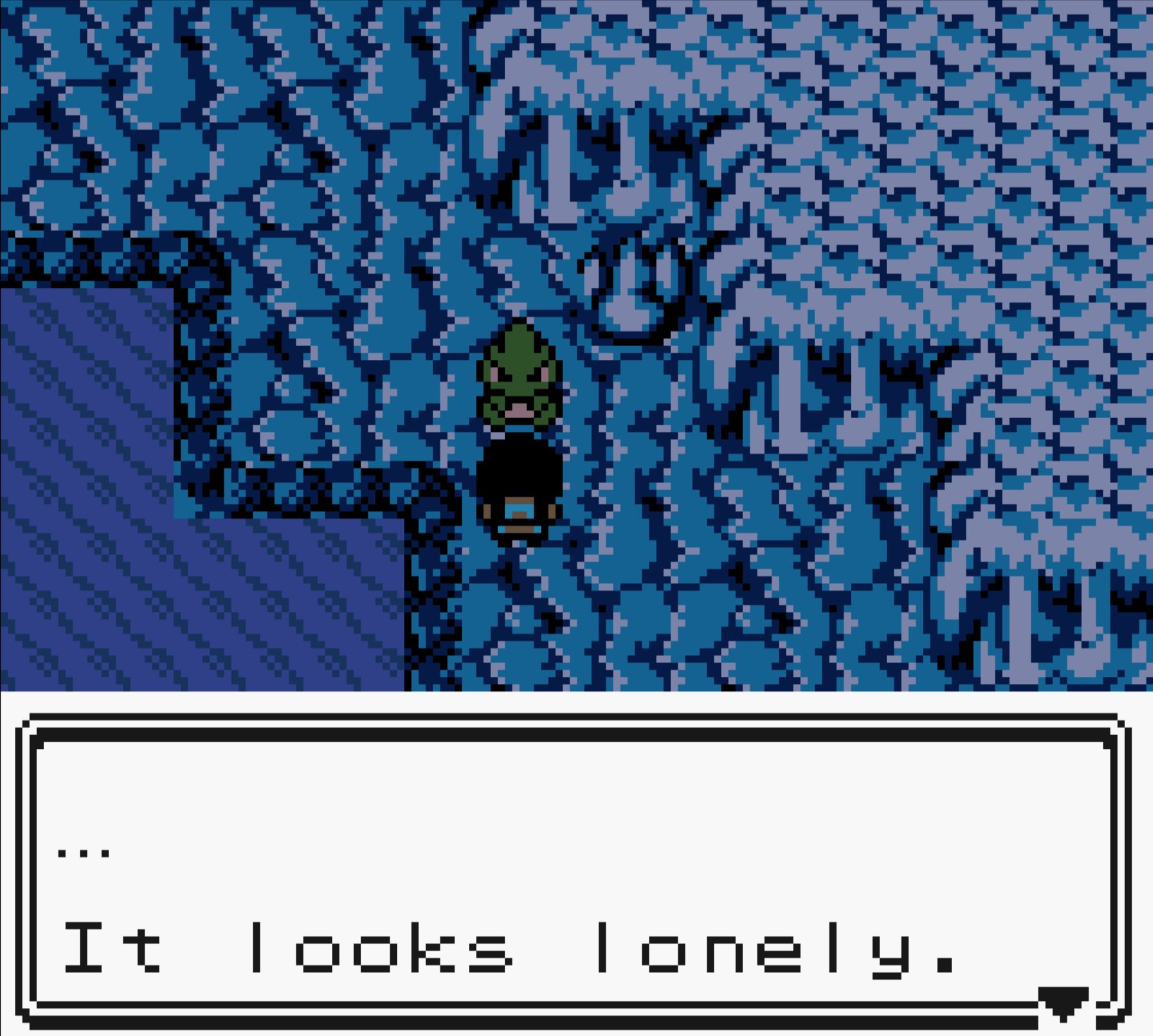
Pokémon Prism, created by Koolboyman, is a brilliant example of this. As soon as you start the game up, you’re greeted with fully-fledged character customisation, with choices of skin tones and clothing colours, as well as a whole host of sprites to pick from. The game also has a delightful segment close to the beginning where the player sends their newly met Larvitar into a cave to chat to another Larvitar who had run away.
There are so many mechanics at play, but they aren’t used to the game’s detriment. Rather, they are mixed into the more traditional gameplay loop in a way that fits fantastically. Koolboyman (henceforth referred to as Adam), mentioned that he “had the idea before Game Freak presented theirs, but their use of it inspired me to go forward with my own customization system, with even more options than X and Y.” Adding such a feature that came in the later games whilst retaining the old-school style is a fantastic combination of modernity and nostalgia that you don’t find anywhere else.
Have you ever thought about how much more player-friendly early Pokémon games would be if they implemented just some of these little ease-of-access features? We were somehow awestruck at the text “you found 2 repels”. Sometimes these feel prophetic, such as being able to gain experience points for catching Pokémon, and allowing players paths to wander through routes in the Naljo region without having to face nine Weedles and a Pidgey. The way that Pokémon ROM hacks iterate on the Pokémon world in numerous subtle-yet-beneficial manners is a delight, and with each different game you’ll find a host of new and exciting mechanics.
Unique Stories
Ever wondered what the Pokémon world would be like without those pesky series constraints? Diegoisawesome, a mod of the Pokemon ROM Hacks subreddit, is in the same boat.
“People have been trying to break out of the repetitive ‘eight gyms, Elite 4 and Champion’ story for as long as I can remember, and there have been plenty of creative ideas that still give a satisfying sense of progression while not being nearly as rigid. One that always comes to mind when I think of hacks like this is Pokémon Ruby Destiny: Rescue Rangers.”
This hack, led by Joseph “destinedjagold” Demium, channels the Mystery Dungeon series in a big way. The player character, who has turned into a Pikachu, is forced to team up with two companions, a Torchic and Chikorita. You form a rescue team together and go on your own adventure.
In something completely different, Cutlerine’s Pokémon Snakewood brings with it a post-apocalyptic, zombie-infested Hoenn region, filled with undead versions of existing Pokémon with punny names (Boilbasaur and Gorelax are personal favourites). It’s a hack that really opens your mind to the potential these games have; you never know what you’re going to get, and these are just singular experiences in a wider world of reimagined Pokémon stories.
This isn’t to insult or diminish the Pokémon games in the main series, of course. It’s just cool to see the lengths people are able to stretch the existing Pokémon formula, and the unique stories that can be told if that formula is deviated from.
Where Do You Even Begin?
One reason the ROM hacking community has been challenged recently is that it’s hard to know how to go about starting. Maybe the idea of going out of your way to play something that could be broken and time-consuming is a hurdle many don’t want to jump. The subreddit often devolves into ‘recommendations for ROM hacks?’, which isn’t conducive to a solid discursive platform, so how do you have any idea where to start?
As Reddit user Kaphotics told us, “don’t try to find the perfect hack to play right at the start. Play some commonly talked about ones, figure out what you like.” It’s a big world, and if you just can’t get enough Pokémon, or you’re getting a bit sick of playing through Platinum for the eighth time, browse the subreddit and have a gander at the ones people speak glowingly about. It’s all on you from there.
Adam, of Pokémon Prism fame, says that it’s all a learning experience. “My first big ROM hack was Pokémon Brown, a pretty vanilla hack of Gen 1. I didn’t really know what I was doing. I thought ‘what if I change this game into another game, why don’t I expand on a universe the game has already established, and that’s exactly what I did.”
Creating Them Is Hard
How do you make a ROM hack though? According to Kaphotics, it’s a far more intense task than most would think. “If you’re new, don’t try to make a full-blown hack. Don’t be an ‘ideas’ person. Start small; modify a Pokémon’s colours or stats. Create a town. Create a new Pokémon. Do it a few times, a little bigger in scale each time.” You’ll probably make an unplayable mess before anything good happens, but that’s just how you learn. That’s the main thing about ROM hacks, really. It’s all a learning experience.
“I just wanted to make a game people would enjoy and go ahead and do something like it,” Adam told me. “I did things with Prism that I’m very proud of, but I also made a lot of mistakes. I want people to learn from both aspects and ultimately do better than I did. If Prism inspires them, whether they think it’s good or bad, they can use that to make their own work and inspire people themselves.” Pokémon ROM hacking has clearly been a helping hand, as in his free time, Adam is creating a Pokémon-inspired monster-fighting adventure named The Wu Xing. The creative spark is blatant. “Progress is slow but I have big plans for The Wu Xing that I hope to work out. I have a modest budget and I’m slowly building up an incredibly talented team to help me fulfil my vision. It obviously takes inspiration from Pokémon, but I also want to try things that no games have done before and let it hold its own identity. Most importantly, I want people to have fun with it.”
Are These Things Even Legal?
It is hard to draw the line legally with this sort of thing. The ROM hacker isn’t making any money, but Nintendo does have the right to tell anyone to stop using their game to make a new game, no matter the good intentions. We wanted to know whether this is something seen particularly regularly.
“It’s not a common part of ROM Hacking, but it’s a common fear,” says Adam. “I’m contacted by people all the time about my experiences with being told to stop and the truth is there’s always a chance if you’re doing a fan game, and you should mentally prepare yourself for such a situation if you’re going to invest a lot of time in a fan game project.” He worked with the Twitch Plays Pokémon team to get the hack finished, in exchange for premiering it early on their channel, which only served to make the hack more popular – and that brought it to the attention of Nintendo.
“I made a lot of mistakes with Prism,” Adam continues. “I wanted to get the word out a little bit, but I didn’t know it would get as big as it did. My mistakes were incredibly obvious in hindsight. I got a Cease & Desist from Nintendo and I understand why they had to do that. The only thing to do after that was to move on and start developing a new game using my own IP.”
The Cease & Desist order that Nintendo sent Adam is a worry to a lot of ROM hackers have, but the fear is the main issue, rather than it being something most people have to deal with. There’s no denying that ROM hacking inspired and educated Adam about his future game development in a big way though, and it’s clear there are far fewer regrets than learning experiences.
Despite the fear, the community is growing all of the time and if you’re keen to get involved, then the subreddit’s a great place to start. There are also tons of fan wikis out there for the most popular ROM hacks. You might just find something really special. These hacks will clearly never replace the mainline Pokémon franchise, but they definitely add another layer to the series and prove just how dedicated and committed some Pokémon fans can be; ultimately, these hacks are borne out of the desire to improve the original work, rather than capitalise on its success.
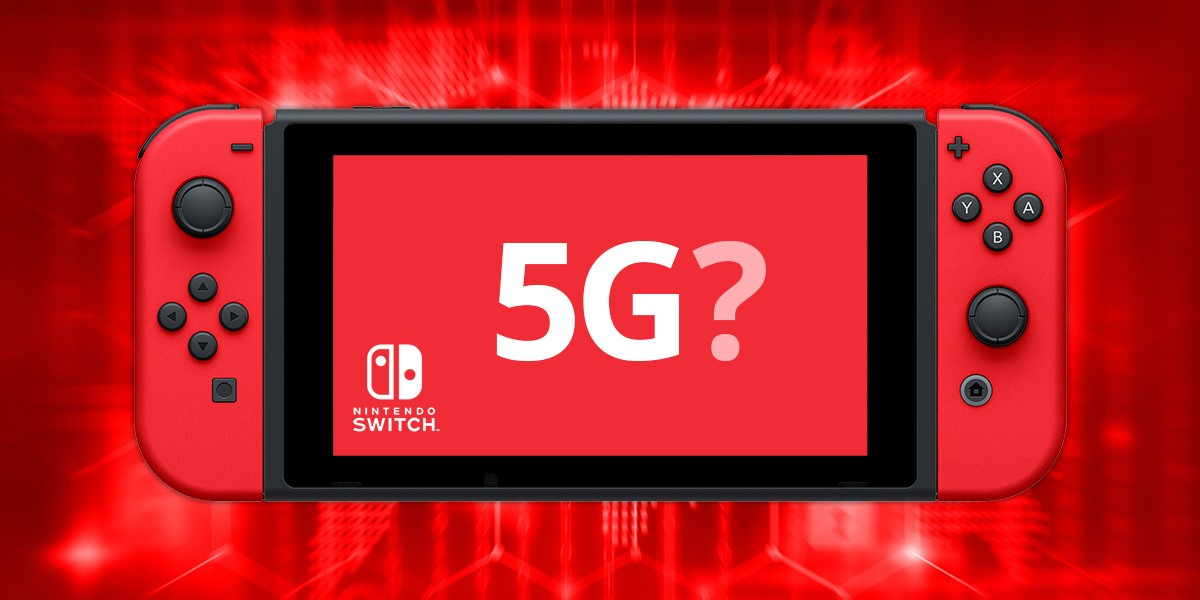
Shareholders love buzz words, don’t they? As far as telecommunication buzz words go, there is nothing spicier than ‘5G’ right now. The telecom sector is ripe with dreams of how 5G will change our lives and is desperate to sell us new subscriptions and handsets. But what does this mean on the gaming front?
Nintendo was asked how it plans to respond to the change in communication standards – from 4G to 5G – during its recent Shareholder Q&A. Ko Shiota provided the below response – stating how the company doesn’t just chase trends, but also considers how to apply the latest technology to gameplay:
5G can send a large amount of data without latency. We are aware that this technology has been gaining a lot of attention, and Nintendo is also investigating it. However, we don’t only chase trends in technology. When considering what to offer in our entertainment and services, we think about both how the technology will be applied to gameplay and what new experiences and gameplay we can offer consumers as a result of that application. Cost is also an extremely important factor when it comes to 5G. It’s difficult to use even an outstanding technology if the cost is too high, so we will continue to also thoroughly investigate the cost of new technologies.
Naturally, this is the sort of spiel shareholders want to hear. The most logical implementation of 5G for Nintendo at this point in time would be a new Switch SKU with 5G data capabilities.
It’s no secret Nintendo is already experimenting with “cloud version” games for the Switch in Japan. However, this tech is currently limited to individuals with a quality WiFi connection. Should this habit prove popular, having a 5G enabled Switch would make a lot of sense.
Company president Shuntaro Furukawa went on to discuss cloud and streaming tech himself – noting how Nintendo expected these technologies to be used more and more in the future to deliver games to consumers:
While we don’t expect all games to become cloud games any time soon, the technologies are definitely advancing. We see a future where cloud and streaming technologies will develop more and more as a means of delivering games to consumers. We must keep up with such changes in the environment. That being said, if these changes increase the worldwide gaming population, that will just give us more opportunities with our integrated hardware and software development approach to reach people worldwide with the unique entertainment that Nintendo can provide.
It seems as if Nintendo is fairly keen on 5G – provided the demand is there and the price is effective. The latter has an easy solution: make it optional. Apple has already shown that offering 4G as an option on their iPad is a way of satisfying demand for those that want the feature. Could this approach be something we’ll see applied to the Switch in the future?
What do you make of these statements from Nintendo? Would you be interested in a 5G capable Switch if they were eventually made available? How much extra would you be willing to spend? Share your thoughts below.
Posted by: xSicKxBot - 07-07-2019, 10:14 AM - Forum: Lounge
- No Replies
Spider-Man: Far From Home's Most Surprising Cameo Explained
If you stuck through the Spider-Man: Far From Home ending credits (and we hope you did--Endgame may have broken the tradition of post-credits scenes in the MCU, but Far From Home has brought it back with a vengeance) you will have seen one very familiar and very surprising face--and, if you didn't? Turn back now. Because we're about to talk about one of the most surprising returns in superhero movie history.
Major Spider-Man: Far From Home spoilers from here on out!
During the mid-credits scene, we see Peter Parker back home in New York City, happily Spider-Manning around with MJ, until a special broadcast cuts into the Times Square jumbotron. A news outlet called The Daily Bugle has received a special report--a video taken by Mysterio--and the one and only J. Jonah Jameson is here to report.
Oh, yeah. And J. Jonah Jameson is played by none other than J.K. Simmons.
It's a one-two punch of Spider-Man significance that involves some pre-MCU movie knowledge and some seriously weighty comics history. So, with that in mind, let's break it down.
The Bugle, JJJ, And Peter Parker
The Daily Bugle was first introduced all the way back in Fantastic Four #2 by Stan Lee and Jack Kirby in 1962--a little over a year before Peter Parker would be given his own solo ongoing series. The early '60s were a hugely experimental time for superhero stories, and the idea of a proper shared-universe continuity was just beginning to really solidify--something that the existence of the Bugle really helped cement. The Bugle appeared in most early Marvel publications as a bit of background flavor--something to really sell the idea that Marvel's characters all existed in the same version of New York City at the same time.
After its year of relatively background-level existence, the Bugle's offices and the characters within were introduced in Stan Lee and Steve Ditko's The Amazing Spider-Man #1 in 1963. This is where things really started to heat up, giving us our first glimpse of the paper's over-the-top editor, J. Jonah Jameson, and some idea of his zany, antagonistic relationship to put-upon freelance photographer Peter Parker.
Jameson and The Bugle's connection to Peter were instrumental in sparking Spider-Man's initial popularity as a breakout solo hero. In its infancy, Marvel made a name for itself in the superhero genre by publishing stories that bucked the square-jawed conventions put forth by competitors like DC (or National, as it was known at the time). Marvel's heroes were angst-ridden and outcast, products of the post-war era where nuclear anxiety and brewing complications with Vietnam were more relatable than the hard-boiled crime fighting and goofy, ray-gun slinging sci-fi of the '40s and '50s. In those early years, Marvel's characters' ennui usually manifested in a physical way--the X-Men and their mutations that immediately marked them as different, the Fantastic Four's superpowers that looked strange, impossible, or disturbing. But Spider-Man took a different approach--there was nothing physical that denoted Peter as an outsider or a freak, and everything that sparked his angst and confusion was almost entirely mundane.
Sure, he had his Spider-powers, but the things he struggled with were making it through high school as a bullied nerd, hitting deadlines at his thankless job, and trying to survive an endless barrage of complaints by his impossible-to-please boss. You know, the same stuff virtually every human in the world can relate to at one point or another.
JJJ and The Bugle really sold the concept on multiple levels. Not only was Jameson (and by extension, the paper itself) the perfect caricature of a furious editor, the anti-comics panic that pervaded the 1950s, and of Marvel's editorial bullpen itself, he was also given a cartoonish hatred of Spider-Man, making things for Peter even worse as he tried to thread the needle between work, life, and superheroics. It was the perfect blend of high flying escapism and completely relatable existential dread to really hook readers and keep them coming back for more.
In the decades since their introduction, the dynamic between Peter, Jonah, and The Bugle has shifted around countless times--Jonah doesn't always hate Spider-Man (though he usually does), Peter doesn't always work as a photographer, and so on. There have even been a few fleeting moments where Jonah's learned the truth about Peter's identity--though those don't tend to last very long. But, even with a status quo that continues to evolve and change over time, the connection between Spider-Man and The Bugle has crystallized into one of the most universally understood and recognized parts of the character--which, of course, makes it a little odd that it took the MCU this long to cross that particular bridge.
JK Simmons, Spider-Movies, and The MCU
If there's one thing we, as comic movie fans, have absolutely no shortage of, it's live-action Spider-Man movies--and, love them or hate them, Sam Raimi's original trilogy starring Tobey Maguire has cemented itself pretty firmly in the zeitgeist as a watershed moment for superhero movies. But that honor (or disgrace, depending on who you ask) doesn't just sit on Peter's shoulders--the world Raimi and his teams created for these movies informed a whole generation of new Spider-Man fans.
And that absolutely includes JK Simmons and his portrayal of J. Jonah Jameson. Pre-dating the MCU by almost a decade, Simmons was one of the most immediately and fondly recognized elements of the first Spider-Man movie. He looked the part, down to the letter, and sold it with the fist-clenching, cigar-chomping scowl that had defined the character for the last forty-some years of comics. Say what you will about the rest of the cast, from Kirsten Dunst's Mary Jane to James Franco's Harry Osborn, but Simmons was perfect in the role.
In fact, you could argue that he was too perfect. After Raimi's trilogy concluded, the reboot duology starring Andrew Garfield didn't even attempt to bring him in. He was referenced in The Amazing Spider-Man 2, but never actually brought on screen.
For the most part, the MCU has avoided the problem entirely--Tom Holland's Peter Parker is dramatically different from his other live action and comic book incarnations in some key ways. He's not a photographer, he has no interest in reporting or writing, his supporting cast has all been aged down and shifted to mesh with his new status quo rather than his traditional one, and so on. Sure, The Bugle may be one of the things just about everyone, no matter how well they know the comics or the movies, associates with Spider-Man--but the MCU has never really needed it.
At least, until now--and how do you solve the problem of recasting a beloved, well-remembered pop culture icon for a new franchise? Easy: You don't.
JJJ is back in live action, played by JK Simmons, here to ruin Peter's life as per usual--except this time the stakes are dramatically different. For one, Tom Holland's Peter has no relationship with The Bugle or with Jameson at all, making the attack on him both more and less brutal. Make no mistake, having his identity outed is going to royally screw things up, but at least he doesn't have to worry about handling the complete implosion of his day job simultaneously.
On the other hand, this is the first time we've had any experience with The Bugle in the MCU, so we have no idea whether or not this sort of anti-Spider-Man/anti-Superhero rhetoric is part and parcel with Jameson's "brand" or if this is a new thing. Either way, it's perfectly clear that he is more than OK with ruining the life of a high school kid, superhero or otherwise, which is rough, to say the least.
But despite the new context and slight changes to his character, one thing is certain: Now that JJJ is in the mix, nothing in the MCU will ever be the same.
Nintendo Intends To Create The Next Generation Of Controllers
Nintendo has been a leader in video game controller design for the past 30 years. However, at its recent Shareholders Q&A, it stated how it is actively working on establishing a ‘new standard’ within the industry.
When asked if he thought developers would continue making video games where players were required to look at a screen while using a traditional controller, Shigeyuki Takahashi explained how Nintendo had been challenging norms like this for some time now:
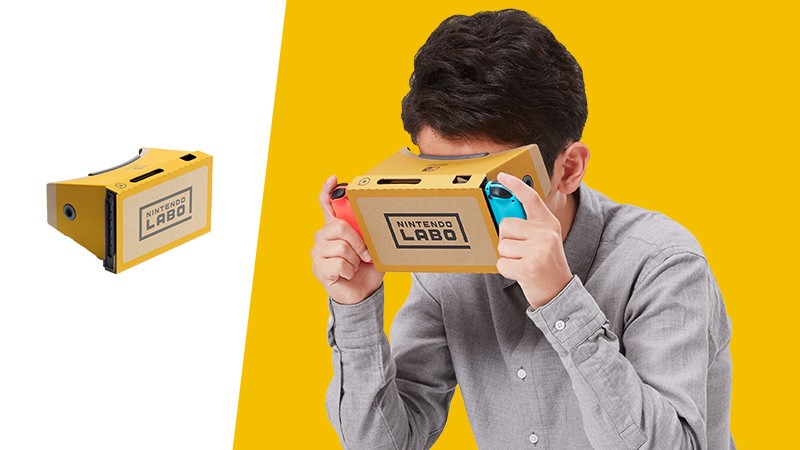
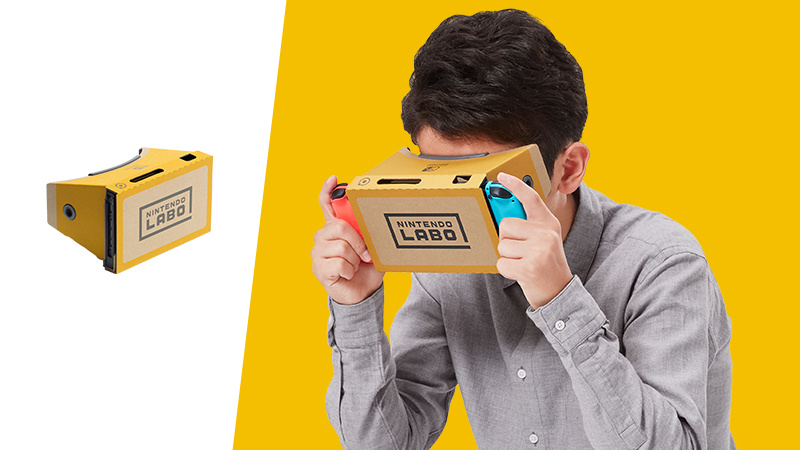
We are always dreaming up new things. For example, for 1-2-Switch, the first game released for Nintendo Switch, we suggested that people play by looking at each other and not at the screen. And for VR, we thought about how we could change not just the controller but also the gameplay itself, and came up with the Nintendo Labo Toy-Con 04: VR Kit. The software exhibited at this year’s E3 just happened to be mostly the type that is played with controller in hand, looking at the screen. However, I think you can see from the software we’ve created that we are always trying out new ideas.
Shigeru Miyamoto added to this, by outlining his own vision for an entirely new generation of controller:
I also believe that we should quickly graduate from the current controller, and we are attempting all kinds of things. Our objective is to achieve an interface that surpasses the current controller, where what the player does is directly reflected on the screen, and the user can clearly feel the result. This has not been achieved yet. We have tried all kinds of motion controllers, but none seem to work for all people. As the company that knows the most about controllers, we have been striving to create a controller that can be used with ease, and that will become the standard for the next generation.
Ko Shiota reinforced the fact that Nintendo would only release a product if it was unique enough and controls software well enough, concluding:
We have not yet invented an all-purpose controller that is unlike any of the current devices.
It’s fascinating to hear Miyamoto speak about this particular subject and it sounds as if he wants to achieve a new level of motion control that is a hybrid of the Wii Remote, Kinect and PlayStation Move.
Switch owners can no doubt feel safe that their current ‘standard’ controller setup will be around for a long time to come, but it also seems that Nintendo isn’t done with motion controllers completely. Watch this space.
What did you think of Miyamoto’s ideas? Are you interested in Nintendo developing further new controllers and input methods? Let us know in the comments.
Miyamoto Believes Nintendo Have Not Fallen Behind With VR
Another interesting response during the recent Nintendo Shareholders Q&A was from the one and only Shigeru Miyamoto when he was quizzed about the “impression that Nintendo has been a little slow to join large global trends like the mobile business and releasing games that use VR”.
The legendary designer rejected this, stating how Nintendo had been investigating and working with these services since the beginning, it’s just that nothing is publicised until a product is actually released.
We have not fallen behind with either VR or network services. We worked on them from the very beginning, and have been experimenting with them in a variety of ways. In that time, we have objectively evaluated whether they actually allow our consumers to have an enjoyable play experience, and whether we can operate them at an appropriate cost. Because we don’t publicize this until we release a product, it may look like we’re falling behind. In regards to VR, we think that we have created a product that is easy for our consumers to use in the recently released Nintendo Labo Toy-Con 04: VR Kit. Nintendo consumers encompass a wide range of ages, including young children, so we will continue to create and announce products that can be enjoyed by anyone.
While it seems like a fair response on the surface, it’s hard to argue that Nintendo has not fallen behind companies like PlayStation and Oculus when it comes to virtual reality. Sure, Labo VR was quite a surprise and shows some promise for the future, but it just doesn’t put Nintendo in the same league as its competitors.
That said, the hardware limitations of Switch are largely to blame for its muted VR experience thus far, and who knows what future hardware will be capable of. Either way, it sounds like Nintendo is still very keen on experimenting with the technology and continues to actively work on things behind the scenes.
Do you feel it’s fair to say that Nintendo hasn’t been left behind with VR? Give us your own virtual take in the comments below.
By Amber Neely Saturday, July 06, 2019, 10:36 am PT (01:36 pm ET)
Mozilla, creator of the Firefox web browser, has begun testing the waters regarding a paid news subscription service it plans to offer later this year.
Mozilla has started probing users to gauge interest in a paid news subscription, stating that a user can “support the sites you love, avoid the ads you hate.”
The service, currently referred to as “Firefox Ad-free Internet” would be a direct competitor to Apple News+, which launched in March of this year, wrangling in over 200,000 subscriptions in the first 48 hours.
Mozilla has partnered with Scroll, an ad-free news startup to offer this service. Scroll is still in closed beta but says it has ad-free access to websites such as Vox, Gizmodo, The Verge, and Buzzfeed.
The service would include access to audio articles, bookmarks synced across devices, news recommendations, and a news-focused app. It also claims that it will work whether a user is reading news on mobile or desktop, suggesting that it will be tethered directly to the users Firefox account, allowing the service to be used on any browser they’ve signed into.
According to the teaser page, the service will cost $4.99 a month, which would undercut Apple News+ by about $5. The page includes a link to take a survey and be offered the ability to enter into the beta.
PlayDek to bring back the mobile version of card game Fluxx on July 18th
By Joe Robinson03 Jul 2019
Anyone who was around in 2013 may remember back in the halcyon days of PlayDek’s time as a developer of digital board/ card games that we reviewed their digital adaptation of Fluxx. I’m not going to link the review because, honestly, the CMS transitions have not been kind to articles from that era but it was a pretty decent port of a wonderful and chaotic card game.
PlayDek’s Fluxx was originally released in 2012 but was removed from the app store in 2017 during the iOS 11 ‘Appocalypse’. At the time, PlayDek said they had no plans to update the game (and four others) to 64-bit. Thankfully, plans change!
Playdek have today announced that they’re bring Fluxx back to mobile – iOS AND Android – on July 18th! It’ll cost $2.99 and be a universal app, working on both tablets and phones.
If you’ve never encountered it before, Fluxx was created by Looney Labs and is a card game where everything, including the rules of the game itself, can change during a player’s turn. There are ‘New Rules’ cards, Action cards and differing objectives that can be played to the field. It’s chaos, but it’s also wonderful and a great group game. Since its original release in the late 90’s it’s gone through several versions and has even sported several themed and licensed spin-offs – like Firefly Fluxx, or Zombie Fluxx.
Here are the main features of the new digital version:
Offline and Online play for 2-4 players
Human and AI opponents
Pass-and-play Multiplayer
Full asynchronous support for multiplayer online games
Invite friends to online games
Online player stats
Localized for English, French, Italian, German, Spanish and Dutch
Tutorial
If you purchased the app originally on iOS between 2012 and its de-listing in 2017, you’re in luck: PlayDek have confirmed with us that you won’t have to purchase it again:
Previous customers will not have to purchase the game again. They just need to redownload it as it will show up under the previous Apple ID they purchased the game under.
Like the previous app, this new partnership with Looney does not currently extend to any of the spin-offs or licensed versions of Fluxx – only the base/original game.
What do you remember of the original Fluxx game? Are you excited for this new version? Let us know in the comments!
Over on the Godot website and update on the status of the Vulkan renderer that is the marquee feature of Godot 4.0. Vulkan is the Khronos Group’s new low level rendering alternative to OpenGL, that enables developers to get much closer to the metal than previous graphics APIs. Development of the new Vulkan renderer was started back in May 2019 and has progressed rapidly since. Development is on Github under the vulkan code branch.
One of the main features that will be present in Godot 4.0 is the new RenderingDevice abstraction. Up to now, it was impossible to do any internal modifications to how Godot does rendering. This means that if you wanted to run custom low-level rendering code to a texture or buffer, custom post-processing, custom drawing code (other than what Godot shaders allow), custom compute, etc., this was not possible without modifying Godot’s rendering backend.
-snip-
Currently, RenderingDevice is more or less complete (compute support is missing) and the 2D engine is halfway being ported. Work on 3D rendering will begin near the end of the month.
There are a few ramifications for developers, but they are minimal.
In modern rendering APIs, there are architecture changes that force us to break compatibility and do some things differently. The immediate one is that it is no longer possible to set repeat, filter, etc. flags on imported textures. In 2D, this will be set per canvas item (Control or Node2D) using a new set of options. It will be also be possible to specify this in the shader or the material options (or just globally, if you are making a pixel art game).
Of course the question most people are probably asking is… when?
The goal is to have a more or less complete rewrite of the existing Godot 3.x feature set by October (cross your fingers), hard work and long hours are being put towards this.
Learn more, as well as how to get the Vulkan branch from GitHub in the video below. If you are interested in learning Godot, be sure to check out our Godot tutorial series available here.
Posted by: xSicKxBot - 07-07-2019, 03:28 AM - Forum: Lounge
- No Replies
High-Speed Racing Game Wreckfest Gets PS4/Xbox One Release Date
Bugbear Entertainment's Wreckfest, which first launched on PC in June 2018 to favorable reviews, is making its way to PlayStation 4 and Xbox One on August 27, publisher THQ Nordic announced. The high-speed demolition racing game will come in standard and deluxe editions and includes a Bandit Ripper V8 racer for those who pre-order digitally or physically.
Cashing out for the deluxe edition grants one-day-early access to the game and the Season Pass, which includes 20 new cars, 20 special roof decorations, and extra customization options like armor, rims, and more. This additional content will roll out periodically after release, alongside more free content updates. The standard edition retails for $40 USD / $57 AUD / £32 GBP, while the digital deluxe edition sets you back $60 USD / $85 AUD / £48 GBP.
Check out the announcement trailer below.
PC players won't be left behind, as the PC version of Wreckfest will receive a massive update on August 27. The free update will include three new race tracks and one new derby arena; three new challenge cars; a new reward for completing career mode; new and improved career mode events; new paint jobs for existing cars; more daytimes for all tracks; and more.
Finnish developer Bugbear is best known for the FlatOut action derby racing game series. The studio also developed Sega Rally Revo (with Sega) in September 2007 and Ridge Racer Unbounded (with Bandai Namco Entertainment) in March 2012 before working with THQ Nordic on Wreckfest.
In our Wreckfest review, we said, "Minor issues with menus and its soundtrack aside, [Wreckfest] wows with a gorgeous look and wonderful driving feel, along with a damage system that satisfies in the most brutal of fashions. With its array of different cars, tracks, and event types, Wreckfest is a brilliantly fun and frenetic racing game that can be thoroughly enjoyed by anyone, not just racing game fans."